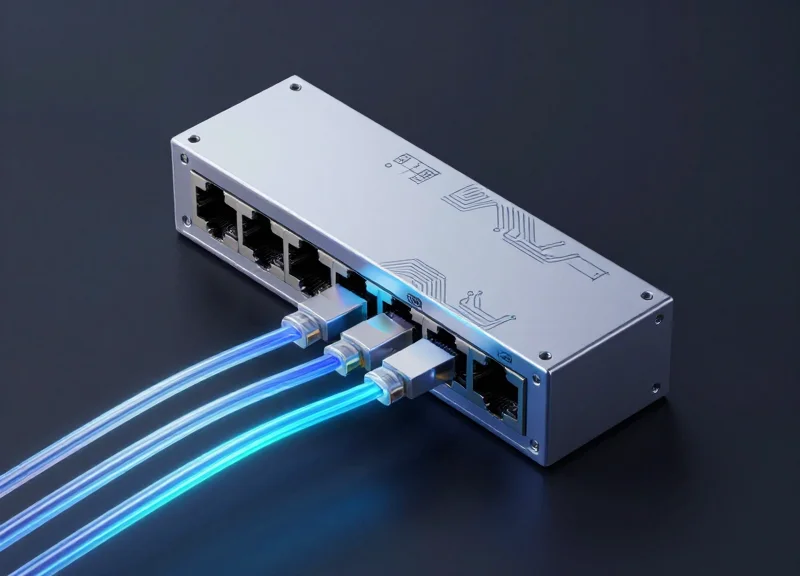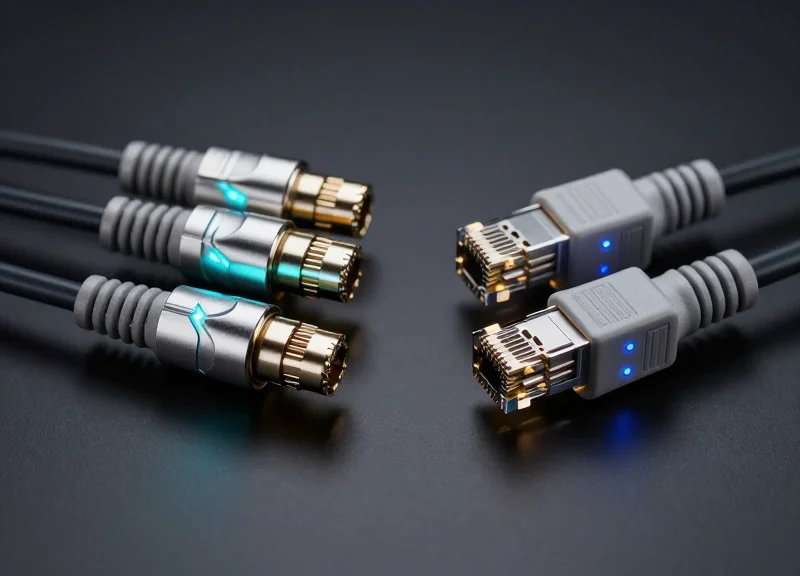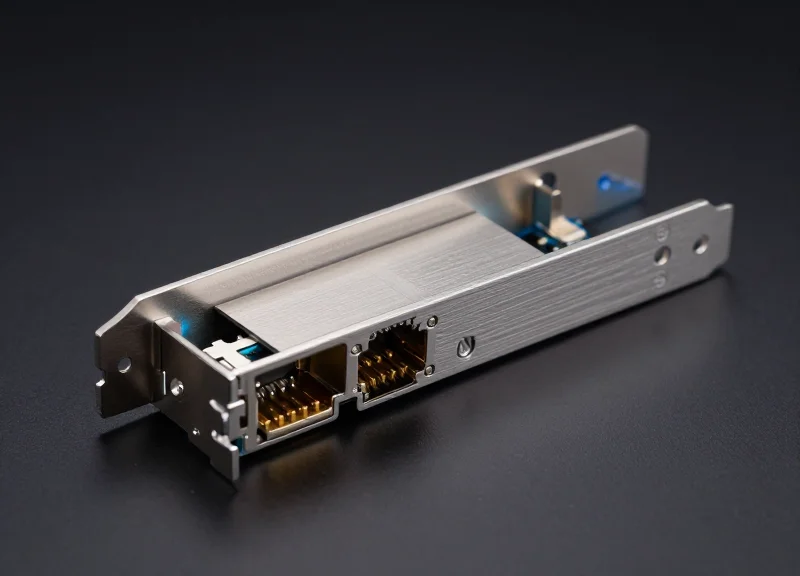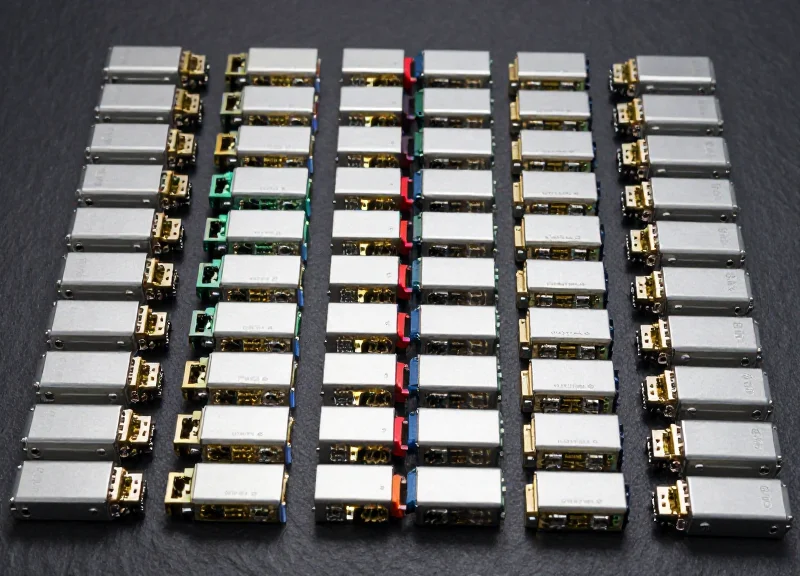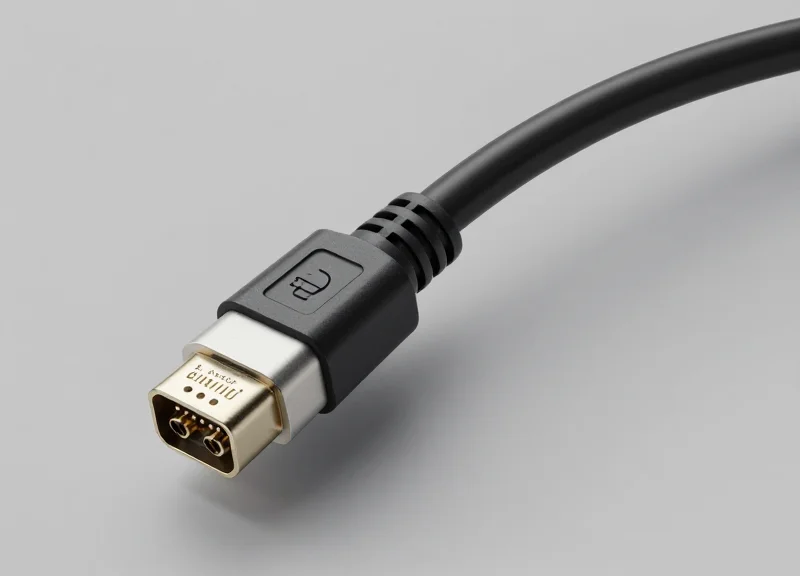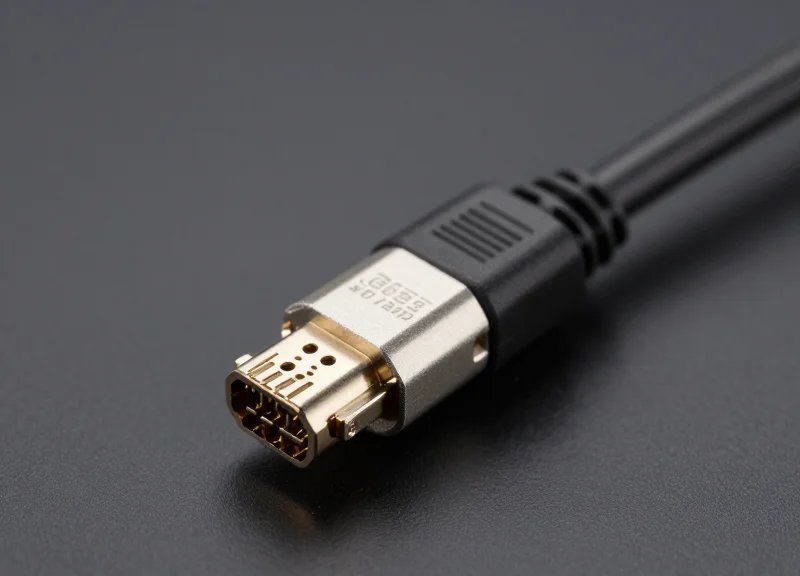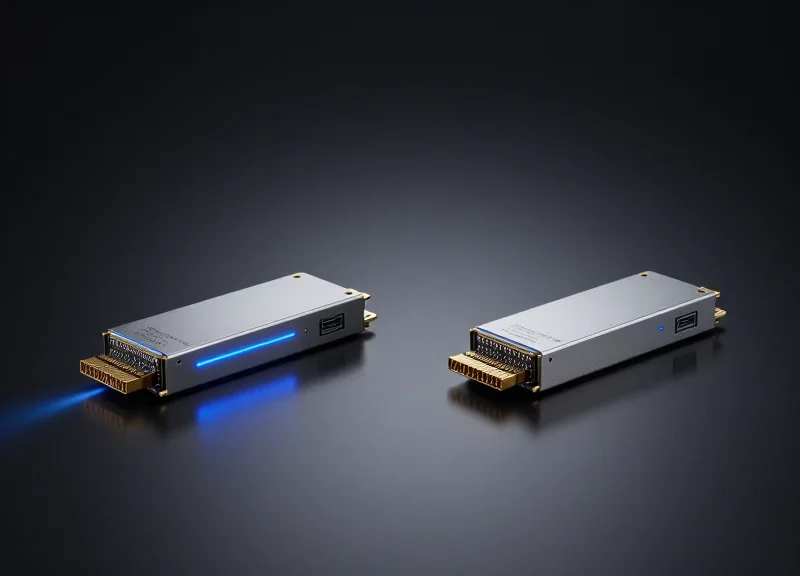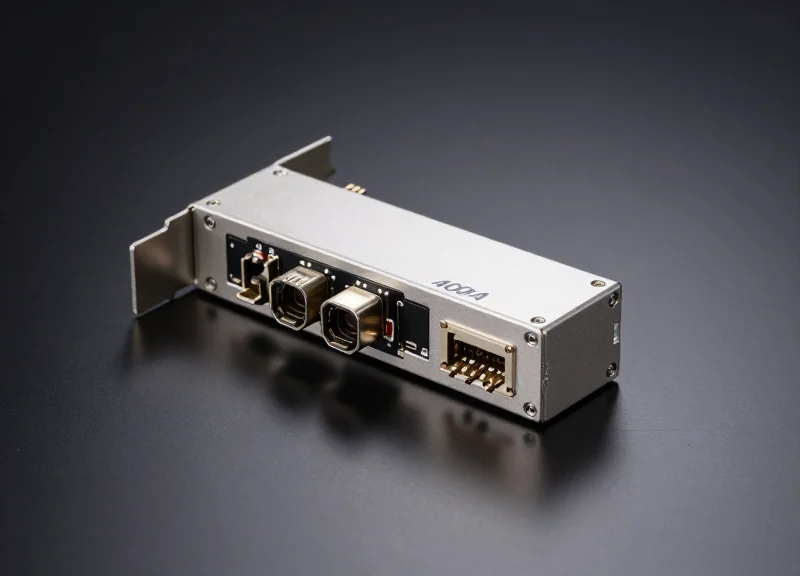
As data centers evolve to meet the demands of AI and 5G, the shift to 400G infrastructure is no longer optional. The 400G LR4 module stands at the forefront of this transition, offering the necessary bandwidth for long-distance connectivity. However, navigating the procurement landscape requires a balance of technical precision and cost-efficiency. This guide explores how wholesale sourcing and custom OEM solutions can accelerate your network deployment while protecting your bottom line.
Understanding 400G LR4: The Future of Long-Reach Connectivity
Understanding 400G LR4: The Future of Long-Reach Connectivity
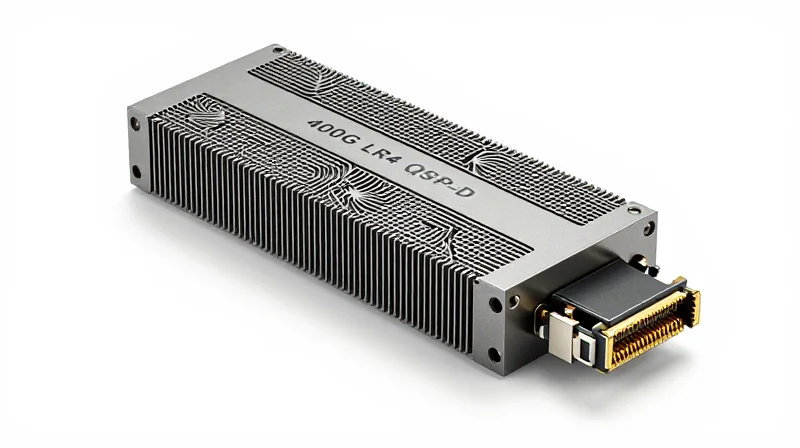
400G LR4 technology is a high-performance optical standard designed to meet the escalating bandwidth demands of hyperscale data centers and metropolitan area networks. By utilizing a 4x100G PAM4 (4-level Pulse Amplitude Modulation) architecture, these transceivers aggregate four separate wavelengths across a single pair of single-mode fibers (SMF) to achieve a massive 400Gbps throughput. Unlike shorter-reach solutions, the LR4 standard is specifically engineered to maintain signal integrity over distances up to 10 kilometers, making it the primary choice for inter-building connectivity and service provider backbones.
Core Technical Specifications of 400G LR4
| Feature | Specification |
|---|---|
| Standard | IEEE 802.3bs / 400G-LR4-10 |
| Wavelengths | 1271, 1291, 1311, 1331nm (CWDM4) |
| Maximum Reach | 10km over OS2 Single-Mode Fiber |
| Connector Type | Duplex LC |
| Modulation | 100G PAM4 per Lane |
| Form Factors | QSFP-DD, OSFP |
Role in Modern Network Architecture
As enterprises migrate from 100G to 400G ecosystems, the LR4 module serves as a critical bridge. It eliminates the need for expensive and complex parallel cabling associated with multi-fiber standards like SR8 or DR4 by leveraging existing duplex fiber plants. The integration of advanced Digital Signal Processing (DSP) within the module allows for the compensation of chromatic dispersion, which is essential for reaching the 10km threshold. This reliability makes 400G LR4 the gold standard for connecting geographically dispersed data center campuses and high-density core switches.
Frequently Asked Questions
- How does 400G LR4 differ from 400G FR4?
The primary difference is the reach. 400G FR4 is designed for distances up to 2km, making it ideal for intra-data center links, while 400G LR4 is optimized for 10km long-haul connectivity. - Does 400G LR4 require Forward Error Correction (FEC)?
Yes, 400G LR4 transceivers rely on host-side KP4 FEC (Forward Error Correction) to achieve the necessary bit error rate performance over the full 10km span. - Can 400G LR4 modules be used for shorter distances?
While they can be used for shorter links, they are often not cost-effective for distances under 2km compared to DR4 or FR4 modules. However, their backwards compatibility with single-mode infrastructure makes them highly versatile.
Technical Deep Dive: Wavelengths and Signal Integrity

The Precision of CWDM4 Wavelength Allocation
The 400G LR4 transceiver achieves its 10km reach by multiplexing four separate 106.25 Gbps lanes onto a single-mode fiber (SMF) using Coarse Wavelength Division Multiplexing (CWDM). By operating specifically in the O-band, these modules are engineered to keep chromatic dispersion at an absolute minimum, which is critical for maintaining the tight optical budget required for high-speed long-haul links. Each of the four wavelengths is spaced at 20nm intervals, providing a robust buffer against thermal drift while ensuring high spectral efficiency.
| Lane | Center Wavelength | Wavelength Range | Data Rate per Lane |
|---|---|---|---|
| L0 | 1271 nm | 1264.5 to 1277.5 nm | 106.25 Gbps (PAM4) |
| L1 | 1291 nm | 1284.5 to 1297.5 nm | 106.25 Gbps (PAM4) |
| L2 | 1311 nm | 1304.5 to 1317.5 nm | 106.25 Gbps (PAM4) |
| L3 | 1331 nm | 1324.5 to 1337.5 nm | 106.25 Gbps (PAM4) |
PAM4 Modulation and Signal Recovery Challenges
Transitioning from traditional NRZ (Non-Return to Zero) to PAM4 (Pulse Amplitude Modulation 4-level) is the cornerstone of 400G technology. PAM4 doubles the bits per symbol by using four distinct voltage levels, effectively halving the required Nyquist frequency. However, this increased density reduces the signal-to-noise ratio (SNR), making the signal more susceptible to impairments. To counter this, 400G LR4 optics employ advanced Digital Signal Processing (DSP) and Forward Error Correction (FEC) to reconstruct the signal at the receiver end, ensuring a Bit Error Rate (BER) that meets industry standards for 10km spans.
- What is TDECQ and why does it matter for LR4?
Transmitter and Dispersion Eye Closure Quaternary (TDECQ) is a key metric used to evaluate the quality of a PAM4 optical signal. For 400G LR4, a low TDECQ value ensures that the transmitter provides enough 'eye opening' for the receiver to accurately decode data after 10km of fiber attenuation. - Why is the O-band used instead of the C-band?
The O-band (Original band) features the zero-dispersion point for standard G.652 single-mode fiber. Using this band for 400G LR4 allows for 10km transmission without the need for complex and expensive dispersion compensation modules required in C-band long-haul systems. - How does DSP impact power consumption in wholesale modules?
The DSP is the most power-intensive component in a 400G LR4 module. When buying wholesale, it is vital to select modules with 7nm or smaller DSP nodes to ensure lower power dissipation and better thermal management in high-density rack environments.
The Economics of Wholesale Procurement for 400G Upgrades

Transitioning to 400G LR4 connectivity represents a major capital expenditure, but wholesale procurement transforms this investment into a strategic advantage by dramatically lowering the cost-per-gigabit compared to individual unit pricing. For large-scale data center interconnects (DCI) and service provider backhauls, bulk purchasing mitigates the premium often associated with early-stage high-density technology, ensuring that 10km reach bandwidth remains economically viable as traffic demands surge throughout 2026.
Quantifying the Bulk Pricing Advantage
The financial logic behind wholesale buying centers on volume-based discounts and logistics optimization. When purchasing 400G LR4 modules—which utilize sophisticated CWDM lasers and PAM4 DSPs—manufacturers can pass on savings from production runs and testing efficiencies to buyers who commit to larger volumes. This creates a non-linear pricing model where the cost per unit drops significantly once procurement crosses specific volume thresholds.
| Procurement Tier | Typical Volume | Estimated Discount Range | Primary Benefit |
|---|---|---|---|
| Small Batch | 1-10 Units | Baseline MSRP | Immediate Availability |
| Mid-Market | 11-50 Units | 10% - 18% Off | Project-Specific Savings |
| Wholesale/Bulk | 50+ Units | 25% - 40%+ Off | Lowest Cost-Per-Gigabit |
Strategic ROI for Enterprises and Providers
Beyond the initial invoice price, wholesale procurement offers operational benefits that impact the bottom line over a 3-5 year equipment lifecycle. By securing large batches, organizations achieve greater consistency in hardware revisions and firmware versions across their infrastructure.
- Inventory Stability
Securing a large batch ensures that all modules come from similar production lots, reducing performance variability across the fiber plant. - Reduced Landed Costs
Consolidating shipments into a single wholesale delivery lowers the freight, insurance, and handling costs per transceiver. - Custom Quote Flexibility
High-volume buyers gain access to tailored support agreements and technical validation services that are rarely available for retail purchases.
Wholesale Procurement FAQ
- How do custom quotes differ from list prices?
Custom quotes account for total project volume, specific shipping requirements, and long-term supply agreements to provide a lower net price than standard MSRP. - Why is wholesale pricing more critical for LR4 than SR4?
LR4 optics are fundamentally more expensive due to the 10km reach lasers and mux/demux components, making volume discounts essential for maintaining a reasonable ROI. - Can we lock in 2026 pricing for phased rollouts?
Yes, many wholesale agreements allow for 'blanket purchase orders' where pricing is locked in based on total volume, but deliveries are scheduled over several months.
OEM vs. ODM: Tailoring Optical Solutions to Your Hardware
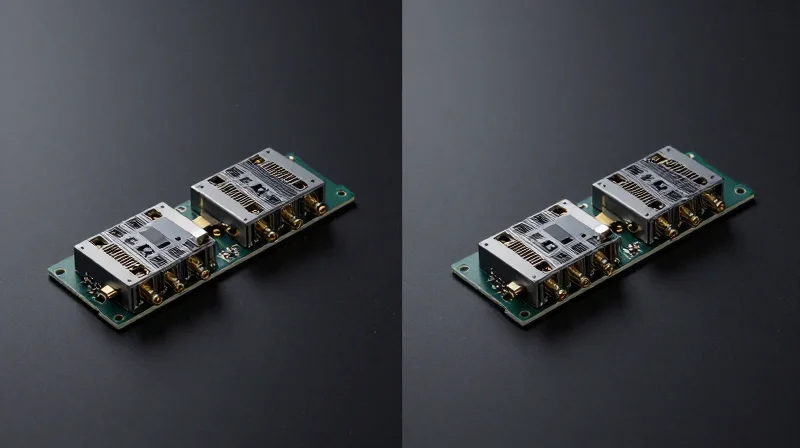
When you buy 400G LR4 long distance wholesale, the distinction between OEM and ODM models dictates your network's long-term flexibility and procurement budget. While OEM (Original Equipment Manufacturer) products provide the comfort of a single-brand ecosystem, ODM (Original Design Manufacturer) solutions offer the ability to tailor optical specifications and EEPROM coding to achieve 100% compatibility with diverse hardware environments at a fraction of the cost.
Distinguishing Between OEM and ODM Procurement
In the context of 400G upgrades, OEM optics are typically sold by the switch manufacturer under their own label, often at a significant markup. ODM solutions, such as those provided by Ubytelink, allow for deep hardware-level customization. This ensures that the LR4 modules not only meet the IEEE 802.3bs standards but are also specifically tuned to bypass vendor lock-in mechanisms prevalent in modern high-density switches.
| Feature | OEM (Vendor Branded) | ODM / Custom Whitebox |
|---|---|---|
| Unit Cost | Premium pricing (Brand Markup) | Wholesale optimized pricing |
| Compatibility | Restricted to single vendor | Multi-vendor (Cisco, Arista, etc.) |
| Firmware Control | Closed / Fixed | Customizable EEPROM/DDM |
| Supply Chain | Often subject to vendor delays | Agile, direct-from-factory access |
Ubytelink’s Tailored Configuration Advantage
Ubytelink bridges the gap between these two worlds by offering 'Custom Quotes & Bulk Pricing 2026' that include specialized compatibility testing. Our 400G LR4 transceivers undergo rigorous host-board simulation to ensure they are recognized immediately by hardware from Cisco, Arista, Juniper, and NVIDIA (Mellanox). By leveraging custom coding at the factory level, we eliminate the 'unsupported transceiver' errors that often plague generic wholesale purchases.
Common Compatibility Questions
- Can custom-coded LR4 modules void my switch warranty?
No. In the US, the Magnuson-Moss Warranty Act protects consumers, and globally, using third-party optics is a standard industry practice that does not legally void hardware warranties. - How does Ubytelink ensure 100% compatibility?
We maintain a comprehensive library of vendor-specific algorithms and perform real-world testing on actual switch chassis to verify that DOM (Digital Optical Monitoring) and signal thresholds are perfectly aligned. - What information is needed for a custom quote?
To provide an accurate wholesale quote, we require the specific switch model, the firmware version (OS), and the desired transmission distance to optimize the internal laser calibration.
Energy Efficiency and Thermal Management in 400G Modules

Energy Efficiency and Thermal Management in 400G Modules
As data centers transition to 400G architectures, managing the thermal envelope of optical transceivers becomes a primary design constraint. 400G LR4 modules require significant power to drive advanced Digital Signal Processors (DSPs) and high-speed lasers over 10km distances, making energy efficiency a critical metric for wholesale buyers looking to control long-term operational expenditures (OPEX) and prevent hardware-induced downtime.
The Impact of PAM4 DSPs on Power Consumption
The primary heat generator within a 400G LR4 module is the PAM4 DSP, which is responsible for complex signal processing and forward error correction (FEC). In wholesale procurement, it is vital to select modules utilizing the latest 7nm or 5nm CMOS fabrication processes. These advanced silicon nodes significantly reduce the 'Watts per Gigabit' ratio, allowing for higher port density without exceeding the cooling capacity of standard air-cooled switch chassis.
| Module Type | Typical Power Consumption | Max Power Limit | Thermal Dissipation Class |
|---|---|---|---|
| 400G LR4 QSFP-DD (Gen 1) | 12W - 14W | 15W | High |
| 400G LR4 QSFP-DD (Gen 2/Current) | 9W - 11W | 12W | Medium |
| 100G LR4 (Standard) | 3.5W - 4.5W | 5W | Low |
Maintaining Stability in High-Density Environments
Effective thermal management at the module level involves high-conductivity thermal pads and optimized internal heat sinks. For enterprises purchasing 400G LR4 in bulk, ensuring that the optics meet rigorous thermal testing standards is paramount. Excessive heat not only shortens the Mean Time Between Failures (MTBF) of the laser diodes but can also lead to bit error rate (BER) spikes as the DSP adjusts its clock speeds to mitigate rising temperatures.
- How does power consumption affect the total cost of ownership (TCO) in wholesale deals?
Lower power consumption reduces the load on data center cooling systems and the power distribution units (PDUs). Over a large-scale deployment of several hundred units, a 2W saving per module can lead to thousands of dollars in annual energy savings. - What are the risks of using high-power 400G LR4 modules in legacy switches?
Older hardware may lack the airflow design to cool 12W+ modules effectively. This can cause the modules to go into 'thermal shutdown' mode, dropping the link to protect the circuitry. - Does 'green' optics technology sacrifice performance for efficiency?
No. Modern energy-efficient 400G LR4 optics use smaller silicon nodes to achieve better performance with less heat waste, often providing superior signal integrity compared to older, power-hungry versions.
Reliability and EEAT: Standards for 400G Manufacturing

Reliability in 400G LR4 manufacturing is not merely a feature but a prerequisite for maintaining network integrity over 10km spans. High-tier manufacturing involves a rigorous combination of adherence to IEEE 802.3bs standards, Multi-Source Agreement (MSA) specifications, and exhaustive thermal and signal integrity validation. For wholesale buyers, understanding these standards is essential to mitigating the risks of premature fiber link failures and ensuring long-term return on investment in high-capacity infrastructure.
MSA Compliance and Industrial Standards
To ensure that 400G LR4 modules function seamlessly across diverse hardware environments—from Cisco and Arista to Juniper and Mellanox—manufacturers must follow the QSFP-DD MSA. This framework defines the mechanical, electrical, and thermal interfaces, ensuring that wholesale units are interchangeable and perform consistently regardless of the vendor chassis. Compliance with Telcordia GR-468 is also a hallmark of high-tier production, focusing on the optoelectronic device reliability through accelerated aging tests.
Rigorous Quality Control Testing Matrices
| Testing Phase | Parameters Validated | Significance for LR4 |
|---|---|---|
| Optical Eye Diagram | Extinction ratio, TDECQ, OMA | Ensures signal clarity over 10km Single Mode Fiber. |
| Burn-in Testing | High-temperature endurance (48-72h) | Identifies potential early-life failures (infant mortality). |
| Interoperability | Cross-brand switch compatibility | Guarantees 100% recognition in multi-vendor environments. |
| Spectral Analysis | Wavelength accuracy (LWDM grid) | Prevents crosstalk in four-lane WDM transmission systems. |
EEAT in Optical Manufacturing: Why Vendor Authority Matters
When sourcing 400G LR4 modules at scale, the Experience and Authoritativeness of the manufacturer directly correlate to network uptime. A vendor demonstrating high 'EEAT' standards provides detailed test reports—including serial-specific data—and maintains ISO 9001 certification. This level of transparency is vital for wholesale purchasers who must justify the technical integrity of their procurement to internal stakeholders or enterprise clients. Trustworthiness is further established through comprehensive warranties and the availability of real-time technical support for complex firmware troubleshooting.
Quality Standards & Reliability FAQ
- What is the typical MTBF for a high-quality 400G LR4?
Mean Time Between Failures (MTBF) for carrier-grade 400G LR4 modules typically exceeds 1,000,000 hours, provided they are operated within standard thermal ranges. - How does TDECQ impact long-distance 400G links?
Transmitter and Dispersion Eye Closure Quaternary (TDECQ) is a key metric for PAM4 signals; a lower TDECQ value indicates a higher-quality transmitter with more margin to overcome fiber dispersion over 10km. - Do wholesale 400G modules include individual test reports?
Yes, premium wholesale batches include individualized test data for each transceiver, documenting power consumption, wavelength stability, and bit error rate (BER) performance.
Future-Proofing Your Network: Scaling from 400G to 800G
As data centers and service providers face an insatiable demand for bandwidth, 400G LR4 serves as the critical bridge to the Terabit era. By deploying robust 400G solutions today, organizations establish the power management, thermal cooling, and LC-duplex fiber standards that will carry over into the 800G lifecycle, ensuring that the jump to higher speeds is an incremental upgrade rather than a total network overhaul. Investing in wholesale 400G LR4 modules allows for a uniform physical layer that is purpose-built to handle the increased baud rates and modulation complexity of future 800G optics.
Common Hardware Form Factors and Backward Compatibility
The transition from 400G to 800G is significantly smoothed by the industry's commitment to the QSFP-DD and OSFP form factors. Most 800G switches are designed to be backward compatible with 400G modules, meaning the 400G LR4 optics you buy today can coexist within the same chassis that will eventually house 800G modules. This longevity protects your initial capital expenditure while providing a clear roadmap for port-by-port upgrades as traffic demands increase, rather than requiring a 'forklift' upgrade of the entire switching fabric.
| Feature | 400G LR4 Standard | 800G LR Migration Path |
|---|---|---|
| Modulation | PAM4 (56GBaud) | PAM4 (112GBaud) |
| Interface | 4x100G (WDM) | 8x100G or 2x400G |
| Form Factor | QSFP-DD / OSFP | QSFP-DD800 / OSFP |
| Fiber Type | Single Mode (SMF) | Single Mode (SMF) |
| Connector Type | LC Duplex | LC Duplex / MPO-16 |
Scaling Physical Infrastructure for the Future
High-quality 400G LR4 transceivers utilize 10km transmission over standard G.652 single-mode fiber. This exact fiber infrastructure is the backbone of upcoming 800G LR standards. By ensuring your current fiber plant is optimized for low-loss 400G LR4 signals today, you are effectively pre-certifying your cabling for the next generation of optics. Bulk procurement allows for the standardization of these high-performance links across the entire data center fabric, ensuring that when the time comes to double the throughput, the passive infrastructure is already in place.
Frequently Asked Questions About 400G to 800G Migration
- Will my current 400G LR4 modules work in 800G switches?
Yes, most 800G ports using the QSFP-DD800 or OSFP standard are designed to be backward compatible with 400G modules, allowing you to use your existing 400G LR4 inventory in newer hardware deployments. - Do I need to replace my fiber cables for 800G?
If you are using high-quality single-mode fiber (SMF) for 400G LR4, the cable plant should support 800G LR solutions, as both technologies rely on similar wavelength multiplexing over long distances. - Why buy 400G wholesale now if 800G is coming?
400G LR4 is currently at the sweet spot of price-per-bit and power efficiency. Wholesale purchasing provides immediate ROI and operational stability while establishing the density patterns required for future 800G deployments.
Navigating the Supply Chain: Lead Times and Bulk Availability
Navigating the Supply Chain: Lead Times and Bulk Availability
Navigating the 400G LR4 supply chain in 2026 requires a transition from reactive purchasing to strategic inventory management, as the consistent availability of 10km long-distance optics is often constrained by the production cycles of high-performance EML lasers and advanced DSP chipsets. To secure wholesale pricing and reliable delivery, organizations must integrate rolling six-month forecasts with diversified sourcing strategies that account for regional manufacturing fluctuations.
Current Factors Impacting 400G Lead Times
The primary bottlenecks in the 400G LR4 supply chain are currently centered on the availability of 7nm and 5nm Digital Signal Processors (DSPs). While global logistics have largely recovered, the sheer volume of demand from AI-driven data center expansions can occasionally preempt smaller enterprise orders. Understanding the distinction between 'stocked' items and 'build-to-order' batches is critical for project timelines.
| Procurement Model | Typical Lead Time | Inventory Risk | Ideal Use Case |
|---|---|---|---|
| Factory Direct | 10-14 Weeks | Low (Custom Built) | Large-scale greenfield projects |
| Tier-1 Distributor | 4-8 Weeks | Medium | Ongoing infrastructure maintenance |
| Specialized Wholesaler | 1-4 Weeks | High (Stock Dependent) | Urgent capacity expansion |
| Stock-on-Hand Programs | Immediate | Minimal | Emergency sparing and replacement |
Best Practices for Securing Wholesale Inventory
- Rolling Forecasts
Provide vendors with a 6-to-12 month visibility into projected needs to ensure components are reserved in the manufacturing queue. - VMI Agreements
Utilize Vendor Managed Inventory (VMI) to maintain a local buffer of 400G LR4 modules, reducing the impact of sudden shipping delays. - Staggered Delivery Schedules
Instead of requesting 1,000 units at once, schedule monthly deliveries of 200 units to ensure a constant flow of hardware and better cash flow management.
Supply Chain FAQ
- What is the average lead time for 400G LR4 wholesale orders?
In 2026, lead times generally range from 4 to 10 weeks depending on the manufacturer and the volume of the order. - Can lead times be expedited for urgent projects?
Yes, many wholesalers offer 'Hot-Run' manufacturing options for a premium, or can pull from safety stock if a long-term contract is in place. - How do global component shortages affect pricing?
Shortages in DSPs or EML lasers can trigger temporary surcharges or a shift toward fixed-price contracts to hedge against market volatility.
Upgrading to 400G LR4 is a significant investment that requires a partner with technical expertise and manufacturing scale. By choosing wholesale and custom OEM options, you ensure your network is both high-performing and cost-effective. Contact Ubytelink today to receive a personalized quote and discover how our 400G solutions can power your digital transformation.