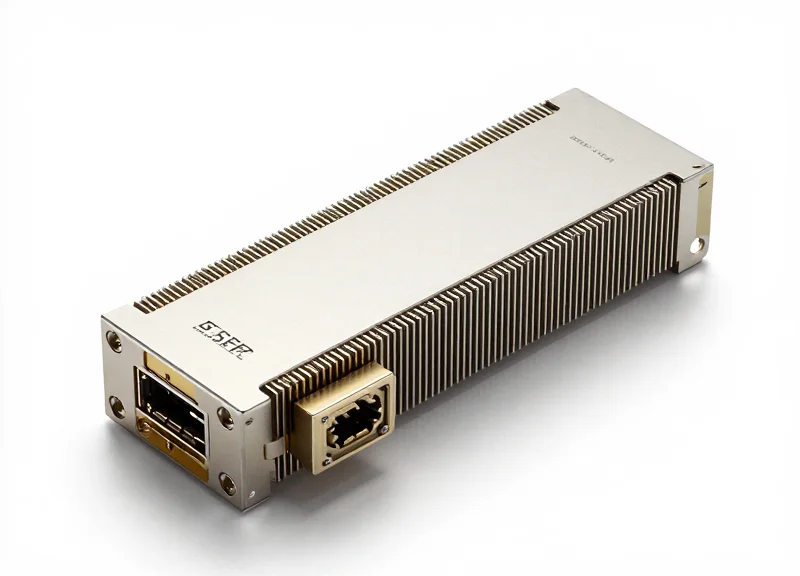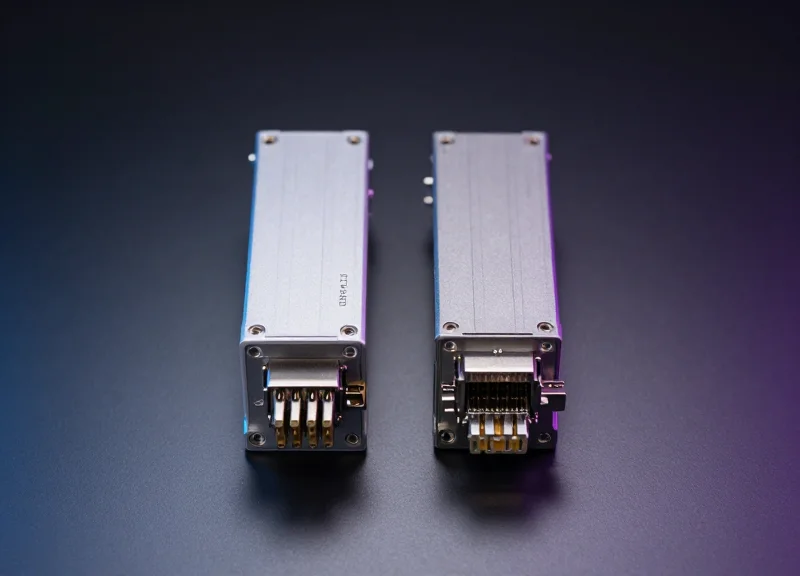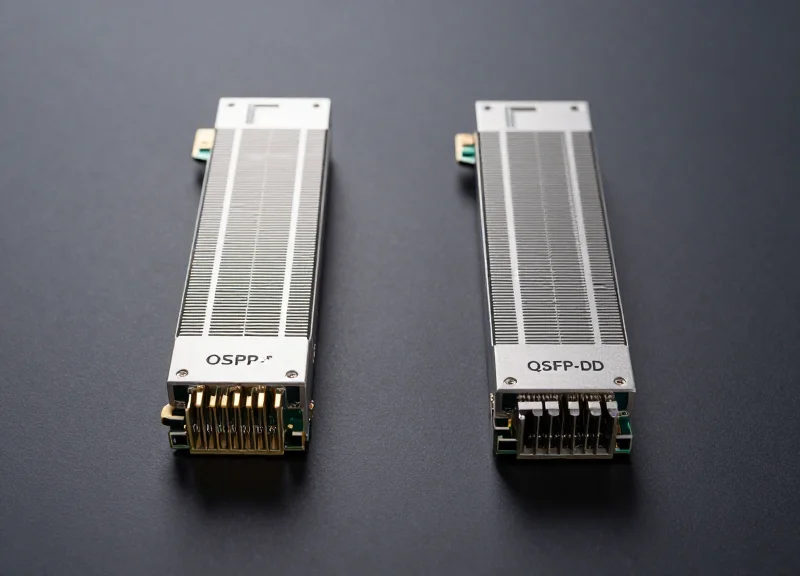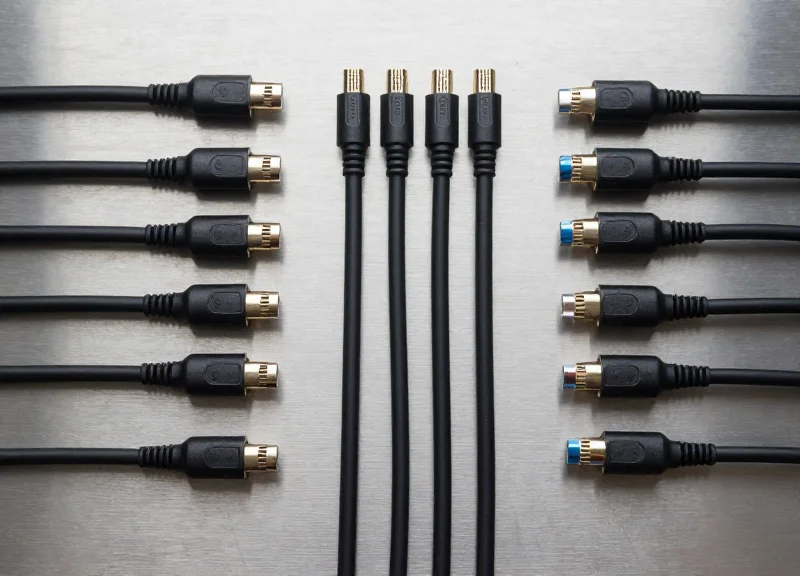
As data centers evolve toward higher densities and 400G/800G speeds, standard cable lengths often lead to inefficient airflow and cable management nightmares. Custom-length Direct Attach Copper (DAC) and Active Optical Cables (AOC) offer the precision required for modern top-of-rack and end-of-row architectures. This guide explores how Ubytelink's wholesale solutions and manufacturing expertise provide the perfect balance of performance, customization, and cost-efficiency.
The Critical Role of Custom Lengths in Modern Networking
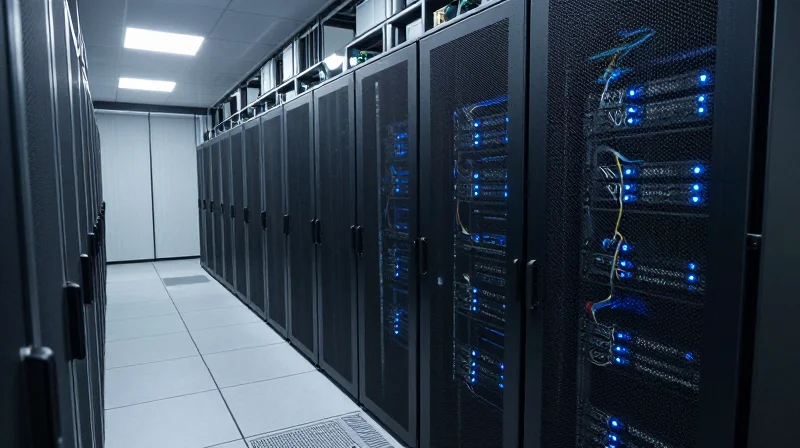
In the rapidly evolving landscape of 400G and 800G networking, the precision of physical interconnects has moved from a matter of convenience to a technical necessity. Custom-length Direct Attach Cables (DAC) and Active Optical Cables (AOC) provide the exact reach required between top-of-rack switches and servers, eliminating the performance-degrading 'cable slack' common with standard-sized cables. This precision is fundamental to maintaining signal integrity and ensuring that high-frequency signals do not suffer from unnecessary attenuation or electromagnetic interference caused by coiling excess cable.
Reducing Latency and Signal Interference
For high-frequency trading (HFT) and high-performance computing (HPC) environments, every millimeter of copper or fiber matters. Standard 2-meter or 3-meter cables often leave excessive loops when a 1.2-meter reach is all that is required. These loops act as unintended inductors in copper DACs, potentially introducing noise and increasing the bit error rate (BER). By utilizing custom lengths, network architects ensure the shortest possible path for data transmission, which directly contributes to lower deterministic latency and a cleaner signal profile across the fabric.
Thermal Efficiency and 'Cable Spaghetti' Mitigation
Modern high-density racks generate significant heat, requiring unobstructed airflow for efficient cooling. 'Cable spaghetti'—the accumulation of excess cable lengths in the back of the rack—creates physical barriers that trap heat and force cooling fans to consume more power. Custom-length AOCs and DACs streamline the cable management process, allowing for a 'clean' rack design where cables are dressed perfectly to length. This not only improves the lifespan of the hardware by maintaining optimal operating temperatures but also significantly reduces the time required for technicians to perform maintenance or trace connections during a port outage.
| Feature | Standard Length Cables | Custom Length Solutions |
|---|---|---|
| Signal Integrity | Potential for EMI from coiling | Optimized shortest-path transmission |
| Rack Airflow | Restricted by excess cable bulk | Maximum efficiency and cooling |
| Maintenance | Difficult to trace and replace | Rapid identification and swap |
| Operational Expense | Higher cooling and labor costs | Lower TCO through efficiency |
Common Questions Regarding Custom DAC/AOC Deployment
- Does using custom lengths affect the cable's warranty?
No, high-quality wholesale custom cables are manufactured to the same MSA standards as standard lengths, ensuring full compatibility and warranty protection. - What is the lead time for custom wholesale orders?
While standard lengths are often in stock, custom lengths typically require a short production window of 3-7 days depending on the volume and specific connector requirements. - Are custom lengths available for both copper and fiber?
Yes, both DAC (copper) and AOC (optical) can be tailored to specific lengths to meet the unique architectural needs of your data center.
DAC vs. AOC: Selecting the Right Media for Your Environment
DAC vs. AOC: Selecting the Right Media for Your Environment
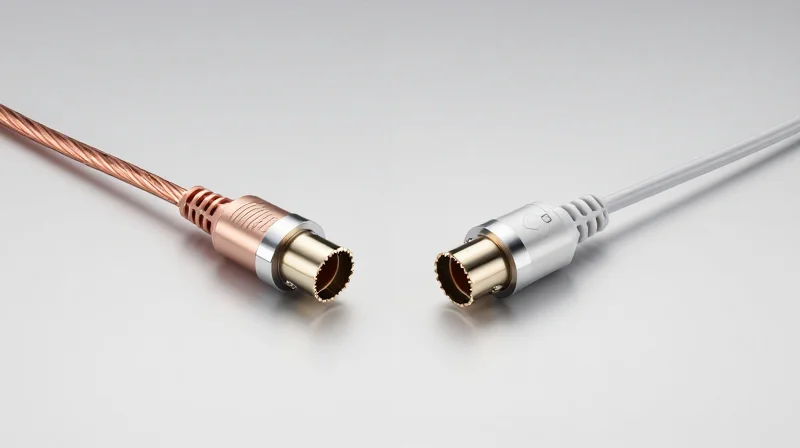
The choice between Direct Attach Cables (DAC) and Active Optical Cables (AOC) is governed by three primary factors: transmission distance, power consumption, and total cost of ownership. For short-reach connections within a single rack, DAC remains the industry standard due to its passive architecture and zero-power consumption. However, as link lengths exceed five to seven meters, signal attenuation in copper becomes prohibitive, making fiber-based AOCs the only viable solution for cross-row or inter-aisle connectivity. When purchasing wholesale, selecting the correct media type ensures that your infrastructure supports maximum throughput without inflating cooling costs or hardware budgets.
Technical Comparison Table
| Feature | Direct Attach Cable (DAC) | Active Optical Cable (AOC) |
|---|---|---|
| Media Material | Twinaxial Copper | Multimode Fiber (OM3/OM4) |
| Maximum Reach | Up to 7 Meters | Up to 100+ Meters |
| Power Consumption | < 0.1 Watts (Passive) | 0.6 to 2.0 Watts per end |
| Latency | Ultra-Low (Nanoseconds) | Low (but involves O-E conversion) |
| Cost Basis | Most Economical | Premium over DAC |
| EMI Resistance | Susceptible to interference | Immune to EMI |
Power Efficiency and Thermal Management
In a hyperscale environment, the cumulative power draw of thousands of transceivers can be significant. Passive DACs require virtually no power because they do not utilize active components for signal modulation. This lack of active electronics also means they generate no heat, reducing the load on data center cooling systems. Conversely, AOCs utilize optical engines to convert electrical signals into light and back again. While this allows for much thinner cables and longer distances, it introduces a consistent power drain of approximately 1W to 2W per cable. For bulk purchasers, the ROI of DACs in Top-of-Rack (ToR) scenarios is often measured in thousands of dollars saved annually in electricity alone.
Ideal Deployment Scenarios
- DAC (Direct Attach Copper)
Best for Top-of-Rack (ToR) switching, server-to-switch connections within the same 42U cabinet, and high-frequency trading (HFT) environments where every nanosecond of latency counts. - AOC (Active Optical Cable)
Ideal for End-of-Row (EoR) and Middle-of-Row (MoR) architectures, linking spine and leaf switches across aisles, and environments with high electromagnetic interference.
Frequently Asked Questions
- Can I mix DAC and AOC in the same switch?
Yes, modern switches generally support both cable types simultaneously across different ports, provided the MSA compliance and coding requirements are met for each cable. - How do custom lengths impact wholesale pricing?
Custom length DACs are often more cost-effective at scale because they eliminate the need for excess cable management hardware and reduce shipping weight compared to standard 'one-size-fits-all' lengths. - Are AOCs more fragile than DACs?
Yes, because AOCs use fiber optic strands, they have a stricter bend radius and are more susceptible to physical damage if pulled or kinked compared to the ruggedized shielding of copper DACs.
Scaling with Confidence: Ubytelink’s OEM and ODM Capabilities
Custom Manufacturing: The Foundation of Scalable Infrastructure
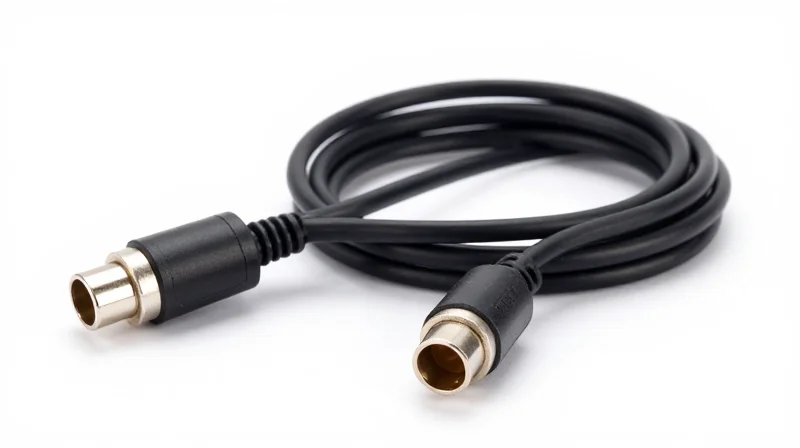
For enterprises and data centers operating at scale, standard interconnect solutions often lead to inefficiencies in airflow, cable management, and brand consistency. Ubytelink’s OEM and ODM capabilities are designed to eliminate these bottlenecks by providing a direct pipeline to bespoke manufacturing. Whether you require specific sheath materials for strict building codes or unique connector configurations for niche hardware, our wholesale services provide the engineering support and production capacity to meet high-volume demands without compromising on performance or lead times.
Distinguishing OEM and ODM Pathways
Choosing between Original Equipment Manufacturing (OEM) and Original Design Manufacturing (ODM) depends on your project's technical maturity and branding requirements. Ubytelink facilitates both to ensure maximum flexibility for our global partners.
| Service Category | Primary Customization Focus | Ideal Use Case |
|---|---|---|
| OEM (Original Equipment Manufacturing) | Private labeling, custom lengths, and specialized packaging of existing high-performance designs. | Established distributors and resellers looking to expand their own brand portfolio with proven tech. |
| ODM (Original Design Manufacturing) | Complete structural design, specialized PCB layouts, and unique material engineering. | Innovative hardware developers and hyper-scale data centers with proprietary connectivity needs. |
Technical Customization Parameters
- Specialized Sheath Materials
Choose from LSZH (Low Smoke Zero Halogen), OFNP (Plenum), or OFNR (Riser) jackets to ensure compliance with local fire safety regulations and environmental conditions. - Connector & Pull-Tab Engineering
Beyond standard SFP and QSFP housings, we offer custom pull-tab lengths and colors to simplify maintenance in high-density racks where space is at a premium. - Private Labeling & Asset Tracking
Incorporate laser-etched serial numbers, custom cable tags, and branded packaging to streamline inventory management and reinforce brand presence in the field.
Ensuring Consistency through Bulk Production
Scaling with confidence requires more than just a custom prototype; it requires a manufacturing partner that maintains rigorous quality control across thousands of units. Every custom-length DAC and AOC produced under our OEM/ODM programs undergoes 100% signal integrity testing and compatibility verification. By leveraging our bulk pricing models and custom quotes for 2026, organizations can secure high-performance interconnects that are purpose-built for their specific hardware environment, ensuring that as the network grows, performance remains uniform and predictable.
Optimizing Airflow and Cooling Through Precision Cabling
The Thermal Impact of Cable Management in High-Density Racks
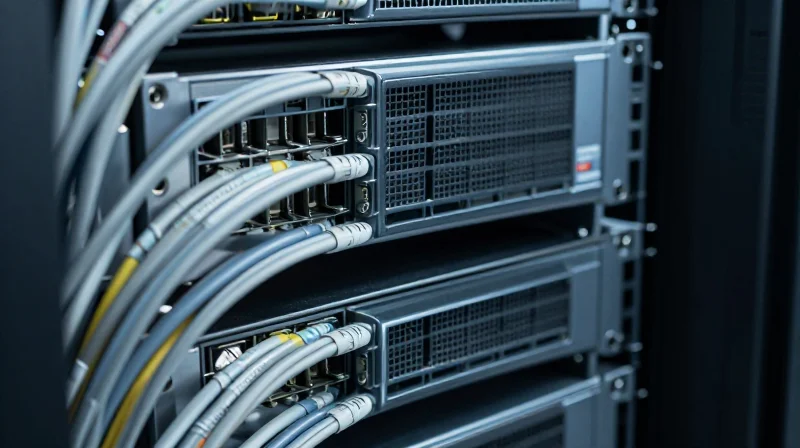
Precise cable lengths are the foundation of effective thermal management in modern data centers. When using standard-length cables, excess slack is typically bundled or coiled in the rear of the rack, creating physical barriers that impede the exhaust of heated air. By utilizing custom-length DAC and AOC solutions, operators ensure a streamlined path for airflow, allowing cooling systems to function at peak efficiency without the aerodynamic drag caused by redundant cable loops.
Preventing Thermal Throttling and Hardware Degradation
Persistent heat buildup due to poor cable routing often triggers thermal throttling in high-performance switches and servers. Custom cabling ensures that internal fans do not have to ramp up to maximum RPM unnecessarily, which not only reduces the noise floor but also significantly extends the Mean Time Between Failures (MTBF) for critical hardware components.
| Feature | Standard Length Cables | Custom Length Solutions |
|---|---|---|
| Airflow Resistance | High (due to slack bundling) | Minimal (linear routing) |
| Cooling Power Demand | Elevated fan speeds | Optimized/Low power draw |
| Hardware Lifespan | Reduced by heat stress | Extended via stable temperatures |
| Maintenance Access | Obstructed by 'spaghetti' | Clear visibility and access |
Quantifying Energy Savings through Reduced Static Pressure
Lowering the static pressure within a rack cabinet directly correlates to reduced operational expenditure (OpEx). When airflow is unobstructed, the energy consumed by the facility's CRAC (Computer Room Air Conditioning) units and individual device fans drops. For wholesale buyers, this translates to a lower Total Cost of Ownership (TCO) that complements the initial bulk pricing advantages provided by Ubytelink’s custom manufacturing process.
- How much airflow improvement can I expect from custom cables?
In high-density 42U or 48U racks, removing cable slack can improve exhaust airflow by up to 30%, significantly lowering the ambient internal temperature. - Do custom lengths affect the PUE of a data center?
Yes, by reducing fan power draw and optimizing heat dissipation, custom cabling contributes to a lower Power Usage Effectiveness (PUE) ratio, supporting green data center initiatives. - Is custom cabling worth the wholesale investment for thermal reasons alone?
Absolutely; the energy savings over a 3- to 5-year hardware lifecycle often offset the cost difference of custom-manufactured DAC or AOC assemblies.
Technical Standards and Multi-Vendor Compatibility
In the complex landscape of data center architecture, technical standards and multi-vendor compatibility are not optional features; they are the bedrock of network stability. High-quality DAC and AOC solutions must adhere to strict industry protocols to ensure that high-speed signals are transmitted with minimal latency and zero packet loss. For wholesale buyers, ensuring that custom-length cables are fully compatible with major switch brands like Cisco, Arista, and Juniper is the primary method for avoiding vendor lock-in and reducing the total cost of ownership (TCO) while maintaining enterprise-grade performance.
Adherence to Multi-Source Agreements (MSA)
Multi-Source Agreements (MSA) define the standardized mechanical and electrical specifications for pluggable transceivers and cabling systems. These standards allow different manufacturers to produce components that are physically and electrically interchangeable. For 10G to 400G deployments, compliance with standards such as SFF-8431 (SFP+), SFF-8436 (QSFP+), and SFF-8665 (QSFP28) is mandatory. Our custom-length solutions are engineered to meet these precise tolerances, ensuring that connector dimensions, power dissipation levels, and signal timing parameters remain within the strict limits required by high-performance network interfaces.
Rigorous Interoperability and Signal Integrity Testing
To guarantee performance in heterogeneous environments, every batch of wholesale DAC/AOC cables undergoes a comprehensive suite of tests. This process ensures that custom cable lengths do not introduce signal degradation beyond the acceptable thresholds defined by IEEE 802.3 standards. Below is a breakdown of the compatibility benchmarks utilized during our validation phase.
| Testing Metric | Standard Requirement | Brand Compatibility | Application Scenario |
|---|---|---|---|
| Bit Error Rate (BER) | < 10^-12 or better | Cisco, Arista, Dell | High-Frequency Trading |
| Eye Diagram Analysis | Clear Mask Margin | Juniper, Mellanox | Cloud Data Centers |
| EEPROM Recognition | Vendor Specific Coding | HPE, Ubiquiti, Mikrotik | Enterprise Campus |
| Insertion/Return Loss | Per SFF Specs | All MSA Compliant Brands | Short-Reach Interconnects |
The Importance of EEPROM and Firmware Coding
A common challenge in multi-vendor environments is the 'unsupported transceiver' error. This occurs when a switch's operating system does not recognize the code stored on the cable's EEPROM. Wholesale custom solutions must include the ability to program specific vendor codes, serial numbers, and part numbers. By utilizing advanced coding systems, we ensure that a single cable can be dual-coded to connect a Cisco switch to an Arista server, for example, providing seamless 'Plug-and-Play' functionality without the need for manual CLI overrides.
Standards and Compatibility FAQ
- Are custom-length DAC/AOC cables fully MSA compliant?
Yes, custom lengths are manufactured using the same electrical and mechanical blueprints as standard lengths, ensuring they meet all SFF and IEEE standards for the respective form factors. - How do you ensure compatibility with multiple switch brands in one network?
We use vendor-specific firmware coding. Each end of a DAC or AOC can be individually programmed to match the requirements of the specific hardware it will plug into, whether it is a top-of-rack switch or a network interface card (NIC). - Does using third-party cables void my switch manufacturer's warranty?
In the United States, the Magnuson-Moss Warranty Act protects consumers by stating that manufacturers cannot void a warranty solely for using third-party components, provided the components do not cause damage to the host device. - What is the impact of custom length on Signal Integrity?
For DACs, we adjust the American Wire Gauge (AWG) based on the custom length to ensure signal attenuation remains within permissible limits. For AOCs, the optical signal is less susceptible to length-related degradation, making them ideal for longer custom runs.
Wholesale Economics: Maximizing ROI in 2026

Wholesale Economics: Maximizing ROI in 2026
Maximizing Return on Investment (ROI) for high-speed interconnects in 2026 requires a departure from traditional off-the-shelf procurement toward a strategic wholesale model. By utilizing custom-length DAC and AOC solutions at scale, enterprises can eliminate the 'cable slack tax'—the hidden costs associated with excessive cable length, such as increased airflow resistance, higher power consumption, and physical space wastage. When purchasing directly from a manufacturer, the economic benefits extend beyond simple unit price reductions, impacting the entire lifecycle of the network infrastructure.
Understanding Volume Pricing Tiers and Cost Structures
Wholesale pricing for custom-length solutions is typically structured in tiers that reward volume commitments. Unlike retail channels, direct-to-manufacturer quotes account for raw material optimization—where specific custom lengths (e.g., 1.25m instead of 2.0m) reduce the bill of materials (BOM) for the producer, allowing those savings to be passed to the buyer.
| Procurement Metric | Retail/Off-the-Shelf | Standard Bulk (Fixed) | Custom Wholesale (2026) |
|---|---|---|---|
| Unit Price (Avg) | 100% (Base) | 85% - 90% | 70% - 80% |
| Lead Time Flexibility | High (Stocked) | Moderate | High (Production Reserved) |
| Compatibility Testing | Generic MSA | Generic MSA | Vendor-Specific Coding |
| TCO Impact | Neutral | Moderate Reduction | Maximum Reduction |
The Total Cost of Ownership (TCO) Advantage
In a 2026 data center environment, the purchase price represents only about 40% of the lifetime cost of a cable. The remaining 60% is comprised of installation labor, thermal management, and port reliability. Custom-length DACs reduce TCO by simplifying cable routing, which significantly lowers the 'Mean Time To Install' (MTTI). Furthermore, by eliminating excess cable coils, airflow is optimized, reducing the energy demand on cooling systems—a critical factor for high-density AI and HPC clusters.
- What is the typical Minimum Order Quantity (MOQ) for custom quotes?
Most wholesale programs for custom lengths start at 50 to 100 units per configuration to offset the specialized manufacturing setup, though aggregate volume discounts apply to larger mixed orders. - How do custom lengths affect long-term maintenance costs?
Precisely sized cables reduce mechanical stress on transceiver ports and eliminate the need for cable management accessories, leading to lower failure rates and simplified troubleshooting. - Can custom wholesale orders include multi-vendor coding?
Yes, high-tier wholesale agreements allow for 'mixed-bag' coding where different ends of a single DAC or AOC are programmed for different switch environments (e.g., Cisco to Arista), further reducing the need for expensive adapters.
The Custom Quote Process: From Specification to Delivery
The Custom Quote Process: From Specification to Delivery
Navigating the procurement of custom-length high-speed interconnects requires a precise methodology to ensure technical compatibility and cost efficiency. The process is designed to eliminate the guesswork inherent in massive data center deployments by integrating engineering validation directly into the sales cycle, ensuring that every centimeter of cabling serves a functional purpose while adhering to strict budget constraints.
The 6-Step Workflow for Custom Wholesale Orders
- Requirement Specification
Submit your specific needs including cable type (DAC or AOC), precise lengths in decimeters, data rate (e.g., 400G), and the target switch environments for both ends (A and B ports). - Technical Engineering Review
Engineers review the requested specs against MSA standards and known EEPROM configurations to ensure 100% interoperability with your hardware stack. - Wholesale Quotation
A detailed quote is generated, factoring in volume-based pricing tiers, specialized materials (e.g., plenum-rated jackets), and current global logistics costs. - Prototype & Validation
For large-scale deployments, a Golden Sample is often produced and shipped for on-site testing to verify performance metrics in your specific environment. - Mass Production & Quality Control
Upon approval, the full batch enters production. Each unit undergoes automated testing for signal integrity, Bit Error Rate (BER), and physical durability. - Global Logistics & Delivery
Finished products are packaged with custom labeling and shipped via expedited air or sea freight, depending on the urgency of the deployment timeline.
Estimated Lead Times and Volume Benchmarks
| Order Tier | Typical Quantity | Lead Time (Production) | Best Use Case |
|---|---|---|---|
| Small Batch | 10 - 100 units | 3 - 5 Business Days | Edge data centers or lab testing |
| Standard Wholesale | 101 - 1,000 units | 7 - 12 Business Days | Regional data center upgrades |
| Enterprise Scale | 1,000+ units | 14 - 21 Business Days | Hyper-scale deployments / Greenfield sites |
Frequently Asked Questions Regarding Custom Quotes
- Is there a Minimum Order Quantity (MOQ) for custom lengths?
Typically, custom lengths require a small MOQ of 10 to 20 units depending on the material, though this is often waived for established wholesale partners. - Can I mix different switch brands in a single quote?
Yes. Our process allows for 'multi-coded' cables, where one end is coded for Arista and the other for Cisco or Juniper, ensuring seamless cross-vendor connectivity. - Are there extra charges for non-standard lengths?
Wholesale pricing is based on total material usage and production time; while slightly higher than stock lengths, the 'per meter' cost is optimized for bulk orders.
Future-Proofing Your Data Center for 400G and Beyond

Future-Proofing Your Data Center for 400G and Beyond
As data centers migrate toward 400G and 800G speeds, the choice of interconnect becomes a critical factor in maintaining operational agility and power efficiency. Future-proofing is not just about raw speed; it involves deploying a scalable cabling strategy that utilizes custom-length Direct Attach Copper (DAC) and Active Optical Cables (AOC) to minimize latency, optimize airflow, and reduce the Total Cost of Ownership (TCO) during generational upgrades.
The Role of Next-Generation Form Factors
The shift to 400G relies heavily on the QSFP-DD (Quad Small Form-factor Pluggable Double Density) and OSFP (Octal Small Form-factor Pluggable) standards. These interfaces provide the high density required for modern leaf-and-spine architectures. In these high-performance environments, custom-length DACs are preferred for short-reach Top-of-Rack (ToR) connections due to their near-zero power consumption, while AOCs offer the flexibility needed for longer spans across the data hall where traditional copper reaches its physical limits.
| Metric | 100G (QSFP28) | 400G (QSFP-DD) | 800G (OSFP) |
|---|---|---|---|
| Primary Media | DAC / AOC / Fiber | DAC / AOC / Fiber | AOC / Fiber / LPO |
| Max DAC Distance | 5m - 7m | 2.5m - 3m | 2m |
| Power per Port | ~3.5W | ~12W - 15W | ~16W - 20W |
| Common Use Case | Legacy ToR | Spine-Leaf | AI/ML Clusters |
Scalability Through Wholesale Customization
Bulk purchasing custom-length solutions allows operators to maintain a standardized yet flexible inventory. By precisely matching cable lengths to rack dimensions, facilities can avoid the 'cable spaghetti' that obstructs cooling systems—a vital consideration as 400G transceivers and switches generate significantly more heat than previous generations. Wholesale procurement of custom-length AOCs also ensures consistent performance across large-scale deployments, reducing the likelihood of signal integrity issues in high-speed links.
- Can I use existing 100G DACs for 400G ports?
While some 400G ports support 4x100G breakout modes, standard 100G DACs cannot achieve 400G line rates. Upgrading to QSFP-DD or OSFP-specific cabling is necessary for full bandwidth. - How does custom length impact 400G signal integrity?
At 400G (PAM4 signaling), signal degradation occurs much faster. Custom lengths eliminate excess slack, reducing signal attenuation and reflections, which is crucial for maintaining low bit-error rates. - Why choose AOCs over DACs for 800G?
At 800G, the physical limitations of copper restrict DAC lengths to approximately 2 meters. AOCs provide a reliable alternative for reaches up to 100 meters without the weight and bulk of thick-gauge copper.
Ready to eliminate network bottlenecks and optimize your infrastructure costs? Contact Ubytelink today for a personalized consultation and a custom quote on wholesale DAC/AOC solutions tailored to your exact specifications.