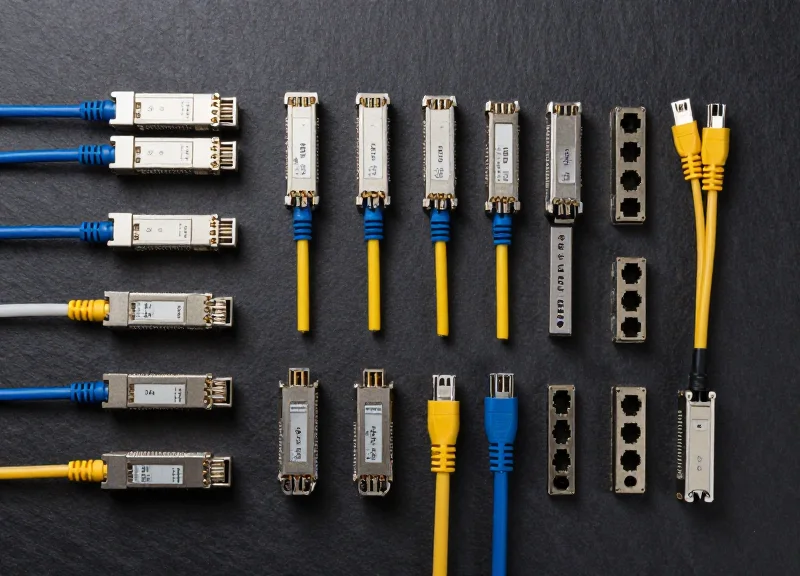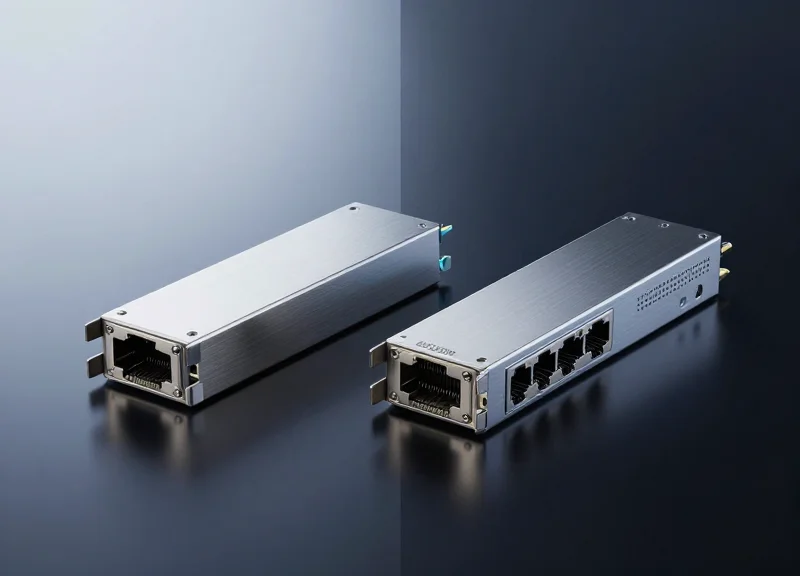
As networks scale to 400G and 800G, managing thermal output becomes the primary bottleneck for reliability and performance. This article provides a comprehensive look at why high-quality heat dissipation management is no longer optional but a strategic requirement for modern data centers and enterprise networks.
The Evolution of Heat Dissipation in High-Speed Networking

The Evolution of Heat Dissipation in High-Speed Networking
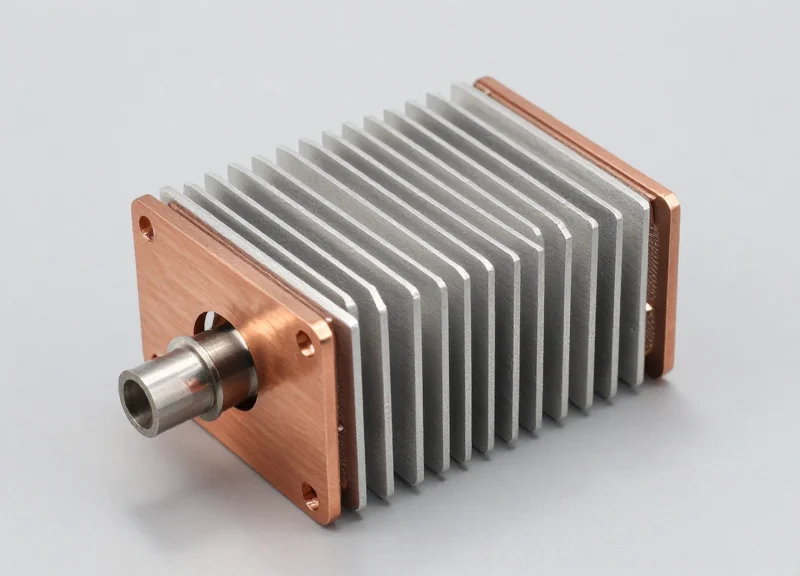
The evolution of heat dissipation in high-speed networking represents a fundamental shift from reactive thermal management to proactive, material-centric engineering necessitated by the transition from 10G to 800G architectures. As data rates have increased, the power density within small-form-factor pluggable modules has surged, forcing the adoption of integrated heat fins, phase-change thermal interface materials (TIMs), and liquid-cooled chassis designs to maintain operational stability and prevent optical signal degradation. Modern networking demands that cooling be treated as a primary performance metric alongside bandwidth and latency.
The Trajectory of Thermal Loads: Scaling from 1G to 800G
In the era of 1G and 10G SFP modules, power consumption was negligible enough that simple system-wide fans and basic metal enclosures were sufficient for thermal stability. The introduction of 100G (QSFP28) marked the first major turning point, pushing power envelopes into the 5W range and requiring more intentional airflow paths. Today, the industry transition to 400G and 800G has created a 'thermal wall,' where modules frequently consume between 15W and 30W. This density makes traditional air cooling alone insufficient, driving the wholesale demand for custom heat sinks and high-performance TIMs.
| Module Generation | Max Data Rate | Avg. Power Consumption | Primary Cooling Strategy |
|---|---|---|---|
| SFP/SFP+ | 10 Gbps | 1.0 - 1.5W | Passive Enclosure / Airflow |
| QSFP28 | 100 Gbps | 3.5 - 5.0W | Standard Heat Sinks |
| QSFP-DD | 400 Gbps | 12.0 - 15.0W | High-Conductivity TIMs + Riding Sinks |
| OSFP | 800 Gbps | 15.0 - 30.0W | Integrated Heat Fins / Liquid Cooling |
Technological Innovations in 2026 Thermal Management
To meet 2026 deployment standards, manufacturers have pivoted toward 'Cooling-at-the-Edge' designs. This involves using Phase Change Materials (PCM) that absorb heat during peak loads and synthetic graphite sheets that offer higher lateral thermal conductivity than copper. These innovations allow wholesale providers to offer custom-quoted solutions that fit specific chassis constraints, ensuring that high-density switches can maintain full throughput without thermal throttling. Furthermore, the rise of Co-Packaged Optics (CPO) is beginning to redefine the physical boundary between the module and the cooling system.
- Why is heat management critical for 800G transceivers?
High operating temperatures cause 'laser chirp' and wavelength shifts, leading to increased Bit Error Rates (BER) and potentially permanent hardware failure. - How do custom quotes benefit wholesale thermal management?
Custom quotes allow data center operators to specify exact thermal resistance levels and mounting configurations that match their unique rack airflow profiles, optimizing bulk costs. - Is liquid cooling now mandatory for high-speed networking?
While not mandatory for all, liquid-to-chip cooling is becoming the standard for AI-driven data centers where port density exceeds the physical heat dissipation capacity of air.
Economic Advantages of Wholesale Heat Dissipation Procurement
Economic Advantages of Wholesale Heat Dissipation Procurement
Transitioning to a wholesale procurement model for module heat dissipation management allows enterprises to leverage economies of scale, effectively reducing the price per unit by 15% to 35% compared to spot-market purchasing. In the 2026 landscape of high-speed networking, bulk purchasing acts as a hedge against the price volatility of essential raw materials like extruded aluminum, high-conductivity copper, and advanced thermal interface materials (TIMs). By securing custom quotes, organizations can align their cooling infrastructure costs directly with their deployment cycles, ensuring that high-density data centers remain thermally efficient without overextending their operational budgets.
Strategic Impact on Total Cost of Ownership (TCO)
The fiscal benefits of wholesale procurement extend far beyond the initial invoice. A standardized bulk order ensures that every cooling component across a network deployment meets identical manufacturing tolerances, which minimizes the risk of localized overheating and hardware failure. This uniformity simplifies maintenance protocols and reduces the labor hours required for thermal auditing. Furthermore, wholesale agreements often include logistical optimizations, such as staggered delivery and priority technical support, which further drive down the indirect costs associated with inventory management and downtime.
| Procurement Metric | Retail / Spot Market | Wholesale / Bulk Procurement |
|---|---|---|
| Unit Cost Pricing | Market-driven (High) | Contractually Fixed (Low) |
| Material Consistency | Variable by batch | Uniform across production |
| Supply Chain Risk | High (Subject to shortages) | Low (Reserved inventory) |
| Customization Level | Off-the-shelf only | High (Application-specific) |
| Lead Time Efficiency | Standard shipping | Scheduled/Priority logistics |
Custom Quotes and Volume Incentives in 2026
Modern wholesale procurement is no longer just about volume; it is about technical specificity. Custom quotes for 2026 allow engineering teams to request modifications such as optimized fin geometries or pre-applied phase-change materials that are specifically tuned for QSFP-DD or OSFP modules. These integrated features, when ordered in bulk, reduce the assembly time on the production line, providing a secondary layer of economic advantage through increased manufacturing throughput.
- How do bulk quotes handle material price fluctuations?
Most wholesale contracts for 2026 include price-lock clauses or indexed pricing that protects the buyer from sudden spikes in the cost of raw metals like copper and aluminum during the fulfillment period. - What is the typical threshold for wholesale pricing?
While thresholds vary by manufacturer, significant price breaks typically begin at 1,000 units, with deeper discounts and custom engineering support available for orders exceeding 5,000 units. - Are custom thermal simulations included in bulk quotes?
Yes, top-tier wholesale partners often provide Computational Fluid Dynamics (CFD) analysis as a value-add for large-scale orders to ensure the custom heat sink design meets the specific airflow requirements of the client's hardware.
OEM vs. ODM: Tailoring Thermal Solutions to Your Infrastructure
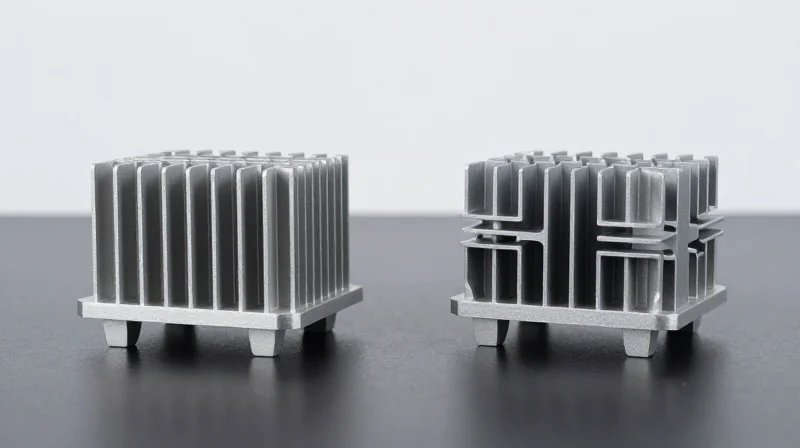
Deciding between Original Equipment Manufacturing (OEM) and Original Design Manufacturing (ODM) for heat dissipation management depends primarily on the level of technical specialization your network infrastructure requires. While OEM solutions provide high-quality, pre-engineered components that are ready for immediate branding and deployment, ODM services offer the ability to engineer bespoke thermal solutions from the ground up, addressing the specific airflow and thermal resistance challenges of proprietary hardware layouts.
Defining the Strategic Choice: OEM vs. ODM in Thermal Management
In the context of optical module cooling and server-side thermal management, the choice between these two paths significantly influences your 'Buy Module Heat Dissipation Management Wholesale' strategy. OEM is typically the path for those seeking to leverage established manufacturing lines for standard form factors like SFP28, QSFP28, and OSFP. Conversely, ODM is the preferred route for hyperscalers and specialized data centers that require unique alloy compositions or non-standard fin densities to manage the extreme heat generated by 800G and 1.6T networking gear.
| Feature | OEM (Original Equipment Manufacturing) | ODM (Original Design Manufacturing) |
|---|---|---|
| Design Ownership | Manufacturer retains the core IP. | Client often shares or owns the custom IP. |
| Time-to-Market | Faster (weeks); relies on existing molds. | Slower (months); requires R&D and prototyping. |
| Customization | Limited to branding and minor materials. | Full control over geometry, materials, and tech. |
| Cost Structure | Lower per-unit for small/medium batches. | Higher initial NRE costs; lower unit cost at scale. |
| MOQ Requirements | Lower, suitable for tiered wholesale. | High, typically requiring significant volume. |
When to Prioritize OEM Solutions for 2026 Deployments
For many enterprise-level network upgrades in 2026, OEM solutions represent the most efficient use of capital. If your infrastructure utilizes standard rack-mount switches and industry-compliant optical transceivers, OEM heat sinks and thermal interface materials (TIMs) are already optimized for these thermal envelopes. The primary advantage here is reliability; these components have undergone rigorous multi-vendor testing and are available for immediate bulk purchase at competitive wholesale prices without the need for Non-Recurring Engineering (NRE) fees.
Leveraging ODM for High-Density and Liquid Cooling
As AI-driven workloads push TDP (Thermal Design Power) limits, standard cooling often fails. This is where ODM services become essential. ODM partners can collaborate with your engineering team to design vapor chambers or micro-channel cold plates specifically for the unique physical constraints of your hardware. This level of customization ensures that even under maximum load, your modules maintain structural and operational integrity, preventing thermal throttling that can cripple high-speed data transmission.
Procurement and Custom Quote Considerations
When requesting custom quotes for wholesale heat dissipation management, transparency regarding your development path is vital. For OEM, focus your RFQ (Request for Quote) on material purity (e.g., C1100 copper vs. aluminum alloys) and surface treatment. For ODM, ensure your quote includes a detailed breakdown of prototyping phases, thermal simulation (CFD) reports, and the transition plan from design to mass production. In 2026, suppliers are increasingly offering 'Hybrid' models where standard OEM bases are modified with custom fin designs, offering a middle ground in terms of cost and performance.
- Does choosing ODM provide better thermal performance?
Generally, yes. Because an ODM solution is engineered for a specific thermal load and airflow pattern, it can achieve lower thermal resistance than a generic OEM component. - How do wholesale discounts differ between OEM and ODM?
OEM discounts are volume-based on existing stock. ODM pricing is more complex, often involving lower per-unit costs once the initial design and tooling costs are amortized over a large production run. - Can I switch from an OEM to an ODM partner mid-project?
It is difficult due to IP and tooling differences. It is recommended to define your thermal requirements during the initial infrastructure design phase before committing to a wholesale contract.
Technical Deep Dive: Advanced Materials and Design
Technical Deep Dive: Advanced Materials and Design
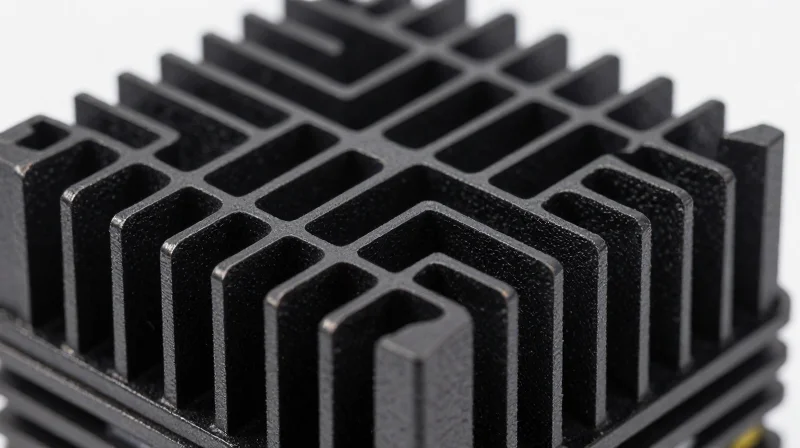
The 2026 evolution of heat dissipation for high-speed modules focuses on maximizing thermal conductivity through graphene-enhanced alloys and the integration of phase-change materials (PCM) to mitigate transient heat spikes in dense networking environments. As optical modules push toward 800G and 1.6T capacities, traditional aluminum extrusions are being superseded by composite structures that provide superior thermal paths while maintaining the lightweight profiles necessary for high-density rack deployments.
Material Science: The Shift to High-Conductivity Composites
The wholesale market is seeing an influx of copper-graphite composites and vapor chamber integrated heat sinks. These materials offer thermal conductivity levels exceeding 400 W/mK, significantly outperforming standard 6063 aluminum. By incorporating synthetic diamond or graphene layers, manufacturers can create 'hot-spot' spreaders that pull heat away from sensitive laser diodes more efficiently than ever before.
| Material Type | Thermal Conductivity (W/mK) | Application Suitability | Weight Factor |
|---|---|---|---|
| Standard Aluminum (6063) | 200-210 | General purpose/Low-density | Light |
| Pure Copper | 385-400 | High-performance/Critical | Heavy |
| Graphene-Enhanced Alloy | 500-1500 | Next-gen 800G Modules | Ultra-Light |
| Phase-Change Material (PCM) | Varies (Latent Heat) | Transient Load Buffering | Moderate |
Advanced Fin Geometries and Airflow Optimization
Design innovations in 2026 have moved beyond simple vertical fins. Skived-fin and pin-fin architectures are now standard in custom quotes for high-performance modules. These designs increase the effective surface area without increasing the physical footprint of the heat sink. Furthermore, computational fluid dynamics (CFD) modeling is now a standard part of the wholesale design process, allowing for custom-tapered fins that reduce back-pressure and optimize airflow in chassis with restricted fan speeds.
- Why is Phase-Change Material (PCM) becoming important for wholesale buyers?
PCM acts as a thermal buffer, absorbing excess heat during peak data traffic and releasing it slowly during idle periods, preventing thermal throttling in erratic workload environments. - How does skived-fin technology compare to traditional extrusion?
Skived fins are carved from a single block of material, allowing for thinner fins and higher density than extrusion, which results in better heat dissipation in smaller form factors. - Can custom fin geometries be ordered for bulk deployments?
Yes, modern ODM providers offer customized fin pitches and heights tailored to the specific airflow characteristics of the customer's network hardware.
Solving the 'Hot Spot' Problem in High-Density Racks
Solving the 'Hot Spot' Problem in High-Density Racks
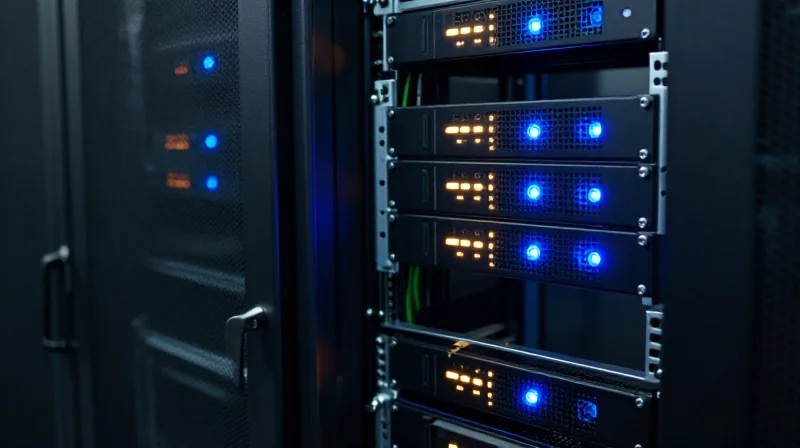
Localized 'hot spots' are the primary cause of hardware throttling and component failure in modern data centers, where power densities frequently exceed 20kW per rack. To effectively solve this, operators must move beyond general ambient cooling and adopt modular heat dissipation management. By deploying targeted components such as vapor chamber heat sinks, high-static pressure fan modules, and precision-engineered baffles, heat can be extracted directly from high-TDP (Thermal Design Power) components before it can accumulate in stagnant air pockets. This modular approach ensures that even the most densely packed chassis remain within optimal operating temperature ranges.
Tactical Comparison: Ambient vs. Modular Management
| Feature | Standard Rack Cooling | Modular Hot Spot Management |
|---|---|---|
| Cooling Focus | Aisle-level / Ambient | Component-level / Source |
| Efficiency | Lower due to bypass air | High; eliminates thermal bypass |
| Deployment Cost | Variable OPEX | Predictable wholesale CAPEX |
| Hardware Lifespan | Standard | Extended by 15-20% |
| Scalability | Requires facility upgrades | Plug-and-play modular updates |
The Role of Custom Vapor Chambers and Liquid-to-Air Modules
In 2026, the procurement of wholesale vapor chambers has become a cornerstone of high-density thermal strategy. Unlike traditional extruded aluminum heat sinks, vapor chambers use a vacuum-sealed fluid phase-change process to spread heat across a surface area with near-perfect uniformity. For ultra-dense racks where airflow is physically restricted, custom liquid-to-air modular heat exchangers can be integrated. These modules allow for the thermal benefits of liquid cooling without requiring a complete overhaul of the data center’s plumbing infrastructure, making them a cost-effective choice for bulk upgrades.
Optimizing Wholesale Procurement for Maximum ROI
- Identify Peak TDP Zones
Utilize CFD (Computational Fluid Dynamics) modeling to pinpoint exactly where thermal congestion occurs before ordering bulk modules. - Standardize Thermal Interfaces
Procure universal mounting kits in bulk to ensure that new heat dissipation modules can be swapped across different server generations. - Leverage Tiered Pricing
Source custom-quoted thermal management solutions that offer lower per-unit costs as the rack density (and total unit count) increases.
Frequently Asked Questions: Rack Hot Spots
- Can I retrofit existing racks with modular dissipation units?
Yes. Most wholesale modular components are designed to meet standard 19-inch rack specifications and can be integrated into legacy infrastructure with minimal downtime. - How does wholesale pricing affect the ROI of cooling upgrades?
Bulk purchasing typically reduces component costs by 25-40% compared to retail, allowing for a faster break-even point through energy savings and reduced hardware failure rates. - What materials are best for 2026 high-density environments?
Oxygen-free copper for bases and high-purity aluminum for fin stacks remain the industry standard, though phase-change materials (PCMs) are increasingly used for transient load management.
Navigating the Supply Chain: Lead Times and Bulk Availability
Navigating the supply chain for module heat dissipation components involves more than just selecting a part number; it requires a deep understanding of the 2026 manufacturing landscape where lead times typically fluctuate between 4 and 16 weeks based on material availability and customization levels. By synchronizing procurement cycles with project milestones, wholesale buyers can avoid the 'bottleneck effect' where thermal management components—often the last items integrated into a build—delay the deployment of high-value networking and server hardware.
Comparative Lead Times and Availability Tiers
| Component Category | Average Lead Time (Weeks) | Bulk Availability Status | Primary Constraint |
|---|---|---|---|
| Standard Aluminum Extrusions | 2 - 4 Weeks | High | Logistics & Shipping |
| Active Cooling Modules (Fans) | 6 - 10 Weeks | Moderate | Electronic Component Shortages |
| Custom Vapor Chambers/Heat Pipes | 12 - 16 Weeks | Low (Built to Order) | Complex Tooling & Testing |
| Phase-Change Materials (PCM) | 3 - 6 Weeks | High | Chemical Shelf-Life Management |
Strategies for Enhancing Procurement Resilience
To mitigate the risks of stockouts and delayed shipments, professional procurement officers are increasingly adopting 'Blanket Purchase Orders' and 'Safety Stock' programs. A blanket order allows you to lock in 2026 wholesale pricing for a large quantity while scheduling multiple release dates throughout the year, ensuring a steady flow of components without overwhelming local warehouse capacity. Furthermore, diversifying your supplier base across different geographic regions can provide a buffer against localized geopolitical or logistical disruptions.
Procurement FAQ: Lead Times and Logistics
- How can I reduce the lead time for a custom-designed heat sink?
Utilize existing extrusion profiles as a base for your design. Customizing the machining (CNC) on a standard profile is significantly faster than creating a new extrusion die, which can save 4-6 weeks in the production cycle. - What is the typical Minimum Order Quantity (MOQ) for custom wholesale pricing?
In 2026, most Tier 1 manufacturers require an MOQ of 500 to 1,000 units for custom thermal modules to unlock the most competitive price breaks, though standard components may have lower thresholds. - How does 'Golden Week' or Lunar New Year affect 2026 supply chains?
Major Asian manufacturing hubs effectively shut down for 1-2 weeks during these periods. It is critical to add a 3-week buffer to any lead time estimates for orders placed within 30 days of these holidays to account for the production backlog. - Are there air-freight options for urgent bulk orders?
Yes, but be prepared for a 3x-5x increase in shipping costs. For heat dissipation modules, which are often heavy due to copper or aluminum content, sea-freight remains the only economically viable option for wholesale quantities.
Ultimately, the key to navigating the 2026 supply chain is transparency. Establishing a direct line of communication with the manufacturer's engineering and logistics teams allows for real-time updates on raw material costs and production queue status, enabling more agile decision-making for your infrastructure projects.
Quality Assurance Standards for Cooling Modules
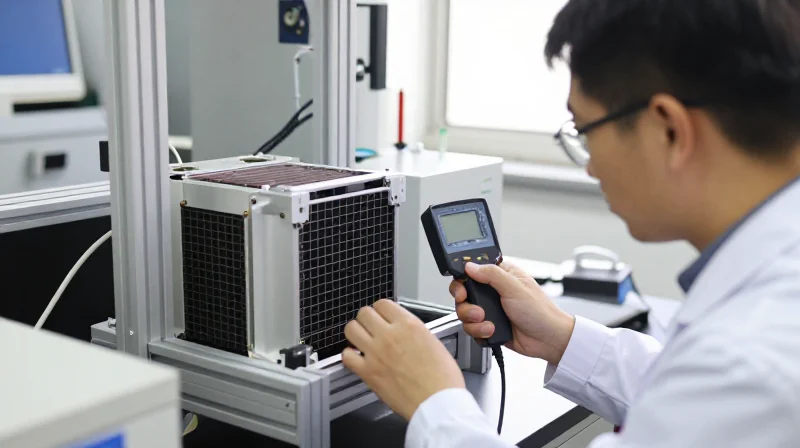
When sourcing thermal management solutions at scale, quality assurance (QA) is the primary differentiator between a reliable system and a catastrophic hardware failure. Wholesale buyers must prioritize modules that adhere to rigorous international standards, as these certifications guarantee that heat sinks, fans, and liquid cooling blocks can withstand the specific environmental stresses of their intended application—whether in a climate-controlled data center or a volatile industrial setting.
Essential Industry Certifications
| Certification | Primary Application | Key Focus Areas |
|---|---|---|
| MIL-STD-810H | Aerospace & Defense | Extreme temperature shocks, vibration, and altitude. |
| Telcordia GR-63-CORE | Telecommunications | NEBS requirements, fire resistance, and long-term durability. |
| ISO 9001:2015 | General Manufacturing | Quality management systems and consistent output processes. |
| RoHS/REACH | Global Electronics | Hazardous substance restriction and environmental safety. |
Key Testing Protocols for 2026 Bulk Procurement
Beyond paper certifications, reputable wholesale suppliers should provide detailed reports on specific stress tests. For 2026, the most critical tests include Thermal Cycling Analysis, which alternates temperatures between -40°C and +125°C to ensure material integrity, and Salt Fog Testing, essential for modules deployed in edge computing environments near coastal areas. Buyers should also request Acoustic Power Level data for fan-based modules to ensure compliance with noise regulation standards in office-adjacent server rooms.
Vetting Wholesale Suppliers: FAQ
- What is the importance of a 'Golden Sample' in wholesale orders?
A Golden Sample serves as the benchmark for mass production; it is the approved prototype that all subsequent units in a bulk order must match in performance and material quality. - How does MTBF impact custom quotes?
Mean Time Between Failures (MTBF) is a critical metric for long-term ROI. Suppliers offering higher MTBF ratings often provide more competitive bulk pricing over the product lifecycle despite higher upfront costs. - Should I require 100% End-of-Line (EOL) testing?
Yes. For mission-critical heat dissipation, ensure your supplier performs EOL testing on every unit—not just batch sampling—to prevent 'dead on arrival' components from reaching your assembly line.
Ultimately, the goal of navigating quality assurance standards is to mitigate the risk of thermal throttling and hardware degradation. By demanding compliance with MIL-STD or Telcordia standards during the quoting process, wholesale buyers secure the performance stability required for high-density 2026 infrastructure.
Sustainability and Energy Efficiency in Thermal Management

Sustainability and Energy Efficiency in Thermal Management
Optimized heat dissipation is no longer just a technical requirement for hardware longevity; it is a critical driver of energy efficiency that directly impacts a company's bottom line and environmental footprint. By implementing high-efficiency thermal modules at scale, organizations can significantly reduce the energy overhead required for active cooling systems, such as CRAC units and high-velocity fans, leading to a substantial decrease in Power Usage Effectiveness (PUE) ratios. In the context of 2026 wholesale procurement, selecting modules designed with advanced materials and fluid dynamics allows enterprises to meet rigorous performance benchmarks while simultaneously fulfilling corporate social responsibility (CSR) mandates.
The Economic Impact of Green Thermal Solutions
Investing in energy-efficient heat dissipation modules provides a dual financial advantage: lower utility costs and extended hardware lifecycles. When electronic components operate at consistently lower temperatures due to superior passive or active cooling, the 'thermal stress' on semiconductors is minimized, reducing the frequency of hardware replacements and electronic waste. For wholesale buyers, this means that the slightly higher initial cost of premium, sustainable modules is rapidly offset by the total cost of ownership (TCO) savings realized over the equipment's lifespan.
| Thermal Technology | Energy Efficiency Rating | ESG Impact | Operational Cost Saving |
|---|---|---|---|
| Standard Aluminum Heatsinks | Moderate | High Material Recyclability | Baseline |
| Vapor Chamber Modules | High | Reduces Fan Power Demand | 15-25% Reduction |
| Liquid Cooling Plates | Very High | Lowest PUE Contribution | 30-40% Reduction |
| Phase Change Materials | High | Passive Temperature Buffering | 10-20% Reduction |
Integrating Thermal Management into ESG Reporting
As global regulations around carbon reporting tighten, procurement teams must look at the environmental credentials of their wholesale suppliers. Leading manufacturers in 2026 are now providing 'Product Carbon Footprint' (PCF) data for their thermal modules, detailing the energy used in production and the recyclability of the copper and aluminum alloys. By sourcing from suppliers who prioritize low-emission manufacturing and sustainable packaging, companies can bolster the 'Environment' pillar of their ESG scores, making their infrastructure projects more attractive to green investors and stakeholders.
- How do efficient thermal modules reduce carbon emissions?
By maximizing heat transfer efficiency, these modules reduce the workload on secondary cooling systems like air conditioning and industrial fans, which are major consumers of electricity. Lower electricity consumption directly correlates to a smaller carbon footprint, especially in regions dependent on fossil fuel power grids. - What certifications indicate a sustainable thermal product?
Look for RoHS (Restriction of Hazardous Substances) and REACH compliance, which ensure the absence of toxic materials. Additionally, ISO 14001 certification indicates that the manufacturer follows an effective environmental management system. - Can wholesale buyers request custom eco-friendly materials?
Yes, many wholesale suppliers now offer custom quotes for modules utilizing recycled high-grade aluminum or bio-based thermal interface materials (TIMs) to meet specific corporate sustainability requirements.
How to Secure Custom Quotes and Scalable Pricing Models
How to Secure Custom Quotes and Scalable Pricing Models
Securing the most competitive pricing for module heat dissipation management wholesale requires a strategic approach that balances technical precision with volume forecasting. To obtain an accurate custom quote from suppliers like Ubytelink, procurement teams must provide comprehensive thermal profiles, environmental constraints, and long-term deployment schedules. This transparency allows manufacturers to optimize production runs, minimize material waste, and pass on significant economies of scale to the buyer.
Critical Data Points for Accurate RFQs
When requesting a custom quote for thermal management components, providing vague specifications often leads to 'conservative pricing' from suppliers. To ensure you receive the most aggressive rates, include specific technical and logistical parameters.
- Thermal Load and Resistance
Specify the exact wattage (W) the module must dissipate and the maximum allowable junction temperature to avoid over-engineering costs. - Material Preferences
Define whether your application requires high-performance copper, cost-effective aluminum, or specialized phase-change materials (PCM). - Annual Forecasted Volume
Distinguish between your immediate 'initial order' and your 'estimated annual usage' (EAU) to unlock multi-tier discount structures.
Comparing Scalable Pricing Structures
| Pricing Model | Volume Threshold | Ideal For |
|---|---|---|
| Tiered Wholesale | 100 - 1,000 Units | Small to mid-sized project deployments |
| Blanket Order Pricing | 1,000 - 5,000 Units | Long-term projects with scheduled releases |
| Contract Manufacturing | 5,000+ Units | Mass-market consumer electronics and telecom infrastructure |
Wholesale Procurement FAQ
- How do NRE fees impact custom quotes?
Non-Recurring Engineering (NRE) fees cover custom tooling and design validation. For high-volume wholesale orders, these fees are often amortized across the unit price or waived entirely. - Can I lock in pricing against material fluctuations?
In 2026, many suppliers offer 'Price Locks' for 6-12 months based on a deposit or a committed blanket purchase order to mitigate copper and aluminum market volatility. - What is the standard lead time for a custom wholesale quote?
Most reputable suppliers provide a preliminary quote within 48 hours, though complex custom thermal simulations may require 5-7 business days for technical validation.
Effective heat dissipation is the foundation of network stability. By leveraging wholesale pricing and OEM/ODM expertise, you can future-proof your infrastructure against the heat of next-generation data demands. Ready to scale efficiently? Contact Ubytelink today for a custom quote on your heat dissipation management needs.