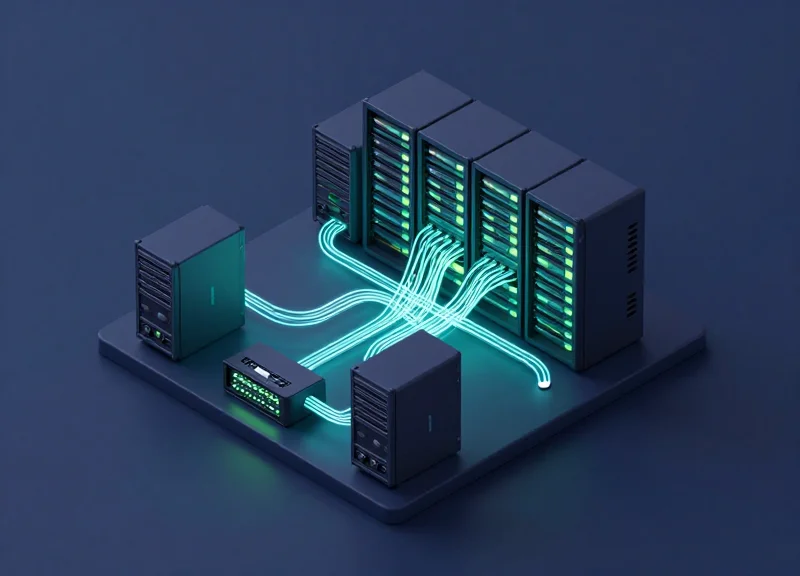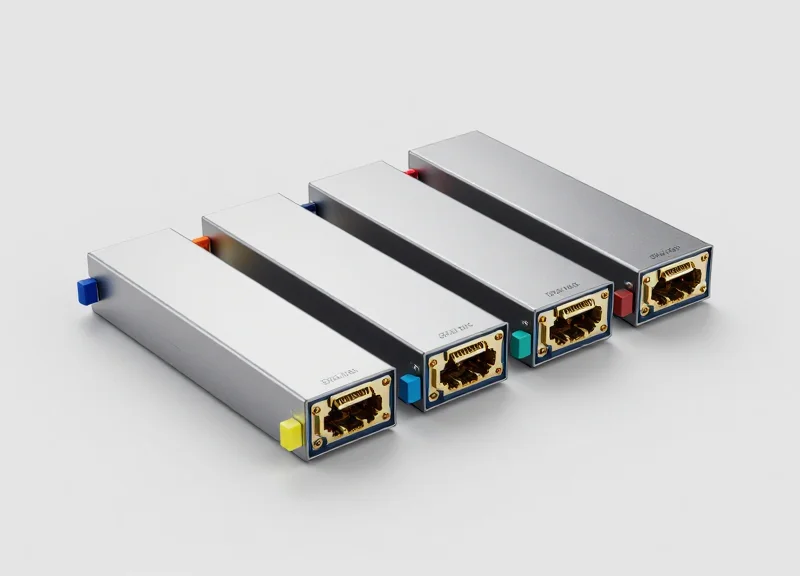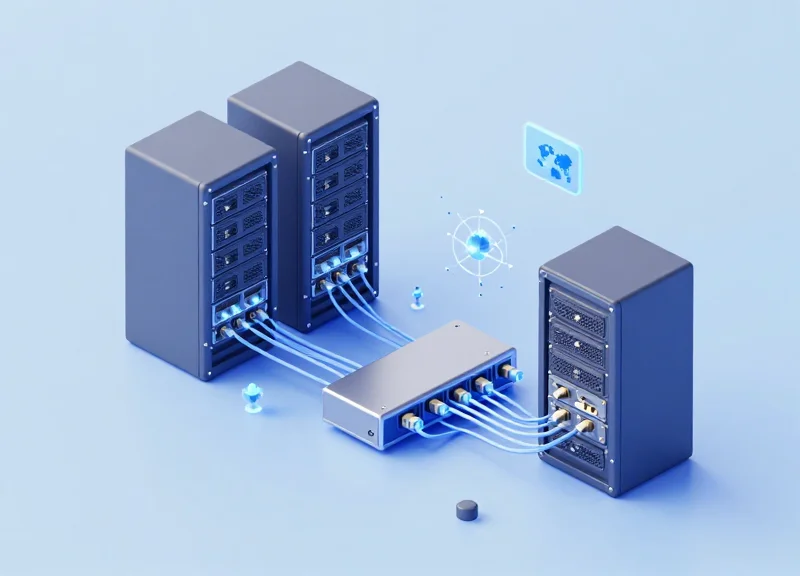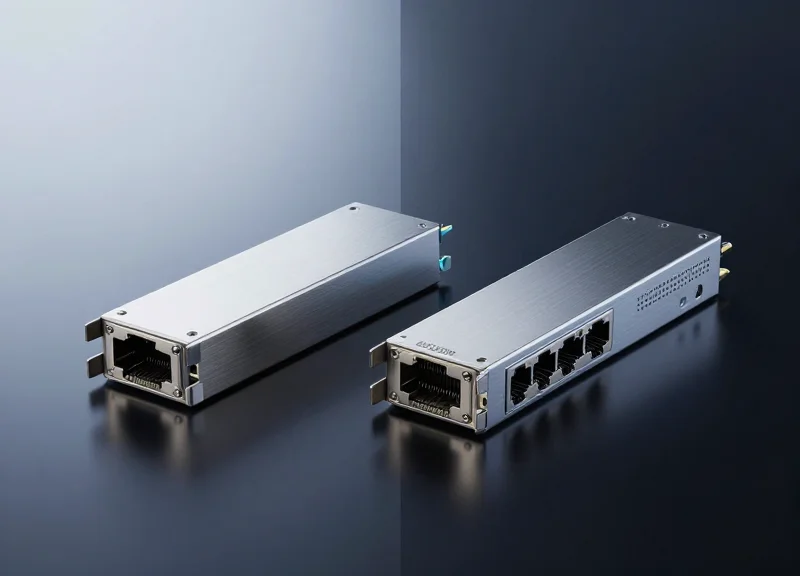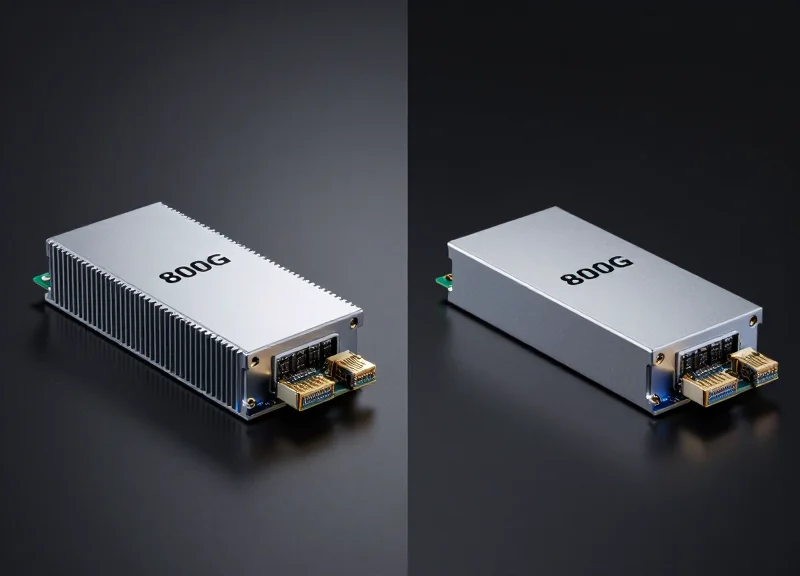
In the high-stakes environment of modern healthcare, even a micro-second of network downtime can jeopardize patient care and data integrity. As medical facilities scale their digital footprints, the demand for specialized, high-stability networking hardware has never been higher. This guide explores how wholesale procurement and custom OEM/ODM solutions provide the reliability and cost-efficiency required for 21st-century medical infrastructure.
The Critical Importance of Network Stability in Healthcare

In the healthcare industry, data network stability is not merely a technical specification; it is a fundamental pillar of patient care. In 2026, as healthcare systems integrate more IoT-connected medical devices, real-time diagnostic imaging, and AI-driven clinical decision support, the demand for 'five-nines' (99.999%) uptime has become the standard. Purchasing network stability wholesale allows medical institutions to secure dedicated bandwidth and specialized hardware that eliminates the latencies and failures associated with standard consumer-grade or generic enterprise connections.
Why Consumer-Grade Infrastructure Fails Clinical Requirements
Consumer-grade networking equipment is built for best-effort delivery, which frequently results in packet loss, jitter, and unpredictable downtime. In a clinical environment, a five-minute outage can delay emergency surgeries or prevent access to life-saving patient allergy data. Wholesale healthcare data solutions are specifically engineered with hardware redundancy and deterministic routing, ensuring that critical medical traffic is never throttled or interrupted by administrative or guest network usage.
| Metric | Consumer-Grade Networking | Wholesale Healthcare Stability |
|---|---|---|
| Uptime Target | 99.0% (Best Effort) | 99.999% (Mission Critical) |
| Regulatory Alignment | Basic Security | HIPAA/HITECH Compliant |
| Traffic Management | First-In, First-Out | Medical QoS Prioritization |
| Failure Recovery | Manual Reboot/Replacement | Automatic Failover/Redundancy |
The Financial and Clinical Impact of 'Five-Nines' Uptime
Achieving 99.999% stability means a facility experiences less than six minutes of total downtime per year. For a large-scale hospital, this level of stability prevents the massive financial losses associated with clinician idle time and the legal liabilities of delayed care. By requesting custom quotes for wholesale stability, healthcare administrators can lock in bulk pricing for 2026 that provides dedicated fiber paths and managed services tailored specifically for the high-throughput needs of modern medical imaging and telehealth.
- What defines medical-grade network stability?
It is a network architecture characterized by sub-millisecond latency, zero-packet-loss guarantees, and end-to-end encryption optimized for medical data formats. - How does bulk pricing improve stability?
Wholesale procurement allows for the deployment of uniform, high-end hardware across all facility nodes, reducing the 'weak link' effect found in fragmented networks. - Why are custom quotes necessary for 2026 planning?
Custom quotes allow providers to account for specific geographic redundancies and the escalating bandwidth needs of AI-integrated healthcare workflows.
Understanding Healthcare Data Network Stability Modules
Defining the Architecture of Healthcare Data Network Stability Modules
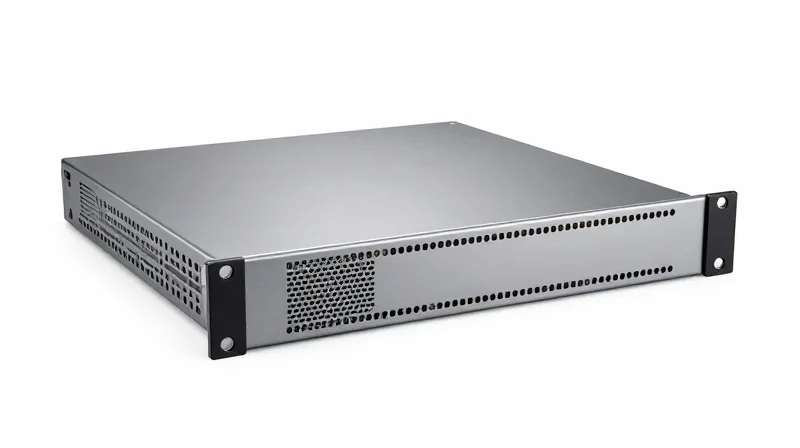
Healthcare Data Network Stability Modules are specialized hardware-software hybrids engineered to eliminate the volatility inherent in standard enterprise networking. At their core, these modules act as intelligent gatekeepers that prioritize life-critical data—such as real-time patient telemetry and surgical video feeds—above routine administrative traffic. By utilizing predictive algorithms and deep packet inspection (DPI), these modules can anticipate network bottlenecks before they result in data degradation, providing a deterministic environment where latency is controlled and jitter is virtually eliminated.
Congestion Management and Medical Protocol Prioritization
In a clinical setting, network congestion often occurs during peak hours when high-resolution imaging transfers (DICOM) coincide with EHR updates and guest Wi-Fi usage. Stability modules employ Advanced Queue Management (AQM) to ensure that 'heavy' data transfers do not 'choke' the narrow-band but time-sensitive signals from bedside monitors. This level of granularity allows administrators to guarantee bandwidth for HL7 and DICOM protocols while dynamically throttling non-essential traffic.
| Feature | Standard Enterprise Gear | Healthcare Stability Modules |
|---|---|---|
| Packet Prioritization | Basic QoS (Layer 3) | Application-Aware DPI (Layer 7) |
| Latencey Mitigation | Reactive Buffering | Predictive Path Optimization |
| Data Recovery | Retransmission Request | Forward Error Correction (FEC) |
| Uptime Target | 99.9% (Standard) | 99.999% (Clinical Grade) |
Mitigating Packet Loss Through Forward Error Correction
Packet loss in healthcare is not merely a performance issue; it is a clinical risk. Stability modules utilize Forward Error Correction (FEC) to mitigate this. FEC adds a small amount of redundant data to the transmission, allowing the receiving module to reconstruct lost packets without needing a retransmission. This is particularly crucial for robotic surgery and remote patient monitoring, where even a 50ms delay caused by a retransmission request could disrupt a critical procedure.
Strategic Implementation FAQs
- How do stability modules handle 4K surgical video feeds?
They use dedicated hardware acceleration to offload the processing of high-bandwidth video packets, ensuring zero-latency transmission from the surgical site to the viewing station. - Can these modules be integrated into existing legacy networks?
Yes, wholesale stability modules are designed for interoperability, often acting as a 'stability overlay' that enhances existing Cisco or Juniper backbones without requiring a total rip-and-replace. - Why is custom wholesale quoting necessary for these modules?
Because clinical traffic patterns vary wildly between a rural clinic and a Level 1 Trauma Center, custom configurations ensure the module's buffer sizes and logic gates are tuned to the specific patient volume and device density of the facility.
Wholesale Procurement: Solving the Scalability Challenge
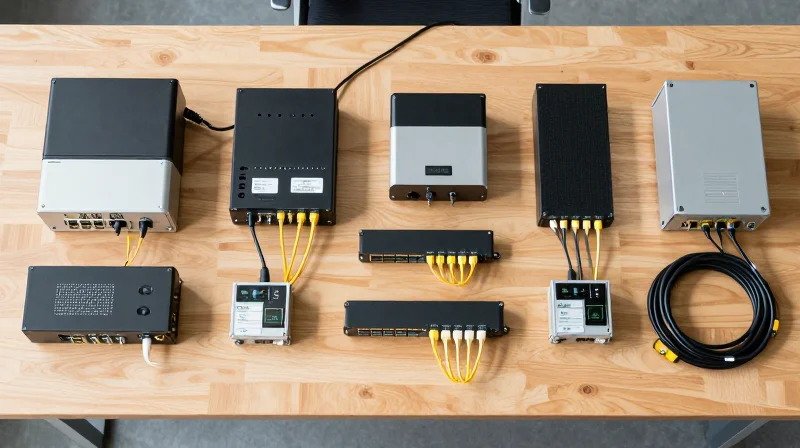
Scaling a healthcare network from a single campus to a multi-state system requires more than just high-speed connectivity; it demands absolute predictability in hardware behavior. Wholesale procurement solves the scalability challenge by enabling hospital systems to bypass the 'fragmented deployment trap'—a scenario where different facilities use varying hardware versions—thereby ensuring that stability modules are uniform, pre-configured, and significantly more cost-effective than retail alternatives. By locking in bulk pricing for 2026, providers can future-proof their infrastructure against supply chain volatility while maintaining a singular technical standard.
The Financial Impact: CAPEX Efficiency and Volume Economics
Acquiring network stability infrastructure in bulk allows healthcare CFOs to convert what would typically be a series of high-cost, ad-hoc Capital Expenditures (CAPEX) into a controlled, strategic investment. Volume discounts for enterprise-grade stability modules often range from 20% to 40%, allowing for the reallocation of saved funds toward critical patient care initiatives or advanced AI-driven diagnostic tools. Furthermore, bulk contracts often include fixed-price protection, shielding the organization from inflation or component shortages.
| Feature | Retail/Ad-hoc Purchasing | Wholesale Procurement (2026) |
|---|---|---|
| Unit Cost | MSRP / Premium Pricing | Bulk Discounted (20-40% Savings) |
| Hardware Uniformity | Variable (Mixed Revisions) | Synchronized (Single Revision) |
| Support Level | Standard Ticket Queue | Priority Enterprise Support |
| Deployment Speed | Slow (Staggered Arrival) | Rapid (Batch Provisioning) |
| Supply Chain | Stock Availability Dependent | Guaranteed Inventory Reserve |
Operational Benefits of Hardware Uniformity
When every stability module across a healthcare network is identical, the complexity of IT maintenance drops exponentially. Uniformity eliminates the 'snowflake' problem, where unique configurations at specific sites create hidden vulnerabilities and increase the risk of downtime during system-wide updates. With wholesale procurement, IT teams can develop a single 'golden image' configuration that is validated for HIPAA compliance and clinical efficacy, then deploy it across hundreds of nodes with the certainty that performance will be identical at every endpoint.
Wholesale Procurement FAQ
- What is the typical minimum order quantity (MOQ) for wholesale pricing?
While it varies by manufacturer, most healthcare-grade stability module vendors set wholesale thresholds at 50 units, though custom quotes are frequently available for smaller specialist clinics requiring high-density deployments. - Can wholesale orders be customized with specific firmware?
Yes, bulk procurement paths typically allow for factory-level flashing of custom firmware, ensuring all devices arrive pre-configured with the hospital's specific security and traffic prioritization protocols. - How does bulk purchasing affect long-term maintenance?
Wholesale contracts usually include unified support end-dates and centralized warranty management, making it significantly easier for IT departments to track lifecycle replacements compared to tracking dozens of individual retail purchase dates.
Custom OEM/ODM Services: Tailoring Hardware to Clinical Needs

Custom OEM/ODM services bridge the gap between generic networking hardware and the rigorous demands of a clinical environment by allowing for hardware-level modifications that address signal attenuation in lead-lined rooms, specific medical software protocols, and unique form-factor constraints. By leveraging original design and equipment manufacturing, healthcare providers can ensure that their network stability modules are not just functional, but optimized for the exact spatial and technical architecture of their facility.
Engineering for the Clinical Environment: OEM vs. ODM
The choice between Original Equipment Manufacturing (OEM) and Original Design Manufacturing (ODM) depends on the level of customization required for the stability modules. OEM services focus on branding and slight modifications to existing, proven designs, while ODM services offer the flexibility to build hardware from the ground up to meet unprecedented clinical challenges.
| Feature | OEM (Original Equipment Mfg) | ODM (Original Design Mfg) | |
|---|---|---|---|
| Design Control | Manufacturer provides base design. | Client provides or co-develops specs. | High: Built for unique hospital layouts. |
| Clinical Customization | Moderate: Firmware and branding. | High: Custom PCB and housing materials. | |
| Time to Market | Faster (4–8 weeks typical). | Slower (3–6 months for prototyping). | |
| Cost Structure | Lower per-unit cost for standard tech. | Higher initial NRE (Non-recurring engineering). |
Addressing Hospital Layouts and Specialized Software
Hospitals are notoriously difficult environments for RF signals due to high-density medical equipment, lead-shielded imaging suites, and thick concrete construction. Custom ODM services allow for the integration of high-gain antennas and specialized signal-processing chips that maintain stability where off-the-shelf units would fail. Furthermore, custom firmware can be developed to prioritize data packets from specific medical software—such as Picture Archiving and Communication Systems (PACS) or real-time patient monitoring feeds—ensuring that life-critical data always receives the highest bandwidth priority.
Benefits of Bespoke Hardware for Wholesale Buyers
- Scalability and Uniformity
Wholesale custom orders ensure that every wing of a multi-site hospital system utilizes identical, pre-configured hardware, simplifying maintenance and IT troubleshooting. - Future-Proofing Hardware
OEM/ODM partnerships allow healthcare systems to incorporate upcoming standards (like Wi-Fi 7 or advanced 5G integration) into their hardware before they are widely available in the retail market. - Regulatory Compliance
Custom hardware can be engineered to meet specific medical-grade certifications (such as IEC 60601-1) that standard networking gear often ignores.
OEM/ODM Procurement FAQ
- What is the minimum order quantity (MOQ) for custom healthcare network modules?
Typically, custom OEM branding starts at 500 units, while full ODM hardware design often requires an MOQ of 1,000 to 2,000 units to offset engineering costs. - Can custom hardware be optimized for specific EHR systems?
Yes, firmware-level ODM services can include specialized traffic shaping and caching mechanisms designed to reduce latency for major Electronic Health Record (EHR) platforms. - How does custom manufacturing impact the warranty and support?
Custom wholesale quotes usually include enterprise-level SLAs, with manufacturers providing dedicated firmware support and extended hardware lifecycles compared to consumer products.
Key Performance Metrics for Medical Grade Networking
Key Performance Metrics for Medical Grade Networking
Medical-grade networking differs from enterprise solutions by prioritizing deterministic performance—the guarantee that a packet will arrive within a specific timeframe—over simple raw bandwidth. When procuring hardware at scale, technical directors must look beyond standard spec sheets to ensure that the hardware can maintain stability in high-interference environments like operating rooms and imaging suites. These metrics form the baseline for any custom quote or bulk pricing agreement for hospital-wide deployments in 2026.
Latency and Deterministic Throughput
In a clinical setting, latency is a matter of patient safety. For applications like telesurgery or real-time patient monitoring, network delay must remain below 1-5 milliseconds. Throughput requirements are equally demanding; a single uncompressed 4K surgical video stream can require up to 10 Gbps of dedicated bandwidth. Wholesale hardware must support Time-Sensitive Networking (TSN) standards to ensure that life-critical data packets are never queued behind non-essential administrative traffic.
EMI Shielding and Environmental Resilience
The operating room is a dense environment of electromagnetic noise, generated by electrosurgical units, MRI machines, and various telemetry devices. Standard networking hardware often fails due to electromagnetic interference (EMI). Medical-grade hardware procured through OEM/ODM channels typically features enhanced chassis shielding and filtered power supplies to meet IEC 60601-1-2 standards. This ensures that the network stability module remains functional even when positioned adjacent to high-energy clinical equipment.
| Metric | Standard Requirement | Clinical Application |
|---|---|---|
| Latency | < 5ms (End-to-End) | Robotic Surgery & Real-time Telemetry |
| Jitter | < 1ms | Synchronized Medical Device Data |
| EMI Compliance | IEC 60601-1-2 4th Ed. | Operating Room & ICU Environments |
| Packet Loss | 0.0001% (Max Threshold) | High-Resolution Diagnostic Imaging (DICOM) |
Critical Performance FAQs
- Why is EMI shielding vital for wholesale procurement?
Wholesale deployments often cover an entire facility; if the hardware lacks EMI shielding, localized interference in one department can cause broader network instability or data corruption across the system. - Does throughput affect custom hardware quotes?
Yes. Higher throughput requirements for imaging usually necessitate fiber-optic backbones and specialized SFP+ modules, which are factored into bulk pricing structures for 2026. - How is network stability measured in medical environments?
Stability is measured by the Mean Time Between Failures (MTBF) and the ability of the stability module to prevent packet drops during peak surgical hours.
Security and Compliance: HIPAA and Beyond
Security and Compliance: HIPAA and Beyond
When scaling healthcare infrastructure through wholesale acquisitions, network stability is inextricably linked to data security; a stable connection is useless if it exposes Protected Health Information (PHI). For 2026, purchasing wholesale stability modules requires a focus on hardware-level integration of AES-256 encryption and FIPS 140-2 validation to ensure that data in transit remains immutable and private. Wholesale procurement allows healthcare systems to implement a 'security-first' architecture across all nodes simultaneously, eliminating the vulnerabilities often found in heterogeneous, legacy environments.
The Critical Nexus of Uptime and Data Protection
In the clinical environment, stability modules must do more than manage load balancing; they must provide secure, encrypted tunnels that do not degrade performance. High-throughput encryption chips are now a standard requirement for bulk-purchased hardware to prevent latency spikes during heavy data transfers, such as high-resolution medical imaging or real-time surgical telemetry.
| Feature | Standard Enterprise Grade | Healthcare Grade (Wholesale 2026) |
|---|---|---|
| Encryption Protocol | Software-defined AES-128 | Hardware-accelerated AES-256 / TLS 1.3 |
| Compliance | Standard ISO 27001 | HIPAA, GDPR, & SOC2 Type II Certified |
| VPN Capabilities | General Purpose VPN | Dedicated IPsec/IKEv2 with hardware offloading |
| Firmware Security | Standard Updates | Signed Firmware & Secure Boot Architecture |
Navigating Global Regulatory Requirements
Bulk pricing for networking hardware often involves global supply chains, making it imperative to ensure that stability modules meet international standards beyond just HIPAA. This includes the GDPR’s strict data sovereignty rules in Europe and PIPEDA in Canada. Custom quotes for 2026 should explicitly require documentation for end-to-end encryption and audit logging capabilities that simplify the reporting process during mandatory compliance reviews.
- Are wholesale stability modules FIPS 140-2 compliant?
Most high-end healthcare networking modules designed for wholesale in 2026 meet FIPS 140-2 Level 2 or 3, ensuring that the cryptographic modules are physically tamper-evident. - How does hardware standardization impact HIPAA audits?
Standardizing on a single hardware profile via bulk purchasing reduces the 'audit surface' by ensuring that every node in the network follows identical security protocols and patch cycles. - Do custom quotes include firmware security guarantees?
Yes, custom wholesale quotes for healthcare typically include Service Level Agreements (SLAs) for secure firmware lifecycle management and emergency vulnerability patching.
Maximizing ROI with High-Quality Networking Components
To truly maximize ROI when you buy healthcare data network stability wholesale, organizations must look beyond the initial purchase price to the Total Cost of Ownership (TCO). High-quality networking components, specifically stability modules designed for medical environments, offer superior durability and performance consistency compared to lower-grade alternatives. In the 2026 landscape, custom quotes for bulk pricing allow healthcare providers to acquire enterprise-grade hardware that drastically reduces the frequency of hardware replacements and emergency IT interventions, ultimately leading to a more predictable and lower annual budget.
Strategic Financial Analysis: Premium vs. Standard Stability Components
| Performance Metric | Premium Wholesale Modules | Standard Grade Components |
|---|---|---|
| Annual Failure Rate | Less than 0.1% | Approximately 3-5% |
| Expected Hardware Lifespan | 8 to 12 Years | 3 to 5 Years |
| Maintenance Requirements | Minimal (Remote updates) | Frequent (Physical replacement) |
| Long-term TCO | Lowest (High initial, low upkeep) | Highest (Low initial, high recurring) |
Mitigating the Hidden Costs of Network Instability
Network instability in a healthcare setting introduces hidden costs that extend far beyond IT labor. Every minute of downtime or high latency can result in lost clinician productivity, delayed diagnostic results, and potential regulatory fines if data integrity is compromised. High-quality components provide the robust EMI shielding and high-throughput capacity necessary to support bandwidth-heavy medical imaging (PACS) and real-time patient monitoring. By securing custom quotes for these stable modules, healthcare facilities ensure that their infrastructure remains an asset that facilitates care rather than a bottleneck that incurs continuous expense.
- How does bulk pricing improve the ROI of high-end hardware?
Bulk pricing and custom quotes for 2026 bridge the price gap between standard and premium hardware, allowing facilities to deploy higher-quality modules at a per-unit cost similar to retail mid-range options. - What role does future-proofing play in networking ROI?
Premium modules often support higher overhead and newer protocols, meaning the network will not require a full forklift upgrade when new medical software or AI-driven diagnostics are implemented. - Does higher quality hardware impact compliance costs?
Yes, stable and secure hardware reduces the risk of data breaches and connectivity failures that can lead to expensive HIPAA non-compliance penalties.
Integrating New Modules into Existing Legacy Systems
Integrating New Modules into Existing Legacy Systems
Successfully integrating 2026-standard stability modules into legacy healthcare environments requires a hybrid architectural approach that prioritizes backward compatibility while eliminating throughput bottlenecks. The objective is to inject modern reliability features—such as enhanced EMI shielding and AI-driven traffic prioritization—into a framework that may still rely on older Ethernet standards or disparate cabling topologies. By utilizing modular overlays, healthcare IT teams can achieve wholesale stability improvements without the catastrophic downtime or 'all-or-nothing' risk associated with total infrastructure replacement.
Strategic Modernization Pathways
| Criteria | Legacy Patching | Modular Overlay (Recommended) | Full System Replacement |
|---|---|---|---|
| Uptime Risk | High (Instability) | Very Low (Phased) | Critical (Scheduled Downtime) |
| Scalability | Static | Dynamic / Expandable | Future-proofed |
| Wholesale ROI | Low (Short-term) | Highest (Balanced) | Moderate (High CapEx) |
| Implementation Speed | Immediate | Iterative | Long-term Project |
Ensuring Interoperability and Signal Integrity
When procuring wholesale networking components for 2026, technical teams must ensure that new modules support advanced Quality of Service (QoS) tagging that is recognizable by legacy switches. This ensures that critical life-safety data, such as real-time telemetry, maintains priority even when passing through older segments of the network. Furthermore, using media converters and protocol-agnostic stability modules allows for a seamless bridge between older copper-based systems and high-speed fiber-optic upgrades.
- How do we mitigate the risk of protocol mismatch?
Utilize stability modules that feature auto-sensing ports and multi-protocol support, ensuring that 10G modules can successfully down-negotiate to legacy 1G or 100M speeds without packet loss. - Can wholesale pricing include specialized legacy adapters?
Yes, custom wholesale quotes for 2026 often include bundled transceivers and legacy interface cards designed to bridge the gap between modern backbones and legacy hardware. - How is patient data protected during the transition?
Integration should occur on a parallel 'Shadow Network' where stability is tested under simulated load before migrating live patient traffic, ensuring HIPAA-compliant data flow is never interrupted.
By focusing on a modular integration strategy, healthcare facilities can leverage bulk pricing to systematically replace the weakest links in their data chain, resulting in a robust, high-performance network that respects the budget and operational constraints of existing legacy systems.
The Future of Healthcare Connectivity in 2026 and Beyond

The Future of Healthcare Connectivity in 2026 and Beyond
The future of healthcare connectivity is transitioning from reactive maintenance to proactive, autonomous resilience. In 2026, the integration of AI-driven network management and high-throughput hardware is becoming the standard for facilities looking to support the massive data influx from IoMT (Internet of Medical Things) and real-time telehealth. Buying healthcare data network stability wholesale now requires a forward-looking approach that prioritizes components capable of handling AI processing at the edge and 5G-enabled micro-bursts of data.
The Shift to AI-Driven Network Management
Artificial Intelligence is no longer just a software layer; it is being baked into the physical networking modules themselves. Modern wholesale stability components now feature 'self-healing' capabilities where AI algorithms predict potential packet loss or hardware failure before they impact clinical workflows. This predictive maintenance reduces downtime by up to 40%, ensuring that critical patient monitoring systems remain online even during peak traffic periods.
| Feature | Standard Modules (Pre-2026) | Next-Gen AI-Ready Modules |
|---|---|---|
| Traffic Management | Static Priority Queuing | Dynamic AI-Predictive Load Balancing |
| Latency Control | Reactive Adjustment | Proactive Edge-Processing Optimization |
| Failure Detection | Post-Event Alerts | Pre-Failure Predictive Diagnostics |
| Scalability | Linear Hardware Addition | Software-Defined Modular Expansion |
Hardware Evolution for High-Density Data Demands
To meet the demands of high-resolution imaging and genomic sequencing transfers, hardware is evolving toward silicon-photonic integrations and enhanced heat dissipation for 24/7 operations. Wholesale procurement in 2026 focuses on modules that support Multi-gigabit Ethernet and Wi-Fi 7 standards, ensuring that the physical infrastructure can support the increasing density of connected devices per square foot in modern hospital environments.
- Will existing legacy systems support AI-driven modules?
Most next-gen wholesale modules are designed with backwards compatibility, though maximum performance gains are achieved when the core backbone is upgraded to support modern throughput standards. - How does wholesale pricing change with these technological shifts?
While unit costs for AI-enabled hardware are slightly higher, the bulk pricing structures for 2026 offer better long-term ROI by reducing the frequency of hardware replacement cycles and minimizing operational downtime costs. - What role does 5G play in future hardware stability?
Future-proof hardware modules now often include 5G failover capabilities, providing a secondary high-speed data path that ensures network stability if primary fiber connections are compromised.
Ensuring your healthcare network remains stable is not just a technical requirement—it is a cornerstone of modern patient safety. Ubytelink provides the enterprise-grade hardware and custom manufacturing flexibility needed to build a resilient future. Ready to scale your medical infrastructure? Contact Ubytelink today for a custom wholesale quote and expert OEM/ODM consultation.