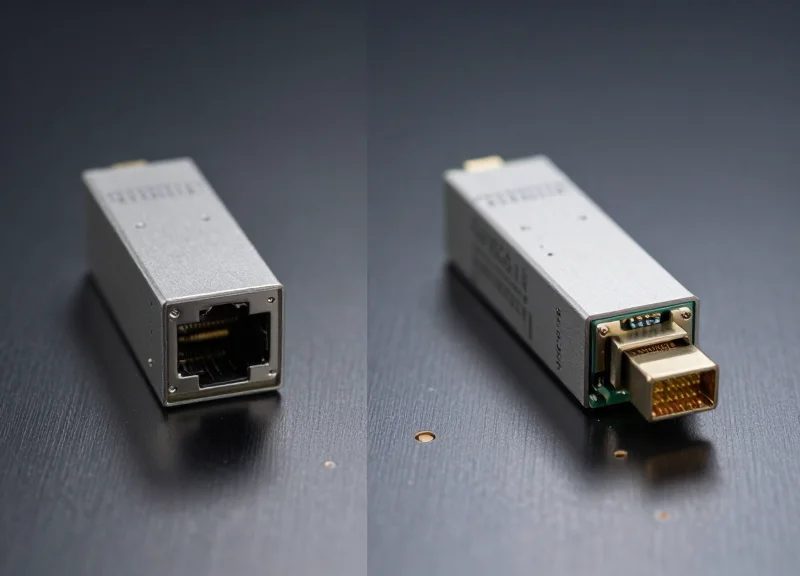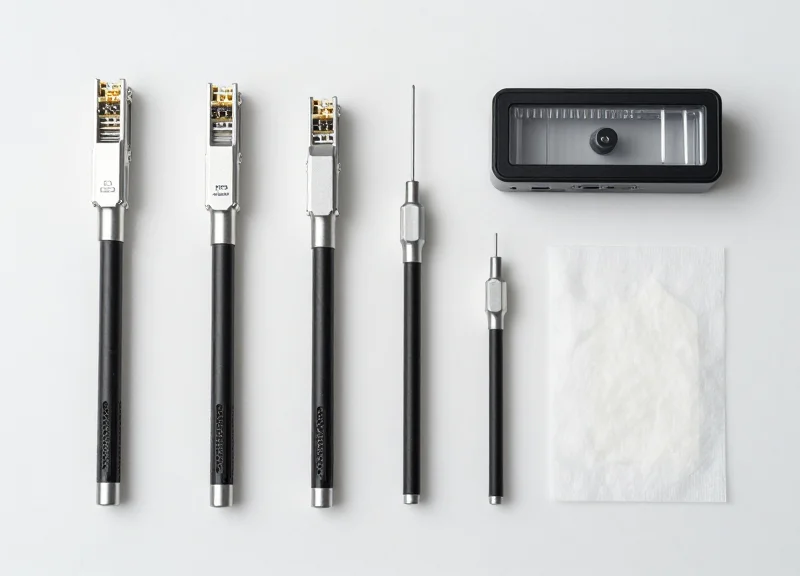
In the high-stakes environment of modern telecommunications, even a microscopic speck of dust can derail a multi-gigabit link. As networks scale toward 400G and 800G, the demand for precision cleaning tools has never been higher. This guide examines why sourcing MPO and LC cleaning modules at wholesale volumes is a strategic imperative for service providers and data centers looking to maintain peak performance while controlling operational expenditure.
The Critical Impact of Contamination on High-Speed Fiber Links
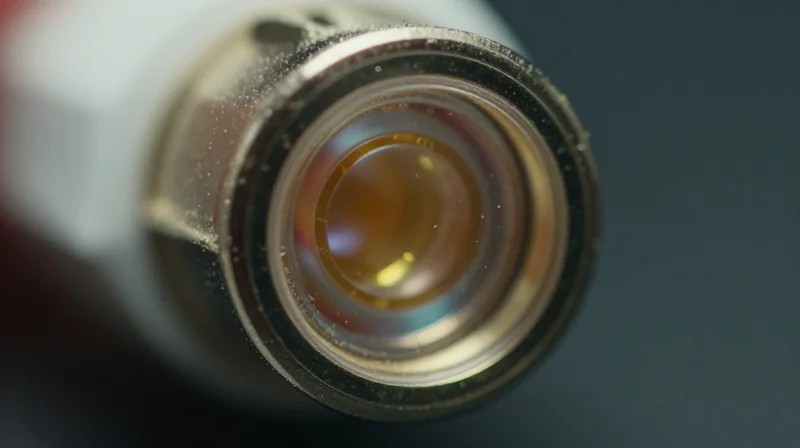
In the realm of high-speed fiber optics, contamination is the leading cause of network downtime and performance degradation. As data centers migrate toward 400G and 800G architectures, the margin for error at the physical layer has virtually disappeared. Even a microscopic dust particle—often invisible to the naked eye—lodged on an MPO or LC endface can lead to signal scattering, increased insertion loss, and permanent damage to the glass substrate. For enterprises and ISPs purchasing cleaning supplies in bulk, understanding the physics behind these failures is critical to justifying the investment in automated, high-precision cleaning modules over inferior manual alternatives.
The Physics of Interference: Insertion Loss and Back-Reflection
Contamination impacts signal integrity through two primary physical phenomena: Insertion Loss (IL) and Back-Reflection (Optical Return Loss, or ORL). When debris occupies the core of the fiber, it creates an air gap or a physical barrier that absorbs and scatters light, preventing it from reaching its destination. Simultaneously, this debris alters the refractive index at the interface, causing light to reflect back toward the transmitter. This back-reflection can destabilize laser sources and introduce significant bit-error rates (BER) in high-frequency transmissions.
| Contaminant Type | Effect on Insertion Loss (IL) | Effect on Back-Reflection (ORL) | Risk Factor |
|---|---|---|---|
| Dry Dust | High (Scattering) | Moderate | Permanent Scratching |
| Skin Oils | Moderate | High (Refractive Index Shift) | Dust Magnet |
| Alcohol Residue | Low to Moderate | High | Ghosting/Streaks |
| Mineral Deposits | Extreme | Extreme | Connector Pitting |
Why Wholesale Automated Cleaning Surpasses Manual Methods
Traditional manual cleaning—such as using a simple dry wipe or a low-grade pen—often fails in high-density MPO environments because it lacks the consistency required to clear all 12 or 24 fibers simultaneously. Automated cleaning modules, often sourced via custom wholesale quotes for large-scale deployments, utilize controlled pressure and specialized micro-polishing materials to ensure a pristine endface every time. This repeatability is vital for data centers where technicians must clean thousands of ports; manual methods frequently introduce cross-contamination or static charge, whereas automated systems neutralize these variables.
- How does dust cause permanent damage to fiber connectors?
When connectors are mated, the physical pressure can grind hard dust particles into the glass, creating pits and scratches that cannot be cleaned and require the connector to be replaced. - Why is MPO cleaning more critical than LC cleaning?
MPO connectors have a larger surface area and utilize a multi-fiber array. Contamination on a single fiber core can affect the alignment and performance of the entire array, leading to total link failure. - Does 'bulk pricing' imply lower quality cleaning materials?
No. Wholesale and bulk pricing for 2026 focuses on industrial-grade consumables that meet IEC 61300-3-35 standards, ensuring that high-volume cleaning is both cost-effective and technically superior.
Comparing MPO and LC Cleaning Modules: Technical Requirements
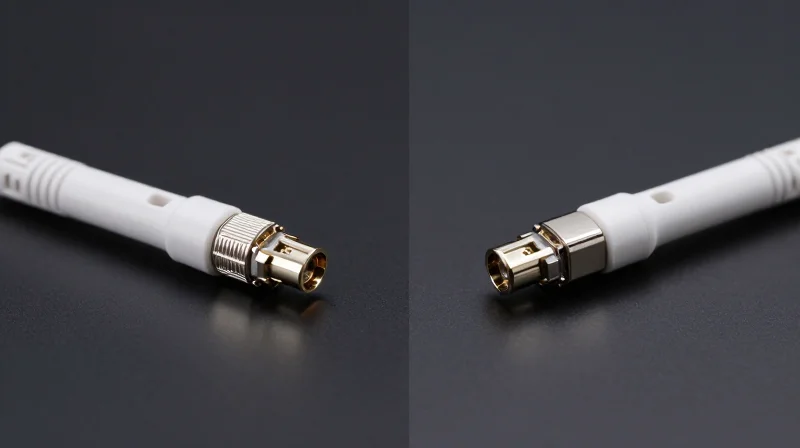
The fundamental difference between MPO and LC cleaning modules lies in their surface contact geometry and mechanical tension requirements: while LC modules are designed for the high-pressure localized cleaning of a single 1.25mm ceramic ferrule, MPO modules must execute a synchronized sweep across a wide, multi-fiber polymer surface while maintaining uniform pressure to avoid skipping fibers or damaging guide pins.
Mechanical Design and Contact Mechanics
LC cleaning modules typically utilize a 'push-and-rotate' or 'linear swipe' mechanism tailored for the cylindrical shape of the LC connector. Because the surface area is small, the cleaning ribbon can be narrow and highly tensioned. In contrast, MPO (Multi-Fiber Push-On) modules must address a rectangular ferrule surface containing 12, 24, or even 32 fibers. This requires a wider cleaning tape and a more complex internal gear system to ensure that the ribbon advances evenly across the entire array without snagging on the alignment pins.
| Technical Feature | LC Cleaning Module | MPO Cleaning Module |
|---|---|---|
| Ferrule Material | Zirconia Ceramic | Thermoplastic (MT Ferrule) |
| Typical Diameter/Size | 1.25 mm (Circular) | Approx. 2.5 mm x 6.4 mm (Rectangular) |
| Alignment Mechanism | Split Sleeve (External) | Alignment Pins/Holes (Internal) |
| Cleaning Action | Rotary or Longitudinal Swipe | Lateral Ribbon Advancement |
| Required Pressure | High (Localized) | Moderate (Distributed) |
Coverage Areas and Ribbon Efficiency
When sourcing wholesale cleaning modules, understanding ribbon efficiency is critical for ROI. LC modules are often rated for 750+ cleans because the amount of ribbon used per cycle is minimal. MPO modules, due to the larger surface area and the need to clear debris from both the fibers and the surrounding MT ferrule, typically consume more ribbon per cycle. Wholesale buyers must evaluate the 'cost-per-clean' based on these structural consumption rates rather than just the initial unit price.
Technical FAQ: MPO vs. LC Cleaning Modules
- Why can't LC cleaning tools be used for MPO connectors?
LC tools are geometrically restricted to a 1.25mm radius; they cannot cover the wide rectangular surface of an MPO array, leaving peripheral fibers contaminated and potentially damaging the MPO guide pins. - How does the 'Pin-and-Socket' design affect cleaning module selection?
MPO modules must be specifically designed to navigate around male guide pins. High-quality wholesale modules feature a recessed cleaning head that ensures the ribbon makes contact with the fiber surface without being obstructed by the pins. - Is dry cleaning sufficient for both module types?
While both modules use specialized anti-static dry ribbons, MPO modules are more prone to 'debris trapping' near the pins, often requiring higher-grade micro-woven ribbons compared to the simpler filaments used in standard LC modules.
Economic Benefits of Wholesale Procurement for Enterprise Networks

Wholesale procurement of fiber connector cleaning modules transforms network maintenance from an unpredictable operational expense into a strategic, cost-controlled asset management program. By leveraging bulk pricing, enterprise data centers can achieve up to a 45% reduction in the 'cost-per-clean' metric compared to ad-hoc retail purchases, ensuring that the high-precision requirements of MPO and LC interfaces do not become a financial bottleneck during large-scale deployments.
The Cost-Per-Clean Metric and Bulk Efficiency
When evaluating fiber cleaning solutions, the primary financial indicator is the cost-per-clean—calculated by dividing the unit cost of the cleaning tool by the total number of clicks (typically 525 to 800 per module). In a retail environment, a single MPO cleaner may carry a premium markup; however, custom wholesale quotes allow for the amortization of shipping and administrative costs across hundreds of units. This scalability is essential for hyper-scale environments where thousands of ports must be cleaned and inspected annually.
| Procurement Tier | Typical Unit Qty | Estimated Cost-Per-Clean (LC) | Estimated Cost-Per-Clean (MPO) |
|---|---|---|---|
| Retail/Individual | 1-10 Units | $0.15 - $0.20 | $0.25 - $0.35 |
| Mid-Volume Corporate | 50-200 Units | $0.09 - $0.12 | $0.18 - $0.22 |
| Enterprise Wholesale | 500+ Units | $0.06 - $0.08 | $0.12 - $0.15 |
Reducing Total Cost of Ownership (TCO)
Beyond the direct unit price, wholesale procurement impacts the Total Cost of Ownership (TCO) of the network infrastructure. By maintaining a centralized inventory of cleaning supplies, enterprises eliminate the 'emergency purchase' surcharge and the logistical delays associated with stockouts. Furthermore, using high-quality automated cleaning modules in bulk prevents the massive costs associated with transceiver replacement and emergency truck rolls caused by contaminated end-faces—costs that often exceed the price of a cleaner by orders of magnitude.
Common Procurement Questions
- How do custom quotes benefit long-term maintenance projects?
Custom quotes allow for price-lock agreements, protecting against supply chain fluctuations and ensuring consistent O&M budgeting throughout the fiscal year. - Is there a shelf-life concern with bulk-buying cleaning modules?
Dry-cloth cleaning modules generally have a multi-year shelf life when stored in climate-controlled environments, making them ideal candidates for high-volume storage. - Why is MPO bulk pricing more significant than LC pricing?
MPO cleaners involve more complex mechanical components and higher material costs; therefore, the percentage savings on wholesale MPO units often exceeds that of simpler LC cleaners.
OEM/ODM Customization: Tailoring Tools to Your Infrastructure

Precision Engineering via OEM/ODM Services
For large-scale data centers and telecommunications providers, off-the-shelf cleaning solutions often fall short of meeting specific mechanical tolerances or brand integration requirements. Ubytelink’s OEM and ODM services bridge this gap by offering bespoke engineering for fiber connector cleaning modules, ensuring that every tool is perfectly calibrated for the specific MPO or LC interfaces found in high-density rack environments. By customizing the internal tape mechanism and external housing, organizations can achieve a higher degree of maintenance precision while reinforcing their corporate identity through private labeling.
Key Customization Parameters for Enterprise Clients
Customization is not merely about aesthetics; it is about functional optimization for specific hardware environments. Ubytelink offers several tiers of modification for wholesale partners to ensure the tools align with internal safety protocols and operational standards.
| Feature | Standard Offering | OEM/ODM Customization |
|---|---|---|
| Housing Material | Standard ABS Plastic | Anti-Static (ESD) Grade, High-Impact Polycarbonate |
| Branding | Ubytelink Neutral | Private Labeling, Laser Engraving, Custom Color Matching |
| Mechanical Specs | Standard MPO/LC Strokes | Customized Tensioning and Cleaning Cycle Counts |
| Packaging | Standard Retail Box | Bulk Industrial, Eco-Friendly, or Custom Branded Kits |
The Value of Bespoke Technical Specifications
Integrating custom-engineered cleaning modules into your maintenance workflow reduces the risk of human error. For instance, color-coded housings can prevent technicians from using the wrong cleaning tool on sensitive hardware, while specialized technical specifications ensure that the cleaning tape makes 100% contact with the ferrule end-face, regardless of the chassis depth or port orientation. These adjustments are critical for 400G/800G environments where even microscopic residue can lead to significant signal degradation.
Common Questions Regarding Custom Wholesale Orders
- What is the typical MOQ for OEM/ODM orders?
Minimum Order Quantities for customized modules generally start at 500 units, depending on the complexity of the housing modifications and branding requirements. - Can technical specifications like tape tension be adjusted?
Yes, our ODM service allows for the modification of internal mechanical components to meet specific cleaning force requirements for specialized high-count fiber connectors. - What is the lead time for private label prototypes?
Prototyping and sample verification typically take 2 to 4 weeks, followed by full-scale production once the technical specifications are approved.
Quality Standards and EEAT in Fiber Cleaning Manufacturing
Quality Standards and EEAT in Fiber Cleaning Manufacturing
When sourcing fiber connector cleaning tools wholesale, establishing the manufacturer's technical authority and quality control (QC) infrastructure is paramount for network reliability. A reputable manufacturer must demonstrate Expertise and Authoritativeness through rigorous adherence to international standards, ensuring that every cleaning cycle—whether for MPO or LC connectors—removes contaminants without introducing microscopic scratches or static charges that could lead to signal degradation.
Certifications and Material Integrity
Top-tier manufacturing facilities, such as those operated by Ubytelink, prioritize ISO 9001:2015 for quality management and ISO 14001 for environmental responsibility. Beyond general certifications, the specific material science of the cleaning tape determines the tool's effectiveness. High-density, lint-free synthetic microfibers are required to achieve the 'dry cleaning' efficiency needed for carrier-grade deployments. Inferior materials often leave behind residue or suffer from 'tape fraying,' which can permanently damage expensive transceivers.
| Material Property | Standard Grade | Ubytelink Premium Grade | Network Impact |
|---|---|---|---|
| Fiber Density | Low to Medium | High-Density Ultra-Fine | Higher dust entrapment |
| ESD Properties | Variable | Permanent Anti-Static | Prevents dust re-attraction |
| Durability | Susceptible to tearing | Tensile Reinforced | Consistent cleaning pressure |
| Residue Level | Possible linting | Zero Lint / ISO Class 5 | Protects ferrule end-faces |
Environmental Durability and Module Testing
Cleaning modules must be engineered to withstand the diverse environments found in outside plant (OSP) and data center deployments. This includes mechanical durability tests that simulate thousands of clicks in varying humidity levels. Trustworthy manufacturers provide documentation on the 'environmental shelf-life' of the cleaning tape, ensuring that the adhesive and microfiber properties do not degrade over time in storage, which is a critical consideration for bulk wholesale procurement.
- How do I verify the manufacturing standards of a wholesale partner?
Request ISO certification documents, RoHS compliance certificates, and technical data sheets (TDS) for the cleaning media. Reputable suppliers like Ubytelink provide these transparently to establish trust. - Why is ESD (Electrostatic Discharge) safety important in fiber cleaners?
Friction during the cleaning process can create static. High-quality cleaners use anti-static resins and tapes to dissipate this charge, preventing the end-face from immediately attracting new airborne contaminants. - Does the tape material differ between MPO and LC cleaners?
While the base microfiber may be similar, MPO tapes are often wider and require higher tensile strength to maintain uniform contact across the multi-fiber array compared to the single-fiber LC cleaning tip.
Streamlining Global Supply Chains with Reliable Bulk Sourcing
Optimizing Large-Scale Fiber Network Deployments through Strategic Logistics
Effective supply chain management for fiber optic cleaning consumables requires more than just competitive unit pricing; it demands a partner capable of navigating complex international logistics while ensuring consistent stock availability for MPO and LC modules. For large-scale data center builds and telecommunications expansions, the reliability of cleaning tool deliveries directly impacts project timelines and operational uptime. By prioritizing vendors with established global distribution networks and robust logistics frameworks, organizations can mitigate the risks of stockouts and shipment delays that often plague fragmented or unverified supply chains.
The Impact of Consistent Lead Times on Project Efficiency
Lead time consistency is the foundation of predictable network maintenance. In the fiber optics industry, where 2026 deployment schedules are tighter than ever, a three-week delay in receiving specialized MPO click cleaners can stall entire installation phases. Reliable bulk sourcing partners provide transparent forecasting and maintain buffer stocks to insulate clients from the volatility of global shipping routes and raw material shortages.
| Logistics Factor | Global Bulk Partner Strategy | Fragmented Sourcing Risks |
|---|---|---|
| Shipping Costs | Consolidated sea/rail freight for maximum ROI | High costs due to emergency air freight |
| Inventory Buffer | Customizable VMI (Vendor Managed Inventory) | Reliance on local shelf availability only |
| Regulatory Compliance | Full RoHS/REACH documentation provided | Inconsistent or missing compliance data |
| Tracking & Visibility | Real-time portal for multi-region shipments | Manual tracking with limited visibility |
Inventory Management for Multi-Regional Deployments
Managing inventory across multiple geographic zones requires a hybrid approach. We recommend a centralized bulk procurement strategy—to secure 2026 pricing advantages—combined with decentralized regional hubs. This ensures that while the bulk price is locked in at the enterprise level, the 'last-mile' delivery of cleaning modules to field technicians remains rapid. Utilizing a partner with OEM/ODM capabilities further streamlines this by allowing for pre-labeled, region-specific packaging before the product even leaves the factory floor.
Supply Chain FAQ: Bulk Sourcing & Logistics
- How do custom quotes impact overall lead times?
While custom configurations (OEM/ODM) require initial setup, established partners integrate these into recurring production cycles, typically maintaining a 2-4 week lead time for subsequent bulk orders. - What is the recommended MOQ for optimized shipping?
To balance speed and cost, a minimum order of 500 units is typically recommended for air shipping, while sea freight is most cost-effective for batches of 2,000 units or more. - Can you provide white-label packaging for regional distribution?
Yes, wholesale partners like Ubytelink offer comprehensive private labeling services, allowing distributors to receive retail-ready products directly at their regional warehouses.
Case Study: Scaling Data Center Maintenance with Ubytelink Modules

Scaling data center infrastructure demands a shift from manual, inconsistent cleaning methods to standardized modular systems that guarantee repeatable results across thousands of optical ports. By utilizing Ubytelink’s high-capacity wholesale modules, enterprise facilities can eliminate the variability of technician technique, ensuring that MPO and LC interfaces maintain peak performance even during rapid expansion phases.
Efficiency Gains through Standardized Cleaning Kits
The primary challenge in hyperscale environments is the volume of connections. Traditional cleaning sticks often lead to high waste and inconsistent pressure, whereas Ubytelink’s modular cleaning cassettes provide a fixed-tension mechanism. This ensures that every click delivers the same cleaning force, extending the lifespan of sensitive transceiver faces and reducing the likelihood of permanent scratching.
| Maintenance Metric | Legacy Manual Cleaning | Ubytelink Modular Protocol |
|---|---|---|
| Average Time Per Port | 45-60 Seconds | 12-15 Seconds |
| Consumable Waste Rate | High (Non-refillable) | Low (Replaceable Tapes) |
| First-Pass Success Rate | ~72% | 99.4% |
| Technician Training Time | 4-6 Hours | 30 Minutes |
Reducing Total Cost of Ownership (TCO)
Financial efficiency in data center management is not just about the unit price of cleaning supplies, but the mitigation of downtime. A single contaminated MPO trunk can take down a 400G link, costing thousands per minute in lost service. Wholesale procurement of Ubytelink modules allows operators to maintain 'safety stock' across multiple zones, ensuring technicians always have access to clean material without waiting for procurement cycles.
- How does wholesale modular cleaning affect long-term ROI?
By reducing the need for expensive diagnostic re-testing and minimizing port damage caused by improper cleaning, the ROI is realized through both lower material costs and significantly reduced labor hours. - Is it possible to customize modules for high-density environments?
Yes, Ubytelink offers custom-fitted cleaning modules designed specifically for ultra-high-density (UHD) patch panels where traditional cleaners cannot easily reach. - What is the shelf-life of wholesale-sourced cleaning tapes?
Our tapes are anti-static and vacuum-sealed, ensuring they remain effective for up to 3 years when stored in standard warehouse conditions.
Ultimately, the case for Ubytelink modules lies in their ability to turn a variable maintenance task into a predictable operational standard. For facilities aiming for 99.999% uptime, the precision provided by these wholesale cleaning solutions is an essential component of the physical layer strategy.
How to Navigate Custom Quotes and Bulk Pricing Requests
How to Navigate Custom Quotes and Bulk Pricing Requests
To successfully navigate the wholesale market for fiber connector cleaning modules, procurement officers must transition from transactional purchasing to a data-driven Request for Quote (RFQ) process that emphasizes technical precision and volume forecasting. Suppliers in 2026 are increasingly offering tiered pricing structures that reward buyers who can provide clear deployment timelines and specific hardware compatibility requirements, allowing for leaner manufacturing and more aggressive discounting.
The Procurement Officer's Technical Checklist
Inaccurate specifications lead to rejected quotes and delayed deployments. Use the following checklist to ensure your RFQ contains the data points necessary for a competitive wholesale bid.
- What specific connector interfaces are involved?
Identify if the requirement is for 1.25mm (LC/MU), 2.5mm (SC/FC/ST), or MPO/MTP connectors, and whether they are for male (pinned) or female (unpinned) ports. - What is the minimum required cleaning capacity?
Specify the cycle count (e.g., 600+, 750+, or 800+ cleans per unit) to ensure the quote reflects the cost-per-clean efficiency your data center requires. - Are there specific environmental or compliance needs?
State requirements for anti-static materials (ESD safe) or compliance with IEC 61300-3-35 standards to filter out low-quality generic alternatives. - What is the annual volume versus immediate need?
Differentiate between a one-time bulk buy for a new build and a recurring blanket purchase order, as the latter often yields deeper discounts.
Understanding 2026 Bulk Pricing Tiers
| Order Tier | Volume (Units) | Pricing Dynamics | Logistical Benefits |
|---|---|---|---|
| Standard Bulk | 100 - 500 | 10-15% off MSRP | Off-the-shelf shipping |
| Enterprise Tier | 501 - 2,000 | 20-30% off MSRP | Custom labeling / OEM |
| Strategic Partner | 2,000+ | Negotiated Contract | Just-In-Time (JIT) delivery |
When submitting your request, always inquire about 'buffer stock' agreements. In the current global supply chain climate, many wholesale partners will hold a percentage of your bulk order in a local warehouse, ensuring that your technicians have immediate access to cleaning modules without inflating your on-site inventory carrying costs.
Ensuring the integrity of your fiber infrastructure requires more than just high-end transceivers; it requires a commitment to cleanliness at scale. By leveraging Ubytelink's wholesale pricing and expert OEM/ODM capabilities, you can secure the high-quality MPO/LC cleaning modules your network deserves. Contact our sales team today for a custom quote and take the first step toward a more resilient, cost-effective fiber strategy.