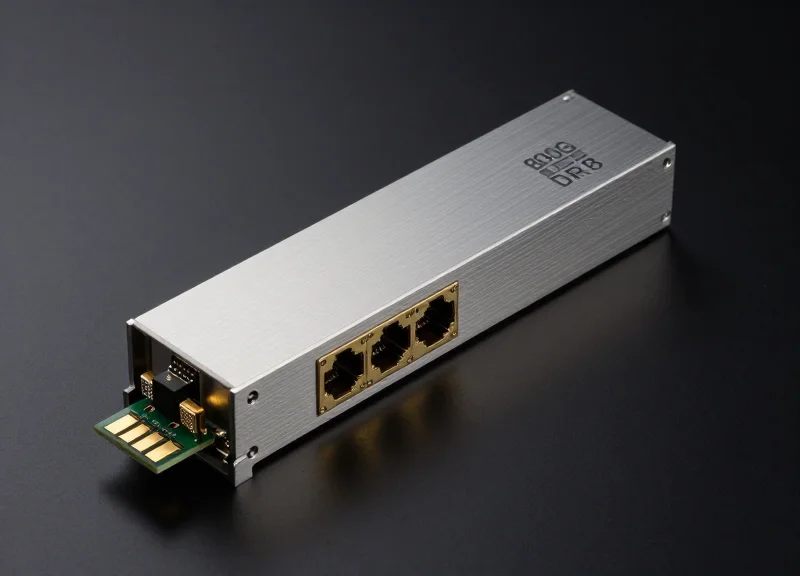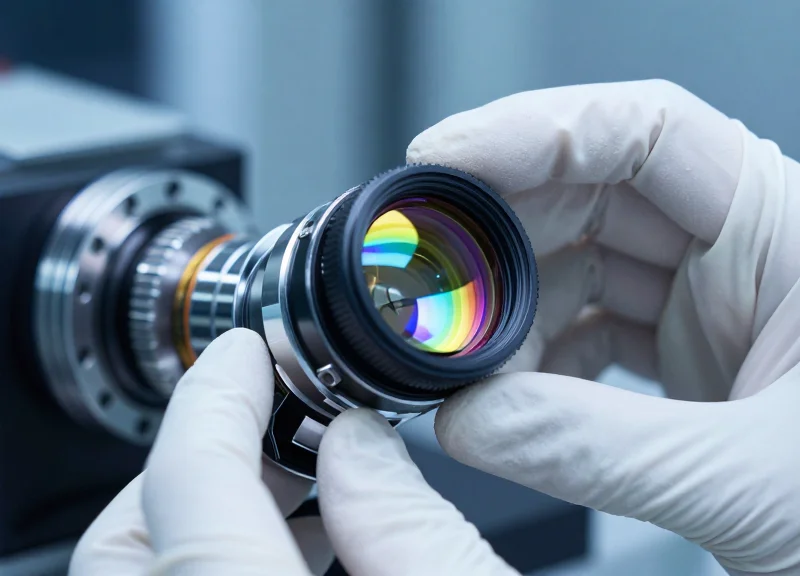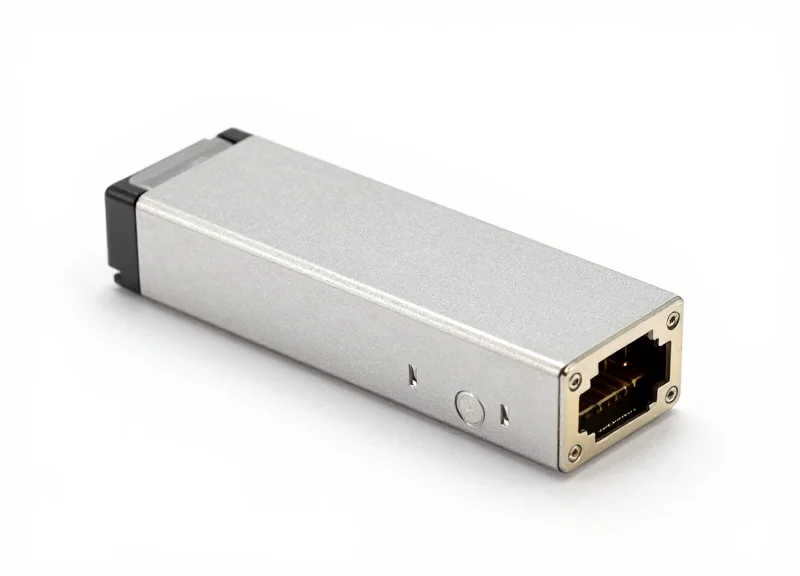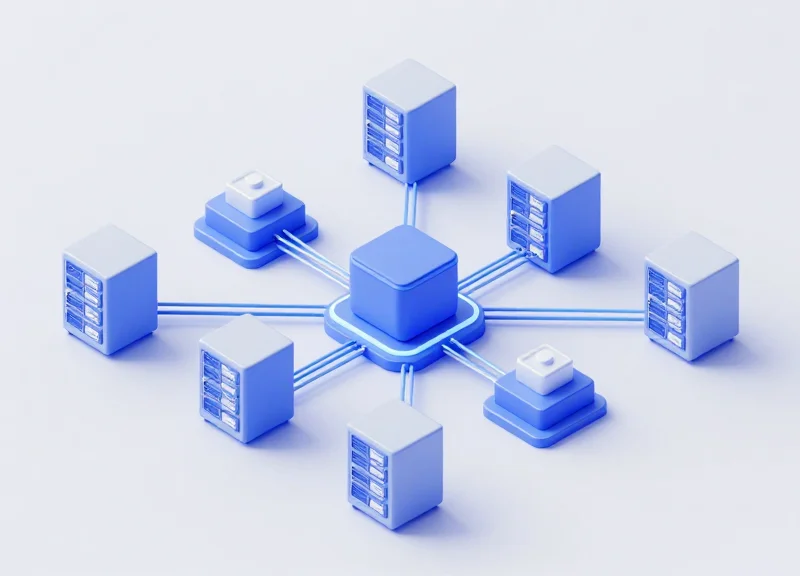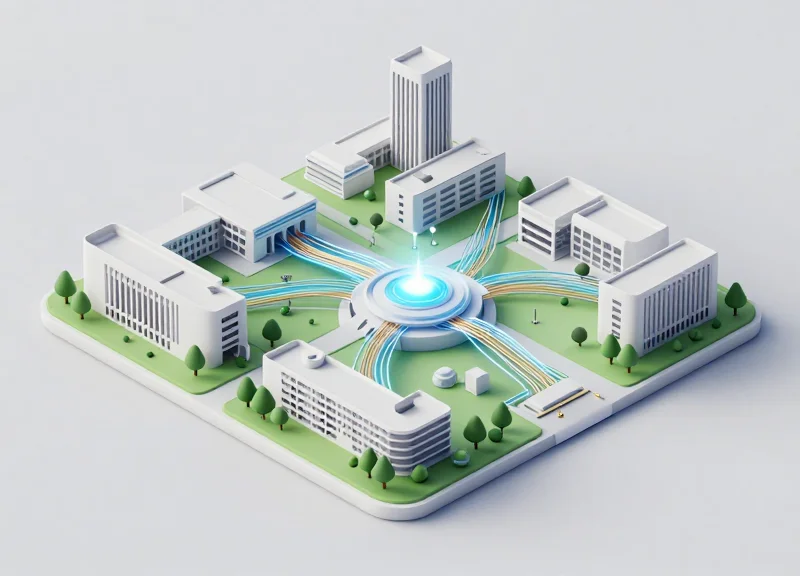
In today's hyper-connected landscape, the fiber optic backbone of a campus—whether corporate, academic, or medical—is the lifeblood of its operations. Ubytelink provides industry-leading Campus Fiber Connectivity modules engineered to address the growing demands for bandwidth, low latency, and uncompromising reliability in mission-critical environments.
The Strategic Importance of Campus Fiber Infrastructure
The Strategic Importance of Campus Fiber Infrastructure
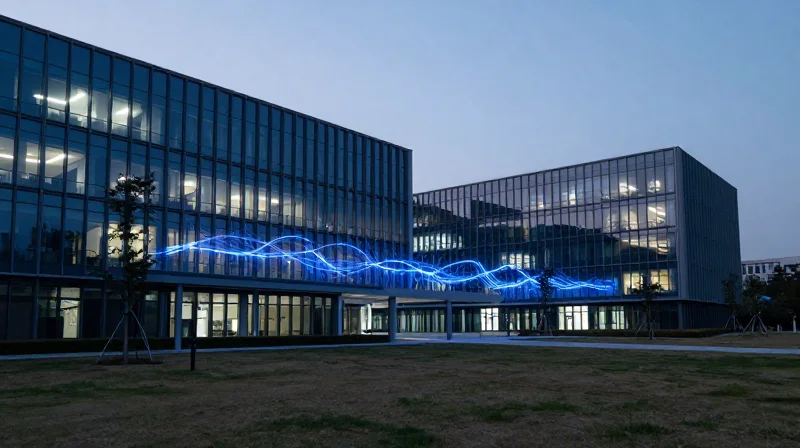
In an era defined by digital transformation, campus fiber infrastructure serves as the indispensable central nervous system for academic, research, and corporate environments. Modern campuses are no longer just physical locations but hyper-connected ecosystems where high-speed data transmission is a prerequisite for operational success. Ubytelink Campus Fiber Connectivity Solutions provide the robust physical layer required to eliminate bottlenecks, ensuring that the surge in data-intensive applications—from cloud computing to real-time collaboration—does not compromise network performance.
Meeting High-Density Connectivity Demands
Campus environments face unique challenges due to the high density of users and devices. A single university or corporate headquarters may support tens of thousands of concurrent connections, each demanding low latency and high throughput. Legacy copper systems are increasingly incapable of handling these loads over the distances required in large campus layouts. Fiber optic technology, however, offers virtually unlimited bandwidth potential and minimal signal degradation, making it the strategic choice for global institutions aiming to maintain a competitive edge.
| Feature | Legacy Copper (Cat6a) | Ubytelink Fiber Solutions |
|---|---|---|
| Bandwidth Capacity | Up to 10 Gbps | 100 Gbps to 1.6 Tbps+ |
| Transmission Distance | Max 100 meters | Up to 40+ kilometers |
| Latency | Higher (Electromagnetic Interference) | Ultra-low (Light-based signal) |
| Future Scalability | Limited/Requires Recabling | High/Scalable via Transceivers |
Future-Proofing through Premium Connectivity
Strategic investment in high-quality fiber is not merely about current needs but about future-proofing the estate. As technologies like AI-driven research, 8K video streaming, and IoT-integrated smart buildings become standard, the underlying infrastructure must be ready to scale without massive reinvestment. Ubytelink's premium solutions focus on durability and high-precision engineering, reducing the total cost of ownership (TCO) by minimizing maintenance requirements and maximizing the lifespan of the physical cable plant.
- Why is fiber preferred over wireless backhaul for campuses?
While wireless is essential for end-user mobility, fiber provides the reliable, high-capacity backhaul necessary to feed wireless access points. Fiber is immune to radio frequency interference and provides the stable, multi-gigabit speeds that wireless technologies require to function at peak performance. - How does fiber infrastructure impact campus security?
Fiber optics are inherently more secure than copper. They do not radiate signals that can be intercepted remotely and are extremely difficult to tap without detection, ensuring that sensitive research and institutional data remain protected during transit. - What role does Ubytelink play in global network consistency?
Ubytelink ensures that global organizations can deploy standardized, high-performance connectivity components across multiple international sites, ensuring uniform network behavior and simplified management for global IT teams.
Ubytelink Engineering: Built for Mission-Critical Reliability
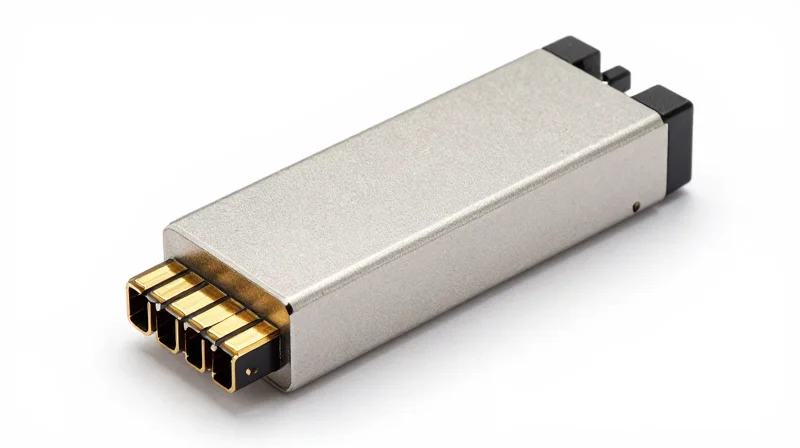
Ubytelink Engineering is defined by a 'zero-failure' philosophy, where every fiber optic module is designed to exceed the baseline specifications of generic hardware. In the context of global campus networks—where high-density data traffic and 24/7 availability are non-negotiable—our engineering team focuses on minimizing signal attenuation and maximizing thermal resilience through advanced material science and precision manufacturing.
Advanced Component Selection and Assembly
The reliability of a campus network starts at the physical layer. Ubytelink utilizes high-stability lasers and premium silicon photonics sourced from the world's leading semiconductor foundries. Unlike mass-market alternatives that use variable-grade components, Ubytelink enforces strict Grade-A purity standards. Our automated assembly lines use high-precision robotic placement to ensure that optical alignments are accurate to the sub-micron level, virtually eliminating the packet loss caused by mechanical misalignment over time.
Performance Benchmarks: Ubytelink vs. Industry Standards
| Feature/Metric | Generic Industry Standard | Ubytelink Engineering Standard |
|---|---|---|
| Burn-in Testing | Batch/Sample Testing | 100% Individual Unit Burn-in (24-48hrs) |
| MTBF (Mean Time Between Failure) | ~1,000,000 Hours | Exceeding 2,500,000 Hours |
| Laser Component Grade | Standard Commercial | Tier-1 Industrial Grade |
| Temperature Resilience | 0°C to 70°C | -40°C to +85°C (Industrial Options) |
Exhaustive Quality Assurance Protocols
To guarantee mission-critical reliability, every Ubytelink module undergoes a rigorous multi-checkpoint validation process. This includes real-world environment simulation where modules are tested across hundreds of different switches and routers to ensure 100% firmware compatibility. We utilize state-of-the-art bit error rate (BER) testers and digital sampling oscilloscopes to verify that signal integrity remains pristine even under extreme bandwidth stress.
Reliability FAQ
- How does Ubytelink prevent 'Infant Mortality' in electronic components?
We subject 100% of our units to an accelerated aging process (burn-in) at elevated temperatures. This ensures that any potential semiconductor defects are identified and purged before the product ever leaves the factory. - Are Ubytelink solutions compatible with multi-vendor environments?
Yes. Our engineering includes custom EEPROM coding that allows our modules to be seamlessly recognized by major OEM platforms, ensuring full feature parity with original branded optics. - What measures are taken for thermal management?
We use high-conductivity thermal interface materials and optimized housing designs to dissipate heat efficiently, preventing frequency drift and extending the lifespan of the optical engine.
Solving the Latency Challenge in Global Networks
The Latency Barrier in Large-Scale Campus Deployments
Ubytelink Campus Fiber Connectivity Solutions address the inherent physical challenges of long-distance data transmission by utilizing low-dispersion optical glass and precision-aligned transceiver interfaces. In a globalized environment where milliseconds can determine the success of financial transactions or real-time research collaborations, Ubytelink minimizes the 'distance tax' through optimized refractive index profiles that ensure photons travel at near-maximum theoretical speeds with minimal interference.
Reducing Signal Degradation and Packet Loss
Signal attenuation is the enemy of high-speed networking. Ubytelink leverages advanced manufacturing techniques to produce fiber cores with hyper-consistent density, significantly reducing Rayleigh scattering and absorption loss. By maintaining signal integrity at the physical layer, the network hardware experiences fewer retransmission requests, which directly translates to lower jitter and higher effective throughput across the entire campus backbone.
| Performance Metric | Standard Industry Fiber | Ubytelink Premium Fiber |
|---|---|---|
| Attenuation (dB/km @ 1310nm) | ≤ 0.35 | ≤ 0.32 |
| Dispersion Characteristics | Variable | Optimized/Flat |
| Packet Loss Rate (Heavy Load) | ~0.1% | <0.01% |
| Connector Insertion Loss | 0.25 dB | 0.10 dB |
Reliability Under Stress
Global networks often face varying environmental conditions. Ubytelink's fiber jackets are engineered to resist micro-bending and temperature-induced signal drift. This mechanical stability ensures that even in outdoor conduits or high-vibration data centers, the optical path remains stable, preventing the subtle signal fluctuations that lead to 'soft' network failures and intermittent latency spikes.
Latency Management FAQs
- How does Ubytelink minimize jitter in large campus networks?
By utilizing high-precision laser drivers and low-noise receivers in their transceivers, Ubytelink ensures that timing intervals remain consistent, preventing the packet arrival variance known as jitter. - Can these solutions support 400G and beyond?
Yes, Ubytelink's premium fiber architecture is designed with the spectral width required for next-generation PAM4 modulation, ensuring future-proof scalability. - Why is insertion loss critical for latency?
Lower insertion loss at connection points preserves the optical power budget, allowing for longer cable runs without the need for active regeneration or amplification, which can introduce significant processing latency.
Seamless Interoperability and Multi-Vendor Compatibility
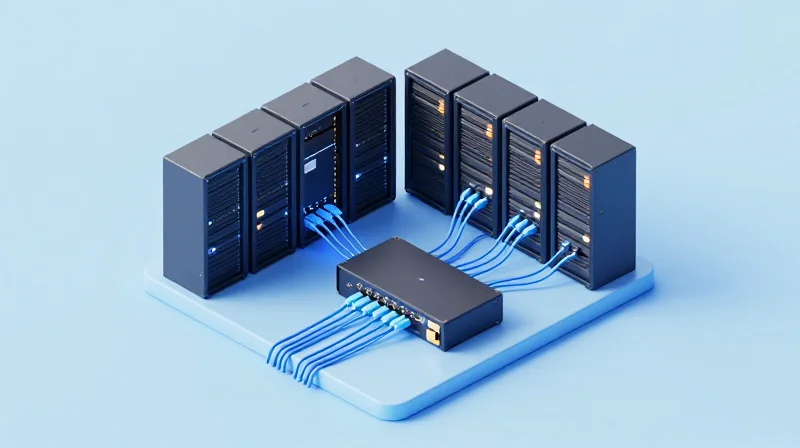
Ubytelink addresses the complexities of modern campus networks by providing fiber connectivity solutions that are engineered to be 100% compatible with major networking brands, effectively eliminating the risks associated with vendor lock-in and high-cost proprietary components. By focusing on cross-platform interoperability, Ubytelink ensures that network architects can scale their infrastructure without being restricted by the hardware limitations of a single manufacturer.
Breaking the Barrier of Proprietary Lock-in
Many campus network managers face the challenge of being tethered to a single manufacturer's pricing and lead times. Ubytelink modules are meticulously programmed and tested to match the specific EEPROM signatures required by top-tier vendors. This allows our optics to be recognized as native components by switches and routers from Cisco, Arista, Juniper, and others, ensuring full feature support and diagnostics without 'unsupported transceiver' warnings.
| Networking Brand | Compatibility Status | Primary Form Factors |
|---|---|---|
| Cisco Systems | Fully Verified | SFP, SFP+, QSFP28 |
| Arista Networks | Fully Verified | SFP28, QSFP+, QSFP28 |
| Juniper Networks | Fully Verified | SFP+, QSFP28 |
| HPE / Aruba | Fully Verified | SFP, SFP+ |
| Dell Technologies | Fully Verified | SFP, QSFP28 |
The Ubytelink Testing Advantage
To ensure seamless interoperability, every Ubytelink module undergoes a rigorous Full-Environment test cycle. Unlike generic components that only undergo basic electrical testing, our modules are tested within the actual target hardware environments. We verify data throughput, latency, thermal stability, and bit-error rates under peak load conditions to guarantee that the integration into your existing campus ecosystem is flawless and high-performing.
Common Compatibility Questions
- Will using Ubytelink modules void my OEM warranty?
No. Under the Magnuson-Moss Warranty Act and similar global regulations, manufacturers cannot void a hardware warranty simply because a consumer uses a third-party compatible component, provided that component does not cause direct damage to the host system. - How does Ubytelink handle new firmware updates from vendors?
Our engineering team continuously monitors and tests new firmware releases from major networking brands. If a software update changes the way third-party modules are recognized, we update our coding sequences to ensure ongoing compatibility and uninterrupted service. - Can Ubytelink modules work in a mixed-brand environment?
Yes, our modules are designed specifically for heterogeneous networks, allowing for a Cisco-coded module on one end of a fiber link to communicate perfectly with a Juniper-coded module on the other.
Scalability from 10G to 400G and Beyond

Scaling a global campus network requires a strategic architectural approach that balances immediate bandwidth demands with long-term capital preservation. Ubytelink’s connectivity solutions are engineered to support a seamless migration path, enabling organizations to transition from legacy 10G systems to high-performance 100G and 400G backbones through plug-and-play modularity and advanced modulation techniques that maximize the data-carrying capacity of existing fiber assets.
The Evolution of Bandwidth: A Phased Migration Strategy
Most campus environments do not require an instantaneous shift to 400G across all sectors. Instead, they benefit from a tiered upgrade where the core and distribution layers are enhanced first. Ubytelink facilitates this by offering a broad spectrum of transceivers that maintain backward compatibility where possible, allowing network administrators to increase speeds incrementally as traffic patterns evolve. This approach minimizes downtime and allows for budget-friendly scaling.
| Network Tier | Target Speed | Module Form Factor | Primary Technology |
|---|---|---|---|
| Access Layer | 10G to 25G | SFP+ / SFP28 | NRZ Signaling |
| Distribution Layer | 40G to 100G | QSFP+ / QSFP28 | Parallel Optics / WDM |
| Core/Backbone | 200G to 400G | QSFP56 / QSFP-DD | PAM4 Modulation |
| Next-Gen Core | 800G+ | OSFP / QSFP-112 | Coherent Optics |
Maximizing Fiber Density with PAM4 and WDM
The primary barrier to scaling is often the physical fiber plant. Ubytelink overcomes this by integrating PAM4 (Pulse Amplitude Modulation) and Wavelength Division Multiplexing (WDM) into its 100G and 400G modules. By doubling the bits per symbol and multiplexing multiple signals onto a single fiber pair, Ubytelink enables a fourfold increase in capacity without the need to pull new cables through existing conduits, significantly reducing labor and material costs.
Common Questions on Network Scalability
- Can I use 400G modules in a network designed for 100G?
Yes, through the use of breakout cables (e.g., 400G QSFP-DD to 4x100G QSFP28), Ubytelink allows high-speed ports to interface with legacy hardware, providing a bridge between generations. - Does scaling to 400G significantly increase power consumption?
Ubytelink utilizes low-power DSP designs in its 400G modules to ensure that while data throughput increases by 400%, the power envelope remains manageable for standard campus cooling systems. - How does Ubytelink ensure signal integrity at higher speeds?
By employing high-grade TOSA/ROSA components and rigorous bit-error-rate (BER) testing, Ubytelink ensures that even at 400G, the signal remains stable over the long distances typical of a global campus.
Ultimately, Ubytelink’s roadmap is designed to protect the customer's long-term investment. By focusing on high-density form factors and power-efficient electronics, Ubytelink ensures that the transition to the next generation of networking is a logical progression rather than a disruptive event.
Quality Assurance: The Ubytelink Zero-Failure Protocol
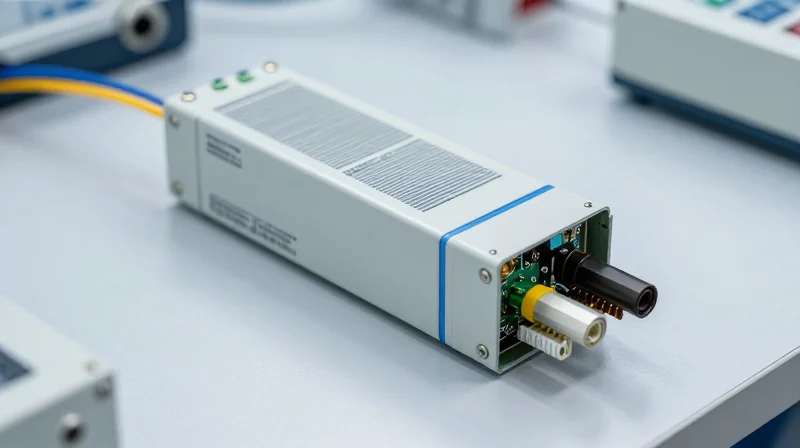
Quality Assurance: The Ubytelink Zero-Failure Protocol
The Ubytelink Zero-Failure Protocol is an exhaustive quality assurance framework that subjects every optical module to a multi-stage validation process, ensuring peak performance and 99.999% reliability in mission-critical campus environments. Unlike standard manufacturing practices that rely on batch sampling, Ubytelink implements individual unit testing to eliminate hardware latency, signal degradation, and physical defects before the hardware reaches the global supply chain.
Comprehensive Testing Benchmarks
To maintain the integrity of high-speed data transmission from 10G to 400G, our modules undergo a sequence of stress tests that simulate real-world campus conditions, including extreme temperature fluctuations and electrical surges.
| Testing Metric | Ubytelink Standard | Industry Standard |
|---|---|---|
| Bit Error Rate (BER) | < 10^-12 (Post-FEC) | < 10^-10 |
| Thermal Stress Range | -40°C to +85°C | 0°C to +70°C |
| Data Integrity Validation | 100% Individual Testing | Statistical Sampling |
| Electromagnetic Compliance | Class B (Zero Interference) | Class A |
Thermal and Electrical Integrity
Ubytelink modules are engineered with advanced heat dissipation materials to prevent thermal throttling, a common cause of packet loss in high-density data centers. Our electrical testing phase monitors voltage stability and power consumption, ensuring that each unit operates within the tightest margins of efficiency to prevent damage to host switches and maintain a low Total Cost of Ownership (TCO).
- How does Ubytelink manage Bit Error Rates (BER)?
We utilize advanced Bit Error Rate Testers (BERT) to confirm that data transmission remains clean even at maximum throughput, ensuring that the 'noise' within the fiber does not lead to packet retransmissions. - Are Ubytelink modules tested for long-term aging?
Yes, every module undergoes a high-temperature burn-in process for 24 to 72 hours to identify potential 'infant mortality' failures, guaranteeing long-term stability after deployment. - What certification standards do these protocols meet?
Our Zero-Failure Protocol complies with MSA (Multi-Source Agreement) standards and exceeds CE, FCC, and RoHS requirements for environmental and electrical safety.
Optimizing Total Cost of Ownership (TCO) with Fiber
The Economic Impact of Quality Fiber Infrastructure
Optimizing Total Cost of Ownership (TCO) in campus environments requires moving beyond initial procurement price to evaluate the full lifecycle costs of networking components. Ubytelink Campus Fiber Connectivity Solutions are engineered to provide a lower TCO by utilizing premium materials and rigorous testing protocols that ensure high reliability, thereby reducing frequent hardware replacements and the labor-intensive troubleshooting associated with cheaper, non-standard alternatives.
Comparing Lifetime Value: Premium vs. Budget Solutions
| Metric | Budget Fiber Components | Ubytelink Premium Fiber |
|---|---|---|
| Average Lifespan | 2-4 Years | 8-12+ Years |
| Failure Rate (Annualized) | 1.5% - 3% | < 0.01% |
| Maintenance Labor | High (Frequent re-patching/testing) | Minimal (Set-and-forget) |
| Network Downtime Risk | Moderate to High | Extremely Low |
| Long-term TCO | High (Replacement + Labor) | Low (Stable Asset) |
Reducing Operational Expenditure Through Reliability
Every hour of network downtime in a campus or enterprise setting translates into lost productivity, potential data integrity issues, and high labor costs for emergency repairs. By integrating components that adhere to the Ubytelink Zero-Failure Protocol, organizations mitigate the risk of intermittent signal loss and transceiver burnout. This stability allows IT departments to shift their budget from reactive maintenance to strategic infrastructure innovation, effectively turning the network from a cost center into a reliable utility.
Frequently Asked Questions Regarding Fiber TCO
- Why is the TCO of premium fiber lower even if the purchase price is higher?
Premium fiber reduces the frequency of replacements and the need for specialized troubleshooting tools, lowering the aggregate cost of labor and hardware over a 10-year period. - How does Ubytelink's testing protocol impact long-term costs?
The Zero-Failure Protocol identifies early-life failures before shipping, ensuring that only stable modules are deployed, which prevents the massive costs associated with field failures. - Can high-quality fiber improve energy efficiency?
Yes, high-grade optical components often feature better thermal management and lower power consumption per gigabit, reducing cooling and electricity costs in high-density data centers.
Future-Proofing for AI, Cloud, and Edge Computing
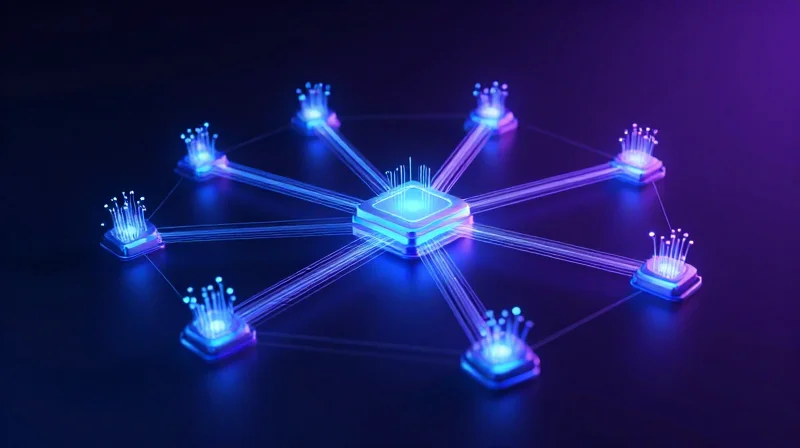
Future-proofing a campus network requires a shift from reactive bandwidth provisioning to a proactive, high-density optical strategy that supports massive parallel data processing. Ubytelink Campus Fiber Connectivity Solutions are engineered to transcend current 10G/40G standards, providing the signal integrity and thermal stability required for the 400G and 800G transitions essential for Artificial Intelligence (AI) and distributed Edge Computing workloads.
The Intersection of High-Density Fiber and Campus AI
AI and Machine Learning (ML) models deployed in campus environments—ranging from research laboratories to smart administrative systems—require unprecedented data throughput. Ubytelink’s high-density fiber components minimize packet loss during the high-burst periods typical of AI training and inference. By utilizing advanced optical transceivers with low power consumption, institutions can scale their computational clusters without exceeding the thermal limits of their existing data centers.
| Feature | Legacy Fiber Infrastructure | Ubytelink Future-Proofed Solution |
|---|---|---|
| Data Capacity | Limited to 10G/40G per link | Scalable to 400G/800G per link |
| Latency Profile | Inconsistent during peak bursts | Ultra-low latency for Edge/AI workloads |
| Thermal Management | High heat dissipation at load | Energy-efficient modules with low EMI |
| System Resilience | Standard failover protocols | Zero-Failure Protocol certified components |
Optimizing for Cloud-Native and Edge Architectures
As campuses migrate to hybrid cloud environments, the bottleneck often shifts from the core to the edge. Edge computing brings processing power closer to the user to reduce latency for IoT and real-time analytics. Ubytelink’s connectivity solutions ensure that edge nodes remain synchronized with the central cloud core, providing a seamless fabric that handles the 'east-west' traffic patterns prevalent in modern software-defined networking (SDN).
Technological Readiness for Next-Gen Standards
- How does Ubytelink ensure compatibility with AI-driven networks?
Ubytelink modules are tested for high-frequency data integrity, ensuring that the heavy metadata and large-file transfers required by AI training models do not suffer from signal degradation. - Can these solutions support the transition to 800G?
Yes, our premium fiber optics are manufactured with high-grade silica and precision ferrule alignment to support the tight tolerances required for 800G and future Terabit Ethernet standards. - What role does fiber play in reducing edge computing latency?
By utilizing Ubytelink's low-latency optical paths, campuses can achieve sub-millisecond response times for edge-based applications like autonomous security systems and augmented reality.
Investing in Ubytelink connectivity is not merely a purchase for today's needs; it is a strategic alignment with the trajectory of global telecommunications. By eliminating connectivity bottlenecks at the physical layer, campuses can confidently adopt any emerging technology—from 6G integration to quantum-safe encryption—knowing their foundation is built on premium, high-performance fiber.
As global networks become increasingly complex, the choice of connectivity hardware determines the stability of the entire enterprise. Ubytelink’s Campus Fiber Connectivity solutions offer the precision and performance required to lead in a digital-first world. Visit our product portal to explore our specifications or consult with our experts to optimize your campus backbone today.