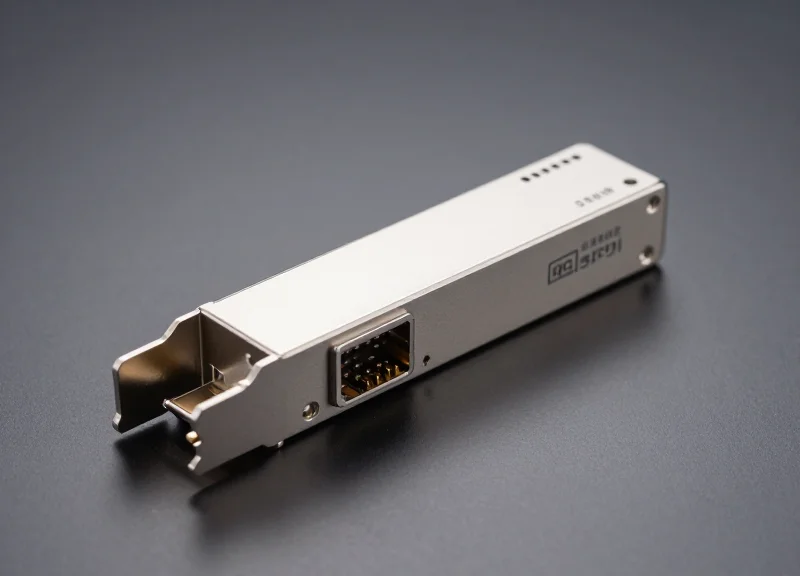
In the high-stakes world of modern networking, the debate between OEM and third-party optics often centers on a single word: reliability. As data centers migrate to 400G and 800G, understanding the technical rigor behind non-OEM hardware is essential. This guide provides an authoritative look at the engineering standards, testing methodologies, and compliance frameworks that ensure third-party optics meet or exceed the performance of their brand-name counterparts.
Defining Third-Party Optics in the Modern Ecosystem
Defining Third-Party Optics in the Modern Ecosystem
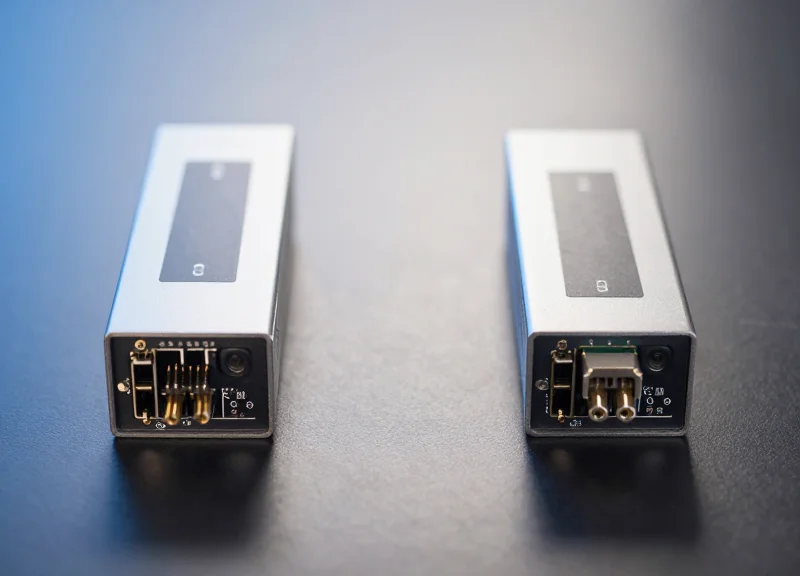
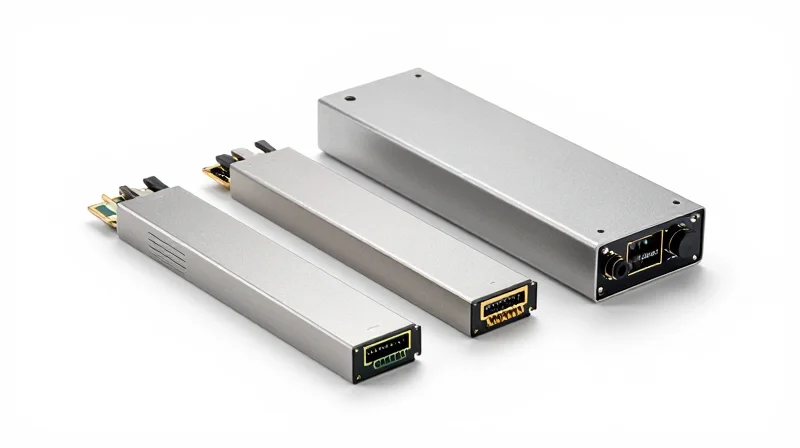
Third-party optics refer to optical transceivers—such as SFP, QSFP28, or OSFP modules—manufactured by independent entities rather than the Original Equipment Manufacturer (OEM) of the host networking hardware, such as Cisco, Juniper, or Arista. Historically, these components were viewed with skepticism due to aggressive marketing from OEMs; however, in the modern ecosystem, they represent a critical pillar of open networking. These modules are not 'generic' or 'counterfeit' clones but are sophisticated, standards-based components designed to meet or exceed the performance specifications of their branded counterparts while offering significant relief from the 'vendor lock-in' model.
The Foundation of Multi-Source Agreements (MSA)
The legitimacy and reliability of third-party optics are rooted in Multi-Source Agreements (MSA). MSAs are industry standards established by a consortium of manufacturers to ensure that transceivers are physically and electronically interchangeable across different hardware platforms. By adhering to MSA standards, third-party manufacturers ensure that the form factor, signaling, and electrical interfaces of their modules are identical to those sold by OEMs. This standardization allows network architects to decouple their optical layer from their switching layer, treating optics as a modular, interoperable commodity rather than a proprietary peripheral.
| Feature | OEM Optics | Professional Third-Party Optics |
|---|---|---|
| Pricing | High premium (up to 10x cost) | Market-driven, cost-effective |
| Hardware Standards | MSA Compliant | MSA Compliant |
| Coding & Compatibility | Hard-coded for single brand | Multi-coded for various platforms |
| Availability | Subject to OEM supply chains | Diverse global sourcing options |
| Warranty Impact | Used as a leverage tool | Protected by Magnuson-Moss Act |
Strategic Importance in the Global Supply Chain
In the face of recent global supply chain disruptions, third-party optics have transitioned from a cost-saving measure to a strategic necessity. While OEMs often face long lead times for proprietary modules, third-party providers can leverage diverse manufacturing bases to maintain inventory. Furthermore, the ability of third-party vendors to custom-code transceivers for specific environments allows for greater flexibility in heterogeneous data centers where equipment from multiple vendors must communicate seamlessly. This agility is what defines the 'modern ecosystem'—a move away from monolithic vendor ecosystems toward a more resilient, software-defined, and open hardware landscape.
- Are third-party optics legal to use?
Yes. Laws such as the Magnuson-Moss Warranty Act in the United States protect consumers by prohibiting manufacturers from voiding hardware warranties simply because a third-party component was used, provided that component does not cause the actual damage. - Why is there such a large price discrepancy?
OEMs typically treat transceivers as high-margin accessories to bolster their bottom line, whereas third-party specialists focus on volume and direct distribution, eliminating the 'brand tax' associated with the OEM label. - How do they handle software locks?
Reputable third-party providers use advanced EEPROM programming to emulate the vendor's original signature, ensuring the host switch recognizes the module as 'supported' and preventing software-based port disabling.
The Role of Multi-Source Agreements (MSA)
The Foundation of Interoperability: Understanding MSAs
Multi-Source Agreements (MSAs) are industry-standardized specifications defined by a consortium of manufacturers to ensure that optical transceivers are physically and electrically compatible across different networking platforms. By adhering to these rigorous guidelines, third-party optics achieve a level of hardware parity with original equipment manufacturer (OEM) components, effectively decoupling the transceiver's performance from the brand label on the host device.
Mechanical and Electrical Standardization
MSAs govern every critical physical attribute of an optical module, from its external dimensions to the pinout configurations of its electrical interface. This standardization ensures that a compliant QSFP28 module will fit and function in any standard QSFP28 port, regardless of whether the switch is manufactured by Cisco, Arista, or Juniper. By following these blueprints, third-party manufacturers can produce hardware that meets the exact same physical tolerances as OEM-branded counterparts, preventing damage to host ports and ensuring stable electrical signaling.
| Form Factor | Primary MSA Standards | Focus Areas |
|---|---|---|
| SFP+ | SFF-8431, SFF-8432 | Electrical, mechanical, and thermal specifications for 10G. |
| QSFP28 | SFF-8665, SFF-8636 | Connector design and management interface for 100G. |
| QSFP-DD | QSFP-DD MSA | High-density 400G+ thermal management and 8-lane electrical interfaces. |
| SFP28 | SFF-8402, SFF-8472 | 25G signaling and Digital Diagnostic Monitoring (DDM). |
The Role of the Memory Map and EEPROM
A vital component of MSA compliance is the standardized memory map, such as those defined in SFF-8472. This standard dictates how the transceiver reports real-time operating parameters—including temperature, laser bias current, and optical power—to the host system. While OEMs often layer proprietary software 'handshakes' on top of these standards to enforce vendor lock-in, the underlying MSA framework allows third-party engineers to program the EEPROM to meet both the universal hardware standard and the specific software expectations of the host OS.
Frequently Asked Questions About MSA Compliance
- Does MSA compliance alone guarantee compatibility?
MSA compliance ensures physical and electrical compatibility. However, 'logical' compatibility—where the switch OS recognizes the module—requires the third-party provider to correctly program the internal EEPROM to match the host vendor's specific coding requirements. - Who establishes these MSA standards?
MSAs are created by a collaboration of networking vendors, component manufacturers, and chipmakers who recognize that a standardized ecosystem benefits the entire industry by driving innovation and reducing costs. - Are third-party optics 'illegal' because they aren't OEM-branded?
No. Because MSAs are open standards, any manufacturer can produce compliant hardware. The use of MSA-compliant third-party optics is a standard practice in global data centers and does not void the statutory warranty of the host equipment.
Component-Level Engineering: Lasers, ICs, and PCBAs
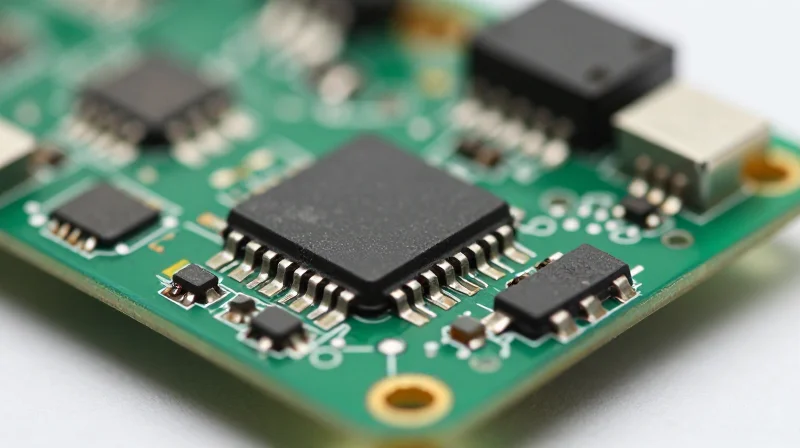
The Bill of Materials (BOM): Engineering from the Ground Up
Third-party optics reliability is not a generic trait but the direct result of selecting high-grade internal components that meet or exceed original equipment manufacturer (OEM) specifications. While the exterior casing and labeling differentiate brands, the internal architecture—comprising the laser, the Digital Signal Processor (DSP), and the Printed Circuit Board Assembly (PCBA)—determines the module’s performance under stress, its power consumption, and its longevity in the data center. High-tier third-party providers achieve parity with OEMs by strictly controlling their BOM and avoiding the 'gray market' components often found in budget-grade alternatives.
Tier-1 Laser Selection: EML, VCSEL, and DML
The optical engine is the heart of any transceiver. High-quality third-party providers source their lasers from the same Tier-1 foundries used by major networking vendors, such as Lumentum, Coherent (formerly II-VI), and Broadcom. The choice between laser types depends on the reach and data rate requirements of the module, and using lower-grade components in these roles is the leading cause of optical link instability.
| Laser Type | Reach | Typical Application | Primary Benefit |
|---|---|---|---|
| VCSEL | Short (up to 100m) | Multimode (SR4/SR8) | Low cost and low power consumption |
| EML | Long (10km+) | Single-mode (LR4/ER4) | High signal integrity and low dispersion |
| DML | Intermediate (up to 10km) | Single-mode (CWDM) | Cost-effective for 10G/25G long reach |
Integrated Circuits and Silicon Photonics
Beyond the laser, the transceiver's performance is governed by the Digital Signal Processor (DSP) or Clock and Data Recovery (CDR) chips. Leading third-party modules integrate ICs from Marvell or Broadcom to ensure the module can handle complex modulation schemes like PAM4 used in 400G and 800G environments. Precision in the PCBA design ensures these components operate within thermal limits; a poorly designed circuit board can lead to heat-induced degradation, increasing the Bit Error Rate (BER) over time.
Digital Diagnostics Monitoring (DDM) Integration
A critical component of reliability is the module's ability to communicate its health to the host switch. Digital Diagnostics Monitoring (DDM), also known as Digital Optical Monitoring (DOM), provides real-time telemetry on parameters such as temperature, voltage, laser bias current, and transmit/receive power. High-reliability third-party optics ensure their DDM firmware is perfectly calibrated to the host system’s operating system (e.g., Cisco IOS-XE, Arista EOS), providing accurate alerts before a component reaches a critical failure state.
- Do third-party optics use the same lasers as OEMs?
Yes, premium third-party vendors source lasers from the same Tier-1 suppliers like Lumentum and Coherent used by major equipment manufacturers. - Why is the PCBA design important for reliability?
The PCBA layout dictates heat dissipation and signal integrity; poor design can lead to signal cross-talk or thermal throttling. - Does every third-party module support DDM?
While most modern modules support DDM, the accuracy and compatibility of the telemetry depend on the quality of the microcode programmed into the transceiver's controller.
Rigorous Testing Protocols: Beyond the Basics

Quantifying Reliability through Bit Error Rate (BER)
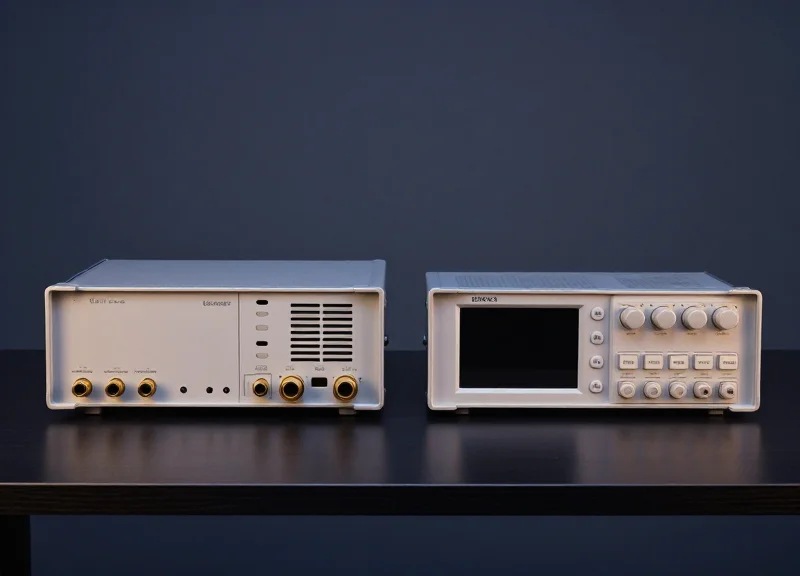
To ensure parity with OEM modules, third-party optics must undergo rigorous Bit Error Rate (BER) testing. This quantitative analysis measures the percentage of bits that have errors relative to the total number of bits received in a transmission. In high-performance networking, a BER of 10^-12 is the gold standard, ensuring that data packets remain intact even under high-load conditions. Unlike basic connectivity tests, BER testing utilizes specialized bit error rate testers (BERT) to simulate worst-case scenarios, identifying potential failures in the laser's ability to maintain signal clarity over time.
Optical Eye Diagram Analysis
Optical eye pattern analysis is a critical diagnostic tool used to visualize the quality of the optical signal. By superimposing thousands of digital waveforms, an 'eye' shape is formed. A 'clean' eye, characterized by a wide opening and minimal thickness in the signal lines, indicates low jitter and high signal-to-noise ratio. Manufacturers of high-quality third-party optics look for a high mask margin—often exceeding 20%—which provides a safety buffer against the signal degradation caused by chromatic dispersion and attenuation in long-reach fiber links.
| Testing Metric | Technical Definition | Target Requirement |
|---|---|---|
| Bit Error Rate (BER) | The ratio of errored bits to total bits transmitted. | 10^-12 or better |
| Mask Margin | The percentage of clearance between the eye pattern and the standard mask. | Greater than 20% |
| Extinction Ratio | The ratio between the power of a logic high and a logic low. | Min 3.5dB (per MSA) |
Thermal Stress and Environmental Screening
High-density switches generate significant heat, which can cause frequency drift in lasers or thermal expansion in PCBA components. Environmental Stress Screening (ESS) involves placing modules in specialized chambers to undergo rapid temperature cycling and 'burn-in' periods. This process accelerates the lifecycle of the component, forcing latent defects to surface before the module reaches the production environment. Reliability is only guaranteed when an optic can maintain its performance metrics at both its lowest and highest rated operating temperatures.
- What is the burn-in process for transceivers?
Burn-in is a stress test where optics are operated at elevated temperatures for 24 to 48 hours to weed out 'infant mortality' failures and ensure long-term stability. - How does jitter impact third-party optics reliability?
Jitter causes timing deviations in the signal; if too high, it leads to packet loss and CRC errors, which is why eye diagram testing is vital for high-speed 100G/400G links.
Software Compatibility and EEPROM Programming

Software Compatibility and EEPROM Programming
True reliability in third-party optics is defined by the transceiver's ability to execute a perfect 'digital handshake' with the host switch or router. While the physical hardware might meet all standards, a mismatch in the internal software—specifically the data stored within the Electrically Erasable Programmable Read-Only Memory (EEPROM)—can lead to the host rejecting the module, disabling ports, or generating incessant system alerts. Reliable third-party providers mirror the specific coding logic, serialization, and checksums required by original equipment manufacturers (OEMs) to ensure the hardware is recognized as a 'native' or fully supported component.
The MSA Memory Map and Vendor-Specific Serialization
Transceivers follow Multi-Source Agreement (MSA) standards, such as SFF-8472 or SFF-8636, which define the memory map for the EEPROM. This memory is typically accessed via an I2C serial interface. Reliable third-party engineering involves meticulously programming the A0h and A2h address spaces. The A0h table contains static data like vendor name, part number, and serial number, while the A2h table handles real-time Digital Diagnostics Monitoring (DDM). To overcome 'Vendor Lock,' engineers must reverse-engineer the specific proprietary algorithms OEMs use to verify these fields, ensuring that the host OS identifies the module as authorized hardware.
| Feature | OEM Original | Premium Third-Party | Generic/Low-End |
|---|---|---|---|
| Vendor ID String | OEM Specific (e.g., CISCO) | OEM Mirrored | Generic or Null |
| Checksum Verification | Proprietary Algorithm | Algorithm Matched | Standard/Incorrect |
| DDM Support | Full Integration | Full Integration | Partial or Static |
| Host Recognition | Native | Native / Seamless | Unsupported / Error |
Navigating Firmware Updates and Field Programmability
One of the primary concerns with third-party optics is their behavior during a Network Operating System (NOS) update. OEMs occasionally update their 'whitelist' or change the verification logic in new software releases to exclude non-OEM hardware. High-reliability third-party optics solve this through field-programmable capabilities. Using specialized coding stations, network engineers can re-flash the EEPROM of a deployed module to match new software requirements, effectively future-proofing the hardware against intentional vendor lock-in strategies.
- Does using coded third-party optics void my host device warranty?
No. In the United States, the Magnuson-Moss Warranty Act prohibits manufacturers from voiding warranties solely because third-party components were used, provided those components do not cause direct damage to the host hardware. - What is the 'service unsupported-transceiver' command?
This is a CLI command used in some OEM systems to allow the use of third-party optics that fail the initial vendor check. However, premium third-party optics are coded so that this command is unnecessary, allowing the device to be recognized as 'official' hardware. - How are checksum errors prevented in third-party coding?
Engineers use bitwise verification tools to ensure that the calculated CRC (Cyclic Redundancy Check) in the EEPROM matches the data payload exactly, preventing the 'Bad Checksum' errors that often plague low-quality generics.
Quantifying Reliability: MTBF and Failure Rates
Reliability in optical networking is not a subjective metric; it is an actuarial calculation based on the Mean Time Between Failures (MTBF). For high-quality third-party optics, this figure often exceeds 1,000,000 hours, directly rivaling OEM components. This parity exists because both premium third-party providers and OEMs typically source their sub-components, such as EML lasers and TOSA/ROSA assemblies, from the same Tier-1 manufacturers like Lumentum, Coherent, or Broadcom.
The Mathematics of Network Uptime: MTBF vs. AFR
MTBF represents the predicted elapsed time between inherent failures of a system during operation, usually derived from accelerated life testing (ALT) under extreme thermal and electrical stress. However, for data center operators, the Annualized Failure Rate (AFR) is often a more actionable metric. AFR translates the theoretical MTBF into the probability of failure within a single year of deployment, allowing for precise spare-parts planning and risk assessment.
| Metric | Premium Third-Party | OEM Optics | Generic White-Box |
|---|---|---|---|
| Typical MTBF | 1,000,000+ Hours | 1,000,000+ Hours | 300,000 - 500,000 Hours |
| Target AFR | < 0.2% | < 0.2% | > 1.0% |
| Testing Standard | Telcordia GR-468 | Telcordia GR-468 | Batch Sample Only |
| Component Grade | Tier-1 (EML/VCSEL) | Tier-1 (EML/VCSEL) | Unrated/Tier-2 |
Comparative Reliability: Why Hardware Parity is the Norm
When comparing premium third-party optics to OEM versions, the hardware delta is often statistically zero. The perceived 'unreliability' of third-party solutions in the early days of the industry was largely due to 'Soft Failures'—incompatibilities in the EEPROM coding that caused the host switch to reject the module. In terms of 'Hard Failures' (physical hardware breakdown), a third-party module built with a Tier-1 Bill of Materials (BOM) follows the same bathtub curve of reliability as an OEM module, characterized by a low constant failure rate following an initial burn-in period.
Reliability FAQ
- Does a lower price point indicate a lower MTBF?
No. The price discrepancy is primarily a result of OEM brand equity and high-margin business models rather than the cost of superior hardware. Reliability is determined by the quality of the laser and the precision of the manufacturing process, not the label on the casing. - How is MTBF calculated for new 400G and 800G modules?
These modules undergo High-Temperature Operating Life (HTOL) testing. By running the optics at elevated temperatures (e.g., 85 degrees Celsius) for 1,000 to 2,000 hours, engineers can use the Arrhenius equation to extrapolate the expected lifespan under normal operating conditions. - What is an acceptable failure rate for a large-scale deployment?
In modern hyperscale environments, an AFR between 0.1% and 0.3% is considered excellent. Anything exceeding 1% usually indicates a systemic issue in the manufacturing batch or a design flaw in the thermal management of the transceiver.
Environmental and Regulatory Compliance
Environmental and Regulatory Compliance
Regulatory compliance is the bedrock of third-party optics reliability, serving as a verification that hardware is manufactured without hazardous materials, operates safely within electromagnetic limits, and adheres to international trade laws. Without these certifications, a module poses not only a risk to the network's physical integrity through potential electrical interference or heat damage but also a significant legal and procurement risk to the organization.
The Trade Agreements Act (TAA) and Supply Chain Integrity
For government agencies and many large-scale enterprises, TAA compliance is a non-negotiable requirement. It mandates that products must be manufactured or 'substantially transformed' in the United States or a designated TAA-compliant country. In the context of third-party optics, TAA compliance acts as a proxy for higher manufacturing oversight. It ensures that the supply chain is transparent and that the modules are produced in facilities that meet rigorous quality control standards, reducing the likelihood of 'gray market' components entering the network.
Environmental Standards: RoHS and REACH
The Restriction of Hazardous Substances (RoHS) and the Registration, Evaluation, Authorisation and Restriction of Chemicals (REACH) are essential for long-term hardware health. By restricting the use of materials like lead, mercury, and cadmium, RoHS prevents the degradation of solder joints and internal components over time. For third-party optics, adhering to these standards ensures that the modules will not leak toxic materials or fail prematurely due to chemical instability when subjected to the high-heat environments typical of modern data center switches.
| Certification | Primary Focus | Reliability Benefit |
|---|---|---|
| TAA | Country of Origin | Ensures manufacturing in vetted facilities with transparent supply chains. |
| RoHS | Hazardous Materials | Prevents component corrosion and environmental contamination. |
| CE Marking | Safety & Health | Certifies that the module meets EU safety, health, and environmental requirements. |
| FCC Part 15 | EMI/EMC | Ensures the device does not cause harmful electromagnetic interference. |
Safety and Electromagnetic Compatibility (EMC)
Reliable third-party optics must carry CE and FCC certifications to guarantee they do not disrupt the operation of adjacent equipment. Electromagnetic Interference (EMI) can cause bit errors or intermittent connectivity if a module is not properly shielded. CE marking further ensures that the transceiver has undergone rigorous testing for electrical safety, ensuring that it will not cause a short circuit or thermal event that could damage an expensive OEM chassis.
- Does a lack of TAA compliance affect technical performance?
While it may not affect immediate data transmission, it indicates a less transparent supply chain which can correlate with lower quality control and higher failure rates over time. - Why is RoHS important for data center longevity?
RoHS-compliant modules use lead-free solder and stable materials that resist 'tin whiskers' and other metallurgical issues that cause long-term electrical shorts. - Is CE certification mandatory for third-party optics?
Yes, for any products sold in the European Economic Area, and it is a global benchmark for verifying that the hardware is safe for both the user and the host equipment.
Evaluating the Total Cost of Ownership (TCO)

The Total Cost of Ownership (TCO) for optical transceivers extends far beyond the initial invoice price, encompassing sparing strategies, maintenance contract premiums, and the operational impact of hardware failure. Third-party optics fundamentally shift the TCO equation by offering 70% to 90% lower capital expenditure (CapEx) while providing the budgetary overhead to implement 'N+1' or even '2N' sparing strategies that would be cost-prohibitive with OEM components. By decoupling the optical hardware from the primary network equipment vendor, organizations can maintain higher levels of network resilience at a fraction of the traditional cost.
Comparative TCO Breakdown: OEM vs. Third-Party
| Cost Factor | OEM Approach | Third-Party Approach | TCO Impact |
|---|---|---|---|
| Unit Acquisition (CapEx) | High (Premium Pricing) | Low (Market Pricing) | Direct 70-90% saving |
| Sparing Strategy | Minimal (Cost-restricted) | Aggressive (1:1 or N+1) | Reduces MTTR (Repair Time) |
| Support Contracts | Tied to hardware bundles | Independent/Third-party | Lower OpEx over 5 years |
| Replacement Cycle | Dictated by OEM EOL | Extended/Independent | Maximizes ROI of existing gear |
Sparing Strategies and Operational Resilience
One of the most overlooked aspects of TCO is the cost of downtime. Because OEM optics are priced at a premium, many IT departments under-provision their on-site spares. When a failure occurs, the organization must wait for an RMA shipment, leading to extended service interruptions. Conversely, the affordability of third-party optics allows for 'aggressive sparing.' Organizations can keep a full set of spares on-site for every critical link. This reduces the Mean Time to Repair (MTTR) from days to minutes, significantly lowering the 'hidden' operational costs of network failures.
Maintenance Contracts and the 'Voided Warranty' Myth
A common concern in TCO analysis is the impact on OEM maintenance contracts, such as Cisco SmartNet or Juniper Care. It is a technical misconception that using third-party optics voids the warranty of the host switch. Legally, in the United States, the Magnuson-Moss Warranty Act prevents manufacturers from conditioning warranties on the use of their own branded components. From a TCO perspective, using third-party optics allows firms to utilize base-level hardware support while handling optical replacements internally, avoiding the inflated 'optical support' premiums often bundled into comprehensive OEM service agreements.
TCO and Long-term Financial Planning FAQ
- Does the failure rate of third-party optics increase OpEx?
No. When sourced from reputable vendors with rigorous testing, third-party failure rates (0.1% or lower) are comparable to OEMs. The cost of replacing a failed $50 unit is significantly lower than a $1,000 OEM unit, even when factoring in labor. - How do third-party optics impact the hardware lifecycle?
They extend the lifecycle of legacy equipment. OEMs often mark optics as End-of-Life (EOL) to force upgrades; third-party providers continue to supply legacy form factors (like X2 or XFP), allowing organizations to delay expensive forklift upgrades. - What is the impact on inventory management?
Third-party optics provide 'multi-coded' or 'universal' options. This allows one spare to work across multiple vendor platforms, reducing the total volume of inventory required and simplifying the logistics chain.
Implementation Best Practices for Network Architects
Implementing third-party optics is not merely a procurement decision but a technical engineering challenge that requires a structured lifecycle approach. To maintain high availability, architects must transition from relying on OEM branding to establishing an internal standard for empirical validation, ensuring that every transceiver meets specific performance benchmarks before entering the production environment.
Phase 1: Rigorous Vendor Qualification
The foundation of reliability lies in the vendor's manufacturing and engineering capabilities. Architects should look beyond price points and evaluate the vendor's adherence to Multi-Source Agreements (MSA) and their investment in specialized coding and testing equipment. A reliable vendor should provide transparency regarding their internal failure rates and compliance with international standards such as TAA and RoHS.
- Firmware Customization
Does the vendor have the engineering depth to provide custom EEPROM coding for specific NOS (Network Operating System) versions to avoid 'unsupported transceiver' errors? - Supply Chain Traceability
Can the vendor trace individual components, such as the TOSA/ROSA (Transmitter/Receiver Optical Sub-Assembly), back to Tier-1 manufacturers? - Testing Infrastructure
Does the vendor test 100% of their units on the specific switch and router platforms used in your data center, or do they rely on generic testers?
Phase 2: Pilot Testing and Lab Validation
Before broad deployment, a representative sample of optics must undergo a 'burn-in' period within a controlled lab environment. This phase identifies 'infant mortality' failures—defects that typically manifest within the first 24 to 72 hours of operation.
| Testing Category | Key Metric | Success Criteria |
|---|---|---|
| Traffic Integrity | Bit Error Rate (BER) | Zero errors over 24 hours at full load |
| Optical Levels | Tx/Rx Power (dBm) | Values within MSA specified range for the reach |
| Thermal Stability | Case Temperature | Operational stability under maximum airflow restriction |
| Protocol Interop | Link Flap Count | Zero unexpected transitions during interface reset |
Phase 3: Production Monitoring and Health Analytics
Reliability is a continuous metric, not a static one. Modern network architects must leverage Digital Optical Monitoring (DOM) to proactively identify degrading optics before they cause a link failure. By integrating DOM data into centralized monitoring systems, teams can set thresholds for predictive maintenance.
- How should I handle OEM support when using third-party optics?
Maintain a small 'golden set' of OEM optics. If a port issue arises, swap in the OEM optic to rule out the transceiver. This prevents the OEM from citing third-party hardware as the root cause during troubleshooting. - What are the key DOM parameters to monitor?
Focus on Receive Power (Rx) and Bias Current. A steady decline in Rx power often indicates cable contamination or transceiver laser degradation, while a spike in Bias Current suggests the laser is working harder to maintain output, signaling imminent failure. - Is a sparing strategy necessary for third-party optics?
Yes. Even with high reliability, having 2-5% on-site spares ensures immediate remediation without waiting for RMA shipments, significantly reducing the Mean Time to Repair (MTTR).
Reliability in optical networking is a product of engineering discipline, not a brand name. By leveraging MSA-compliant third-party optics backed by rigorous testing, enterprises can achieve significant ROI without compromising the stability of their infrastructure. Ready to optimize your high-speed network? Contact our technical consultants for a comprehensive compatibility audit today.