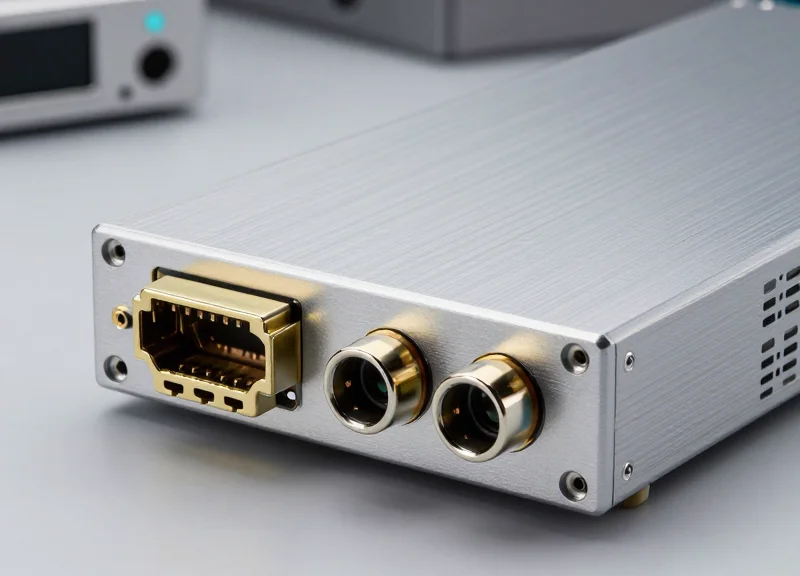
In the high-stakes world of healthcare, every millisecond of data transmission counts. Ubytelink addresses the critical need for network stability with advanced hardware solutions designed to support life-saving technologies and global medical data exchange, ensuring that infrastructure remains robust even under the most demanding conditions.
The Critical Role of Network Stability in Modern Healthcare
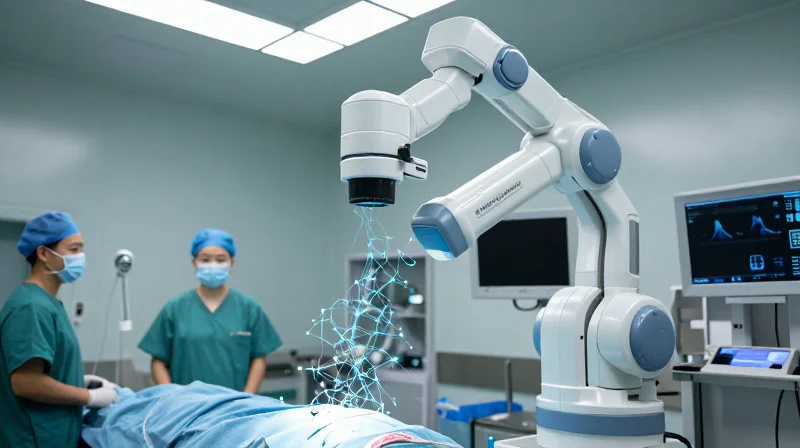
In the contemporary medical landscape, network stability has transcended its role as a mere technical utility to become a fundamental component of patient care and safety. As healthcare providers increasingly rely on digital ecosystems, the infrastructure supporting these systems must offer unwavering reliability; even a few seconds of latency or a momentary connection drop can disrupt life-critical data transmissions, delay emergency interventions, and compromise the integrity of real-time surgical monitoring. High-quality network solutions are the invisible arteries through which the lifeblood of modern medicine—data—flows without interruption.
High-Stakes Applications Requiring Absolute Connectivity
The shift toward digital-first healthcare delivery means that several core medical functions are now entirely dependent on the robustness of the data network. From remote diagnostics to the management of large-scale hospital databases, the demand for high-bandwidth and low-latency connectivity is at an all-time high.
| Healthcare Application | Stability Requirement | Impact of Network Failure |
|---|---|---|
| Telemedicine | Low Latency & Jitter | Pixelated video, audio lag, and miscommunication during diagnosis. |
| Electronic Health Records (EHR) | High Availability | Inability to access patient history, allergies, or medication records in emergencies. |
| Real-time Surgical Imaging | Ultra-High Bandwidth | Loss of visual guidance during minimally invasive or robotic procedures. |
| Remote Patient Monitoring | Constant Uptime | Delayed alerts for critical vitals, potentially leading to unaddressed cardiac or respiratory events. |
The Telemedicine Revolution and Bandwidth Demands
Telemedicine has expanded the reach of specialists to rural and underserved areas globally. However, these virtual consultations require more than just a basic internet connection. Ubytelink Healthcare Data Network Stability Solutions provide the premium infrastructure necessary to handle 4K video streams and simultaneous data sharing, ensuring that the physician's assessment is based on clear, uninterrupted visual and auditory information.
Integrity of Electronic Health Records (EHR)
Modern hospitals function on the rapid exchange of EHRs. When a network is unstable, the synchronization between different departments—such as the lab, the pharmacy, and the ICU—breaks down. Stability ensures that every practitioner in the care chain sees the same, most recent version of a patient's data, which is vital for preventing adverse drug events and ensuring coordinated treatment plans.
- How does network stability affect robotic surgery?
In robotic-assisted surgery, even millisecond latency (lag) can cause a disconnect between the surgeon's movements and the robot's actions, making stability a non-negotiable safety requirement. - Why is high-quality cabling important for healthcare networks?
Premium quality cabling and hardware reduce electromagnetic interference and signal degradation, which are common in dense hospital environments filled with diagnostic machinery. - Can network downtime impact legal compliance?
Yes, many regions have strict regulations regarding the availability and security of patient data; frequent outages can lead to compliance failures and potential legal liabilities.
Ubytelink’s Engineering Philosophy: Reliability by Design

The Architecture of Unfailing Connectivity
At the core of Ubytelink Healthcare Data Network Stability Solutions is the conviction that in medical environments, the network is as vital as the life-support systems it connects. Our 'Reliability by Design' framework transcends standard manufacturing by integrating medical-grade durability directly into the hardware architecture, ensuring that data pathways remain open during the most critical clinical procedures.
Premium Component Selection and Thermal Integrity
Reliability begins at the molecular level. Ubytelink sources only Tier-1 industrial-grade semiconductors and solid-state capacitors that offer superior thermal resistance compared to standard enterprise hardware. By utilizing advanced heat dissipation alloys and optimized airflow designs, our equipment maintains peak performance even in the high-density, 24/7 operational cycles typical of global hospital networks.
| Feature | Standard Enterprise Hardware | Ubytelink Healthcare Solutions |
|---|---|---|
| Component Grade | Commercial Grade (0°C to 40°C) | Industrial/Medical Grade (-20°C to 70°C) |
| MTBF Rating | Approx. 100,000 Hours | Exceeding 500,000 Hours |
| Redundancy | Software-defined failover | Hardware-level dual power & hot-swap |
| Testing Protocol | Batch sampling | 100% individual unit 'Burn-in' testing |
Rigorous Stress-Testing and Quality Assurance
Every Ubytelink device undergoes a multi-stage validation process before deployment. We utilize Environmental Stress Screening (ESS) to simulate years of operation in just a few days, exposing hardware to extreme temperature fluctuations and vibration. This 'burn-in' phase identifies potential infant mortality failures in components, ensuring that only the most resilient units reach the medical frontline.
- How does Ubytelink guarantee stability in diverse global climates?
We employ climate-specific testing modules that simulate high-humidity tropical conditions and dry, arid environments to ensure signal integrity remains constant regardless of geographic location. - What role does firmware play in hardware reliability?
Our firmware is built on a hardened microkernel architecture that prevents memory leaks and ensures that hardware-level watchdog timers can reset processes without dropping active data sessions. - Are these solutions compatible with legacy healthcare systems?
Yes, our engineering focuses on high-interoperability standards, ensuring premium stability even when interfacing with older EHR databases or proprietary imaging systems.
Mission-Critical Hardware Redundancy
To achieve Premium Quality for Global Networks, Ubytelink integrates physical redundancy directly into the chassis. This includes dual-flash memory for OS backups and independent power circuitry. If one path fails, the secondary system engages in microseconds—a level of hardware-level resilience that software-only solutions simply cannot match, providing a rock-solid foundation for telemedicine and real-time patient monitoring.
Key Features of Ubytelink Healthcare Stability Modules
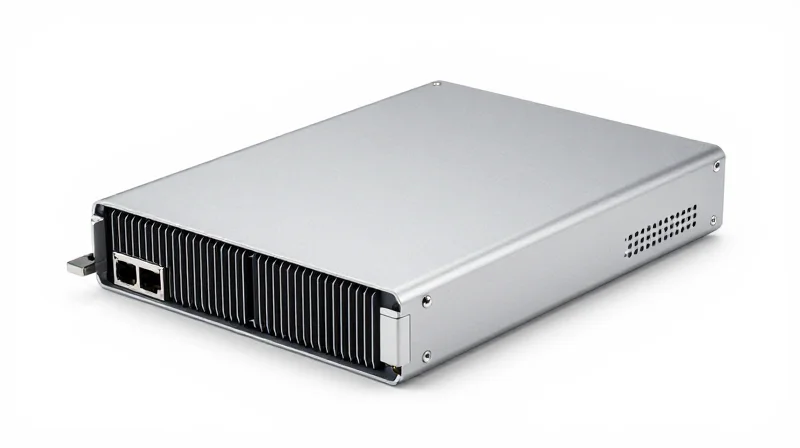
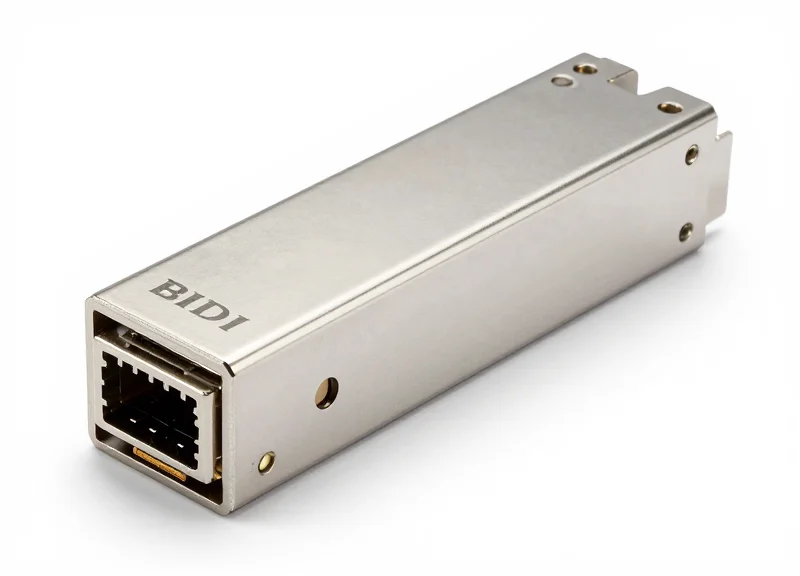
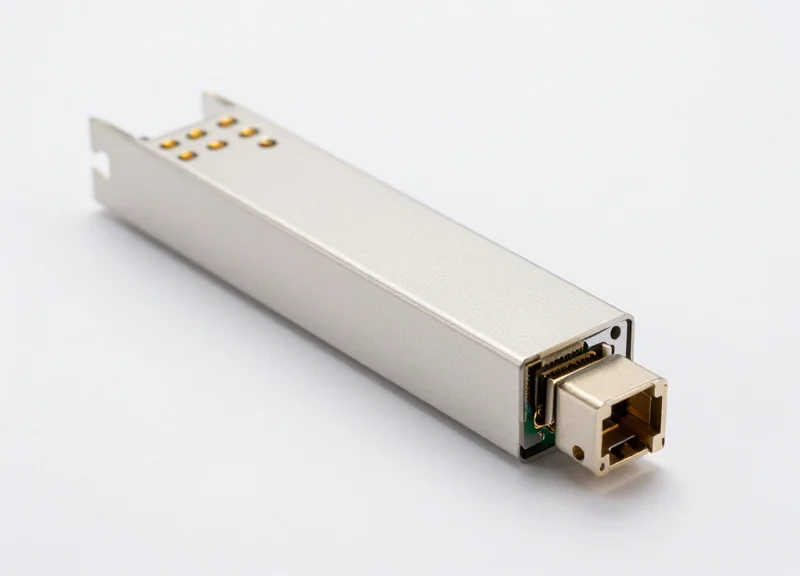
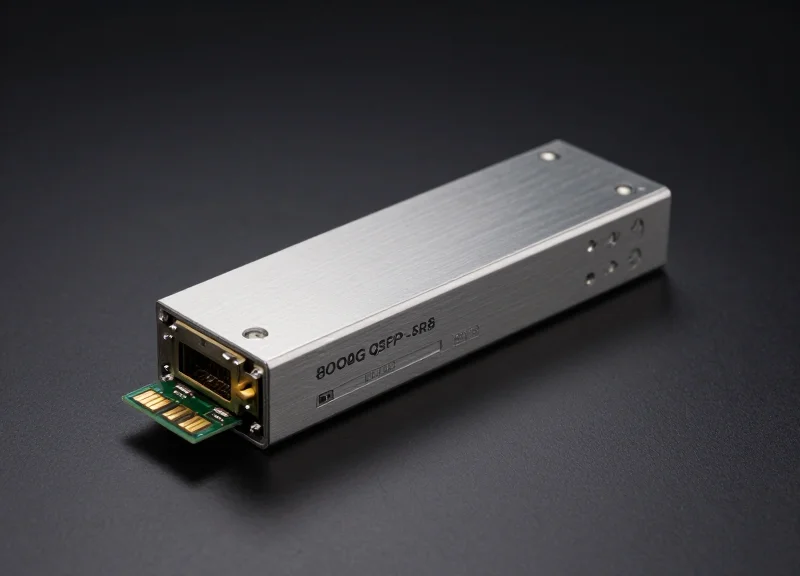
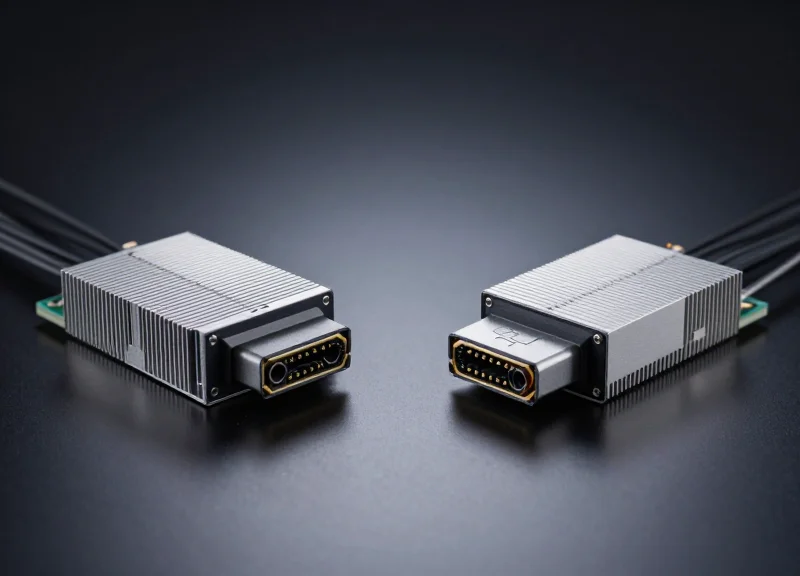
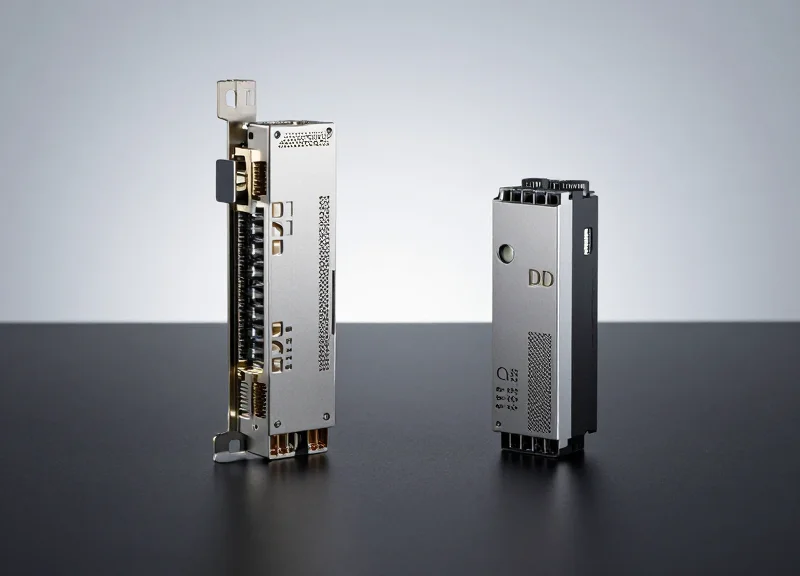
Ubytelink Healthcare Stability Modules serve as the backbone for high-performance medical networks by addressing the specific physical and electrical challenges of the clinical environment. These modules are not merely connectors; they are precision-engineered instruments designed to ensure that mission-critical data—from real-time robotic surgery feeds to massive EHR datasets—is transmitted with zero degradation, even in the presence of intense electromagnetic interference and thermal stress.
Superior Signal Integrity for Latency-Sensitive Diagnostics
In medical imaging and remote diagnostics, a micro-second delay or a single dropped packet can lead to misinterpretation. Ubytelink modules utilize premium gold-plated contacts and laser-tuned optical components to maintain ultra-low bit error rates (BER). By reducing jitter at the physical layer, these modules provide the stability required for 4K and 8K surgical video streams, ensuring that the surgeon’s view is as accurate as the reality in the operating room.
Advanced Thermal Management for 24/7 Reliability
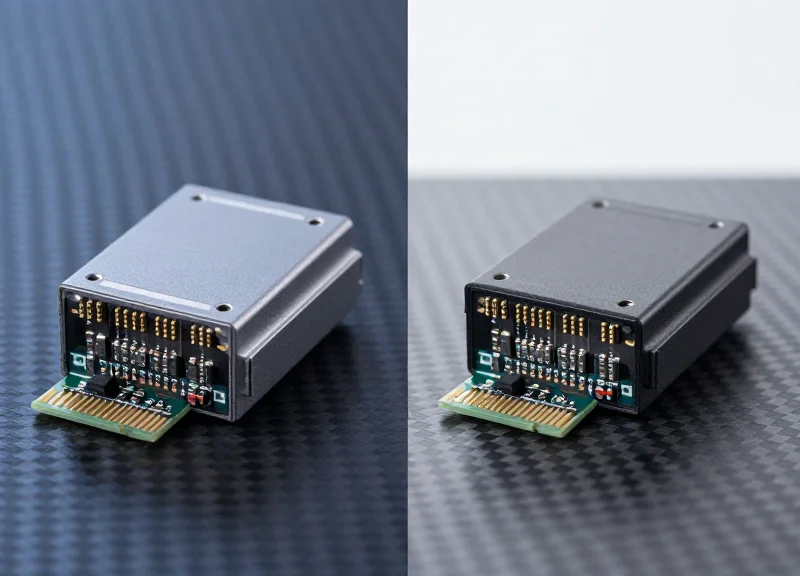
Healthcare data centers and telecommunications closets often operate in high-density environments where heat accumulation is a constant threat. Ubytelink addresses this with proprietary thermal dissipation housings. Using high-conductivity aluminum alloys and specialized airflow-optimized designs, these modules operate at significantly lower temperatures than standard commercial grade hardware, preventing thermal throttling and extending the lifespan of the entire network switch fabric.
Technical Specification Comparison
| Feature | Standard Modules | Ubytelink Healthcare Grade |
|---|---|---|
| Operating Temperature Range | 0°C to 70°C | -10°C to 85°C (Industrial-Plus) |
| Signal Loss Protection | Basic Shielding | Multi-Layer EMI/RFI Isolation |
| Data Retention Rate | Standard BER | Ultra-Low BER (10^-12 or better) |
| Housing Material | Standard Plastic/Zinc | High-Conductivity Thermal Alloy |
EMI Shielding in Radiologically Intensive Zones
The proximity of network hardware to MRI machines, X-ray equipment, and life-support systems creates a 'noisy' electromagnetic environment. Standard networking components often suffer from crosstalk and external interference in these settings. Ubytelink modules are built with advanced Faraday-cage inspired shielding, which isolates the internal circuitry from external RF noise, maintaining signal purity even when deployed in close proximity to high-energy medical devices.
Stability Module Technical FAQ
- How do Ubytelink modules handle power fluctuations?
They include integrated voltage regulation circuitry that protects the signal from minor power surges often found in hospital electrical grids. - Are these modules hot-swappable in a clinical setting?
Yes, they are fully MSA compliant, allowing for hot-swapping without interrupting the wider network traffic, which is critical for maintenance during hospital hours. - Do they support legacy healthcare infrastructure?
Ubytelink modules are designed with backward compatibility in mind, supporting a wide range of transceivers and fiber types commonly found in older hospital wings.
Addressing Latency and Packet Loss in Clinical Environments

Addressing Latency and Packet Loss in Clinical Environments
In the high-stakes environment of modern healthcare, network instability is more than a technical inconvenience; it is a direct risk to patient safety. Ubytelink Healthcare Data Network Stability Solutions are engineered to eliminate the bottlenecks that lead to latency and packet loss, ensuring that critical data packets—whether haptic feedback for a surgeon or high-resolution frames for an AI diagnostic tool—arrive in real-time and without corruption.
Minimizing Jitter for Synchronous Surgical Feedback
Robotic-assisted surgery relies on a closed-loop system where the surgeon's movements must be reflected by the robotic arms with imperceptible delay. Jitter, or the variation in packet arrival times, can cause jerky movements or 'lag spikes' that are catastrophic during delicate procedures. Ubytelink modules utilize specialized hardware-level buffering and deterministic packet scheduling to maintain consistent delivery windows, effectively reducing jitter to sub-microsecond levels across global medical networks.
| Performance Metric | Standard Commercial Grade | Ubytelink Healthcare Series |
|---|---|---|
| Average Latency (Round-Trip) | 15ms - 50ms | < 2ms (Optimized Paths) |
| Packet Loss Tolerance | Up to 1.0% under load | < 0.0001% (Zero-Loss Architecture) |
| Jitter Management | Variable Software Buffering | Fixed Hardware-Level Timing |
| Data Recovery | Standard TCP Retransmission | Proactive Forward Error Correction |
Mitigating Packet Loss in Remote Diagnostics
Remote diagnostic imaging, such as real-time ultrasound or fluoroscopy, requires the transmission of massive data volumes. In standard networks, congestion leads to packet dropping, which manifests as artifacts or missing frames in a medical image. Ubytelink addresses this through 'Premium Quality' signal integrity and enhanced Forward Error Correction (FEC). By reconstructing lost data at the physical layer before it reaches the application, Ubytelink ensures that clinicians see a perfect representation of the patient's condition without needing to re-send data streams.
- How does Ubytelink prevent data collisions in dense clinical environments?
Ubytelink modules utilize advanced EMI shielding and physical-layer isolation to prevent electromagnetic interference from hospital equipment (like MRI machines) from causing bit-errors and subsequent packet loss. - Why is 'deterministic' networking important for telesurgery?
Deterministic networking ensures that data arrives at predictable intervals. Ubytelink hardware prioritizes surgical control packets over general hospital traffic, guaranteeing that life-saving commands are never queued behind non-critical data. - Can Ubytelink solutions integrate with existing global medical clouds?
Yes, Ubytelink modules are designed for full interoperability with major cloud providers while adding a layer of stability through optimized transceiver performance and low-overhead encapsulation.
Scalability and Global Compatibility for Healthcare Enterprises

Scalability and Global Compatibility for Healthcare Enterprises
The primary challenge for global healthcare enterprises is maintaining a unified, stable data architecture while scaling across diverse geographical locations and hardware ecosystems. Ubytelink Healthcare Data Network Stability Solutions address this by delivering high-density, multi-vendor compatible optical modules and cabling that ensure zero-loss signal integrity, whether managing a single radiology department or a worldwide network of research hospitals. By prioritizing universal standards and premium component selection, Ubytelink allows healthcare IT leaders to scale their infrastructure without the constraints of proprietary vendor lock-in or the risks of intermittent connectivity.
Multi-Vendor Interoperability and MSA Compliance
Modern medical facilities often rely on a heterogeneous mix of networking hardware from various Tier-1 manufacturers. Ubytelink modules are rigorously tested for 100% compatibility with over 200 mainstream vendors. By strictly adhering to Multi-Source Agreement (MSA) standards, these solutions provide a 'plug-and-play' experience that eliminates the configuration hurdles typically associated with integrating third-party components into existing Cisco, Juniper, or Arista environments.
| Network Tier | Connectivity Requirement | Ubytelink Scalability Solution |
|---|---|---|
| Local Clinic/Ambulatory | Low latency for EHR and local imaging | 1G/10G SFP+ Stability Modules |
| Regional Hospital Hub | High-volume data transfer for PACs/MRI | 25G/100G QSFP28 Enterprise Grade Modules |
| Global Healthcare Enterprise | Terabit backbones for cross-border research | 400G/800G High-Density Coherent Optics |
Future-Proofing Global Medical Infrastructure
As healthcare shifts toward AI-driven diagnostics and real-time genomic sequencing, the demand for bandwidth is growing exponentially. Ubytelink’s stability solutions are engineered for long-term deployments, featuring low-power consumption designs and advanced thermal management. This ensures that as a healthcare provider expands from local 10G networks to 400G global backbones, the underlying physical layer remains a reliable constant, reducing the total cost of ownership and minimizing maintenance-related downtime.
- How does Ubytelink handle compatibility with legacy healthcare hardware?
Ubytelink maintains an extensive library of firmware profiles, allowing our modules to be programmed for seamless operation with older legacy switches while providing modern stability and performance metrics. - Are these solutions suitable for highly regulated international markets?
Yes, Ubytelink components meet international certifications including CE, FCC, and RoHS, ensuring they comply with the stringent safety and environmental regulations required for medical-grade electronic equipment globally. - Can Ubytelink modules be used for remote surgical applications?
Absolutely. By providing consistent signal integrity and ultra-low jitter, Ubytelink modules support the high-reliability connections required for telesurgery and real-time remote patient monitoring across global networks.
Compliance and Security: Meeting Global Medical Data Standards
The Intersection of Hardware Stability and Regulatory Compliance
While healthcare compliance is often viewed through the lens of software encryption and access control, the underlying hardware stability is the true foundation of data security and regulatory adherence. Ubytelink Healthcare Data Network Stability Solutions provide the high-availability infrastructure required to ensure that patient records are never inaccessible and that data packets remain uncorrupted during transit. In the eyes of global regulators, a system failure that leads to data loss or delayed access to critical health information is not just a technical glitch; it is a breach of the 'Availability' pillar of the CIA triad (Confidentiality, Integrity, and Availability) mandated by frameworks such as HIPAA and GDPR.
Hardware-Driven Data Integrity
Ubytelink modules utilize advanced error-correction codes (ECC) and high-fidelity signal processing to prevent bit-flipping and packet degradation. By maintaining signal integrity at the physical layer, these solutions ensure that the medical imaging or genomic data received by a specialist is an exact, untampered replica of the original scan, thereby satisfying the integrity requirements of the EU’s Medical Device Regulation (MDR).
| Regulation | Key Requirement | Ubytelink Hardware Role |
|---|---|---|
| HIPAA (USA) | Data Availability & Integrity | High MTBF ratings ensure constant access to Electronic Health Records (EHR). |
| GDPR (EU) | Resilience of Processing Systems | Hot-swappable components and stability prevent service outages and data loss. |
| HDS (France) | Secure Physical Infrastructure | Advanced EMI shielding prevents external signal interception and interference. |
| MDR (Global) | Network Reliability for Devices | Low-latency throughput ensures connected medical devices operate without interruption. |
Protecting Against Physical Layer Vulnerabilities
Security at the edge of the healthcare network requires hardware that can withstand environmental stressors without compromising the data stream. Ubytelink’s premium-grade components are designed with superior electromagnetic interference (EMI) shielding, which prevents 'data leakage' through electromagnetic emissions—a subtle but critical security concern in high-density clinical environments. By isolating the data path from external noise, Ubytelink maintains a clean, secure channel for sensitive patient information.
Compliance and Hardware: Common Inquiries
- How does hardware stability impact HIPAA compliance?
HIPAA requires that protected health information (PHI) be available whenever needed. Unstable hardware causes downtime, which can be classified as a failure to provide necessary access to PHI during clinical emergencies. - Can hardware quality prevent data breaches?
Yes. Low-quality hardware is prone to memory errors and packet corruption, which can be exploited or lead to the unintentional exposure of data during transmission. High-quality modules ensure the path remains secure and predictable. - Why is EMI shielding relevant to data security standards?
EMI shielding prevents data signals from being disrupted by medical equipment like MRI machines. Keeping the signal clean ensures that data integrity is maintained, a core requirement of global healthcare data standards.
Lowering Total Cost of Ownership (TCO) through Longevity

The Economic Impact of Network Longevity in Medical Environments
In the healthcare sector, the true cost of networking hardware extends far beyond the initial procurement price; it encompasses the long-term expenses related to maintenance, power consumption, and the financial catastrophe of service interruptions. Ubytelink Healthcare Data Network Stability Solutions are engineered with premium-grade components that offer an extended Mean Time Between Failures (MTBF), ensuring that global hospital networks can operate for years without the need for expensive mid-cycle hardware refreshes. By prioritizing longevity, healthcare providers shift their financial focus from reactive troubleshooting to proactive patient care.
Comparative Analysis: Generic vs. Ubytelink Premium Solutions
| Metric | Generic Networking Modules | Ubytelink Premium Solutions |
|---|---|---|
| Typical Lifespan | 2-3 Years | 7-10+ Years |
| Failure Rate (Annual) | 3% - 5% | <0.1% |
| Maintenance Labor | High (Frequent Swaps) | Minimal (Set and Forget) |
| Total Cost over 5 Years | High (Replacement + Labor) | Low (Single Investment) |
| Heat Dissipation | Standard (Higher Power) | Optimized (Lower OPEX) |
Mitigating the Financial Risk of Clinical Downtime
Downtime in a medical context is not just an IT inconvenience; it is a significant financial and safety risk. Statistics suggest that hospital downtime can cost thousands of dollars per minute when factoring in delayed surgeries, idle medical staff, and potential legal liabilities. Ubytelink’s stability-first approach acts as a financial insurance policy. By utilizing superior shielding and high-tolerance optical components, these solutions eliminate the intermittent signal drops that plague cheaper alternatives, ensuring that billing systems, EHR access, and diagnostic imaging remain online 24/7/365.
Economic FAQ: Longevity and ROI
- How does Ubytelink help reduce operational expenses (OPEX)?
By utilizing energy-efficient chipsets and high-grade thermal management, Ubytelink modules consume less power and generate less heat, leading to lower cooling costs and reduced utility bills across massive data center deployments. - What is the ROI of choosing industrial-grade modules for healthcare?
The ROI is realized through the 'avoidance of loss.' A single prevented network outage during a robotic surgery or critical data transfer can save more than the entire cost of the network hardware upgrade. - How does hardware longevity contribute to sustainability goals?
Longer-lasting hardware reduces electronic waste (e-waste). By extending the replacement cycle from three years to ten, healthcare organizations significantly decrease their environmental footprint while maintaining peak performance.
Optimizing Infrastructure for 5G and IoT in Healthcare

Optimizing Infrastructure for 5G and IoT in Healthcare
Ubytelink Healthcare Data Network Stability Solutions serve as the critical backbone for next-generation medical facilities by delivering the signal integrity and high-bandwidth resilience required to manage the massive data influx from 5G and IoMT devices. As hospitals transition to hyper-connected environments, Ubytelink’s premium modules ensure that the increased device density does not lead to signal degradation or packet loss, maintaining the real-time responsiveness essential for life-critical applications.
Sustaining High-Density IoMT Environments
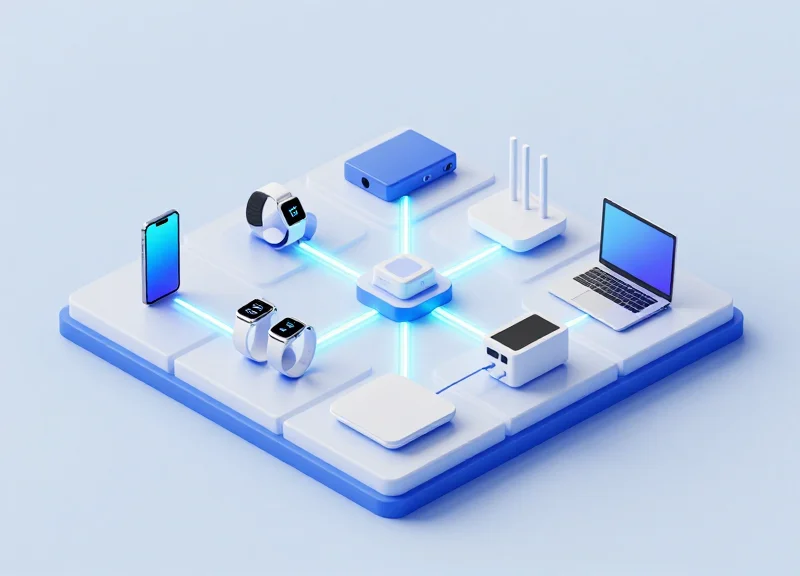
The Internet of Medical Things (IoMT) introduces thousands of concurrent endpoints—from wearable patient monitors to automated medication dispensers—into the hospital network. Standard networking hardware often struggles with the 'noise' and interference generated in these dense environments. Ubytelink modules utilize advanced electromagnetic shielding and high-grade capacitors to filter interference, ensuring that every IoMT device remains connected and capable of transmitting vital signs without interruption.
| Feature | Standard Infrastructure | Ubytelink-Optimized Infrastructure |
|---|---|---|
| Latency Management | Variable; prone to jitter under high load | Ultra-low latency; optimized for real-time 5G |
| Device Capacity | Limited concurrent connections per node | High-density support for thousands of IoMT endpoints |
| Signal Integrity | Prone to EMI in medical environments | Premium shielding for zero-interference operation |
| Scalability | Requires frequent hardware refreshes | Future-proof architecture for 5G/6G transitions |
Enabling Remote Surgery and Real-Time Telemedicine
5G technology promises to revolutionize healthcare through remote robotic surgery and high-definition diagnostic imaging over mobile networks. However, these applications demand 99.999% uptime and millisecond-level latency. Ubytelink stability solutions provide the physical layer reliability that high-level software protocols rely on. By minimizing heat-induced performance throttling and ensuring stable power delivery to transceivers, Ubytelink enables surgeons and diagnosticians to operate globally with the same confidence as they would locally.
Common Questions on 5G and IoMT Stability
- How does Ubytelink hardware affect 5G signal propagation within hospitals?
Ubytelink modules are designed with high-frequency precision, ensuring that internal network distribution points can handle 5G backhaul speeds without bottlenecking the radio access network. - Can Ubytelink solutions help reduce interference from medical imaging equipment?
Yes, our modules feature superior electromagnetic compatibility (EMC) designs that protect data streams from the high-power magnetic and radio frequency interference common in MRI and X-ray suites. - Is the hardware compatible with existing Wi-Fi 6/6E and emerging 5G private networks?
Absolutely. Ubytelink stability solutions are vendor-agnostic and designed to stabilize any high-bandwidth wireless standard by providing a consistent, low-noise power and data environment.
Implementing Ubytelink Solutions: Best Practices for IT Teams
Successful implementation of Ubytelink Healthcare Data Network Stability Solutions relies on a disciplined framework of pre-deployment auditing, precision installation at high-traffic convergence points, and the integration of real-time telemetry monitoring to prevent latency before it impacts patient care. By prioritizing a structured rollout, IT teams can fully leverage the premium hardware capabilities of Ubytelink modules to create a resilient, future-proof medical data backbone.
Phase 1: Environmental Assessment and Traffic Mapping
Before hardware installation begins, IT teams must conduct a comprehensive audit of the current network topology. Identifying 'hot zones'—areas with high-density medical imaging traffic or critical telemetry streams—is essential for determining the optimal placement of stability modules. Ubytelink solutions are most effective when positioned at the core and distribution layers where they can manage aggregate data loads and mitigate jitter across the global network.
| Deployment Phase | Key Action | Ubytelink Advantage |
|---|---|---|
| Pre-Installation | Signal Integrity Audit | Identifies baseline noise levels for precise module calibration. |
| Implementation | Automated Provisioning | Reduces human error through standardized QoS templates. |
| Post-Deployment | Real-Time Telemetry | Predictive analytics flag potential failures before downtime occurs. |
Optimization Protocols for Global Clinical Networks
To maintain premium quality across diverse geographic locations, IT administrators should implement standardized Quality of Service (QoS) configurations tailored for healthcare. This includes prioritizing DICOM traffic and EHR synchronization. Ubytelink modules allow for granular control over bandwidth allocation, ensuring that life-critical applications receive the necessary throughput even during peak network congestion.
Implementation Frequently Asked Questions
- How can IT teams minimize downtime during the transition to Ubytelink modules?
We recommend a phased 'blue-green' deployment strategy where Ubytelink modules are integrated into redundant pathways first, allowing for seamless failover testing before full-scale cutover. - What is the recommended maintenance schedule for stability hardware?
While Ubytelink modules are designed for extreme longevity, a quarterly digital audit of thermal performance and packet loss statistics via the management interface is recommended to ensure optimal health. - Does Ubytelink support integration with existing SDN (Software-Defined Networking) controllers?
Yes, Ubytelink solutions feature open API sets that allow healthcare IT teams to integrate stability monitoring directly into their existing centralized management dashboards.
By following these best practices, healthcare organizations can transform their network from a simple utility into a strategic asset. The combination of Ubytelink’s premium hardware and a rigorous implementation strategy ensures that the network remains stable, secure, and ready for the next generation of medical technology.
Ubytelink is redefining what it means to have a resilient healthcare network. By prioritizing stability and premium build quality, we empower medical facilities to focus on patient care rather than connectivity issues. Contact our global sales team today to optimize your critical healthcare infrastructure.