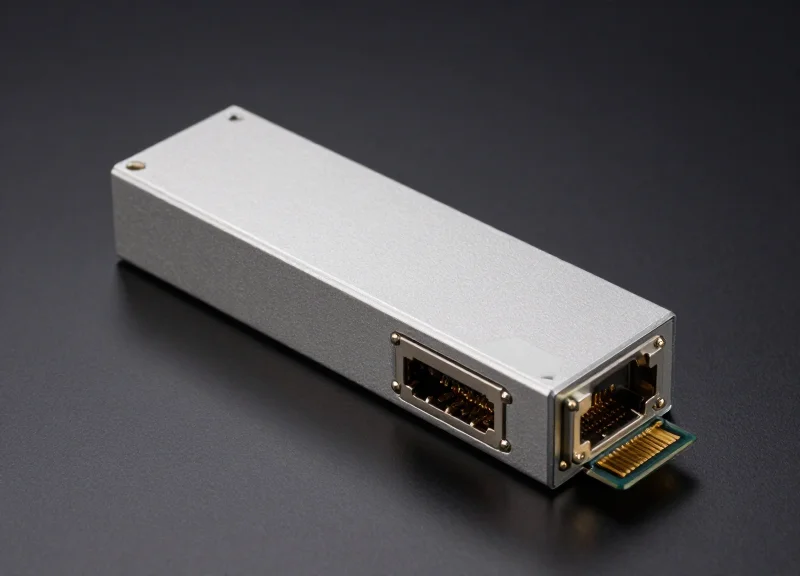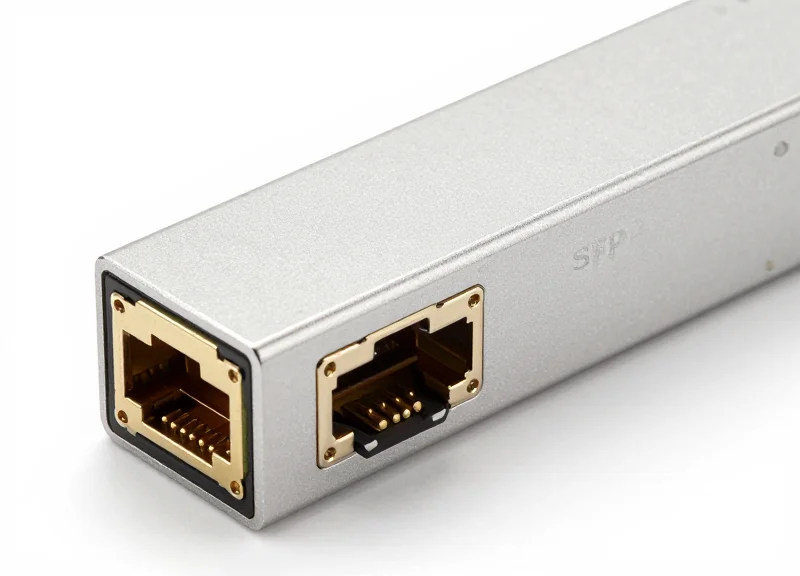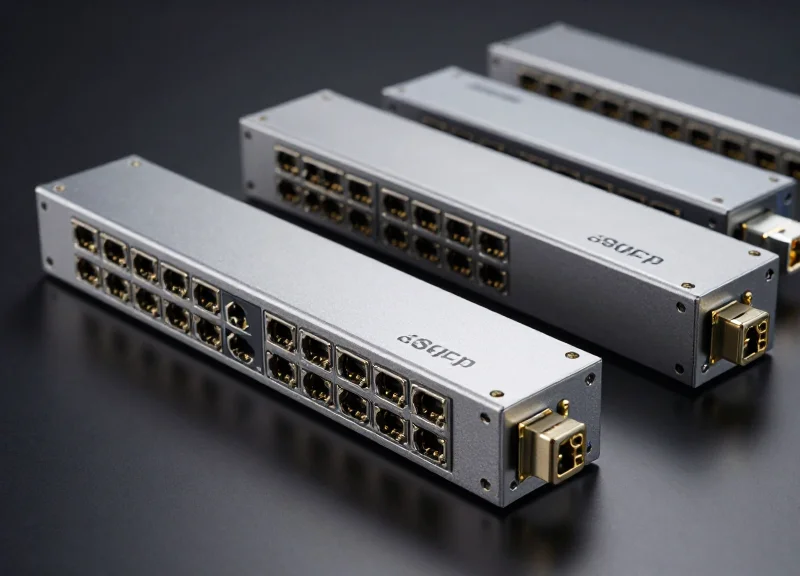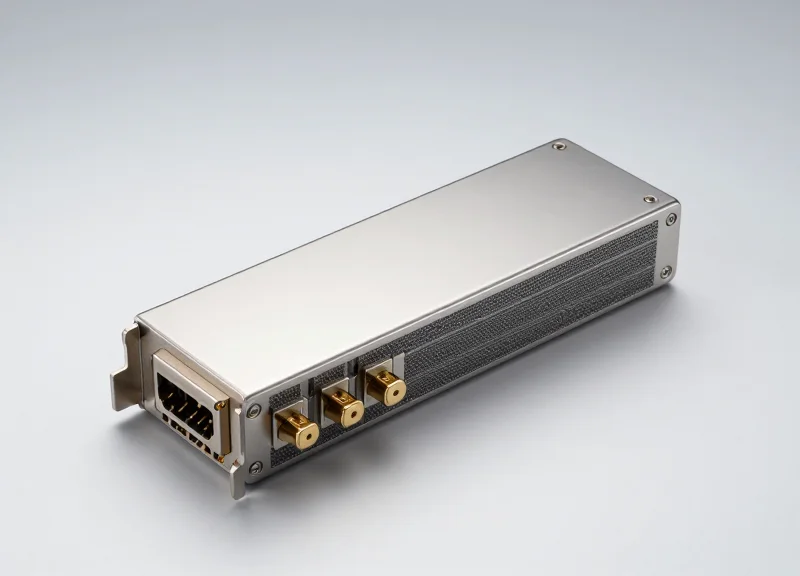
As network complexity grows, the demand for seamless communication between diverse hardware platforms has never been higher. Interoperability Testing (IOT) modules are the backbone of this ecosystem, ensuring that disparate devices can coexist and function at peak efficiency. For enterprises and service providers, scaling these capabilities requires more than off-the-shelf parts; it requires a strategic partnership that provides high-quality components at wholesale scale. This guide explores the critical role of IOT modules and how Ubytelink can empower your network expansion through custom bulk solutions.
The Strategic Importance of Interoperability Testing in 2026

The Strategic Importance of Interoperability Testing in 2026
Interoperability Testing (IOT) has evolved from a checkbox requirement into a strategic asset for telecommunications and enterprise network operators. As networks shift toward Open RAN (O-RAN), SDN (Software Defined Networking), and multi-cloud architectures, the ability for disparate systems to communicate without friction is the foundation of operational continuity. In 2026, IOT is not merely about compatibility; it is the primary mechanism for mitigating the systemic risks associated with complex, multi-vendor integrations. By establishing a rigorous testing framework, organizations can confidently integrate new technologies into their existing infrastructure without the fear of hardware rejection or protocol mismatch.
Eliminating Vendor Lock-in through Standardized Validation
Relying on a single hardware vendor often leads to 'vendor lock-in,' where scaling and upgrading become prohibitively expensive and technically restrictive. By prioritizing IOT, organizations gain the freedom to source best-of-breed components—whether they be transceivers, switches, or software modules—from multiple suppliers. This competitive landscape drives down procurement costs and forces innovation, as performance is validated against industry standards rather than proprietary silos. Wholesale IOT modules allow for the rapid certification of these third-party components at scale, ensuring they meet the same performance benchmarks as more expensive OEM alternatives.
| Feature | Single-Vendor Environment | Multi-Vendor IOT Validated |
|---|---|---|
| Cost Efficiency | Low upfront, high long-term maintenance | Lower TCO via competitive wholesale pricing |
| Innovation Speed | Dependent on vendor roadmap | Rapid adoption of latest technologies |
| Risk Level | High impact if vendor fails | Redundancy across different manufacturers |
| Scalability | Limited by proprietary constraints | Highly flexible across global supply chains |
Mitigating Risk During Rapid Network Upgrades
The introduction of 400G and 800G infrastructure creates significant pressure on existing legacy systems. Without rigorous IOT, these upgrades often result in unforeseen performance bottlenecks or catastrophic downtime. Wholesale IOT services allow engineers to simulate real-world traffic across hybrid environments, identifying latency issues and packet loss before deployment. This proactive approach ensures that new hardware enhances the network rather than destabilizing it, protecting the user experience and maintaining service level agreements (SLAs) during periods of heavy transition.
- How does IOT prevent downtime?
By validating handshake protocols and signal integrity between different brands before they reach the production environment, IOT identifies conflicts that would otherwise cause system crashes. - Why is wholesale pricing relevant for IOT in 2026?
Large-scale deployments require thousands of test cycles; bulk pricing models allow for comprehensive coverage and repetitive testing without exceeding CAPEX budgets. - What are the consequences of skipping IOT?
Common outcomes include intermittent connectivity, decreased throughput, and expensive 'rip-and-replace' cycles after failed upgrades.
Why Wholesale Sourcing is Vital for Enterprise Network Scaling
Why Wholesale Sourcing is Vital for Enterprise Network Scaling
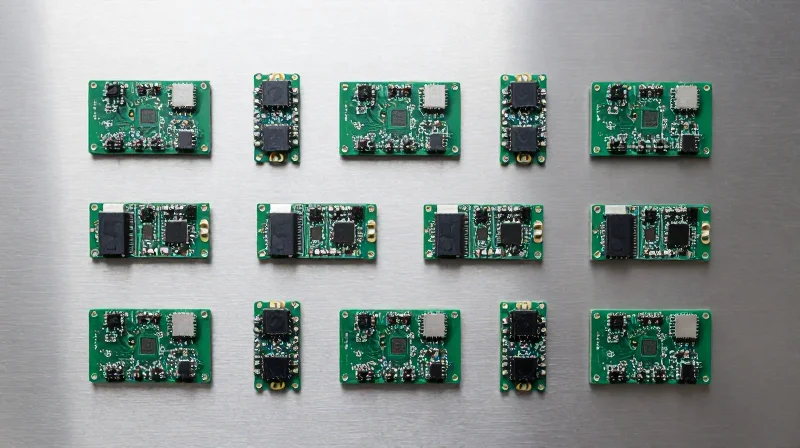
Wholesale sourcing for Interoperability Testing (IOT) modules is a critical pillar of modern enterprise growth, providing the economic leverage and technical consistency required for large-scale infrastructure deployments. As organizations expand their footprints across multiple data centers and edge locations, the ability to procure pre-validated, interoperable components in bulk ensures that scaling is not hindered by hardware fragmentation or prohibitive per-unit costs. By shifting from reactive, small-batch purchasing to strategic wholesale procurement, enterprises can maintain a competitive edge through streamlined logistics and guaranteed component homogeneity.
Economic Advantages: Cost-Per-Unit Optimization
The most immediate benefit of wholesale sourcing is the drastic reduction in the price-per-unit for IOT hardware. In the 2026 landscape, custom quotes for bulk orders often unlock pricing tiers that are 20% to 40% lower than standard retail rates. This capital expenditure (CapEx) efficiency allows IT departments to reallocate budgets toward higher-level integration and automation projects rather than overspending on individual line items.
| Procurement Metric | Retail/Single Unit Sourcing | Wholesale/Bulk Procurement |
|---|---|---|
| Average Per-Unit Cost | High (MSRP-based) | Low (Negotiated Custom Quotes) |
| Hardware Revision Control | Variable/Random | Strict (Same Batch Guarantee) |
| Lead Time Reliability | Unpredictable | Prioritized/Scheduled |
| Logistical Overhead | High (Multiple Shipments) | Low (Consolidated Freight) |
Logistical Consistency and Revision Management
Beyond the financial savings, wholesale sourcing is the only reliable method for revision management. Manufacturers frequently update internal componentry or firmware within the same model number. By purchasing in bulk, enterprises secure a single production run (batch), which eliminates the 'Frankenstein network' effect where identical model numbers behave differently due to slight hardware variations. This uniformity is essential for passing rigorous Interoperability Testing phases without encountering anomalous bugs triggered by different component revisions.
- How does bulk pricing impact the total cost of ownership (TCO)?
Wholesale procurement lowers TCO by reducing initial acquisition costs and minimizing the long-term support burden associated with troubleshooting heterogeneous hardware batches. - Can custom quotes include specific hardware firmware requests?
Yes, wholesale sourcing agreements for 2026 often allow enterprises to specify fixed firmware versions or hardware revisions to ensure 100% compatibility across the existing network stack. - What is the typical minimum order quantity (MOQ) for bulk IOT pricing?
While MOQs vary by vendor, bulk pricing benefits typically begin at the 50-unit threshold, with significant tier breaks occurring at 250 and 500+ units.
Unlocking Innovation with OEM/ODM Customization

Unlocking innovation through OEM/ODM customization allows businesses to move beyond 'off-the-shelf' limitations by engineering IOT modules that are specifically tuned to unique operational environments. Whether it is adjusting RF parameters for specific geographic regulations or embedding proprietary encryption layers for secure government contracts, custom-tailored hardware ensures that interoperability is achieved without compromising on specialized functional requirements.
Bridging the Gap Between Standardized Hardware and Niche Requirements
While standard IOT modules cover the most common use cases, large-scale enterprise deployments often encounter 'edge cases' where standard hardware fails to perform. ODM (Original Design Manufacturing) services allow for the complete overhaul of hardware architecture, including PCB layout changes and chipset selection, to ensure compatibility with legacy systems or high-interference industrial settings.
The Role of OEM in Brand Consistency and Market Positioning
OEM (Original Equipment Manufacturing) focuses on taking proven, high-performance IOT designs and adapting them to a client's brand identity. This is particularly valuable for wholesale buyers and system integrators who wish to provide a cohesive product ecosystem to their end-users under their own private label, backed by professional-grade testing and certification.
| Feature | OEM (Original Equipment Manufacturer) | ODM (Original Design Manufacturer) |
|---|---|---|
| Design Ownership | Provider owns the base design | Client often co-owns or defines design |
| Customization Level | Low to Moderate (Logo, Firmware, Packaging) | High (Hardware specs, PCB, unique protocols) |
| Time to Market | Short (Weeks) | Moderate to Long (Months) |
| Cost Impact | Lower per-unit overhead | Higher initial NRE (Non-Recurring Engineering) fees |
Common Customization Scenarios for Wholesale IOT
- How do custom quotes handle regional frequency variations?
Wholesale providers adjust the internal filters and antennas of IOT modules during the manufacturing phase to meet specific spectral requirements for markets in North America, Europe, or Asia-Pacific. - Can proprietary protocols be integrated into wholesale orders?
Yes, ODM services allow for the inclusion of custom firmware stacks that support non-standard or proprietary protocols, ensuring that new hardware can talk to legacy proprietary infrastructure. - What is the typical MOQ for custom IOT hardware?
Minimum Order Quantities vary, but for significant hardware alterations, suppliers typically require orders starting at 500 to 1,000 units to offset engineering costs.
By leveraging these customization pathways in 2026, organizations can future-proof their networks. Instead of adapting their operations to fit the hardware, they adapt the hardware to fit their vision, ensuring seamless interoperability across diverse and evolving digital landscapes.
Technical Standards and Compliance in IOT Module Selection
Technical standards and compliance are the bedrock of interoperability testing (IOT). When sourcing modules at scale, adherence to global frameworks like 3GPP and IEEE ensures that hardware not only communicates effectively with existing network infrastructure but also meets the safety and spectrum requirements of specific jurisdictions. For enterprises, selecting pre-certified modules is a strategic move that minimizes the risk of expensive redesigns and ensures that bulk deployments remain future-proof against evolving carrier requirements.
Core Protocol Standards for Wholesale Hardware
Interoperability is defined by the underlying protocols that govern data transmission and power management. For cellular IOT, 3GPP (3rd Generation Partnership Project) releases provide the roadmap for technologies like LTE-M and NB-IoT. In the short-range and mesh domain, protocols such as Zigbee, Thread, and Matter are essential for cross-vendor compatibility within smart building ecosystems.
| Protocol Category | Primary Standard | Key Interoperability Focus | Typical Use Case |
|---|---|---|---|
| Cellular LPWAN | 3GPP Release 13/14+ | Carrier network handovers | Smart Metering, Logistics |
| Mesh Networking | Matter / Thread | Cross-vendor ecosystem parity | Smart Home, Commercial Lighting |
| Industrial WLAN | IEEE 802.11ax (Wi-Fi 6) | High-density device management | Warehouse Robotics, Automation |
| Short-Range | Bluetooth 5.x | Low-energy peripheral sync | Asset Tracking, Medical IOT |
Regulatory and Carrier-Specific Certifications
Beyond technical protocols, hardware must pass regulatory and carrier-specific gatekeeping. Regulatory marks like FCC (USA), CE (Europe), and IC (Canada) focus on radio frequency interference and safety. However, for a device to function on a cellular network, it must also pass carrier-level certifications such as PTCRB or GCF. Sourcing wholesale modules that already carry these certifications significantly reduces time-to-market and per-unit testing costs.
- Why is PTCRB certification necessary for wholesale IOT?
PTCRB ensures that IOT modules adhere to cellular network standards, preventing devices from causing harm to the network or failing during carrier handovers. For bulk purchasers, PTCRB-certified modules are essentially 'plug-and-play' for North American carriers. - What is the impact of 'Modular Grant' status on pricing?
Modules with a 'Modular Grant' from the FCC allow the end-product manufacturer to bypass full intentional radiator testing. While these modules may have a higher unit cost, they drastically lower the total cost of ownership (TCO) for large-scale deployments by reducing laboratory fees. - How does GCF certification differ from carrier-specific testing?
The Global Certification Forum (GCF) is primarily recognized in Europe and Asia. While GCF proves the module meets core technical standards, some carriers (like Verizon or AT&T) still require their own internal validation, which must be factored into the procurement strategy. - Does interoperability testing include cybersecurity standards?
Increasingly, yes. Standards like ETSI EN 303 645 in Europe now mandate baseline security for consumer IOT. Wholesale buyers should look for modules that support secure boot and encrypted firmware updates to meet these emerging compliance requirements.
In summary, the technical validity of an IOT deployment is only as strong as its weakest certification. When requesting custom quotes for 2026, enterprises should prioritize vendors who provide transparent documentation for 3GPP compliance, carrier-specific approvals, and regional regulatory marks to ensure long-term operational stability.
Cost-Benefit Analysis: Bulk Pricing vs. Retail Sourcing
Transitioning from retail-based procurement to wholesale acquisition for Interoperability Testing (IOT) assets is a strategic financial move that directly impacts a company's bottom line by lowering the total cost of ownership (TCO) through economies of scale and reduced operational friction. While retail sourcing may offer lower initial barriers for small-scale prototypes, bulk pricing models provide the necessary fiscal stability and hardware consistency required for enterprise-level deployment and rigorous testing cycles in 2026.
Comparative Analysis: Retail vs. Wholesale Procurement
| Financial Metric | Retail Sourcing (Individual Units) | Wholesale Procurement (Bulk Quotes) |
|---|---|---|
| Per-Unit Cost | High (MSRP-based) | Low (Negotiated volume rates) |
| Shipping & Logistics | Incremental per shipment | Consolidated and optimized |
| Hardware Consistency | Variable (Mixed revisions) | High (Single-batch production) |
| Customization Options | None | OEM/ODM services available |
| Support/Warranty | Standard retail warranty | Priority enterprise support |
Optimizing Logistical Overhead and Testing Cycles
Beyond the raw unit price, wholesale procurement significantly reduces the hidden costs of logistics. By consolidating shipments, enterprises can lower international freight fees and customs processing costs, which often account for a substantial percentage of a retail budget. Furthermore, acquiring large volumes of identical hardware ensures that testing results are not skewed by variations in hardware revisions or firmware updates that frequently occur in retail stock. This consistency streamlines the testing cycle, reducing the time-to-market and the labor costs associated with troubleshooting hardware-specific anomalies.
Wholesale Financial FAQs
- At what volume does wholesale pricing typically begin?
Most custom quotes for IOT testing hardware start at orders of 50 to 100 units, though significant price breaks often occur at the 500 and 1,000-unit thresholds. - How does bulk buying improve the testing ROI?
Bulk buying improves ROI by reducing the per-test cost through lower equipment overhead and decreasing the likelihood of re-testing due to hardware version mismatches. - Can custom quotes include value-added services?
Yes, wholesale quotes often bundle services such as pre-loading proprietary firmware, specialized packaging, and dedicated technical account management that are unavailable to retail buyers.
Overcoming Supply Chain Challenges in the Networking Sector
Overcoming Supply Chain Challenges in the Networking Sector
Successfully navigating the volatile networking hardware market requires a shift from reactive, just-in-time purchasing to a proactive wholesale model that emphasizes inventory stability and risk diversification. By partnering with a reliable wholesale provider, enterprises can bypass the localized shortages and price fluctuations that frequently disrupt retail-tier supply chains, ensuring that critical Interoperability Testing (IOT) modules are available exactly when needed for large-scale deployments.
Strategic Inventory Management with Wholesale Partners
The primary challenge in 2026 remains the unpredictability of component lead times, particularly for specialized chipsets used in high-performance networking gear. Wholesale partners like Ubytelink address this by maintaining deeper safety stocks and leveraging priority relationships with Tier-1 manufacturers. This 'buffer zone' strategy allows bulk buyers to maintain their project timelines even when the broader market faces manufacturing bottlenecks or logistic delays.
| Feature | Retail/Spot Sourcing | Wholesale Partnership (Ubytelink) |
|---|---|---|
| Inventory Reliability | Low; subject to market availability | High; reserved stock and planned allocation |
| Lead Times | Variable (4-24 weeks) | Consistent (Pre-scheduled shipments) |
| Pricing Stability | Volatile; reflects daily market price | Fixed; locked-in via custom quotes |
| Risk Mitigation | Reactive; high risk of project delays | Proactive; strategic forecasting and backup sourcing |
Mitigating Risks of Component Shortages
Shortages in semiconductors and raw materials often create a 'bullwhip effect' where small fluctuations in demand lead to massive inventory gaps at the consumer level. Wholesale procurement mitigates this by consolidating demand, giving the purchaser higher leverage during allocation cycles. For companies conducting extensive IOT cycles, having a guaranteed pipeline of hardware prevents the costly downtime associated with waiting for a single critical component to arrive.
- How does wholesale procurement protect against sudden price spikes?
Wholesale agreements typically involve custom quotes that lock in pricing for a set duration or volume, shielding the buyer from the 'surge pricing' common in the retail market during hardware shortages. - Can a wholesale partner help with technical obsolescence?
Yes. Reliable partners provide insights into product lifecycles and roadmap transitions, allowing firms to bulk-buy 'last time buy' (LTB) components or transition early to next-generation modules. - What role does Ubytelink play in quality assurance during shortages?
During shortages, the market is often flooded with counterfeit or substandard components. Ubytelink ensures authenticity through direct factory sourcing and rigorous compliance testing, maintaining the integrity of the IOT process.
Ultimately, the transition to wholesale IOT procurement is an investment in operational resilience. By securing bulk pricing and stabilizing the supply chain through a trusted partner, organizations can focus on technical innovation rather than logistical troubleshooting.
Quality Assurance: Testing the Testers

Quality assurance for wholesale IOT modules requires a 'Testing the Testers' methodology, where the diagnostic hardware itself is subjected to stricter validation than the production units it monitors. For enterprise-scale procurement, this ensures that the performance data gathered across thousands of network nodes is accurate and consistent, preventing the catastrophic 'silent failures' that occur when faulty testing equipment provides false-positive results regarding network integrity.
The Multi-Stage Validation Hierarchy
When sourcing IOT hardware in bulk, manufacturers must mitigate the risk of batch-level drift—small variations in component performance that can lead to significant discrepancies in high-speed network testing. This is addressed through a three-tier validation hierarchy: Signal Integrity Analysis (SIA), Protocol Compliance Verification (PCV), and Environmental Stress Screening (ESS). Each module is cross-referenced against a 'Gold Master' unit to ensure that every device in a 1,000+ unit shipment maintains the exact same performance profile.
| QA Metric | Standard Retail Testing | Wholesale Enterprise QA |
|---|---|---|
| Signal Latency | Basic ±10ms Tolerance | Precision Calibration <±1ms |
| Protocol Adherence | Standard RFC Sampling | Full Stress & Edge Case Simulation |
| Environmental Resiliency | Room Temperature Check | Industrial Thermal Cycling (-40°C to 85°C) |
| Data Logging Accuracy | Snapshot Sampling | Continuous High-Speed Buffer Validation |
Maintaining Calibration Integrity in Bulk Shipments
A critical aspect of bulk IOT procurement is the certification of calibration. Wholesale partners like Ubytelink provide traceable documentation for each batch, ensuring that the internal clocks and signal transceivers within the IOT modules have been synchronized to NIST or equivalent international standards. This level of rigor prevents the testing equipment from becoming an uncontrolled variable in the network performance equation over its operational lifecycle.
- How is the accuracy of wholesale IOT modules verified?
We utilize ISO-certified automated test equipment (ATE) to perform high-speed functional testing on 100% of the units in a bulk order, rather than relying on statistical sampling. - Does wholesale procurement include custom QA parameters?
Yes, custom quotes can include specific QA steps tailored to your environment, such as testing against specific proprietary protocols or custom firmware validation. - What happens if a module fails during the QA process?
Modules failing any stage of the multi-tier validation are immediately quarantined for root-cause analysis, and only units meeting the 100% pass criteria are included in the final wholesale shipment.
In conclusion, the 'Testing the Testers' philosophy ensures that when you deploy bulk IOT hardware, your focus remains on network optimization rather than troubleshooting your diagnostic tools. This foundational reliability is what differentiates professional-grade wholesale modules from consumer-level alternatives.
Future-Proofing Your Network: Preparing for Next-Gen Protocols
Future-Proofing Your Network: Preparing for Next-Gen Protocols
To future-proof a network, organizations must look beyond current 5G and Wi-Fi 6 standards, prioritizing wholesale IOT procurement that supports the massive throughput and ultra-low latency requirements of emerging protocols like 6G and Wi-Fi 7. Buying these testing solutions in bulk now allows for the development of comprehensive test beds that can simulate the high-density environments of the near future, ensuring that as new protocols are ratified, your existing hardware and software layers have already been vetted against rigorous interoperability benchmarks.
The Transition to AI-Driven Cloud Architectures
As cloud infrastructures become increasingly driven by artificial intelligence, the complexity of packet routing and resource allocation increases exponentially. Interoperability testing must now account for non-deterministic AI behavior, requiring high-volume testing modules that can process vast amounts of telemetry data in real-time. Securing bulk pricing for IOT tools enables labs to deploy the scale of sensors and analyzers needed to accurately mirror these intelligent, self-optimizing cloud ecosystems.
| Protocol Feature | Current Standards (5G/Wi-Fi 6) | Next-Gen Standards (6G/Wi-Fi 7) |
|---|---|---|
| Latency Targets | 1-10 Milliseconds | Sub-1 Millisecond (Microsecond range) |
| Device Connection Density | 1 Million devices per sq km | 10 Million+ devices per sq km |
| Spectrum Support | Sub-6 GHz and mmWave | Sub-THz and Optical Wireless |
| Automation Level | Assisted Configuration | Full AI-Driven Autonomous Orchestration |
Strategic Advantages of Wholesale IOT Scaling
Deploying next-gen protocols requires a significant increase in the number of testing nodes across the network fabric. By utilizing custom quotes for bulk IOT solutions in 2026, enterprises can mitigate the inflation of hardware costs while building the infrastructure necessary for 'digital twin' simulations. These simulations allow engineers to stress-test 6G-ready components within current environments, identifying potential bottleneck points long before full-scale deployment.
- How does wholesale IOT help with 6G readiness?
Wholesale procurement allows for the mass deployment of modular testing units that can be upgraded via software-defined radio (SDR) updates to support the higher frequency bands and complex modulation schemes of 6G. - Is bulk purchasing cost-effective for evolving AI clouds?
Yes, bulk pricing reduces the per-unit cost of the high-density testing arrays required to validate AI-driven traffic management and edge computing handovers. - Can 2026 IOT modules test for Wi-Fi 7 interoperability?
Many wholesale IOT modules available in 2026 are specifically designed with Wi-Fi 7 (802.11be) in mind, offering the 320 MHz channel bandwidth and 4K-QAM testing capabilities needed for the transition.
How to Request a Custom Quote from Ubytelink

How to Request a Custom Quote from Ubytelink
To receive an accurate wholesale quote from Ubytelink, you must provide a comprehensive technical brief that outlines your hardware specifications, desired network protocols, and the total volume of units requiring validation. Our pricing models are highly sensitive to scale and technical complexity, meaning the more detail provided upfront, the more competitive and fixed the final proposal will be for your 2026 projects. By aligning your procurement needs with our operational capacity, we can deliver volume-based discounts that significantly lower the per-unit cost of interoperability certification.
Core Information Required for Pricing
- Hardware and Protocol Scope
Identify the chipsets and modules involved, as well as specific bands (Sub-6GHz, mmWave) or protocols (Cat-M1, NB-IoT) that must be tested. - Testing Environment
Specify whether testing occurs in a controlled lab setting, a live carrier network, or a simulated roaming environment. - Batch Volume
Define the number of SKUs or physical units; wholesale discounts typically trigger at specific volume tiers starting at 500+ units. - Compliance Deadlines
Communicate your go-to-market date to allow for expedited testing schedules and resource prioritization.
| Parameter | Detail Required | Pricing Variable |
|---|---|---|
| Node Density | Total number of connection points | High density reduces per-node labor costs |
| Test Scope | Full regression vs. delta testing | Reduced scope for firmware updates lowers costs |
| Automation Level | CI/CD integration requirements | Automation setup fees vs. lower long-term run costs |
The Ubytelink Quote Workflow
The procurement process begins with an Initial Technical Inquiry where our engineers review your documentation. This is followed by a Scoping Call to clarify edge cases and specific regional carrier requirements. Within 48 to 72 hours, Ubytelink provides a tiered Financial Proposal that includes bulk discounts and optional service level agreements (SLAs). Once the proposal is approved, we move to the Master Service Agreement (MSA) phase to formalize the wholesale engagement and lock in your 2026 pricing.
Wholesale Quote FAQs
- What is the typical turnaround for a custom IOT quote?
Standard wholesale quotes are typically processed within three business days, provided all technical specifications and volume targets are clearly defined. - Do you offer discounts for multi-year testing contracts?
Yes, Ubytelink provides additional price protection and volume rebates for multi-year commitments in our wholesale tier to assist with long-term budgeting. - Can I adjust my volume mid-contract?
Our wholesale agreements include 'Flex-Scale' clauses that allow for volume adjustments with corresponding price recalculations to ensure fairness as-needed scalability.
In a digital landscape where connectivity is everything, settling for inferior hardware is not an option. By choosing wholesale Interoperability Testing (IOT) modules through Ubytelink, you gain access to the industry's best pricing, high-level customization, and expert technical support. Ready to optimize your infrastructure and scale without limits? Contact Ubytelink today for your personalized custom quote and take the first step toward a more resilient network.