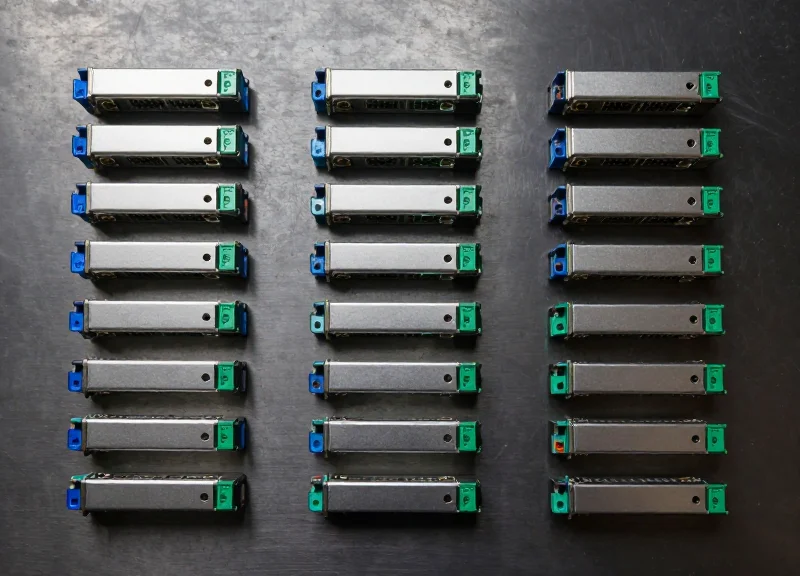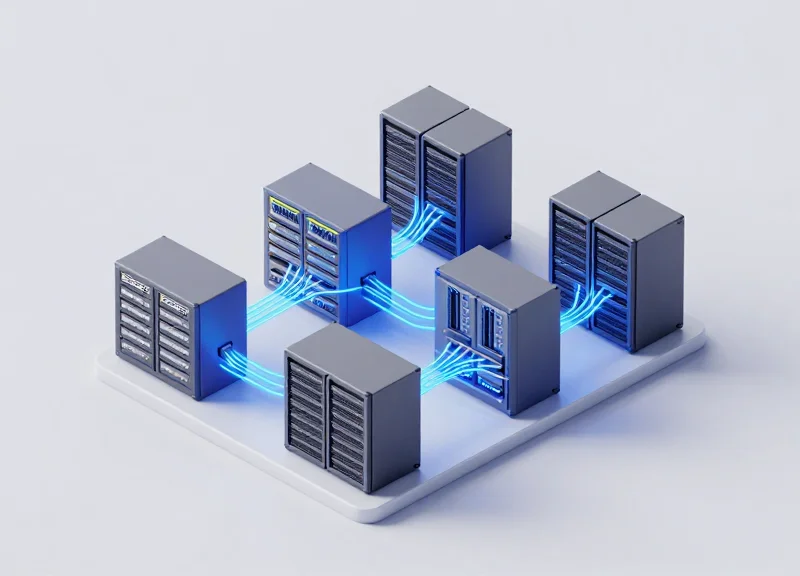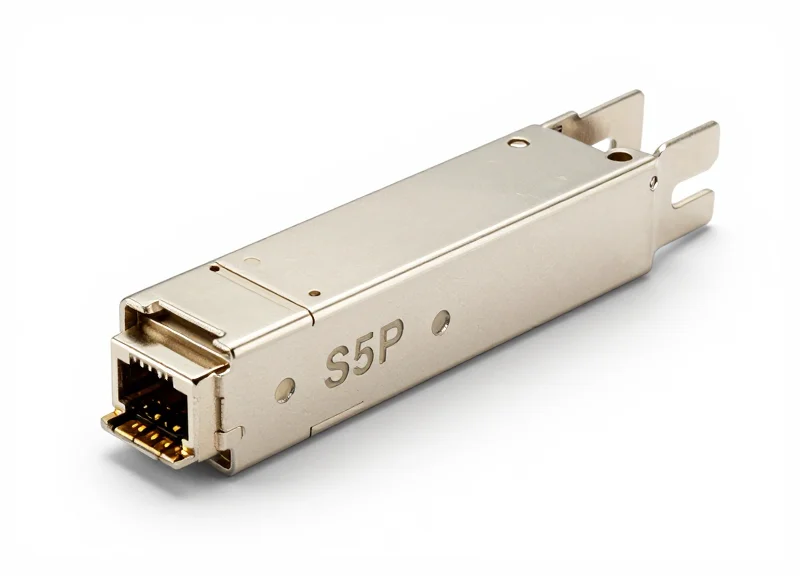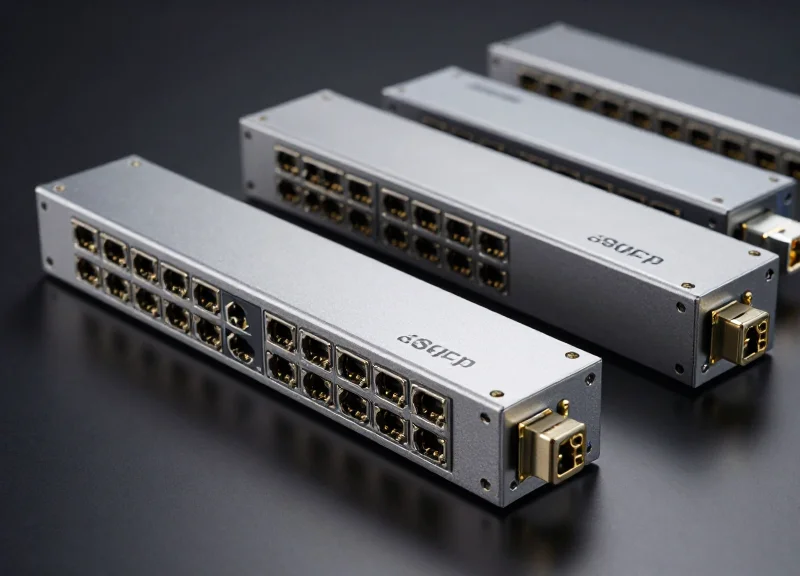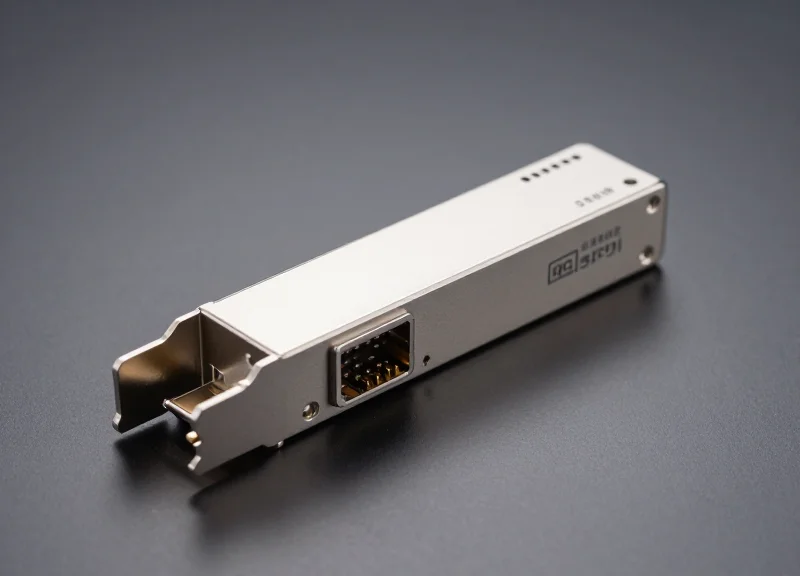
In an era where data-intensive applications demand relentless uptime, network architects are increasingly turning to Bi-Directional (BIDI) technology to optimize infrastructure. Ubytelink's 10G SFP+ BIDI 20km modules address the critical challenge of scaling bandwidth while minimizing fiber lease costs, providing a robust solution for modern enterprise and service provider networks.
The Evolution of 10G Connectivity: Why BIDI Technology is Essential
The Evolution of 10G Connectivity: Why BIDI Technology is Essential
The transition to 10G connectivity marks a critical milestone in network scaling, yet the physical constraints of traditional cabling often hinder growth. BIDI (Bi-Directional) technology has become essential because it breaks the conventional 'one fiber for transmit, one for receive' model. By allowing simultaneous data transmission and reception over a single fiber strand, operators can effectively double their network capacity over existing fiber assets without the prohibitive costs of laying new glass. In an era where 5G rollout and data center expansion demand immediate bandwidth, BIDI offers a strategic path to scalability.
The Mechanism of Single-Fiber Efficiency
At the heart of the Ubytelink 10G SFP+ BIDI 20km solution is Wavelength Division Multiplexing (WDM). Unlike standard transceivers that use two fibers to separate the signals physically, BIDI transceivers separate them by light frequency. By utilizing two distinct wavelengths—commonly 1270nm and 1330nm—the technology ensures that upstream and downstream traffic can pass through the same glass core without interference. This full-duplex communication on a simplex fiber is the key to modern infrastructure optimization.
| Feature | Traditional Dual-Fiber SFP+ | Ubytelink BIDI SFP+ |
|---|---|---|
| Fiber Strands Required | 2 Strands (TX and RX separate) | 1 Strand (Integrated TX/RX) |
| Fiber Utilization Efficiency | 50% Potential | 100% Potential |
| Patch Cord Type | LC Duplex | LC Simplex |
| Scalability Cost | High (Requires new cabling) | Low (Uses existing fiber) |
Strategic Advantages for Global Network Operators
For global networks, the shift to BIDI technology isn't just about technical capability; it is about economic viability. Deploying Ubytelink BIDI solutions reduces the number of patch panels and connectors required in the data center, simplifying cable management and reducing points of failure. Furthermore, in metropolitan area networks (MANs) where fiber leasing is expensive, BIDI allows providers to serve twice the number of customers over the same leased infrastructure, directly impacting the bottom line.
- Does BIDI technology require special fiber?
No, BIDI transceivers run on standard single-mode fiber (SMF) already installed in most networks. - Are BIDI modules used in identical pairs?
No, BIDI modules must be used in complementary pairs. For example, a 'Side A' module transmitting at 1270nm must connect to a 'Side B' module transmitting at 1330nm. - What is the maximum reach for Ubytelink 10G BIDI?
Ubytelink specializes in 20km solutions, which provide the ideal balance of signal integrity and distance for enterprise and campus environments.
Technical Architecture of Ubytelink 10G SFP+ BIDI 20km Modules
Technical Architecture of Ubytelink 10G SFP+ BIDI 20km Modules
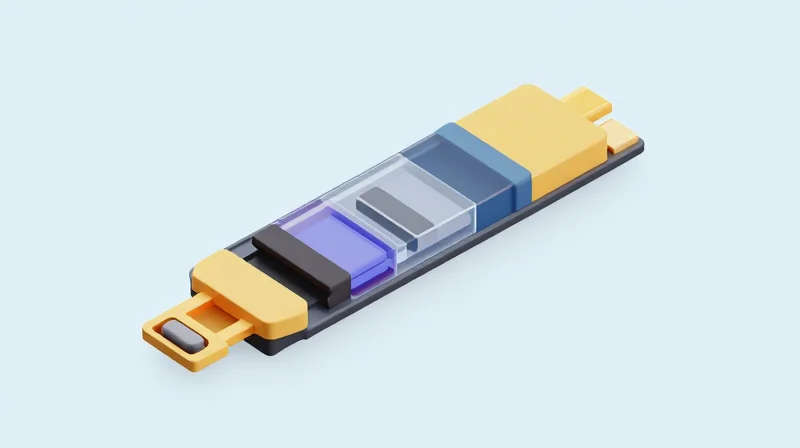
The technical foundation of Ubytelink 10G SFP+ BIDI 20km modules lies in their ability to isolate upstream and downstream data onto distinct wavelengths—specifically 1270nm and 1330nm—using an integrated WDM filter. This allows for high-speed, bi-directional 10Gbps transmission over a single strand of Single-Mode Fiber (SMF), effectively doubling the density of existing cable infrastructure without compromising signal quality or increasing latency.
Precision Engineering: DFB Lasers and WDM Integration
To ensure reliable performance over a 20km span, Ubytelink employs Distributed Feedback (DFB) laser technology. Unlike standard Fabry-Perot (FP) lasers, DFB lasers utilize a built-in Bragg grating within the active region, which forces the laser to operate at a single longitudinal mode. This results in an exceptionally narrow spectral width, which is critical for minimizing chromatic dispersion over long distances. In the context of 10G BIDI modules, this spectral purity ensures that the 1270nm and 1330nm signals remain distinct and clear, preventing cross-talk and maintaining a robust bit-error rate (BER) across the entire link.
| Parameter | Specification |
|---|---|
| Wavelength (Type A) | TX: 1270nm / RX: 1330nm |
| Wavelength (Type B) | TX: 1330nm / RX: 1270nm |
| Transmitter Type | Distributed Feedback (DFB) Laser |
| Receiver Type | PIN Photodiode |
| Optical Link Budget | 12dB (Typical) |
| Maximum Fiber Reach | 20km over SMF (G.652) |
Signal Integrity and Power Management over 20km
Maintaining signal integrity over 20km requires more than just high-quality lasers; it necessitates precision in the optical assembly. Ubytelink modules are engineered with high-isolation WDM filters that prevent the local transmitter's light from bleeding into the sensitive receiver path. This optical isolation is coupled with Digital Optical Monitoring (DOM) capabilities, allowing network administrators to monitor real-time parameters such as optical output power, receiver sensitivity, and temperature. These features ensure that the module operates within its optimal power budget, compensating for minor fiber losses and aging without dropping packets.
- Why is the 1270/1330nm pairing used for 20km reach?
This specific wavelength pairing offers low attenuation and dispersion in standard single-mode fiber, ensuring that the 10Gbps signal can travel up to 20km without the need for expensive dispersion compensation modules. - Does the Ubytelink 10G BIDI module require special fiber?
No, it is fully compatible with standard OS2 G.652 single-mode fiber, utilizing a simplex LC connector to simplify deployment in existing environments. - How does DFB technology improve signal stability?
By suppressing side modes, DFB lasers provide a stable wavelength even under varying temperature conditions, which is essential for maintaining the narrow spacing required in 10G BIDI systems.
Overcoming Fiber Scarcity and Reducing CAPEX/OPEX
Ubytelink 10G SFP+ BIDI 20km solutions address the primary bottleneck of modern telecommunications: the physical scarcity of fiber optic infrastructure. By utilizing a single strand for both transmission and reception, these modules effectively halve the material requirements and labor costs associated with network expansion, providing an immediate solution for high-density metropolitan areas where trenching new fiber is financially or logistically impossible.
Maximizing Existing Fiber Plants to Solve Scarcity
Fiber scarcity, often referred to as fiber exhaustion, occurs when the available strands in an existing cable run are fully utilized. Traditionally, scaling bandwidth required laying new cables—a process involving permits, construction, and significant time. Ubytelink BIDI technology bypasses this cycle by doubling the utility of existing dark fiber. This capability is critical for ISPs and enterprises operating in urban environments where the cost of laying new fiber can exceed $30,000 per mile.
| Metric | Standard 10G SFP+ (Dual Fiber) | Ubytelink 10G BIDI SFP+ (Single Fiber) |
|---|---|---|
| Fiber Strands Required | 2 Strands | 1 Strand |
| Deployment Scalability | Limited by Physical Fiber Count | 2x Expansion on Existing Fiber |
| Patch Cord Management | High Density/Complex | Low Density/Simplified |
| Trenching Costs | Necessary when strands run out | Deferred through capacity optimization |
Tangible CAPEX and OPEX Reductions
The reduction in Total Cost of Ownership (TCO) is achieved through two main channels. First, CAPEX is minimized because the hardware requires fewer fiber optic patch panels and half the amount of fiber cabling. Second, OPEX is lowered through simplified maintenance. With fewer physical connections to manage and clean, technicians spend less time on-site, and the risk of link failure due to connector contamination is statistically reduced by fifty percent.
- How does BIDI technology impact the return on investment (ROI) for metro networks?
By eliminating the need for additional fiber leasing or installation, operators can achieve ROI months earlier than traditional dual-fiber deployments, especially in high-rent urban data centers. - Is there a trade-off in power consumption when switching to BIDI modules?
No. Ubytelink 10G BIDI SFP+ modules are engineered for high efficiency, maintaining a power envelope comparable to standard 10G modules while delivering the same 20km reach. - What are the primary maintenance savings associated with single-fiber links?
Fewer points of failure and halved port density on patch panels lead to faster troubleshooting and reduced inventory requirements for replacement fiber jumpers.
Ubytelink's Quality Assurance: Engineering for Mission-Critical Uptime
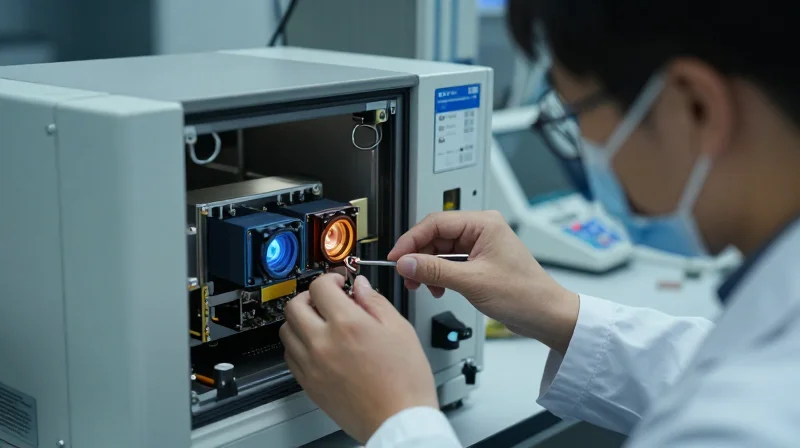
Ubytelink's Quality Assurance: Engineering for Mission-Critical Uptime
In the landscape of high-speed telecommunications, reliability is the primary metric of success; Ubytelink achieves this by subjecting every 10G SFP+ BIDI 20km module to a rigorous, multi-stage engineering validation process designed to eliminate infant mortality and ensure performance stability over a 20-year lifecycle. By integrating advanced diagnostics and automated testing platforms, Ubytelink guarantees that each transceiver maintains precise wavelength stability and signal integrity, even under the most demanding environmental conditions found in global metropolitan networks.
Thermal Cycling and Environmental Stress Screening
To ensure peak performance in diverse climates, Ubytelink modules undergo Extensive Thermal Cycling (ETC). This involves subjecting the hardware to rapid temperature fluctuations ranging from -40°C to +85°C within controlled environmental chambers. This process validates the structural integrity of the DFB laser housing and the reliability of the internal TOSA/ROSA components, preventing the thermal drift that often causes signal degradation in lower-tier modules during seasonal transitions or in unconditioned outdoor cabinets.
Signal Jitter Analysis and Eye-Pattern Verification
Signal integrity at 10Gbps is highly sensitive to jitter—the temporal deviation of a signal from its ideal position. Ubytelink employs high-bandwidth oscilloscopes to perform real-time Eye-Pattern analysis on every BIDI module. By maintaining a 'wide-open' eye diagram with significant margins above IEEE 802.3ae standards, Ubytelink ensures that the Bit Error Rate (BER) remains below 10^-12, providing a clean, stable data stream that minimizes retransmissions and maximizes effective throughput over the full 20km fiber span.
| Testing Parameter | Industry Standard (Generic) | Ubytelink Premium Standard |
|---|---|---|
| Burn-in Testing | 4-8 Hours | 24-48 Hours Continuous |
| Bit Error Rate (BER) | < 10^-10 | < 10^-12 (Exceeds IEEE) |
| Jitter Margin | 10% - 15% | > 25% (Optimized Integrity) |
| Switch Compatibility | Sample Testing | 100% Multi-Vendor Verification |
FAQ: Validating Ubytelink Reliability
- How does Ubytelink prevent wavelength drift over time?
We utilize high-precision DFB lasers with integrated temperature compensation circuits. During our QA process, the laser's center wavelength is monitored across its full operating temperature range to ensure it stays within the strict +/- 20nm window required for 1270/1330nm BIDI operations. - Is every module tested in actual network switches?
Yes, Ubytelink performs 'Real-World Switch Validation' where modules are tested for EEPROM coding accuracy and port recognition across major vendor platforms (Cisco, Juniper, Arista, etc.) to ensure 'plug-and-play' compatibility without software errors. - What is the importance of the 48-hour burn-in period?
The 48-hour burn-in period is critical for identifying potential hardware defects early in the lifecycle. By running the modules at high loads and elevated temperatures, we force 'infant mortality' failures to occur in our lab rather than in our customers' mission-critical production environments.
Broad Compatibility and Multi-Vendor Interoperability
Eliminating Proprietary Lock-in with Universal Compatibility
Ubytelink 10G SFP+ BIDI 20km solutions solve the critical challenge of vendor lock-in by offering transceivers that are engineered to be functionally identical to original manufacturer equipment (OEM) while maintaining broader hardware flexibility. In modern data centers and metropolitan networks, the ability to mix and match hardware from different vendors without compromising link stability is essential for maintaining supply chain resilience and optimizing capital expenditure. Ubytelink achieves this through a sophisticated software-defined approach to transceiver coding, ensuring that each module is recognized natively by the host system.
Extensive Multi-Vendor Verification
Every Ubytelink module undergoes a rigorous validation process within an extensive test bed featuring the latest switches and routers from industry leaders. This ensures that the Digital Optical Monitoring (DOM) interfaces and EEPROM data structures align perfectly with the specific requirements of various operating systems, including Cisco IOS, Arista EOS, and Juniper Junos. By adhering strictly to Multi-Source Agreement (MSA) standards, Ubytelink ensures that its 10G BIDI solutions provide the same plug-and-play experience as expensive branded alternatives.
| Feature | Ubytelink 10G BIDI 20km | Traditional OEM Modules |
|---|---|---|
| Vendor Flexibility | Multi-vendor compatible & re-programmable | Locked to specific brand hardware |
| MSA Compliance | Strict adherence for universal fit | Often uses proprietary identifiers |
| Cost Efficiency | 70-90% reduction in TCO | High premium for brand labeling |
| System Recognition | Native (recognized as 'Genuine') | Native (but restricted to own brand) |
| Availability | Immediate global stock | Often subject to long lead times |
Interoperability and Warranty Protection
- Does using Ubytelink modules void my network switch warranty?
No. Legally, under the Magnuson-Moss Warranty Act and similar international regulations, hardware manufacturers cannot void a warranty simply because a third-party component was used, provided the component does not cause direct damage. - How does Ubytelink ensure compatibility with newer firmware updates?
Our engineering team continuously monitors OEM firmware releases and updates our coding algorithms to ensure that modules remain fully compatible even after system-wide software upgrades. - Can one Ubytelink module work with multiple brands?
Yes, Ubytelink offers multi-coded options where a single transceiver can be programmed with multiple vendor signatures to support diverse hardware environments simultaneously.
By bridging the gap between high-performance optics and diverse hardware ecosystems, Ubytelink enables network architects to build scalable, high-density 10G networks that are not restricted by the arbitrary limitations of proprietary ecosystems. This interoperability is the cornerstone of a future-proof network strategy, allowing for seamless upgrades and vendor transitions as organizational needs evolve.
The Importance of Digital Optical Monitoring (DOM) in 20km Links

The Importance of Digital Optical Monitoring (DOM) in 20km Links
For 20km fiber spans, maintaining a precise power budget is non-negotiable. Digital Optical Monitoring (DOM), also known as Digital Diagnostic Monitoring (DDM), serves as the primary diagnostic interface for modern high-speed networks. In Ubytelink 10G SFP+ BIDI 20km solutions, DOM allows network administrators to monitor critical internal parameters such as transmit/receive power, temperature, and supply voltage in real-time. This telemetry is essential for identifying the root cause of link flapping or packet loss without requiring immediate physical site visits, effectively turning the transceiver into a sophisticated diagnostic tool.
Key Telemetry Parameters and Their Impact
| Monitoring Parameter | Functional Role | Critical Warning Indicators |
|---|---|---|
| Receiver (Rx) Power | Measures the incoming signal strength from the remote end. | Significant drops suggest fiber micro-bends or contaminated connectors. |
| Transmitter (Tx) Bias Current | Tracks the current required to drive the laser diode. | An upward trend often indicates laser aging or pending hardware failure. |
| Internal Temperature | Monitors the thermal state of the SFP+ internal circuitry. | Excessive heat can cause wavelength drift and increased bit error rates (BER). |
| Supply Voltage | Ensures the host switch provides stable electrical power. | Fluctuations can lead to intermittent module reboots and signal instability. |
Preemptive Troubleshooting and Link Integrity
Ubytelink modules implement DOM in accordance with the SFF-8472 industry standard, allowing for seamless integration with SNMP-based network management systems. By setting custom alarm and warning thresholds, administrators can receive automated alerts when a 20km link begins to show signs of degradation. For example, if a fiber cable is gradually stressed by environmental factors, the Rx power levels will reflect this change long before the link reaches a total failure state. This proactive approach allows for scheduled maintenance, drastically reducing emergency repair costs and ensuring mission-critical uptime across metropolitan and campus backbones.
Frequently Asked Questions: DOM Capabilities
- Does DOM usage impact the 10Gbps data throughput?
No, DOM operates over an independent I2C management interface and does not consume any of the bandwidth dedicated to data traffic. - Can I view DOM data through any standard switch CLI?
Yes, Ubytelink's adherence to multi-source agreements (MSA) ensures that diagnostic commands like 'show inventory' or 'show interfaces transceiver' will display real-time metrics on most major vendor platforms. - How does DOM help in 20km BIDI troubleshooting compared to standard duplex SFPs?
Since BIDI uses a single strand, DOM is vital for distinguishing between a transmitter issue at the local end and an attenuation issue on the single fiber path, simplifying the isolation of faults.
Deployment Use Cases: From Data Center Interconnects to 5G Backhaul
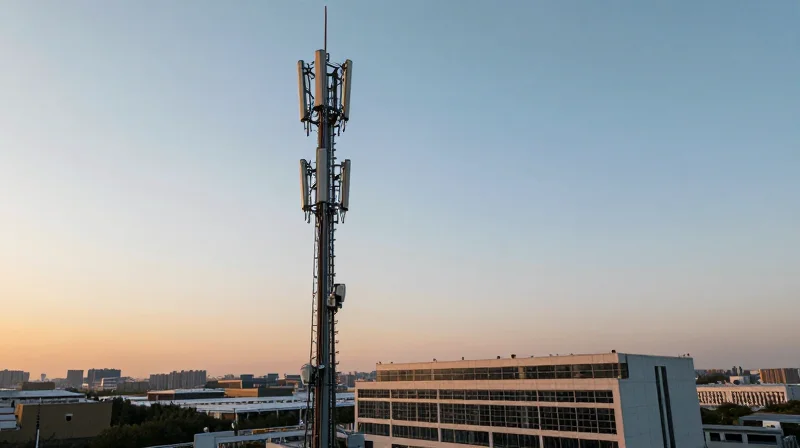
Strategic Deployment of Ubytelink 10G BIDI Solutions
The Ubytelink 10G SFP+ BIDI 20km module serves as a critical bridge in modern network architectures, offering a unique combination of high bandwidth and long-reach single-fiber communication. By utilizing bidirectional technology, these modules effectively double the capacity of existing fiber runs, making them the optimal choice for organizations facing fiber exhaustion or seeking to reduce deployment costs in metropolitan and campus environments.
Data Center Interconnect (DCI) and Business Continuity
In the realm of Data Center Interconnects, the 20km range is a 'sweet spot' for connecting geographically separated facilities within the same metropolitan area. Ubytelink’s 10G BIDI modules facilitate low-latency data replication and disaster recovery services. Because they operate over a single strand of fiber, enterprises can maintain redundant paths between sites without the prohibitive cost of leasing additional dark fiber pairs, ensuring high availability for mission-critical cloud services.
Accelerating 5G and 4G LTE Backhaul
Telecommunications providers are increasingly deploying Ubytelink BIDI modules to support the dense cell site requirements of 5G NR and 4G LTE networks. In 5G backhaul and mid-haul applications, where space in street cabinets and fiber availability are often limited, the 10G SFP+ BIDI 20km module provides a compact, energy-efficient solution. It handles the high throughput required for mobile data traffic while simplifying cabling at the cell tower and the central office.
Comparison of Key Deployment Scenarios
| Application | Key Requirement | Ubytelink BIDI Benefit |
|---|---|---|
| Data Center Interconnect | Low Latency & Redundancy | Halves fiber lease costs for metro links |
| 5G Mobile Backhaul | High Port Density | Simplifies fiber management in tight cabinets |
| Enterprise Campus | Long Distance Reliability | Connects remote buildings up to 20km with 10G speed |
| Metro Ethernet (ISP) | Infrastructure Scalability | Doubles capacity on existing single-mode fiber |
Enterprise Campus and Metro Ethernet
Beyond telcos and data centers, large-scale enterprise campuses—such as universities or industrial parks—utilize these modules to link remote buildings to a central core. The 20km reach is more than sufficient for most regional layouts, providing a robust 10Gbps backbone that supports bandwidth-heavy applications like HD video surveillance, large-scale VDI (Virtual Desktop Infrastructure), and synchronized research databases.
Frequently Asked Questions on Deployment
- Can these modules be used for shorter distances, like 2km?
Yes, they can. However, because the 20km laser is powerful, users should monitor the DOM readings to ensure the receiver power is within safe limits; if the signal is too strong, an optical attenuator may be needed to prevent sensor saturation. - Why choose BIDI over standard Dual Fiber SFP+ for a 20km link?
BIDI is the preferred choice when fiber resources are limited or expensive to lease. It allows for full-duplex 10G communication over a single strand, whereas standard modules require two strands, doubling your fiber infrastructure costs. - Are these modules compatible with outdoor environments?
Ubytelink offers industrial-grade temperature versions (I-Temp) of the 10G BIDI 20km modules, specifically designed to operate reliably in the unconditioned outdoor cabinets common in 5G and ISP deployments.
Energy Efficiency and Sustainability in Optical Networking
Energy Efficiency and Sustainability in Optical Networking
Energy efficiency has transitioned from a peripheral concern to a core requirement for modern network infrastructure. Ubytelink 10G SFP+ BIDI 20km modules are engineered with high-efficiency integrated circuits that typically consume less than 1.0W of power. By reducing the electrical demand per port, these modules significantly lower the aggregate power draw in high-density switch environments, directly contributing to a reduced carbon footprint and lower utility costs. This focus on low-power architecture ensures that global networks can scale performance without a linear increase in energy overhead.
Economic Impact of Power Optimization
| Metric | Standard 10G SFP+ Module | Ubytelink 10G SFP+ BIDI 20km |
|---|---|---|
| Typical Power Consumption | 1.2W - 1.5W | < 1.0W |
| Heat Dissipation | Moderate to High | Optimized Low |
| Cooling Requirements | Standard Fan Loads | Reduced Fan Speeds |
| Estimated OPEX Savings | Baseline | Up to 30% per port |
Thermal Management and System Reliability
Heat is the primary catalyst for optical component degradation. The BiDi technology utilized by Ubytelink allows for bidirectional traffic over a single fiber, which simplifies cabling, but the internal thermal management is what sets the hardware apart. Lower power consumption results in less heat being dissipated into the chassis. This reduction in thermal load lessens the strain on data center HVAC systems and internal switch fans, leading to quieter operation and a longer Mean Time Between Failures (MTBF) for both the transceiver and the host equipment.
Sustainability and Efficiency FAQ
- How does low power consumption affect signal integrity?
Ubytelink modules use advanced signal processing that maintains high-fidelity data transmission over 20km while optimizing the voltage required for the laser driver, ensuring efficiency does not compromise performance. - Does single-fiber BiDi technology contribute to sustainability?
Yes, by requiring 50% less fiber cabling compared to traditional dual-fiber solutions, BiDi technology reduces physical material waste and the energy embodied in the production and disposal of optical cables. - What is the ROI on choosing energy-efficient transceivers?
The ROI is realized through immediate reductions in electricity bills and cooling costs, combined with a longer replacement cycle due to reduced thermal degradation of the network hardware.
Ubytelink vs. Generic Optics: The Hidden Costs of Compromise
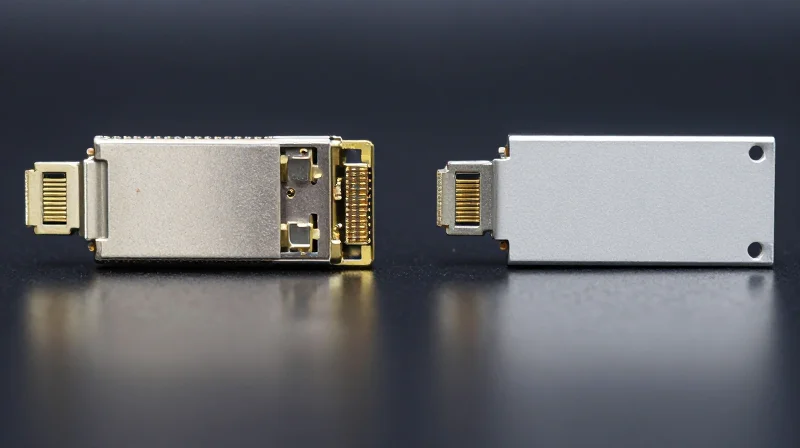
Ubytelink vs. Generic Optics: The Hidden Costs of Compromise
Choosing Ubytelink 10G SFP+ BIDI 20km solutions over generic, low-cost alternatives is a strategic decision that prioritizes network uptime and operational efficiency over marginal initial savings. While generic optics may offer a lower upfront price point, they frequently introduce hidden costs—such as intermittent link drops, hardware incompatibility, and higher failure rates—that can quickly exceed the initial investment through emergency maintenance and lost productivity.
The False Economy of Low-Cost Transceivers
Generic transceivers often utilize 'Grade B' or 'Grade C' components, including lasers with wider thermal tolerances and less efficient PCB designs. In a 20km BIDI deployment, where signal integrity is paramount, these deficiencies manifest as increased Bit Error Rates (BER) and sensitivity to temperature fluctuations. Ubytelink avoids these pitfalls by utilizing tier-one components and implementing a rigorous multi-stage testing process that ensures every module performs to its rated specifications in real-world environments.
| Feature | Ubytelink Premium Optics | Generic/Third-Party Optics |
|---|---|---|
| Quality Assurance | 100% individual burn-in and compatibility testing | Batch or statistical sample testing only |
| Component Grade | Tier-1 lasers and high-performance ICs | Variable or non-branded components |
| Compatibility | Custom-coded EEPROM for multi-vendor support | Standard coding; high risk of lockout |
| Failure Rate (AFR) | Extremely low (<0.1%) | Often 1% to 3% or higher |
| Long-term Stability | Consistent performance over 5+ years | Prone to 'laser aging' and early degradation |
Mitigating Operational Risk
The true cost of an optical module includes the labor required to troubleshoot and replace it. In a 20km link, a failure often requires a technician to visit a remote site or a service provider’s POP (Point of Presence). When a generic module fails prematurely, the cost of the truck roll, the downtime for the customer, and the administrative overhead of the RMA process far outweigh the $20-$50 saved during the initial purchase. Ubytelink modules are engineered for 'set-and-forget' reliability, significantly lowering the long-term TCO.
- Why does compatibility matter for 10G SFP+ BIDI modules?
Many switches (e.g., Cisco, Arista, HP) use proprietary handshake protocols. Ubytelink modules are programmed to emulate original vendor signatures, preventing 'unsupported transceiver' errors and port lockouts. - How does Ubytelink handle laser degradation compared to generics?
Ubytelink uses high-quality DFB (Distributed Feedback) lasers that maintain a stable wavelength over time, whereas generic lasers often suffer from 'drift' which leads to signal loss across 20km spans. - Is the power consumption really different between brands?
Yes. Ubytelink optimizes the internal PCB and IC layout to minimize power draw, whereas generics may use older, inefficient chipsets that generate more heat, shortening the lifespan of both the module and the switch port.
By integrating Ubytelink's 10G SFP+ BIDI 20km solutions, organizations can achieve a resilient, high-capacity network foundation that is prepared for future growth. Don't compromise on the quality of your optical backbone. Contact Ubytelink today to request a quote or consult with our technical team to optimize your network's performance.