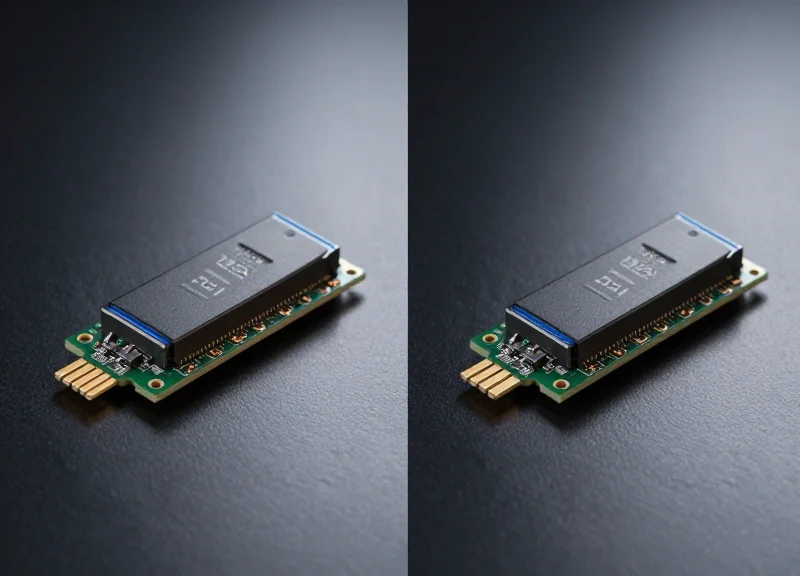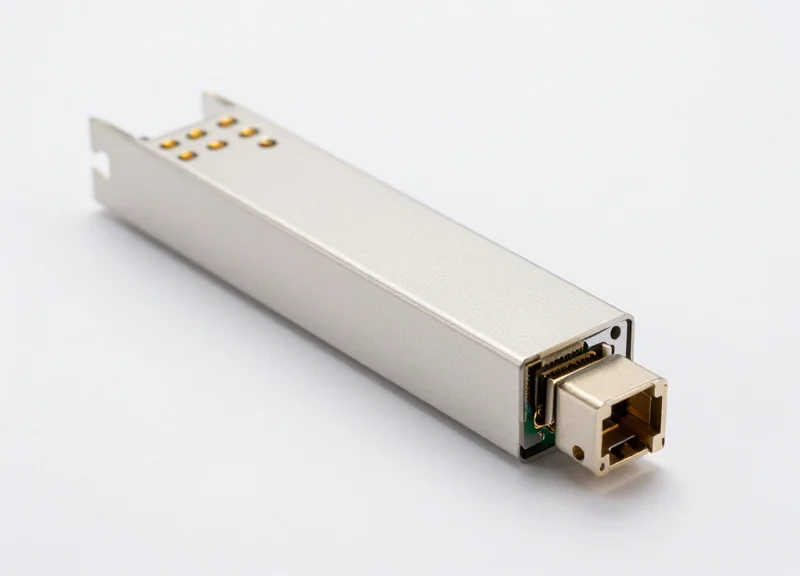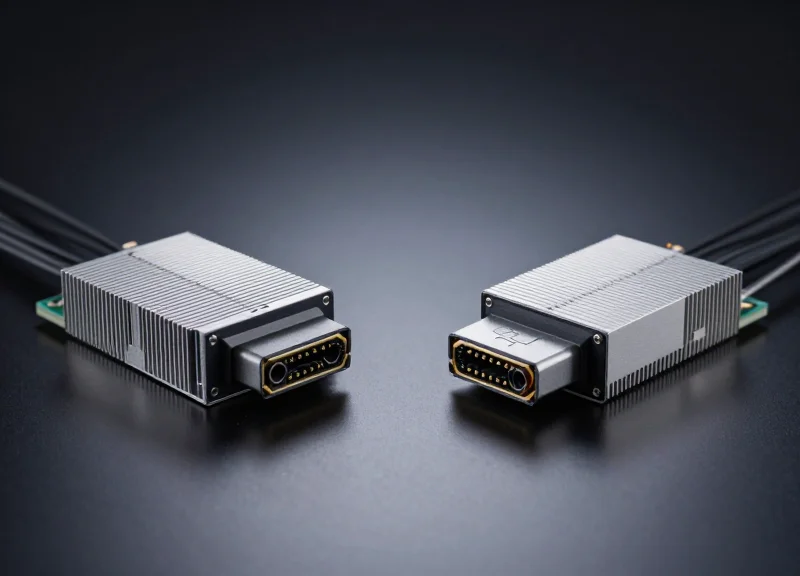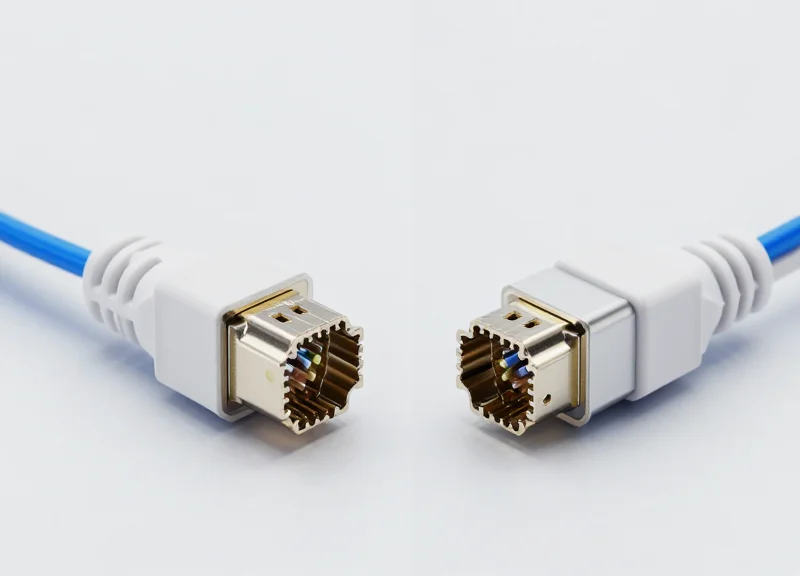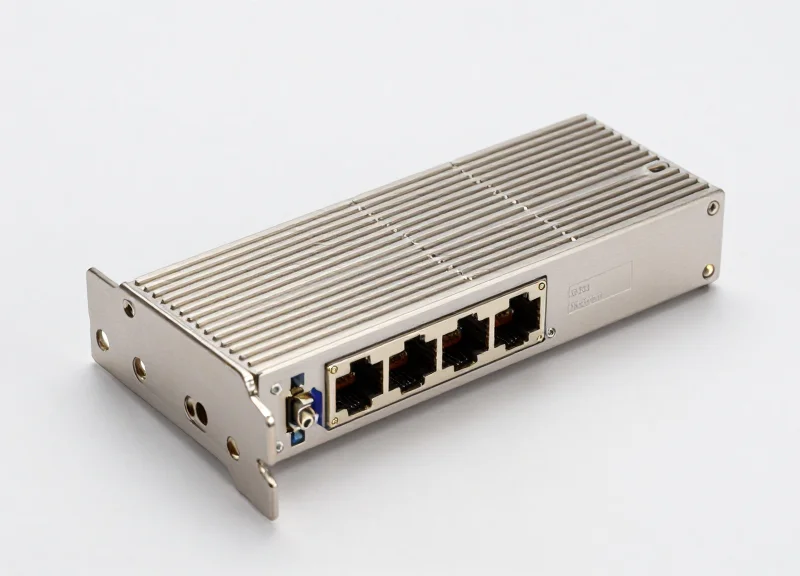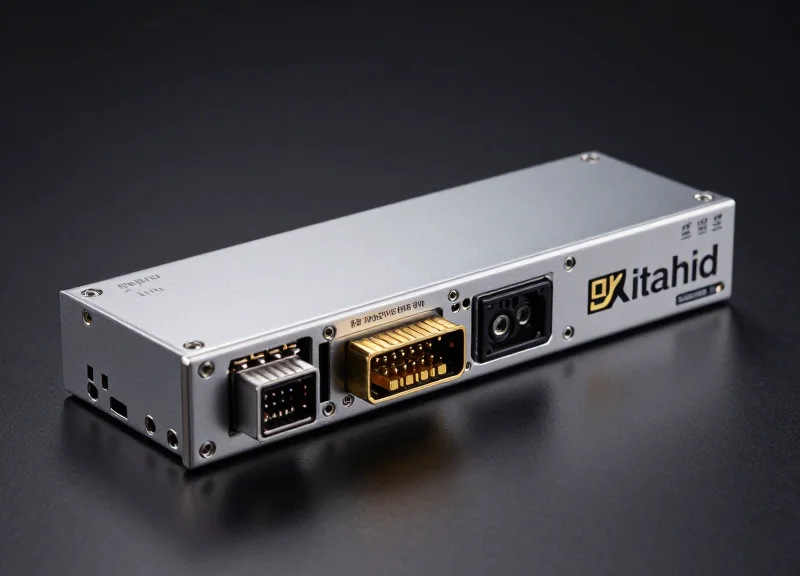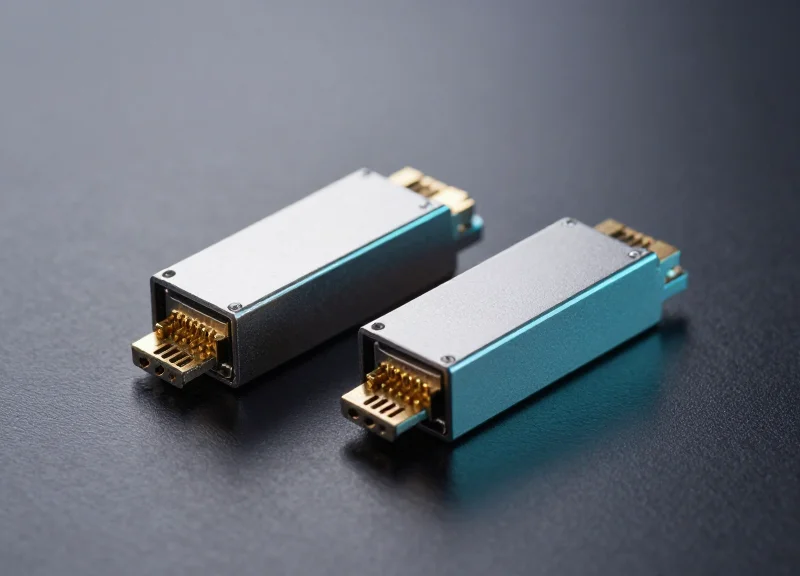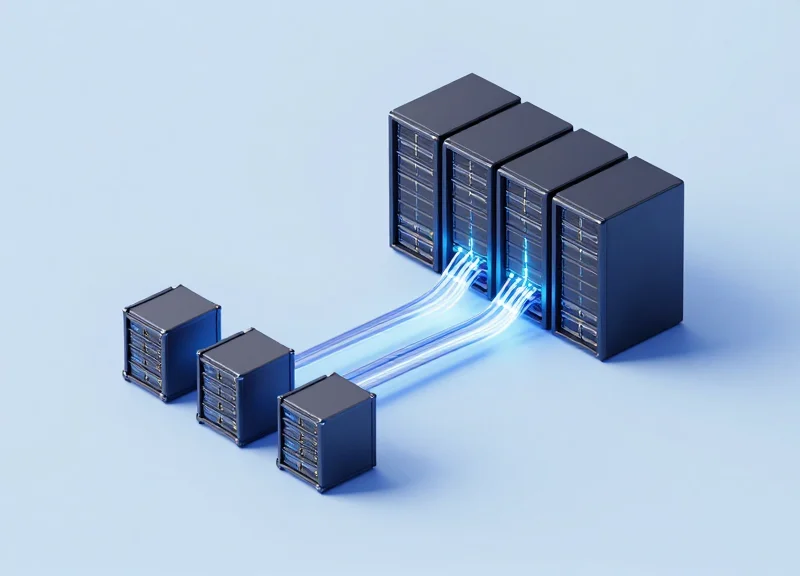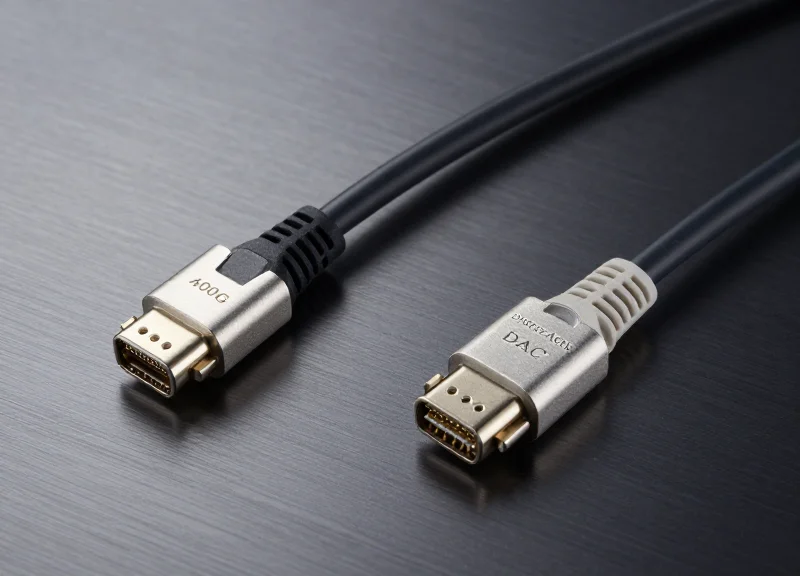
As global data demands skyrocket, the choice between 400G Active Optical Cables (AOC) and Direct Attach Copper (DAC) cables becomes a pivotal decision for network architects. This guide breaks down the technical nuances, performance metrics, and cost considerations, showcasing why Ubytelink is the preferred partner for high-reliability infrastructure.
The Rise of 400G Ethernet in Modern Data Centers

400G Ethernet has emerged as the definitive standard for modern networking, providing a fourfold increase in throughput over previous 100G standards to satisfy the insatiable bandwidth demands of hyper-scale data centers. As data traffic continues to surge due to the rapid adoption of generative AI and cloud-native applications, 400G offers the necessary scalability, improved power efficiency per bit, and the high-density interconnectivity required to maintain global network performance.
Drivers for 400G Adoption in the AI Era
The shift toward 400G is primarily driven by the massive computational requirements of Artificial Intelligence (AI) and Machine Learning (ML). These workloads require high-speed, low-latency communication between thousands of processing units. Traditional 100G fabrics are increasingly becoming bottlenecks, leading to higher latency and reduced efficiency. By migrating to 400G, operators can consolidate their physical infrastructure, reducing the number of ports and cables while significantly increasing total system throughput.
| Feature | 100G Ethernet | 400G Ethernet |
|---|---|---|
| Throughput | 100 Gbps | 400 Gbps |
| Modulation Type | NRZ / PAM4 | PAM4 |
| Fiber Efficiency | Standard | Ultra-High (8x50G or 4x100G) |
| Energy Efficiency | High Consumption per Bit | Low Consumption per Bit |
High-Density Interconnects: The Role of DAC and AOC
Achieving 400G speeds requires advanced physical layer solutions. Unlike lower speeds, 400G utilizes PAM4 modulation, which is more sensitive to signal loss and electromagnetic interference. This necessitates premium-quality interconnects like Direct Attach Cables (DAC) and Active Optical Cables (AOC). Ubytelink solutions are engineered to meet these rigorous standards, providing the signal integrity and thermal management necessary for high-density 400G environments.
- How does 400G improve data center ROI?
By providing higher port density and reducing the total number of cables needed, 400G lowers operational expenses (OPEX) and improves cooling efficiency within the rack. - Is 400G compatible with existing infrastructure?
Many 400G switches offer backwards compatibility with 100G via breakout cables, allowing for a phased migration to higher speeds without immediate full-scale hardware replacement.
400G DAC: The Efficiency Leader for Short-Range Links
400G DAC: The Efficiency Leader for Short-Range Links
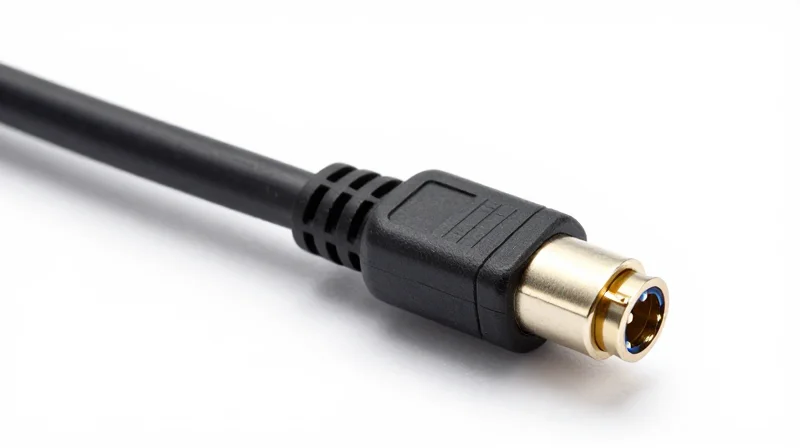
For short-range connections within a single rack or between adjacent cabinets, 400G Direct Attach Copper (DAC) cables are the industry's most efficient solution, providing high-bandwidth connectivity with zero power consumption and negligible latency. By utilizing a passive twinaxial copper design, these cables eliminate the need for optical-to-electrical conversion, making them the preferred choice for Top-of-Rack (ToR) switching architectures where distance requirements are minimal but performance demands are absolute.
The Passive Architecture: Power and Latency Benefits
The primary advantage of 400G DACs lies in their passive architecture. Unlike Active Optical Cables (AOCs), passive DACs do not contain active electronics for signal amplification or conversion. This lack of active components results in a 'zero power' profile—drawing less than 0.1W per cable—which significantly reduces the thermal load on high-density switches. Furthermore, the direct electrical path ensures sub-nanosecond latency, a critical requirement for high-frequency trading and AI training clusters where every microsecond impacts overall throughput.
| Feature | 400G Passive DAC Specification |
|---|---|
| Reach | 0.5m to 3m (typical), up to 7m |
| Power Consumption | Near Zero (<0.1W) |
| Latency | Minimal (No E-O conversion) |
| Reliability (MTBF) | Extremely High (No active components) |
| Data Rate | 400Gbps (8x50G PAM4) |
Optimizing Top-of-Rack (ToR) Deployments
In modern high-density environments, 400G DACs are the standard for connecting servers to Top-of-Rack switches. Their robustness and ease of deployment make them ideal for high-volume installations. While copper becomes physically bulky at longer lengths (due to the lower AWG required for signal integrity), at distances under 3 meters, it offers a balance of cost-effectiveness and performance that optical solutions cannot match. Ubytelink's 400G DAC solutions utilize high-quality shielding to minimize electromagnetic interference (EMI), ensuring stable links even in crowded cabling environments.
Implementation FAQ
- Why is DAC preferred over AOC for connections under 3 meters?
DAC is significantly more cost-effective and energy-efficient for short distances. At these lengths, signal degradation over copper is negligible, making the complexity and cost of optical transceivers unnecessary. - How does 400G DAC impact cooling costs?
Because passive DACs generate almost no heat, they reduce the total heat dissipation requirements of the rack. This allows for more efficient airflow management and lower operational expenses related to cooling infrastructure. - Are 400G DACs compatible with all 400G ports?
Generally, yes, provided the form factor (QSFP-DD or OSFP) matches. However, it is essential to ensure the switch firmware supports the specific DAC EEPROM for seamless plug-and-play operation.
400G AOC: Overcoming Distance and EMI Challenges
400G AOC: Overcoming Distance and EMI Challenges
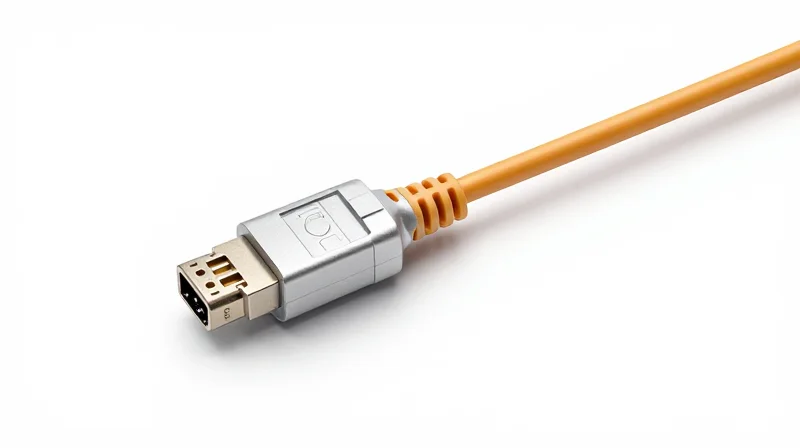
Active Optical Cable (AOC) technology represents the critical middle ground in the Ubytelink 400G AOC vs DAC Solutions landscape, offering a reach of up to 100 meters while maintaining the plug-and-play simplicity of a single cable assembly. By converting electrical signals to optical pulses within the transceiver ends, 400G AOCs bypass the physical limitations of copper, ensuring high-speed data transmission remains stable over distances where passive DACs would succumb to signal attenuation and noise.
Solving the Copper Weight and Bulk Constraint
One of the most immediate advantages of 400G AOC is the significant reduction in physical mass. At the 400G threshold, copper cables require heavy shielding and thicker gauges to maintain signal integrity, leading to stiff, bulky assemblies that can block airflow and strain switch ports. AOCs utilize lightweight optical fibers that are much thinner and more flexible, allowing for cleaner cable management and improved thermal efficiency within high-density server racks.
| Feature | 400G DAC (Copper) | 400G AOC (Optical) |
|---|---|---|
| Maximum Distance | Up to 7m | Up to 100m |
| Cable Diameter | Thick and Heavy | Thin and Lightweight |
| Bending Radius | Large (Restricted) | Small (Flexible) |
| EMI Susceptibility | Moderate to High | Immune |
EMI Immunity and Signal Integrity
Electromagnetic Interference (EMI) is a major concern in modern AI and cloud facilities where thousands of cables are bundled together. Unlike copper, which acts as an antenna for electronic noise, the dielectric glass fiber within a 400G AOC is non-conductive and inherently immune to EMI. This ensures that Ubytelink AOC solutions deliver a consistent, low-latency environment even in the most crowded and electrically noisy data center layouts.
- When should I choose AOC over DAC for 400G?
AOC is the ideal choice when your link distance exceeds 7 meters or when rack airflow and cable weight are critical constraints for your hardware longevity. - Is 400G AOC compatible with standard QSFP-DD ports?
Yes, Ubytelink 400G AOCs are designed for full compatibility with standard MSA-compliant ports, providing a seamless upgrade path for global networks. - How does AOC power consumption compare?
While AOCs consume more power than passive DACs due to the electrical-to-optical conversion components, they remain more energy-efficient than using separate long-range transceivers and patch cords.
Key Performance Comparison: Power, Reach, and Signal Integrity
Key Performance Comparison: Power, Reach, and Signal Integrity
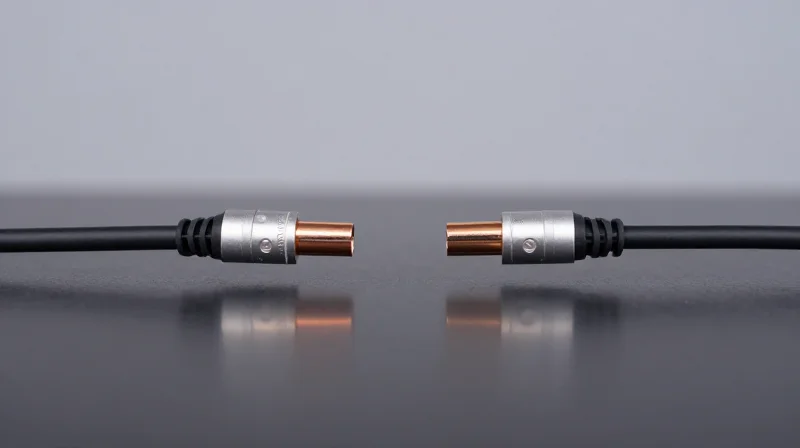
The selection between 400G DAC and AOC is fundamentally a balance of operational efficiency versus transmission range; while DACs provide near-zero power consumption and ultra-low latency for short-range links, AOCs offer the reach and electromagnetic immunity required for complex, high-density inter-rack cabling.
Power Dissipation and Thermal Efficiency
Power efficiency is a critical metric for hyperscale data centers aiming to reduce Total Cost of Ownership (TCO). Passive 400G DACs are the champions of energy efficiency because they do not contain active electronics for signal amplification or conversion, resulting in negligible power draw (typically less than 0.1W per end). Conversely, 400G AOCs require active components to drive the electrical-to-optical (E-O) and optical-to-electrical (O-E) conversions. These modules typically consume between 2W and 4.5W per end, which contributes to the overall thermal load that cooling systems must manage.
| Technical Attribute | 400G Passive DAC | 400G Active Optical Cable |
|---|---|---|
| Maximum Reach | 3 to 7 meters | Up to 100 meters (OM4) |
| Power Consumption | < 0.1W (Passive) | 1.5W to 4.5W per end |
| Latency | Near-Zero | Micro-delays due to E-O conversion |
| EMI Immunity | Susceptible to interference | Complete immunity |
| Cable Weight/Bulk | Heavy and thick | Lightweight and thin |
| Typical Application | Intra-rack (ToR to Server) | Inter-rack (Switch to Switch) |
Signal Integrity and Bit Error Rate (BER)
Maintaining signal integrity at 400G speeds is challenging due to the high frequency of PAM4 modulation. DACs are highly effective over very short distances, but signal degradation (insertion loss) increases rapidly as the copper cable length grows. Ubytelink 400G AOCs mitigate this by using optical fiber, which is inherently immune to electromagnetic interference (EMI). This ensures a stable Bit Error Rate (BER) across the entire 100-meter span, even in environments with high electrical noise. Both solutions typically operate within a Post-FEC (Forward Error Correction) BER of 1E-12, but AOCs provide more 'headroom' for signal stability over distance.
Performance FAQ
- Which solution is better for liquid-cooled environments?
DACs are often preferred in immersion cooling or high-density liquid-cooled racks due to their passive nature and lack of heat-generating optical components. - Does 400G AOC latency impact AI training performance?
The latency introduced by optical conversion in AOCs is in the nanosecond range. While DACs are technically faster, the difference is negligible for most AI workloads compared to the latency introduced by network protocols. - Why is reach limited to 7 meters for 400G DAC?
At 400G speeds, the electrical signal in copper attenuates so rapidly that any distance beyond 7 meters usually results in unrecoverable data loss without active signal reconditioning (ACC/ACC/AEC).
The Ubytelink Engineering Edge: Quality Without Compromise
The Ubytelink Engineering Edge: Quality Without Compromise
Ubytelink's approach to 400G interconnect technology is defined by a refusal to accept the industry-standard margin for error. While generic solutions may meet baseline specifications, Ubytelink engineering focuses on exceeding the physical and electrical requirements of high-density data centers. By integrating premium materials with sophisticated signal processing, our AOC and DAC solutions provide a stable, low-latency foundation for global networks, ensuring that every link contributes to total system uptime rather than becoming a point of failure.
Rigorous Testing for Mission-Critical Environments
Every Ubytelink 400G cable undergoes a battery of stress tests that simulate the harshest data center conditions. This includes thermal cycling to ensure component longevity and Bit Error Rate (BER) testing that surpasses IEEE standards. Our manufacturing process utilizes automated optical inspection and high-frequency signal integrity analysis to detect even the most minute manufacturing deviations before a product leaves the facility.
| Testing Parameter | Ubytelink Standard | Industry Standard |
|---|---|---|
| Bit Error Rate (BER) Performance | Pre-FEC BER < 1E-15 | Pre-FEC BER < 1E-12 |
| Temperature Durability | -20°C to +85°C (Extended) | 0°C to +70°C (Commercial) |
| Interoperability Validation | 100+ OEM Platform Matrix | Basic MSA Compliance |
| Signal Integrity Testing | Full 400G PAM4 Eye Diagram Analysis | Standard Sampling Analysis |
Global Interoperability and Hardware Compatibility
One of the greatest challenges in 400G deployment is ensuring that interconnects work seamlessly across a heterogeneous hardware environment. Ubytelink solves this through a comprehensive compatibility lab where our cables are tested against the latest switches and routers from industry leaders like Cisco, Arista, Juniper, and Mellanox. This cross-platform validation guarantees that our AOC and DAC solutions are 'plug-and-play,' eliminating the configuration headaches often associated with high-speed network expansions.
- How does Ubytelink ensure signal integrity over 400G DAC?
We use high-purity silver-plated copper conductors and precision-engineered EEPROM coding to minimize insertion loss and crosstalk in short-reach 400G connections. - What environmental durability tests are performed?
All cables undergo rigorous humidity, vibration, and thermal shock testing to ensure they can withstand the mechanical and environmental stresses of high-density racks. - Is Ubytelink 400G hardware vendor-locked?
No. Our engineering edge lies in our ability to provide multi-coded solutions that are fully compatible with any major OEM equipment, offering global network architects maximum flexibility.
Deployment Strategies: Choosing the Right Solution for Your Architecture
Deployment Strategies: Choosing the Right Solution for Your Architecture
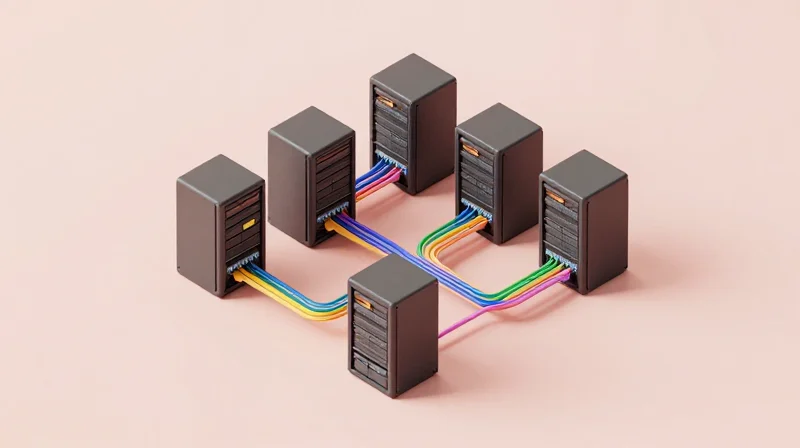
Determining whether to deploy DAC or AOC solutions within a 400G ecosystem depends primarily on the physical distance between endpoints and the specific thermal constraints of the environment. While Ubytelink 400G DACs offer unmatched cost-effectiveness and zero-power consumption for short-range intra-rack connections, Ubytelink 400G AOCs are the superior choice for inter-rack and spine-leaf architectures that require longer reach and lighter cabling for improved airflow.
Optimizing Intra-Rack Density with DAC
For Top-of-Rack (ToR) switches connecting to local servers or storage arrays, the Ubytelink 400G DAC is the standard recommendation. Since these connections typically span less than 2.5 meters, the passive copper medium provides the lowest latency profile and significantly reduces the overall heat load on the switch. This is critical in high-density AI and HPC clusters where every watt saved in the interconnect translates to more power available for the compute units.
Spine-Leaf and Inter-Row Connectivity with AOC
When bridging distances between 5 and 100 meters, such as connections from leaf switches to the network spine, Ubytelink 400G AOCs provide the necessary reach without the bulk of heavy copper cabling. The thinner, more flexible optical fibers allow for tighter bend radii and clearer cable management paths, which is essential for maintaining optimal airflow and preventing thermal hotspots in large-scale data centers.
| Deployment Scenario | Preferred Solution | Typical Distance | Key Advantage |
|---|---|---|---|
| Intra-Rack Server-to-ToR | Ubytelink 400G DAC | 0.5m - 2.5m | Lowest cost & zero power usage |
| Inter-Rack Leaf-to-Spine | Ubytelink 400G AOC | 5m - 30m | EMI immunity & flexible routing |
| End-of-Row Core Networking | Ubytelink 400G AOC | 30m - 100m | High-speed reach over long spans |
Deployment Best Practices FAQ
- Can I use DAC for distances over 5 meters at 400G?
No, at 400G speeds using PAM4 signaling, signal degradation over copper becomes significant beyond 2.5-3 meters. For any distance exceeding 3 meters, AOC or transceivers are required. - When should I prioritize AOC over DAC in short runs?
AOC should be prioritized even in short runs if the environment is prone to electromagnetic interference (EMI) or if the cable trays are so congested that the thickness of DAC cables would impede cooling airflow. - How does Ubytelink ensure compatibility across different vendor switches?
Ubytelink solutions undergo multi-vendor interoperability testing to ensure that the EEPROM coding and signal integrity parameters meet the strict requirements of major hardware manufacturers.
Total Cost of Ownership (TCO) in 400G Infrastructure
Total Cost of Ownership (TCO) in 400G Infrastructure
In the context of Ubytelink 400G AOC vs DAC solutions, TCO is defined by the equilibrium between immediate hardware acquisition costs (CAPEX) and the multi-year trajectory of energy consumption, maintenance, and infrastructure flexibility (OPEX). While DACs represent the lowest entry cost for short-range links, Ubytelink AOCs often provide a more sustainable ROI in high-density environments by reducing physical congestion and optimizing thermal management across the global network lifecycle.
CAPEX vs. OPEX: The Real Cost of Connectivity
Capital Expenditure (CAPEX) for 400G DACs is significantly lower, making them the default choice for top-of-rack (ToR) switching within a 2-to-3-meter radius. However, the Operational Expenditure (OPEX) of traditional copper increases as cable density grows. The heavy weight of copper puts physical strain on port connectors and complicates cable management. Ubytelink 400G AOCs, though carrying a higher initial price point, mitigate these hidden costs through superior reach and ease of installation, which accelerates deployment timelines and reduces labor-related expenses.
| TCO Metric | 400G DAC (Direct Attach) | 400G AOC (Active Optical) |
|---|---|---|
| Initial Purchase (CAPEX) | Lowest | Moderate to High |
| Power Usage (Per Link) | Near Zero (~0.1W) | ~2.5W to 4.5W |
| Cooling Impact | High (Obstructs Airflow) | Low (Optimal Airflow) |
| Cable Management | Difficult (Heavy/Rigid) | Easy (Light/Flexible) |
| Maintenance & Replacement | Low (Passive) | Moderate (Active components) |
Thermal Efficiency and Airflow Optimization
Airflow is a critical, yet often overlooked, component of OPEX. The thick gauge required for 400G DACs (often 26AWG to 30AWG) can significantly obstruct exhaust paths in high-density racks. This obstruction forces cooling fans to run at higher RPMs, increasing total energy consumption for the data center. In contrast, the thin, lightweight profile of Ubytelink AOCs ensures unobstructed airflow. This 'thermal tax' on DACs often offsets their power savings in large-scale deployments, making AOCs the more cost-effective choice for modern liquid-cooled or high-airflow data centers.
- Is DAC always the cheapest option for 400G?
Only for intra-rack distances under 3 meters. Beyond this, signal integrity issues and cable bulk increase management costs that often negate the initial price savings. - How does Ubytelink ensure AOC longevity?
By utilizing premium VCSEL components and conducting rigorous burn-in testing to minimize the Failure in Time (FIT) rate, reducing the OPEX associated with hardware replacement. - Does AOC power consumption impact the bottom line?
While AOCs consume more power than passive DACs, the energy used is often offset by the reduced energy required for rack cooling due to better airflow.
Ultimately, selecting the right Ubytelink solution depends on the specific lifecycle of the infrastructure. For 1-3 year rapid-refresh cycles in standard racks, DACs dominate. However, for 5-7 year stable architectures requiring premium quality and density, the long-term reliability and thermal flexibility of Ubytelink AOCs provide a superior total value proposition.
Future-Proofing Global Networks with Ubytelink Reliability

Future-Proofing Global Networks with Ubytelink Reliability
In an era where data demands double nearly every two years, future-proofing global networks requires more than just raw speed; it necessitates a foundation of reliability and scalability. Ubytelink addresses this by delivering 400G AOC and DAC solutions that are engineered to maintain signal integrity under the most strenuous thermal and mechanical conditions. By selecting Ubytelink, network architects ensure that their current infrastructure investments are compatible with the evolving standards of the next decade, specifically the transition from 400G to 800G and eventually 1.6T environments.
The Roadmap to 800G and Beyond
The migration to 800G involves more than just swapping transceivers; it requires a holistic approach to cable density and power efficiency. Ubytelink's 400G series utilizes high-grade silicon and precision manufacturing that mirrors the tighter tolerances required for 112G SerDes lanes used in next-generation 800G systems. This forward-compatibility logic ensures that cable management systems and switch port densities can scale without requiring a complete overhaul of the physical layer, allowing for a phased and cost-effective upgrade path.
| Metric | Ubytelink 400G Implementation | Future 800G Transition Path |
|---|---|---|
| Signal Modulation | PAM4 (56G/112G) | PAM4 (112G/224G) Evolution |
| Heat Management | Low-power Silicon Design | Liquid Cooling Ready Compatibility |
| Interoperability | Multi-Vendor MSA Compliant | Forward-Compatible OSFP/QSFP-DD800 |
Maintaining Stability for Mission-Critical Services
Reliability in mission-critical sectors—such as high-frequency trading, healthcare, and hyperscale cloud services—cannot be compromised. Ubytelink employs rigorous Bit Error Rate Testing (BERT) and thermal cycling to ensure that every AOC and DAC exceeds industry standards for uptime. This commitment to quality minimizes the risk of link flapping or packet loss, which are common failure points in lower-tier cabling solutions as they age or operate under high-density heat loads.
- Will Ubytelink 400G cables work in 800G-capable switches?
Yes, Ubytelink designs its QSFP-DD and OSFP modules to be backward compatible, allowing 400G solutions to operate in 800G ports through breakout configurations or standard legacy support modes. - How does Ubytelink ensure long-term durability?
Each cable undergoes extensive environmental stress testing, ensuring the copper in DACs and the optics in AOCs maintain performance for a lifecycle exceeding 5-7 years of continuous operation. - Is there a significant difference in latency when moving toward higher speeds?
Ubytelink optimizes the DSP and signal processing in AOCs to keep latency at a minimum, ensuring that as networks scale to 800G, the physical layer latency remains negligible for real-time applications.
Selecting the right 400G interconnect is a balance of distance, power, and cost. Ubytelink provides the premium AOC and DAC solutions needed to power the world's most demanding data centers. Visit our product catalog today to find the perfect fit for your network or contact our sales engineering team for a personalized consultation.