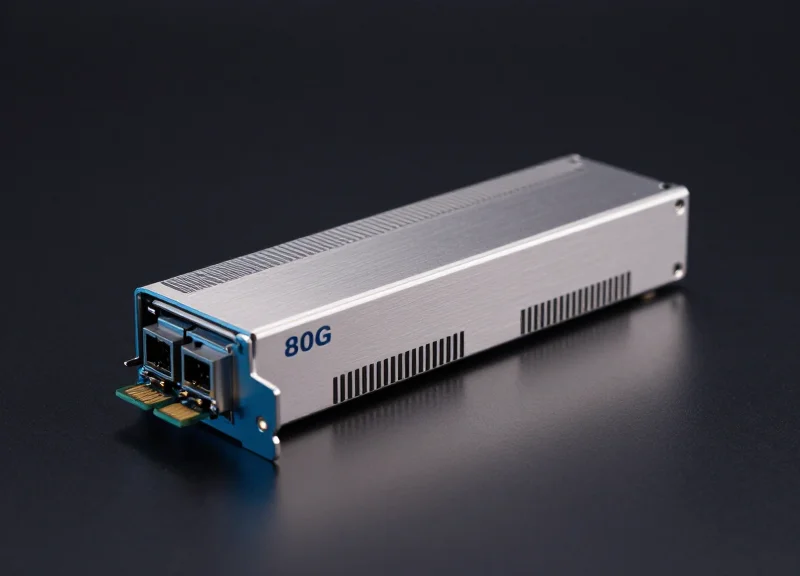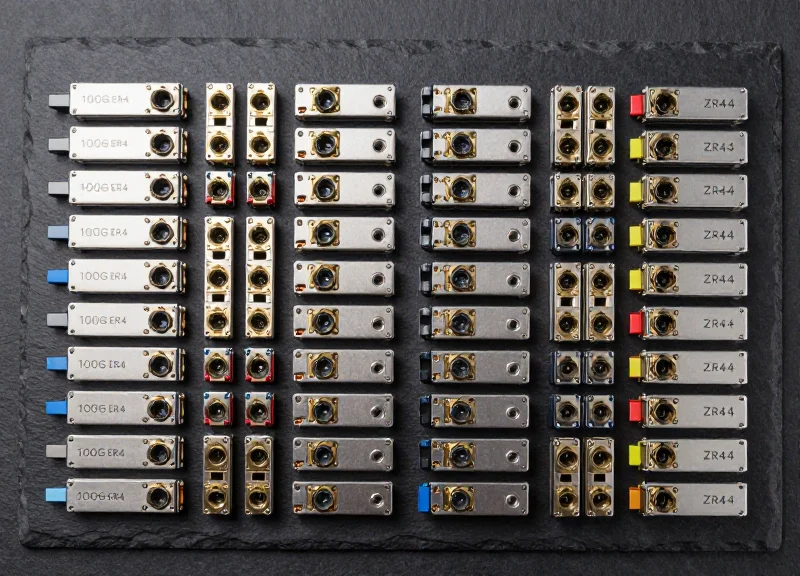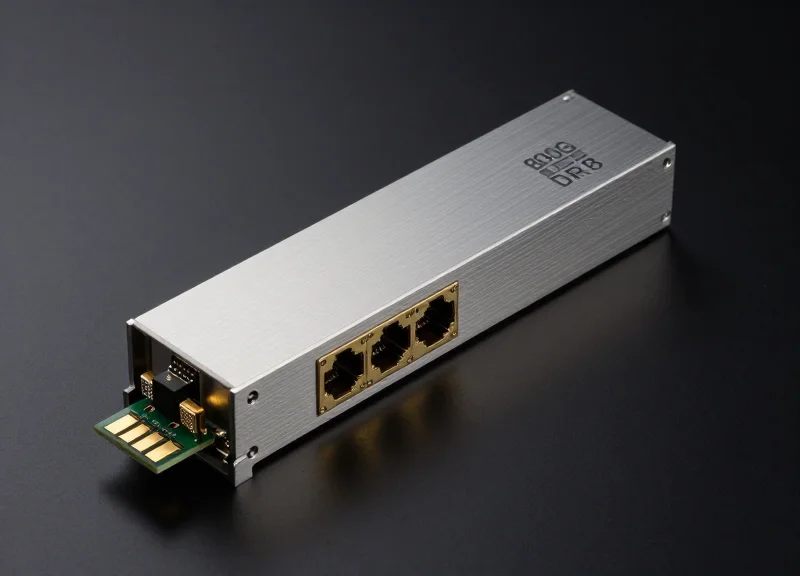
As enterprise data demands skyrocket in 2026, IT leaders are facing the dual challenge of scaling network capacity while managing tightening budgets. Core switch modules represent the backbone of this infrastructure, yet off-the-shelf solutions often carry a 'brand-name premium' that hinders growth. This article explores how pivoting to wholesale procurement and leveraging OEM/ODM partnerships can provide the technical flexibility and cost-efficiency needed to build a world-class enterprise network.
The Strategic Importance of High-Performance Core Switch Modules

The Strategic Importance of High-Performance Core Switch Modules
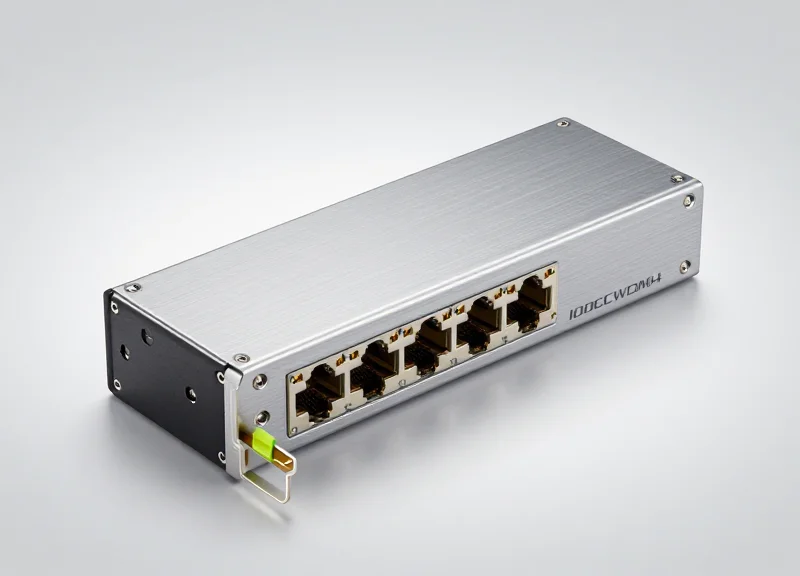
Core switch modules represent the central nervous system of the enterprise network, acting as the primary aggregation point for all traffic across the organization. Their strategic importance lies in their ability to provide non-blocking switching fabric, ensuring that data packets move between subnets and data centers with near-zero delay. In the current landscape of 2026, where AI-driven workloads and cloud-native applications dominate, the selection of high-performance modules determines whether a network scales gracefully or becomes a bottleneck for digital transformation.
Critical Performance Metrics at the Network Core
| Metric | Impact on Network Performance | Typical Enterprise Requirement |
|---|---|---|
| Throughput | Determines the total volume of data processed per second | Terabits per second (Tbps) |
| Latency | Affects the speed of real-time application response | Micro-second (μs) range |
| Packet Buffer Size | Prevents data loss during sudden traffic bursts | 32MB to 128MB+ per module |
| Reliability | Ensures continuous uptime for mission-critical services | 99.999% (Five Nines) |
Modern core switch modules utilize specialized Application-Specific Integrated Circuits (ASICs) to execute wire-speed switching. This hardware-level processing is vital for maintaining low latency in environments such as high-frequency trading, healthcare imaging, and large-scale virtualization. Wholesale procurement of these modules allows enterprises to standardize their hardware, ensuring consistent performance profiles across multiple geographic sites.
Maximizing Data Center Reliability and Scalability
Reliability at the core layer is non-negotiable. High-performance modules are engineered with hardware redundancy features, including dual supervisor engines and hot-swappable components. By investing in enterprise-grade modules at bulk pricing, organizations can implement N+1 or 2N redundancy strategies that protect against hardware failure and facilitate seamless firmware updates without service interruption.
- Why are core modules considered the brain of the network?
They manage the most complex routing and switching decisions, directing high-volume traffic from the access and distribution layers to the appropriate destination with maximum efficiency. - How do high-performance modules influence Total Cost of Ownership (TCO)?
While the initial investment is higher, their longevity, reduced energy consumption per gigabit, and prevention of costly downtime result in a significantly lower TCO over a 5-7 year lifecycle. - What is the benefit of buying core switch modules wholesale in 2026?
Wholesale purchasing provides access to custom quotes and bulk pricing, allowing enterprises to secure high-density 400G and 800G capabilities at a lower price-per-port during global supply chain shifts.
Maximizing ROI Through Wholesale Procurement Strategies

Unlocking Value Through Economies of Scale
Direct wholesale procurement is the most effective lever for reducing the Total Cost of Ownership (TCO) in data center environments. By moving away from transactional, small-batch purchasing, enterprises can access tiered pricing structures that significantly lower the cost-per-port. In 2026, as hardware manufacturers face fluctuating component costs, locking in bulk rates ensures that your network expansion projects remain under budget while securing the high-performance modules necessary for high-density 100G and 400G environments.
| Order Volume (Units) | Estimated Discount Range | Primary ROI Driver |
|---|---|---|
| 1-5 Modules | MSRP / Standard | Immediate Deployment |
| 6-20 Modules | 10% - 18% | Reduced Per-Unit Cost |
| 21-50+ Modules | 20% - 35% / Custom Quote | Logistics & Lifecycle Savings |
Logistical Efficiency and Shipping Consolidation
Beyond the sticker price of the hardware, wholesale strategies minimize 'hidden' procurement costs. Shipping individual modules across multiple dates leads to redundant customs fees, fragmented receiving labor, and increased carbon footprints. Bulk ordering allows for consolidated logistics, where a single shipment can fulfill an entire data center row upgrade. This synchronization reduces administrative overhead for procurement teams and ensures that all components arrive simultaneously, preventing installation bottlenecks and costly project delays.
Long-term Budget Predictability and Risk Mitigation
In the volatile market of enterprise networking, price protection is a critical component of ROI. Wholesale agreements often include price-lock clauses for a set period, shielding the organization from mid-year inflation or supply chain disruptions. Furthermore, standardized bulk purchasing ensures hardware uniformity across the network, which simplifies spare parts management and reduces the training burden on IT staff who would otherwise need to manage a heterogeneous mix of module revisions.
Strategic Wholesale FAQ
- How do custom quotes differ from standard bulk pricing?
Custom quotes allow for 'mix-and-match' configurations, where organizations can combine different line cards, optics, and supervisor modules into a single volume-discounted package tailored to specific throughput needs. - Can wholesale procurement assist with hardware lifecycle management?
Yes. By purchasing in bulk, organizations can synchronize their refresh cycles, making it easier to negotiate trade-in credits or secondary market resale when the hardware reaches end-of-life. - What is the impact of bulk purchasing on warranty and support?
Most wholesale agreements for core modules include consolidated support contracts (such as SmartNet or equivalent), which offer a single renewal date and often a lower aggregate service cost than individual contracts.
Ultimately, maximizing ROI through wholesale procurement is not just about the initial discount; it is about building a scalable, predictable financial model for the network's core. By partnering with authorized wholesale distributors, enterprises gain the transparency and technical support needed to ensure that every dollar spent on core switch modules translates directly into network uptime and business agility.
The OEM/ODM Advantage: Tailoring Hardware to Your Network
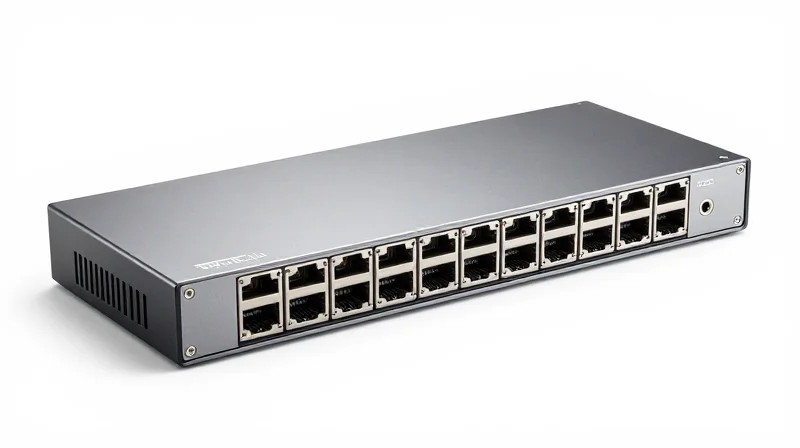
For organizations managing complex data center environments, off-the-shelf components often force compromises in port density, power efficiency, or protocol support; leveraging OEM/ODM advantages allows for hardware that fits the network architecture, rather than forcing the network to accommodate rigid hardware constraints. By tailoring the physical and logical layers of core switch modules, enterprises can optimize for specific latency thresholds and proprietary software integrations that are unattainable through standard retail channels.
Bridging the Gap Between Generic Specs and Specific Needs
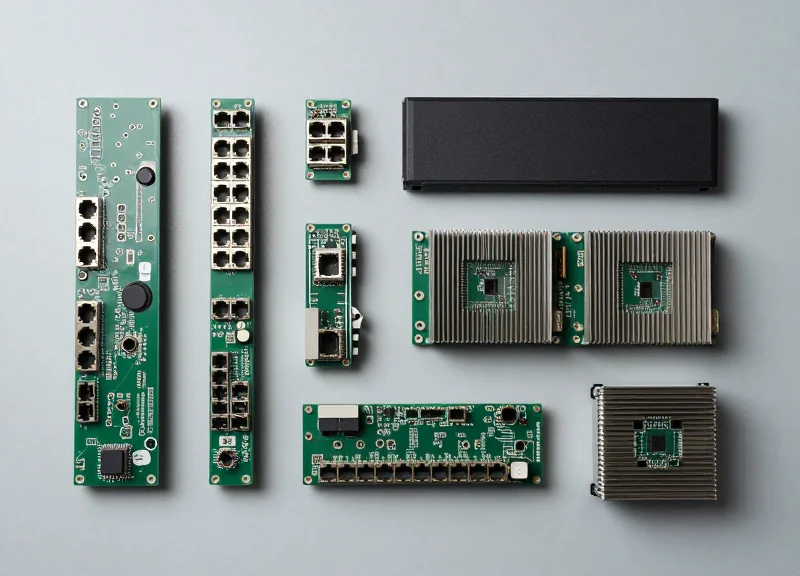
Original Equipment Manufacturers (OEM) and Original Design Manufacturers (ODM) provide a pathway for large-scale enterprises to influence the internal architecture of their core switch modules. In 2026, as AI-driven workloads and the transition to 400G/800G infrastructures accelerate, standard thermal profiles and generic ASIC configurations may fail to meet localized cooling or power delivery standards. The custom route ensures that every module is engineered for the specific airflow, voltage, and signal integrity requirements of your unique facility.
| Feature | Standard Retail Modules | OEM/ODM Bespoke Modules |
|---|---|---|
| Port Configuration | Fixed/Pre-defined | Fully Customizable Mix (Copper/Fiber) |
| Firmware Control | Proprietary/Locked | Open-source or Custom BIOS Support |
| Thermal Management | Generic Airflow Designs | Optimized for Specific Data Center Aisles |
| Branding & ID | Vendor Branding Only | White-label or Client-specific Labeling |
Technical Benefits of ODM Integration
- Can custom modules reduce long-term power consumption?
Yes, by removing unnecessary auxiliary chips and optimizing the power delivery circuit for specific workload profiles, ODM modules can significantly lower the total cost of ownership through energy savings. - Is it possible to integrate specialized security hardware?
Absolutely. ODM services allow for the integration of specific Trusted Platform Modules (TPM) or custom encryption chips directly onto the PCB, enhancing hardware-level security. - What is the typical lead time for custom designs?
While custom engineering adds time to the initial phase, wholesale partners often streamline the manufacturing process to ensure that once a design is finalized, bulk production matches the speed of retail fulfillment.
Future-Proofing with Open Networking Standards
Modern ODM modules frequently embrace open networking standards, such as ONIE (Open Network Install Environment). This allows enterprises to decouple their hardware investment from software licenses, providing the freedom to switch Network Operating Systems (NOS) without replacing the physical core switch modules. This flexibility is a cornerstone of the ODM advantage, preventing vendor lock-in and ensuring that bulk hardware remains an asset even as the software stack evolves over the coming years.
Critical Technical Specifications for 2026 Architectures

In 2026, the technical landscape for enterprise core switch modules is defined by a relentless push toward 400G throughput, extreme port density, and hardware-accelerated security. For wholesale buyers and network architects, selecting the right module requires balancing immediate bandwidth needs with long-term energy efficiency and the capability to handle AI-driven traffic bursts without packet loss.
High-Performance Connectivity: The 100G to 400G Transition
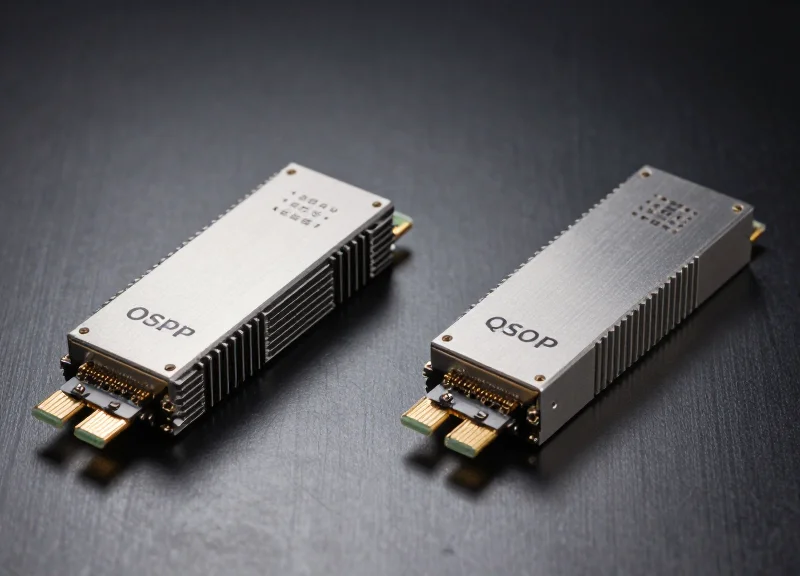
The shift from 100G to 400G architectures is the primary driver for hardware upgrades this year. Modules utilizing the QSFP-DD (Quad Small Form-factor Pluggable Double Density) standard are now the industry benchmark, providing the necessary lanes to support 400GbE while maintaining backward compatibility with legacy 100G QSFP28 optics. This flexibility is vital for enterprise environments transitioning in phases.
| Specification Metric | 100G Module (QSFP28) | 400G Module (QSFP-DD) |
|---|---|---|
| Max Throughput | 100 Gbps | 400 Gbps |
| Lane Configuration | 4 x 25G NRZ | 8 x 50G PAM4 |
| Standard Power Consumption | 3.5W - 4.5W | 10W - 14W |
| Primary Use Case | Edge/Aggregation | Core/Data Center Interconnect |
Advanced Buffer Management and Latency Reduction
Modern core modules must manage 'incast' traffic patterns where multiple ports transmit to a single output simultaneously. Specifications for 2026 emphasize deep packet buffers (typically 32MB to 64MB or higher) and Virtual Output Queuing (VoQ) to prevent head-of-line blocking. These features ensure that mission-critical applications, such as real-time financial transactions or medical imaging, maintain sub-microsecond latency even during peak congestion.
Power Efficiency and Sustainability Specs
As data centers face stricter environmental regulations, power efficiency has become a top-tier technical specification. 2026 modules focus on 'Performance per Watt' metrics. Look for modules that support Energy Efficient Ethernet (EEE) and feature advanced thermal fin designs that reduce the cooling load on the chassis. Reducing the heat signature of each module significantly extends the lifespan of the entire core switch assembly.
Hardware-Level Security and MACsec Encryption
With the rise of sophisticated cyber threats, security can no longer be handled solely by software. Enterprise-grade core modules must include hardware-based encryption, specifically IEEE 802.1AE (MACsec). This allows for line-rate, 256-bit AES encryption of all data moving between switches, ensuring that even if physical fiber lines are intercepted, the data remains unreadable. Furthermore, Secure Boot and Trust Anchor modules are essential to verify the integrity of the firmware upon every power cycle.
Key Technical Procurement FAQs
- Why is PAM4 signaling important for 400G modules?
PAM4 (Pulse Amplitude Modulation 4-level) doubles the bit rate compared to traditional NRZ by transmitting two bits per symbol, which is the foundational technology enabling 400G speeds over existing fiber types. - What should I look for regarding port density?
Prioritize high-density line cards that support 36 or 48 ports per slot without oversubscribing the backplane bandwidth to ensure non-blocking performance across all ports. - How does 'Hot-Swappable' capability affect wholesale ROI?
Fully hot-swappable modules allow for maintenance and upgrades without shutting down the entire network core, minimizing downtime and operational costs in large-scale deployments.
Ensuring Interoperability and Standards Compliance
Ensuring interoperability and standards compliance is the cornerstone of a sustainable enterprise network strategy. When purchasing core switch modules wholesale, compliance with IEEE, IETF, and ITU-T standards is not merely a checkbox but a guarantee that hardware from different manufacturers can communicate without protocol errors or performance bottlenecks. For 2026 architectures, this means focusing on high-speed Ethernet standards such as 400G and 800G while maintaining backward compatibility with legacy 10G and 100G infrastructures through Multi-Source Agreements (MSAs).
The Critical Role of IEEE and Industry Standards
Wholesale modules must strictly follow the IEEE 802.3 standards to ensure physical and data link layer compatibility. This includes specifications for transceiver interfaces, signaling rates, and power consumption. Without these standards, enterprises risk proprietary lock-in, which significantly inflates long-term Total Cost of Ownership (TCO) and limits the flexibility of the core network. By insisting on standards-compliant hardware, organizations can mix and match components based on performance and price rather than brand loyalty.
| Standard | Primary Focus | Operational Impact |
|---|---|---|
| IEEE 802.3bs | 200Gb/s and 400Gb/s Ethernet | Enables high-bandwidth backbone connectivity for data centers. |
| IEEE 802.3ck | 100G/200G/400G Electrical Interfaces | Ensures signal integrity across high-speed backplanes and connectors. |
| RFC 2544 | Benchmarking Methodology | Standardizes performance testing for throughput, latency, and frame loss. |
| MSA Compliance | Physical Form Factors (QSFP-DD, OSFP) | Guarantees mechanical and electrical fit across different hardware chassis. |
Validation Through Multi-Vendor Interoperability Testing
In a modern data center, core switches act as the primary aggregation point for diverse hardware brands. To ensure seamless integration, wholesale providers must offer documentation on interoperability testing within heterogeneous environments. This involves verifying that the Control Plane (OSPF, BGP, EVPN) and Data Plane protocols function correctly across different silicon architectures, such as Broadcom, Marvell, or proprietary ASIC designs. Real-world testing ensures that 'Plug-and-Play' functionality is a reality, not just a marketing claim.
Rigorous Quality Assurance and Stress Testing
Reliability at scale requires more than just protocol compliance. Wholesale modules must undergo rigorous stress testing, including thermal cycling to simulate high-density rack environments and Bit Error Rate (BER) testing to ensure data integrity at maximum throughput. High-quality vendors provide MTBF (Mean Time Between Failures) data based on real-world accelerated life testing, giving enterprise buyers confidence in their bulk investments for long-term deployments.
- Will these modules work with my existing Cisco or Arista infrastructure?
Yes, provided the modules adhere to MSA standards and the firmware is properly coded to match specific vendor handshake requirements. Wholesale custom quotes often include this specialized coding service. - How do you verify the performance of bulk-manufactured units?
Each batch undergoes automated optical and electrical testing. Buyers should request serialized test reports covering insertion loss, return loss, and eye diagram analysis for every module delivered. - What is the impact of non-compliant modules on network health?
Non-compliant modules can cause intermittent link flaps, increased latency, and even hardware damage due to improper voltage levels. Standards compliance is the primary defense against these network instabilities.
Navigating the Global Supply Chain for Networking Hardware

The 2026 Supply Chain Landscape for Enterprise Networking
Successfully navigating the global supply chain for core switch modules in 2026 hinges on moving away from reactive, single-order purchasing toward a proactive, partnership-based procurement model. While the extreme shortages of previous years have subsided, the market remains susceptible to localized disruptions in silicon fabrication and shifting trade regulations. Securing high-density modules at wholesale rates requires a deep understanding of tier-one manufacturer production cycles and the ability to leverage regional inventory reserves to bypass standard 16-to-24-week lead times.
| Procurement Factor | Standard VAR/Retail Model | Ubytelink Strategic Wholesale |
|---|---|---|
| Average Lead Times | 12-26 Weeks | 2-6 Weeks (Stocked Items) |
| Pricing Stability | Market-Fluctuant | Contract-Locked / Volume Protected |
| Inventory Access | Public Tiers Only | Reserved Global Buffer Stocks |
| Logistics Support | Basic Freight | End-to-End Customs & Duty Management |
How Strategic Partnerships Mitigate Logistics Risks
A reliable wholesale partner like Ubytelink acts as a buffer against global instability by maintaining a diverse supplier network and investing in forward-stocking locations (FSLs) near major tech hubs. This strategy ensures that even if a primary fabrication plant experiences a delay, secondary verified channels can fulfill high-priority core switch module requirements. Furthermore, by utilizing custom quotes for bulk orders, enterprises can lock in production slots and pricing, insulating their long-term infrastructure projects from mid-quarter inflationary spikes or tariff adjustments.
Supply Chain & Bulk Procurement FAQ
- How are lead times for 100G/400G modules currently trending?
Lead times for high-density 400G modules are stabilizing but remain sensitive to optical component availability; we recommend a 3-month forecasting window for bulk deployments. - What are the benefits of 'Custom Quoting' in a volatile market?
Custom quoting allows us to negotiate directly with manufacturers based on your project timeline, often securing 'first-right' access to new production batches. - How is international shipping risk managed for bulk hardware?
We manage the entire logistics chain, including multi-modal freight insurance, export compliance, and Incoterms optimization to ensure hardware arrives on-site and duty-paid.
Ultimately, the goal of navigating the global supply chain is to ensure 'Architectural Continuity.' By securing bulk pricing and reliable delivery schedules for specific core switch modules, enterprises avoid the technical debt associated with mixing mismatched hardware generations due to availability issues.
Sustainability and Energy Efficiency in Core Switching

Sustainability and Energy Efficiency in Core Switching
In the 2026 networking landscape, energy efficiency has transitioned from a niche benefit to a critical operational requirement for enterprise-grade hardware. As data volumes surge, the core switch acts as the most energy-intensive component of the local network; therefore, optimizing its power profile is essential for controlling operational expenditures (OPEX). Modern core switch modules utilize high-density, low-nanometer ASICs (Application-Specific Integrated Circuits) that deliver 100G and 400G throughput with significantly lower wattage per gigabit compared to previous generations. By integrating Energy Efficient Ethernet (EEE) standards and granular power management, these modules allow wholesale buyers to scale their infrastructure without a linear increase in energy consumption or cooling requirements.
Comparison of Efficiency: Legacy vs. Modern Modules
| Feature | Legacy Core Modules (Pre-2020) | Modern Green Modules (2026) |
|---|---|---|
| Silicon Fabrication | 28nm - 45nm process | 7nm - 12nm FinFET process |
| Power Management | Static power draw | Dynamic load-based scaling |
| Cooling Optimization | Fixed-speed fans | AI-driven variable airflow |
| Idle State Power | 80-90% of max power | 20-40% of max power |
| Compliance | Standard IEEE | IEEE 802.3az & Energy Star 3.0 |
Key Technologies Driving Green Networking
To achieve carbon neutrality goals, OEM manufacturers are implementing several hardware-level innovations designed to minimize environmental impact while maintaining high performance.
- Low-Nanometer ASIC Design
Shrinking the transistor size on the switch silicon reduces the voltage required for data processing, which significantly lowers heat dissipation. - Intelligent Fan Control
Modern chassis and modules utilize thermal sensors to adjust fan speeds in real-time, reducing acoustic noise and unnecessary power draw during low-traffic periods. - Power Supply Unit (PSU) Efficiency
Wholesale modules are now frequently paired with 80 PLUS Titanium-rated power supplies, ensuring over 96% efficiency in AC-to-DC conversion. - Port Standby Modes
Automated logic that powers down physical layer (PHY) components on unused or administrative ports until link activity is detected.
Sustainability & Wholesale Procurement FAQ
- How does energy efficiency impact the ROI of bulk purchases?
Energy-efficient modules typically reduce power costs by 20-30% annually. For large-scale deployments, these savings often offset the initial wholesale acquisition cost within the first three years of the hardware lifecycle. - Are 'Green' modules compatible with older enterprise chassis?
Most modern modules are designed for backward compatibility, though the most advanced power-saving features like system-wide thermal synchronization may require a modern chassis management engine. - Does lower power consumption affect network latency or performance?
No. Modern silicon achieves efficiency through better architecture and material science rather than performance throttling, ensuring that green initiatives do not compromise 400G line-rate speeds.
Step-by-Step: Securing Your Custom Quote for Bulk Orders
Securing a custom quote for bulk orders of core switch modules requires a precise articulation of your network's technical requirements, including port density, throughput capacity, and deployment timelines. By providing comprehensive data upfront, organizations can eliminate pricing ambiguities, ensure hardware compatibility, and leverage maximum volume discounts from wholesale partners like Ubytelink.
Critical Data Points for Accurate Wholesale Pricing
Before initiating a Request for Quote (RFQ), it is vital to audit your current and future network state. Discrepancies in port requirements or ignored redundancy needs often lead to costly mid-project adjustments. Providing the following information ensures the quote reflects the total cost of ownership (TCO) accurately.
| Requirement Category | Essential Data Points | Impact on Wholesale Quote |
|---|---|---|
| Port Specifications | Quantity, speed (10G/40G/100G/400G), and connector types (SFP+, QSFP28). | Determines the specific module SKU and base hardware cost. |
| Traffic Load | Expected peak throughput and packet forwarding rates. | Influences the choice between standard and high-performance silicon options. |
| Power & Cooling | Available power budget per slot and airflow direction requirements. | Affects compatibility with existing chassis and operational overhead. |
| Deployment Timeline | Estimated installation dates and shipping destinations. | Impacts logistics costs, lead-time prioritization, and inventory reservation. |
The Step-by-Step Quote Acquisition Process
- Step 1: Infrastructure Technical Audit
Identify the existing chassis model, backplane capacity, and current firmware versions to ensure the new modules are fully compatible without requiring immediate secondary upgrades. - Step 2: Traffic and Scalability Analysis
Project your network growth for the next 24 to 36 months. Providing this data allows wholesale vendors to suggest modules that offer better long-term value through modular scalability. - Step 3: Define Logistics and Staging Requirements
Specify if you require pre-configuration services, specialized labeling, or staggered delivery across multiple global data centers to manage inventory flow. - Step 4: Formal RFQ Submission
Submit the gathered specifications to the wholesale partner. Ensure you include any specific compliance certifications or warranty levels required for your industry.
Frequently Asked Questions Regarding Bulk Quotes
- How does the deployment timeline affect the final price?
Urgent shipments often incur higher logistics fees, while longer lead-time orders allow for manufacturing optimization and lower bulk shipping rates. - Can I request a quote for mixed-generation modules?
Yes, wholesale partners can provide quotes for a mix of legacy and next-generation modules to assist in phased migrations. - What is the typical validity period for a wholesale quote?
Due to market volatility in silicon components, most wholesale quotes are valid for 15 to 30 days.
Upgrading your network backbone doesn't have to break the bank. By choosing wholesale enterprise core switch modules and exploring OEM/ODM options, you gain the agility to scale on your own terms. Ready to optimize your infrastructure with industry-leading hardware? Contact Ubytelink today for a personalized custom quote and discover the best bulk pricing available for 2026.