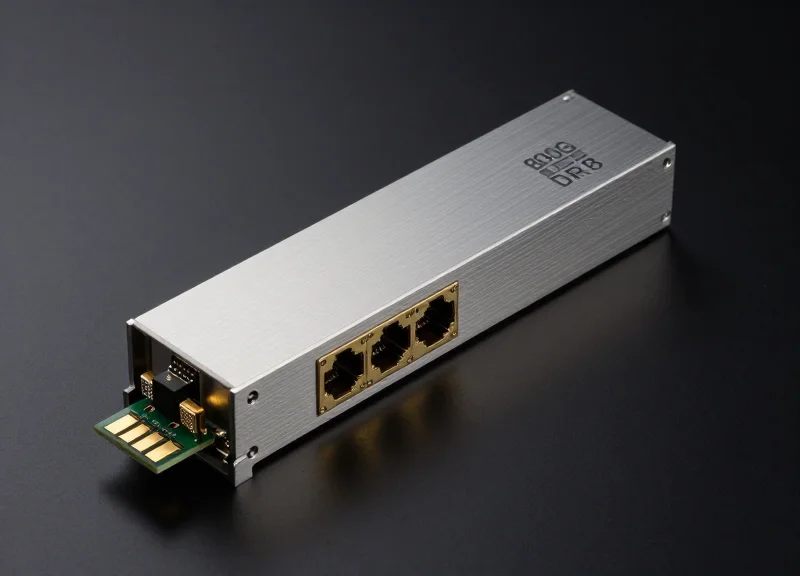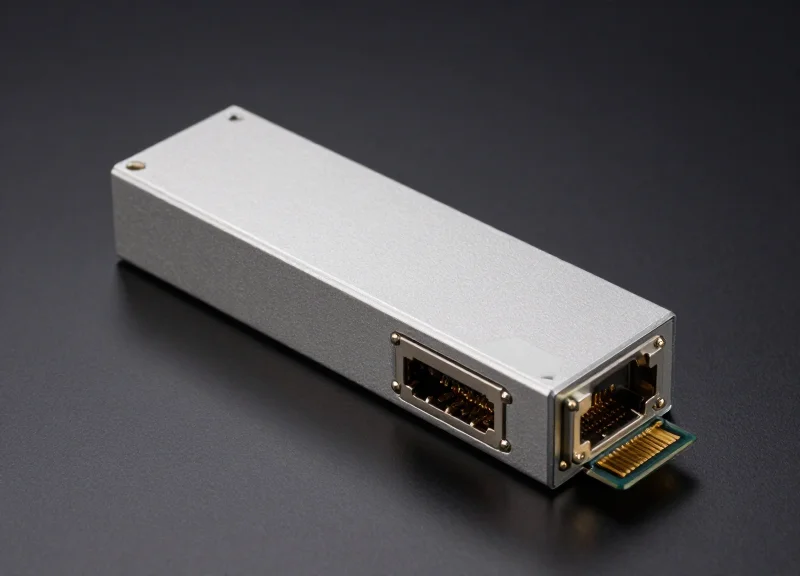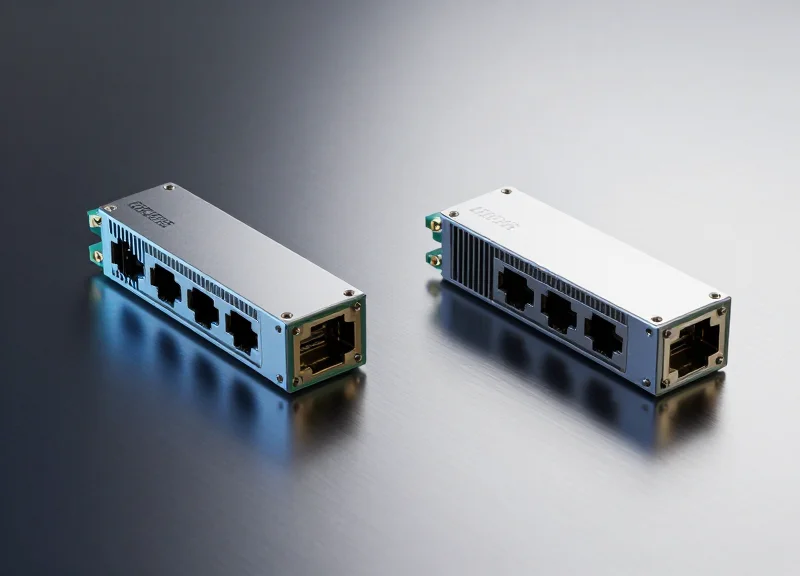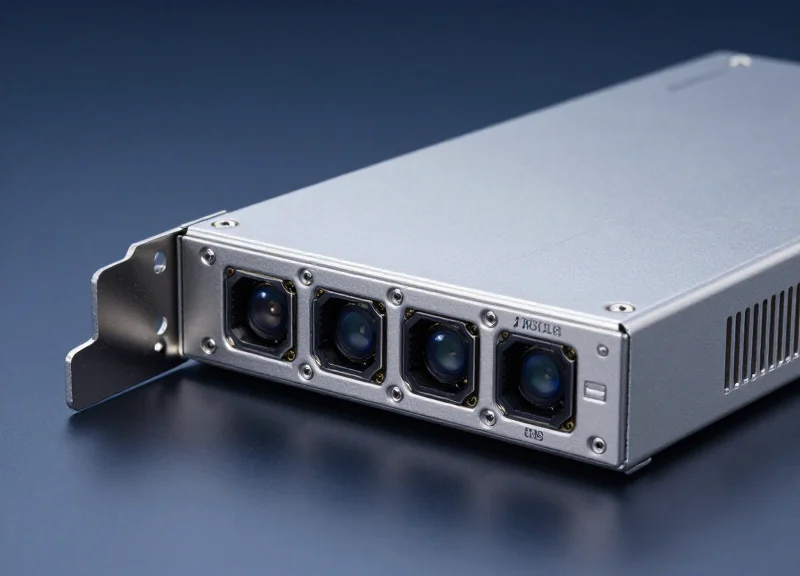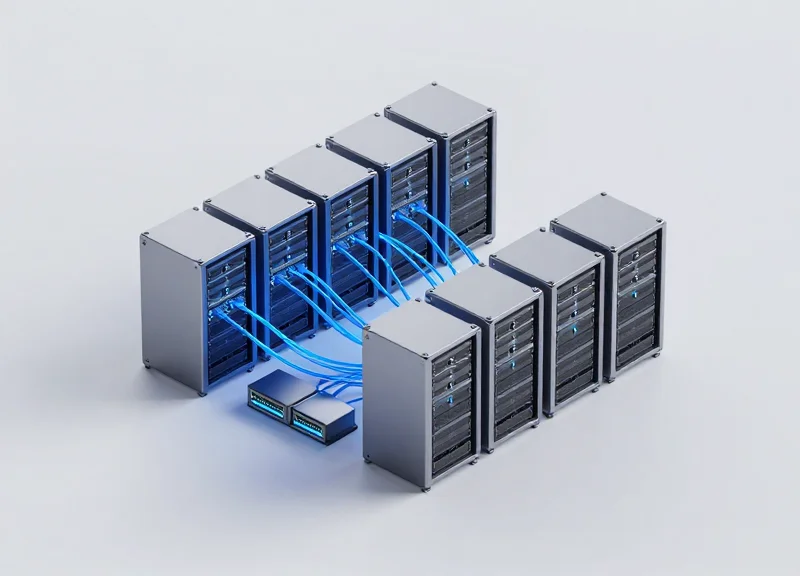
As data traffic explodes, traditional 100G networks are hitting their limits. Transitioning to 400G Data Center Interconnect (DCI) is no longer a luxury but a necessity for scalability. However, sourcing high-quality modules at scale involves navigating complex pricing and technical specifications. In this guide, we break down the wholesale market for 400G optics and how custom OEM/ODM solutions can optimize your infrastructure spend and performance.
The Evolution of DCI: Why 400G is the New Standard

The evolution of Data Center Interconnect (DCI) to 400G is driven by a critical need for higher density, lower power consumption, and increased spectral efficiency that legacy 100G systems can no longer provide. As data volumes explode due to the rise of Generative AI, machine learning, and hyperscale cloud services, 400G has emerged as the global standard for modernizing network backbones, offering a fourfold increase in capacity within the same or smaller physical footprints.
Primary Drivers of the 400G Shift
The migration toward 400G infrastructure is primarily fueled by three core technological shifts: the massive east-west traffic generated by AI clusters, the global expansion of 5G edge nodes, and the adoption of high-frequency trading (HFT) platforms where microsecond latencies are vital. Unlike previous generations, 400G utilize advanced PAM4 (Pulse Amplitude Modulation) and coherent optics to maximize fiber throughput, allowing operators to scale bandwidth without the prohibitive costs of laying new dark fiber.
| Metric | 100G DCI (Legacy) | 400G DCI (Modern Standard) |
|---|---|---|
| Max Throughput | 100 Gbps | 400 Gbps |
| Modulation | NRZ / QPSK | PAM4 / 16QAM |
| Typical Form Factor | QSFP28 | QSFP-DD / OSFP |
| Power Consumption | Higher Watts per Gbps | ~35% lower Watts per Gbps |
| Fiber Efficiency | Standard | High (4x capacity on same fiber) |
Operational and Economic Benefits
From a wholesale perspective, 400G DCI provides a significant reduction in Total Cost of Ownership (TCO). By consolidating multiple 100G links into a single 400G port, data center operators reduce the number of required cables, simplify patch management, and decrease the overall power and cooling demand per bit of data transferred. This efficiency is paramount for service providers managing high-density environments where rack space is at a premium and energy costs are a primary operational concern.
- Why is 400G preferred over multiple 100G links?
400G reduces hardware complexity, minimizes points of failure, and offers significantly better energy efficiency compared to aggregating four separate 100G connections. - How does AI impact the need for 400G DCI?
AI training involves massive datasets moving between GPU clusters; 400G provides the necessary high-bandwidth, low-latency pipeline to prevent networking bottlenecks during model synchronization. - Is 400G compatible with existing fiber infrastructure?
Yes, through the use of coherent optics, 400G can be deployed over most existing single-mode fiber (SMF) plants, allowing for seamless upgrades.
Technical Deep Dive: QSFP-DD vs. OSFP Form Factors
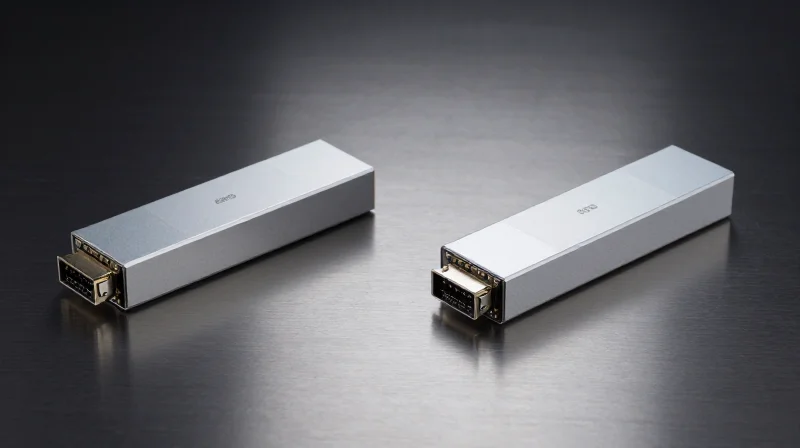
Technical Deep Dive: QSFP-DD vs. OSFP Form Factors
Selecting the right 400G form factor is not merely a matter of preference but a strategic decision based on existing switch architecture, thermal headroom requirements, and future-proofing for 800G transitions. While both QSFP-DD and OSFP support 400Gbps throughput using 8 lanes of 50G PAM4, they differ significantly in physical dimensions, cooling capabilities, and backward compatibility profiles.
QSFP-DD: The Legacy of Density and Compatibility
The Quad Small Form-factor Pluggable Double Density (QSFP-DD) has emerged as the industry leader for high-density applications. By adding a second row of electrical contacts, QSFP-DD increases the lane count from four to eight while maintaining the same width and length as traditional QSFP28 modules. This allows network architects to use legacy QSFP+ or QSFP28 optics in the same ports, protecting previous investments during 400G upgrades.
OSFP: Built for Superior Thermal Performance
The Octal Small Form-factor Pluggable (OSFP) is slightly wider and deeper than the QSFP-DD. This increased footprint allows for an integrated heat sink directly on the module, enabling it to dissipate up to 15 Watts of power—significantly higher than standard QSFP-DD designs. While it requires a mechanical adapter to achieve backward compatibility with QSFP28, its superior thermal management makes it the preferred choice for high-power coherent DCI optics and future 800G modules.
| Feature | QSFP-DD | OSFP |
|---|---|---|
| Electrical Lanes | 8 Lanes (PAM4) | 8 Lanes (PAM4) |
| Backward Compatibility | Native (QSFP28/QSFP+) | Requires Adapter |
| Max Power Consumption | 7W - 12W (Standard) | 12W - 15W+ |
| Thermal Management | System-dependent cooling | Integrated Heat Sink |
| 800G Roadmap | Supported (QSFP-DD800) | Native path to 800G/1.6T |
Procurement FAQs for 400G Form Factors
- Can I plug a QSFP28 module into a QSFP-DD port?
Yes, QSFP-DD ports are physically and electrically backward compatible with QSFP28 and QSFP+ modules, making it the most versatile choice for heterogeneous network environments. - Why choose OSFP if QSFP-DD is more popular?
OSFP is often chosen for data centers utilizing high-power coherent optics (400G ZR/ZR+) because its integrated heat sink prevents thermal throttling that can occur in high-density QSFP-DD configurations. - How does form factor choice impact bulk pricing?
QSFP-DD typically benefits from higher volume production, often leading to lower unit costs in wholesale scenarios. However, the total cost of ownership (TCO) for OSFP may be lower in AI-driven environments requiring more aggressive cooling.
The Economics of Wholesale: Reducing TCO in Data Center Scaling
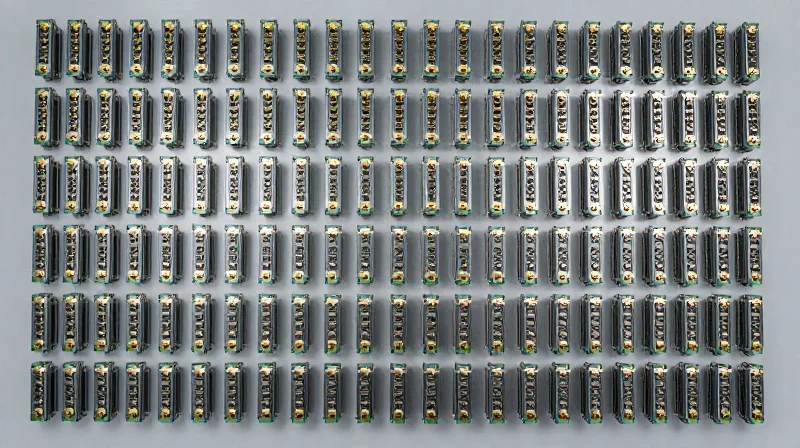
Wholesale purchasing of 400G Data Center Interconnect (DCI) components transforms the scaling economics of modern network infrastructure by driving down the per-port capital expenditure and long-term operational costs. By securing custom quotes for bulk quantities, operators can realize significant unit price reductions that are often inaccessible through standard retail channels, thereby accelerating the return on investment (ROI) for 400G migrations.
Lowering CapEx via Tiered Volume Discounts
The primary driver of reduced TCO in wholesale models is the volume-based pricing tier. As the quantity of 400G QSFP-DD or OSFP modules increases, manufacturers and distributors can pass on manufacturing efficiencies and logistics savings. For hyperscale operators and service providers, this means the difference between a high-cost pilot program and a sustainable, wide-scale rollout. Wholesale pricing typically scales inversely with volume, allowing for aggressive expansion without linear cost increases.
| Metric | Retail Procurement | Wholesale Procurement |
|---|---|---|
| Unit Cost | Standard Premium | Discounted (15-30% lower) |
| Logistics Overhead | High per-order cost | Consolidated/Reduced |
| Inventory Consistency | Potential for mixed batches | Uniform firmware/hardware |
| Procurement Efficiency | Multiple transaction cycles | Single custom quote |
The Impact of Standardization on Operational Costs
Beyond the sticker price, bulk purchasing facilitates hardware standardization. Acquiring a large batch of identical 400G components from the same production run ensures consistency in firmware versions and performance profiles. This uniformity reduces the time engineering teams spend on troubleshooting hardware variations and simplifies the management of sparing strategies, directly lowering OpEx over the hardware's five-to-seven-year lifecycle.
Economic FAQ: Bulk Pricing & TCO
- How do custom quotes improve budget predictability?
Custom quotes provide fixed pricing for large-scale projects, protecting operators from market price volatility and supply chain shortages during multi-month deployment phases. - What is the typical volume threshold for wholesale pricing?
While thresholds vary by vendor, significant price breaks often begin at the 50-unit or 100-unit mark for high-density 400G optical transceivers. - Does wholesale procurement affect hardware warranty and support?
Wholesale contracts often include enhanced Service Level Agreements (SLAs) and unified warranty tracking, which further reduces long-term maintenance costs compared to piecemeal purchases.
Customization Power: How OEM/ODM Services Benefit Large-Scale Deployments
OEM/ODM services provide the essential bridge between generic high-performance hardware and the specific, often rigid, requirements of large-scale 400G DCI infrastructures. By leveraging custom firmware and hardware modifications, data center architects can bypass restrictive vendor ecosystems, ensuring that wholesale 400G transceivers operate with 100% reliability alongside legacy gear and brand-name switches like Arista, Cisco, or Juniper. This customization power allows for seamless integration without the premium price tag of OEM-branded optics.
Eliminating Vendor Lock-in with Custom Firmware
One of the primary barriers to scaling DCI is 'vendor lock-in,' where proprietary network operating systems (NOS) reject third-party modules. OEM/ODM partnerships allow for the development of custom EEPROM coding and firmware that mimics the handshake protocols of major networking brands. This ensures that 400G QSFP-DD or OSFP modules are recognized as native components, providing full access to Digital Optical Monitoring (DOM) and diagnostic features without triggering system errors.
Comparison: Standard Wholesale vs. Customized OEM/ODM 400G
| Feature | Standard Wholesale Modules | Customized OEM/ODM (e.g., Ubytelink) |
|---|---|---|
| Compatibility | Generic Multi-Source Agreement (MSA) | Tailored to Specific OS (Cisco, Arista, etc.) |
| Internal Logic | Standard Power Management | Optimized Low-Power Firmware |
| Physical Labeling | Generic Brand | Custom Part Numbers & Labeling |
| Diagnostics | Standard I2C Access | Full DOM & Real-time Telemetry Support |
Hardware Modifications for Specialized Environments
Beyond software, OEM/ODM services extend to physical hardware adjustments. In high-density AI clusters, standard 400G modules may struggle with thermal management. Custom ODM solutions can include enhanced heat sinks or specialized laser drivers that reduce the overall thermal footprint. This directly impacts the Total Cost of Ownership (TCO) by lowering cooling requirements in the rack and extending the lifespan of the optical engine.
OEM/ODM Customization FAQ
- Does custom firmware affect the lifespan of 400G modules?
No, custom firmware typically optimizes internal power cycles and laser modulation, which can actually extend hardware life by preventing overheating. - How is 100% compatibility guaranteed for legacy systems?
Ubytelink and similar partners maintain extensive device labs with physical switches from Arista, Cisco, and others to verify that every custom firmware build matches the exact expectations of the host NOS. - Can hardware be modified for specific reach requirements?
Yes, ODM services allow for the adjustment of optical output power and receiver sensitivity to meet non-standard fiber distances often found in brownfield DCI deployments.
Ultimately, the ability to specify every aspect of the transceiver—from its cooling profile to its binary code—empowers data center operators to build more resilient and flexible networks. By choosing an OEM/ODM partner for 400G wholesale procurement, organizations gain the performance of bespoke hardware with the economic advantages of bulk purchasing.
400G ZR and ZR+: Revolutionizing Long-Haul Interconnects

400G ZR and ZR+: Revolutionizing Long-Haul Interconnects
400G ZR and ZR+ represent a paradigm shift in coherent optical technology, fundamentally altering how metropolitan and regional Data Center Interconnects (DCI) are architected. By integrating sophisticated Digital Signal Processing (DSP) and high-order modulation into standard QSFP-DD or OSFP form factors, these modules enable 'IP over DWDM' (IPoDWDM). This eliminates the need for standalone transponder shelves, allowing operators to plug long-reach optics directly into their routers and switches, which drastically lowers both power consumption and rack space requirements.
Distinguishing Between 400G ZR and ZR+ Capabilities
| Feature | 400G ZR | 400G ZR+ |
|---|---|---|
| Standardization | OIF-400G-ZR | OpenZR+ / Open ROADM |
| Maximum Reach | Up to 120km (Point-to-Point) | 400km to 1,000km+ (Amplified) |
| Modulation Scheme | 16QAM | Flexible (QPSK, 8QAM, 16QAM) |
| Primary Application | Metro Edge / Campus DCI | Regional and Long-Haul DCI |
| Power Consumption | ~15W - 17.5W | ~17.5W - 20W |
While 400G ZR is optimized for 80km to 120km metro spans using a fixed 16QAM modulation, ZR+ offers the flexibility required for multi-span, amplified regional networks. ZR+ utilizes Open Forward Error Correction (oFEC) and tunable transmit power, allowing it to navigate the complexities of ROADM-based optical layers. For wholesale buyers, understanding this distinction is critical; ZR+ provides a 'universal' optic that can be throttled down for metro use or pushed to its limits for interstate connectivity, offering better long-term ROI.
The Economic Impact of IPoDWDM in 2026
The transition to 400G ZR/ZR+ technology allows for a massive reduction in Total Cost of Ownership (TCO). Traditionally, long-haul connectivity required a separate optical transport layer consisting of transponders and controllers. By consolidating these functions into a single transceiver module, organizations can realize up to a 40% reduction in CapEx and a 30% reduction in OpEx. In the wholesale market, this translates to lower per-gigabit costs, as buyers can invest in high-density switch ports that handle both short-reach client-side and long-reach line-side traffic simultaneously.
- Can 400G ZR modules work with existing DWDM line systems?
Yes, 400G ZR modules are designed to work with 75GHz or 100GHz grid spacing, making them compatible with most modern open-line systems (OLS) and passive mux/demux setups. - Does ZR+ require special cooling in standard switches?
Due to the higher power draw (up to 20W), ZR+ modules require switches with robust thermal management. Always verify that your hardware's power envelope per slot supports coherent optics. - Is interoperability guaranteed between different ZR+ vendors?
While the OpenZR+ MSA promotes interoperability, achieving 100% performance parity often requires matching the FEC settings and firmware versions between the two endpoints.
Quality Assurance and Reliability: Testing Bulk Optics
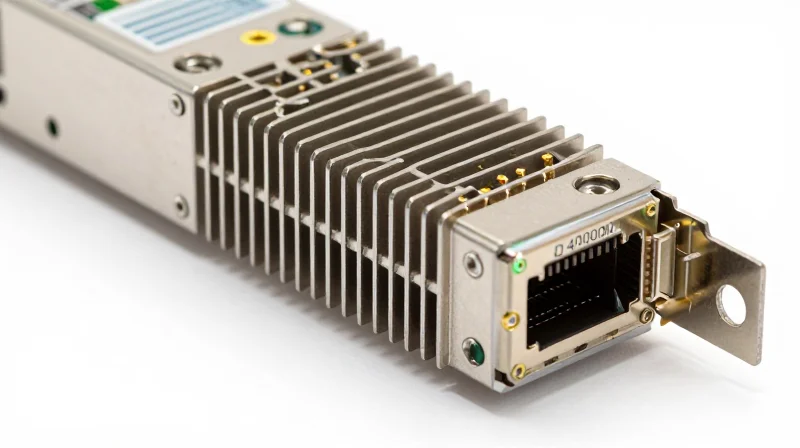
Ensuring Zero-Fail Reliability for Wholesale 400G Deployments
When procuring 400G optical transceivers at wholesale scale, the focus shifts from individual unit cost to the total cost of ownership (TCO) and operational uptime. In a mission-critical Data Center Interconnect (DCI) environment, a single module failure can result in significant packet loss or the isolation of a high-capacity node. Rigorous Quality Assurance (QA) is the only defense against 'infant mortality' in optics, ensuring that every unit delivered—whether it is one hundred or one thousand—meets the same exacting standards for signal integrity and thermal stability.
Critical Testing Protocols for 400G Data Integrity
To achieve a zero-fail rate, optical modules must undergo a battery of tests that go beyond basic functional checks. The transition to 400G involves complex PAM4 modulation, which is significantly more sensitive to noise than previous generations. Consequently, manufacturers like Ubytelink employ advanced Bit Error Rate (BER) testing to ensure that data transmission remains within acceptable limits before Forward Error Correction (FEC) is applied.
| Testing Protocol | Technical Focus | Benefit for Bulk Buyers |
|---|---|---|
| BER & Eye Diagram | Signal-to-noise ratio and jitter analysis. | Ensures clean data transmission and low latency. |
| Temperature Cycling | Stress testing from -40°C to +85°C. | Guarantees hardware durability in varying DC climates. |
| Power Consumption | Real-time monitoring of wattage pull. | Prevents thermal overloading in high-density switches. |
| Traffic Burn-In | 24-48 hours of continuous full-load traffic. | Eliminates units prone to early-life failure. |
Environmental Stress and Compatibility Verification
Beyond signal testing, environmental stress screening (ESS) is vital for DCI reliability. Optics are subjected to temperature cycling and humidity tests to identify structural weaknesses in the laser assembly or electrical interconnects. Furthermore, wholesale orders should include 100% compatibility verification. Unlike retail batch sampling, every transceiver in a bulk 400G order should be tested in the target host platform—such as Arista, Cisco, or Juniper switches—to ensure firmware handshake perfection and DOM (Digital Optical Monitoring) accuracy.
- What is the acceptable BER for 400G optics?
For 400G links using PAM4, the Pre-FEC BER should typically be better than 1E-5, while the Post-FEC BER must reach 1E-15 to ensure error-free performance in data center environments. - Why is temperature cycling important for DCI?
DCI links often run through diverse environments. Temperature cycling ensures that expansion and contraction of internal components do not cause fiber misalignment or laser frequency drift over time. - Does wholesale pricing include 100% testing?
Tier-1 wholesale providers include individual unit testing in their quotes, as the cost of a network outage far outweighs the savings of reduced testing protocols.
Supply Chain Resilience: Mitigating Lead Times for Bulk Orders
The Critical Role of Resilience in 400G Procurement
Securing 400G Data Center Interconnect (DCI) optics at scale is no longer just a matter of price; it is a battle against lead time volatility. In 2026, supply chain resilience is achieved by bypassing the traditional, linear distribution models that are susceptible to component shortages—specifically digital signal processors (DSPs) and laser diodes. A dedicated wholesale partner mitigates these risks by maintaining a continuous 'buffer stock' and leveraging direct manufacturing relationships to ensure that bulk orders are fulfilled in weeks rather than months.
Comparative Logistics: Traditional vs. Strategic Wholesale Sourcing
| Feature | Traditional Retail/JIT | Strategic Wholesale (e.g., Ubytelink) |
|---|---|---|
| Typical Lead Times | 12 to 26 Weeks | 2 to 4 Weeks |
| Inventory Philosophy | Just-in-Time (Minimal) | Strategic Buffering (Pre-allocated) |
| Component Risk | High exposure to market shortages | Low (Direct-to-factory priority) |
| Customization Speed | Slow (Factory-dependent) | Fast (Localized programming centers) |
Strategies for Mitigating Long Lead Times
To insulate infrastructure projects from global shocks, wholesale partners employ Vendor Managed Inventory (VMI) and multi-hub distribution strategies. By staging 400G modules in key geographic regions—such as North America, Europe, and Asia—wholesale providers can offer 'same-day dispatch' on standard 400G SR8 or DR4 modules, even when the broader market is facing a crunch. Furthermore, advanced forecasting allow partners to reserve manufacturing capacity six to twelve months in advance, shielding the end-user from the impact of sudden demand spikes in the AI and cloud sectors.
FAQ: Navigating Bulk DCI Logistics
- How do wholesale partners ensure availability during a global chip shortage?
Wholesale providers maintain rolling inventory forecasts and long-term supply agreements with semiconductor foundries, ensuring they receive priority allocation of critical 400G components like DSP chips. - What is 'safety stock' in the context of 400G DCI?
Safety stock is an extra layer of inventory held by the wholesale partner to act as a buffer against unpredictable supply chain disruptions or sudden surges in customer demand. - Can wholesale partners help with staged deployments?
Yes, most wholesale partners offer scheduled delivery programs where bulk orders are purchased upfront to lock in pricing but shipped in phases to match the customer's deployment timeline. - How does localized programming affect lead times?
By having the ability to program 400G transceivers for specific OEM compatibility (like Cisco, Arista, or Juniper) at a local distribution center, the partner eliminates the need to wait for factory-side customization.
In conclusion, mitigating lead times for 400G wholesale orders requires more than a purchase order; it requires a logistics architecture designed for speed and reliability. By partnering with a provider that treats inventory as a strategic asset, data center operators can ensure their 2026 expansion plans remain on schedule regardless of global market fluctuations.
Navigating Custom Quotes: Key Factors Influencing 400G Pricing
Navigating the 400G pricing landscape requires a shift from transactional purchasing to strategic procurement, as costs are driven by a complex interplay of optical reach requirements, form factor density (QSFP-DD vs. OSFP), and the underlying laser technology. In the wholesale market, pricing is never static; it is a dynamic equilibrium influenced by silicon photonics yields and the global availability of DSP (Digital Signal Processor) chipsets.
Core Determinants of 400G Market Pricing
When requesting a custom quote for 400G optics, the primary price differentiator is the intended transmission distance. Longer distances require more sophisticated components, such as cooled EML lasers or coherent modulation, which significantly increase the bill of materials (BOM).
| Reach Category | Common Standard | Relative Price Index | Key Technology |
|---|---|---|---|
| Short Reach (500m) | 400G DR4 | Baseline ($) | Silicon Photonics / Uncooled CWL |
| Medium Reach (2km) | 400G FR4 | 1.5x - 2x | CWDM4 / EML Lasers |
| Long Reach (10km) | 400G LR4 | 2.5x - 3.5x | LAN-WDM / High-Power EML |
| Extended Reach (120km+) | 400G ZR/ZR+ | 5x - 8x | Coherent DSP / Tunable Lasers |
Volume Dynamics and Bulk Discounts
Wholesale pricing for 400G modules typically follows a tiered structure. For Tier 1 hyperscalers and large enterprises, reaching the 'economy of scale' threshold often involves commitments of 500 units or more per quarter. However, in 2026, vendor flexibility is increasing, allowing mid-sized data centers to access competitive pricing through multi-year frame agreements rather than single massive shipments.
Strategies for Optimizing Your 400G RFQ
To secure the most competitive quote, provide your vendor with a granular breakdown of your environment. This includes switch compatibility (e.g., Arista, Cisco, or Whitebox), port density requirements, and power consumption constraints. In many DCI scenarios, selecting 400G DR4 with breakout cables can offer a lower total cost of ownership (TCO) than deploying native 100G optics across the board.
Common Questions on 400G Procurement
- How does the choice between QSFP-DD and OSFP affect the quote?
While QSFP-DD is more prevalent in legacy-compatible environments, OSFP is gaining traction for high-power 800G paths. Currently, QSFP-DD typically offers better bulk pricing due to higher manufacturing volumes and broader market competition. - Why are lead times still a factor in 400G pricing?
Premium pricing is often charged for 'ready-to-ship' inventory. Forward-looking quotes with 8-12 week lead times generally yield significantly lower per-unit costs compared to spot-market emergency buys. - Do multi-vendor environments increase costs?
Initial costs might be higher due to compatibility testing, but long-term pricing is lower as it prevents vendor lock-in and allows for competitive bidding on every refresh cycle.
Future-Proofing Your Network: Preparing for the 800G Transition

Future-proofing a data center interconnect (DCI) strategy requires looking beyond immediate 400G needs to ensure that the physical infrastructure, power envelopes, and silicon architectures deployed today are compatible with the 112G SerDes (Serializer/Deserializer) technology that defines the 800G era. By prioritizing hardware modularity and high-density fiber management now, organizations can avoid the 'rip-and-replace' cycles that typically plague rapid bandwidth scaling.
The 112G SerDes Bridge: Why it Matters
The leap from 400G to 800G is fundamentally a leap in electrical lane speed. While early 400G systems utilized 56G SerDes, modern wholesale 400G equipment increasingly utilizes 112G SerDes. Selecting 400G switches and transceivers that utilize four lanes of 112G (4x100G) rather than eight lanes of 56G (8x50G) ensures that your current infrastructure aligns with the lane speeds of upcoming 800G and 1.6T optics, allowing for easier breakout configurations and long-term hardware relevance.
| Feature | 400G DCI (Current Standard) | 800G DCI (Next Generation) |
|---|---|---|
| Electrical Lane Speed | 56G or 112G PAM4 | 112G or 224G PAM4 |
| Optical Modulation | 4x100G or 8x50G | 8x100G or 4x200G |
| Form Factor Compatibility | QSFP-DD / OSFP | QSFP-DD800 / OSFP1600 |
| Power Consumption | 12W - 20W per module | 25W - 30W+ per module |
Strategic Infrastructure Investments for 2026
To protect your investment in 400G wholesale hardware, focus on the 'passive' elements of your network which have longer lifecycles than active electronics. High-count Single-Mode Fiber (SMF) and ultra-low-loss cabling are mandatory for the tighter link budgets of 800G. Furthermore, ensure your rack cooling and power distribution units (PDUs) are rated for the increased thermal loads of 800G modules, which can exceed 25W per port.
- Will my 400G fiber be compatible with 800G?
Yes, provided you are using high-quality Single-Mode Fiber (SMF). However, 800G relies on more complex modulation, meaning connector cleanliness and signal-to-noise ratios become far more critical than they were at 100G or 400G. - Should I wait for 800G prices to drop instead of buying 400G wholesale?
No. The 400G ecosystem is currently at its most cost-effective 'sweet spot.' Investing in 400G hardware that supports 112G SerDes provides the necessary bandwidth for current AI and cloud workloads while remaining compatible with future 800G line cards. - How does OSFP vs. QSFP-DD impact 800G readiness?
The OSFP form factor has a slight advantage in thermal management for 800G and 1.6T. If you anticipate moving to 800G rapidly, selecting OSFP-based 400G hardware may simplify the thermal transition.
By aligning your 2026 400G procurement with these future standards, you ensure that your data center remains agile. Wholesale purchasing allows you to secure the density needed for today's data-hungry applications while maintaining the budget flexibility to integrate 800G modules as they reach market maturity.
Scaling your data center requires a balance of high performance and cost-efficiency. By choosing wholesale 400G DCI solutions and leveraging OEM/ODM expertise, you can significantly reduce your capital expenditure while maintaining top-tier reliability. Ready to upgrade your network infrastructure with the industry's best optics? Contact Ubytelink today for a custom quote and expert consultation on your 400G scaling needs.