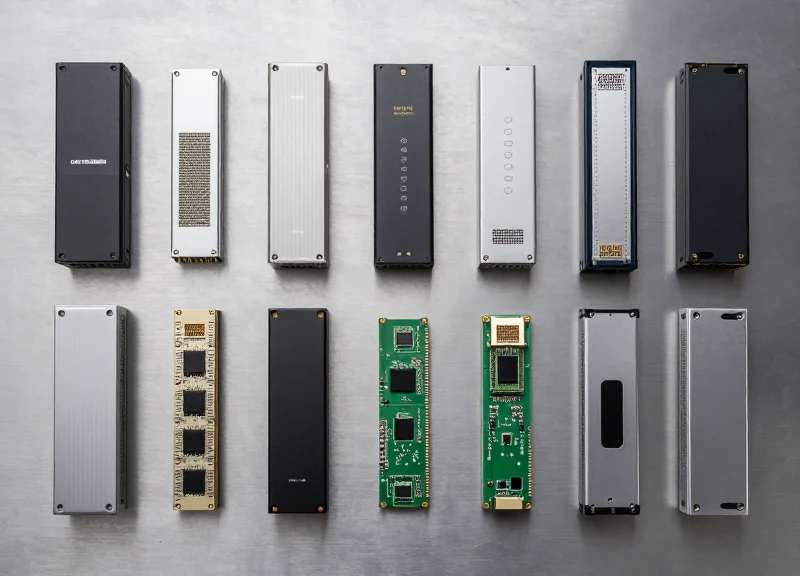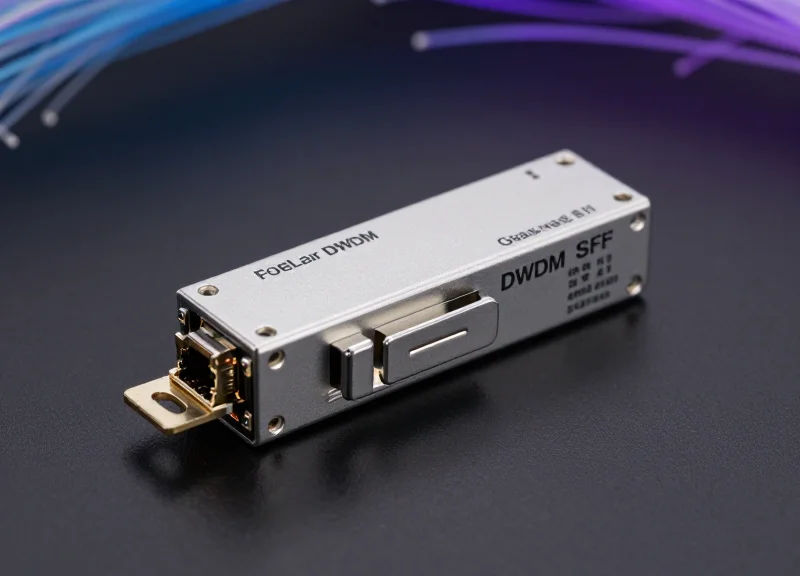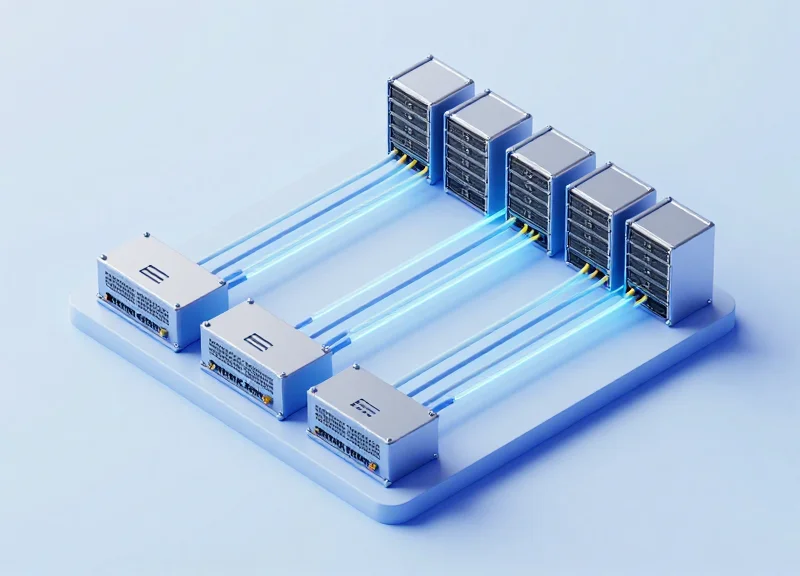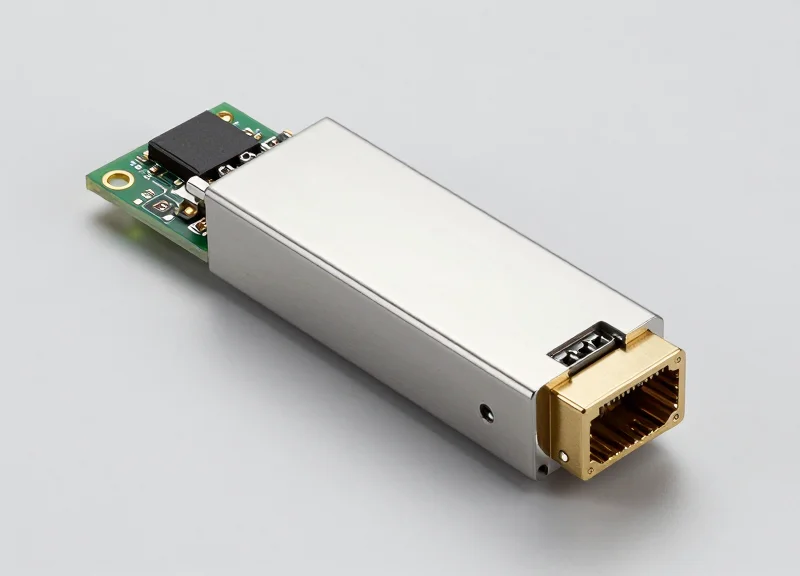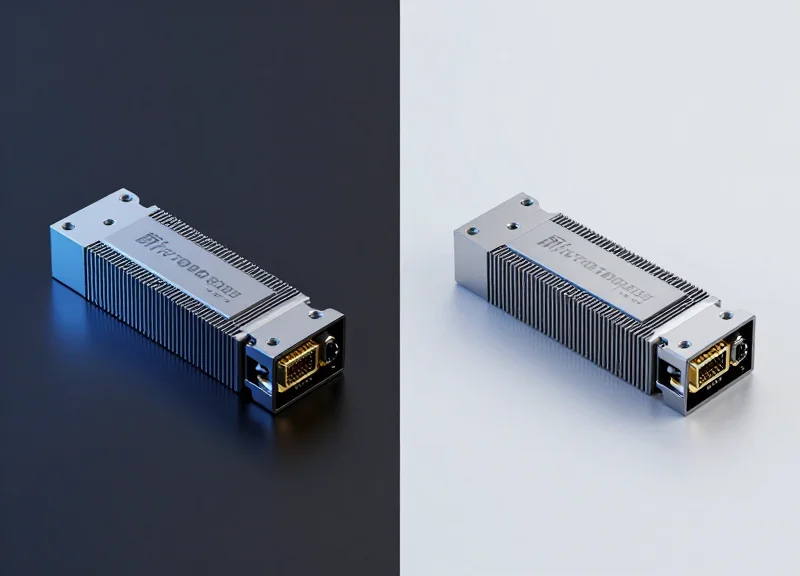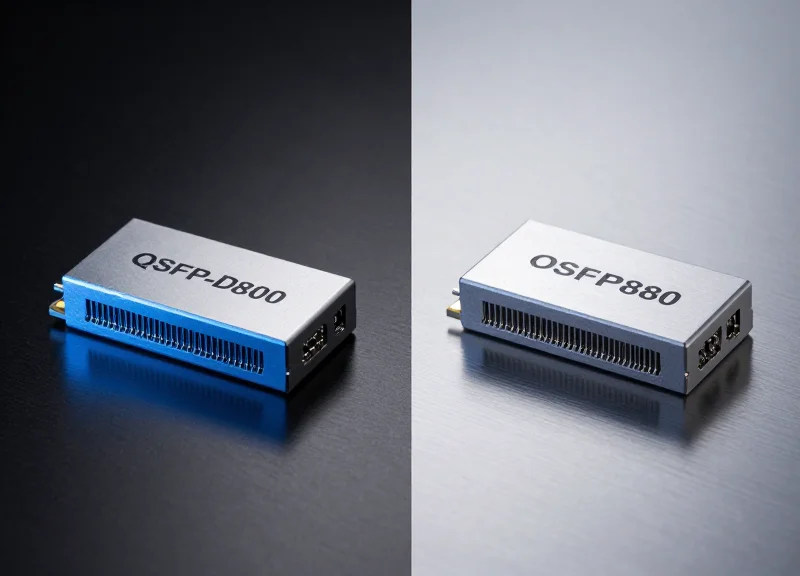
As the demand for bandwidth skyrockets, the transition to 800G Ethernet has become a strategic necessity for data centers. However, the path forward involves a critical architectural choice: QSFP-DD800 or OSFP800? This comprehensive guide breaks down the technical nuances, performance trade-offs, and procurement strategies to ensure your network scales efficiently while optimizing your TCO through wholesale channels.
The Rise of 800G Connectivity: Industry Drivers and Standards

The Rise of 800G Connectivity: Industry Drivers and Standards
The transition to 800G networking represents a critical evolutionary step in data center architecture, primarily fueled by the massive data throughput requirements of next-generation Artificial Intelligence (AI) and High-Performance Computing (HPC) environments. As Large Language Models (LLMs) and hyperscale cloud services continue to expand, the industry has reached a tipping point where 400G infrastructure can no longer meet the density and power-efficiency demands of modern workloads. 800G technology, delivered through QSFP-DD800 and OSFP800 form factors, provides the necessary bandwidth to prevent network bottlenecks in massive GPU clusters.
Primary Drivers for Wholesale 800G Adoption
Three core drivers are pushing the wholesale market toward 800G optics in 2026: the explosion of generative AI, the rise of 51.2T switching silicon, and the urgent need for power-per-bit optimization. AI clusters, which require low-latency 'East-West' traffic patterns, benefit significantly from the increased radix and reduced cabling complexity that 800G offers. Additionally, the latest generation of network switches, built on 112G SerDes technology, natively supports 800G ports, making it the most cost-effective upgrade path for data center operators looking to future-proof their infrastructure.
- Why is 800G essential for AI clusters?
AI workloads involve massive datasets distributed across thousands of GPUs. 800G reduces the number of physical links required, lowering latency and decreasing the probability of packet loss during heavy training cycles. - How does 800G improve power efficiency?
800G transceivers offer better power-per-bit efficiency compared to using multiple 100G or 400G links, which is critical for hyperscalers managing strict thermal envelopes and energy costs. - What role do MSAs play in 800G?
Multi-Source Agreements (MSAs) like the QSFP-DD and OSFP groups ensure that hardware from different vendors is physically and electrically compatible, protecting wholesale buyers from vendor lock-in.
Establishing the Standards: QSFP-DD800 vs. OSFP800
The 800G ecosystem is governed by rigorous standards that ensure interoperability across various switch and router platforms. The QSFP-DD800 MSA focuses on maintaining backward compatibility with the widely deployed QSFP ecosystem, while the OSFP800 MSA prioritizes thermal management and pathing toward 1.6T speeds. Understanding these standards is vital for procurement teams to ensure that wholesale hardware purchases align with existing port configurations and future scaling strategies.
| Feature | QSFP-DD800 Standard | OSFP800 Standard |
|---|---|---|
| Electrical Interface | 8x112G-PAM4 | 8x112G-PAM4 |
| Backward Compatibility | High (QSFP28/QSFP56) | Requires Adapter |
| Thermal Capacity | Approx. 18-25W | Approx. 15-30W+ |
| Primary Use Case | High-density Enterprise/Cloud | AI Clusters & Next-Gen 1.6T |
Architectural Breakdown: QSFP-DD800 vs. OSFP800 Form Factors
Architectural Breakdown: QSFP-DD800 vs. OSFP800 Form Factors
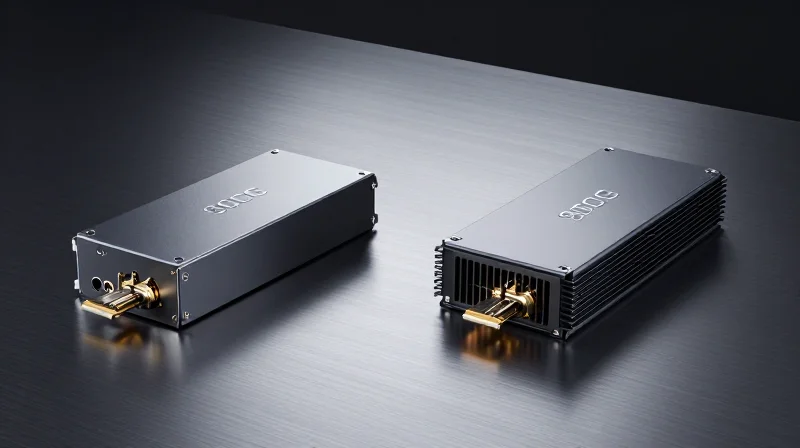
The fundamental difference between QSFP-DD800 and OSFP800 is a design philosophy choice between backward compatibility and thermal scalability. QSFP-DD800 (Double Density) focuses on maintaining the established QSFP footprint to ensure legacy support for 100G and 400G systems, while OSFP800 (Octal Small Form-factor Pluggable) introduces a physically larger module with integrated cooling to handle the higher power consumption typical of next-generation AI and hyperscale workloads.
Mechanical Dimensions and Thermal Comparison
For wholesale procurement planning, understanding the physical footprint is critical as it dictates switch chassis design and airflow requirements. OSFP800 is wider and deeper than QSFP-DD800, which allows for superior heat dissipation but requires entirely different cage and connector assemblies.
| Feature | QSFP-DD800 | OSFP800 |
|---|---|---|
| Width | 18.35 mm | 22.58 mm |
| Length | 78.26 mm | 107.8 mm |
| Height | 8.5 mm | 13.0 mm |
| Thermal Management | Riding Heatsink (External) | Integrated Heatsink (Internal) |
| Power Capacity | Up to 14W - 15W | Up to 17W - 20W |
Evolution of Electrical Interfaces and Pin Density
Both form factors utilize 8 lanes of 112G-PAM4 electrical signaling to achieve an aggregate 800G throughput. However, their physical implementations differ significantly. The QSFP-DD800 achieves its 'double density' by adding a second row of electrical contacts (76 pins total) while remaining short enough to fit into legacy QSFP ports. OSFP800 uses a 60-pin configuration but benefits from a wider pitch, which can simplify PCB routing and improve signal integrity over longer traces at high frequencies.
Technical Specifications FAQ
- Does QSFP-DD800 support legacy 400G QSFP-DD modules?
Yes, QSFP-DD800 cages are fully backward compatible with 400G QSFP-DD, QSFP56, and QSFP28 modules, making it the preferred choice for phased network upgrades. - Why does OSFP800 require an adapter for backward compatibility?
Due to its larger physical width and height, an OSFP-to-QSFP adapter is required to host legacy QSFP modules within an OSFP port, which adds cost and potential signal attenuation. - Which form factor is better for high-density AI clusters?
OSFP800 is often favored for 800G AI infrastructure because its integrated heatsink allows it to handle the higher power loads required by advanced DSPs and optical engines more efficiently than the smaller QSFP-DD.
Thermal Performance and Heat Dissipation: The OSFP Advantage
Thermal Performance and Heat Dissipation: The OSFP Advantage
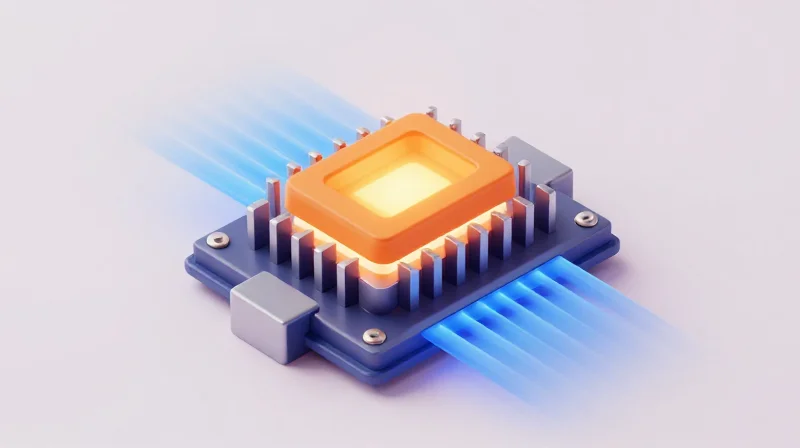
The primary challenge in 800G networking is managing the thermal output of Digital Signal Processors (DSPs), which can reach power levels between 15W and 25W per module. OSFP800 addresses this through a native architecture that integrates cooling fins directly onto the module body, allowing for superior heat dissipation compared to the QSFP-DD800. While QSFP-DD is designed for backward compatibility, OSFP was built specifically to handle the extreme power densities required by AI-driven high-performance computing (HPC) environments.
Comparative Thermal Engineering: Integrated vs. External Cooling
| Thermal Feature | OSFP800 | QSFP-DD800 |
|---|---|---|
| Heatsink Design | Integrated cooling fins on the module shell. | Relies on external 'riding' heatsinks on the cage. |
| Heat Path | Direct contact with airflow. | Indirect path through module-to-cage interface. |
| Typical Power Limit | Up to 30W per port. | Generally capped at 20W-25W for stability. |
| Thermal Resistance | Lower (High Efficiency) | Higher (Interface-dependent) |
The OSFP800's integrated heatsink design fundamentally changes how heat is transferred to the ambient environment. Because the cooling fins are part of the module itself, they are exposed directly to the switch's internal airflow. This eliminates the 'thermal bottleneck' found in QSFP-DD designs, where heat must cross the interface between the module shell and the equipment's riding heatsink. For wholesale buyers, this translates to better reliability and longer component lifespans in high-density racks.
Conversely, QSFP-DD800 maintains the legacy mechanical interface of previous generations. While this allows for backward compatibility with QSFP28 and QSFP56, it limits the surface area available for cooling. In a bulk deployment, OSFP800 systems often require less aggressive fan speeds to maintain the same operating temperature as QSFP-DD systems, leading to lower operational expenditures (OPEX) in terms of power consumption for cooling.
Thermal Considerations for Bulk Buyers
- Does OSFP800 require specialized switch hardware?
Yes, OSFP800 requires switches designed with OSFP slots. Because the cooling fins are integrated into the module, the switch cage must be physically large enough to accommodate the module's slightly wider and taller profile. - Which form factor is better for AI clusters?
OSFP800 is generally preferred for AI and machine learning clusters where 800G optics run at 100% duty cycles, as the superior thermal management prevents thermal throttling. - Can QSFP-DD800 handle 800G reliably?
Yes, but it requires highly optimized airflow and high-quality cage designs. Many enterprises choose QSFP-DD800 for its backward compatibility despite the more stringent thermal management requirements.
Backwards Compatibility and Port Density: The QSFP-DD800 Value Proposition
The Strategic Advantage of Legacy Support in QSFP-DD800
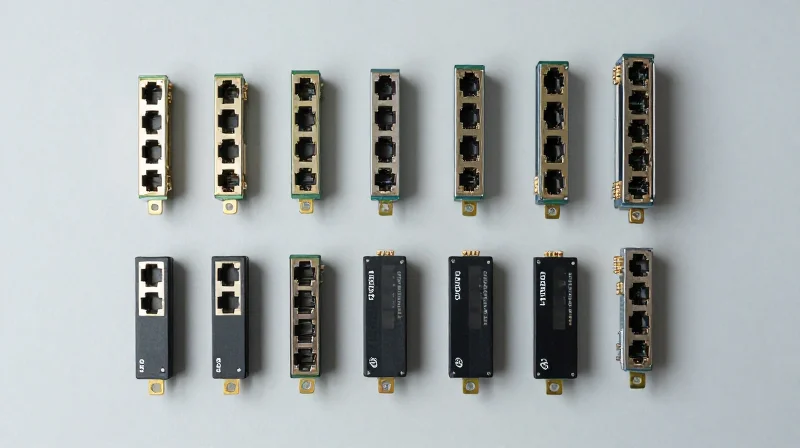
The primary value proposition of QSFP-DD800 (Double Density) lies in its 'backward-compatible-first' design philosophy, allowing it to natively support legacy QSFP28 and QSFP56 modules. Unlike the OSFP800, which requires a specialized mechanical adapter to interface with legacy hardware, QSFP-DD800 ports utilize a high-density 8-lane electrical interface that remains physically compatible with the 4-lane form factors of previous generations. This enables data center operators to deploy 800G-ready switches today while continuing to utilize their existing 100G and 200G transceiver inventory, significantly lowering the total cost of ownership (TCO) during phased network migrations.
Compatibility Breakdown and Port Dynamics
| Feature | QSFP-DD800 | OSFP800 |
|---|---|---|
| Mechanical Legacy Support | Native (QSFP+/28/56) | Requires Adapter |
| Electrical Interface | 8-Lane (Backward Compatible) | 8-Lane (New Architecture) |
| Max Port Density (1RU) | 36 Ports | 32-36 Ports |
| Ease of Migration | High (Plug-and-Play) | Moderate (Hardware Changes) |
Maximizing 1RU Port Density for Wholesale Efficiency
For wholesale purchasers looking to optimize rack space, QSFP-DD800 supports up to 36 ports in a standard 1RU chassis. This density is critical for 14.4Tbps and 28.8Tbps switching fabric deployments. While OSFP800 offers better thermal headroom, the QSFP-DD800’s smaller footprint allows for more compact faceplate designs. This ensures that enterprises can achieve the highest possible throughput without expanding their physical footprint, making it the preferred choice for environments where space is at a premium and existing cabling infrastructure must be preserved.
- Can I use 100G QSFP28 modules in a QSFP-DD800 port?
Yes, QSFP-DD800 cages are designed to be backward compatible with QSFP28 and QSFP56 modules, allowing for direct insertion and operation at the legacy module's rated speed. - How does QSFP-DD800 affect wholesale procurement strategies?
Purchasing QSFP-DD800 in bulk allows operators to standardize their hardware on a single port type that serves both current 100G/400G needs and future 800G requirements, simplifying inventory management. - Does backward compatibility impact 800G performance?
No, the backward compatibility is handled through the mechanical cage design and the first row of pins; when an 800G module is used, all 8 lanes are engaged for full-speed throughput.
Power Consumption Metrics: Efficiency at Scale
Power consumption in 800G optics is primarily driven by the Digital Signal Processor (DSP), which performs the complex equalization and forward error correction (FEC) required to maintain signal integrity over 112G SerDes lanes. For wholesale buyers, even a 1-watt difference per module translates into kilowatts of additional power and heat across a high-density chassis, directly impacting the Total Cost of Ownership (TCO) and the overall efficiency of the network fabric.
Comparative Power Envelopes: QSFP-DD800 vs. OSFP800
| Metric | QSFP-DD800 (Typical) | OSFP800 (Typical) | Industry Target |
|---|---|---|---|
| Typical Power Consumption | 14W - 17.5W | 15W - 19W | <16W per 800G |
| Thermal Management | External System Heatsink | Integrated Heat Fins | N/A |
| Max Power Class | Up to 18W (Class 8) | Up to 30W | N/A |
| Cooling Efficiency | Moderate (Airflow restricted) | High (Surface area optimized) | High |
The Impact of Thermal Management on Power Efficiency
While both form factors utilize similar 7nm or 5nm DSP architectures, the OSFP800's larger physical volume and integrated heatsink fins allow it to dissipate heat more effectively. This thermal advantage means that in a bulk deployment, OSFP800 modules can often operate at lower temperatures, which reduces the leakage current within the silicon and keeps the power draw closer to the nominal rating. Conversely, the compact QSFP-DD800 relies on the host switch's internal cooling and riding heatsinks, which can lead to higher junction temperatures and slightly elevated power consumption during peak traffic loads.
Calculating OpEx: Bulk Scaling and Cooling Costs
When scaling to a fully populated 32-port 800G leaf-and-spine architecture, the energy delta becomes significant. A switch loaded with 18W modules consumes 576W just for the optics. When factoring in a Power Usage Effectiveness (PUE) of 1.5, the total electricity demand for that switch rises by nearly 900W. Over a three-year lifecycle, a fleet of 100 such switches could see a difference of tens of thousands of dollars in utility costs depending solely on the efficiency of the chosen transceiver and the associated cooling demand on the facility's HVAC systems.
- Does 800G use more power than 400G per bit?
No, 800G optics are more efficient on a per-gigabit basis. They typically offer a 20% to 30% reduction in power-per-bit compared to using two separate 400G modules. - How does reach (DR8 vs. FR8) affect power draw?
Shorter reach optics like DR8 (500m) generally consume less power because they require less amplification and signal processing than long-reach FR8 or LR8 variants. - Can custom firmware reduce wholesale power costs?
Yes, many wholesale suppliers offer customized DSP firmware that can disable unused features or optimize power for specific cable lengths, potentially saving 0.5W to 1.0W per module.
Deployment Scenarios: When to Choose OSFP800 over QSFP-DD800

Strategic Selection: Deployment Scenarios for 800G Modules
The choice between OSFP800 and QSFP-DD800 is not merely about physical dimensions; it is a strategic decision based on the specific cooling capabilities of the switch hardware and the intended lifecycle of the network infrastructure. While both form factors achieve 800Gbps throughput, the underlying thermal dynamics and port density constraints dictate their suitability for different segments of the modern data center.
The Case for OSFP800: AI Clusters and High-Wattage Workloads
OSFP800 is the preferred choice for next-generation AI/ML clusters and high-density high-performance computing (HPC) environments. Because these workloads often require transceivers to operate at peak power for extended periods, the integrated heatsink of the OSFP800 module provides a distinct advantage. It can dissipate heat more effectively than the QSFP-DD, supporting power envelopes up to 15W or even 18W without risking thermal throttling or hardware failure.
| Deployment Scenario | Recommended Form Factor | Primary Decision Driver |
|---|---|---|
| AI/ML Training Clusters (GPU Interconnects) | OSFP800 | Superior thermal dissipation for high-duty cycles |
| Hyperscale Cloud Leaf-Spine (New Builds) | OSFP800 | Path toward 1.6T and higher power DSPs |
| Enterprise Core Router Upgrades | QSFP-DD800 | Backward compatibility with QSFP28/QSFP56 |
| Edge Data Centers (Space Constrained) | QSFP-DD800 | Higher density in standard 1U/2U rack configurations |
The Case for QSFP-DD800: Legacy Support and Port Density
QSFP-DD800 remains the industry standard for traditional leaf-spine architectures and core routing where investment protection is paramount. Its primary value proposition lies in its seamless backward compatibility. For network operators managing a mix of 100G, 400G, and 800G traffic, QSFP-DD800 ports can accept legacy QSFP modules, simplifying the migration path and reducing the need for specialized adapters or varied inventory.
Deployment FAQ: Choosing Your 800G Wholesale Strategy
- Can OSFP800 modules be used in QSFP-DD800 ports?
No, they are physically incompatible. However, some manufacturers offer OSFP-to-QSFP adapters for specific configurations, though this is generally avoided in high-performance wholesale deployments due to thermal inefficiencies. - Which form factor is better for future-proofing toward 1.6T?
OSFP is widely considered the better path for future-proofing. Its larger size was designed specifically to accommodate the thermal and electrical requirements of 1.6T and 3.2T modules. - Is there a significant price difference when buying wholesale?
Pricing is currently comparable; however, OSFP800 modules may carry a slight premium due to the integrated heatsink design, while QSFP-DD800 pricing is stabilized by high volume in enterprise markets.
Wholesale Procurement: Navigating Bulk Pricing and Supply Chains
Procuring 800G transceivers at scale in 2026 demands a departure from traditional spot-buying tactics. To secure competitive pricing for QSFP-DD800 and OSFP800 modules, enterprise and hyperscale buyers must leverage long-term forecasting and multi-vendor strategies. Successful procurement hinges on aligning technical specifications with vendor manufacturing cycles, ensuring that bulk pricing reflects not just volume, but also the strategic timing of the purchase relative to global component availability for DSPs and high-speed lasers.
Volume Tiers and Price Elasticity in 800G Markets
Pricing for 800G modules is highly sensitive to volume because of the intensive R&D and specialized manufacturing processes involved. While list prices for individual units remain high, significant price breaks occur at specific quantity thresholds. Buyers should look for 'step-down' pricing milestones where the economies of scale allow manufacturers to reduce the per-unit overhead of testing and quality assurance.
| Order Volume (Units) | Estimated Discount Tier | Typical Lead Time | Recommended Strategy |
|---|---|---|---|
| 1 - 50 | List / Reference Price | 2 - 3 Weeks | Prototype/Lab Testing |
| 51 - 250 | 12% - 18% Off List | 4 - 6 Weeks | Small Scale Deployment |
| 251 - 1,000 | 20% - 30% Off List | 8 - 12 Weeks | Full Rack Integration |
| 1,000+ | Direct Contract Quote | 16+ Weeks | Hyperscale / Multi-site |
Supply Chain Management and Lead Time Mitigation
The supply chain for 800G optics is currently influenced by the limited availability of advanced EML (Electro-absorption Modulated Lasers) and high-performance DSPs. When requesting custom quotes, procurement officers should inquire about 'blanket orders.' This allows a company to lock in a bulk price for a large quantity but schedule deliveries in staggered intervals, mitigating both supply chain risk and the impact on immediate capital expenditure (CAPEX).
- Demand Forecasting
Provide vendors with a rolling 6-month forecast to secure priority in the manufacturing queue. - Interoperability Certification
Ensure third-party wholesale modules are pre-coded and tested for specific switch environments (e.g., Arista, Cisco, NVIDIA) before bulk delivery. - Logistics Buffering
Maintain a 'safety stock' of 5-10% of total module volume to account for potential infant mortality or unforeseen expansions.
Procurement FAQ: Wholesale 800G Optics
- Why is OSFP800 pricing sometimes different from QSFP-DD800?
OSFP modules often require more complex heat-sink designs and materials to handle higher power envelopes (up to 30W), which can lead to a 5-10% price premium in low volumes compared to QSFP-DD. - What information is needed for a custom 800G quote?
Include the specific reach requirement (DR8, 2xFR4, SR8), the target switch platform for compatibility coding, and the required delivery schedule. - Can I mix vendors in a bulk 800G purchase?
While possible, it is recommended to maintain vendor consistency within a single fabric to simplify troubleshooting and ensure uniform optical performance across the link budget.
The Power of OEM/ODM: Customizing 800G Modules for Your Network
In the complex landscape of 800G networking, the ability to customize QSFP-DD800 and OSFP800 modules through OEM (Original Equipment Manufacturer) and ODM (Original Design Manufacturer) services is a strategic advantage. It moves beyond simple procurement, allowing organizations to tailor firmware, physical housing, and branding to meet precise operational requirements that off-the-shelf components cannot satisfy. This is particularly critical for bridging the gap between cutting-edge 800G transceivers and legacy or highly specialized network operating systems found in modern AI data centers.
Firmware Interoperability and Vendor Compatibility
The most common barrier to successful 800G integration is software-level compatibility. While hardware specifications are standardized by MSAs, vendor-specific coding often creates 'locked' environments. Custom engineering services provide precisely tuned EEPROM coding and firmware modifications that allow third-party modules to be recognized by Cisco, Arista, or Juniper switches as 'native' hardware. This customization ensures that advanced diagnostic features, such as Digital Optical Monitoring (DOM), function correctly across heterogeneous network fabrics without triggering 'unsupported transceiver' warnings.
Comparing OEM and ODM Services for 800G Wholesale
| Attribute | OEM Service Focus | ODM Service Focus |
|---|---|---|
| Design Origin | Client provides specific requirements for branding and packaging. | Manufacturer designs the core product, modified for specific client needs. |
| Technical Control | High control over firmware and compatibility profiles. | Deep control over internal components like lasers (EML/SiPh) and DSPs. |
| Best For | Corporate branding and simplified supply chain management. | Hyperscale data centers and AI clusters with unique engineering needs. |
| Lead Times | Typically faster for standard hardware with custom labels. | Longer lead times due to potential hardware or firmware R&D. |
White-Labeling and Brand Integration
For system integrators and wholesale buyers, white-labeling is a key component of a robust 'Buy QSFP-DD800 vs OSFP800 Wholesale' strategy. ODM services like those provided by Ubytelink allow for custom labeling, unique serial number sequences, and branded packaging. This not only builds brand equity for the integrator but also simplifies asset tracking and inventory management in massive data center deployments where thousands of units are active simultaneously across different rows and racks.
Frequently Asked Questions: 800G Customization
- Can ODM services help with specific cooling needs for 800G?
Yes, ODM providers can modify the fin design and thermal interface materials (TIM) of OSFP800 modules to optimize heat dissipation for either front-to-back or back-to-front airflow configurations based on rack design. - Does custom firmware impact the performance or latency of the module?
No, firmware customization primarily affects the handshake and recognition process between the switch and the module; the data path and latency remain dictated by the underlying DSP and optical engine specifications. - What is the minimum volume for a custom-engineered 800G solution?
While standard wholesale pricing applies to bulk orders, custom engineering or physical modifications typically require a minimum order quantity (MOQ) ranging from 50 to 200 units depending on the complexity of the changes.
Testing and Reliability: Ensuring Zero-Failure Performance
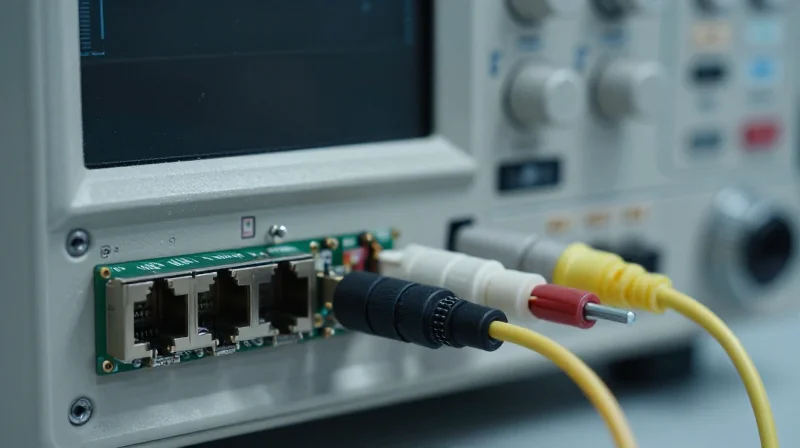
For 800G networking, reliability is not a luxury—it is a baseline requirement. As data centers migrate to QSFP-DD800 and OSFP800 architectures to support massive AI training clusters, the cost of a single module failure escalates from a minor maintenance task to a potential bottleneck for multi-million dollar compute jobs. Ensuring zero-failure performance requires a multi-layered testing regimen that goes beyond basic functional checks, encompassing signal integrity, thermal endurance, and rigorous interoperability validation across diverse hardware ecosystems.
The 800G Testing Hierarchy: From Wafer to Finished Product
High-tier wholesale providers like Ubytelink implement a 'Zero-Defect' strategy. This begins at the component level and extends through the assembly of the optical engine. Testing 800G modules involves complex digital signal processing (DSP) analysis and fine-tuning of the 112G PAM4 lanes to ensure that the Bit Error Rate (BER) remains well below the pre-FEC (Forward Error Correction) threshold.
| Test Parameter | Description | Target Benchmark (800G) |
|---|---|---|
| TDECQ | Transmitter Dispersion Eye Closure Quaternary | < 3.4 dB (Targeting minimal signal degradation) |
| BER (Pre-FEC) | Bit Error Rate before error correction | < 2.4E-4 (Ensures stable post-FEC traffic) |
| Thermal Stress | Operating stability at high temperatures | 0°C to 70°C (Standard) / -40°C to 85°C (Industrial) |
| TX/RX Power | Optical output and receiver sensitivity | Within IEEE 802.3ck / MSA specifications |
Thermal Management and 'Burn-in' Protocols
Both OSFP800 and QSFP-DD800 modules generate significant heat—often exceeding 15W to 18W per module. Reliability testing must include a 'Burn-in' period, where modules are operated at full capacity under elevated temperatures for 48 to 72 hours. This process identifies 'infant mortality' failures, ensuring that only the most robust units reach the customer's production environment. For OSFP modules, the integrated heatsink design is specifically stressed to validate its superior thermal dissipation over long-duration workloads.
Interoperability and Multi-Switch Validation
A critical failure point in bulk deployments is the lack of interoperability between different switch vendors (e.g., Cisco, Arista, NVIDIA/Mellanox). Wholesale 800G modules must undergo validation in 'Golden Systems'—real-world switch environments that mirror the customer's actual infrastructure. This ensures that the EEPROM coding and I2C communication protocols are perfectly tuned for seamless recognition and link-up.
Reliability FAQ for Bulk 800G Procurement
- What is the typical MTBF for 800G modules?
Mean Time Between Failures (MTBF) for high-quality 800G modules typically exceeds 10 million hours, though this is dependent on maintaining optimal operating temperatures. - How does Ubytelink handle RMAs for wholesale orders?
We offer a streamlined RMA process with advanced replacement options for mission-critical links, backed by a comprehensive 3-year to 5-year warranty depending on the module type. - Are modules tested for compatibility with 400G legacy systems?
Yes, our 800G modules undergo backward compatibility testing (breakout mode) to ensure they can interface reliably with 400G QSFP112 or QSFP-DD platforms.
Selecting the right 800G form factor is more than a technical decision; it is a long-term investment in your network's scalability. Whether you prioritize the thermal headroom of OSFP800 or the versatile compatibility of QSFP-DD800, Ubytelink is your partner in high-speed connectivity. Contact Ubytelink today for wholesale quotes and tailored OEM/ODM solutions to drive your 2026 network expansion.