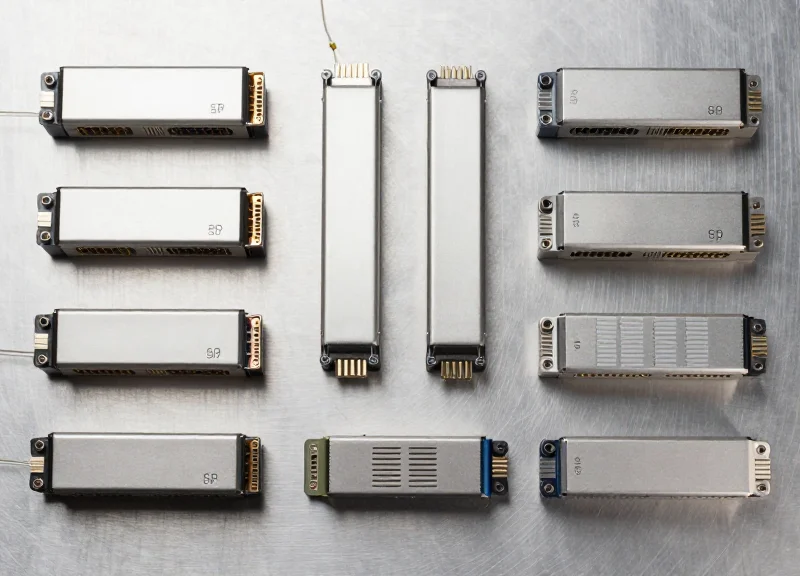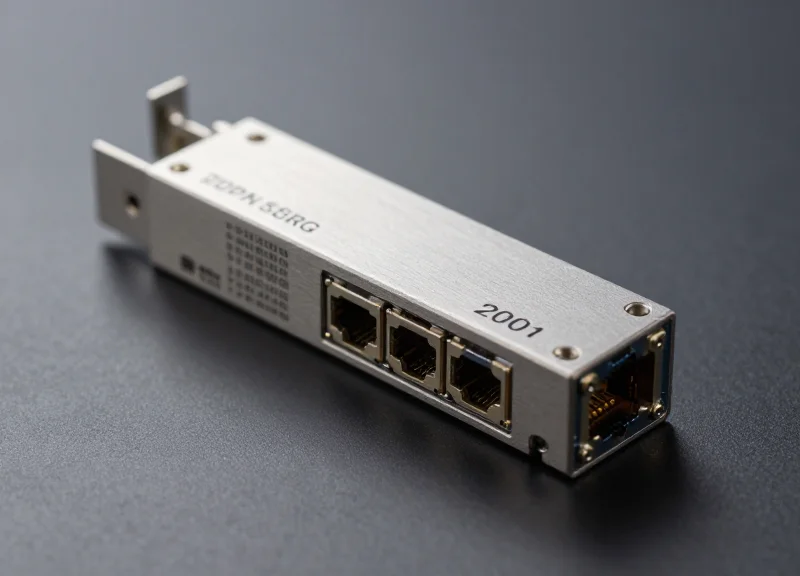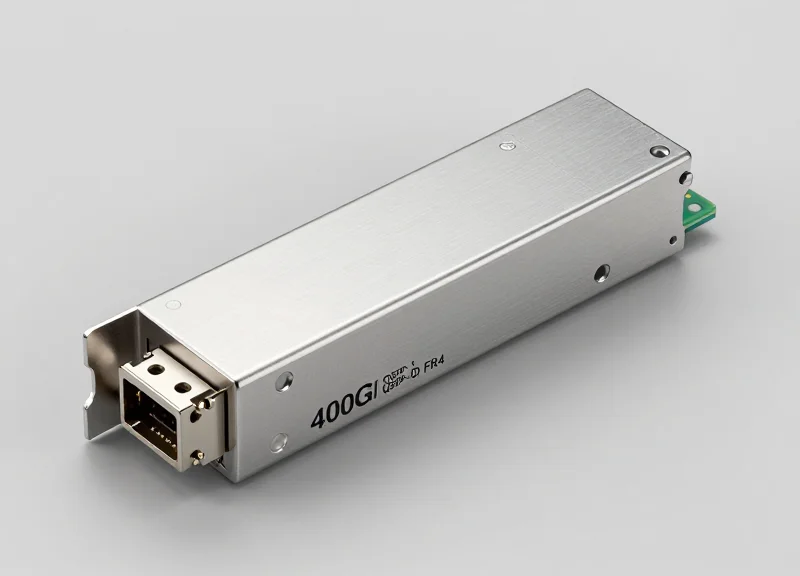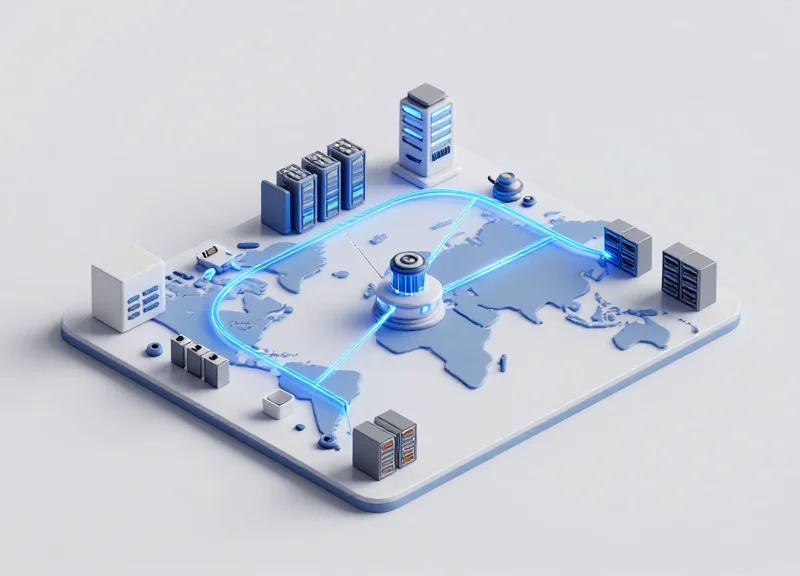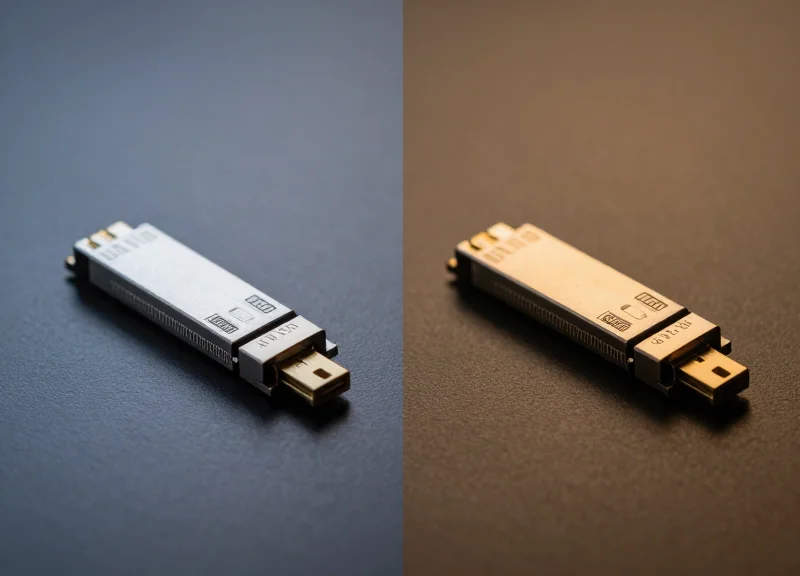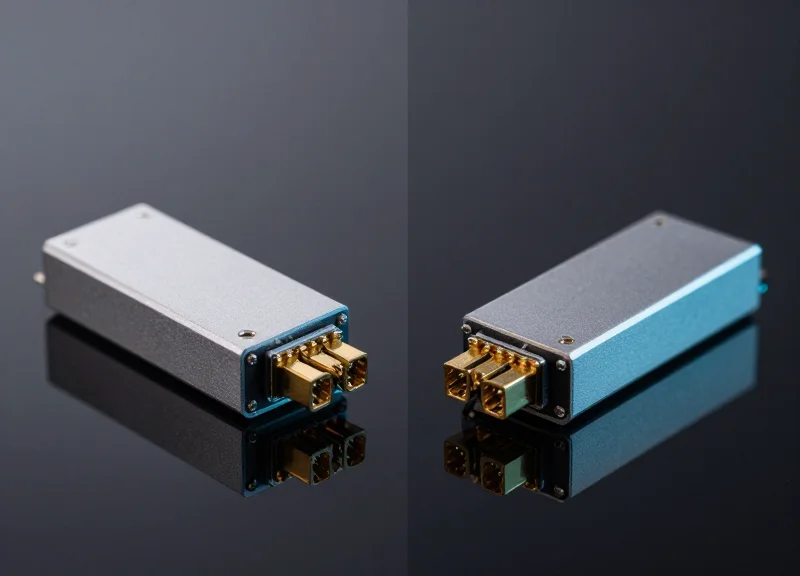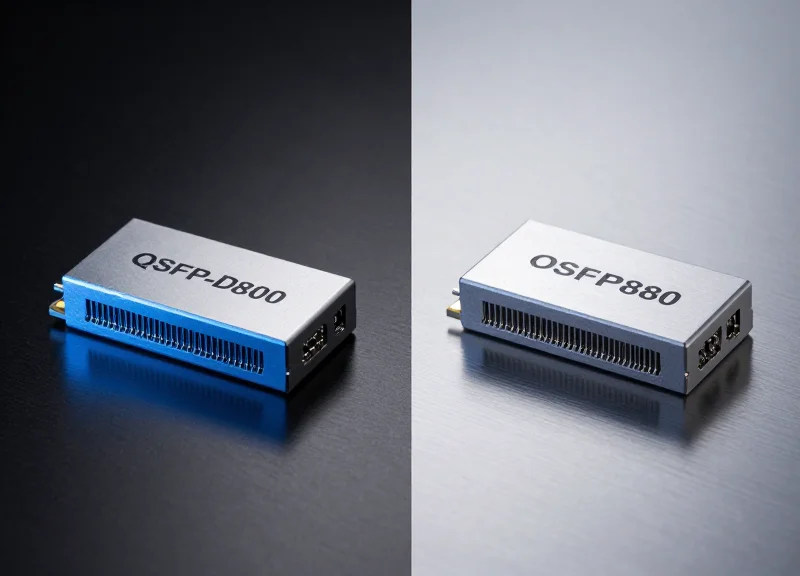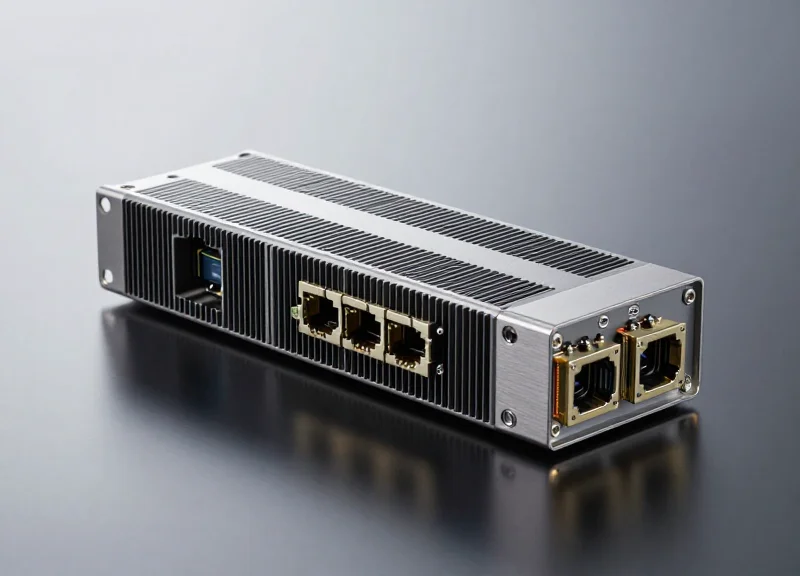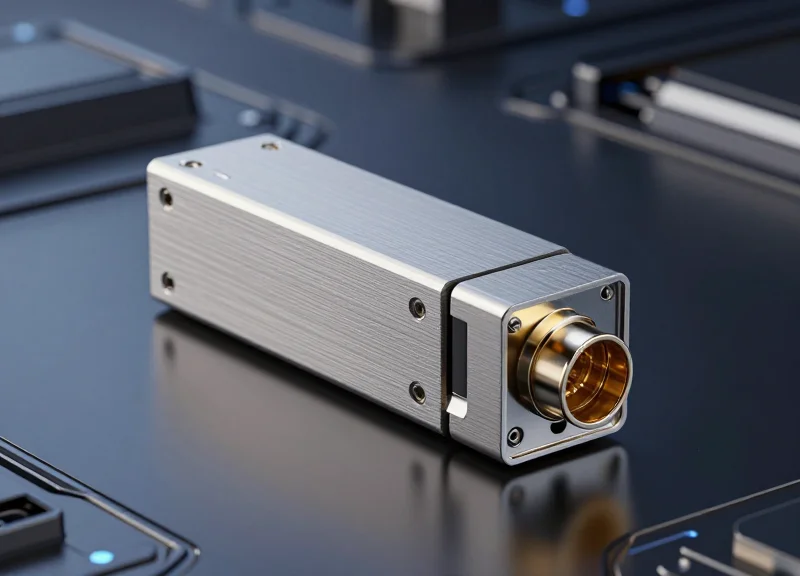
In an era of skyrocketing data demands, network engineers face a constant battle: expanding bandwidth without the prohibitive costs of new fiber trenching. Ubytelink’s BIDI Transceivers offer a sophisticated solution by enabling bidirectional traffic over a single fiber strand, effectively doubling infrastructure capacity while ensuring mission-critical reliability.
Understanding BiDi Technology: How WDM Doubles Your Fiber Capacity
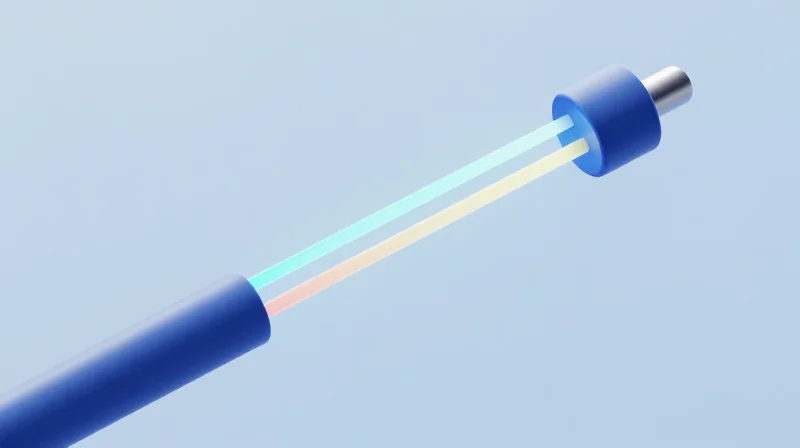
Traditional fiber optic systems rely on a dual-fiber approach, where one strand is dedicated to transmitting data (TX) and the other to receiving it (RX). Ubytelink BiDi transceivers revolutionize this architecture by utilizing Wavelength Division Multiplexing (WDM) to separate the upstream and downstream signals onto different wavelengths within the same physical fiber. By collapsing two lanes of traffic into one, network operators can immediately double their existing fiber infrastructure's capacity, significantly reducing both capital expenditure (CAPEX) and operational complexity in fiber-constrained environments.
The Mechanics of WDM in BiDi Systems
The core innovation of BiDi technology lies in the integration of WDM couplers and diplexers within the optical assembly. These components allow the transceiver to transmit at one specific wavelength while simultaneously receiving at another. Because light waves of different frequencies do not interfere with each other, the two signals can pass through the single fiber strand in opposite directions without signal degradation. To establish a successful link, BiDi transceivers are always deployed in matched pairs. For example, if Transceiver A (often designated as the 'Upstream' or 'U' unit) transmits at 1310nm and receives at 1490nm, Transceiver B (the 'Downstream' or 'D' unit) must transmit at 1490nm and receive at 1310nm.
| Feature | Standard Dual-Fiber Transceiver | Ubytelink BiDi Transceiver |
|---|---|---|
| Fiber Strand Requirement | Two strands (One for TX, one for RX) | Single strand (Simultaneous TX/RX) |
| Transmission Method | Single Wavelength | Wavelength Division Multiplexing (WDM) |
| Infrastructure Capacity | Baseline Capacity | 200% Capacity increase per strand |
| Deployment Strategy | Identical modules on both ends | Complementary matched pairs (BX-U/BX-D) |
Frequently Asked Questions about BiDi Implementation
- How does BiDi technology lower total cost of ownership (TCO)?
By requiring only half the fiber typically needed for a connection, BiDi transceivers reduce the cost of fiber leasing and trenching, which is particularly critical in metropolitan area networks (MANs) where fiber availability is scarce. - Can BiDi transceivers be used in existing network switches?
Yes, Ubytelink BiDi transceivers are designed to be fully compatible with standard SFP, SFP+, and QSFP ports, allowing for seamless integration into existing hardware without requiring specialized line cards. - What is the typical range of single-fiber solutions?
Depending on the specific Ubytelink model and power budget, BiDi solutions can reliably support distances ranging from short-reach 10km links to long-haul 80km spans over Single-Mode Fiber (SMF).
The Ubytelink Advantage: Engineering Excellence in Single Fiber Modules
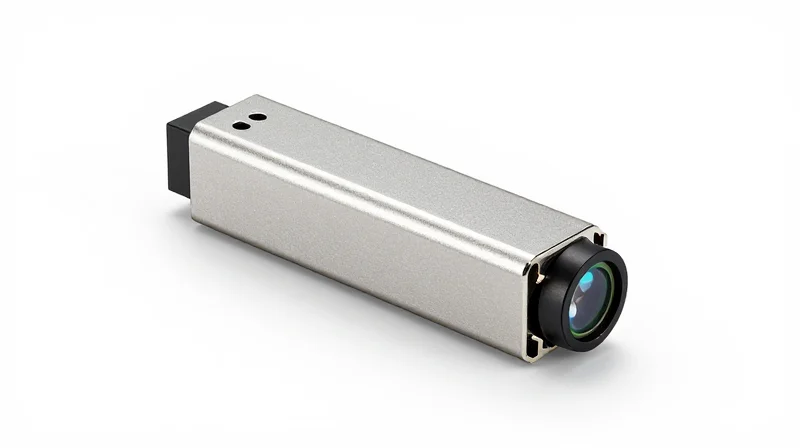
The Ubytelink Difference: Precision in Single-Fiber Communication
Ubytelink engineering addresses the inherent challenges of bidirectional transmission by utilizing high-isolation WDM filters and premium-grade sub-assemblies. While generic alternatives often struggle with signal crosstalk and thermal instability, our BiDi modules are built to maintain stringent signal integrity across the entire operating temperature range, ensuring that your single-fiber network operates at peak efficiency without packet loss or unexpected downtime.
Component-Level Superiority
The heart of a Ubytelink transceiver lies in its Transmitter Optical Sub-Assembly (TOSA) and Receiver Optical Sub-Assembly (ROSA). We utilize high-stability Distributed Feedback (DFB) lasers and high-sensitivity PIN or APD receivers. These components are specifically selected for their narrow spectral width and low noise floor, which are critical for maintaining a clean signal when transmitting and receiving simultaneously on the same fiber strand.
| Feature | Ubytelink BiDi Standard | Generic Alternatives |
|---|---|---|
| Optical Isolation | >30 dB High-Isolation Filters | 15-20 dB Standard Filters |
| Laser Source | Industrial-grade DFB / EML | Low-cost FP or uncooled DFB |
| Housing Material | Zinc Alloy with EMI Shielding | Standard Aluminum or Plastic |
| Reliability (MTBF) | Over 1,000,000 Hours | Approx. 300,000 Hours |
Rigorous Testing and Calibration
Every Ubytelink BiDi module undergoes a comprehensive battery of tests before leaving our facility. This includes automated Bit Error Rate (BER) testing to ensure error-free data transport and eye-pattern analysis to verify optical signal quality. Furthermore, our modules are tested in real-world switch environments to guarantee 100% compatibility with major networking brands, removing the risk of port-locking or diagnostic errors.
- How does Ubytelink minimize crosstalk in BiDi modules?
We employ thin-film filter (TFF) technology with high return loss and isolation specifications, ensuring the outgoing signal does not interfere with the incoming wavelength. - Can Ubytelink modules handle extreme environmental conditions?
Yes, we offer both commercial and industrial temperature range options, with the latter designed to operate reliably between -40°C and +85°C. - Is the DDM/DOM data accurate on these modules?
Absolutely. Our modules feature precisely calibrated Digital Diagnostic Monitoring (DDM) so network administrators can monitor real-time power, temperature, and voltage levels with high accuracy.
Key Features of Ubytelink BIDI Transceivers: Performance Metrics and Reliability
Ubytelink BIDI transceivers for single fiber solutions provide premium quality for global networks by integrating advanced optical sub-assemblies that prioritize signal integrity and long-term hardware reliability. Unlike standard modules, Ubytelink engineering focuses on minimizing optical return loss and maximizing receiver sensitivity, ensuring that data transmission remains stable across varied distances and environmental stressors.
Critical Performance Metrics: Optical Budget and Sensitivity
The efficiency of a BiDi (Bidirectional) system is defined by its ability to separate wavelengths with minimal interference. Ubytelink utilizes high-isolation WDM filters that achieve less than 0.3 dB insertion loss, which significantly extends the reach of the fiber link without requiring additional amplification. This precision allows for higher receiver sensitivity, enabling the detection of weaker signals over long-haul deployments.
| Feature Metric | Ubytelink Industrial Grade | Standard Generic Grade |
|---|---|---|
| Insertion Loss | < 0.3 dB | 0.5 dB - 1.0 dB |
| Receiver Sensitivity | Up to -32 dBm | -18 to -24 dBm |
| WDM Isolation | > 45 dB | > 30 dB |
| Operating Temperature | -40°C to +85°C | 0°C to +70°C |
Reliability and Industrial Thermal Architecture
Global networks often traverse harsh environments, from uncooled outdoor cabinets to high-density data centers. Ubytelink BIDI transceivers are engineered with a robust thermal management system that utilizes specialized heat-conductive materials and laser stabilization circuits. This ensures that the center wavelength remains within a strict tolerance (typically ±20nm), preventing signal drift even during extreme temperature fluctuations.
Technical FAQ: Performance and Implementation
- How does Ubytelink mitigate optical crosstalk in single-fiber links?
We employ high-extinction ratio lasers and high-rejection thin-film filters (TFF) to ensure that the transmitted light on one wavelength does not bleed into the receiver path of the counter-wavelength. - Are Ubytelink BIDI modules compatible with legacy networking hardware?
Yes, our modules are fully MSA (Multi-Source Agreement) compliant and feature customizable EEPROM coding to ensure seamless handshake protocols with major global switch and router vendors. - What is the expected lifespan (MTBF) of these transceivers?
Due to our use of premium gold-plated connectors and hermetically sealed optical components, Ubytelink transceivers maintain a Mean Time Between Failures (MTBF) exceeding 1,000,000 hours.
Applications in Mission-Critical Infrastructure: From Data Centers to 5G Backhaul

Ubytelink BIDI transceivers serve as a cornerstone for modern mission-critical infrastructure by doubling bandwidth capacity over existing fiber plants, effectively resolving physical space constraints and reducing the total cost of ownership (TCO) across complex global deployments. By consolidating transmit and receive functions onto a single strand, these modules allow engineers to bypass the logistical and financial burdens of installing new fiber while maintaining the rigorous performance standards required for low-latency applications.
Maximizing High-Density Data Center Efficiency
In hyperscale and enterprise data centers, cable management is often the primary bottleneck for scalability. Ubytelink BIDI solutions enable operators to maintain high throughput while halving the volume of patch cords required in high-density racks. This reduction in cabling density significantly improves airflow and thermal management, which are critical for the longevity of high-performance computing hardware. Furthermore, by utilizing single-fiber links, data centers can maximize their existing patch panel capacity, deferring expensive infrastructure upgrades as they transition from 10G to 40G and 100G architectures.
5G Fronthaul and Backhaul: Overcoming Urban Fiber Scarcity
The global rollout of 5G networks demands a massive increase in cell site density. Ubytelink BIDI modules are instrumental in the fronthaul segment, where fiber availability is frequently limited and trenching costs in urban environments are prohibitive. By leveraging Wavelength Division Multiplexing (WDM) over a single strand, telecommunications providers can connect more Remote Radio Units (RRUs) to Baseband Units (BBUs) using their current fiber footprint. This allows for rapid service activation and ensures that 5G backhaul links maintain the strict synchronization and low jitter requirements necessary for sub-millisecond latency services.
| Infrastructure Type | Traditional Dual-Fiber Impact | Ubytelink BIDI Advantage |
|---|---|---|
| Hyperscale Data Center | High congestion; complex airflow obstruction. | 50% reduction in cabling; improved cooling. |
| 5G Small Cell Sites | Doubles trenching/leasing costs per node. | Utilizes existing strands; faster time-to-market. |
| Campus/FTTX Networks | Rapidly depletes available fiber capacity. | Instantly doubles capacity for new subscribers. |
| Industrial Automation | Fragile dual-fiber paths increase risk. | Streamlined single-fiber paths enhance reliability. |
Industrial and Enterprise Backbone Reliability
Beyond telecommunications, Ubytelink BIDI transceivers are critical in industrial automation and metropolitan area networks (MANs). In environments like smart factories or railway monitoring systems, the simplicity of a single-fiber connection reduces the number of potential failure points. Ubytelink's premium engineering ensures that these modules withstand the electromagnetic interference and temperature fluctuations typical of industrial settings, providing a robust backbone for real-time monitoring and control data.
Deployment FAQ: Mission-Critical Applications
- Can BIDI transceivers be used in existing patch panels?
Yes, Ubytelink BIDI transceivers use standard LC connectors and are fully compatible with existing patch panels, allowing for a seamless transition without replacing passive infrastructure. - How does Ubytelink ensure signal integrity over a single strand?
We utilize high-precision WDM filters to isolate the transmit and receive wavelengths (e.g., 1270nm/1330nm), preventing crosstalk and ensuring low bit-error rates even over long distances. - Are these modules suitable for outdoor 5G enclosures?
Absolutely. Our industrial-grade BIDI modules are designed to operate in extended temperature ranges (-40°C to +85°C), making them ideal for unconditioned outdoor cabinets.
Cost-Benefit Analysis: Reducing CAPEX and OPEX with Single Fiber Solutions

The Economic Advantage of Single Fiber Architecture
Ubytelink BIDI transceivers provide a transformative financial model for network operators by enabling bidirectional traffic over a single fiber strand, effectively halving the physical infrastructure required for high-bandwidth connectivity. This architectural shift allows organizations to bypass the massive capital investments usually associated with laying new fiber or leasing additional dark fiber, while simultaneously streamlining the operational complexities of modern high-density environments.
CAPEX Reduction: Optimizing Passive Infrastructure
Capital Expenditure (CAPEX) savings with BiDi technology extend far beyond the fiber optic cable itself. By utilizing a single strand, the requirements for passive components such as patch panels, splice trays, and cable management systems are reduced by 50%. In urban deployments or legacy data centers where conduit space is at a premium, this efficiency prevents the need for expensive civil engineering projects to expand duct capacity.
| Infrastructure Component | Dual Fiber Requirement | Single Fiber (BiDi) Requirement | Estimated Cost Savings |
|---|---|---|---|
| Fiber Strands per Link | 2 Strands | 1 Strand | 50% Reduction |
| Patch Panel Ports | 2 Ports | 1 Port | 50% Space Saving |
| Cable Management Trays | High Volume | Low Volume | Significant |
| Initial Fiber Leasing | Full Price | Reduced Price | Up to 50% Monthly |
OPEX Efficiency: Lowering Maintenance and Management Costs
Operational Expenditure (OPEX) is significantly impacted by the reduction in cabling complexity. Ubytelink's premium BiDi modules minimize long-term costs by simplifying troubleshooting and reducing the physical footprint in the rack. Fewer cables result in better airflow within data center cabinets, which lowers cooling costs and improves the overall thermal profile of the networking equipment. Furthermore, administrative tasks such as labeling and documentation are simplified, reducing the likelihood of human error during maintenance windows.
- How does BiDi technology impact fiber leasing costs?
For organizations leasing dark fiber from third-party providers, BiDi transceivers allow for two separate channels over a single leased strand, effectively doubling the bandwidth ROI and halving the cost per gigabit. - Does the use of BiDi modules increase power consumption?
No, Ubytelink BIDI transceivers are engineered for low power consumption, comparable to standard dual-fiber modules, ensuring that the savings in cabling do not result in higher energy bills. - What is the primary financial benefit for 5G backhaul deployments?
In 5G networks, where fiber density is a major cost driver, BiDi solutions allow carriers to support more cellsites using existing fiber pits, delaying the need for multi-million dollar infrastructure upgrades.
Technical Compatibility and Interoperability: Seamless Integration
In the modern networking landscape, the ability to integrate components from multiple vendors without performance degradation is paramount. Ubytelink BIDI transceivers are designed with this interoperability at their core, undergoing extensive validation to ensure they function flawlessly within existing architectures using equipment from Cisco, Juniper, Arista, and other industry leaders. This universal compatibility eliminates the traditional barriers to upgrading fiber infrastructure, allowing network architects to deploy single-fiber solutions with absolute confidence in their hardware synergy.
Universal Compatibility and Vendor-Specific Coding
To achieve high-level stability, Ubytelink employs a meticulous coding process for the transceiver Electrically Erasable Programmable Read-Only Memory (EEPROM). This ensures that the hardware is recognized by the host system's firmware as original equipment, effectively bypassing common 'unsupported transceiver' warnings and maintaining full Digital Optical Monitoring (DOM) capabilities for real-time performance tracking.
| Vendor Ecosystem | Hardware Series Tested | Integration Features |
|---|---|---|
| Cisco | Catalyst 9000, Nexus 9K/3K | Full IOS/NX-OS Recognition, DOM Support |
| Juniper | MX, EX, QFX Series | CLI Transparency, Error-Free Link-Up |
| Arista | 7000/7500 Series | Zero-Touch Provisioning, Low Latency Coding |
| Dell/HPE | PowerSwitch, ProCurve | Cross-Platform Stability, Plug-and-Play |
The Lab Testing Advantage: Beyond the Data Sheet
Compatibility at Ubytelink is not just about firmware; it is about physical and electrical harmony. Every BIDI module undergoes a rigorous testing cycle in a simulated real-world environment. This includes testing signal integrity under heavy traffic loads and extreme temperature cycles within the actual switch chassis they are intended for. This 'real-world' validation ensures that jitter, dispersion, and power consumption levels remain well within the tolerances required by high-density enterprise and service provider platforms.
- Are Ubytelink BIDI transceivers truly plug-and-play?
Yes. Each module is pre-coded and tested for specific hardware environments, ensuring that it is recognized immediately upon insertion without requiring manual configuration or CLI overrides. - How does Ubytelink handle firmware updates from major vendors?
Ubytelink actively monitors vendor firmware releases and updates our coding algorithms accordingly, ensuring that our transceivers remain compatible even after system-wide software upgrades. - Can these transceivers work in a mixed-vendor environment?
Absolutely. Our BIDI solutions are designed to bridge the gap between different vendor platforms, maintaining link stability and performance across heterogeneous network fabrics.
Quality Assurance and Testing: Why Ubytelink Leads the Industry
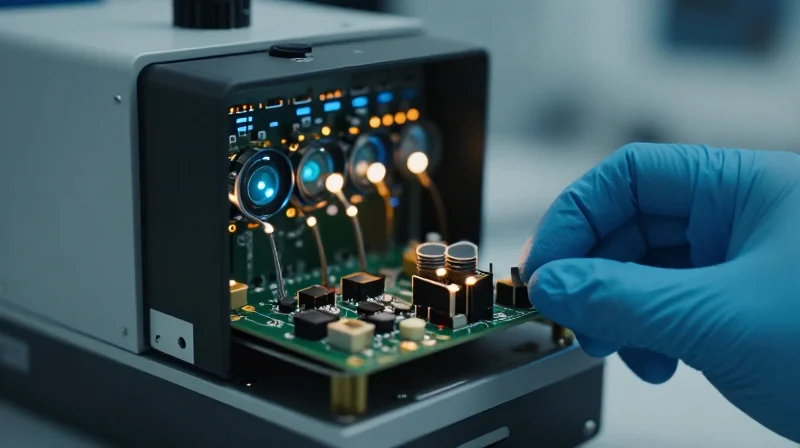
Ubytelink’s industry leadership in BIDI transceivers is built upon a foundation of zero-compromise quality assurance, where every module undergoes exhaustive performance validation to ensure mission-critical reliability across global fiber networks. By integrating advanced automation with high-precision diagnostic tools, we provide transceivers that do more than just meet standards; they redefine them for the most demanding telecommunications environments.
The Ubytelink Laboratory: Where Precision Meets Performance
At the heart of our operations is a state-of-the-art laboratory dedicated to the rigorous validation of single-fiber solutions. Our testing protocol focuses on two primary pillars: signal integrity and structural consistency. Unlike generic manufacturers that rely on batch sampling, Ubytelink subjects every single BIDI unit to a gauntlet of stressors designed to simulate a decade of real-world use.
Bit Error Rate (BER) and Signal Integrity
Data integrity is non-negotiable. Our Bit Error Rate (BER) testing ensures that our BIDI transceivers maintain a BER of 10^-12 or better, effectively guaranteeing error-free transmission even over long-distance single-fiber spans. We utilize high-speed oscilloscopes and eye-pattern analysis to monitor the 'Eye Mask' of the optical signal, ensuring that jitter and noise are kept well below industry thresholds to prevent packet loss in high-bandwidth applications.
Automated Optical Alignment Systems
Bi-Directional technology requires extreme precision in wavelength separation and coupling. To achieve this, Ubytelink employs automated optical alignment processes. By using robotic systems to position the TOSA (Transmitter Optical Sub-Assembly) and ROSA (Receiver Optical Sub-Assembly), we eliminate the variability and 'human error' associated with manual assembly. This results in superior coupling efficiency, lower insertion loss, and consistent performance across thousands of units.
| Quality Metric | Ubytelink Standard | Generic/Market Standard |
|---|---|---|
| Testing Coverage | 100% Individual Unit Testing | Random Batch Sampling |
| Bit Error Rate (BER) | ≤ 10^-12 (Error-free) | ≤ 10^-10 (Variable) |
| Optical Alignment | Fully Automated Precision | Manual/Semi-Automated |
| Temp. Cycling | -40°C to +85°C (Industrial) | 0°C to 70°C (Commercial Only) |
| Burn-in Period | 48-72 Hours Stress Test | Minimal or None |
Quality Assurance FAQ
- How does Ubytelink guarantee compatibility with third-party hardware?
We maintain an extensive 'Compatibility Lab' featuring the latest switches and routers from Cisco, Juniper, Arista, and others. Each BIDI transceiver is coded and tested in-system to ensure full EEPROM recognition and seamless DOM (Digital Optical Monitoring) functionality. - What is the importance of 'Burn-in' testing for BIDI modules?
The burn-in process identifies 'infant mortality' in electronic components. By operating the transceivers under high-temperature stress for an extended period before shipping, we ensure that any potential failures happen in our lab, not in your live network. - Does automated alignment impact the lifespan of the transceiver?
Yes, positively. Precise alignment reduces the amount of power needed to drive the laser, which minimizes heat generation. Lower operating temperatures directly correlate to a longer Mean Time Between Failures (MTBF) for the internal laser diode.
By adhering to these stringent laboratory standards, Ubytelink provides global enterprises with the confidence that their single-fiber infrastructure is supported by the most reliable BIDI transceivers on the market. Our commitment to quality is not just a promise; it is a verifiable technical reality.
Installation and Deployment Best Practices for BiDi Networks
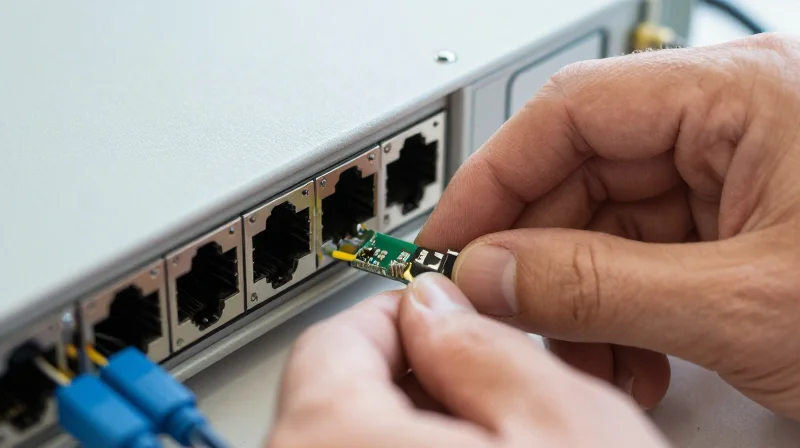
Deploying Ubytelink BIDI transceivers requires a fundamental shift from traditional dual-fiber installation workflows, primarily because communication occurs over a single optical strand using wavelength division multiplexing (WDM). The integrity of a BiDi network relies on the 'complementary pairing' of transceivers, where the transmit (TX) wavelength of one unit matches the receive (RX) wavelength of the other. Failure to observe these specific pairing rules or neglecting fiber end-face hygiene can lead to link failure, high bit error rates, or equipment damage due to back-reflection.
Strategic Wavelength Pairing: Side A and Side B
Unlike standard SFP modules that use two fibers for independent TX and RX paths, BiDi modules use different wavelengths to separate traffic on a single wire. Technicians must deploy these in matched sets, often referred to as 'Upstream' (Side A) and 'Downstream' (Side B). For instance, if Side A transmits at 1310nm, Side B must transmit at 1490nm to avoid spectral interference.
| Transceiver Type | Side A (TX / RX) | Side B (TX / RX) | Common Application |
|---|---|---|---|
| 1G/10G BiDi (Standard) | 1310nm / 1490nm | 1490nm / 1310nm | Enterprise / Campus |
| 10G/25G BiDi (Industrial) | 1270nm / 1330nm | 1330nm / 1270nm | 5G Front-haul / Data Center |
| 40G/100G BiDi (PAM4) | 850nm / 900nm | 900nm / 850nm | High-Density Core |
Optical Hygiene and Back-Reflection Management
Because BiDi transceivers send and receive signals over the same physical glass, they are significantly more sensitive to back-reflections caused by dust, oils, or scratches. A single speck of dust can reflect the outgoing TX signal back into the sensitive RX Diode, creating 'optical crosstalk' that degrades the signal-to-noise ratio. Ubytelink recommends a strict 'Inspect, Clean, Inspect' protocol using an optical fiber microscope before every insertion.
Installation FAQ and Troubleshooting
- How can I quickly identify Side A vs. Side B in the field?
Ubytelink modules utilize color-coded bail latches and clear labeling. Generally, 1270nm/1310nm TX units use one color (e.g., Blue), while 1330nm/1490nm TX units use another (e.g., Purple/Green). Always verify the wavelength specs printed on the label before installation. - Why is my BiDi link showing 'Light Detected' but no 'Link Up'?
This usually indicates a wavelength mismatch. You may have installed two 'Side A' modules or two 'Side B' modules at both ends. Both will emit light, but neither will be able to 'see' the other's transmit frequency. - What is the recommended connector type for BiDi solutions?
While LC-UPC is common, LC-APC (Angled Physical Contact) is preferred for high-power or long-distance BiDi links to minimize return loss and back-reflection.
Deployment Documentation Best Practices
To simplify future maintenance, technicians should clearly label both the patch panel and the fiber cable ends with the specific TX/RX wavelengths. Maintaining a centralized 'Wavelength Map' prevents confusion during emergency repairs, ensuring that replacement modules match the existing infrastructure's spectral requirements.
Future-Proofing Your Network with Advanced Optical Technology
Future-proofing a network with Ubytelink BIDI transceivers involves a strategic shift toward high-speed single-fiber solutions that leverage advanced modulation and wavelength multiplexing to double fiber capacity without the need for costly new cable deployments. By providing a clear roadmap from legacy 10G links to 25G, 50G, and even 100G architectures, Ubytelink ensures that global enterprises can scale their bandwidth density efficiently while maintaining the premium reliability required for mission-critical operations.
The Transition to 25G and 50G BiDi for 5G Fronthaul
As 5G networks expand, the demand for higher bandwidth in the fronthaul and midhaul segments has made 25G and 50G BiDi transceivers the new industry standard. Ubytelink supports this transition with transceivers that utilize sophisticated Distributed Feedback (DFB) lasers and Electro-absorption Modulated Lasers (EML) to maintain signal clarity over longer distances, ensuring that service providers can maximize their existing fiber plant while delivering ultra-low latency.
| Standard | Max Data Rate | Modulation Type | Primary Use Case |
|---|---|---|---|
| 10G BiDi | 10.3 Gbps | NRZ | Enterprise Core / Campus |
| 25G BiDi | 25.7 Gbps | NRZ | 5G Fronthaul / Cloud Access |
| 50G BiDi | 53.1 Gbps | PAM4 | Midhaul / Data Center Interconnect |
| 100G BiDi | 106.2 Gbps | PAM4 | High-Density Backbone / Aggregation |
Pioneering 100G BiDi with PAM4 Technology
The next frontier in single-fiber technology is the 100G BiDi transceiver. Ubytelink is at the forefront of this innovation, utilizing Pulse Amplitude Modulation 4-level (PAM4) to transmit 100G of data over a single fiber strand. This breakthrough allows network architects to aggregate massive amounts of traffic at the edge or within the data center while reducing the physical footprint of the cabling infrastructure by 50% compared to traditional duplex solutions.
Future-Proofing FAQ
- Can I upgrade from 10G to 25G BiDi using the same fiber?
Yes, Ubytelink 25G BiDi transceivers are designed to operate on existing single-mode fiber (SMF) infrastructure, allowing for a seamless bandwidth increase without replacing the cable plant. - How does PAM4 modulation affect link distance?
While PAM4 is more sensitive to noise, Ubytelink compensates for this using integrated Forward Error Correction (FEC) and high-quality optical components to maintain robust reach up to 10km and beyond. - Are Ubytelink higher-speed BiDi modules compatible with older switches?
Ubytelink transceivers follow MSA standards, but hardware compatibility depends on the host switch's port capabilities; 25G modules typically require SFP28 ports, while 100G modules require QSFP28 or QSFP-DD ports.
By investing in Ubytelink's advanced optical roadmap, organizations gain more than just hardware; they secure a scalable foundation for the next decade of digital transformation. Our commitment to rigorous testing and cutting-edge R&D ensures that every BiDi module is prepared to handle the data-intensive applications of tomorrow, from AI-driven analytics to global cloud federation.
Ubytelink provides the robust, high-performance optical components needed to scale global networks efficiently. By choosing our BIDI transceivers, you invest in a legacy of reliability and engineering precision. Contact our engineering team today to optimize your fiber infrastructure and request a custom quote.