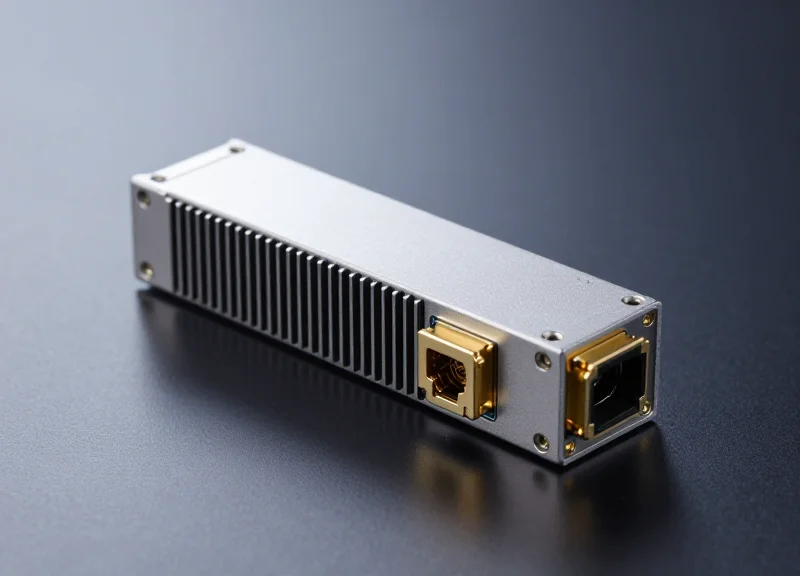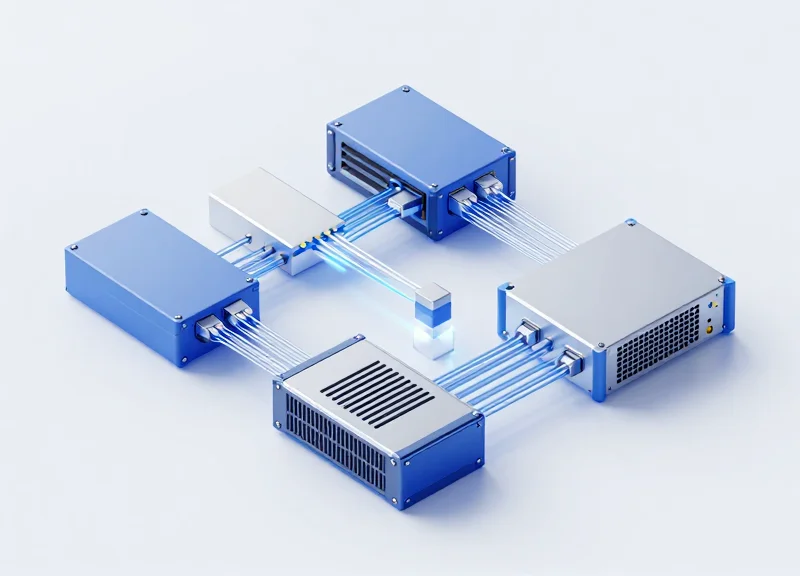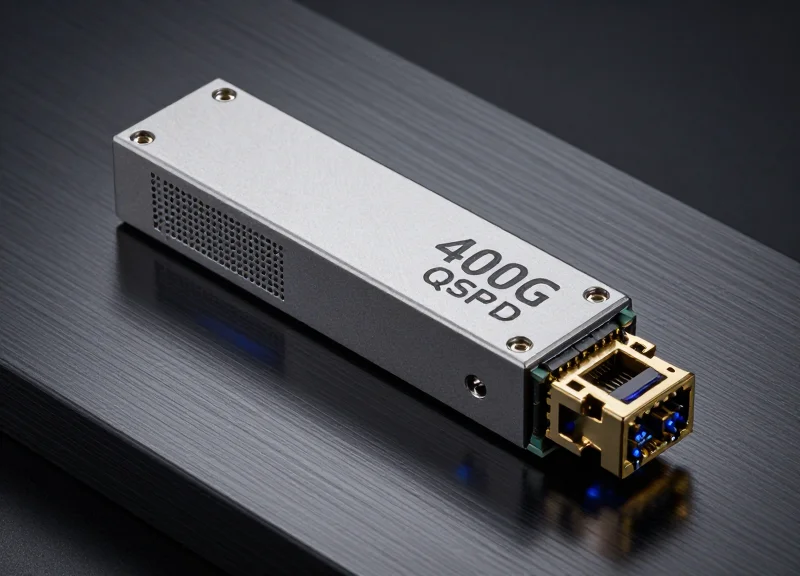
As global data traffic surges, organizations are transitioning to 400G infrastructures to meet bandwidth demands. For users of Arista networking equipment, the challenge lies in balancing high costs with the need for mission-critical reliability. Ubytelink addresses this by offering 400G solutions that match OEM performance at a fraction of the price, ensuring your network scales efficiently and securely.
The Rise of 400G: Meeting Next-Generation Bandwidth Demands

The Shift to 400G: A Necessity for Modern Data Centers
The transition from 100G to 400G is driven by the saturation of existing bandwidth capacities and the critical need for higher port density and lower power consumption per bit. As enterprises migrate to multi-cloud architectures and integrate massive AI training clusters, the 400G ecosystem—spearheaded by Arista Networks—provides the necessary throughput to eliminate network bottlenecks and ensure seamless data flow across global infrastructures.
Key Drivers of the 400G Evolution
Several technological trends have converged to make 400G the baseline for next-generation networking. Artificial Intelligence (AI) and Machine Learning (ML) require high-bandwidth, low-latency fabrics to synchronize GPU clusters. Simultaneously, the rise of 5G and edge computing has increased the volume of data generated at the periphery, forcing core networks to expand their capacity to avoid congestion.
| Feature | 100G Ethernet (Legacy) | 400G Ethernet (Next-Gen) |
|---|---|---|
| Max Throughput | 100 Gbps | 400 Gbps |
| Standard Form Factor | QSFP28 | QSFP-DD / OSFP |
| Encoding Technology | NRZ | PAM4 |
| Power Efficiency | Higher Watts per Gigabit | Optimized Watts per Gigabit |
Arista's Leadership in the 400G Ecosystem
Arista Networks has cemented its role as a leader in this space by developing high-density switching platforms like the 7060X4 and 7280R3 series. These platforms utilize advanced silicon and the EOS operating system to provide the telemetry and automation required for 400G deployments. For network operators, Arista compatibility is paramount, as it ensures that third-party optics and cables can deliver the same reliability as OEM components while significantly reducing CAPEX.
- Why is PAM4 encoding important for 400G?
PAM4 (Pulse Amplitude Modulation 4-level) allows twice the amount of data to be transmitted in the same time slot compared to traditional NRZ, making 400G speeds possible over existing fiber types. - How does 400G improve data center ROI?
By consolidating four 100G links into a single 400G port, data centers reduce cable complexity, use fewer switch ports, and lower the overall power cooling costs per terabit of data. - Are Arista switches compatible with both QSFP-DD and OSFP?
Yes, Arista offers different hardware configurations supporting both QSFP-DD and OSFP form factors to provide flexibility for various cooling and backward compatibility requirements.
The Value Proposition of Arista-Compatible Optics

The Strategic Advantage of Arista-Compatible Optics
The shift toward Arista-compatible optics is driven by the need for data center operators to scale their 400G infrastructure while maintaining strict financial discipline and operational agility. While original equipment manufacturer (OEM) components offer guaranteed compatibility, high-quality third-party solutions like those from Ubytelink provide identical performance profiles and reliability at a fraction of the cost, effectively decoupling network growth from exponential hardware expenditures.
Budget Optimization and CAPEX Efficiency
In a 400G environment, the cost of optical transceivers can often exceed the cost of the switching hardware itself. By utilizing compatible optics, organizations can reallocate significant portions of their CAPEX toward other critical infrastructure needs or expand their network footprint more aggressively. This financial flexibility is achieved without sacrificing the technical specifications required for high-density Arista environments.
| Feature | Arista OEM Optics | Ubytelink Compatible 400G |
|---|---|---|
| Cost Basis | Premium/High Margin | Value-Engineered/Cost-Effective |
| Performance | Standard-Based | Standard-Based (Identical) |
| Lead Times | Weeks to Months | Typically In-Stock/Fast Shipping |
| Compatibility | Native | EEPROM Programmed for Native Recognition |
Procurement Flexibility and Supply Chain Resilience
Relying on a single hardware vendor for optics creates a bottleneck in the supply chain, often leading to project delays due to long OEM lead times. Arista-compatible solutions offer a redundant procurement path, ensuring that network deployments proceed on schedule even when OEM stock is constrained. Furthermore, these optics are designed to be interoperable across multi-vendor environments, simplifying spares management for hybrid networks.
Addressing Common Compatibility Concerns
- Will using third-party optics void my Arista switch warranty?
No. Under the Magnuson-Moss Warranty Act and similar international fair-trade laws, manufacturers cannot void a hardware warranty simply for using compatible third-party components. - How is 100% compatibility ensured at 400G speeds?
Ubytelink optics undergo rigorous 'test-in-host' protocols where they are validated on actual Arista 7060X and 7280R series platforms to ensure the internal EEPROM data matches Arista's expected parameters perfectly. - Do compatible optics support Arista EOS monitoring features?
Yes. High-quality compatibles fully support Digital Optical Monitoring (DOM/DDM), allowing network administrators to track temperature, voltage, and signal strength directly through the Arista EOS CLI.
Engineering Excellence: How Ubytelink Ensures 100% Compatibility
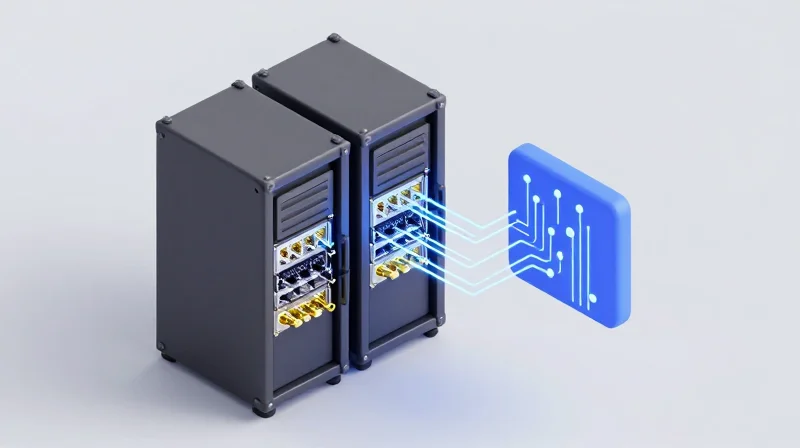
Ubytelink’s engineering philosophy centers on the elimination of interoperability risks by treating compatibility as a hardware-level requirement rather than a software afterthought. To ensure that Ubytelink Arista Compatible 400G Solutions are indistinguishable from original vendor optics, the company employs a multi-stage validation process that spans from initial EEPROM architecture to real-world deployment in Arista 7060X and 7280R series switches. This ensures that every module is recognized as a native component by the host system, providing full access to telemetry and management features.
Precision EEPROM Coding and EOS Handshaking
The Arista Extensible Operating System (EOS) is renowned for its granular monitoring and open programmability. For an optical module to be accepted, it must communicate correctly via the I2C interface and provide specific vendor-coded information. Ubytelink engineers meticulously program the EEPROM/MCU of every 400G module with precise Serial Number, Vendor Name, and Part Number signatures that align with Arista’s strict whitelist protocols. This precision ensures that advanced features like Digital Optical Monitoring (DOM) provide real-time data on temperature, voltage, and laser bias without triggering 'unsupported transceiver' system alerts.
Comparative Reliability Benchmarks
| Testing Parameter | Ubytelink 400G Protocol | Generic Third-Party |
|---|---|---|
| EOS Recognition | 100% Native Identification | Often triggers 'Unsupported' warnings |
| Traffic Integrity | Zero Packet Loss / 10^-12 BER | Varies; potential CRC errors |
| Thermal Stability | Tested at 0-70°C in Arista Chassis | Limited bench testing only |
| DOM Accuracy | Full Real-time Telemetry Support | May lack specific sensor data |
Hardware-Level Validation in Arista Ecosystems
Beyond coding, Ubytelink subjects its 400G solutions to rigorous physical testing. Each batch is validated using Bit Error Rate (BER) testing to ensure signal integrity across the full length of the fiber. Crucially, these tests are performed on actual Arista hardware. By simulating high-density traffic loads in 400G-enabled spine and leaf switches, Ubytelink verifies that the power consumption and heat dissipation of its modules remain within the operational tolerances defined by Arista, preventing localized overheating in dense port configurations.
Compatibility and Integration FAQ
- Will using Ubytelink optics void my Arista hardware warranty?
No. Under the Magnuson-Moss Warranty Act and similar global regulations, manufacturers cannot void a hardware warranty for using third-party components unless the component is proven to have caused direct damage. Arista’s policy generally allows the use of compatible optics. - How does Ubytelink handle Arista EOS software updates?
Ubytelink maintains an extensive library of Arista EOS versions in its test lab. When a new OS version is released, our engineering team verifies compatibility to ensure that existing modules continue to function perfectly after a software upgrade. - Are these 400G modules hot-swappable on Arista platforms?
Yes. All Ubytelink 400G solutions support full hot-swapping (hot-plugging), allowing for network maintenance and expansion without the need to power down the switch or disrupt existing traffic flows.
Performance and Reliability: The Ubytelink Testing Protocol
Performance and Reliability: The Ubytelink Testing Protocol
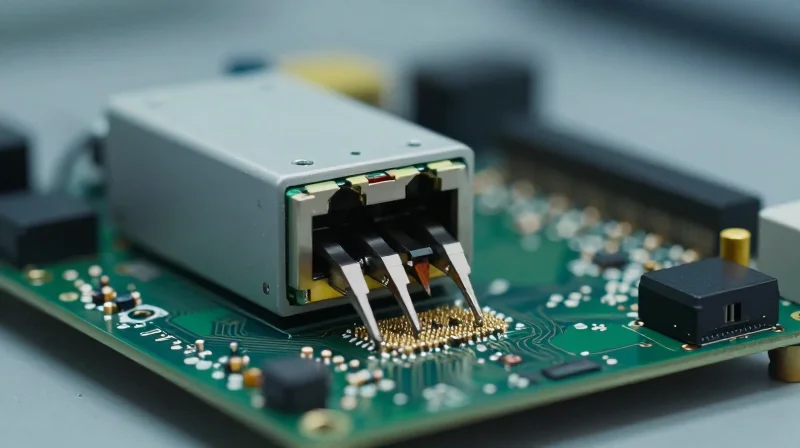
Ubytelink's 400G solutions achieve carrier-grade reliability through a 'Zero-Defect' testing philosophy that mandates every module undergo a rigorous battery of physical, electrical, and optical simulations. Unlike generic third-party providers that rely on batch sampling, Ubytelink validates every single Arista-compatible unit against the specific port power and thermal profiles of the Arista 7060X4 and 7280R3 series, ensuring that the transition to 400G does not introduce latency or packet loss into the production environment.
The Five Pillars of 400G Verification
To ensure long-term stability in high-frequency trading and hyperscale AI clusters, Ubytelink focuses on five critical testing vectors. These tests are designed to simulate the extreme conditions of a fully loaded leaf-spine architecture where signal degradation can occur due to heat or electrical interference.
| Test Category | Standard Industry Compliance | Ubytelink Enhanced Protocol |
|---|---|---|
| Signal Integrity | Basic Eye Diagram Check | Comprehensive PAM4 Eye Analysis & Pre-emphasis Optimization |
| Traffic Simulation | Loopback testing | Full 400G line-rate traffic for 24-48 hours on Arista EOS |
| Thermal Stress | Room temperature test | Accelerated aging in high-temp chambers (0°C to 70°C cycling) |
| Power Consumption | Datasheet verification | Live monitoring of mW draw to prevent port overheating |
Real-World Traffic Simulation on Arista Hardware
Compatibility is more than just a software handshake; it is about how the module behaves under heavy loads. Ubytelink utilizes a state-of-the-art lab equipped with the latest Arista platforms. By injecting real-world traffic patterns—including bursty data flows typical of cloud storage—we measure the Bit Error Rate (BER) before and after Forward Error Correction (FEC). Our goal is to maintain a pre-FEC BER that is significantly lower than the IEEE 802.3bs standard requirement, providing a safety margin for fiber aging and patch panel losses.
- How does Ubytelink handle Arista EOS updates?
Each firmware revision of Arista EOS is analyzed in our lab. We verify that our EEPROM coding remains fully transparent to the OS, preventing 'unsupported transceiver' warnings after system upgrades. - Is thermal management a concern for 400G modules?
Yes, 400G QSFP-DD modules generate significant heat. Our protocol includes specific thermal mapping to ensure our modules dissipate heat efficiently, preventing localized hot spots in Arista chassis. - What is the importance of PAM4 testing?
400G uses PAM4 signaling, which is more sensitive to noise than NRZ. We use high-performance oscilloscopes to ensure the signal-to-noise ratio (SNR) is optimized for long-reach and short-reach applications.
Comparing 400G Form Factors: QSFP-DD vs. OSFP
Comparing 400G Form Factors: QSFP-DD vs. OSFP
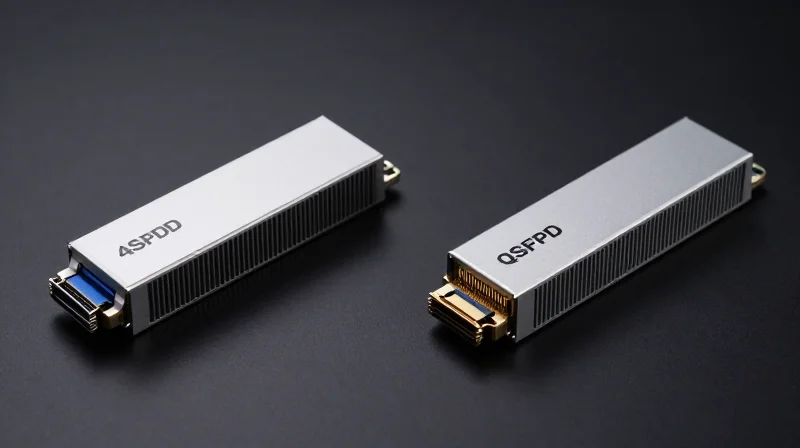
The transition to 400G networking involves a critical choice between two primary form factors: QSFP-DD and OSFP. While both deliver 400 Gbps throughput using 8 lanes of 50G PAM4, they differ significantly in mechanical design, thermal efficiency, and backward compatibility. Ubytelink offers a comprehensive portfolio of both form factors, precision-coded to ensure 100% compatibility with Arista's diverse hardware lineup, from high-density fixed switches to modular core chassis.
QSFP-DD: The Versatile Industry Standard
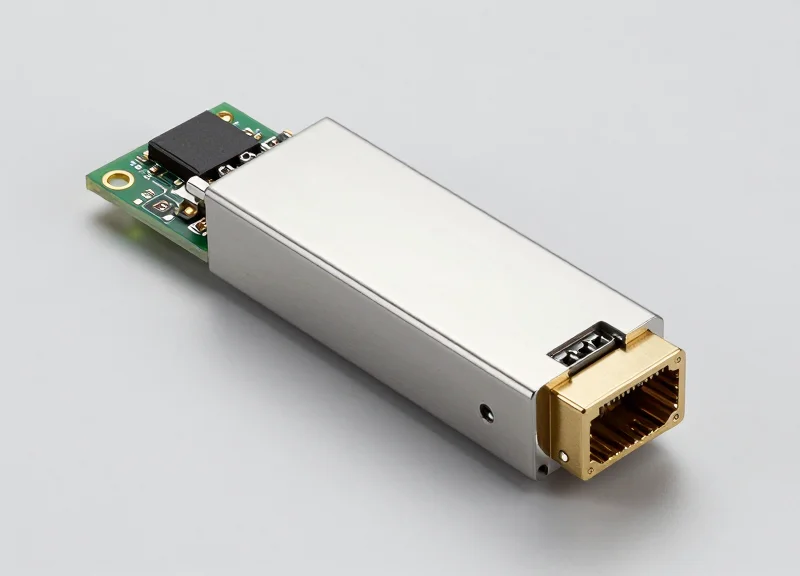
QSFP-DD (Quad Small Form-factor Pluggable Double Density) is currently the most prevalent choice for 400G deployments. Its primary advantage is backward compatibility with legacy QSFP28 and QSFP56 ports. This allows Arista users to scale their networks incrementally by utilizing existing 100G or 200G optics in new 400G ports. Ubytelink’s QSFP-DD modules are optimized for Arista 7060X and 7280R3 series switches, providing the high port density required for hyper-scale data centers where space is a premium.
OSFP: Built for High-Power Environments
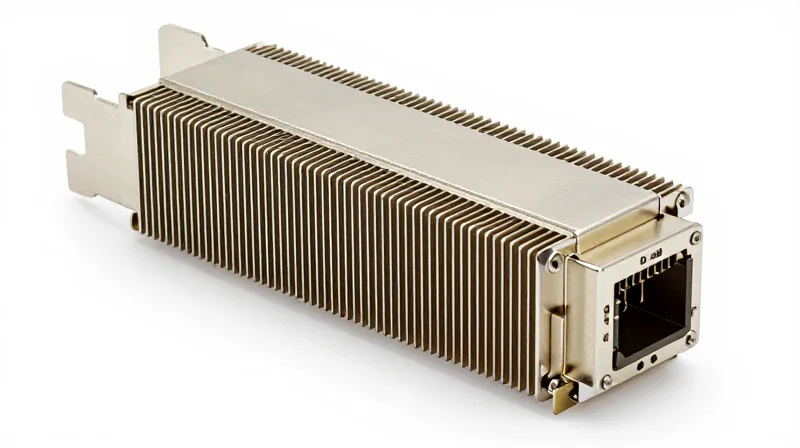
OSFP (Octal Small Form-factor Pluggable) was designed with a larger physical footprint to accommodate superior thermal management. Unlike QSFP-DD, OSFP modules feature an integrated heat sink, allowing them to handle the higher power consumption (up to 15W or more) associated with long-reach coherent optics and the eventual transition to 800G. Arista utilizes OSFP in the 7800R3 series modular chassis, where maximum airflow and heat dissipation are paramount for maintaining long-term system stability under heavy traffic loads.
| Feature | QSFP-DD | OSFP |
|---|---|---|
| Backward Compatibility | Native (QSFP+/QSFP28/QSFP56) | Via Adapter Only |
| Thermal Management | External Heat Sink on Cage | Integrated Heat Sink on Module |
| Max Power Consumption | ~12W | 15W - 18W+ |
| Primary Arista Series | 7060X, 7280R3, 7300X | 7800R3, 7500R3 |
| 800G Upgrade Path | QSFP-DD800 (Tight Thermal) | Excellent (Built-in Overhead) |
Ubytelink’s Multi-Form Factor Support
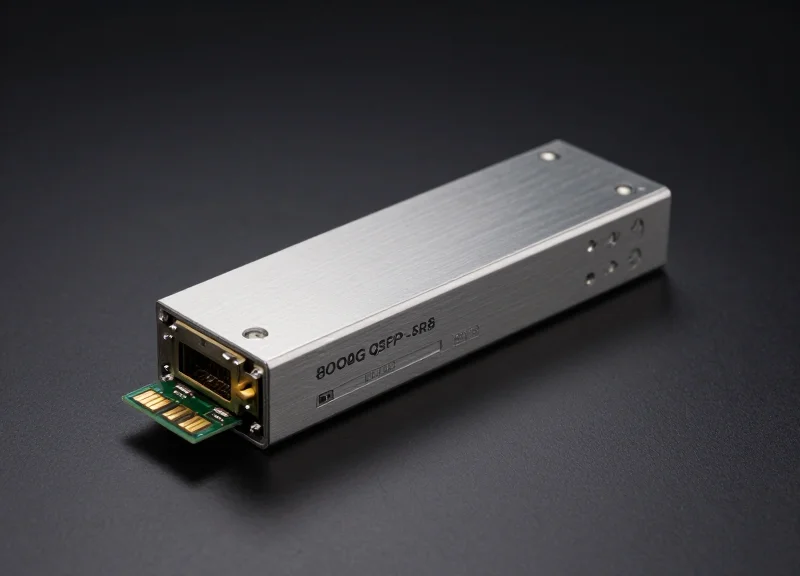
Ubytelink ensures that network architects are not limited by form factor constraints. By providing both OSFP and QSFP-DD variants, Ubytelink allows for a hybrid approach within the same Arista environment. Every module, whether it is an OSFP-400G-DR4 or a QSFP-400G-SR8, undergoes specific Arista EOS (Extensible Operating System) simulation to guarantee that the switch identifies the transceiver correctly, reports accurate DOM (Digital Optical Monitoring) data, and maintains power levels within the chassis specifications.
- Can I use QSFP-DD modules in an OSFP-based Arista switch?
Yes, Ubytelink provides OSFP-to-QSFP-DD adapters that allow Arista 7800R3 users to utilize QSFP-DD modules, providing flexibility during the migration phase. - Why does Arista use two different standards?
Arista selects the form factor based on the specific power and density needs of the switch series. High-density leaf switches favor the compact QSFP-DD, while high-performance modular cores favor the thermal headroom of OSFP. - Does Ubytelink offer 400G breakout solutions for both types?
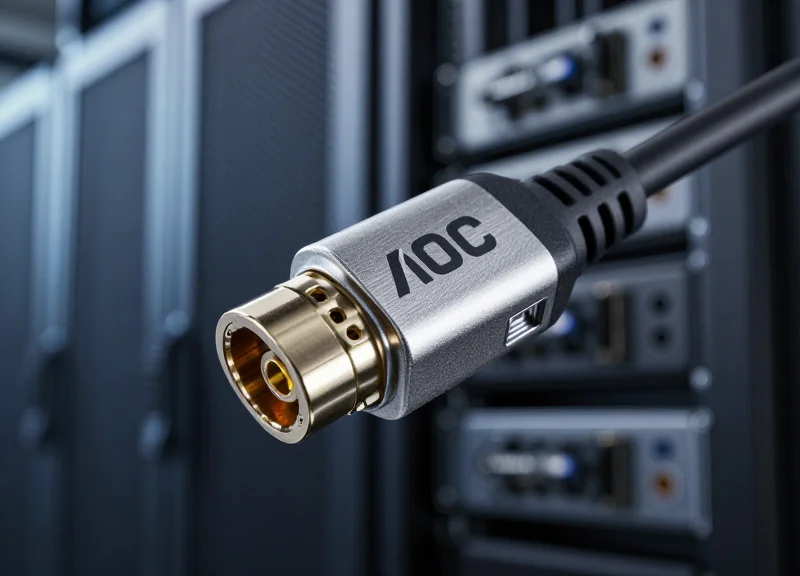
Absolutely. Ubytelink provides 4x100G and 8x50G breakout cables (DAC and AOC) for both QSFP-DD and OSFP form factors to support diverse Arista port configurations.
Power Consumption and Thermal Management in 400G Modules
Power Consumption and Thermal Management in 400G Modules
In high-density 400G environments, power efficiency is not merely a sustainability goal but a technical necessity to prevent equipment failure and excessive cooling costs. Ubytelink Arista Compatible 400G Solutions are engineered to address the dual challenges of high electrical demand and heat generation, ensuring that modules operate reliably within the strict thermal envelopes of Arista 7060X and 7280R3 Series switches. By leveraging advanced silicon and precision housing design, Ubytelink reduces the total cost of ownership (TCO) while maintaining peak performance.
Optimizing Power for Lower Operational Costs
The primary driver of power consumption in a 400G module is the Digital Signal Processor (DSP). Ubytelink utilizes latest-generation 7nm and 5nm DSP architectures that offer significantly lower power-per-bit than older generations. This efficiency ensures that even when a 32-port or 64-port Arista switch is fully populated, the aggregate power draw remains well within the capacity of the switch's power supply units (PSUs), preventing unexpected shutdowns or the need for costly electrical upgrades.
| Module Type | MSA Max Power | Ubytelink Typical Power | Thermal Advantage |
|---|---|---|---|
| 400G QSFP-DD SR8 | 12W | 7.5W - 8.5W | Lower rack temperature |
| 400G QSFP-DD DR4 | 12W | 9.0W - 10.0W | Reduced fan speed demand |
| 400G OSFP FR4 | 15W | 11.0W - 12.0W | Enhanced integrated heat sink |
Thermal Management and Heat Dissipation
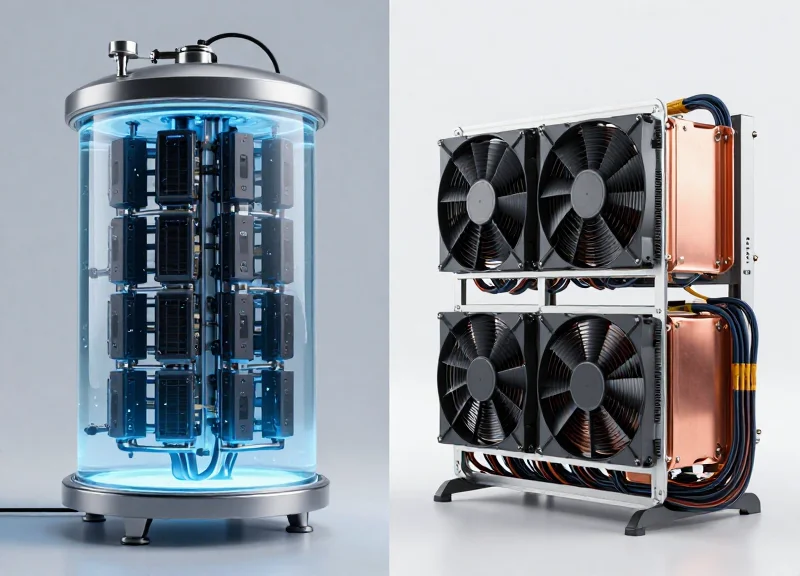
Heat is the enemy of optical longevity. Ubytelink addresses this through superior mechanical design, including high-conductivity metal housings and optimized internal layouts that minimize thermal resistance. For OSFP form factors, integrated fins take full advantage of Arista's front-to-back airflow, while QSFP-DD modules are designed to interface seamlessly with the switch's riding heat sinks. This ensures that the internal laser diodes and sensitive electronics remain within their optimal temperature range, preventing the signal degradation or 'thermal runaway' that can plague generic third-party optics.
- How does lower power consumption impact Arista switch longevity?
Lower power draw reduces the heat load on the switch's backplane and cooling fans. By running cooler, the switch components experience less thermal stress, extending the overall MTBF (Mean Time Between Failures) of the entire network appliance. - Do Ubytelink modules support real-time thermal monitoring?
Yes, all Ubytelink 400G modules support Digital Optical Monitoring (DOM) through Arista EOS, allowing network administrators to monitor real-time temperature, voltage, and bias current to proactively manage thermal health. - Is there a performance trade-off for lower power consumption?
No. Ubytelink uses high-efficiency DSPs that maintain full 400G line rates and low Bit Error Rates (BER) while consuming less power, ensuring performance is never sacrificed for efficiency.
Future-Proofing Your Global Network Infrastructure
Future-Proofing Your Global Network Infrastructure
Future-proofing a global network with Ubytelink Arista-compatible 400G solutions involves more than just immediate bandwidth upgrades; it requires a strategic alignment of hardware parity, supply chain resilience, and technological readiness for the 800G horizon. By integrating Ubytelink solutions, organizations can maximize the lifecycle of their current Arista investments while building an infrastructure capable of absorbing emerging throughput demands without the prohibitive costs of proprietary lock-in.
Bridging the Gap to 800G Connectivity
As hyperscale data centers begin their migration toward 800G, the role of 400G remains critical as a baseline for edge computing and enterprise core networks. Ubytelink’s roadmap is designed to support this transition by ensuring that current 400G QSFP-DD and OSFP modules are engineered with thermal and power efficiencies that mirror 800G standards. This technological bridge allows engineers to standardize deployment protocols today that will remain relevant as the next generation of silicon becomes mainstream.
| Feature/Metric | Ubytelink 400G Standard | Next-Gen 800G Roadmap |
|---|---|---|
| Primary Form Factor | QSFP-DD / OSFP | QSFP-DD800 / OSFP800 |
| Per-Lane Speed | 50G / 100G PAM4 | 100G / 200G PAM4 |
| Thermal Management | Optimized Heat Sink Design | Liquid Cooling Compatibility |
| Arista Interoperability | Full 7060X/7280R3 Support | Forward Compatibility Focus |
Supply Chain Resilience for Global Operations
One of the greatest risks to global infrastructure is the volatility of component availability. Ubytelink mitigates this by maintaining a robust, multi-sourced supply chain that prioritizes the delivery of Arista-compatible optics even during market fluctuations. This ensures that global enterprises can execute multi-year rollout plans without fear of end-of-life (EOL) announcements or sudden procurement delays that often plague proprietary vendor cycles.
- How does Ubytelink support long-term Arista software updates?
Ubytelink modules are designed with programmable EEPROMs, allowing for field-upgradable firmware to ensure continued compatibility with new versions of Arista EOS (Extensible Operating System). - Will 400G infrastructure be redundant when 800G arrives?
No, 400G will serve as the primary distribution and access layer for several years. Ubytelink’s solutions are designed to coexist in mixed-speed environments via breakout configurations. - How does Ubytelink assist in global capacity planning?
We provide predictive lead-time modeling and dedicated buffer stocks for enterprise partners, ensuring that global expansion projects stay on schedule regardless of regional hardware shortages.
Expert Support and Warranty: The Ubytelink Assurance
Expert Support and Warranty: The Ubytelink Assurance
The value of a 400G optical transceiver is measured not just by its data throughput, but by the ecosystem of support that ensures its long-term operational stability within complex Arista architectures. Ubytelink distinguishes itself from generic market alternatives by offering a robust assurance program that includes lifetime hardware warranties, 24/7 technical expertise, and a commitment to 100% Arista EOS compatibility. This holistic approach minimizes total cost of ownership (TCO) while maximizing network uptime for global enterprises and data center operators.
Comparing Support Standards: Ubytelink vs. Market Generics
| Service Feature | Ubytelink Assurance | Generic Alternatives |
|---|---|---|
| Warranty Period | Lifetime Limited Warranty | 1 - 3 Years Limited |
| Compatibility Validation | 100% Tested on Arista Hardware | Batch or Generic Testing |
| Technical Support | Expert Network Engineers | General Customer Service |
| Replacement Policy | Advanced Replacement Options | Return-and-Repair Only |
| Firmware Updates | Ongoing compatibility support | Rarely provided |
Technical Engineering and Real-Time Assistance
Our commitment to the 'Ubytelink Assurance' starts in our testing labs, where every 400G module is subjected to rigorous environmental and interoperability stress tests using the latest Arista 7060X and 7280R series switches. Beyond the hardware, our customers gain direct access to senior network engineers who understand the nuances of Arista EOS. Whether you are troubleshooting a complex breakout configuration or optimizing link aggregation at the 400G level, our team provides the technical depth required to resolve issues rapidly, ensuring your global network remains at peak performance.
Support and Warranty FAQ
- Will using Ubytelink modules void my Arista hardware warranty?
No. Under the Magnuson-Moss Warranty Act in the US and similar consumer protection laws globally, hardware manufacturers cannot void your warranty for using compatible third-party components. Ubytelink modules are designed to meet or exceed OEM specifications. - What is the process for a warranty replacement?
Ubytelink offers a streamlined RMA process. For critical infrastructure, we provide advanced replacement services to ensure a new module is on its way to your data center before the original unit is even returned. - How does Ubytelink ensure compatibility with future Arista EOS updates?
We maintain an extensive library of Arista firmware versions and continuously update our transceiver coding to match new software releases, ensuring that our 400G solutions remain 'plug-and-play' throughout their lifecycle. - Is technical support available for international deployments?
Yes, Ubytelink provides global technical support to assist with deployments across different time zones, ensuring that your international 400G network infrastructure is always backed by expert guidance.
In summary, Ubytelink's Arista Compatible 400G solutions offer the perfect synergy of premium quality and economic efficiency for global network operators. By choosing Ubytelink, you ensure your mission-critical infrastructure remains robust, scalable, and budget-friendly. Contact our technical sales team today for a custom quote or to request a sample for your lab environment.