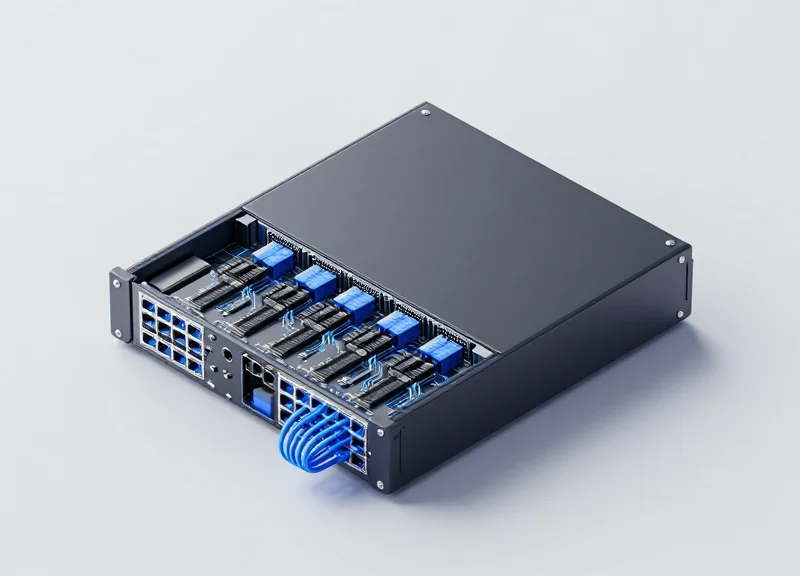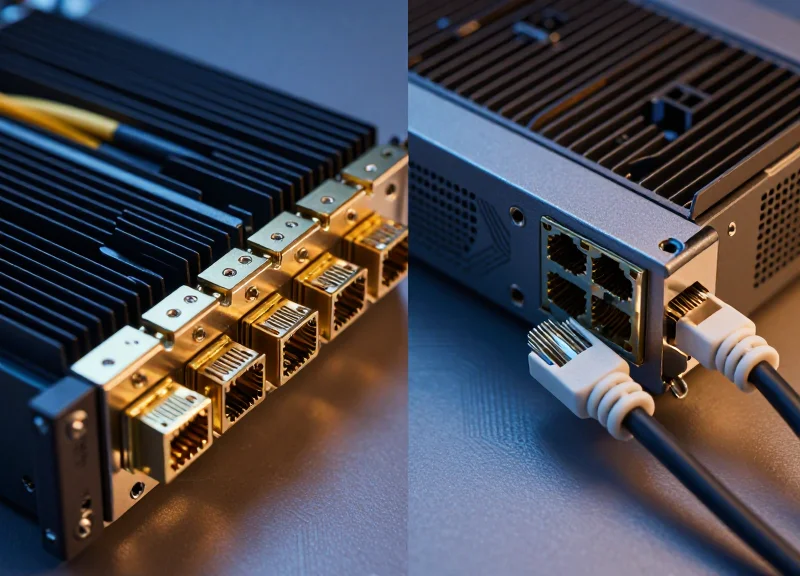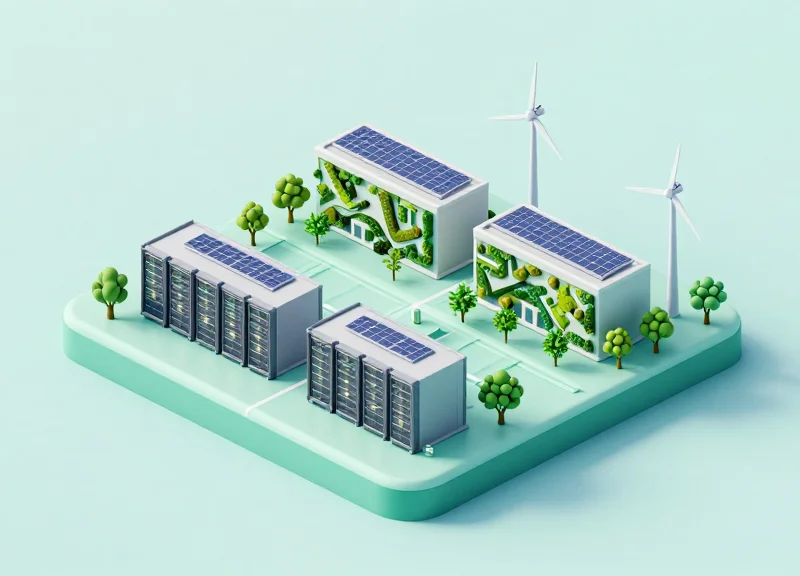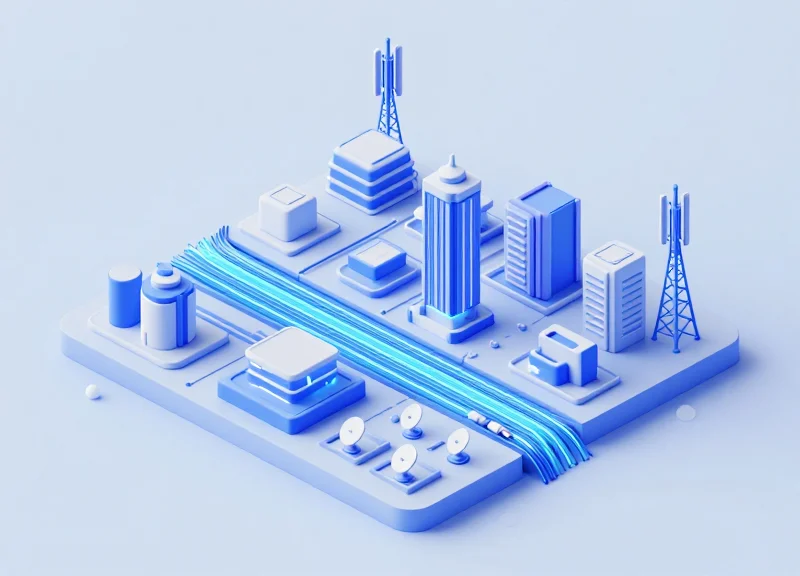
As urban environments evolve into hyper-connected ecosystems, the backbone network serves as the city's nervous system. While wireless technologies like 5G and satellite often dominate the headlines, the underlying physical infrastructure—the fiber backbone—remains the critical determinant of a smart city's success. This article provides a veteran perspective on how fiber compares to alternative standards in performance, sustainability, and total cost of ownership.
The Foundation of Urban Intelligence: Defining the Fiber Backbone
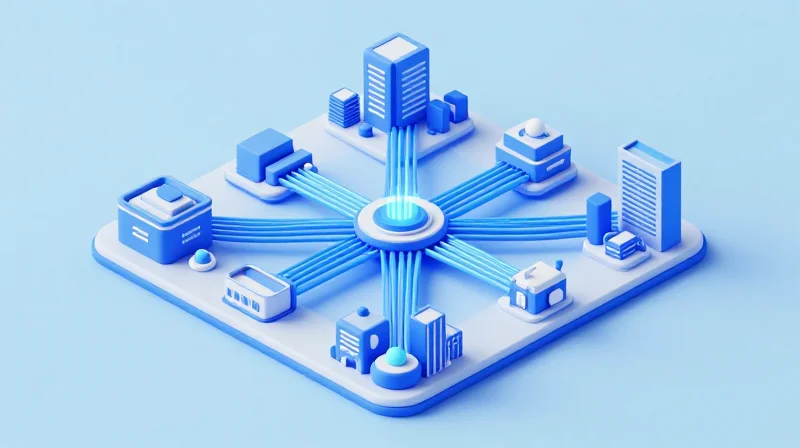
A smart city fiber backbone is the underlying high-density optical network that serves as the central nervous system for urban intelligence, providing the massive bandwidth and ultra-low latency required to interconnect millions of IoT sensors, surveillance cameras, and automated traffic controllers. Unlike legacy copper or stand-alone wireless solutions, fiber offers a future-proof foundation capable of scaling to meet the exponential data demands of autonomous vehicles and real-time public service monitoring.
The Architectural Role of High-Density Fiber
The transition to a smart city requires moving beyond simple connectivity to a state of 'urban intelligence.' High-density fiber optics facilitate this by creating a reliable path for data backhaul from the edge to centralized command centers. By utilizing Dense Wavelength Division Multiplexing (DWDM), municipalities can transmit multiple data streams over a single fiber pair, ensuring that public safety networks remain isolated and secure from general-purpose traffic management or public Wi-Fi services.
Comparative Analysis: Fiber vs. Alternatives
| Feature | Fiber Backbone | Wireless Mesh (Wi-Fi 6/7) | Satellite (LEO) |
|---|---|---|---|
| Max Bandwidth | 100 Gbps - 1 Pbps+ | Up to 10 Gbps | 100 - 500 Mbps |
| Latency | < 1ms | 10 - 50ms | 30 - 100ms |
| Reliability | Highest (Immune to EMI) | Moderate (Weather/Interference) | Variable (Atmospheric conditions) |
| Initial Capital Outlay | High (Civil works required) | Medium | Low to Medium (Terminal cost) |
Critical Performance Metrics for Urban Systems
When evaluating the backbone for smart cities, three metrics are non-negotiable: throughput, latency, and reliability. For public safety applications, such as AI-driven gunshot detection or facial recognition, a delay of even a few milliseconds can render the system ineffective. Similarly, traffic management systems relying on V2X (Vehicle-to-Everything) communication require the deterministic performance that only fiber-fed small cells can provide, as wireless-only alternatives often suffer from signal attenuation in dense urban canyons.
- Can 5G replace the need for a fiber backbone?
No, 5G is an access technology that actually increases the demand for fiber. Every 5G small cell requires a high-capacity fiber backhaul to handle the increased data volume and meet latency targets. - How does fiber improve public safety?
Fiber enables high-definition, real-time video surveillance and rapid data sharing between emergency responders, reducing response times through automated incident detection. - What is the lifespan of a fiber backbone?
While the active electronics may be updated every 5-10 years, the passive fiber cabling itself has a lifespan of 30 years or more, making it a generational investment.
Latency Benchmarks: Why Fiber is the Speed King

Latency Benchmarks: Why Fiber is the Speed King
Fiber optics represent the physical limit of data transmission speed in modern urban environments. By utilizing pulses of light within silica glass, fiber backbones achieve round-trip times (RTT) that are consistently under 1 millisecond within metropolitan areas. This deterministic performance is the primary reason fiber serves as the 'nervous system' for smart cities, enabling instantaneous feedback loops for autonomous systems and public safety networks that wireless alternatives cannot yet match without significant degradation.
The Physics of Propagation: Fiber vs. Wireless
The primary latency advantage of fiber lies in its immunity to electromagnetic interference and the lack of 'air interface' overhead. While 5G NR (New Radio) introduces impressive speeds, it must contend with atmospheric conditions, physical obstructions, and signal processing delays at the base station. Furthermore, almost all high-performance 5G deployments rely on fiber for backhaul; therefore, any wireless latency is additive to the underlying fiber network's latency.
| Technology | Typical Latency (Local) | Jitter (Stability) | Key Bottleneck |
|---|---|---|---|
| Fiber Optic (Direct) | < 1 ms | Ultra-Low / Stable | Distance (Light in Glass) |
| 5G NR (mmWave) | 5 - 15 ms | Moderate / Variable | Air Interface & Congestion |
| LEO Satellites (Starlink) | 25 - 45 ms | Moderate | Orbital Distance & Weather |
| Point-to-Point Microwave | 2 - 8 ms | Variable | Line of Sight/Atmosphere |
Mission-Critical Applications and the 'Latency Gap'
In the context of a smart city, the 'Latency Gap' refers to the difference between acceptable delay for consumer browsing and the requirements for machine-to-machine (M2M) communication. Automated traffic management systems and power grid stabilizers require sub-5ms latency to prevent cascading failures. While LEO satellites are transformative for rural connectivity, their 30ms+ latency is an order of magnitude too slow for high-density urban synchronization, leaving fiber as the only viable solution for core city operations.
- Is 5G a viable alternative to fiber backhaul?
No. 5G is an access technology, not a backhaul replacement. 5G towers themselves require fiber backhaul to deliver their promised low-latency performance. - How does jitter affect smart city sensors?
Jitter, or the variation in latency, can cause packet loss in real-time video feeds used for AI traffic analysis. Fiber offers the most stable jitter profile of all tested mediums. - Why is LEO satellite latency higher than fiber?
Even with signals traveling at the speed of light in a vacuum, the physical distance to Low Earth Orbit (approx. 550km) and back introduces a minimum theoretical delay that fiber's direct terrestrial paths avoid.
Real-Time Response for Autonomous Systems
Real-Time Response for Autonomous Systems
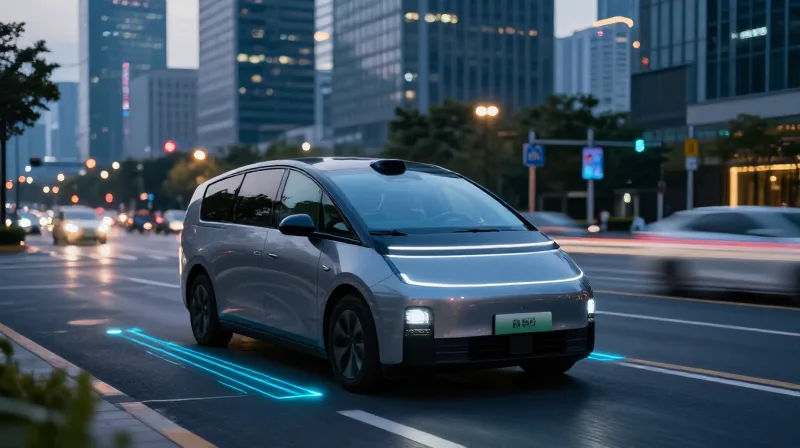
The success of autonomous navigation in dense urban environments hinges on the ability to process and act upon massive streams of sensor data in near real-time. While localized AI within vehicles handles immediate obstacles, a city-wide fiber backbone provides the low-latency infrastructure required for Vehicle-to-Everything (V2X) communication and cloud-enhanced edge computing. By offloading complex environmental mapping and traffic orchestration to edge nodes connected via high-capacity fiber, cities can achieve the sub-20ms round-trip latency necessary to prevent collisions and optimize traffic flow at scale.
Comparing Latency and Reliability for AV Backhaul
| Infrastructure Type | Avg. Latency (Round Trip) | Reliability Level | Urban Density Support |
|---|---|---|---|
| Fiber-to-the-Edge | 1ms - 5ms | Ultra-High (99.999%) | Exceptional |
| 5G (C-Band/mmWave) | 10ms - 50ms | High (Signal Dependent) | Moderate to High |
| LEO Satellite | 30ms - 100ms | Variable (Line of Sight) | Low (Signal Attenuation) |
Fiber optics provide a 'deterministic' performance profile, meaning latency remains stable even as the number of connected devices increases. This is a critical safety requirement for autonomous systems where jitter—variations in latency—can lead to delayed braking or navigational errors. Unlike wireless alternatives that suffer from signal interference and attenuation in high-density areas with glass and steel structures, fiber ensures that the 'Digital Twin' of the city is updated in real-time, allowing for millisecond-level precision in remote teleoperation or fleet management.
Edge Computing and Urban V2X Integration
In a smart city, every intersection becomes a data hub. High-definition cameras, LiDAR sensors, and weather stations feed data into edge compute units located at the curb. Fiber backbones act as the nervous system, aggregating this data to provide vehicles with a 'look-ahead' capability beyond their onboard sensor range. This integration allows for predictive maneuvers, such as slowing down for an emergency vehicle several blocks away or adjusting speed for a changing light phase through Green Light Optimized Speed Advisory (GLOSA) systems.
Common Questions: Autonomous Infrastructure
- Can 5G replace the need for a fiber backbone in autonomous navigation?
No. While 5G provides the last-mile wireless link to the vehicle, those 5G small cells must be backhauled via fiber to maintain low latency and high capacity. Without a fiber backbone, 5G networks become congested and latency spikes, making them unreliable for safety-critical operations. - How does fiber mitigate the 'hidden terminal' problem?
The 'hidden terminal' problem occurs when a vehicle cannot see an obstacle due to a physical barrier. Fiber-connected edge sensors detect these obstacles and broadcast the data to the vehicle via ultra-low latency links, providing a bird’s-eye view that onboard sensors cannot achieve alone. - Is the cost of fiber justified for autonomous transit?
Yes. The economic benefits of reduced traffic congestion, lower accident rates, and the enablement of robo-taxi fleets far outweigh the initial capital expenditure of fiber installation, which typically has a functional lifespan of 30 years or more.
Power Consumption and Environmental Sustainability
Power Consumption and Environmental Sustainability
Fiber-optic backbones provide the most sustainable path for smart city development because they utilize passive optical transmission, which requires far less energy to move massive data volumes over long distances compared to power-intensive wireless radio frequency (RF) systems. While wireless technologies like 5G require constant electrical input for signal amplification, cooling, and active processing at every cell site, fiber optics transmit data as light pulses through glass, resulting in a negligible heat signature and a drastically lower carbon footprint per terabyte of data transferred.
The Efficiency Gap: Watts-per-Gigabit Comparison
In the architecture of an urban digital twin or an autonomous traffic grid, the 'Watts-per-Gigabit' metric becomes a primary operational cost driver. Fiber systems, particularly Passive Optical Networks (PON), minimize the need for active electronics between the central exchange and the endpoint. Conversely, 5G NR (New Radio) deployments require a high density of small cells. These cells must process complex beamforming algorithms and maintain power for RF power amplifiers, which are inherently less efficient than laser diodes used in optical networking.
| Infrastructure Type | Transmission Medium | Power Efficiency (Relative) | Primary Power Draw |
|---|---|---|---|
| Fiber Backbone | Infrared Light (Glass) | Ultra-High | Centralized Optical Line Terminals (OLTs) |
| 5G Small Cells | Millimeter Wave/Mid-band RF | Low to Moderate | Distributed RF Amplifiers and Active Cooling |
| LEO Satellites | Microwave/Laser (Space-to-Ground) | Low | Ground Station Hubs and On-orbit Propulsion |
| Legacy Copper | Electrical Pulse (Metal) | Very Low | Repeaters and Signal Regenerators |
Passive Infrastructure and Lifecycle Sustainability
Environmental sustainability in smart cities is not just about active power consumption; it also involves the lifecycle of the hardware. Fiber-optic cables have a functional lifespan of 30 to 40 years and can support multiple generations of speed upgrades (from 10G to 100G and beyond) simply by swapping the terminal electronics. Wireless hardware, however, often requires full physical replacements every 7 to 10 years to accommodate new spectrum or protocol standards, leading to higher rates of electronic waste and higher embodied carbon costs.
- How does fiber reduce the urban heat island effect?
Unlike wireless base stations that generate significant heat through RF radiation and active cooling fans, fiber cables are passive and generate virtually zero heat during transmission, helping cities maintain lower ambient temperatures. - Is the manufacturing of fiber more eco-friendly than wireless gear?
Fiber is primarily made from silica (sand), one of the most abundant materials on Earth, whereas wireless hardware relies heavily on rare earth metals and complex semiconductors that have more invasive mining and manufacturing processes. - Can fiber optics operate during power outages?
Yes. Because fiber is a passive medium, it is immune to electromagnetic interference and requires power only at the endpoints, which are easier to back up with centralized battery or solar systems compared to thousands of distributed wireless nodes.
Total Cost of Ownership (TCO) Analysis: Beyond the CAPEX
Total Cost of Ownership (TCO) Analysis: Beyond the CAPEX
Evaluating the financial viability of a smart city backbone requires shifting the focus from 'Day 1' deployment costs to a 20-year Total Cost of Ownership (TCO) model. While fiber optics typically demand a massive upfront Capital Expenditure (CAPEX) due to civil engineering and trenching, they offer a passive infrastructure that lasts for decades with minimal maintenance. In contrast, wireless alternatives like 5G or LEO satellite systems present lower entry costs but suffer from high Operational Expenditure (OPEX), including recurring spectrum licensing fees, high power consumption, and frequent hardware refresh cycles necessitated by rapid technological obsolescence.
The 20-Year Financial Outlook: Fiber vs. Wireless Alternatives
| Cost Factor | Fiber Backbone (Passive) | 5G / Wireless Alternatives | Long-term Impact |
|---|---|---|---|
| Initial CAPEX | High (Trenching, Permits) | Moderate (Site Acquisition) | Fiber is 3x more expensive initially |
| Hardware Lifespan | 25-40 Years | 5-8 Years | Wireless requires 3+ refreshes in 20 years |
| Energy Costs | Low (Passive Optical) | High (Active Radios/Cooling) | Fiber consumes 70% less power |
| Spectrum Licensing | None (Owned Infrastructure) | Ongoing Multi-million Fees | Wireless costs increase with data demand |
| Maintenance OPEX | Fixed (Physical Repairs) | Variable (Software/Security) | Fiber remains stable; Wireless scales poorly |
Analyzing the Hardware Refresh Cycle
A critical and often overlooked component of TCO is the 'technology treadmill.' Fiber cable, once buried, is a future-proof asset; upgrading bandwidth usually only requires swapping the terminal electronics (OLTs/ONUs) at the ends of the line. Wireless systems, however, are bound by the physics of radio frequency and hardware standards. A 5G deployment today will likely require a complete 'rip-and-replace' for 6G or 7G within the next decade to maintain parity with smart city data demands. When these secondary and tertiary CAPEX cycles are factored into the 20-year projection, the 'expensive' fiber backbone emerges as the most fiscally responsible choice for municipal planners.
- Why is fiber's OPEX so much lower than 5G?
Fiber is a passive medium that does not require active cooling or power along the transmission path, whereas 5G requires dense networks of power-hungry small cells and macro sites. - Does the high initial cost of fiber ever pay off?
Yes, typically between years 7 and 10, the cumulative costs of wireless licensing and hardware refreshes overtake the original investment made in fiber infrastructure. - Can smart cities mitigate fiber's high CAPEX?
Planners use 'Dig Once' policies, installing conduit during routine road maintenance to reduce civil engineering costs by up to 90%.
Maintenance and Lifecycle Longevity
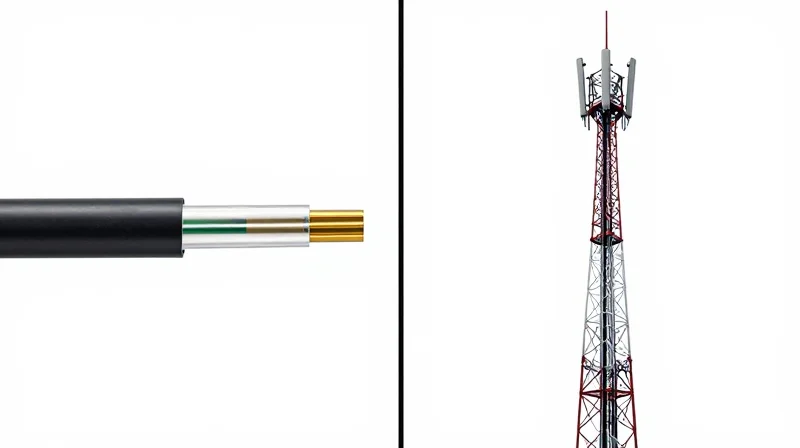
Maintenance and Lifecycle Longevity: A Generational Comparison
Fiber optic infrastructure represents a generational utility investment with an operational lifespan often exceeding 30 to 50 years, whereas wireless alternatives like 5G and Fixed Wireless Access (FWA) are subject to replacement cycles every 5 to 7 years due to technical obsolescence and hardware degradation. While the initial deployment of fiber is more capital-intensive, its passive nature significantly reduces the frequency of maintenance interventions and site visits compared to active wireless nodes that require constant power, cooling, and firmware updates.
The Divergence of Utility Assets and Technology Gadgets
The core difference in longevity stems from the medium of transmission. Fiber is a passive physical asset—glass buried in protective conduits—that is largely immune to electromagnetic interference and environmental corrosion. In contrast, wireless base stations are 'active' assets, containing complex electronics that face high thermal stress and must be upgraded frequently to comply with evolving cellular standards (from 5G to 5G-Advanced and eventually 6G). This creates a cycle of perpetual CAPEX for wireless operators that fiber-heavy cities can largely avoid.
| Infrastructure Component | Expected Lifespan | Maintenance Type | Primary Failure Driver |
|---|---|---|---|
| Underground Fiber Cable | 30-50 Years | Reactive | Accidental Dig-ins / Physical Damage |
| Wireless Radio Units (RRU) | 5-8 Years | Scheduled/Proactive | Technical Obsolescence / Heat Stress |
| Optical Transceivers | 10-15 Years | Component Swap | Laser Diode Degradation |
| Power/Cooling Systems | 7-10 Years | Preventative | Mechanical Wear / Battery Life |
Future-Proofing and Scalability
One of the most critical aspects of fiber longevity is its 'dark fiber' potential. Once the glass is in the ground, increasing capacity does not require new cables; it only requires upgrading the electronics at either end. A fiber strand installed in the 1990s can support modern 100Gbps or even Terabit speeds simply by swapping the transceivers. Wireless systems, however, are limited by the physics of their assigned spectrum; to increase capacity significantly, the entire radio array and antenna system must usually be replaced with newer, more efficient hardware.
- Does fiber optic cable degrade over time?
Modern fiber cables are designed for 30+ years of service. While hydrogen ingress was a concern in early generations, current manufacturing and protective sheathing make fiber incredibly stable in both underground and aerial deployments. - How do maintenance costs compare annually?
Fiber maintenance is primarily reactive (fixing breaks), whereas wireless maintenance includes recurring software licensing, power costs for cooling, and regular hardware refreshes, leading to higher OpEx over the long term. - Is wireless faster to repair?
Wireless nodes can often be rebooted or patched remotely, but physical hardware failures in high-mount environments require specialized crews and equipment, whereas fiber repairs, though labor-intensive, use standardized splicing techniques.
Bandwidth Scalability and Future-Proofing
Bandwidth Scalability and Future-Proofing
Fiber optic backbones represent the only infrastructure capable of scaling from gigabit to terabit speeds through simple terminal equipment upgrades rather than replacing the physical transmission medium. While wireless and satellite technologies are bound by the finite physics of the radio frequency spectrum, fiber utilizes the nearly limitless capacity of light, ensuring it remains the foundation of smart city growth for decades.
The Optical Advantage: Breaking the Terabit Barrier
The true power of fiber lies in Wavelength Division Multiplexing (WDM). By splitting a single strand of glass into multiple channels of light, operators can increase capacity by factors of 10x or 100x without digging another trench. Current commercial fiber can support 400Gbps to 800Gbps per wavelength, while research environments have already breached the Petabit threshold. In contrast, 5G and future 6G technologies are limited by 'spectrum crunch,' where adding more data requires increasingly scarce and expensive frequency bands.
| Transmission Medium | Max Theoretical Capacity | Upgrade Methodology | Physical Constraints |
|---|---|---|---|
| Fiber Optics | 100+ Tbps | Electronics Upgrade (WDM/Coherent) | Limited only by terminal optics |
| 5G / Wireless | 20 Gbps (Peak) | New Radio Hardware / Small Cells | Radio spectrum congestion |
| LEO Satellite | 1-2 Gbps per beam | Satellite constellation replacement | Atmospheric/Orbital density |
The 'Invisible' Upgrade Cycle
Future-proofing a smart city isn't just about speed; it's about the lifecycle of the investment. Fiber is a passive infrastructure with a lifespan exceeding 30 years. When a new generation of data standards emerges—such as moving from 10G-PON to 50G-PON—the city only needs to swap out the optical transceivers at either end of the line. Wireless alternatives require a complete 'rip-and-replace' of tower-mounted hardware every 5 to 7 years, leading to higher long-term labor costs and significant urban disruption.
- Why can't wireless catch up to fiber speeds?
Wireless relies on shared airwaves and higher frequencies which have shorter range and lower penetration, whereas fiber is a dedicated, interference-free path for photons. - Is fiber overkill for current smart city needs?
While 1Gbps might suffice today, autonomous vehicles, real-time AI surveillance, and digital twins will require the latency and throughput only fiber can provide by 2030. - Does fiber infrastructure depreciate quickly?
No, the physical glass remains relevant even as the lasers used to light it improve, making it a low-depreciation asset compared to rapidly aging wireless radios.
Reliability and Security in the Face of Interference
In the context of mission-critical smart city infrastructure, fiber optics provide an unparalleled level of reliability by being inherently immune to electromagnetic interference (EMI) and radio frequency interference (RFI), while offering physical layer security that wireless signals simply cannot match. Because fiber optic cables transmit data as pulses of light through glass strands rather than electrical signals through metal or waves through the air, they are unaffected by the presence of high-voltage power lines, industrial machinery, or atmospheric conditions that frequently degrade or interrupt wireless and copper-based communications.
Immunity to Electromagnetic and Radio Frequency Interference
The urban environment is a noisy spectrum of electronic signals. In a smart city, sensors and backhaul systems must often operate near electrical substations, heavy transit rails, and dense concentrations of consumer electronics. While 5G and other wireless alternatives are susceptible to signal fading and multi-path interference caused by buildings and weather, fiber maintains its signal integrity regardless of the surrounding electronic environment. This 'dielectric' nature makes fiber the only viable medium for ultra-reliable low-latency communications (URLLC) required for autonomous traffic management and emergency response systems.
| Security/Reliability Factor | Fiber Optic Backbone | 5G / Wireless Alternatives | Copper (DSL/Coax) |
|---|---|---|---|
| EMI/RFI Sensitivity | Zero - Immune | High - Susceptible to noise | Moderate - Requires shielding |
| Physical Interception | Extremely Difficult - Requires physical tap | Moderate - Signal can be intercepted remotely | Easy - Inductive coupling possible |
| Weather Impact | Minimal - Buried/Shielded | High - Rain fade and atmospheric absorption | Moderate - Moisture/Corrosion risks |
| Signal Jamming | Impossible via RF | Possible via RF denial-of-service | Not applicable |
Physical Layer Security and Eavesdropping Prevention
Security in a smart city is often discussed at the software and encryption layers, but the physical layer is where the most fundamental vulnerabilities exist. Wireless signals are, by definition, a broadcast medium; any actor with a high-gain antenna can capture data packets for later decryption or analysis. In contrast, fiber is a point-to-point medium. To intercept data, a malicious actor must physically access the cable and 'tap' into the glass core. Such an action causes a measurable drop in light levels (attenuation) that can be instantly detected by modern Network Operations Centers (NOCs), triggering an immediate security alert.
Resilience Against Signal Jamming and Spoofing
As smart cities become more reliant on automated systems, the risk of signal jamming—intentional interference designed to knock out wireless connectivity—becomes a major public safety concern. Wireless networks (5G, Wi-Fi, LoRaWAN) can be disrupted by relatively inexpensive RF jammers. Fiber optic backbones are immune to these electronic warfare tactics. Furthermore, because fiber does not radiate energy, it does not reveal its exact location or the nature of its traffic to external scanning equipment, providing a layer of 'security through invisibility' that is crucial for government and utility-grade infrastructure.
- Can fiber be jammed?
No. Since fiber uses light in a closed glass medium, it is unaffected by radio frequency jamming devices that can disable wireless networks. - How does weather affect reliability?
Unlike wireless signals which suffer from 'rain fade' or atmospheric absorption, fiber optics are typically buried or heavily insulated, ensuring consistent throughput during storms. - Is fiber safer from lightning strikes?
Yes. Because glass is an insulator, fiber cables do not conduct electricity. This eliminates the risk of ground loops or equipment damage from lightning strikes that frequently affect copper and wireless mast equipment.
Hybrid Infrastructure: Finding the Optimal Mix
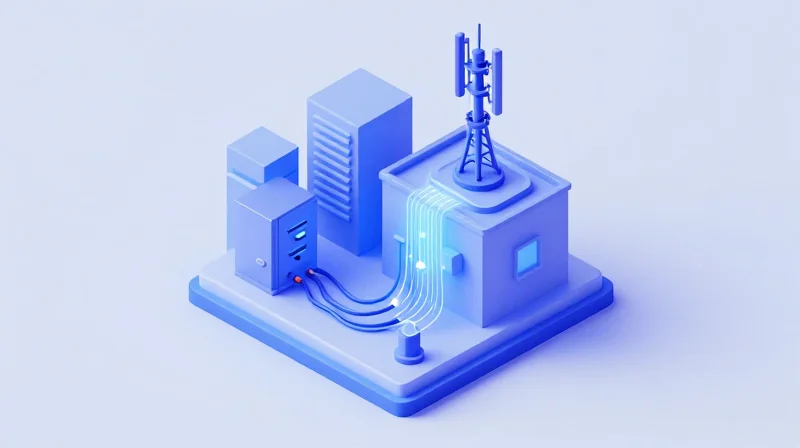
Hybrid Infrastructure: Finding the Optimal Mix
The most effective smart city deployments do not view fiber and wireless as mutually exclusive; instead, they implement a hybrid model where fiber serves as the high-capacity 'nervous system' backhaul and wireless technologies act as the 'capillaries' for edge connectivity. By leveraging a fiber-optic backbone for long-haul data transport and wireless protocols like 5G, Wi-Fi 6, or LoRaWAN for the last mile, municipalities can balance the extreme reliability of glass with the deployment speed and mobility of radio frequency (RF) solutions.
The Tiered Architecture Strategy
A resilient city network is typically structured in three distinct tiers, ensuring that data is processed and transported through the most efficient medium based on the specific use case and geographic constraints.
| Network Tier | Primary Technology | Typical Use Case | Performance Priority |
|---|---|---|---|
| Core Backbone | Dense Fiber-Optic | Connecting data centers and municipal hubs | Throughput & Longevity |
| Middle Mile | Fiber / High-Cap Microwave | Linking neighborhoods to the core | Symmetrical Bandwidth |
| Edge Access | 5G / Wi-Fi / CBRS / LoRa | IoT sensors, mobile users, traffic cams | Mobility & Low CAPEX |
Optimizing Cost and Performance via Integration
The primary challenge in smart city design is the 'last-mile' gap. While fiber offers the lowest latency and highest security, trenching to every single sensor or streetlight is often cost-prohibitive. A hybrid strategy uses 'Fiber-to-the-Node' (FTTN) where fiber is brought within 100-300 meters of the endpoint, after which wireless bridges the remaining distance. This ensures that the wireless nodes are not bottlenecked, as they are immediately offloading their data onto the high-speed fiber backbone.
- Why is fiber backhaul necessary for 5G?
5G small cells require massive bandwidth and sub-millisecond latency for features like beamforming; only a fiber backbone can handle this density without significant signal degradation. - How does a hybrid model enhance disaster recovery?
A hybrid network provides path redundancy. If a primary fiber line is severed, wireless mesh nodes can automatically reroute critical low-bandwidth data to the nearest operational gateway. - Which tier offers the best scalability?
The fiber backbone offers the best scalability because the physical medium remains the same while only the terminal electronics need upgrading to increase capacity from 10G to 400G.
Ultimately, the optimal mix is determined by population density and the specific latency requirements of the city’s applications. Autonomous traffic management and public safety surveillance require the deep fiber penetration of a hybrid model, whereas simple utility metering can be efficiently handled by a wireless tier offloading to a central fiber hub.
Conclusion: Choosing the Right Path for Municipal Growth
The Strategic Necessity of Fiber for Municipal Infrastructure
A smart city fiber backbone is the only infrastructure capable of providing the requisite bandwidth, security, and lifecycle value needed to support modern urban growth, serving as the non-negotiable standard for any project that requires multi-decadal reliability. While alternatives like 5G, microwave, or low-earth orbit (LEO) satellites provide flexibility for edge deployments, they lack the physical layer stability and massive throughput required to serve as the primary arterial network for a city's critical services, such as AI-driven traffic management and public safety grids.
| Metric | Fiber Optic Backbone | Wireless/5G Alternatives | Satellite (LEO) |
|---|---|---|---|
| Throughput Potential | Petabits per second (Scalable) | Low Gigabits (Shared) | Medium Megabits (Shared) |
| Lifecycle Duration | 30 to 50+ Years | 5 to 10 Years (Hardware cycles) | 5 to 7 Years (De-orbit cycles) |
| Latency Performance | Sub-1ms (Deterministic) | 10ms to 50ms (Variable) | 25ms to 100ms (Atmospheric) |
| Total Cost of Ownership | Lowest over 20+ years | High due to frequent upgrades | High recurring subscription fees |
Prioritizing Long-Term Scalability Over Short-Term Speed
For municipal planners, the decision must weigh immediate deployment speed against long-term fiscal responsibility. Fiber optics remain the gold standard because the physical medium—glass—does not need to be replaced to upgrade network speed; only the electronics at the ends change. This allows a city to scale from 10 Gbps to 100 Gbps and beyond without ever reopening a trench, a feat impossible for wireless technologies restricted by the physical limits of the radio frequency spectrum.
- Is the initial cost of fiber always higher?
While the initial capital expenditure (CAPEX) for trenching fiber is higher than wireless, the lack of monthly recurring fees and the extreme longevity of the glass yield a significantly lower total cost of ownership (TCO) over a 15-year period. - Can 5G serve as a substitute for a fiber backbone?
No. 5G is an access layer technology. A high-performance 5G network actually requires a dense underlying fiber backbone to connect small cells to the core network; without fiber, 5G performance degrades significantly under load. - What is the 'Dig Once' policy?
'Dig Once' is a strategic municipal policy that requires the installation of fiber conduit during any road construction or utility repair, reducing fiber deployment costs by up to 90% by sharing the expense of civil works.
Ultimately, the path to a resilient smart city lies in a hybrid approach where fiber serves as the indestructible core, and wireless technologies act as the agile extension. By investing in a robust fiber backbone today, municipalities ensure they are prepared for the unforeseen data demands of the next half-century, securing both their digital sovereignty and their economic future.
Selecting a smart city backbone is a multi-decade commitment that dictates your city's capacity for innovation. While alternatives have their place in remote access, fiber remains the gold standard for performance, power efficiency, and long-term value. Contact our infrastructure consulting team today to receive a customized TCO projection and engineering roadmap for your municipality's digital transformation.