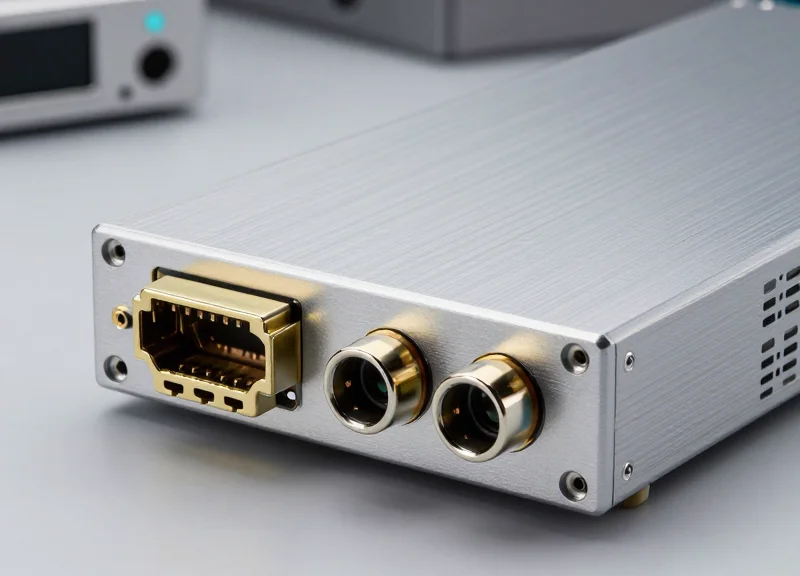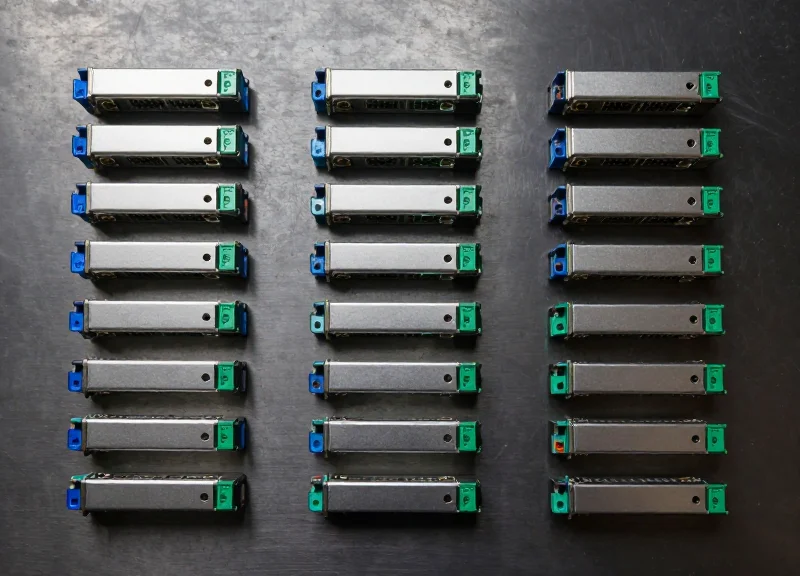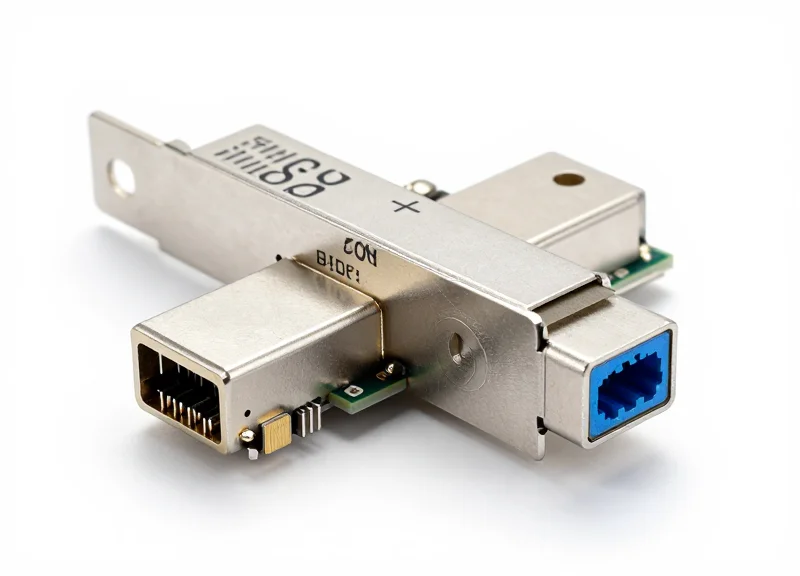
In the rapidly evolving landscape of data centers and telecommunications, efficiency and scalability are paramount. The 10G SFP+ BIDI 20km transceiver has emerged as a critical component for network engineers looking to double fiber capacity without doubling infrastructure costs. This guide explores why sourcing these modules through wholesale channels like Ubytelink provides the competitive edge your business needs in 2026.
Understanding 10G SFP+ BIDI Technology: How Single-Fiber Communication Works
Understanding 10G SFP+ BIDI Technology: How Single-Fiber Communication Works
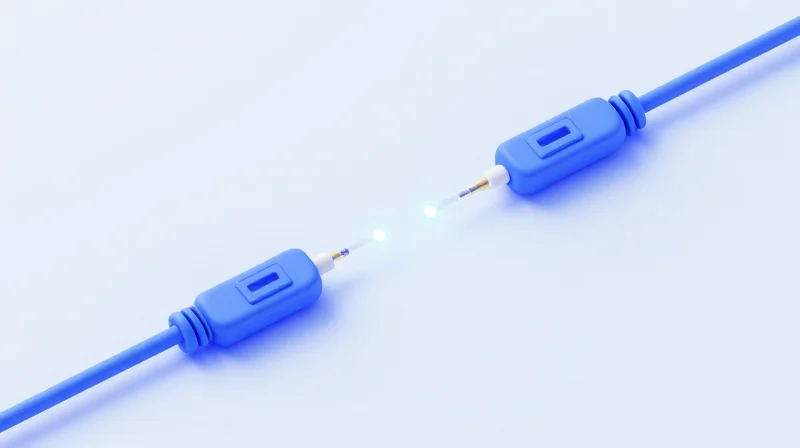
10G SFP+ BIDI (Bi-Directional) transceivers are specialized optical modules that facilitate two-way data transmission over a single strand of fiber-optic cable, effectively doubling the bandwidth capacity of existing fiber infrastructure. While traditional duplex transceivers require two separate fibers—one to transmit (TX) and one to receive (RX)—BIDI technology utilizes Wavelength Division Multiplexing (WDM) to isolate the upstream and downstream signals on different wavelengths. This innovation is particularly valuable for network operators looking to scale their 10Gbps networks over 20km distances without the prohibitive cost of laying new fiber-optic lines.
The Role of Wavelength Division Multiplexing (WDM)
The technical foundation of BIDI communication is the integrated WDM coupler, which combines and separates light signals of different colors (wavelengths). In a standard 20km BIDI deployment, the transceivers are used in complementary pairs. One module, often designated as the 'Upstream' (U) unit, might transmit at 1270nm and receive at 1330nm. Its counterpart, the 'Downstream' (D) unit, transmits at 1330nm and receives at 1270nm. By using distinct spectral paths, the signals can pass through the same physical glass core simultaneously without interference or 'crosstalk,' maintaining full-duplex 10Gbps speeds.
| Feature | Standard 10G SFP+ Duplex | 10G SFP+ BIDI (Single Fiber) |
|---|---|---|
| Fiber Requirement | 2 Strands (TX + RX) | 1 Strand (Simplex) |
| Wavelengths | Uniform (e.g., 1310nm for both) | Dual (e.g., 1270nm-TX / 1330nm-RX) |
| Connector Type | Duplex LC | Simplex LC |
| Infrastructure Cost | Higher (Requires more cabling) | Lower (Maximizes existing fiber) |
Efficiency and Strategic Advantages
Deploying 10G SFP+ BIDI 20km modules offers immediate CAPEX and OPEX savings. By reducing the physical fiber requirement by 50%, enterprises can reclaim dark fiber strands for redundant links or additional services. Furthermore, simplified cable management within the data center or at the provider edge leads to fewer points of failure and easier troubleshooting. These modules are fully compliant with SFF-8431 and SFF-8432 standards, ensuring they integrate seamlessly into existing switches and routers that support 10G SFP+ slots.
Common Questions on BIDI Deployment
- Can I use two of the same BIDI modules to create a link?
No. BIDI links require a matched pair with opposite TX and RX wavelengths (e.g., 1270/1330nm at one end and 1330/1270nm at the other) to function correctly. - Is BIDI technology compatible with Single-Mode Fiber (SMF)?
Yes. 10G SFP+ BIDI 20km modules are specifically designed for Single-Mode Fiber (G.652) to ensure signal integrity over long distances. - Does single-fiber communication increase latency?
No. The light signals travel at the same speed as they would in duplex fiber; the WDM separation is purely optical and does not introduce electronic processing delays.
Key Technical Specifications of the 20km BIDI Module
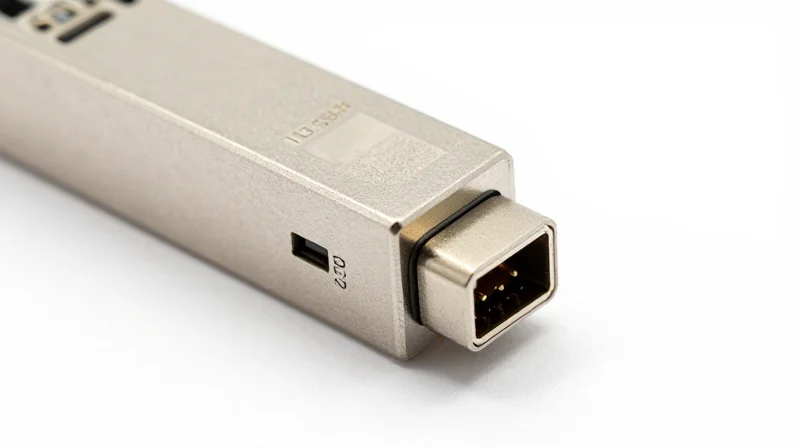
Key Technical Specifications of the 20km BIDI Module
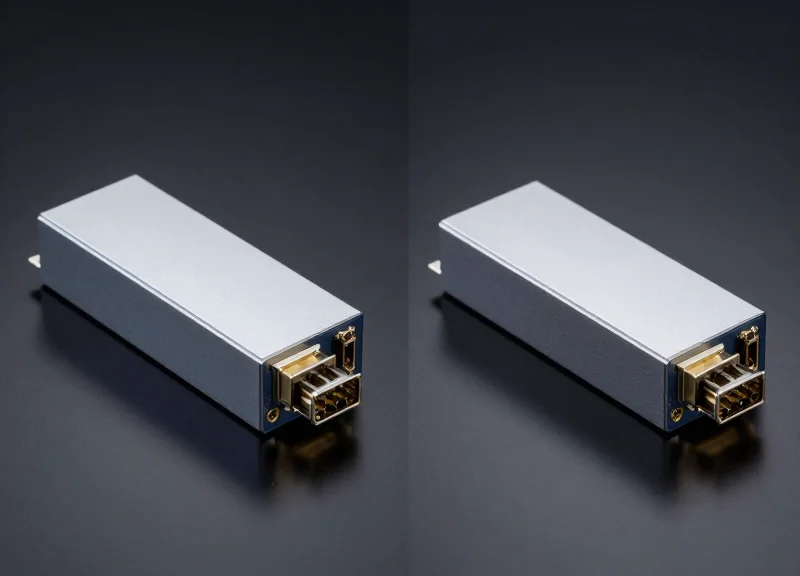
The 10G SFP+ BIDI 20km transceiver is a high-performance optical module designed for single-strand fiber communication, utilizing a robust 12dB optical link budget to ensure reliable 10Gbps data transmission across medium-range distances up to 20 kilometers.
Wavelength Pairs: 1270nm and 1330nm
Unlike standard dual-fiber SFP+ modules, BIDI transceivers operate using Wavelength Division Multiplexing (WDM). For a 20km reach, the industry standard utilizes the 1270nm and 1330nm wavelength pair. These modules must be deployed in matched sets: one end transmits at 1270nm and receives at 1330nm (often labeled as SFP-10G-BX20-U), while the opposite end transmits at 1330nm and receives at 1270nm (labeled as SFP-10G-BX20-D). This configuration ensures that signals do not collide while traversing the same glass core.
| Parameter | Technical Specification |
|---|---|
| Data Rate | 10.3125 Gbps |
| Wavelengths | 1270nm-TX/1330nm-RX or 1330nm-TX/1270nm-RX |
| Fiber Type | Single-Mode Fiber (SMF) |
| Max Distance | 20km (12.4 miles) |
| Optical Link Budget | 12dB |
| Power Consumption | < 1.0W (Typical) |
| Connector Type | Simplex LC |
Link Budget and Signal Integrity
A 12dB link budget is critical for 20km deployments. Assuming a standard G.652 single-mode fiber attenuation of roughly 0.35dB/km, the fiber itself accounts for 7dB of loss. The remaining 5dB serves as a safety margin to account for patch panel connections, fusion splices, and optical aging. Maintaining this margin is vital for avoiding Bit Error Rate (BER) spikes that can degrade network performance.
Advanced Monitoring: DDM/DOM Functionality
Wholesale-grade 10G BIDI modules feature Digital Diagnostic Monitoring (DDM), also known as Digital Optical Monitoring (DOM). This allows network administrators to monitor real-time parameters such as optical output power, optical input power, temperature, and laser bias current. In 20km spans, DDM is essential for identifying 'dirty' fiber connectors or failing lasers before they cause a total link outage.
- Can I use a 20km BIDI module for a 2km link?
Yes, but ensure the RX power does not exceed the saturation point. Because 20km modules have higher transmit power, an attenuator may be required for very short distances to protect the receiver. - Is the 20km BIDI module compatible with all switches?
While the physical specs are standardized by the SFP+ MSA, the firmware must be coded to match the host switch (e.g., Cisco, Arista, or Juniper) to pass vendor-lock software checks. - How does power consumption impact wholesale deployment?
Lower power consumption (under 1W) reduces the thermal load on high-density switches, leading to longer hardware life and lower operational costs in large-scale data centers.
The Economic Advantages of BIDI Modules in Long-Distance Networking

The primary economic driver for adopting BIDI technology in 2026 is its ability to operate over a single fiber strand using WDM, effectively halving the cost of physical media and significantly reducing the complexity of long-distance link management.
Capital Expenditure (CAPEX) Optimization through Single-Fiber Design
In traditional dual-fiber setups, every 10G link requires two dedicated strands: one for transmission and one for reception. By switching to BIDI modules, network architects can deploy twice as many connections using the same fiber footprint. This is particularly valuable in 20km reaches where the cost of trenching new fiber or leasing dark fiber is a major financial burden. When you buy 10G SFP+ BIDI 20km wholesale, the reduction in peripheral hardware such as patch panels and fiber enclosures further compounds the initial savings.
| Expense Category | Traditional Dual-Fiber | BIDI Single-Fiber | Economic Impact |
|---|---|---|---|
| Fiber Strand Usage | 2 Strands per Link | 1 Strand per Link | 50% Savings on Media |
| Patch Panel Density | High Port Usage | Low Port Usage | Increased Rack Space Efficiency |
| Installation Labor | Higher Complexity | Simplified Routing | Reduced Deployment Time |
| Infrastructure Lifecycle | Limited Scalability | Doubled Capacity | Extended Plant Longevity |
Operational Efficiency and Maintenance Savings
Beyond the initial hardware purchase, BIDI solutions reduce ongoing operational costs (OPEX). Fewer fiber strands mean fewer points of failure and fewer connections to clean, test, and troubleshoot. For large-scale deployments, the ability to monitor links via Digital Diagnostic Monitoring (DDM) on a single strand simplifies the telemetry data required for network health assessments. For organizations seeking custom quotes in 2026, wholesale procurement of BIDI modules provides a predictable cost structure that facilitates aggressive network expansion without the need for additional physical fiber installation.
Strategic Advantages for Wholesale Procurement
Bulk pricing for 10G SFP+ BIDI 20km modules is designed to support high-density environments like data center interconnects (DCI) and metropolitan area networks. By consolidating orders into a single wholesale contract, purchasers can negotiate better unit pricing and secure consistent lead times, which is essential for maintaining project schedules in a competitive telecommunications market.
FAQ: Financial Considerations for BIDI Deployment
- How does BIDI improve ROI for 20km links?
By utilizing existing fiber runs more efficiently, BIDI eliminates the need for expensive new fiber installations, providing a faster return on investment compared to laying new cables. - Are BIDI modules more expensive than standard SFP+?
While individual BIDI modules may carry a slight price premium over standard duplex modules, the total system cost is significantly lower due to the 50% reduction in cabling and patch infrastructure costs. - Is bulk pricing available for 2026 deployments?
Yes, wholesale procurement typically offers tiered pricing and custom quotes based on project volume, which further drives down the cost per link for large-scale upgrades.
Why Wholesale Sourcing is Essential for Large-Scale Network Deployment
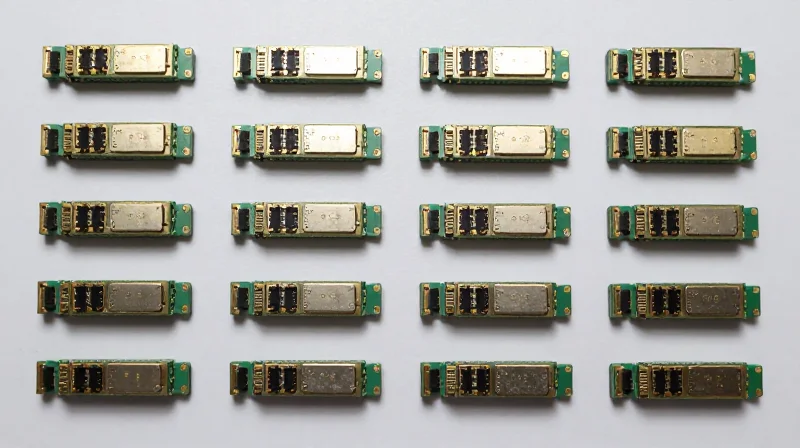
For large-scale network deployments, the shift from retail procurement to wholesale sourcing is not merely a matter of convenience—it is a financial imperative. When deploying 10G SFP+ BIDI 20km modules across metro networks or extensive data center interconnects, the cumulative cost difference between individual unit pricing and bulk-tier rates can reach 30-50%. Wholesale sourcing allows organizations to move beyond transactional purchasing into a strategic partnership model that optimizes the link budget per dollar spent.
Comparative Analysis: Retail vs. Wholesale Procurement
| Feature | Retail/Off-the-Shelf | Wholesale/Bulk Sourcing |
|---|---|---|
| Unit Price | Fixed, High Margin | Tiered, Volume-Discounted |
| Lead Time | Subject to stock availability | Prioritized production slots |
| Technical Support | Generic/Basic Helpdesk | Dedicated Account Engineer |
| Compatibility Coding | Standard/Generic | Custom-coded for specific OEM switches |
| Quality Assurance | Batch sampling | 100% individual testing reports available |
Lowering Total Cost of Ownership (TCO)
Wholesale sourcing addresses TCO by reducing more than just the initial purchase price. Large-scale deployments of 10G SFP+ BIDI 20km modules benefit from consolidated shipping, reduced administrative overhead for procurement departments, and the ability to lock in pricing for multi-phase projects. By securing custom quotes for 2026, network architects can protect their budgets against market volatility and semiconductor supply fluctuations that frequently impact the optics market.
Strategic Inventory Management
Bulk purchasing allows operators to maintain a standardized 'on-site spare' inventory. For a 20km BIDI link, having an identical module in reserve—sourced from the same manufacturing batch—ensures consistent performance characteristics and simplifies troubleshooting. This level of uniformity is difficult to achieve when buying small quantities over time from disparate retail sources.
Wholesale Sourcing FAQ
- What is the typical Minimum Order Quantity (MOQ) for 10G BIDI wholesale pricing?
Most wholesale tiers for 10G SFP+ BIDI modules begin at 50 to 100 units, though deeper discounts are typically unlocked at the 500+ unit threshold. - Can custom coding for Cisco, Juniper, or Arista be included in wholesale quotes?
Yes. Wholesale sourcing typically includes free custom EEPROM coding to ensure 100% compatibility with specific vendor hardware, which is often an upcharge in retail environments. - How does wholesale sourcing impact the product warranty?
Wholesale partners often provide extended warranties (3-5 years) and advanced replacement services (RMA) as part of a service level agreement, ensuring network uptime for large-scale deployments. - Are 1270nm/1330nm pairs sold together in bulk?
Wholesale quotes usually assume a 50/50 split of 'Upstream' (1270nm) and 'Downstream' (1330nm) modules to complete the bidirectional links, though custom ratios can be requested.
Customizing Your Hardware: OEM and ODM Services for Optical Transceivers

When scaling a network or reselling optical components, the ability to customize hardware is a critical competitive advantage. For those looking to Buy 10G SFP+ BIDI 20km Wholesale, standard off-the-shelf units may not meet the specific firmware requirements of proprietary switches or the branding needs of large-scale distributors. Our OEM (Original Equipment Manufacturer) and ODM (Original Design Manufacturer) services are designed to transform standard high-performance transceivers into proprietary assets that align perfectly with your technical ecosystem and corporate identity.
Firmware Customization and Multi-Vendor Compatibility
The most vital aspect of customization is the internal coding of the transceiver. Different networking hardware manufacturers utilize various coding schemes within the EEPROM to identify and authorize third-party modules. We provide custom firmware writing services that ensure our 10G BIDI modules are 100% compatible with major brands such as Cisco, Juniper, Arista, and Dell. This level of customization eliminates the risk of 'unsupported transceiver' errors and ensures that DDM (Digital Diagnostic Monitoring) functions report accurately across diverse hardware platforms.
Private Labeling and Physical Branding
For resellers and MSPs, brand visibility is essential. Our OEM services include comprehensive labeling options where we can print your company name, logo, and specific part numbers directly onto the transceiver label. Beyond the label, we offer laser engraving on the metal housing for a premium finish and permanent identification. This allows you to build brand equity within your client base while maintaining the high reliability of our 20km BIDI technology.
| Service Feature | OEM (Original Equipment Manufacturer) | ODM (Original Design Manufacturer) |
|---|---|---|
| Focus | Branding and minor modifications | Full design and specification control |
| Labeling | Custom logo and part numbers | Proprietary shell and casing designs |
| Firmware | Compatibility coding for specific vendors | Unique protocol support and logic |
| Packaging | Private-labeled boxes and inserts | Custom industrial or retail packaging |
| Best For | Established resellers and ISPs | Unique hardware projects and startups |
Specialized Packaging for Wholesale Logistics
Wholesale procurement often involves complex logistics. We provide specialized packaging solutions that range from bulk industrial trays designed for high-density deployments to individual retail-ready boxes for resellers. Our packaging can be customized with specific barcodes, QR codes, and anti-static materials to streamline your inventory management and ensure the safety of the 10G SFP+ BIDI 20km optics during international transit.
- Can I request specific serial number sequences?
Yes, we can program specific serial number ranges into the firmware and print them on the labels to match your internal inventory tracking systems. - What is the minimum order quantity (MOQ) for custom labeling?
MOQs vary based on the level of customization, but for standard private labeling on 10G BIDI 20km modules, we offer flexible thresholds to support growing resellers. - Is the performance of custom modules tested?
Every customized module undergoes the same rigorous 100% testing cycle, including bit-error rate tests and compatibility checks in our laboratory before shipment.
Compatibility and Interoperability: Ensuring Seamless Integration
Compatibility and Interoperability: Ensuring Seamless Integration
Achieving seamless integration in high-density network environments requires more than just standard physical compliance; it demands precise EEPROM (Electrically Erasable Programmable Read-Only Memory) coding tailored to specific vendor protocols. Ubytelink's 10G SFP+ BIDI 20km transceivers are engineered to be plug-and-play compatible with systems from Cisco, Juniper, Arista, Dell, and other leading manufacturers, effectively bypassing vendor-lock restrictions and ensuring stable performance across heterogeneous infrastructures.
Vendor-Specific Compliance Matrix
| Network Brand | Primary Hardware Series | Compatibility Level | DOM/DDM Support |
|---|---|---|---|
| Cisco | Nexus, Catalyst, ASR | 100% Guaranteed | Full Real-time Monitoring |
| Juniper | MX, EX, QFX Series | 100% Guaranteed | Full Real-time Monitoring |
| Arista | 7000 Series Cloud Vision | 100% Guaranteed | Full Real-time Monitoring |
| Dell | PowerSwitch S/Z Series | 100% Guaranteed | Full Real-time Monitoring |
| Generic | Ubiquiti, Mikrotik, TP-Link | Universal Compatibility | Full Real-time Monitoring |
The Ubytelink Verification Process
To maintain wholesale reliability, our modules undergo a multi-stage testing protocol that simulates real-world data center conditions. This prevents common issues such as 'unrecognized transceiver' errors or port flapping that can plague inferior generic modules.
- Custom Firmware Injection
Each module is programmed with vendor-specific ID codes and serial numbers to match the requirements of the target host switch. - On-Switch Validation
Modules are tested in a lab containing original OEM switches (Cisco, Juniper, etc.) to ensure link-up speed and error-free traffic flow. - DOM/DDM Calibration
Digital Optical Monitoring is calibrated to provide accurate readings for temperature, voltage, and optical power within the host's native OS.
Interoperability FAQs
- Will using Ubytelink wholesale transceivers void my switch warranty?
No. Under the Magnuson-Moss Warranty Act (and similar global regulations), manufacturers cannot void your hardware warranty for using third-party peripherals unless the peripheral itself causes direct damage. - Can I request different brand coding within a single bulk order?
Absolutely. For wholesale purchases, we can segment your order to include various codings (e.g., 50 units for Cisco and 50 units for Arista) to match your multi-vendor environment. - What happens if a module is not recognized after a firmware update?
Ubytelink provides lifetime technical support and can offer remote reprogramming guidance or hardware exchanges should a vendor update their software to exclude certain optical IDs.
Quality Assurance and Testing: Maximizing Reliability in Mission-Critical Links

The Standard of Excellence: Why Rigorous QA Matters for 10G BIDI Modules
Reliability in mission-critical 10G SFP+ BIDI 20km links is predicated on a 'zero-defect' manufacturing philosophy where every transceiver is treated as a vital component of the global data infrastructure rather than a mere commodity. In high-density 10G networking, the cost of a single transceiver failure far exceeds the price of the hardware itself due to potential downtime, service level agreement (SLA) penalties, and troubleshooting labor. Our modules undergo a comprehensive battery of tests—ranging from automated optical spectrum analysis to real-world traffic simulation—to guarantee that every unit meets the stringent requirements of wholesale buyers and Tier-1 service providers.
Comprehensive Testing Architecture
| Testing Stage | Primary Focus | Metric Observed |
|---|---|---|
| Optical Performance | Tx/Rx Power & Extinction Ratio | IEEE 802.3ae Compliance |
| Data Integrity | Bit Error Rate (BER) | Zero errors over 24-hour soak test |
| Physical Integrity | Housing & Connector Latches | Mechanical durability & Fitment |
| Environmental Stress | Temperature Cycling | Stability from -40°C to +85°C |
MTBF and Long-Term Reliability Metrics
Mean Time Between Failures (MTBF) is a critical KPI for large-scale deployments and wholesale purchasing decisions. For our 10G SFP+ BIDI 20km modules, we maintain an MTBF rating exceeding 1,000,000 hours. This exceptional longevity is achieved through the use of premium components, such as high-quality DFB (Distributed Feedback) lasers and advanced TOSA/ROSA assemblies, which are specifically engineered to resist thermal degradation and power fluctuations over long-distance spans.
Quality Assurance FAQ
- What certifications do these modules hold?
All transceivers are CE, FCC, and RoHS compliant, manufactured in ISO 9001:2015 certified facilities to ensure global interoperability and environmental safety. - Do you provide individual test reports for bulk orders?
Yes, wholesale orders can be accompanied by digitized, serial-number-specific test reports detailing optical launch power, receiver sensitivity, and wavelength accuracy. - How is 'Infant Mortality' in electronics mitigated?
Every module undergoes a mandatory 48-hour high-temperature burn-in process under full traffic load to identify and discard units with latent semiconductor defects before they ship.
How to Request a Custom Bulk Quote for 10G SFP+ BIDI 20km Modules
Requesting a custom bulk quote for 10G SFP+ BIDI 20km modules involves a structured consultation process designed to align technical requirements with volume-based pricing incentives. At Ubytelink, we move beyond generic price lists to provide enterprise-grade solutions that account for specific hardware compatibility, shipping logistics, and project timelines, ensuring that your 2026 network infrastructure budget is optimized for both performance and cost.
The Ubytelink Bulk Procurement Workflow
To initiate the process, clients can submit an inquiry via our dedicated RFQ (Request for Quote) portal or contact an account manager directly. Our team prioritizes high-volume inquiries, providing a preliminary response within 24 business hours. This initial contact is used to verify inventory availability and discuss any specific lead-time requirements for large-scale rollouts.
Essential Data for Accurate Quoting
| Requirement Category | Details to Include |
|---|---|
| Optical Specifications | Specify 1270/1330nm or 1330/1270nm pairing requirements. |
| Volume Tiers | Total unit count (e.g., 100, 500, or 1000+ pieces). |
| Hardware Compatibility | Target host brands (Cisco, Arista, Juniper, Dell, etc.) for EEPROM coding. |
| Logistics | Destination country and requested shipping method (Standard vs. Express). |
Technical Consultation and Validation
Unlike standard retail purchases, bulk wholesale orders at Ubytelink undergo a rigorous technical validation phase. Our engineers review your network environment to ensure the 10G BIDI modules are coded correctly for your specific switch or router firmware. This prevents the common 'unrecognized transceiver' errors and ensures that DDM (Digital Diagnostic Monitoring) functions are fully operational across your entire deployment.
Frequently Asked Questions About Wholesale Quoting
- What is the minimum order quantity (MOQ) for wholesale pricing?
While we accommodate diverse project sizes, wholesale tier pricing for 10G SFP+ BIDI 20km modules typically begins at 50 units, with deeper discounts available for orders exceeding 500 units. - Can we request evaluation samples before committing to a bulk order?
Yes. For qualified enterprise and ISP projects, Ubytelink provides sample units to allow for interoperability testing and performance verification in your live environment. - How long is a custom quote valid?
Due to fluctuations in the global optical component market, custom quotes are generally valid for 30 days. We can offer extended price protection for long-term project phases upon request.
Upgrading your network shouldn't break your budget or compromise on quality. With Ubytelink's industry-leading 10G SFP+ BIDI 20km modules and flexible OEM/ODM options, you can scale with confidence and precision. Contact our expert team today for a personalized quote and technical consultation to future-proof your infrastructure and maximize your ROI.