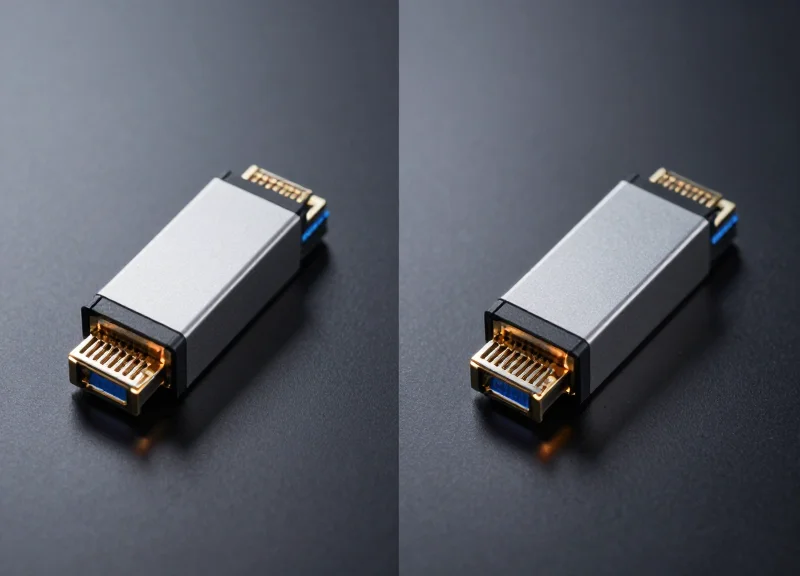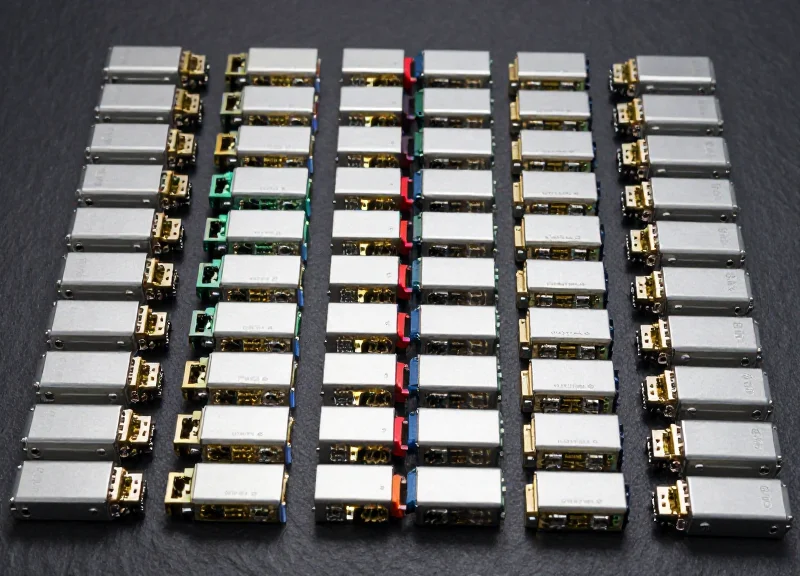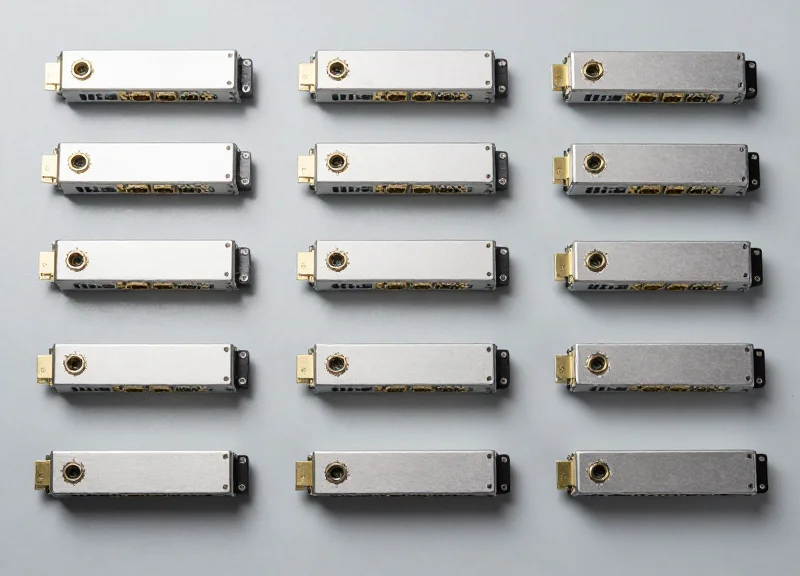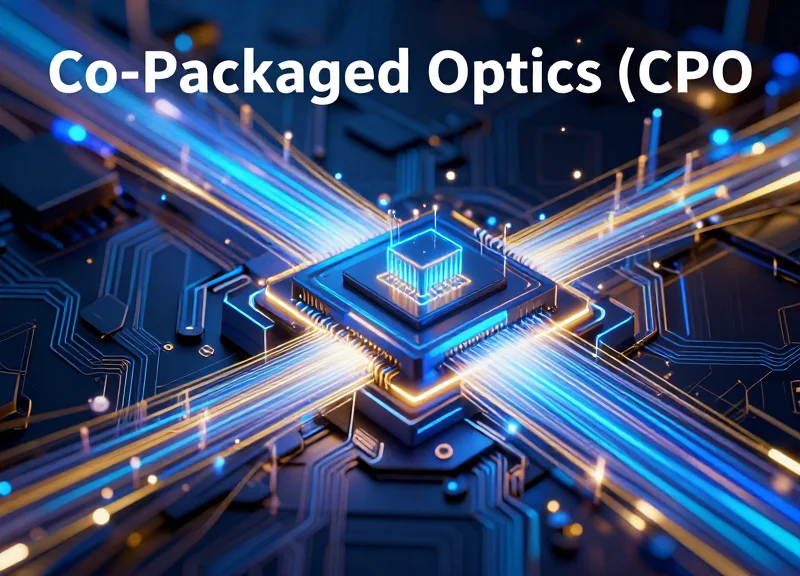
As global data demands skyrocket, network operators face the challenge of scaling infrastructure without compromising on quality or budget. Sourcing optical modules directly from leading Chinese manufacturers like Ubytelink provides a strategic advantage through cost-efficient, high-performance solutions tailored to your specific technical requirements.
The Evolution of Optical Module Manufacturing in China

The Rise of a Global Manufacturing Powerhouse
China’s optical module sector has undergone a radical transformation, evolving from a secondary supplier of low-speed transceivers to the primary driver of high-speed fiber optic innovation. In 2026, China-based manufacturers command over 60% of the global market share, fueled by a unique synergy of state-of-the-art automation, massive domestic R&D, and a localized supply chain that significantly reduces lead times and costs for wholesale procurement.
Strategic Shift: From Assembly to Innovation
Historically, Chinese firms acted as Original Equipment Manufacturers (OEMs) for Western brands, focusing on labor-intensive assembly. However, the last decade saw a strategic pivot toward vertical integration. Leading companies in tech hubs like Shenzhen and Wuhan now control the entire production cycle, including laser chip fabrication and advanced silicon photonics packaging. This verticality allows for the rapid deployment of 400G and 800G modules, meeting the surging demands of AI-driven data centers and global 5G network expansions.
| Era | Market Focus | Lead Products | Competitive Edge |
|---|---|---|---|
| 2000-2010 | Low-cost assembly | 1G/10G SFP | Labor costs |
| 2011-2020 | Network expansion | 40G/100G QSFP28 | Infrastructure scale |
| 2021-2026+ | High-speed innovation | 400G/800G/1.6T | R&D and Chip integration |
Critical Factors Powering the 2026 Wholesale Advantage
- Complete Supply Chain Ecosystem
From PCB manufacturing to optical sub-assemblies (OSA), almost all components are sourced within a 100-mile radius of major manufacturing hubs, minimizing logistics delays. - Government-Backed R&D
National initiatives focusing on 'New Infrastructure' have funneled billions into photonics research, ensuring manufacturers stay ahead of global technical standards. - Economies of Scale
Massive production volumes for the domestic market allow manufacturers to offer aggressive bulk pricing for international wholesale buyers that competitors cannot match. - Customization and Flexibility
Advanced manufacturing lines are now highly modular, allowing for custom quotes on specialized wavelengths, distances, or housing designs even at wholesale volumes.
As we move through 2026, the 'China Wholesale' model has redefined the global fiber optic landscape. It is no longer just a choice for budget-conscious buyers; it is the preferred route for tier-one data centers and telecom operators who require a blend of cutting-edge technology, reliability, and the ability to scale rapidly. The evolution from 'Made in China' to 'Innovated in China' ensures that custom quotes for high-capacity modules remain both technically superior and economically viable.
Why Scale with Wholesale Optical Modules from China?
Why Scale with Wholesale Optical Modules from China?
Scaling via wholesale procurement from China allows enterprises and ISPs to bypass retail markups while leveraging a supply chain that accounts for over 70% of the world's optical transceiver production. This approach not only slashes the capital expenditure (CapEx) required for network expansions but also ensures technical consistency across large-scale deployments through unified manufacturing runs and standardized quality control.
Maximizing ROI through Bulk Pricing and Reduced Overhead
The primary driver for wholesale procurement is the dramatic reduction in the Price-per-Port. When purchasing at scale, manufacturers in tech hubs like Wuhan and Shenzhen provide tiered pricing structures that can reduce unit costs by 30-50% compared to local retail distributors. Furthermore, consolidated shipping reduces administrative overhead and simplifies customs clearance, moving products from the factory floor to the data center significantly faster than fragmented orders.
| Procurement Metric | Retail/Small Batch | Wholesale/Bulk (China) |
|---|---|---|
| Unit Cost | High (Market Rate) | Low (Tiered Discounting) |
| Customization | None (Off-the-shelf) | OEM/ODM & Custom Coding |
| Lead Times | Inconsistent | Priority Production Slots |
| Compatibility | Generic | Vendor-Specific Programming |
Operational Agility and Deployment Speed
Beyond cost, wholesale sourcing from China enhances operational agility. By maintaining a local buffer of high-quality transceivers—such as 100G QSFP28 or 400G OSFP modules—network architects can respond to bandwidth demands in real-time. This 'on-demand' scalability is critical for 5G rollouts and hyperscale data center operations where any delay in expansion translates directly to lost revenue and reduced service quality.
Common Wholesale Inquiries
- How do custom quotes work for bulk orders?
Custom quotes involve a detailed assessment of volume, technical specifications like reach and wavelength, and specific compatibility requirements to provide a final per-unit price inclusive of logistics and insurance. - Can I request specific firmware for different switch vendors?
Yes, one of the main advantages of wholesale sourcing from China is the ability to have modules pre-programmed for multi-vendor environments (e.g., Cisco, Juniper, Arista) at the factory level. - What is the typical lead time for large orders in 2026?
Standard wholesale orders typically ship within 1-2 weeks, though custom high-speed modules like 800G may require 3-4 weeks depending on component availability and production queue.
The Ubytelink Advantage: Quality Meets Affordability
The Ubytelink advantage is defined by our ability to deliver Tier-1 quality transceivers at factory-direct prices, effectively eliminating the trade-off between reliability and budget. By integrating advanced Chinese manufacturing efficiencies with rigorous E-E-A-T (Experience, Expertise, Authoritativeness, and Trustworthiness) standards, we ensure that every module—from 10G SFP+ to 800G OSFP—is built to outperform industry benchmarks while maintaining a price point that supports scalable network growth in 2026.
Uncompromising Quality Control and Compliance
Quality at Ubytelink is not a post-production check but a foundational process. Our manufacturing facility utilizes state-of-the-art automated testing stations to verify optical power, sensitivity, and signal integrity across varying temperatures. We adhere to Multi-Source Agreement (MSA) standards, ensuring 100% compatibility with over 200 major network equipment vendors including Cisco, Arista, Juniper, and Dell.
| Feature | Ubytelink Standards | Generic Wholesale | OEM (Brand Name) |
|---|---|---|---|
| Testing Protocol | Real-Switch Traffic Testing | Sample Testing Only | Full Testing |
| Certification | CE, FCC, RoHS, ISO9001 | Variable/None | Full Certification |
| Pricing Efficiency | Direct Manufacturer Rates | Low Quality/Low Price | 400-800% Markup |
| Compatibility | Multi-Vendor (EEPROM Coding) | Generic Only | Vendor Locked |
Strategic Cost Leadership in 2026
Our affordability is the result of vertical integration. Unlike resellers, Ubytelink manages the supply chain from component sourcing to final assembly. This allows us to pass significant savings to our clients, especially on high-capacity modules like 400G QSFP112 and 800G OSFP, where traditional margins are historically inflated. By opting for our bulk pricing models, data centers and ISPs can reduce their CAPEX by up to 70% without sacrificing network uptime.
- How does Ubytelink guarantee compatibility for bulk orders?
Every wholesale batch undergoes rigorous EEPROM coding and validation on the specific hardware platforms requested by the client, ensuring seamless 'plug-and-play' integration upon delivery. - Are custom quotes available for specialized projects?
Yes, we provide tailored pricing and custom technical specifications for large-scale deployments, including options for extended temperature ranges and specialized wavelengths. - What is the standard warranty for wholesale modules?
We offer a comprehensive 3-to-5 year replacement warranty on all optical modules, backed by our technical support team to ensure long-term operational peace of mind.
Unlocking Value through OEM and ODM Services
The transition from standard off-the-shelf procurement to customized OEM (Original Equipment Manufacturing) and ODM (Original Design Manufacturing) solutions represents a strategic leap for modern network operators. By collaborating with China's manufacturing giants, businesses can go beyond mere cost savings to influence the technical specifications, firmware compatibility, and physical branding of their optical assets. This flexibility ensures that components like SFP+, QSFP28, and OSFP modules are not just generic units, but specialized tools optimized for specific data center environments and multi-vendor ecosystems.
The Distinction Between OEM and ODM in Optical Networking
Understanding the technical nuances between OEM and ODM is essential for determining the right sourcing strategy for 2026. While both paths offer bulk pricing advantages, they serve different operational goals depending on how much control your engineering team needs over the final product design.
| Feature | OEM (Original Equipment Manufacturing) | ODM (Original Design Manufacturing) |
|---|---|---|
| Design Ownership | Buyer provides the design/specs. | Manufacturer provides the design. |
| Customization Level | High control over internal hardware. | Branding and firmware modification. |
| Speed to Market | Moderate (requires development cycles). | Rapid (pre-designed platforms). |
| Ideal For | Proprietary hardware requirements. | Standardized performance with custom branding. |
Advanced Firmware Customization and Vendor Compatibility
One of the primary value drivers for OEM services in the optical module industry is firmware coding. Most major networking hardware manufacturers (like Cisco, Arista, and Juniper) employ 'vendor locks' that require specific EEPROM coding for the module to be recognized. Through custom OEM services, modules are pre-programmed with compatible code, ensuring seamless 'plug-and-play' functionality across diverse network switch environments without the premium price tag of original brand modules.
Branding and Private Labeling
For Managed Service Providers (MSPs) and System Integrators, private labeling is a key component of brand equity. China-based ODM services provide the ability to print custom logos, apply serialized labels that match internal inventory systems, and create bespoke packaging. This allows service providers to offer a unified, professional hardware portfolio to their end clients while benefiting from wholesale bulk pricing.
Customization FAQ
- Can I request custom transmission distances for 40G/100G modules?
Yes. Through OEM services, components such as TOSA/ROSA can be selected to meet specific reach requirements (e.g., 2km, 10km, 40km) that may not be available in standard configurations. - Is there a Minimum Order Quantity (MOQ) for custom branding?
Typically, MOQs for custom labeling start at 50 to 100 units, though this varies by manufacturer. Bulk pricing tiers in 2026 often offer lower MOQs to encourage long-term partnerships. - Are custom-coded modules as reliable as brand-name originals?
Absolutely. Leading Chinese manufacturers use the same high-quality lasers (e.g., Broadcom, Lumentum) and follow identical MSA (Multi-Source Agreement) standards as major brands, ensuring equivalent reliability and performance.
Ensuring Compatibility: Interoperability with Major Brands

The primary challenge in sourcing wholesale optical modules from China is ensuring seamless interoperability across diverse hardware environments. Ubytelink solves the 'vendor lock-in' dilemma by employing sophisticated EEPROM coding techniques and real-world testing on original brand switches, ensuring that every SFP, SFP+, QSFP28, and QSFP-DD module is recognized immediately as a native component by systems from Cisco, Arista, Juniper, and others.
The Science of EEPROM Coding and Firmware Synchronization
Compatibility is not merely about physical fit; it is defined by the digital handshake between the transceiver and the host switch. Each optical module contains an EEPROM chip programmed with specific vendor information, serial numbers, and checksums. Ubytelink engineers maintain an extensive database of firmware versions for major brands to ensure that even with the latest OS updates—such as Cisco IOS-XE or Arista EOS—the modules maintain full functionality, including DDM (Digital Diagnostic Monitoring) capabilities.
Compatibility Matrix for 2026 Wholesale Procurement
| Major Brand | Supported Product Lines | Key Feature Support | Compatibility Status |
|---|---|---|---|
| Cisco | Nexus, Catalyst, ASR Series | Full DDM/DOM Reporting | Verified 100% |
| Arista | 7000 Series Cloud Networks | Zero-Touch Provisioning Compatible | Verified 100% |
| Juniper | EX, MX, PTX Series | JunOS Firmware Alignment | Verified 100% |
| Dell | PowerSwitch, Networking N-Series | Native Dell OS Integration | Verified 100% |
| Mellanox | ConnectX, Spectrum Switches | Ultra-Low Latency Tuning | Verified 100% |
Rigorous In-House Testing Procedures
To eliminate the risk of port-blocking or 'unsupported transceiver' errors, Ubytelink operates a dedicated interoperability lab. Each bulk order undergoes a multi-stage verification process: initially, the modules are tested for optical performance (Tx/Rx power levels), followed by a host-verification test where the modules are plugged into the exact switch models specified in the custom quote. This ensures that the modules not only link up but also support specific features like link aggregation and failover protocols.
Interoperability FAQ
- Will using compatible modules void my switch's warranty?
No. Major manufacturers cannot legally void a hardware warranty simply for using third-party components. Ubytelink modules are designed to meet or exceed OEM specifications, ensuring safe operation. - How do you handle firmware updates from vendors like Cisco?
We continuously monitor vendor software releases. If a new firmware version introduces a handshake change, our technical team provides updated coding parameters for all future wholesale batches. - Can I request custom coding for a mix of different brands in one order?
Absolutely. Our wholesale service allows for 'Mixed-Coding' batches where, for example, 50% of the order is coded for Arista and 50% for Cisco, all under a single bulk pricing agreement.
Decoding the 2026 Bulk Pricing Landscape

Decoding the 2026 Bulk Pricing Landscape
The 2026 wholesale market for optical modules is defined by a shift toward ultra-high-speed capacity, where the price-per-gigabit is falling faster for 400G and 800G modules than for legacy 10G or 25G hardware. While standard SFP+ modules have reached a pricing floor due to mature manufacturing processes in China, the QSFP28 and QSFP-DD segments are seeing aggressive competitive pricing as manufacturers scale up production to meet global AI and data center demands.
2026 Bulk Pricing Benchmarks
| Module Category | Typical Bulk Range (USD) | Year-over-Year Trend | Primary Pricing Driver |
|---|---|---|---|
| SFP+ 10G (LR/SR) | $12 - $19 | Stable | Raw Material Costs |
| SFP28 25G (LR) | $28 - $45 | Slight Decline | 5G Infrastructure Mature |
| QSFP28 100G (CWDM4) | $75 - $110 | Significant Decline | Mass Scale Production |
| QSFP-DD 400G (DR4) | $480 - $650 | Volatile / Downward | AI Data Center Expansion |
In the current landscape, custom quotes are increasingly influenced by 'The Silicon Factor.' As Chinese transceiver manufacturers like Ubytelink integrate more advanced Silicon Photonics (SiPh), the cost of high-bandwidth modules is decoupling from traditional laser component prices. For bulk buyers, this means that larger volumes (500+ units) can now trigger significantly deeper discounts than in previous years, especially for 100G and 400G form factors.
Strategic FAQ for Volume Procurement
- Why do custom quotes vary so much between vendors?
Pricing variances usually stem from the quality of the laser (EML vs DML) and the level of compatibility testing. Tier-1 Chinese wholesalers provide rigorous multi-vendor interoperability checks, which may carry a slight premium over 'generic' no-name modules but save thousands in field failures. - How does lead time affect bulk pricing in 2026?
Urgency is a price multiplier. While 10G/25G modules are usually in stock, 400G modules often require a 2-4 week lead time. Opting for a standard shipping window rather than an 'AOG' (Aircraft on Ground) rush can reduce total procurement costs by 10-15%. - Can I lock in pricing for multi-phase projects?
Yes, most major China-based wholesalers now offer 'Price Protection Agreements' for large-scale infrastructure projects. By committing to a total annual volume, buyers can hedge against fluctuations in semiconductor supply and maintain a fixed BOM cost.
To navigate the 2026 landscape successfully, buyers should focus on 'Total Cost of Ownership' rather than just the unit price. Custom quotes should ideally include detailed specifications on power consumption and heat dissipation, as these factors impact long-term operational expenses in high-density rack environments.
Quality Assurance Protocols and Testing Standards
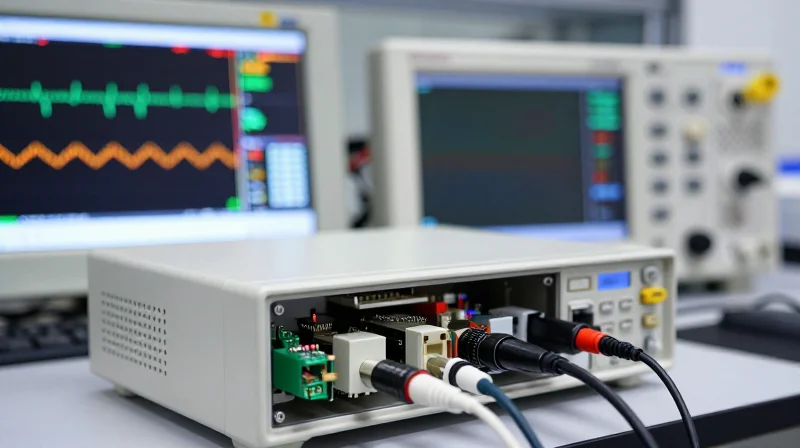
Quality assurance for wholesale optical modules in 2026 is defined by a 'Zero-Failure' philosophy, where Chinese manufacturers employ multi-stage testing environments to ensure every SFP, QSFP, and 400G module meets international IEEE and MSA standards. This process is critical for bulk buyers because it mitigates the risk of network downtime, ensuring that large-scale deployments maintain 99.9% operational uptime even under peak traffic loads.
Critical Testing Standards for High-Performance Modules
To guarantee signal integrity, manufacturers utilize advanced oscilloscopes for eye-pattern testing. This test analyzes the 'eye opening' of the digital signal; a wider opening signifies lower jitter and noise, which translates to a lower Bit Error Rate (BER). Furthermore, modules undergo rigorous thermal cycling and burn-in tests. By subjecting components to extreme temperatures ranging from -40°C to +85°C for extended periods, technicians can identify 'infant mortality' failures before the modules leave the factory floor.
| Test Category | Primary Metric | Impact on Performance |
|---|---|---|
| Signal Integrity | Eye Diagram Analysis | Ensures low jitter and optimal signal-to-noise ratio. |
| Environmental | Thermal Cycling Stress | Guarantees stability in varying data center climates. |
| Reliability | Burn-in Testing | Eliminates hardware defects before bulk shipping. |
| Interoperability | Brand-Specific Protocol Check | Ensures seamless handshake with Cisco, Juniper, etc. |
Ensuring 99.9% Uptime Through Rigorous QA
Achieving 99.9% uptime requires more than just testing the hardware; it involves a systematic approach to firmware validation and manufacturing consistency. For bulk orders, consistency is key. Leading Chinese wholesalers implement automated testing stations that run standardized scripts to verify the EEPROM coding, DOM (Digital Optical Monitoring) functionality, and power consumption levels. These automated protocols remove human error, ensuring that the 1,000th module in a batch performs identically to the first.
Frequently Asked Questions: Quality Assurance
- How is 100% compatibility verified for bulk orders?
Manufacturers use original brand switches (e.g., Cisco Nexus or Juniper MX series) to perform real-world handshake tests, ensuring the EEPROM code matches the required vendor specifications perfectly. - What is the industry-standard warranty for wholesale modules?
Premium Chinese suppliers typically offer a 3-year to 5-year warranty, backed by a failure rate (AFR) of less than 0.1%, which is documented through rigorous QA logs provided to the buyer. - Does eye-pattern testing apply to 400G and 800G modules?
Yes, for higher-speed modules like 400G QSFP-DD, PAM4 signaling makes eye-pattern testing even more critical due to the increased complexity of the signal levels compared to traditional NRZ.
Logistics and Global Supply Chain Efficiency
Logistics and Global Supply Chain Efficiency
Navigating the complexities of international trade is a cornerstone of Ubytelink’s value proposition, ensuring that high-density optical modules like QSFP-DD and SFP28 are available for immediate dispatch to support rapid network expansion. By integrating real-time inventory tracking with a robust global logistics network, we bridge the gap between China-based manufacturing and localized data center requirements, effectively eliminating the common bottlenecks associated with long-distance procurement. Our logistics framework is designed to handle the delicate nature of optical hardware while maintaining the speed required by modern telecommunications projects.
Strategic Inventory and Buffer Stocking
To mitigate the volatility of the 2026 semiconductor market and fluctuating raw material availability, Ubytelink maintains strategic buffer stocks in key regional hubs. This approach allows for 'Ship-from-Stock' capabilities for high-demand items, reducing the standard manufacturing lead time from several weeks to just 3-5 business days for bulk orders. Our Vendor Managed Inventory (VMI) services further assist enterprise clients in maintaining operational continuity without overextending their local warehouse capacity, providing a just-in-time delivery model for large-scale 400G and 800G upgrades.
| Shipping Method | Transit Time | Target Region | Ideal For |
|---|---|---|---|
| Express Air (DHL/FedEx/UPS) | 3-5 Business Days | North America / Europe | Urgent Network Repairs & Small Batches |
| Standard Air Freight | 7-10 Business Days | Global | Mid-sized Infrastructure Upgrades |
| Ocean Freight | 25-35 Business Days | Global | Bulk Inventory Restocking & Cost Optimization |
Customs Excellence and Regulatory Compliance
Smooth delivery hinges on meticulous documentation and strict adherence to international trade regulations, including precise HTS code classification and ECCN verification. Ubytelink’s dedicated logistics team manages all export formalities from China, ensuring that every shipment complies with destination-specific import duties and technical certifications (such as CE, FCC, and RoHS). This proactive compliance strategy prevents costly customs holds and ensures that the financial benefits of bulk pricing are not eroded by unexpected demurrage fees or administrative delays.
Logistics and Shipping FAQ
- How does Ubytelink handle urgent, large-scale hardware replacements?
We utilize priority air lanes and pre-staged inventory in regional distribution centers to facilitate delivery within 72 hours for critical network components when expedited service is requested. - Are international shipping costs and duties included in the bulk quotes?
Quotes are typically provided on an EXW or FOB basis by default, but we offer DDP (Delivered Duty Paid) options for most regions to provide a transparent landed cost inclusive of all shipping and taxes. - What tracking and security capabilities are provided for high-value wholesale shipments?
All wholesale orders include end-to-end telemetry and real-time tracking IDs. For ultra-high-value 400G/800G shipments, we provide tamper-evident packaging and specialized handling protocols to ensure hardware integrity.
How to Request Your Custom Quote for 2026
A Step-by-Step Guide to Requesting Your 2026 Custom Quote
To secure the most accurate and competitive quote for wholesale optical modules in 2026, buyers must provide a comprehensive Request for Quote (RFQ) that outlines precise technical parameters, compatibility requirements, and volume projections. Navigating the global supply chain effectively requires transparency regarding your network's specific hardware environment to ensure that the quoted modules maintain 100% signal integrity and software interoperability.
Critical Technical Parameters for Your RFQ
When submitting an inquiry to a China-based wholesale manufacturer, specificity is your greatest asset. Generic requests often lead to back-and-forth communication that delays procurement cycles. Use the following table to ensure your inquiry contains all necessary data points for an immediate, actionable proposal.
| Requirement Category | Essential Data Points | Impact on Quote |
|---|---|---|
| Form Factor & Rate | SFP+, QSFP28, QSFP-DD; 10G, 100G, 400G | Determines baseline component costs and manufacturing complexity. |
| Transmission Specs | Wavelength (e.g., 1310nm), Distance (e.g., 10km LR4) | Influences the choice of TOSA/ROSA components and optical power budget. |
| Compatibility Coding | Vendor specific (Cisco, Arista, Juniper) or MSA Generic | Ensures the EEPROM is correctly programmed to avoid port lockout. |
| Volume & Schedule | Total quantity and requested delivery dates | Dictates bulk discount tiers and production priority in the 2026 queue. |
Optimizing Your Inquiry for Maximum Bulk Discounts
In the 2026 market, pricing is heavily influenced by silicon availability and production batching. To obtain the lowest possible per-unit cost, consider presenting a 'Rolling Forecast.' By committing to an annual volume with staggered delivery dates, you allow manufacturers to purchase raw materials in larger quantities, passing the savings on to you. Additionally, specify if you require custom labeling or specialized packaging, as these factors affect the final overhead calculation.
Custom Quote Process: Frequently Asked Questions
- How long does it take to receive a finalized custom quote?
Standard quotes for stock items are usually processed within 12-24 hours. Custom configurations or high-volume 400G/800G requests may take up to 48 hours for engineering validation. - Can I request samples for compatibility testing before bulk ordering?
Yes, we highly recommend requesting 'Interoperability Samples' to be tested in your specific switch environment before finalizing a large-scale 2026 purchase. - Are there Minimum Order Quantities (MOQs) for custom quotes?
While standard modules have low MOQs, custom coding or specialized wavelengths typically require a minimum of 20 to 50 units to qualify for wholesale pricing tiers. - Is technical support included in the quoted price?
Professional wholesale quotes include lifetime technical support and firmware assistance to ensure ongoing compatibility with future network OS updates.
To begin the process, submit your technical specifications through our secure portal or email our sales engineering team directly. Providing a detailed spreadsheet with the parameters mentioned above will ensure you receive our most competitive 2026 pricing within one business day.
Investing in high-quality optical modules is essential for a future-proof network. Whether you need standard SFP+ modules or complex custom designs, Ubytelink is your partner in growth. Ready to scale? Contact Ubytelink today for a personalized quote and take the first step toward scalable, cost-effective networking.