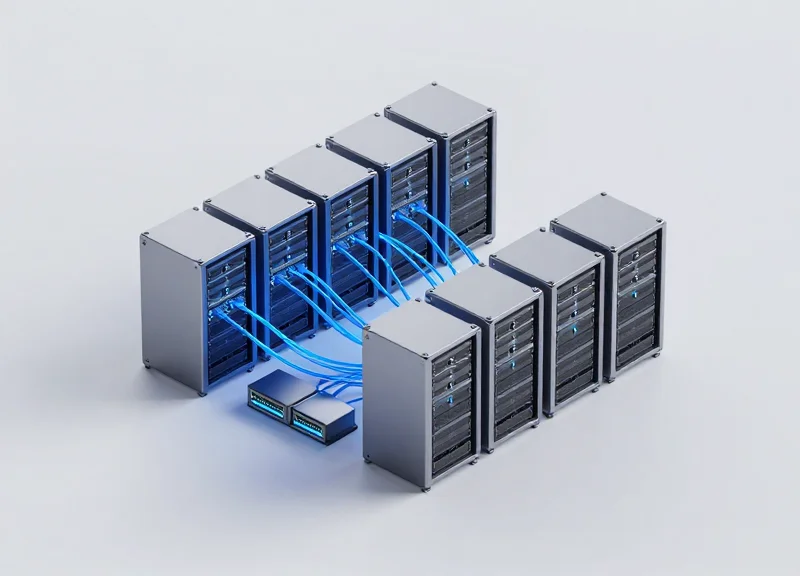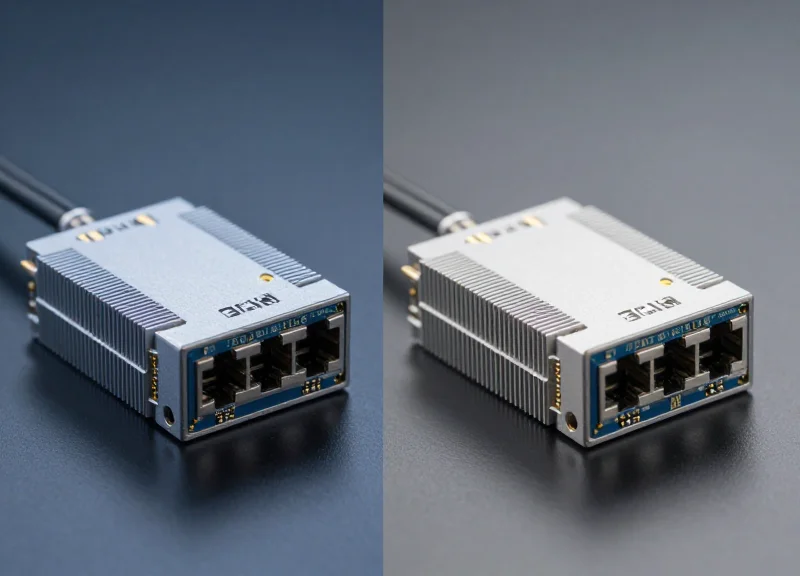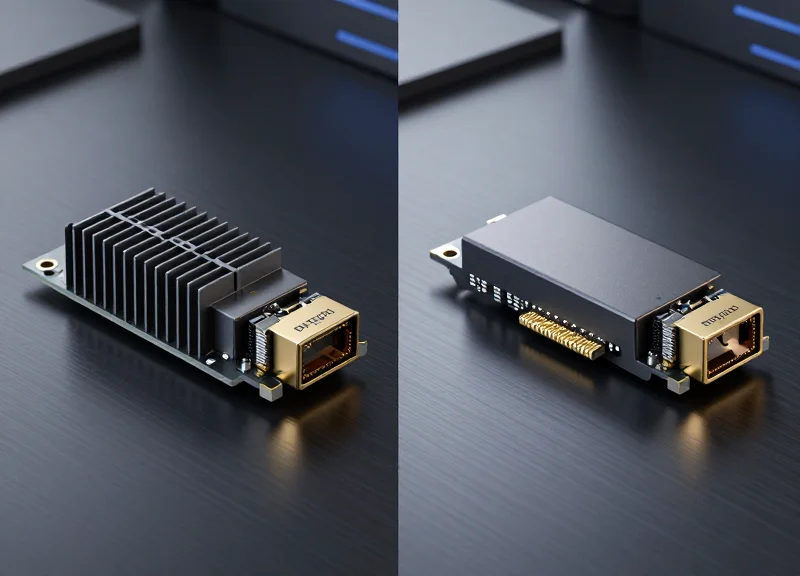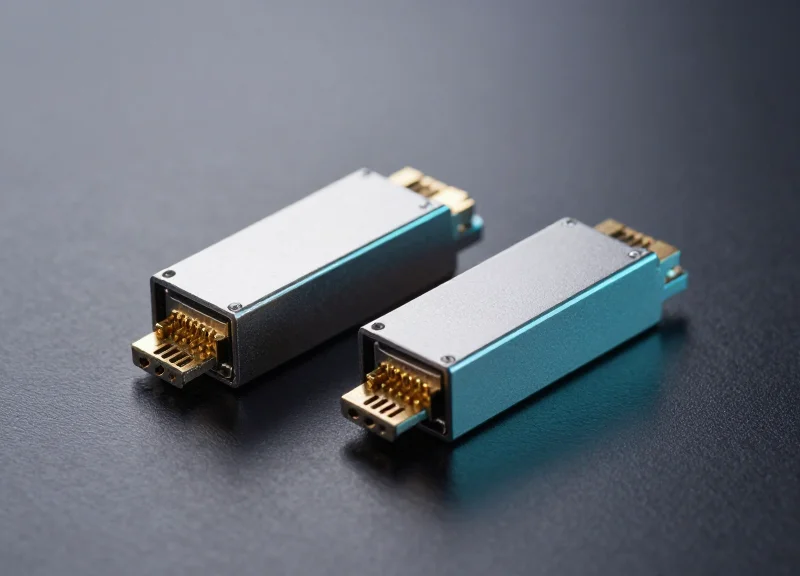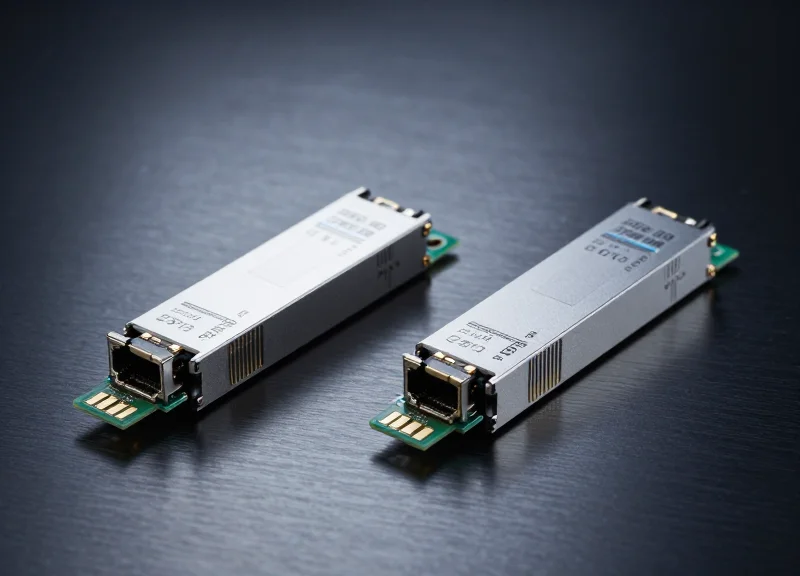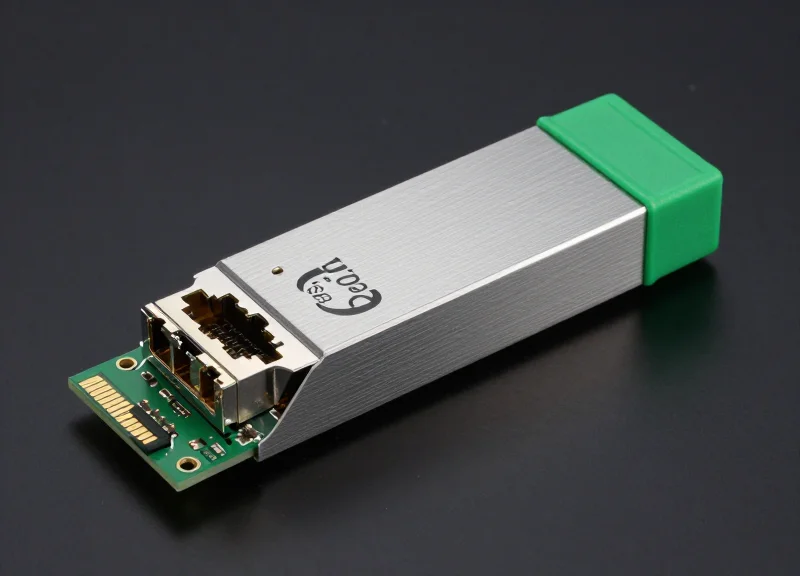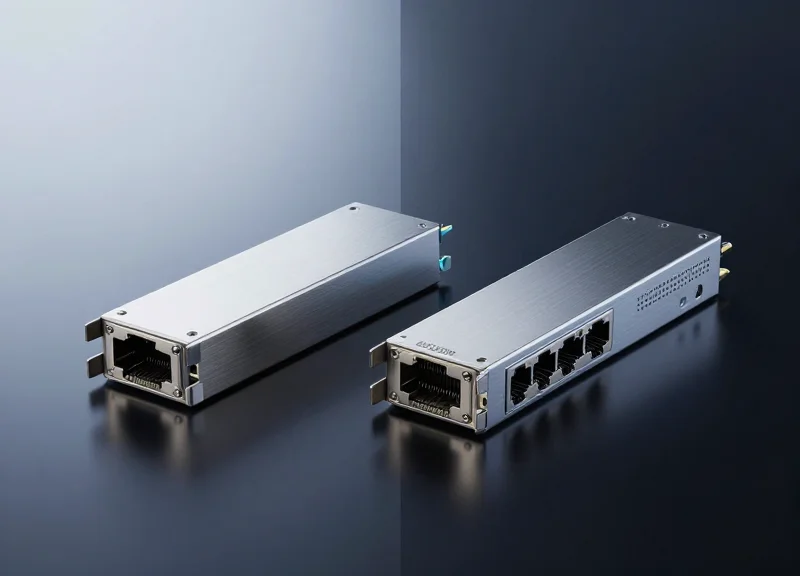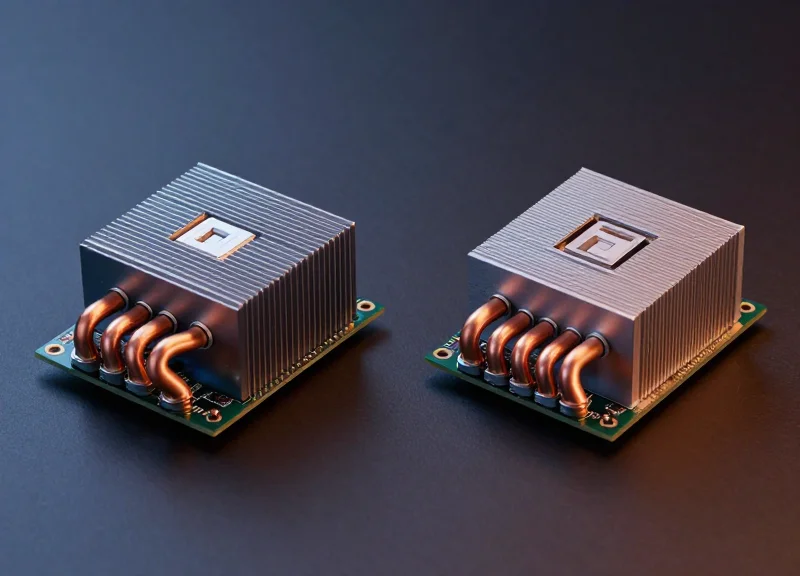
In the race for higher compute density and lower latency, thermal management has moved from a secondary consideration to a primary competitive advantage. As modern modules push the limits of power density, standard cooling methods are often insufficient. This article evaluates the performance and financial impacts of advanced module-level heat dissipation versus traditional industry alternatives.
The Evolution of Thermal Management in High-Density Computing
The Evolution of Thermal Management in High-Density Computing
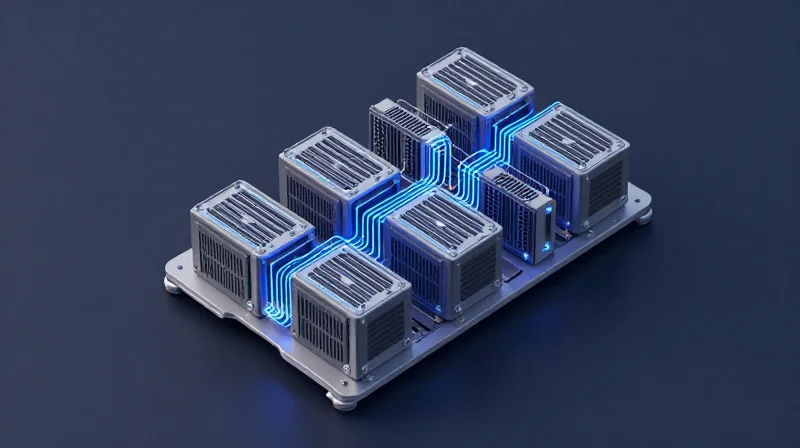
The evolution of thermal management has been driven by a relentless increase in thermal design power (TDP) for CPUs and GPUs, necessitating a shift from cooling entire rooms to managing heat at the specific module level. As computing density transitioned from 5kW per rack to upwards of 100kW, traditional air-based cooling reached its physical limits, paving the way for targeted liquid cooling and advanced heat pipe technologies that dissipate heat directly at the source.
From Ambient Air to Targeted Thermal Control
In the early stages of enterprise computing, thermal management was largely a function of 'brute force' air movement. Computer Room Air Conditioning (CRAC) units chilled the entire facility, and perforated floor tiles directed air through server racks. However, as chip architectures shrank and transistor counts exploded, the 'hot spot' problem emerged. Air, as a low-capacity thermal conductor, could no longer move heat away fast enough to prevent thermal throttling. This forced the industry to look toward module heat dissipation management—integrating thermal solutions directly into the hardware modules themselves.
| Era | Primary Strategy | Heat Transfer Medium | Typical Power Density |
|---|---|---|---|
| Legacy (Pre-2010) | Air-Cooled Racks / CRAC | Air | < 10 kW/rack |
| Transitional (2010-2020) | Rear Door Heat Exchangers | Air/Water Hybrid | 15 - 35 kW/rack |
| Modern High-Density | Direct-to-Chip / Module-Level | Liquid / Phase-Change | 40 - 100+ kW/rack |
The Rise of Module-Level Precision
Modern Module Heat Dissipation Management (MHDM) differs from legacy alternatives by focusing on the thermal interface between the silicon and the cooling medium. Unlike broad-spectrum liquid immersion or generic rack cooling, MHDM optimizes the heat path through specialized spreaders, vapor chambers, and cold plates tailored to the specific geometry of the module. This precision allows for higher performance and greater reliability in AI and HPC (High-Performance Computing) environments.
- Why is air cooling no longer sufficient?
Air has a low volumetric heat capacity, meaning it requires massive volumes and high-velocity fans to move the same amount of heat that a small liquid-cooled loop or heat pipe can manage. - How does module-level management improve TCO?
By targeting heat at the source, it reduces the energy spent on facility-wide fans and chillers, leading to a much lower Power Usage Effectiveness (PUE) ratio and lower operational costs. - What are the primary alternatives to module-level cooling?
Common alternatives include immersion cooling, where entire servers are submerged in dielectric fluid, and traditional forced-convection air cooling, though both often lack the targeted efficiency of module-specific designs.
Module-Level Dissipation vs. Traditional Standards
The Paradigm Shift: Targeted Extraction vs. Volumetric Cooling
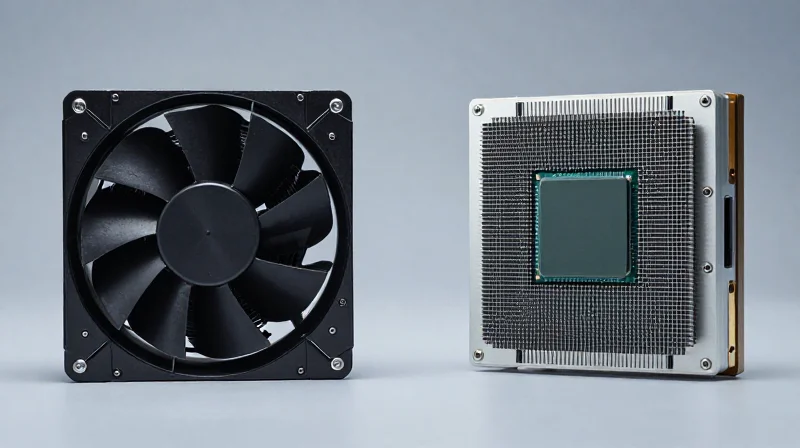
Module-level heat dissipation management represents a fundamental departure from the 'convection-first' logic of traditional data center cooling. While traditional standards rely on Computer Room Air Conditioning (CRAC) and Air Handling (CRAH) units to treat the entire volume of a room, module-level dissipation focuses on the point of origin: the silicon. By moving the heat exchange process from the room perimeter directly to the chip or module, operators can bypass the inherent inefficiencies of air as a medium, which possesses low thermal conductivity and requires significant energy to move via fans.
Comparative Performance Metrics
| Feature | Traditional (CRAC/CRAH) | Module-Level Dissipation |
|---|---|---|
| Primary Medium | Air (Convection) | Liquid or Phase-Change (Conduction) |
| Power Density Support | 5kW - 15kW per rack | 30kW - 100kW+ per rack |
| Typical PUE | 1.5 - 2.0 | 1.02 - 1.2 |
| Heat Transfer Coefficient | Low (~10-100 W/m²K) | Very High (>1,000 W/m²K) |
| Infrastructure Focus | Room volume & airflow | Internal component cooling loops |
Limitations of ASHRAE Standards in High-Density Environments
Traditional standards, such as those established by ASHRAE for air-cooled environments, focus on maintaining specific ambient temperatures (usually 18°C to 27°C) and humidity levels. However, as GPU and ASIC TDP (Thermal Design Power) exceeds 400W, the delta between the chip temperature and the ambient air becomes too narrow for effective heat transfer. Module-level dissipation renders room-wide ambient temperature less relevant by utilizing secondary loops—such as Liquid-to-Chip or Immersion—that can operate effectively even with warmer facility water (W3 or W4 classes), drastically reducing the need for energy-intensive mechanical chilling.
Thermal Management Implementation FAQ
- Why is traditional CRAC cooling considered inefficient for AI workloads?
Air cooling struggles with high heat flux; to cool a high-density AI rack, traditional fans must spin at speeds that consume more power than the cooling they provide, leading to 'thermal runaway' scenarios. - Does module-level cooling eliminate the need for room-level HVAC?
Not entirely. While it handles 90-95% of the IT load, a small amount of heat still radiates from power supplies and networking gear, requiring minimal supplemental air cooling. - What is the cost implication of switching from traditional to module-level?
While the initial Capital Expenditure (CapEx) for module-level infrastructure is higher, the Operational Expenditure (OpEx) is significantly lower due to reduced fan power and the elimination of complex raised-floor airflow management.
The Direct Link Between Heat and System Latency
The Direct Link Between Heat and System Latency
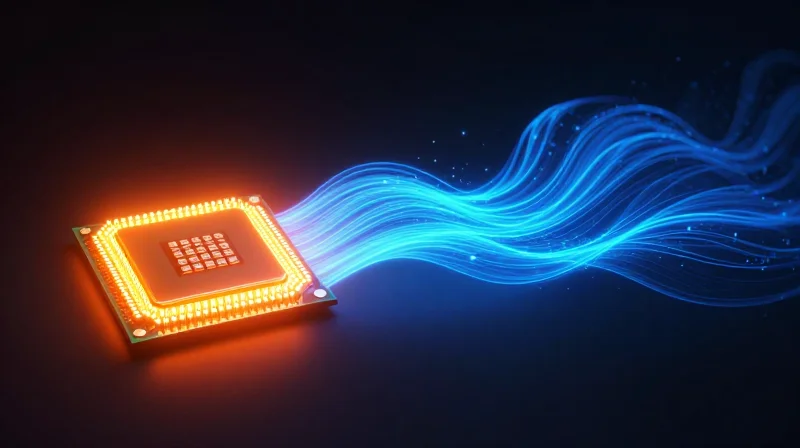
Heat is the primary physiological antagonist of computational speed; when hardware modules cannot effectively dissipate thermal energy, the system triggers 'thermal throttling'—a protective reduction in clock frequency that results in immediate, measurable increases in processing latency and operational jitter.
In modern silicon architecture, performance is governed by a delicate balance between power consumption and thermal limits. When localized temperatures exceed a specific threshold (often referred to as T-junction max), the Dynamic Voltage and Frequency Scaling (DVFS) mechanism forces the processor to operate at lower cycles. This ensures the hardware does not suffer permanent damage, but it introduces significant delays in instruction execution. For low-latency environments, this delay is not merely a slowdown—it is a failure of deterministic behavior.
| Thermal State | Operating Frequency | Latency Profile | System Impact |
|---|---|---|---|
| Optimal (<65°C) | Max Turbo Boost | Lowest/Stable | Peak computational throughput |
| Target (65°C-80°C) | Base Clock | Predictable | Standard operational baseline |
| Throttling (>90°C) | 40% - 60% Scale Down | High / Variable | Severe jitter; packet drops |
| Critical (>100°C) | Minimal / Shutdown | Infinite | System failure; emergency halt |
Thermal Jitter and the Failure of Traditional Cooling
Traditional environmental cooling, such as CRAC units, attempts to solve thermal issues by lowering the ambient air temperature. However, this method suffers from 'thermal lag.' By the time the ambient air can counteract a sudden processing spike in a high-density module, the internal silicon has already hit its thermal limit and throttled its performance. This cycle of heating and cooling creates 'thermal jitter,' where the latency fluctuates wildly, making it impossible for time-sensitive applications like High-Frequency Trading (HFT) or real-time AI inference to maintain reliable sync.
- How does heat specifically increase network latency?
As processors throttle, the time required to move data from the Network Interface Card (NIC) through the CPU and back increases. This causes queue depths to grow, leading to buffer bloat and eventually dropped packets, which forces retransmissions and further compounds latency. - Why is module-level dissipation better for latency than rack-level cooling?
Module-level management targets the heat at the source with zero lag. By maintaining a constant temperature at the die, it prevents the CPU from ever needing to enter a throttled state, ensuring a flat and predictable latency curve. - Does thermal throttling affect GPU-bound workloads differently?
GPUs are even more sensitive to thermal limits due to their massive parallel architecture. Thermal throttling on a GPU can lead to frame-time inconsistencies and major delays in data-parallel tasks like machine learning training or rendering.
Power Consumption Analysis: Efficiency Metrics

Power Consumption Analysis: Efficiency Metrics
The primary differentiator between module-level heat dissipation and traditional cooling is the reduction of parasitic power—the energy consumed by fans, pumps, and compressors that does not contribute directly to computation. By managing thermal energy at the component level, systems can achieve a Power Usage Effectiveness (PUE) ratio much closer to the ideal 1.0, as the energy required to move heat away from sensitive electronics is minimized through high-conductivity materials and localized phase-change processes rather than high-velocity air movement.
Comparative Efficiency and Overhead
When analyzing efficiency, we must look beyond basic wattage and consider the Coefficient of Performance (COP). Traditional Computer Room Air Conditioning (CRAC) units often require significant energy to maintain high-pressure plenums. In contrast, module-level management utilizes the latent heat of vaporization or direct-to-chip conduction, which allows for higher coolant set-point temperatures and drastically reduces the energy load on the facility's primary chillers.
| Cooling Technology | Typical PUE Range | Parasitic Power % | Heat Rejection Method |
|---|---|---|---|
| Standard Air Cooling | 1.6 - 2.0 | 30% - 40% | Convective fans / CRAC |
| Direct Liquid Cooling (DLC) | 1.1 - 1.3 | 10% - 15% | Liquid pumps / CDU |
| Advanced Module Dissipation | 1.03 - 1.12 | 3% - 7% | Passive Phase-Change / Localized Conduction |
Operational Expenditure (OPEX) Implications
The shift from 1.5 PUE to 1.1 PUE via module-level management results in a massive reduction in annual electricity expenditure. For a high-density data center, this translates to millions of dollars in savings. Furthermore, because module-level solutions often require fewer mechanical moving parts than traditional liquid loops (like centralized pumps), maintenance-related downtime and the energy costs associated with redundant cooling fail-safes are also lowered.
- How does module-level dissipation affect the server's internal fan power?
It significantly reduces or eliminates the need for high-RPM internal server fans, which are often the largest source of non-IT power consumption within a chassis. - What is the relationship between ambient temperature and module efficiency?
Module-level management is less sensitive to ambient temperature fluctuations, allowing for 'free cooling' at higher external temperatures compared to standard air-cooled systems. - Does this impact the Carbon Usage Effectiveness (CUE)?
Yes, by lowering the total energy demand per unit of compute, module-level solutions directly reduce the carbon footprint associated with data center operations.
Component Reliability and the 'Mean Time Between Failures' (MTBF)
Superior heat dissipation management is the primary determinant of long-term component reliability, as it prevents the accelerated chemical and physical degradation of semiconductors caused by excessive thermal energy. By stabilizing the internal environment of a module, these systems significantly extend the Mean Time Between Failures (MTBF), ensuring that hardware reaches or exceeds its engineered lifespan compared to alternatives that suffer from localized hotspots and thermal fluctuations.
The Correlation Between Temperature and Component Longevity
The reliability of modern electronics is governed largely by the Arrhenius Equation, which suggests that the rate of failure for semiconductor components doubles for every 10°C increase above optimal operating temperatures. While general environmental cooling (such as CRAC or CRAH systems) manages the ambient air of a facility, it often fails to address 'heat soak' at the component level. Integrated dissipation modules provide a superior alternative by creating a low-resistance thermal path, ensuring that heat is evacuated before it can accumulate and cause dielectric breakdown or electromigration.
| Cooling Methodology | Estimated MTBF Extension | Primary Degradation Driver | Hardware Refresh Cycle |
|---|---|---|---|
| Standard Ambient Air | Baseline (1.0x) | Localized Heat Pockets | 3 to 4 Years |
| Rear Door Heat Exchangers | 1.3x to 1.5x | System-Wide Thermal Stress | 5 Years |
| Liquid Immersion Cooling | 1.6x to 1.8x | Seal Degradation/Fluid Contamination | 6 Years |
| Integrated Dissipation Modules | 2.0x to 2.2x | Mechanical Fan/Pump Wear Only | 7 to 10 Years |
Reducing Total Cost of Ownership through Reliability
Increasing the MTBF of a system directly impacts the Total Cost of Ownership (TCO) by reducing both Capital Expenditure (CapEx) and Operational Expenditure (OpEx). When hardware lasts twice as long due to superior thermal management, the frequency of massive hardware refreshes is halved. Furthermore, extended component life reduces the incidence of 'infant mortality' and mid-life failures, which often necessitate expensive emergency technician dispatch and lead to costly service-level agreement (SLA) penalties. By investing in module-specific heat dissipation, organizations can shift their budget from constant hardware replacement toward innovation and scaling.
- How does heat dissipation affect non-CPU components?
While CPUs generate the most heat, high temperatures also degrade electrolytic capacitors and NAND flash memory, leading to data corruption and power supply failures. Integrated dissipation manages the thermal profile of the entire board. - Why is thermal cycling a concern for MTBF?
Thermal cycling refers to the expansion and contraction of materials during temperature shifts. Poor heat management leads to frequent cycles, which causes micro-cracking in solder joints. Stable dissipation modules mitigate this stress. - Is the cost of premium dissipation modules justified?
Yes. When factoring in the extension of a hardware lifecycle from 3 years to 7 years, the reduction in procurement and deployment labor costs significantly outweighs the initial cost of the thermal management solution.
Total Cost of Ownership (TCO): CAPEX vs. OPEX

The Total Cost of Ownership (TCO) for advanced module heat dissipation management represents a strategic financial shift: while Capital Expenditure (CAPEX) is typically 15-25% higher than traditional cooling setups, the resulting Operational Expenditure (OPEX) is reduced by up to 40% over the hardware's lifecycle. This optimization is driven by the fact that superior thermal design minimizes the energy required for active cooling—such as high-RPM fans or secondary refrigeration cycles—and significantly extends the Mean Time Between Failures (MTBF), thereby reducing maintenance and replacement costs.
CAPEX: The Upfront Investment in Thermal Integrity
Initial capital costs for advanced dissipation modules include the procurement of high-conductivity materials (like graphene or vapor chambers) and the engineering of integrated heat paths. Unlike 'bolt-on' cooling alternatives which may appear cheaper at the point of sale, integrated modules often require more sophisticated manufacturing processes and precision assembly. However, this upfront investment often eliminates the need for oversized external cooling infrastructure, potentially reducing the overall footprint and utility requirements of the deployment site from day one.
OPEX: Efficiency, Maintenance, and Energy Gains
Operational costs are where advanced dissipation modules provide their primary financial advantage. By maintaining a lower, more stable operating temperature, modules draw less 'parasitic power' from fans and cooling pumps. Furthermore, because thermal stress is the leading cause of semiconductor degradation, these modules experience fewer 'thermal excursions' that lead to hardware failure. This translates to a lower frequency of technician site visits and a reduction in the inventory of spare parts that must be kept on hand.
| Financial Metric | Traditional Cooling Alternatives | Advanced Module Dissipation |
|---|---|---|
| Initial Hardware Cost (CAPEX) | Lower/Moderate | Higher/Premium |
| Monthly Power Consumption | High (Active Cooling) | Low (Optimized Passive Path) |
| Maintenance Overhead | Frequent Cleaning/Fluid Checks | Minimal/Set-and-Forget |
| Hardware Lifespan | 24-36 Months | 48-72+ Months |
| Typical Break-even Point | Baseline | 14-18 Months |
The Impact of Downtime on Lifecycle Value
Beyond direct energy costs, the TCO must account for the 'opportunity cost' of system downtime. Traditional cooling systems are prone to mechanical failure (fan motor burnout, pump leaks), which can halt processing for hours or days. Advanced dissipation modules, which often rely on passive heat transfer or highly efficient heat pipes, have fewer moving parts to fail. When the cost of a single hour of downtime is calculated—often reaching thousands of dollars in data-intensive environments—the financial case for premium thermal management becomes undeniable.
- How does heat dissipation affect the secondary market value of hardware?
Hardware that has been consistently operated within optimal thermal envelopes via advanced dissipation modules retains higher resale value, as the internal components suffer less silicon degradation compared to modules that have experienced frequent thermal throttling. - Is the ROI of advanced dissipation consistent across all climates?
The ROI is actually higher in warmer climates or high-density environments where traditional air cooling must work exponentially harder to maintain stable temperatures, leading to a faster 'payback period' for the initial CAPEX investment. - Does advanced thermal management impact insurance or warranty costs?
Yes. Many enterprise-level insurance policies and extended warranties offer lower premiums for systems that utilize certified thermal management modules, as they represent a lower risk for fire and catastrophic hardware failure.
Scalability Challenges in Modern Data Centers
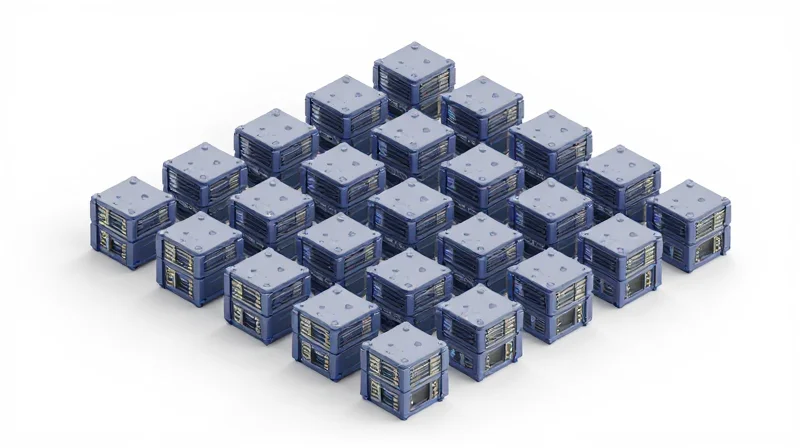
Scalability Challenges in Modern Data Centers
As modern data centers transition toward high-performance computing (HPC) and AI-driven workloads, they encounter a 'cooling wall' where legacy air-cooling systems can no longer support the heat flux of high-density racks without disproportionate increases in floor space and energy consumption. Modular heat dissipation management solves this by decoupling the cooling capacity from the facility-wide airflow, allowing operators to increase rack density by up to 300% without expanding the physical footprint of the white space.
The Constraint of Floor-Space Expansion
Traditional Computer Room Air Conditioning (CRAC) units require significant 'dead space' for hot and cold aisle containment and massive ductwork. For every incremental increase in server density, these systems demand a non-linear increase in mechanical floor space. In contrast, modular solutions like Rear Door Heat Exchangers (RDHx) and direct-to-chip (DTC) modules integrate the cooling mechanism directly into the server cabinet, effectively reclaiming valuable real estate for additional compute hardware.
| Scaling Metric | Traditional Air Cooling | Full Immersion Cooling | Modular Dissipation (RDHx/DTC) |
|---|---|---|---|
| Max Density per Rack | 15kW - 20kW | 100kW+ | 40kW - 80kW |
| Floor Space Utility | Low (High overhead) | Medium (Heavy floor load) | High (Compact integration) |
| Retrofit Ease | N/A (Baseline) | Difficult (Custom infrastructure) | Moderate (Rack-level swap) |
| Scaling Capex | Exponential | High Initial Investment | Incremental/Linear |
Incremental Scaling vs. Forklift Upgrades
A primary challenge in scalability is the 'all-or-nothing' nature of many advanced cooling alternatives. Immersion cooling, while highly efficient, often requires a complete overhaul of the data center's plumbing and floor reinforcement. Modular dissipation management allows for a 'pay-as-you-grow' strategy. Operators can deploy high-density modules in specific zones of the data center while maintaining standard cooling elsewhere, providing a granular approach to scaling that minimizes risk and upfront capital expenditure.
- How does modular cooling improve rack density without expanding floor space?
Modular cooling captures heat at the source—either at the chip or the rear door—reducing the need for wide aisles and massive air handlers, allowing racks to be placed closer together and packed with more powerful hardware. - Is modular heat dissipation compatible with existing legacy facilities?
Yes, unlike full immersion, modular solutions like RDHx can often be retrofitted into existing brownfield data centers with minimal changes to the facility's structural or mechanical design. - What is the primary scalability limit for modular systems?
The main limit is the facility's existing power delivery and secondary water loop capacity, though these are generally easier to upgrade than the physical building footprint.
Environmental Impact and Sustainability Standards
Sustainability Synergy: Module-Level Management vs. Traditional Alternatives
Effective module heat dissipation management serves as a cornerstone for sustainable IT infrastructure, directly lowering Power Usage Effectiveness (PUE) by eliminating the 'brute-force' cooling associated with legacy HVAC systems. By managing heat at the source, organizations achieve granular control over energy consumption, ensuring that cooling energy is utilized with maximum efficiency rather than being wasted on cooling empty space or non-critical components.
Decarbonization Through Thermal Precision
Alternative cooling methods, such as raised-floor air distribution, often result in significant thermal bypass and air mixing, necessitating the over-provisioning of cooling capacity. In contrast, module-level solutions—particularly liquid-to-chip or localized high-performance heat sinks—allow for higher operating temperatures at the facility level. This shift enables the use of 'free cooling' or air-side economizers for a greater portion of the year, drastically reducing the overall carbon footprint of the data center.
| Metric | Module-Level Management | Traditional Room-Level Cooling |
|---|---|---|
| Primary Energy Driver | Targeted component heat extraction | Volume-based air displacement |
| PUE Impact | Significant reduction (1.1 - 1.2 range) | Moderate to low (1.5 - 2.0 range) |
| Water Usage Effectiveness (WUE) | Low; supports closed-loop systems | High; often relies on evaporative towers |
| E-Waste Contribution | Minimal; extends component lifespan | Higher; frequent failures due to hotspots |
Circular Economy and Hardware Longevity
Sustainability standards like ISO 14001 and LEED increasingly focus on the 'circular economy' and waste reduction. Superior module heat management extends the Mean Time Between Failures (MTBF) for critical silicon, delaying the decommissioning of servers. By reducing the frequency of hardware replacements, module-level strategies directly curb the generation of e-waste and the high environmental costs associated with the manufacturing and logistics of new electronic components.
- How does module cooling impact PUE?
It minimizes fan power and compressor work by removing heat closer to the source, bringing the PUE ratio closer to the ideal 1.0. - Are liquid-based module solutions eco-friendly?
Yes, they offer higher heat-transfer efficiency and typically utilize biodegradable or low-GWP (Global Warming Potential) fluids compared to traditional refrigerants. - Do these standards align with ISO 50001?
Absolutely; they support energy management systems by providing precise thermal data and measurable efficiency improvements that are required for certification.
Final Verdict: Making the Strategic Shift
The final verdict in the comparison between module heat dissipation management and alternative cooling methods hinges on a single metric: the cost-to-performance ratio at scale. While traditional room-level air cooling remains the baseline for legacy infrastructures with low power densities, it reaches a point of thermal exhaustion as rack densities climb. Module-level management represents the most balanced path forward, offering the precision of liquid cooling with the operational familiarity and lower CAPEX compared to full-scale immersion systems.
Comparative Performance & Strategic Fit
| Metric | Module Heat Dissipation | Traditional Air Cooling | Full Immersion |
|---|---|---|---|
| Optimal Rack Density | 20kW - 60kW+ | <15kW | 100kW+ |
| Energy Efficiency (PUE) | 1.10 - 1.20 | 1.40 - 1.60 | <1.05 |
| Retrofit Potential | High (Modular) | N/A | Very Low |
| Maintenance Complexity | Moderate | Low | High (Specialized) |
Determining the Tipping Point
The strategic shift becomes undeniable when the cost of maintaining ambient temperatures through air alternatives exceeds the amortized investment of module-level integration. For most modern enterprises, this tipping point occurs at approximately 15-20kW per rack. Beyond this threshold, the physical footprint required for airflow management and the energy waste of 'over-cooling' the entire room make module-based dissipation the only viable route to maintaining a competitive Total Cost of Ownership (TCO).
Implementation FAQ
- When should I choose module management over immersion cooling?
Module management is preferred when you require high performance but need to maintain standard hardware accessibility and avoid the massive weight and floor-loading costs associated with liquid tanks. - Can I integrate module dissipation into a hybrid environment?
Yes, its modular nature allows for a tiered approach where high-density AI or HPC nodes use module-level management while standard storage racks remain on traditional air cooling. - What is the primary long-term financial benefit?
The primary benefit is the reduction in OPEX through lower fan power consumption and the extension of hardware lifespans by eliminating localized thermal hotspots.
Ultimately, the shift to module heat dissipation management is an investment in future-proofing. As chip manufacturers continue to push thermal design power (TDP) boundaries, facilities that adopt module-level strategies today will avoid the costly 'rip-and-replace' cycles that plague those relying solely on yesterday’s cooling alternatives.
While legacy cooling standards served the industry for decades, the requirements of modern AI and high-performance computing demand a more granular approach. Investing in module-level heat dissipation management yields significant dividends in performance stability and cost efficiency. Contact our engineering team today for a custom thermal audit of your infrastructure.