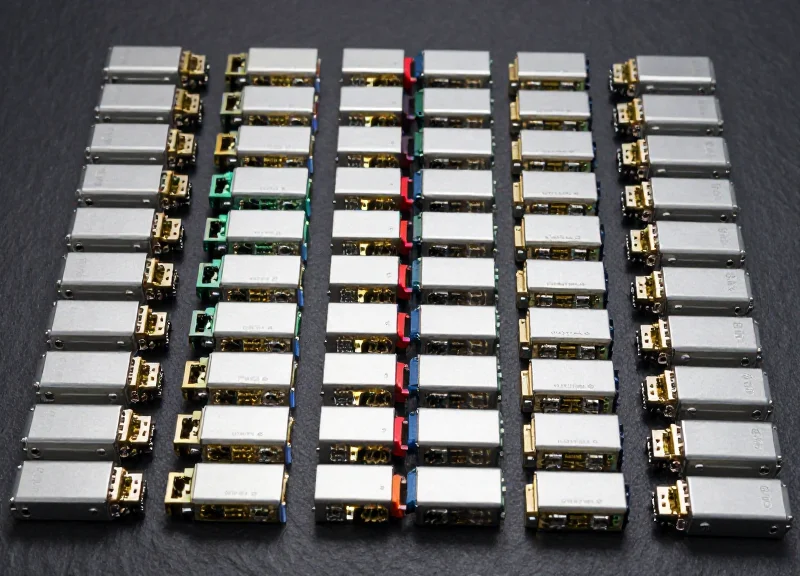
In the high-stakes environment of modern telecommunications, visibility into your fiber infrastructure is not just a luxury—it is a requirement for survival. Digital Diagnostic Monitoring (DDM) and Digital Optical Monitoring (DOM) serve as the vital sign monitors for your network, providing real-time data on temperature, voltage, and optical power. For organizations looking to scale, the transition from individual purchases to wholesale sourcing of these high-tech components is the key to balancing technical excellence with fiscal responsibility. This guide breaks down the technical necessity of DDM/DOM and how Ubytelink helps you navigate the complexities of bulk procurement and custom manufacturing.
Understanding DDM/DOM: The Vitals of Your Fiber Network
Understanding DDM/DOM: The Vitals of Your Fiber Network
DDM (Digital Diagnostic Monitoring) and DOM (Digital Optical Monitoring) are integrated diagnostic features that allow network administrators to monitor the real-time parameters of optical transceivers. These technologies act as the 'vitals' of a fiber network, providing a window into the health of the hardware, including temperature, supply voltage, laser bias current, and optical power. By utilizing these features, engineers can identify potential failures, such as a degrading laser or a dirty fiber connection, before they lead to a full network outage.
The Five Essential Monitoring Parameters
Standard SFF-8472 compliant transceivers monitor five critical metrics that help determine the operational status of the link. Monitoring these metrics is non-negotiable for wholesale buyers who manage large-scale data centers or enterprise infrastructures where downtime is costly.
| Parameter | Function | Significance |
|---|---|---|
| Temperature | Internal transceiver heat levels | Prevents hardware damage from overheating |
| Supply Voltage | Input voltage to the module | Ensures power stability and consistency |
| TX Bias Current | Current used by the laser | Indicates laser health and degradation |
| TX Output Power | The strength of the outgoing light | Confirms the transmitter is functioning |
| RX Received Power | The strength of the incoming light | Detects fiber breaks or connector issues |
Critical DDM/DOM Implementation Questions
- Is there a difference between DDM and DOM?
In the context of modern SFP/SFP+ transceivers, the terms are often used interchangeably. Both refer to the digital diagnostic interface defined by the MSA (Multi-Source Agreement). - Why is DDM crucial for bulk purchasing?
When buying in bulk, DDM capability allows for automated asset management and remote troubleshooting across thousands of nodes without manual intervention. - Are DDM-enabled transceivers compatible with older equipment?
Yes, they are generally backward compatible. If the host switch does not support DDM, the transceiver will still function normally, though the diagnostic data will not be accessible.
For wholesale buyers in 2026, insisting on DDM/DOM-enabled optics is not just a luxury but a requirement for network resilience. These features enable predictive analytics and simplified inventory audits, ensuring that bulk investments remain high-performing throughout their lifecycle.
Top 5 Technical Benefits of DDM/DOM Monitoring

Top 5 Technical Benefits of DDM/DOM Monitoring
Digital Diagnostic Monitoring (DDM) provides network administrators with a sophisticated telemetry layer that transforms optical transceivers into intelligent sensors. By monitoring five specific physical parameters—TX/RX power, bias current, temperature, and voltage—DDM enables data centers to maintain peak performance and avoid the catastrophic costs associated with unforeseen link failures. In wholesale environments where thousands of links are active simultaneously, these metrics are the primary defense against systemic network degradation.
1. Precision Optical Power Monitoring (TX & RX)
The most immediate benefit of DDM/DOM is the real-time tracking of transmit (TX) and receive (RX) power levels. By monitoring these values, engineers can identify 'soft failures'—instances where a link is still operational but the optical power is dropping due to contaminated connectors or micro-bends in the fiber. Maintaining the RX power within the receiver's sensitivity window prevents bit errors and intermittent packet loss that can plague high-bandwidth wholesale circuits.
2. Laser Bias Current Analysis for Longevity
As semiconductor lasers age, they require more bias current to maintain the same optical output power. DDM allows for the continuous monitoring of this bias current. A sudden or steady increase in bias current is a definitive technical indicator that a transceiver is nearing its End of Life (EOL). This allows wholesale operators to schedule replacements during maintenance windows rather than responding to an emergency outage.
3. Thermal Management and Temperature Alerts
High-density switching environments generate significant heat, which is the primary enemy of optical components. DDM tracks the internal temperature of each transceiver. When temperatures exceed factory-defined thresholds, the system triggers alerts, allowing for cooling adjustments or traffic rerouting before the internal circuitry suffers permanent thermal damage or wavelength drift.
4. Supply Voltage Stability Monitoring
Internal supply voltage tracking ensures that the transceiver is receiving clean, stable power from the host switch or router. Fluctuations in voltage can lead to erratic laser behavior and communication errors. DDM alerts for supply voltage anomalies can help isolate whether a problem lies within the optic itself or with the host hardware's power delivery system.
5. Automated Fault Isolation and Troubleshooting
Without DDM, troubleshooting a failed link requires physical presence and expensive test equipment like OTDRs. With DDM, the management software can instantly pinpoint where the fault lies—whether it is a failed laser (low TX power), a dirty patch cable (low RX power), or a power supply issue—reducing Mean Time to Repair (MTTR) by up to 70%.
| DDM Parameter | Normal Indicator | Warning Sign | Technical Impact |
|---|---|---|---|
| TX Power | Within Laser Class Spec | Low Power Alarm | Failing transmitter/Laser aging |
| RX Power | Within Receiver Sensitivity | High/Low Power Alarm | Fiber attenuation or connector dirt |
| Bias Current | Stable milliamps (mA) | Increasing mA over time | Laser diode degradation |
| Temperature | 0°C to 70°C (Standard) | Exceeding 75°C | Thermal runaway/Wavelength shift |
- Can DDM/DOM identify the exact location of a fiber break?
While DDM cannot provide the exact distance like an OTDR, it identifies which end of the link is failing by showing zero RX power, allowing technicians to narrow the search area significantly. - Is DDM data available across all transceiver brands?
Most modern MSA-compliant transceivers (SFP, SFP+, QSFP28) support DDM, but the accuracy and update frequency can vary between wholesale vendors. - How does voltage monitoring protect wholesale hardware?
It detects 'dirty' power from the switch backplane, preventing a faulty line card from damaging a bulk shipment of new optical transceivers.
The Economics of Scale: Why Wholesale Pricing Matters in 2026
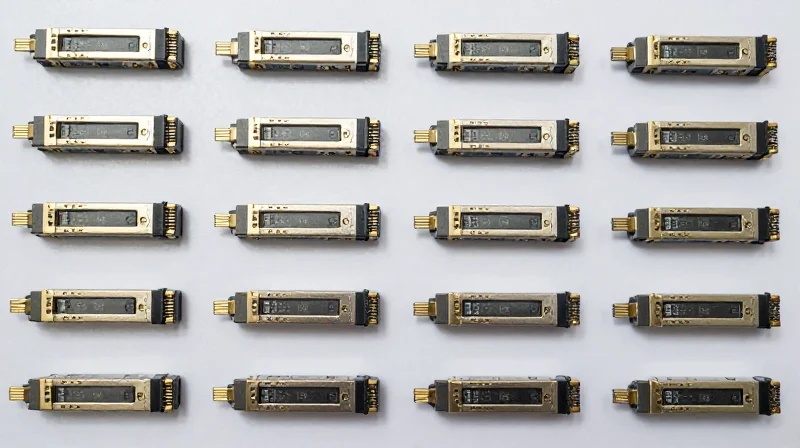
The economics of scale in 2026 dictate that for large-scale data center expansions, wholesale pricing for DDM/DOM-enabled transceivers is no longer just a preference but a financial necessity. By leveraging bulk procurement, organizations can significantly reduce their cost-per-port while ensuring that every link in their high-density architecture is equipped with essential real-time diagnostic capabilities, thereby bridging the gap between operational excellence and budgetary constraints.
Analyzing the Cost-Per-Port Advantage
In optical networking, the 'cost-per-port' metric includes the transceiver price, installation, and long-term maintenance. When purchasing wholesale, the initial capital expenditure (CAPEX) per unit drops dramatically. This reduction is particularly impactful for DDM/DOM hardware, where the sophisticated monitoring circuitry usually carries a premium over non-diagnostic alternatives. Bulk pricing effectively absorbs this premium, allowing network architects to standardize monitoring across the entire fabric without exponential cost increases.
| Economic Factor | Retail/Small Batch | Wholesale/Bulk (2026) |
|---|---|---|
| Average Discount | MSRP (0%) | 15% - 35% via Custom Quotes |
| Logistics Cost | High (Per-unit shipping) | Low (Consolidated freight) |
| Procurement Cycle | Frequent/Transactional | Strategic/Contractual |
| Technical Support | Standard/Consumer | Dedicated Account Engineer |
Custom Quotes: Tailoring Infrastructure to 2026 Demands
Fixed price lists often fail to account for the nuances of 400G and 800G deployments. Custom quotes allow enterprises to negotiate terms based on project phases, ensuring that DDM/DOM modules are delivered as needed to prevent capital from being tied up in idle inventory. This 'Just-In-Time' approach, combined with wholesale rates, optimizes cash flow while maintaining the high availability required for modern cloud services.
Wholesale Procurement FAQ
- What is the minimum volume for wholesale pricing?
While it varies by vendor, typically 'bulk' pricing begins at 50 to 100 units, with deeper discounts unlocking at the 500+ unit threshold for enterprise-grade DDM modules. - How do custom quotes benefit long-term maintenance?
Custom quotes often include provisions for 'spare' pools and extended warranties at a fraction of the retail cost, ensuring that DDM-monitored replacements are always on hand. - Does bulk pricing impact the quality of DDM sensors?
No. Wholesale agreements for Tier-1 optics ensure the same high-precision calibration for TX/RX power and temperature sensors found in individual units, but with better batch consistency.
OEM vs. ODM: Customizing Optical Solutions for Your Brand
OEM vs. ODM: Customizing Optical Solutions for Your Brand
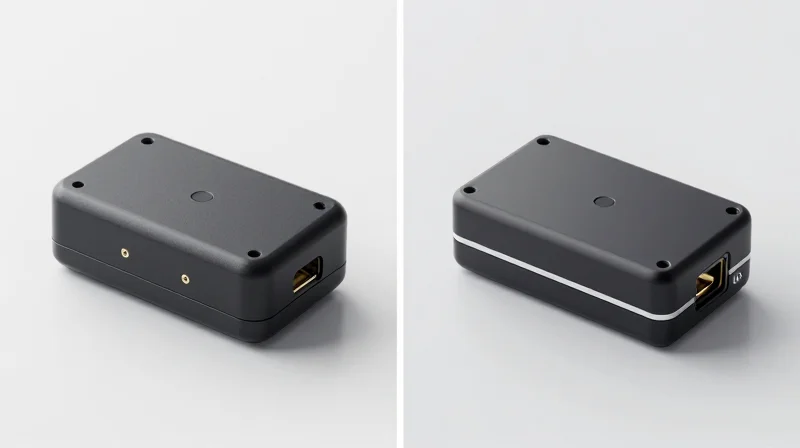
When sourcing optical transceivers with DDM/DOM monitoring features, the choice between Original Equipment Manufacturing (OEM) and Original Design Manufacturing (ODM) determines your level of involvement in the technical architecture. OEM allows brands to provide their own proprietary designs for a manufacturer to build, ensuring the hardware perfectly matches internal specifications. Conversely, ODM involves using a manufacturer's pre-existing high-performance designs, often customized with the buyer's branding and firmware, to significantly reduce research and development costs while maintaining 2026 wholesale pricing advantages.
Comparing OEM and ODM for Optical Networking
| Feature | OEM Model | ODM Model |
|---|---|---|
| Design Ownership | Buyer owns the proprietary design. | Manufacturer owns the core design. |
| Customization Level | Full control over hardware components. | Primarily firmware and external branding. |
| Time-to-Market | Longer due to R&D and prototyping. | Rapid deployment using validated templates. |
| Cost Structure | Higher initial NRE (Non-Recurring Engineering). | Lower entry costs for bulk orders. |
The Impact of Customization on DDM/DOM Performance
Customization through OEM or ODM channels is not merely aesthetic; it directly affects how Digital Diagnostics Monitoring (DDM) data is reported to the host system. In an OEM scenario, you might specify unique threshold values for temperature or laser bias current that trigger specific alerts in your proprietary network management software. In an ODM scenario, you might request custom firmware coding to ensure the transceiver's DOM data is perfectly compatible with specific legacy hardware from major switch vendors, ensuring seamless integration in complex multi-vendor environments.
Common Customization Queries for Wholesale Buyers
- Can I customize the DDM alarm thresholds for bulk orders?
Yes, both OEM and ODM paths allow for the adjustment of internal EEPROM settings to define when the system triggers 'Warning' or 'Alarm' states based on power levels or temperature. - Does branding the transceiver affect its technical reliability?
No, ODM branding typically involves silk-screening labels and internal vendor name coding, which does not impact the performance of the optical sub-assembly or the accuracy of the DOM monitoring. - What is the minimum order quantity (MOQ) for custom optical solutions?
Wholesale MOQs vary by manufacturer, but 2026 standards typically require 100+ units for ODM firmware tweaks and 500+ units for full OEM hardware production runs.
In 2026, the ability to obtain custom quotes for these specialized services is essential for scaling data centers. By leveraging wholesale pricing, organizations can afford higher levels of customization that ensure their optical infrastructure remains both branded and technically optimized for their specific network topology.
Ensuring Quality and Reliability in Bulk Transceiver Procurement
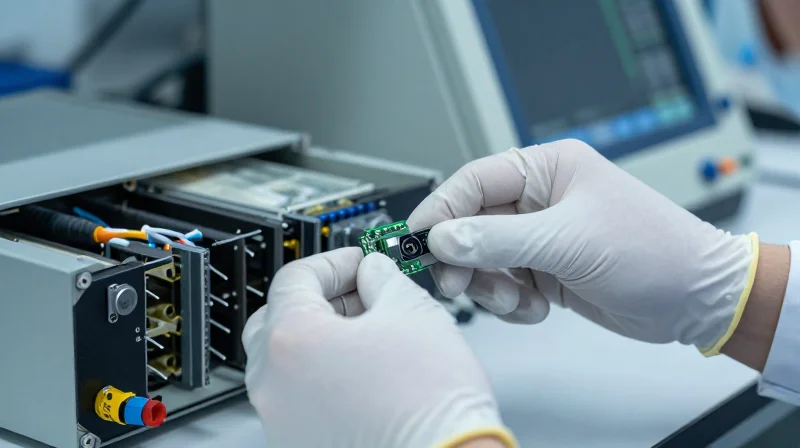
Ensuring quality in wholesale transceiver procurement requires a systematic approach to technical vetting that moves beyond simple price-per-unit metrics. Reliability at scale is achieved by enforcing strict adherence to Multi-Source Agreements (MSA) and verifying that DDM/DOM reporting accuracy is maintained through continuous burn-in cycles, preventing the catastrophic 'cascading failure' effect common in low-quality bulk batches.
The EEAT Framework for Optical Hardware Suppliers
In the context of optical networking, Experience, Expertise, Authoritativeness, and Trustworthiness (EEAT) translate to a supplier's ability to provide detailed serialization, documented testing logs, and proof of component origin. Wholesale buyers in 2026 must demand transparency regarding the source of TOSA (Transmitter Optical Sub-Assembly) and ROSA (Receiver Optical Sub-Assembly) components to ensure long-term hardware reliability.
| Testing Protocol | Standard Bulk QC | High-Reliability Wholesale |
|---|---|---|
| Compatibility Testing | Sample testing on 1-5% of batch | 100% testing across target OEM platforms |
| Burn-in Duration | 2-4 hours at room temperature | 24-48 hours with thermal cycling |
| DDM Validation | Static reading check | Real-time accuracy calibration vs. lab meters |
| Traffic Testing | Basic link-up test | Full load BERT (Bit Error Rate Testing) |
Critical Vetting Questions for Bulk Procurement
- How is the DDM/DOM calibration verified during production?
A reliable supplier should provide evidence that digital diagnostic monitoring values (like TX/RX power) are calibrated against NIST-traceable meters, not just simulated through firmware. - What is the documented RMA rate for this specific hardware revision?
Wholesale buyers should look for failure rates below 0.1% over a three-year period to justify the investment in large-scale data center rollouts. - Are the transceivers programmed for multi-vendor environments?
Quality assurance must include verification that the EEPROM data allows for seamless interoperability between different switch brands without triggering 'unsupported transceiver' warnings.
Ultimately, the cost-per-port advantage of wholesale pricing is only realized if the optics provide consistent, error-free performance. By prioritizing suppliers who offer comprehensive testing logs and DDM-integrated monitoring capabilities, enterprises can protect their infrastructure from the hidden costs of intermittent signal loss and hardware-induced network downtime.
Mitigating Network Downtime with Proactive Monitoring Alerts
Proactive monitoring leverages Digital Diagnostic Monitoring (DDM) to transform passive optical transceivers into active intelligent sensors, enabling network administrators to identify deteriorating hardware before a total link failure occurs. By establishing automated threshold alerts based on real-time telemetry—such as laser bias current and optical power—enterprises can transition from a costly reactive troubleshooting posture to a streamlined predictive maintenance model. This shift significantly reduces the Mean Time to Repair (MTTR) by pinpointing the specific failing component before it impacts the production traffic.
From Reactive to Predictive: The Impact of DDM Telemetry
In a traditional network environment, downtime is often discovered only after a service disruption triggers an end-user complaint. Wholesale transceivers equipped with robust DDM/DOM capabilities change this dynamic by providing a continuous stream of diagnostic data. When bulk-purchasing optics for 2026 deployments, prioritizing modules with high-precision internal calibration ensures that the alerts generated by your Network Management System (NMS) are accurate and actionable, preventing 'alert fatigue' while protecting your infrastructure investment.
Key Parameters for Pre-Failure Detection
| DDM Parameter | Early Warning Sign | Predictive Outcome |
|---|---|---|
| Laser Bias Current | Sudden increase in current to maintain output | Predicts impending Emitter/Laser failure |
| Rx Optical Power | Gradual decline in received signal levels | Identifies dirty connectors or fiber macro-bends |
| Transceiver Temperature | Operating consistently near high-alarm thresholds | Indicates cooling system failure or airflow blockage |
| Tx Optical Power | Fluctuating or dropping output levels | Early detection of optical sub-assembly degradation |
Optimizing MTTR via Automated SNMP Traps
Integrating DDM data into your NMS via SNMP traps allows for the automation of the recovery process. When a wholesale-grade transceiver detects an out-of-spec parameter, it can automatically trigger a ticket in your ITSM tool. This allows field engineers to arrive on-site with the correct replacement part already in hand, effectively bypassing the lengthy diagnostic phase that typically accounts for 60-80% of total MTTR.
Downtime Mitigation FAQ
- Can DDM alerts prevent 'Flapping' links?
Yes. By setting 'Warning' thresholds slightly above the 'Alarm' limits, administrators can identify marginally performing links that cause intermittent flapping before they drop entirely. - Does wholesale procurement affect DDM accuracy?
Only if quality is sacrificed. High-quality wholesale suppliers provide modules with factory-calibrated sensors that adhere to SFF-8472 standards, ensuring consistent alert accuracy across thousands of ports. - What is the role of DDM in SLA compliance?
DDM provides the empirical data required to prove uptime performance and can be used to justify proactive hardware swaps during maintenance windows, rather than during peak traffic hours.
Compatibility and Standards: Navigating Multi-Vendor Environments
Compatibility and Standards: Navigating Multi-Vendor Environments
The primary challenge in bulk transceiver procurement is ensuring that the Digital Diagnostic Monitoring (DDM) interface remains fully functional across a heterogeneous hardware environment. For enterprises and ISPs, compatibility is not merely about the physical form factor; it is about the software-level handshake between the module's EEPROM and the host switch’s operating system. When you buy DDM/DOM monitoring benefits wholesale, the hardware must adhere strictly to Multi-Source Agreement (MSA) standards to guarantee that critical telemetry data—such as optical power levels and temperature—is accurately reported regardless of whether the host is a Cisco, Arista, or Juniper device.
MSA Compliance vs. Proprietary Lock-in
Multi-Source Agreements (MSAs) like SFF-8472 define the memory map and data registers for DDM. Wholesale buyers must verify that suppliers provide 'unlocked' or correctly coded modules that bypass vendor-specific 'white-listing' protocols.
| Feature | MSA Standard Modules | Proprietary/Locked Modules |
|---|---|---|
| Interoperability | Works across multiple brands | Restricted to single vendor |
| Cost Efficiency | High (Bulk savings available) | Low (Premium brand pricing) |
| DDM Accuracy | Standardized registers | Vendor-specific interpretation |
| Firmware Flexibility | Re-programmable for various hosts | Hard-coded / Fixed |
Verified Compatibility Across Major Platforms
To maximize the utility of DDM data in a 2026 network infrastructure, wholesale modules should be tested against the latest OS versions. Below is a compatibility matrix for high-volume DDM deployments.
| Vendor Platform | Operating System | DDM/DOM Command Syntax |
|---|---|---|
| Cisco Catalyst/Nexus | NX-OS / IOS-XE | show interfaces transceiver detail |
| Arista 7000 Series | EOS | show interfaces transceiver |
| Juniper EX/MX | Junos OS | show interfaces diagnostics optics |
| Dell PowerSwitch | OS10 | show inventory media |
Frequently Asked Questions: Compatibility and Standards
- Does using wholesale third-party modules void my switch warranty?
No. In the US, the Magnuson-Moss Warranty Act protects consumers from being forced to use branded peripherals. As long as the wholesale module is MSA-compliant and does not cause physical damage, your hardware warranty remains intact. - What is 'EEPROM Coding' and why does it matter for DDM?
EEPROM coding is the process of writing specific vendor identifiers into the module's memory. For DDM to function, the host switch must recognize the module's serial number and security keys. Wholesale suppliers often provide custom coding services to ensure 100% compatibility. - How do I troubleshoot a DDM module that isn't showing data?
Ensure the switch port is enabled and verify if 'service unsupported-transceiver' (or equivalent) is required on the host software. If the data is still missing, the module likely needs an I2C register update to align with the specific OS version.
By prioritizing MSA-compliant hardware during the bulk quoting process, network architects can build a resilient, multi-vendor fabric that leverages DDM for proactive maintenance while avoiding the excessive costs associated with original equipment manufacturer (OEM) premiums.
Why Choose Ubytelink for Your Scaling Requirements
Choosing Ubytelink for your scaling requirements means moving beyond simple hardware acquisition to a strategic partnership focused on network reliability, cost-optimization, and technical interoperability. As infrastructure demands grow, Ubytelink provides the specialized expertise and bulk procurement flexibility necessary to integrate high-performance DDM/DOM monitoring tools into complex, multi-vendor environments without the typical overhead of retail sourcing.
Bespoke Quotations and Tiered Wholesale Pricing
Unlike standard e-commerce platforms, Ubytelink operates on a consultative basis for high-volume orders. We understand that every data center and enterprise network has unique budgetary and technical constraints. By offering custom quotes, we ensure that bulk purchasers receive the most competitive pricing based on their specific hardware lifecycle and projected expansion, rather than a one-size-fits-all retail price tag.
| Feature | Ubytelink Wholesale | Standard Retailers |
|---|---|---|
| Pricing Model | Customized bulk tiers | Fixed list pricing |
| Technical Validation | 100% MSA & Switch Compatibility | Self-service compatibility checks |
| Supply Chain | Global logistics & buffer stock | Limited to on-shelf inventory |
| Support | Dedicated account engineers | General customer service |
Reliability and Global Logistics
Scaling a network requires more than just parts; it requires a predictable supply chain. Ubytelink leverages a robust global logistics network to ensure that DDM/DOM enabled transceivers reach your facility exactly when they are needed. Every module undergoes rigorous testing in our labs to simulate real-world conditions, ensuring that the diagnostic data you rely on for proactive monitoring is accurate and consistent across thousands of nodes.
Common Questions About Ubytelink Wholesale Services
- How does Ubytelink handle custom compatibility requests?
We maintain an extensive library of switch-specific coding and test every batch against actual hardware from vendors like Cisco, Juniper, and Arista to ensure DDM functionality is fully transparent. - What is the turnaround time for bulk custom quotes?
Most custom quotes are processed within 24 to 48 hours, depending on the complexity of the hardware specifications and the volume required. - Are there minimum order quantities (MOQ) for wholesale pricing?
While we are flexible, wholesale benefits typically apply to orders exceeding 50 units, with deeper discounts available as volume scales into the thousands.
Optimizing a network for the future requires more than just high-speed hardware; it requires the intelligent data provided by DDM/DOM monitoring to ensure peak performance and longevity. By leveraging wholesale pricing and OEM/ODM flexibility, your organization can achieve superior network visibility without exceeding your budget. Are you ready to take your infrastructure to the next level? Contact Ubytelink today for a personalized custom quote and expert guidance on your next bulk optical transceiver purchase.