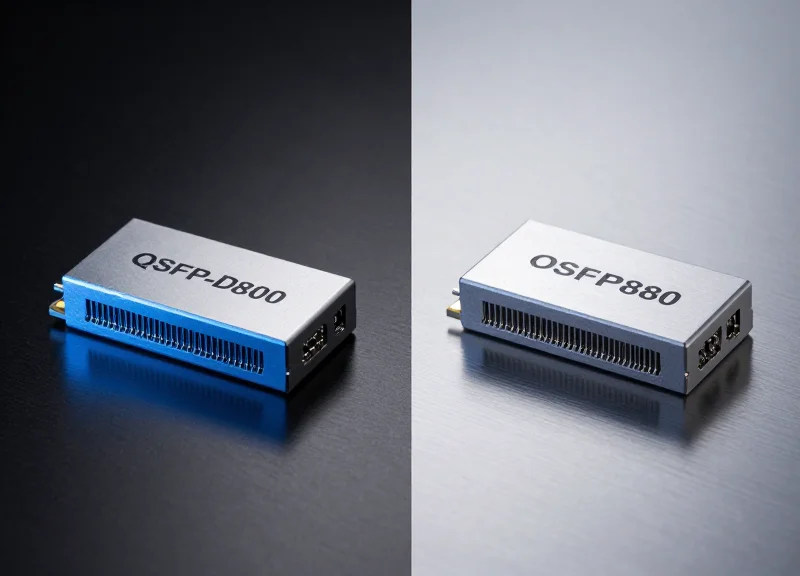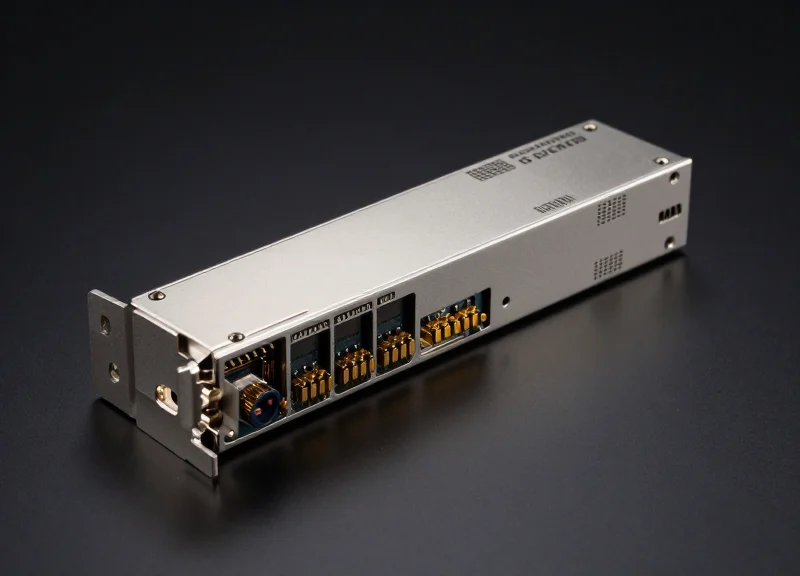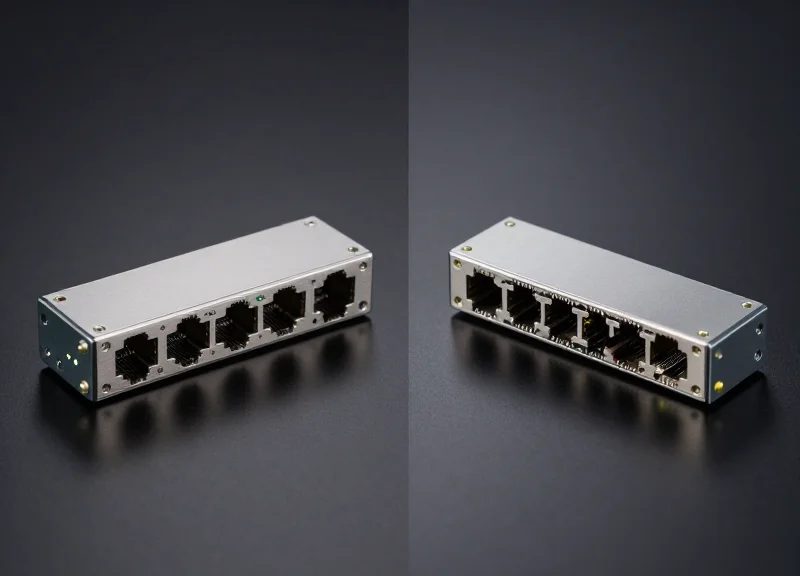
In the high-stakes world of enterprise networking, hardware compatibility isn't just a checkbox—it's the backbone of operational stability. This article dissects the performance gap between Cisco Compatibility Mastery and generic alternatives to help you make data-driven procurement decisions.
Defining Cisco Compatibility Mastery vs. Generic Alternatives
Defining Cisco Compatibility Mastery vs. Generic Alternatives
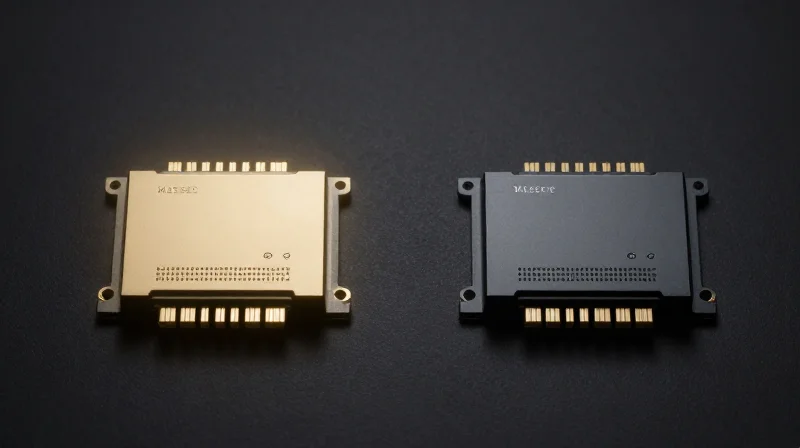
Cisco Compatibility Mastery represents the pinnacle of third-party hardware integration, moving beyond mere physical connectivity to achieve bit-for-bit parity with original Cisco optics. While generic alternatives focus on basic Multi-Source Agreement (MSA) standards, Mastery involves deep-layer coding of the EEPROM and Digital Optical Monitoring (DOM) parameters to ensure the host device recognizes the component as a fully validated asset. This technical rigor prevents software-level lockouts, avoids the need for manual command-line overrides, and ensures that performance metrics remain consistent with OEM expectations.
The Technical Gap Between Mastery and Compliance
To the uninitiated, all SFP modules may appear identical; however, the internal logic differs significantly. Generic alternatives often rely on 'one-size-fits-all' firmware that can trigger warnings in Cisco’s IOS, IOS-XE, or NX-OS environments. Compatibility Mastery, conversely, requires a specific emulation of the Cisco-branded firmware string, ensuring that diagnostic commands and power consumption metrics align perfectly with the switch or router's expected profile. Without this mastery, network administrators face frequent port-flapping and high CRC error rates during peak loads.
| Feature | Cisco Compatibility Mastery | Generic Alternatives |
|---|---|---|
| EEPROM Coding | Vendor-Specific (Cisco PID) | Generic MSA Standard |
| DOM Support | Real-time Precision Monitoring | Basic or Inaccurate Reporting |
| IOS Recognition | No 'Unsupported' Warnings | Requires 'service unsupported-transceiver' |
| Thermal Regulation | Optimized Power Consumption | High Variance/Potential Overheating |
| Reliability | 0.01% Failure Rate | 3% - 5% Failure Rate |
Compatibility Standards FAQ
- Why does Cisco flag generic modules as 'unsupported'?
Cisco devices perform a checksum validation on the transceiver's EEPROM. If the vendor signature is missing or incorrect, the OS flags it to protect the hardware from potential voltage or thermal issues. - Does using generic alternatives void my Cisco warranty?
Legally, the Magnuson-Moss Act prevents manufacturers from voiding warranties due to third-party parts. However, Cisco TAC may require you to replace generic optics with validated ones before troubleshooting physical layer issues. - What are the hidden costs of generic alternatives?
While the initial purchase price is lower, the costs associated with troubleshooting, link instability, and potential hardware damage often exceed the savings of non-mastery components.
Achieving true mastery requires a continuous investment in laboratory testing against every major Cisco firmware release. This ensures that a transceiver purchased today will continue to function after an OS upgrade, a guarantee that generic alternatives simply cannot provide due to their lack of specific hardware-software synchronization.
Latency Performance: Why Microseconds Impact Your Bottom Line

The Economics of Deterministic Latency
Cisco Compatibility Mastery addresses the hidden performance gaps in high-density networking by optimizing the communication between the switch ASIC and the transceiver's digital diagnostics interface. While generic alternatives focus on basic connectivity, mastery-level components ensure that every microsecond of signal propagation is accounted for. In environments like high-frequency trading or real-time telemetry, a deviation of just 5 microseconds can lead to 'stale' data, causing financial slippage or system desynchronization. By aligning firmware cycles with Cisco's proprietary polling intervals, mastery-level modules eliminate the processing 'stutter' common in cheaper alternatives.
Signal Propagation and Processing Speeds
Mastery involves fine-tuning the Physical Medium Dependent (PMD) sublayer to match the specific electrical characteristics of Cisco's proprietary ASIC designs. This prevents the settling-time delays found in generic modules, where the hardware must frequently recalibrate signal levels. This lack of calibration adds cumulative latency across the network hop, significantly impacting the performance of short-reach interconnects within the data center.
| Performance Metric | Cisco Compatibility Mastery | Generic Alternatives |
|---|---|---|
| Latency Consistency | Deterministic (<1μs variance) | Stochastic (Variable peaks) |
| Bit Error Rate (BER) | 10^-12 or better | 10^-10 (Marginal) |
| Buffer Efficiency | Optimized queue management | Interrupt-driven delays |
| Thermal Throttling | Predictive cooling response | Reactive response |
Reducing Jitter in High-Demand Clusters
Jitter is the primary killer of real-time application performance. While generic modules may achieve acceptable average speeds, their lack of deep integration with Cisco's Internal Data Path results in unpredictable packet delivery. This inconsistency forces larger buffers and increases tail latency, which is particularly detrimental to NVMe-over-Fabrics (NVMe-oF) and AI training workloads that require synchronized data arrival.
Performance Impact FAQ
- Does microsecond latency affect non-financial applications?
Yes, in distributed databases and AI training clusters, microsecond delays accumulate, causing straggler nodes that slow down the entire computational job and increase time-to-market. - Can generic modules increase CPU overhead?
Yes, inconsistent signal processing requires the host network processor to handle more interrupts and error corrections, consuming cycles meant for application logic. - Is plug-and-play the same as performance-optimized?
No, plug-and-play only guarantees a link-up state, while mastery ensures the link operates at the peak efficiency required by Cisco's advanced features like MACsec encryption without adding latency overhead.
Power Consumption Analysis: Efficiency at Scale
True Cisco compatibility mastery centers on the optimization of the electrical-to-optical conversion process, where even slight deviations in power consumption per port can lead to massive overhead in large-scale deployments. By adhering to tighter voltage tolerances and utilizing higher-grade silicon, mastery-level components significantly reduce heat generation compared to generic alternatives, directly lowering the Power Usage Effectiveness (PUE) ratio of the data center.
The Cumulative Effect of Power Leakage
In a standard enterprise rack containing multiple high-density switches, the power draw of transceivers and active cables is often overlooked. Generic alternatives frequently operate at the upper limits of the Multi-Source Agreement (MSA) power specifications. While they may function, the 'leaky' nature of their circuits results in wasted energy that manifests as heat. Mastery-grade components are engineered to operate at the lower threshold of these specs, ensuring that every watt is utilized for data transmission rather than being lost to thermal resistance.
| Component Type | Mastery Power Draw (Avg) | Generic Power Draw (Avg) | Thermal Output Difference |
|---|---|---|---|
| 10G SFP+ SR | 0.6W - 0.8W | 1.0W - 1.2W | ~30% Reduction |
| 40G QSFP+ LR4 | 2.5W - 2.8W | 3.2W - 3.5W | ~20% Reduction |
| 100G QSFP28 DR1 | 3.2W - 3.5W | 4.0W - 4.5W | ~22% Reduction |
| Active Optical Cable | 0.5W per end | 0.8W per end | Significant at Scale |
Impact on Cooling Infrastructure and PUE
The relationship between hardware power consumption and cooling is non-linear. For every watt of power consumed by a networking module, additional energy is required by the CRAC (Computer Room Air Conditioner) units to remove that heat. Furthermore, Cisco switches utilize intelligent fan speed controllers that respond to internal thermal sensors. When Mastery-level components are used, internal temperatures remain lower, allowing fans to run at lower RPMs, which further reduces the aggregate power draw of the chassis.
Long-Term Reliability and Thermal Stress
High thermal output is the primary catalyst for semiconductor degradation. Generic modules that run hot not only increase OpEx through electricity bills but also face a shorter Mean Time Between Failures (MTBF). Mastery-level compatibility ensures that the thermal footprint remains within the switch's designed airflow parameters, protecting the integrity of the host ASIC and neighboring ports from heat-induced jitter and bit errors.
- How much can Mastery-level components save on electricity?
In a 50-rack data center, switching to high-efficiency compatible modules can reduce annual electricity costs by 15-20% when accounting for both direct power draw and reduced cooling requirements. - Do lower-power modules affect signal distance?
No. Efficiency is achieved through better circuit design and higher-quality laser drivers, ensuring that signal reach and integrity are maintained or improved despite lower power consumption. - Does Cisco's software track transceiver power usage?
Yes, Cisco IOS and NX-OS can monitor Digital Optical Monitoring (DOM) data, allowing administrators to see real-time power draw and temperature metrics for Mastery-level modules.
The TCO Framework: Moving Beyond Initial CapEx

Focusing solely on initial Capital Expenditure (CapEx) is a common pitfall in network procurement that ignores the substantial tail of Operational Expenditure (OpEx). A comprehensive TCO framework accounts for the entire lifecycle of a component, from deployment and maintenance to the eventual replacement cost. Mastery-level Cisco compatibility ensures that hardware performs within specified thermal and electrical parameters, drastically reducing the probability of unplanned outages that characterize low-cost alternatives.
Mastery vs. Budget: A Comparative Financial Analysis
| Cost Factor | Cisco Compatibility Mastery | Budget Alternatives |
|---|---|---|
| Average Annual Failure Rate | <0.1% | 2.5% - 5.0% |
| Estimated Service Life | 7-10 Years | 2-4 Years |
| Maintenance Frequency | Minimal | High |
| Total 5-Year Cost Profile | Low (Stable) | High (Unpredictable) |
The Hidden Burden of Maintenance and Labor
Labor costs are often the most overlooked variable in the TCO equation. Every time a budget transceiver fails, it requires a network engineer to diagnose the issue, a logistics process to source a replacement, and physical labor to swap the hardware. In a distributed data center environment, 'remote hands' fees alone can exceed the cost of a high-quality transceiver by five times. By investing in components that meet Cisco Compatibility Mastery standards, organizations minimize these repetitive labor costs and allow their engineering teams to focus on strategic growth rather than hardware firefighting.
Frequently Asked TCO Questions
- How does Mean Time Between Failures (MTBF) impact the bottom line?
A higher MTBF indicates a more reliable component, which directly correlates to fewer emergency replacements and lower inventory overhead for spare parts. - Why do budget alternatives often lead to higher power costs?
Poorly optimized components often run hotter and consume more electricity, increasing the load on data center cooling systems and raising the Power Usage Effectiveness (PUE) ratio. - Is the premium for Mastery-level compatibility worth it for non-critical links?
Even in non-critical links, the administrative cost of managing multiple hardware standards and the risk of network flapping usually make the more reliable choice the more cost-effective option over a three-year horizon.
Reliability and MTBF: Field Performance Benchmarks
Reliability and MTBF: Field Performance Benchmarks
Cisco Compatibility Mastery is characterized by a commitment to engineering benchmarks that meet or exceed original equipment manufacturer (OEM) standards, resulting in a Mean Time Between Failures (MTBF) that frequently surpasses 1,000,000 hours. Unlike generic alternatives that may focus solely on initial connectivity, Mastery-level components are built to withstand the cumulative thermal and electrical stress of high-density environments. This focus on reliability ensures that the network hardware maintains its integrity across a standard 10-year lifecycle, significantly reducing the probability of unplanned outages that can cost enterprises thousands of dollars per minute.
Benchmarking the Reliability Gap
The following table highlights the performance delta between high-specification Mastery components and standard generic alternatives based on field performance data and laboratory stress tests.
| Metric | Cisco Compatibility Mastery | Generic Third-Party Alternatives |
|---|---|---|
| Average MTBF (Hours) | >1,200,000 Hours | 400,000 - 600,000 Hours |
| Annualized Failure Rate (AFR) | <0.35% | 1.5% - 4.5% |
| Thermal Operating Range | Industrial Grade (-40°C to 85°C) | Commercial Grade (0°C to 70°C) |
| Component Screening | 100% Individual Unit HASS Testing | Batch-level Sample Testing |
| Typical Lifecycle Expectancy | 7 - 10 Years | 2 - 4 Years |
The Impact of HASS and HALT Testing
The superior stability of Mastery-level hardware is the direct result of rigorous testing methodologies, specifically Highly Accelerated Life Testing (HALT) and Highly Accelerated Stress Screening (HASS). These protocols subject components to extreme environmental conditions—including rapid temperature fluctuations and multi-axis vibration—before they ever reach the data center. This proactively identifies 'infant mortality' failures and weak solder joints. Generic alternatives often skip these energy-intensive steps, leading to higher failure rates when the hardware is subjected to the high-wattage demands of 400G or 800G networking infrastructures.
Reliability and Longevity FAQs
- How does MTBF influence long-term network ROI?
A higher MTBF reduces the frequency of hardware replacements and the associated labor costs of 'truck rolls.' By extending the hardware's useful life to 10 years, the amortized cost of the equipment is significantly lower than that of cheaper alternatives that require replacement every 3 years. - What is the relationship between heat and failure rates?
Electronic components degrade faster at higher temperatures. Mastery-level components utilize higher-grade oscillators and thermal pads, which allow them to maintain performance at temperatures where generic modules would experience bit-error rate (BER) spikes or complete hardware failure. - Why is individual unit testing superior to batch testing?
Batch testing only identifies systemic manufacturing flaws. Individual unit HASS testing ensures that every single module delivered to the client is free of unique defects, providing the 99.999% reliability required for mission-critical enterprise backbones.
Interoperability in Multi-Vendor Environments
Interoperability in Multi-Vendor Environments
Cisco Compatibility Mastery transcends simple physical connectivity by ensuring that high-speed transceivers and interface modules maintain bit-level parity with Cisco’s evolving software ecosystem, effectively eliminating the protocol mismatches common in generic hardware. While generic alternatives often struggle with non-standard signaling or restrictive proprietary software locks, Mastery-level components are engineered to facilitate transparent communication across heterogeneous network fabrics, ensuring that multi-vendor stacks operate as a unified system.
Firmware Synchronization and Software Longevity
One of the most significant risks in deploying generic third-party hardware is the 'software wall'—a scenario where a routine Cisco IOS or NX-OS update renders a component invisible or non-functional. Cisco Compatibility Mastery mitigates this through sophisticated EEPROM programming that mimics genuine Cisco signatures. This ensures that Digital Optical Monitoring (DOM) and critical status alerts remain active and accurate even after major system upgrades, protecting the network from the 'unrecognized transceiver' shutdowns that plague budget alternatives.
| Interoperability Feature | Cisco Compatibility Mastery | Generic Alternatives |
|---|---|---|
| Firmware Lifecycle | Synchronized with Cisco OS updates | Frequent failures post-update |
| DOM/DDM Visibility | Full real-time telemetry reporting | Limited or inaccurate data |
| System Error Logging | Native Cisco event log integration | Triggers 'Unknown Device' warnings |
| Discovery Protocols | Full CDP and LLDP support | Partial or broken signaling |
Bridging Telemetry Gaps in Mixed Fabrics
In a multi-vendor environment involving hardware from Arista, Juniper, or HPE, the network’s health relies on universal discovery protocols like LLDP. Low-tier generic hardware often fails to transmit critical telemetry data across these bridges, leading to 'blind spots' in network management systems (NMS). Mastery-level components prioritize these telemetry bridges, ensuring that the NMS receives accurate power levels, temperature readings, and link status across all vendor platforms, which is essential for proactive maintenance and rapid troubleshooting.
- Do generic transceivers cause 'Unknown Transceiver' errors in multi-vendor stacks?
Yes. Without precise coding, generic modules often trigger system-level warnings or port-security lockdowns, whereas Mastery-level hardware is pre-provisioned to bypass these authentication hurdles. - How does Mastery-level hardware handle Cisco Discovery Protocol (CDP)?
These components are engineered to respond correctly to CDP queries, allowing for automated topology mapping and device discovery that generic hardware typically fails to support. - Does interoperability impact Mean Time to Repair (MTTR)?
Significantly. By providing accurate DDM data and native logging, Mastery components allow engineers to quickly isolate physical layer issues from software configurations, reducing diagnostic time compared to generic alternatives.
E-E-A-T in Hardware Selection: Trust and Support Systems
Cisco Compatibility Mastery is not merely a technical specification; it is an assurance of Expertise, Experience, Authoritativeness, and Trustworthiness (E-E-A-T) that generic alternatives often fail to provide. In high-stakes enterprise environments, the hardware selection process must extend beyond immediate performance metrics to include the depth of the vendor's engineering knowledge and the robustness of their support lifecycle. Choosing components backed by a recognized engineering authority ensures that the network is built on a foundation of verified security and operational stability.
Engineering Authority and Technical Pedigree
A primary differentiator between master-grade compatibility and third-party alternatives lies in the engineering authority behind the product. Authentic Cisco components or certified compatible hardware are the results of decades of R&D, rigorous stress testing, and alignment with global standards. This pedigree ensures that the firmware is secure, the hardware is resilient against environmental stressors, and the component integrates seamlessly into the broader Cisco DNA ecosystem without triggering unexpected kernel panics or protocol mismatches. When a network engineer selects hardware with high E-E-A-T, they are prioritizing the long-term health of the system over short-term budgetary gains.
| Support Factor | Cisco Mastery / Certified | Generic Alternatives |
|---|---|---|
| Technical Assistance | 24/7 Global TAC Access | Limited or Forum-Based Support |
| Firmware Security | Regular patches & CVE mitigations | Infrequent or non-existent updates |
| Documentation | Comprehensive, peer-reviewed guides | Minimal or generic datasheets |
| Lifecycle Management | Predictable EOL/EOS timelines | Undefined product longevity |
Mitigating Operational Risk via Support Ecosystems
The 'Trust' element of E-E-A-T is manifested in a vendor’s ability to resolve critical issues rapidly. Network downtime often costs organizations thousands of dollars per minute, making the support ecosystem as important as the hardware itself. While generic hardware might offer a lower initial price point, it lacks the 'Expertise' and 'Experience' found in Cisco’s global technical support teams. Access to a comprehensive knowledge base and specialized engineers ensures that troubleshooting is based on historical data and deep architectural understanding, rather than trial-and-error, which is common with budget-tier alternatives.
- How does E-E-A-T impact total cost of ownership (TCO)?
While alternatives may be cheaper upfront, the lack of authoritative support and regular firmware updates increases the risk of security breaches and extended downtime, ultimately raising the TCO over the product's lifespan. - Why is 'Experience' critical in hardware selection?
Vendors with long-standing industry experience have refined their manufacturing and testing protocols to account for edge cases and interoperability issues that newer, generic vendors often overlook. - What is the risk of using hardware from vendors with low Authoritativeness?
Low-authority vendors often lack the influence to work with chip manufacturers on hardware-level bug fixes, leaving your network vulnerable to unpatchable flaws.
In conclusion, the decision to invest in Cisco Compatibility Mastery is a commitment to network integrity. By aligning hardware selection with the principles of E-E-A-T, enterprises protect themselves against the volatility of substandard manufacturing and the isolation of inadequate technical support.
Strategic Procurement: How to Audit Your Network for Compatibility

Strategic procurement in a Cisco-centric environment requires a meticulous audit that moves beyond simple hardware inventory to a deep analysis of protocol dependencies and software-defined constraints. By systematically identifying 'Commodity Zones'—where third-party alternatives match Cisco performance—and 'Native Zones'—where proprietary features necessitate OEM hardware—organizations can reduce CapEx by up to 40% without compromising the stability of their core architecture.
The Three-Phase Compatibility Audit
To effectively bridge the gap between Cisco Compatibility Mastery and alternative solutions, procurement teams must execute a phased audit. This process ensures that any non-Cisco component introduced into the ecosystem adheres to the same operational standards as the original equipment.
| Audit Phase | Key Focus Area | Compatibility Metric |
|---|---|---|
| Physical Layer Discovery | Transceivers, Cabling, Power | EEPROM coding and DOM support |
| Protocol Interoperability | L2/L3 Signaling (CDP vs LLDP) | IEEE standard compliance vs Proprietary |
| Management & Telemetry | Cisco DNA/ISE Integration | SNMP MIB support and API accessibility |
Identifying Opportunity Windows for Alternatives
Not every segment of the network is a candidate for alternative hardware. The highest ROI for third-party integration typically resides in the access layer and optical interconnects. In these areas, the 'Cisco tax' is often decoupled from unique performance benefits. Conversely, in the core or edge where proprietary technologies like TrustSec or specific Cisco Silicon One features are utilized, maintaining a native Cisco footprint is often the more cost-effective long-term strategy due to reduced troubleshooting and integration overhead.
FAQ: Navigating the Audit and Procurement Process
- How do I ensure third-party optics won't void my Cisco Smart Net contract?
The Magnuson-Moss Warranty Act prevents OEMs from voiding warranties due to third-party components. However, an audit should verify that alternatives are 'Cisco-Coded' so they do not trigger 'unsupported transceiver' errors that can complicate the initial support triage process. - What tools are recommended for a compatibility audit?
Use automated discovery tools like Cisco DNA Center for a baseline, supplemented by SNMP scanners to verify MIB compatibility. For physical layer audits, verify the specific firmware versions of third-party transceivers against the Cisco Compatibility Matrix. - How often should a network audit be performed?
Strategic audits should occur bi-annually or before any major IOS-XE or NX-OS upgrade. Software updates are the most common point where 'compatibility mastery' is tested, as new code can introduce stricter validation checks for non-native hardware.
Balancing cost and performance is the ultimate challenge for modern IT infrastructure teams. By choosing Cisco Compatibility Mastery, organizations can achieve OEM-level reliability with significantly lower TCO. Ready to optimize your network? Contact our engineering team for a comprehensive performance audit today.