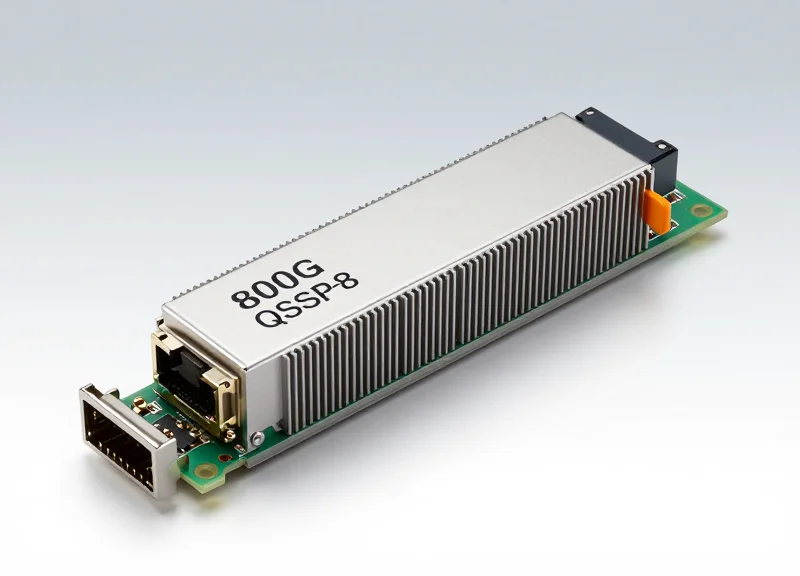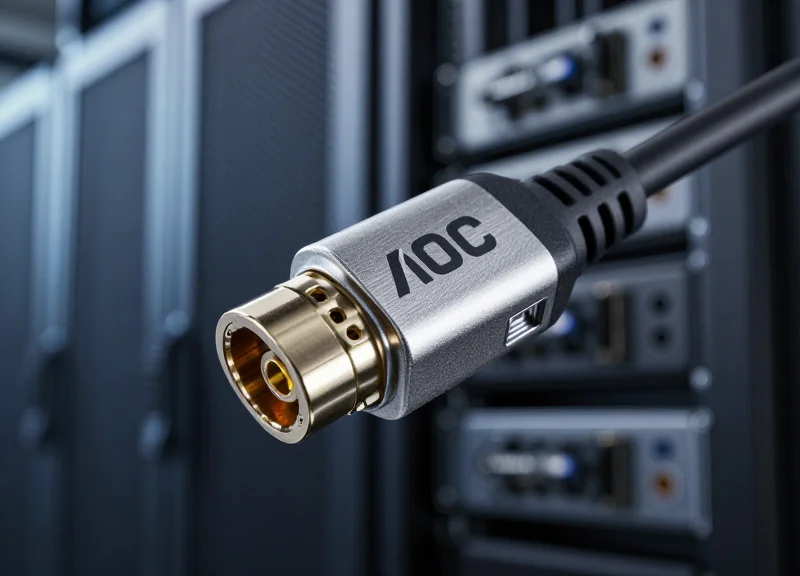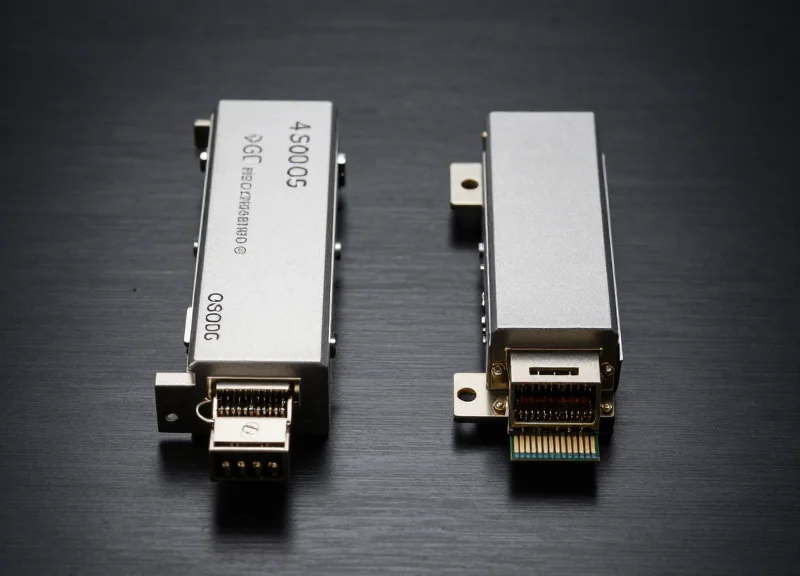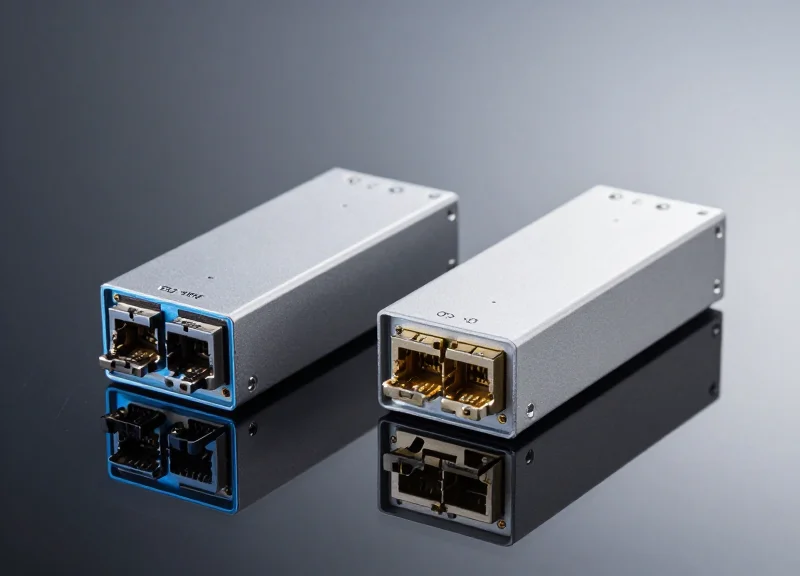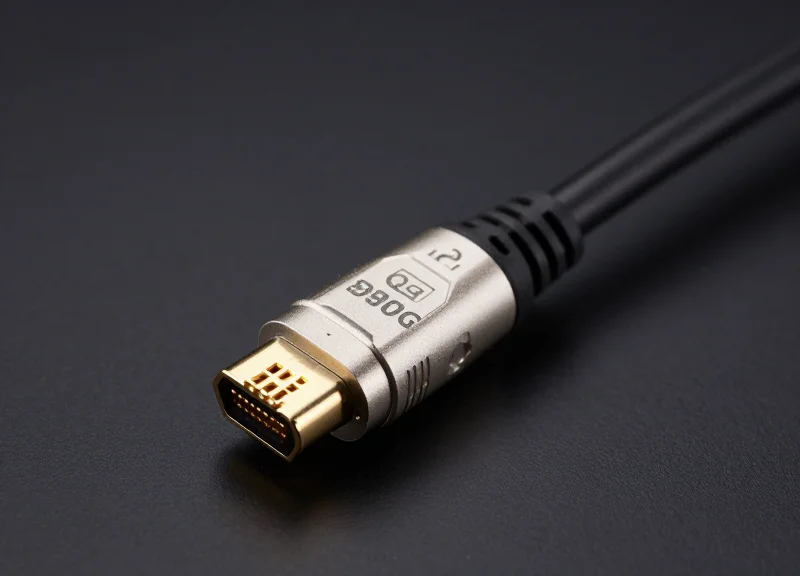
As the demand for bandwidth skyrockets driven by AI and machine learning, the physical layer of the network becomes the most critical bottleneck. Ubytelink addresses this challenge with its 800G Direct Attach Copper (DAC) solutions, engineered for the highest levels of performance and uptime in mission-critical environments.
The Shift to 800G: Meeting the Demands of Next-Gen Computing

The Imperative for 800G Connectivity
The migration to 800G Ethernet represents a critical architectural shift for global data centers, moving beyond simple speed increments to support the massive computational requirements of generative AI, large language models (LLMs), and hyper-converged infrastructures. As traditional 400G networks reach their saturation points, 800G Direct Attach Copper (DAC) cables emerge as the most cost-effective, low-latency solution for short-reach interconnects within high-density racks. This transition is no longer optional for organizations aiming to maintain a competitive edge in high-performance computing (HPC).
Primary Drivers of the 800G Transition
Three primary factors are accelerating the move to 800G. First is the explosion of AI and Machine Learning training workloads which require unprecedented east-west traffic bandwidth. Second, the evolution of switch silicon—such as the 51.2 Tbps chips—necessitates higher-speed ports to maintain radix and port density efficiency. Finally, the ongoing push for lower power consumption per gigabit makes 800G DACs an attractive alternative to optical solutions for top-of-rack deployments, as they require zero power for signal conversion.
| Metric | 400G Infrastructure | 800G Infrastructure |
|---|---|---|
| Aggregate Bandwidth | 400 Gbps | 800 Gbps |
| Lane Speed | 50G/100G PAM4 | 100G/200G PAM4 |
| Standardization | IEEE 802.3bs/cd | IEEE 802.3ck / OSFP-1600 |
| Application Focus | Cloud/Enterprise | AI Clusters/HPC |
Ubytelink's Role in Next-Gen Scaling
Ubytelink bridges the gap between raw hardware capability and operational reliability by providing premium 800G DAC solutions designed for the rigors of modern global networks. By utilizing advanced shielding techniques and precision-engineered copper conductors, Ubytelink ensures signal integrity at the 112G PAM4 signaling rate. This focus on premium quality prevents packet loss and minimizes bit error rates, allowing network architects to deploy high-density clusters with absolute confidence in their physical layer connectivity.
- Why is 800G becoming the baseline now?
The surge in data-heavy applications like ChatGPT and real-time data analytics has rendered 100G and 400G backbones insufficient for the required throughput of AI clusters. - What are the main challenges of 800G cabling?
Maintaining signal integrity over copper becomes significantly more difficult at 112G lane speeds, requiring the superior engineering and shielding found in Ubytelink products. - How does Ubytelink compare to optical alternatives?
Ubytelink 800G DACs offer significantly lower latency and zero power consumption compared to optical transceivers for reaches under 3 meters.
Anatomy of Ubytelink 800G DAC Cables
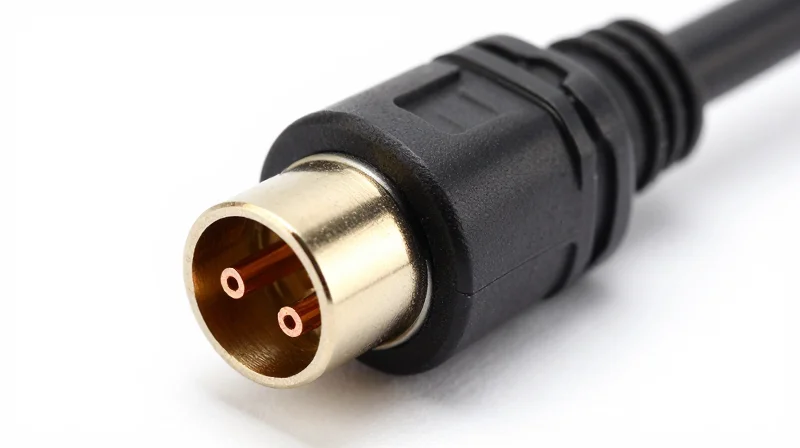
Anatomy of Ubytelink 800G DAC Cables
Ubytelink 800G DAC cables are precision-engineered to address the physical and electrical challenges of ultra-high-speed data transmission, combining high-purity copper conductors with multi-layered shielding to ensure zero-loss performance over short-reach interconnects in high-density environments.
High-Purity Copper Conductors and Signal Integrity
At the core of every Ubytelink cable is oxygen-free high-conductivity (OFHC) copper. As networking speeds reach 800G, the 'skin effect' and signal attenuation become critical limiting factors. Our cables utilize optimized American Wire Gauge (AWG) sizes—typically 26AWG to 30AWG—to balance physical flexibility with minimal insertion loss. This ensures that the 112G PAM4 signals remain stable and clear, even at the maximum physical reach of the copper medium.
Advanced Shielding and Structural Integrity
To combat the intense electromagnetic interference (EMI) found in modern high-density rack environments, Ubytelink employs a sophisticated S/FTP (Shielded Foiled Twisted Pair) architecture. Each differential pair is individually wrapped in aluminum-mylar foil, followed by an overall tinned copper braid. This multi-layered approach provides exceptional crosstalk suppression and maintains signal clarity across all eight lanes of the 800G interface.
| Component | Technical Specification | Performance Benefit |
|---|---|---|
| Conductor Material | Silver-Plated or OFHC Copper | Maximizes conductivity and minimizes signal decay. |
| Shielding Type | Individual Pair Foil + Braiding | Eliminates EMI and near-end crosstalk (NEXT). |
| Connector Housing | Zinc Alloy Die-Cast | Enhanced thermal dissipation and EMI shielding. |
| Jacket Material | LSZH or PVC (UL 94V-0) | Ensures fire safety and mechanical durability. |
- How does Ubytelink ensure impedance consistency?
We utilize automated precision termination processes and rigorous TDR (Time Domain Reflectometry) testing to maintain a consistent 100-ohm differential impedance across the entire cable length. - What is the role of the 112G PAM4 signaling in these cables?
Ubytelink 800G cables are designed to support 8 lanes of 112G PAM4, which requires significantly tighter tolerances in manufacturing compared to previous generations to prevent bit errors. - Are these cables compatible with multiple 800G form factors?
Yes, our anatomy covers both QSFP-DD800 and OSFP800 form factors, ensuring mechanical and electrical compliance with MSA standards.
QSFP-DD vs. OSFP: Choosing the Right Form Factor
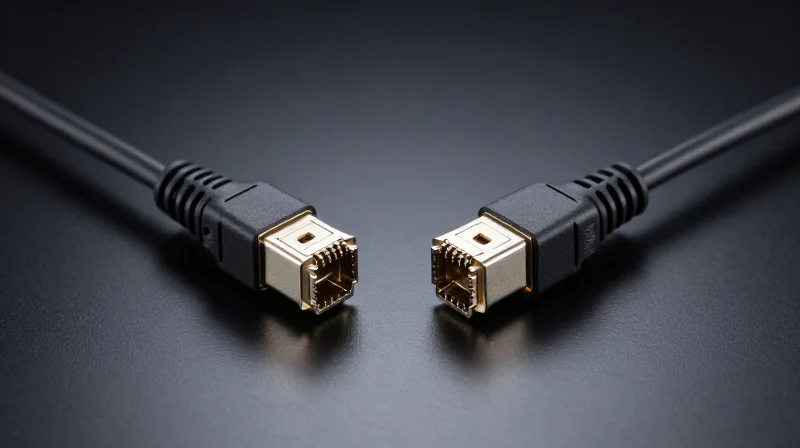
Choosing the right form factor for 800G DAC cables is a critical decision that impacts data center architecture, cooling requirements, and long-term scalability. While both QSFP-DD (Quad Small Form-factor Pluggable Double Density) and OSFP (Octal Small Form-factor Pluggable) provide the 800 Gbps throughput necessary for modern AI and cloud workloads, they differ significantly in their physical design, heat dissipation capabilities, and how they integrate with legacy hardware. Ubytelink provides high-performance solutions for both standards, ensuring that network engineers can optimize their infrastructure based on specific hardware constraints and thermal profiles.
Technical Comparison: QSFP-DD vs. OSFP
| Feature | QSFP-DD (800G) | OSFP (800G) |
|---|---|---|
| Size/Dimensions | Smaller (Comparable to QSFP56) | Slightly wider and deeper |
| Backward Compatibility | Native with QSFP28/QSFP56 | Requires mechanical adapter |
| Max Power per Module | Up to 25W | Up to 30W+ |
| Thermal Management | Depends on system cooling | Integrated heat sink design |
| Potential for 1.6T | Limited due to thermal density | Optimized for next-gen 1.6T |
QSFP-DD: Density and Legacy Integration
The QSFP-DD form factor is the preferred choice for environments where port density is the primary concern and existing investment in QSFP-based infrastructure is high. Because QSFP-DD ports are backward compatible, they can accept standard QSFP28 or QSFP56 cables, allowing for a phased upgrade path to 800G. Ubytelink's 800G QSFP-DD DAC cables leverage high-quality copper to maintain signal integrity despite the compact housing, making them ideal for high-density leaf-spine architectures.
OSFP: Thermal Excellence for AI Clusters
As power consumption per port increases, thermal management becomes a bottleneck. The OSFP form factor was designed from the ground up to handle higher power envelopes. By incorporating an integrated heat sink directly into the plug, OSFP modules can dissipate heat more efficiently than QSFP-DD. This makes Ubytelink OSFP DAC cables particularly suitable for high-performance computing (HPC) and massive AI training clusters where systems run at peak capacity for extended periods.
Frequently Asked Questions
- Can I plug an OSFP cable into a QSFP-DD port?
No, they are physically incompatible. OSFP is wider and uses a different pin configuration. You must match the form factor of the cable to the specific cage on your switch or NIC. - Which form factor is more 'future-proof'?
While both are widely adopted for 800G, OSFP is generally considered to have a better roadmap for 1.6T and beyond due to its superior thermal characteristics and larger physical space for advanced components. - Does Ubytelink offer customized lengths for both standards?
Yes, Ubytelink provides both OSFP and QSFP-DD 800G DAC solutions in various lengths, typically up to 2 meters for passive copper cables, to suit different rack configurations.
Signal Integrity in High-Density Environments
Signal Integrity in High-Density Environments
Ubytelink 800G DAC cables ensure ultra-reliable data transmission by employing sophisticated electromagnetic interference (EMI) mitigation and crosstalk suppression technologies that maintain signal clarity even in the most congested rack configurations. In modern high-density environments, the proximity of hundreds of high-speed lanes creates an electrical environment where even minor leakages can lead to catastrophic data corruption.
Mitigating Crosstalk and EMI at 112G-PAM4 Speeds
As data rates reach 112G per lane using PAM4 signaling, the margin for error becomes incredibly slim. Ubytelink addresses this challenge through precision-engineered twinaxial copper pairs, where each pair is individually wrapped in high-grade metallic shielding. This localized isolation prevents Near-End Crosstalk (NEXT) and Far-End Crosstalk (FEXT) from degrading the Signal-to-Noise Ratio (SNR). Furthermore, our connectors feature a 360-degree shielding gasket that effectively seals the interface against external EMI, ensuring that the link remains immune to the electromagnetic noise generated by adjacent power supplies and cooling fans.
| Feature | Standard DAC Performance | Ubytelink 800G Optimization |
|---|---|---|
| Shielding Effectiveness | Basic foil wrapping | Multi-layer precision longitudinal wrapping |
| Crosstalk Control | Passive mitigation | Active cancellation geometry and pair isolation |
| EMI Protection | Standard metal housing | Enhanced 360° EMI gaskets and die-cast backshells |
| Signal Loss | Moderate insertion loss | Low-loss dielectric for maximum reach |
Engineering for Zero-Packet-Loss Performance
Achieving zero-packet-loss performance requires more than just shielding; it demands meticulous impedance matching throughout the entire cable assembly. Ubytelink engineers the transition from the copper conductor to the PCB with automated precision soldering to eliminate impedance discontinuities that cause signal reflections. By minimizing these reflections and maintaining a stable 100-ohm differential impedance, our 800G cables allow system-level Forward Error Correction (FEC) to operate within its optimal threshold, resulting in a robust, error-free physical layer link.
- How does Ubytelink handle EMI in dense racks?
We use a combination of 360-degree EMI gaskets and high-density die-cast zinc backshells to prevent radiation from escaping or entering the connector interface. - What is the impact of crosstalk on 800G performance?
Uncontrolled crosstalk reduces the vertical eye opening of the PAM4 signal, leading to higher Bit Error Rates (BER) and forcing the system to drop packets or decrease throughput. - Why is signal integrity harder to maintain at 800G than 400G?
800G utilizes 112G-PAM4 signaling, which has a much higher frequency and smaller voltage levels between symbols, making it far more sensitive to noise and attenuation than previous generations.
The Power Efficiency Advantage of Passive DACs
The Power Efficiency Advantage of Passive DACs
In the context of 800G networking, Ubytelink passive Direct Attach Copper (DAC) cables provide a definitive advantage in energy efficiency because they operate without the need for active electronics or optical lasers to transmit data. While Active Optical Cables (AOCs) require significant power to convert electrical signals into light and back again, the passive architecture of a DAC allows for direct electrical transmission over high-grade copper. This results in near-zero power consumption at the physical link layer, making it the most sustainable and cost-effective interconnect solution for short-reach high-density environments.
Comparing Thermal Impact and Operational Costs
The power efficiency of 800G DACs extends beyond simple wattage savings; it fundamentally alters the thermal dynamics of the server rack. Passive cables do not generate heat, which alleviates the burden on data center cooling systems. In a high-density switch environment where hundreds of ports are active, replacing AOCs with DACs can reduce the total thermal load by several kilowatts per rack, leading to a massive reduction in both direct energy costs and Indirect Operational Expenditure (OpEx) related to air conditioning and airflow management.
| Interconnect Type | Power Consumption (Per Link) | Heat Generation | Cooling Requirement |
|---|---|---|---|
| Passive DAC (Ubytelink) | < 0.1W (Management) | Negligible | None |
| Active Optical Cable (AOC) | 4W - 8W | Moderate to High | Significant |
| 800G Optical Transceiver | 12W - 16W | High | Critical |
Sustainability and Global Network Standards
As global data centers strive to meet ESG (Environmental, Social, and Governance) targets, the selection of 800G DAC cables becomes a strategic decision. Ubytelink's 800G DAC solutions facilitate a 'Green Networking' approach by minimizing the carbon footprint of the interconnect layer. By eliminating the semiconductor components found in active cables, DACs also offer a longer Mean Time Between Failure (MTBF), reducing electronic waste and the frequency of hardware replacements over the lifecycle of the network.
- Does the zero-power nature of DACs affect signal speed?
No. Passive DACs support the full 800G bandwidth through high-speed differential pairs; however, they are physically limited to shorter distances (typically up to 2-3 meters) due to signal attenuation over copper. - How does power efficiency impact Total Cost of Ownership (TCO)?
Beyond the lower initial purchase price, DACs lower TCO by reducing monthly utility bills for both power consumption and the cooling infrastructure required to dissipate active component heat. - Are Ubytelink DACs compatible with all 800G switch ports?
Yes, our passive DACs are designed to follow MSA standards for QSFP-DD and OSFP, ensuring they interface correctly with the port's management interface while maintaining a passive data path.
Rigorous Testing and Quality Assurance Protocols
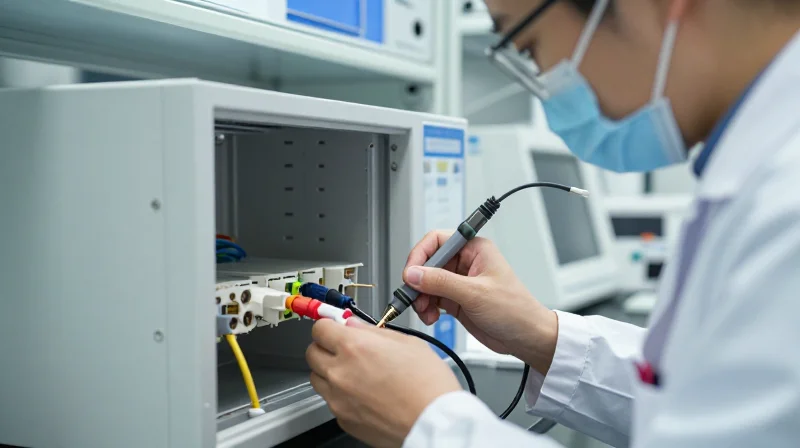
The 'Zero-Defect' Manufacturing Philosophy
At Ubytelink, our commitment to 800G excellence is defined by a 'Zero-Defect' philosophy that treats every cable as a mission-critical component of the global data infrastructure. In the 800G era, where PAM4 signaling reduces the margin for error to near-zero levels, standard batch testing is insufficient. Ubytelink employs a 100% inspection protocol, meaning every single Direct Attach Cable (DAC) undergoes automated high-speed testing to verify that its electrical and mechanical properties meet or exceed IEEE 802.3ck and MSA specifications before leaving our facility.
Automated Signal Integrity Validation
To ensure maximum throughput and minimum latency, our cables are subjected to rigorous signal integrity analysis. We focus on critical metrics that define the health of an 800G link, specifically targeting the complexities of 112G-per-lane PAM4 modulation.
- Bit Error Rate (BER) Testing
Every cable is tested to ensure a pre-FEC (Forward Error Correction) BER better than 1E-5, providing a robust buffer for system-level stability. - Eye Diagram Analysis
Automated oscilloscopes verify eye height and width, ensuring that the signal-to-noise ratio (SNR) is sufficient for the receiver to distinguish between the four voltage levels of PAM4. - Insertion Loss and Crosstalk
We measure Near-End Crosstalk (NEXT) and Far-End Crosstalk (FEXT) to confirm that the high-density shielding effectively prevents interference between adjacent channels.
Mechanical and Environmental Durability Standards
Reliability in the data center goes beyond signal quality; the physical longevity of the cable is equally vital. Ubytelink 800G DACs are engineered to withstand the rigors of high-density cable management and repeated maintenance cycles.
| Test Category | Procedure | Requirement |
|---|---|---|
| Mechanical Endurance | Plug/Unplug Cycling | Minimum 250 mating cycles without signal degradation |
| Cable Flexibility | Bend Radius Stress Test | Signal integrity maintained at minimum specified bend radius |
| Thermal Stability | Temperature Cycling | Continuous operation from -40°C to +85°C |
| Corrosion Resistance | Salt Spray Testing | Connector housing and pins must resist oxidation for global transit |
Quality Assurance FAQ
- How does Ubytelink ensure compatibility with different switch vendors?
We maintain a comprehensive compatibility lab featuring the latest 800G hardware from industry leaders. Each cable's EEPROM is programmed and verified to ensure seamless handshakes and full diagnostic transparency. - What measures are taken to prevent EMI issues?
Our 800G DACs utilize enhanced 360-degree shielding and high-grade copper conductors to meet stringent FCC and CE electromagnetic interference requirements. - Is there a traceability system for each cable?
Yes, every cable is assigned a unique serial number that provides full traceability back to its production batch, raw material source, and specific test results.
Reducing TCO with Reliable Interconnects
The Economics of Reliability: Beyond Initial CAPEX
In the context of 800G networking, the Total Cost of Ownership (TCO) is frequently obscured by the initial Capital Expenditure (CAPEX). However, Ubytelink 800G DAC Cables Solutions provide a strategic advantage by significantly lowering Operational Expenditure (OPEX). By utilizing a passive design that requires zero power to operate, these cables eliminate the energy costs associated with active optical components. In a high-density data center environment with thousands of interconnects, this cumulative energy saving translates into tens of thousands of dollars in annual utility reductions, while simultaneously lowering the heat load on precision cooling systems.
Comparing Long-term Value: Ubytelink vs. Generic Interconnects
| Cost Factor | Ubytelink 800G DAC | Generic/Low-Grade DAC | Active Optical Cables (AOC) |
|---|---|---|---|
| Power Consumption | 0 Watts | 0 Watts | High (Up to 2W+ per end) |
| Failure Rate (AFR) | Near Zero (<0.01%) | Moderate (2-5%) | Low to Moderate |
| Maintenance Needs | Minimal (Passive) | Frequent Replacement | Higher (Heat-related wear) |
| Cooling Requirements | Negligible | Negligible | Significant |
| Expected Lifespan | 10+ Years | 3-5 Years | 5-7 Years |
Minimizing Downtime and Maintenance Overhead
The hidden cost of inferior cabling is the labor and lost revenue associated with network downtime. Ubytelink’s rigorous testing protocols ensure that each 800G DAC cable meets strict signal integrity standards, drastically reducing the Mean Time To Repair (MTTR) by preventing 'ghost errors' and intermittent packet loss. When a cable fails in a mission-critical environment, the cost of the replacement cable is often negligible compared to the cost of the engineering hours required to diagnose the failure. Ubytelink’s focus on physical durability—including reinforced strain relief and high-quality shielding—ensures these cables survive the rigors of frequent rack reconfigurations.
Frequently Asked Questions about TCO and DACs
- How do Ubytelink DACs contribute to ESG and sustainability goals?
By requiring no electricity and generating zero heat, our passive DACs reduce the carbon footprint of the data center, directly supporting Environmental, Social, and Governance (ESG) initiatives and lowering energy intensity scores. - Is the TCO advantage only applicable to large-scale data centers?
No. While the scale of savings is larger in big facilities, even small enterprise networks benefit from the 'install-and-forget' reliability of Ubytelink solutions, which minimizes the need for specialized IT staff to troubleshoot interconnect issues. - Does the weight and bulk of 800G DACs impact rack management costs?
Ubytelink uses advanced thin-gauge copper technology that balances shielding effectiveness with flexibility. This ensures easier cable management and better airflow through the rack, further reducing cooling-related operational costs.
Ultimately, selecting Ubytelink 800G DAC Cables Solutions: Premium Quality for Global Networks is an investment in infrastructure stability. By choosing high-quality passive interconnects, organizations can reallocate their IT budget from maintenance and energy bills toward innovation and growth, ensuring the network remains a performance asset rather than a cost center.
Application Use Cases: From AI Clusters to Cloud Core
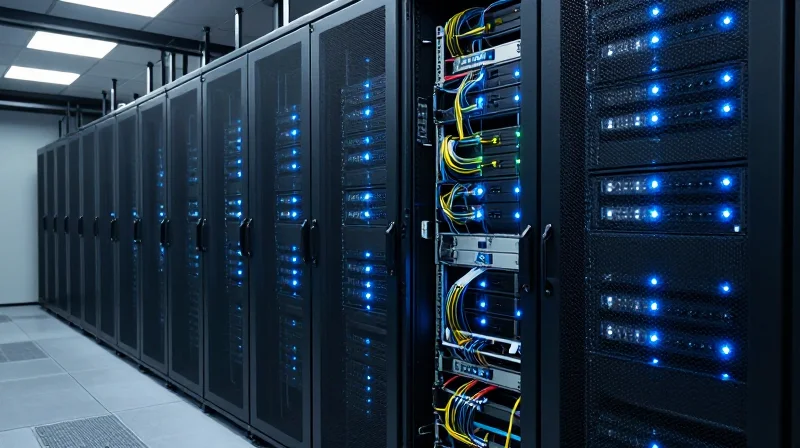
Ubytelink 800G DAC cables are engineered to meet the aggressive bandwidth demands of modern infrastructure, providing the high-speed, low-latency connectivity required for next-generation data centers. As organizations shift toward 800G Ethernet, these passive copper solutions excel in environments where power efficiency and signal integrity are non-negotiable, particularly within the 0.5m to 3.0m range common in rack-level deployments. By leveraging superior shielding and high-purity copper, Ubytelink ensures that these cables perform reliably under the heavy workloads of the world's most demanding digital cores.
Empowering AI Training and Machine Learning Clusters
The explosion of Generative AI has necessitated massive GPU clusters that require instantaneous data exchange between nodes. Ubytelink 800G DACs are the preferred choice for intra-rack connectivity between AI accelerators and leaf switches. Because these cables operate without active electronics, they introduce near-zero latency, ensuring that the heavy synchronization traffic characteristic of large-scale model training is never throttled by the physical layer. This performance is vital for maintaining the efficiency of distributed computing frameworks where every microsecond of delay impacts the total training time.
Optimized Top-of-Rack (ToR) and Switch-to-Server Links
In standard cloud architectures, Top-of-Rack switching remains the most prevalent deployment scenario for 800G DACs. Connecting high-density 800G switches to high-performance servers, these cables provide a robust and cost-effective physical link. Their flexibility and durability allow for tight cable management within standard 19-inch or 21-inch racks, maximizing airflow and reducing the thermal burden on the cooling system. For global cloud providers, the use of Ubytelink DACs in ToR configurations represents a significant reduction in both CAPEX and OPEX compared to optical alternatives.
Application Comparison Matrix
| Use Case Scenario | Typical Distance | Primary Benefit |
|---|---|---|
| AI/GPU Compute Clusters | 0.5m - 2.0m | Ultra-low latency for model synchronization |
| Cloud Storage Arrays | 1.0m - 2.5m | Massive throughput for NVMe-over-Fabrics |
| Enterprise Core Swapping | 1.5m - 3.0m | Maximum reliability and heat reduction |
| High-Frequency Trading | 0.5m - 1.5m | Deterministic performance with zero jitter |
High-Speed Storage Arrays and NVMe-over-Fabrics
Modern flash storage arrays utilizing NVMe-over-Fabrics (NVMe-oF) demand bandwidth that only 800G can comfortably provide. Ubytelink DACs facilitate the high-speed pipe between storage controllers and the network fabric, ensuring that I/O operations are not bottlenecked. This is essential for financial services, real-time analytics, and content delivery networks that rely on millisecond response times. By using passive copper for these short-reach storage links, data centers can scale their storage capacity without the power-draw overhead associated with active optical transceivers.
FAQ: Deploying 800G DACs in Global Networks
- Why is DAC preferred over AOC for AI clusters?
DACs provide lower latency and zero power consumption, which is critical when scaling to thousands of nodes where cumulative power draw and heat are major concerns. - Can Ubytelink 800G DACs work with multi-vendor environments?
Yes, they are designed for broad compatibility and meet the rigorous IEEE 802.3ck specifications, ensuring seamless operation with switches and NICs from leading manufacturers. - What is the maximum recommended distance for these cables?
For 800G performance without active retiming or amplification, 2 to 3 meters is the industry standard for passive copper to maintain signal integrity. - Are these cables suitable for high-vibration environments?
Ubytelink 800G DACs feature secure latching mechanisms and robust strain relief, making them ideal for industrial-grade data center deployments.
In the world of high-speed networking, there is no room for compromise. Ubytelink 800G DAC cables provide the stability and speed required to power the future of global digital infrastructure. Optimize your data center connectivity today—contact our technical team for a custom consultation and quote.