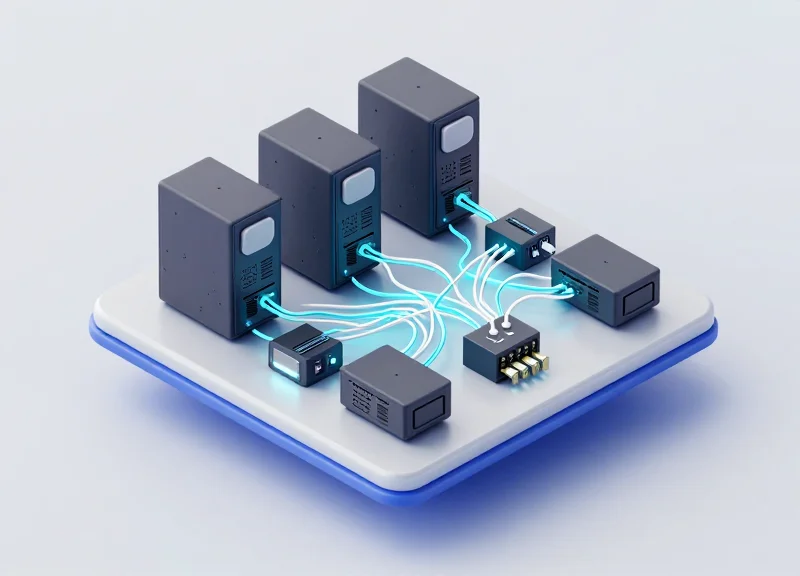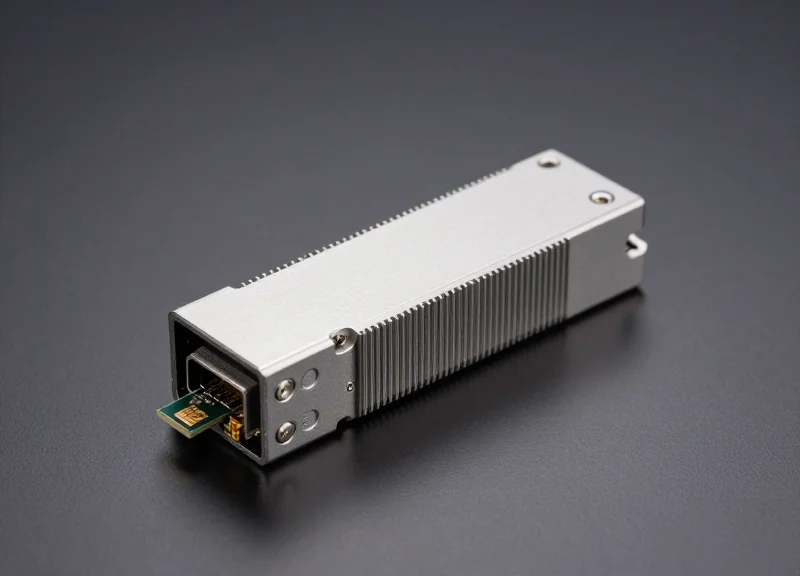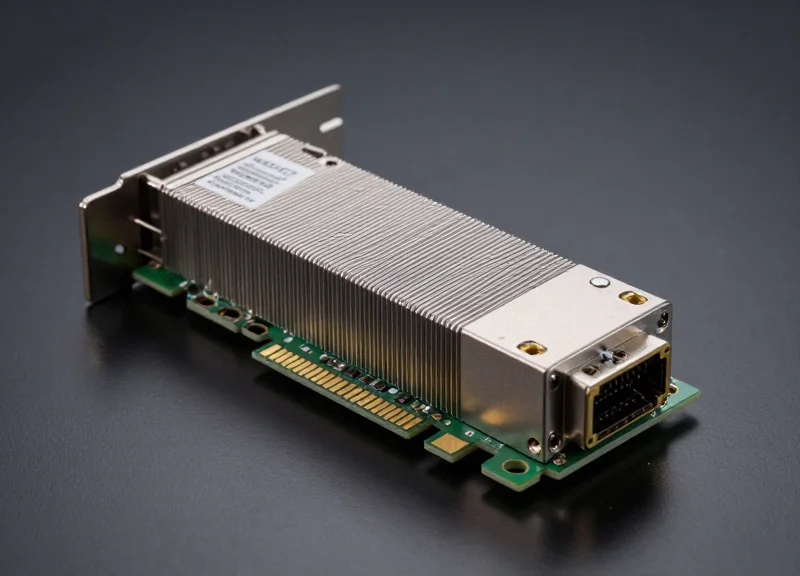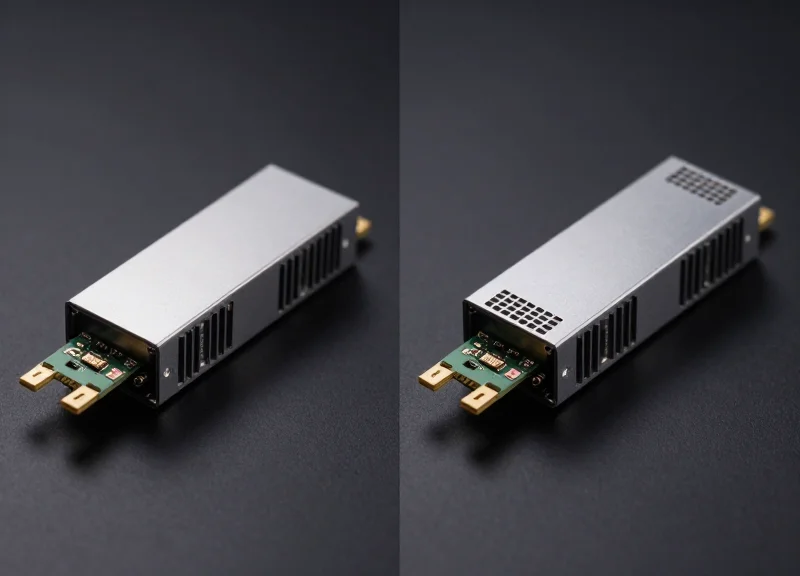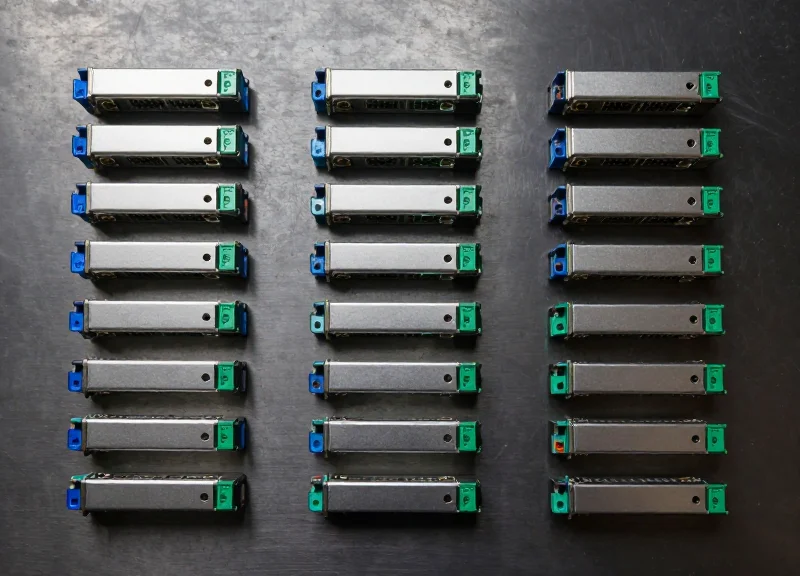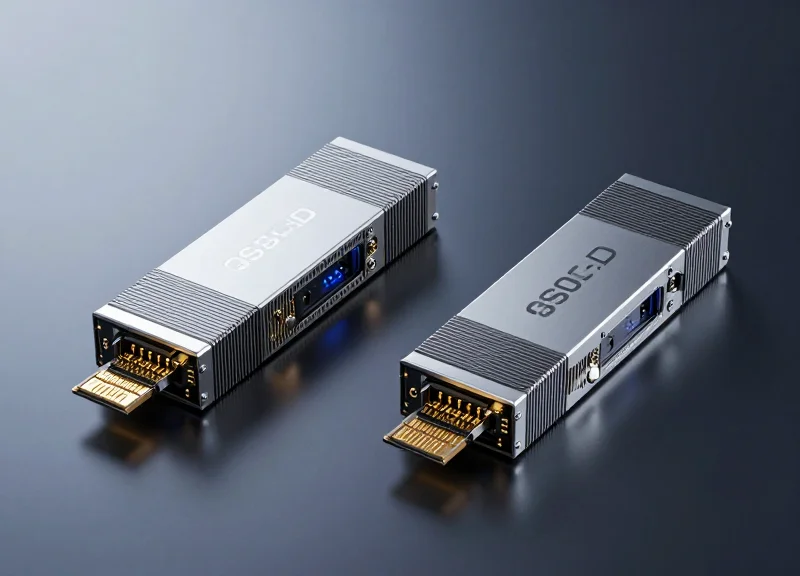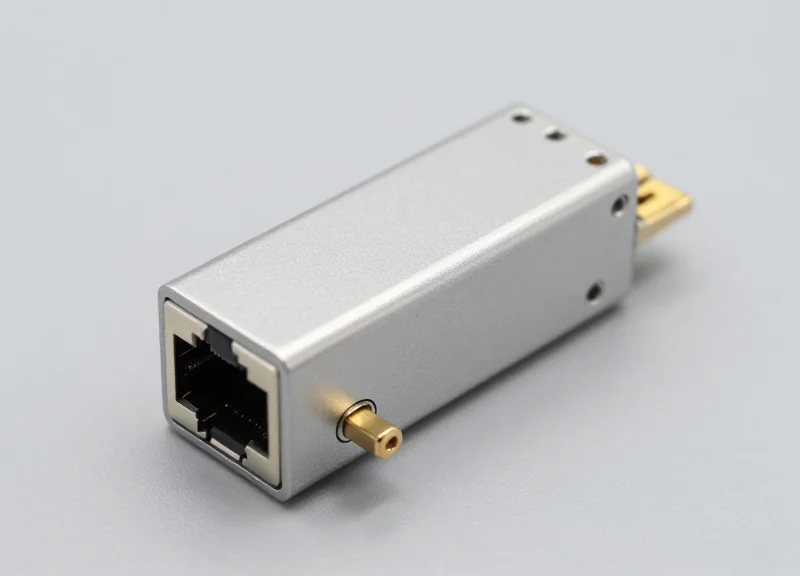
In the fast-paced world of global telecommunications, hardware reliability isn't just a preference—it's a requirement. As data centers migrate to higher speeds, the transition from fiber to existing copper infrastructure via SFP+ to RJ45 modules presents unique challenges in heat management and power efficiency. Ubytelink addresses these hurdles with engineered precision, offering solutions that redefine performance for mission-critical systems.
Understanding the Vital Role of SFP+ to RJ45 in Modern Infrastructure
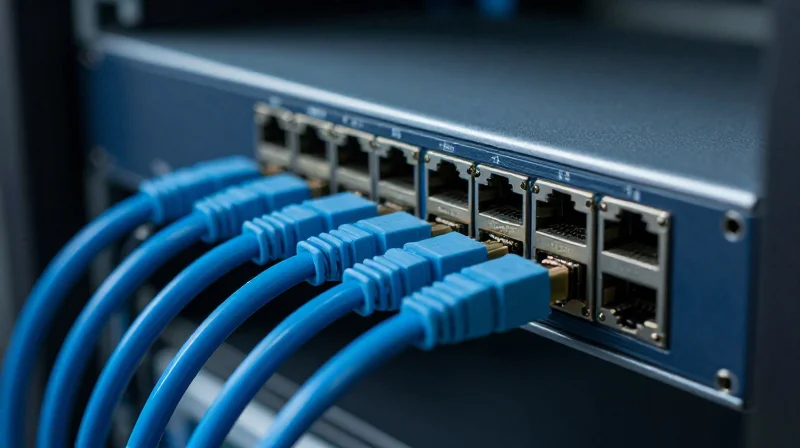
In modern networking, the SFP+ to RJ45 copper solution is an indispensable component that allows high-speed 10-Gigabit Ethernet (10GbE) communication to occur over standard Category 6a or Category 7 copper cables. While many enterprise switches and routers are designed with SFP+ slots primarily for fiber optics, the reality of many local area networks (LANs) is a reliance on established copper-based patch panels and wall outlets. These transceivers serve as a critical interface, converting the electrical signals of the SFP+ port into a standard RJ45 connection, thereby providing a cost-effective and flexible method for integrating legacy systems with next-generation high-speed hardware without the overhead of a complete fiber optic migration.
The Strategic Importance of Copper in High-Density Environments
Copper remains a cornerstone of enterprise networking due to its durability and ease of termination. Utilizing SFP+ to RJ45 transceivers allows administrators to extend the utility of their current cabling plants. This is particularly vital in Top-of-Rack (ToR) and End-of-Row (EoR) deployments where short-reach connections do not justify the fragility and cost associated with optical transceivers and fiber patch cords.
- Cost Optimization
Reduces capital expenditure by utilizing existing Cat6a/7 cabling rather than installing new fiber runs and specialized optical management hardware. - Operational Flexibility
Enables the connection of servers, storage appliances, and switches that may only feature integrated RJ45 ports to high-end fiber-ready core switches. - Interoperability
Supports auto-negotiation, allowing the transceiver to communicate effectively with older 1GbE devices while providing a path to full 10GbE speeds.
Comparative Performance: Copper vs. Optical in SFP+ Slots
| Feature | SFP+ to RJ45 (Copper) | SFP+ SR (Optical Fiber) |
|---|---|---|
| Typical Medium | Cat6a / Cat7 Copper | OM3 / OM4 Multi-mode Fiber |
| Max Reach (10G) | Up to 30m - 80m | Up to 300m - 400m |
| Power Consumption | Higher (~2.5W - 3.0W) | Lower (< 1.0W) |
| Installation Complexity | Low (Plug & Play) | Moderate (Cleanliness critical) |
Common Implementation Questions
- Why is power consumption higher for RJ45 modules?
Converting 10GbE signals to travel over copper twisted pairs requires complex Digital Signal Processing (DSP) to mitigate crosstalk and attenuation, which consumes more energy than driving a laser diode. - Can I use Cat5e cables with SFP+ to RJ45 modules?
While Cat5e may work at very short distances, it is not recommended for 10GbE as it lacks the shielding and bandwidth required, often leading to packet loss and link instability. - Is heat management an issue?
High-quality modules, such as those from Ubytelink, are engineered with advanced heat dissipation shells to ensure stable operation even in high-density switch configurations where multiple modules are adjacent.
The Ubytelink Engineering Edge: Why Quality Standards Matter
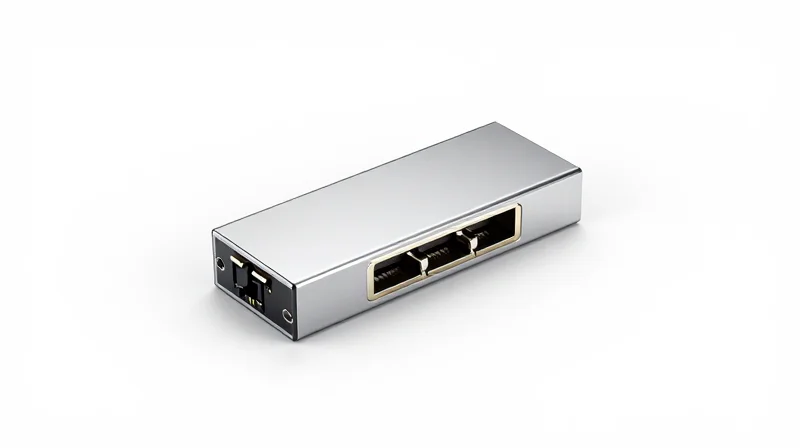
The Ubytelink Engineering Edge: Why Quality Standards Matter
Quality standards in copper transceivers represent the thin line between a stable network backbone and catastrophic intermittent downtime. Ubytelink engineers its SFP+ to RJ45 modules to mitigate the inherent challenges of 10G copper transmission—specifically electromagnetic interference and high power-induced heat—by utilizing high-efficiency chipsets and precision-manufactured gold-plated connectors. This engineering focus ensures that 10GBASE-T performance is maintained over the full 30-meter or 80-meter distance specifications without the signal degradation common in budget-tier alternatives.
Premium Silicon and Thermal Management
The core of Ubytelink's engineering edge is the selection of Tier-1 PHY chipsets from industry leaders like Marvell and Broadcom. While generic modules often utilize repurposed or lower-grade silicon to reduce costs, Ubytelink integrates chips optimized for low power consumption, typically keeping the module's power profile below 2.5W. This is critical because excessive heat is the primary cause of transceiver failure; by reducing the thermal footprint, Ubytelink increases the mean time between failures (MTBF) and prevents the host switch from thermal throttling.
| Performance Metric | Ubytelink Premium Standard | Generic Industry Average |
|---|---|---|
| Typical Power Consumption | < 2.5 Watts | 2.8 - 3.5 Watts |
| Signal Latency | Ultra-low PHY processing | Variable high-jitter processing |
| Operating Temperature Range | 0°C to 70°C (Extended options available) | 0°C to 50°C (Limited) |
| Housing Material | Zinc Alloy with Nickel plating | Standard Plastic or Thin Aluminum |
Rigorous Validation and Global Compatibility
Ubytelink's quality assurance goes beyond simple electrical checks. Each SFP+ to RJ45 module undergoes a multi-stage validation process that includes real-world traffic simulation on a massive library of host equipment from vendors like Cisco, Arista, Juniper, and Dell. This 'Compatibility Matrix Testing' ensures that the EEPROM coding is perfectly tuned for the host system, eliminating 'unsupported transceiver' errors and ensuring that Digital Optical Monitoring (DOM) data is accurately reported to network administrators.
- Why does chipset quality matter in copper transceivers?
High-quality chipsets ensure lower power draw and better signal processing, which reduces packet loss and prevents the module from overheating in high-density switch environments. - How does Ubytelink handle the 10G copper heat issue?
Through a combination of low-power PHY chips and advanced zinc-alloy heat-dissipating shells, we maintain lower operating temperatures compared to generic modules. - Are these modules truly plug-and-play?
Yes, every module is pre-coded and hardware-tested for specific vendor environments to ensure immediate recognition and full functionality upon insertion.
Solving the Heat Problem: Advanced Thermal Management

Ubytelink solves the primary pain point of SFP+ to RJ45 copper modules—excessive heat generation—by utilizing high-efficiency Physical Layer (PHY) chipsets that consume significantly less power than industry averages, paired with high-conductivity metallic housings designed for rapid thermal transfer. This dual-layered approach prevents thermal throttling and protects expensive switch hardware from the damaging effects of localized heat soak.
The Thermal Reality of 10GBASE-T Technology
Transmitting 10 gigabits of data over copper cabling is a power-intensive process. Unlike optical transceivers that use low-power lasers, 10GBASE-T modules require sophisticated digital signal processing (DSP) to mitigate electromagnetic interference and crosstalk. This results in higher power consumption, which is converted directly into heat. Generic modules often exceed 2.5W per port, leading to high internal temperatures that can compromise the integrity of the data link and the lifespan of the transceiver.
Ubytelink's Engineering Solutions for Heat Dissipation
To combat the inherent heat of copper transmission, Ubytelink engineering focuses on two critical areas: power efficiency at the silicon level and physical heat evacuation. Our modules are built using 28nm or better process technology for the PHY, which reduces the power draw to approximately 1.6W to 2.0W—a substantial reduction over standard components.
| Feature | Generic 10G Copper Module | Ubytelink Premium Solution |
|---|---|---|
| Typical Power Consumption | 2.5W - 3.0W | 1.6W - 2.0W |
| Casing Material | Standard Zinc Alloy | Nickel-Plated High-Conductivity Alloy |
| Maximum Operating Temp | 60°C - 65°C | Up to 70°C (Extended) |
| Thermal Throttling Risk | High during peak load | Negligible |
| MTBF (Mean Time Between Failure) | ~500,000 Hours | >1,000,000 Hours |
Optimized Physical Architecture
Beyond the chipset, Ubytelink utilizes a specialized nickel-plated housing. Nickel plating enhances the surface area for thermal radiation and provides superior contact with the SFP+ cage of the switch. Internally, high-grade thermal interface materials (TIM) bridge the gap between the chipset and the casing, ensuring that heat does not stay trapped around the sensitive internal components but is instead channeled to the external environment.
Thermal Management FAQs
- Why do SFP+ to RJ45 modules feel hot to the touch?
Because they act as a heat sink. The metal casing is designed to draw heat away from the internal chips. While the exterior may feel warm, it indicates the thermal management system is successfully protecting the internal electronics. - Can Ubytelink modules be used in high-density switch configurations?
Yes. Thanks to the low-power consumption (under 2.0W), Ubytelink modules can be placed in adjacent ports without triggering thermal alarms or port shutdowns, which is a common issue with lower-quality, high-power modules. - How does heat affect the lifespan of my network equipment?
Constant high temperatures accelerate the degradation of capacitors and other delicate components within both the transceiver and the host switch. By running cooler, Ubytelink modules extend the overall operational life of your network infrastructure.
Efficiency at Scale: Low Power Consumption Design
Ubytelink SFP+ to RJ45 copper solutions prioritize energy efficiency by utilizing optimized Physical Layer (PHY) chipsets that significantly reduce the power draw per port compared to standard industry offerings. This design philosophy not only lowers direct electricity costs but also minimizes the thermal footprint of the network hardware, which is critical for maintaining stability in high-density rack environments where thermal saturation can lead to equipment failure.
Optimizing Operational Expenditures (OpEx) through Energy Efficiency
In a data center or large enterprise network with hundreds of active ports, the cumulative power savings of even 0.5 to 1.0 Watts per module can be substantial. Ubytelink modules are engineered to operate typically between 1.6W and 2.0W, whereas many generic alternatives often exceed 2.5W or even 3.0W. Over a standard three-year hardware lifecycle, these savings translate into lower monthly utility bills and a significantly reduced Total Cost of Ownership (TCO).
| Efficiency Metric | Generic 10GBASE-T Module | Ubytelink SFP+ Copper Solution |
|---|---|---|
| Typical Power Consumption | 2.5W - 3.2W | 1.6W - 2.0W |
| Heat Generation | High (Thermal Stress) | Low (Cooling Optimized) |
| Cooling System Load | Significant Strain | Reduced Demand |
| Port Density Potential | Limited due to Heat | High-Density Optimized |
Synergistic Cooling Benefits and Hardware Longevity
Every watt consumed by a transceiver is eventually dissipated as heat within the switch chassis. By lowering the power draw at the source, Ubytelink modules reduce the thermal load on the switch's internal fans and the facility's overall HVAC system. This results in a "double saving" effect: less power is used by the module itself, and less power is required to extract that heat from the rack. Furthermore, operating at lower temperatures prevents the premature degradation of sensitive electronic components, extending the operational lifespan of both the module and the host switch.
Efficiency at the Architectural Level
Modern Ubytelink designs incorporate advanced power management features that allow the PHY to scale its power usage based on the cable length detected. For shorter runs often found in Top-of-Rack (ToR) configurations, the module can operate in a ultra-low power mode without sacrificing signal integrity, ensuring that efficiency is maximized regardless of the specific cabling topology.
- How does lower power consumption affect the transmission distance?
Ubytelink's efficient design maintains full signal integrity for 10Gbps up to 30 meters and 1Gbps up to 100 meters, ensuring that power savings do not compromise the reach of the copper network. - Can these modules help meet Green IT or sustainability goals?
Yes, the reduced energy footprint directly assists organizations in lowering their overall carbon footprint and meeting ESG (Environmental, Social, and Governance) targets for data center efficiency. - Does the lower power consumption affect compatibility with older switches?
No, Ubytelink modules are designed to be fully compliant with MSA standards, ensuring they work efficiently with both legacy and modern SFP+ ports while providing superior thermal margins.
Universal Compatibility Across Global Hardware Ecosystems
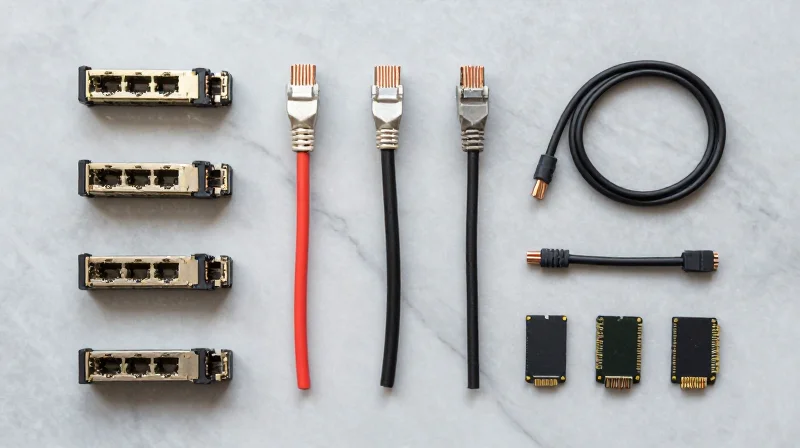
Universal Compatibility Across Global Hardware Ecosystems
Ubytelink SFP+ to RJ45 Copper Solutions are engineered to function as a universal connectivity bridge, ensuring that high-speed copper networking is accessible across diverse hardware environments without the risk of vendor lock-in. By utilizing advanced firmware mapping and an extensive library of vendor-specific EEPROM signatures, Ubytelink transceivers are recognized as native components by the world's leading network operating systems, including Cisco IOS, Arista EOS, and Juniper Junos. This eliminates the common 'unsupported transceiver' errors that plague generic third-party modules, allowing for rapid deployment in both brownfield and greenfield data centers alike.
Comparative Interoperability Performance
| Feature | Generic 10G Copper SFP+ Balance | Ubytelink Premium Copper SFP+ |
|---|---|---|
| Vendor Identification | Fixed/Generic Coding | Customized Vendor-Specific Coding |
| Host OS Error Handling | Frequent 'Unrecognized' Alerts | Zero-Error Native Recognition |
| DOM/DDM Support | Limited or Inaccurate | Real-time Precision Monitoring |
| Multi-Rate Negotiation | Single-Speed 10G Only | Adaptive 1G/2.5G/5G/10G Support |
The Ubytelink Validation Lab: Ensuring Global Reliability
Every Ubytelink module undergoes a multi-stage validation process within our global testing labs, where they are benchmarked against an exhaustive array of switches, routers, and network interface cards (NICs). This testing protocol simulates real-world traffic patterns and thermal loads, ensuring that the link remains stable even when connecting high-density Arista leaf switches to legacy Dell or HPE servers. Our commitment to true compatibility means that we do not just mimic the ID; we optimize the electrical interface to match the host device's specific signal integrity requirements, preventing packet loss and CRC errors.
- Are Ubytelink modules compatible with high-density Arista switches?
Yes, Ubytelink modules are specifically tuned to handle the high-density port requirements of Arista platforms, ensuring that thermal management and power draw remain within the switch's operational thresholds. - Can I mix Ubytelink modules with original OEM modules in the same stack?
Absolutely. Ubytelink transceivers are designed to coexist seamlessly with OEM hardware, maintaining full synchronization and management visibility through standard CLI or SNMP interfaces. - Do these modules support multi-rate Ethernet for legacy devices?
Our SFP+ to RJ45 solutions feature NBase-T technology, allowing them to auto-negotiate between 1G, 2.5G, 5G, and 10G speeds, making them ideal for multi-generational hardware environments.
Mission-Critical Performance: Signal Integrity and Latency

Mission-Critical Performance: Signal Integrity and Latency
Ubytelink SFP+ to RJ45 Copper Solutions provide the architectural foundation for latency-sensitive applications by minimizing propagation delay and maximizing signal-to-noise ratios. In environments like high-frequency trading (HFT) or real-time industrial automation, even a microsecond of jitter can lead to synchronization failures or financial slippage. Ubytelink addresses this by integrating precision-engineered Physical Layer (PHY) components that ensure predictable performance even under maximum throughput loads.
Advanced Signal Equalization and FEC Optimization
To maintain data integrity over 10GBASE-T links, Ubytelink modules utilize advanced Decision Feedback Equalization (DFE). This technology filters out Inter-Symbol Interference (ISI) and electromagnetic interference (EMI) common in high-density copper cabling environments. By optimizing the Forward Error Correction (FEC) implementation, these modules minimize the computational overhead usually associated with error recovery, allowing for faster packet forwarding compared to generic alternatives.
| Technology Type | Average Latency (Per Link) | Signal Stability Rating |
|---|---|---|
| Ubytelink SFP+ to RJ45 (80m) | 2.2 - 2.5 µs | Excellent (Ultra-Low BER) |
| Generic 10GBASE-T Module | 3.0 - 5.0 µs | Moderate (Jitter Prone) |
| SFP+ Direct Attach Copper (DAC) | < 0.3 µs | Native (Short Reach Only) |
| 10GBASE-T Standard Switch Port | > 2.6 µs | Standard Enterprise Grade |
Impact on Financial and Real-Time Architectures
In global financial hubs, 'tail latency' is the enemy of profitability. Ubytelink’s commitment to signal purity ensures that the 99th percentile of packet delivery remains within strict tolerances. This reliability allows network architects to deploy copper solutions in edge-access layers without compromising the speed of the core fiber backbone, creating a seamless, low-latency hybrid environment that supports high-speed data acquisition and rapid execution.
- How does Ubytelink minimize latency in copper modules?
By utilizing high-performance PHY chips and optimized PCB routing that reduces signal propagation delay and processing overhead. - Does signal integrity degrade over longer copper distances?
Ubytelink modules are tested to maintain full signal integrity up to 80 meters, using active equalization to prevent bit errors at the link limit. - Can these modules handle bursty traffic without packet loss?
Yes, the expanded buffer management within the module's circuitry handles micro-bursts common in real-time data feeds, ensuring zero packet loss.
Overcoming Distance Limitations with Industrial-Grade Components
The Engineering Behind Distance: Reaching 30m and 80m Thresholds
Achieving 10Gbps speeds over copper wiring requires sophisticated management of signal attenuation and cross-talk, especially as cable lengths increase. Ubytelink addresses these challenges by incorporating high-performance Physical Layer (PHY) chipsets that provide superior sensitivity and dynamic equalization. These components allow the module to compensate for signal loss in real-time, maintaining a stable link whether at the standard 30-meter rack-to-rack distance or the more demanding 80-meter end-of-row configuration.
| Feature | Standard 10G SFP+ Copper | Ubytelink 30m Module | Ubytelink 80m Extended |
|---|---|---|---|
| Max Reach (Cat6a/7) | 20-30m | 30m | 80m |
| Bit Error Rate (BER) | < 10^-10 | < 10^-12 | < 10^-12 |
| Heat Dissipation | High (>2.5W) | Optimized Low-Power (2.0W) | Advanced Thermal Control |
| Application | Short-range interconnects | Standard Data Center | Campus & Multi-Floor Bridging |
Mitigating Signal Degradation and EMI
Distance limitations in copper are primarily a factor of signal-to-noise ratio (SNR). Ubytelink modules are built with industrial-grade magnetics and multi-layer PCBs that act as a shield against electromagnetic interference (EMI). By maintaining a cleaner electrical path, these modules prevent the packet retransmissions and CRC errors that typically plague lower-quality transceivers as they approach their maximum rated length. This industrial-grade construction is essential for maintaining mission-critical uptime in environments with high electronic noise, such as manufacturing floors or dense server rooms.
Cable Compatibility and Performance Optimization
To maximize the reach of Ubytelink SFP+ to RJ45 solutions, the quality of the cabling infrastructure is paramount. While Cat6 is sufficient for shorter distances, Cat6a or Cat7 is required to hit the 80m mark reliably. Ubytelink's auto-negotiation features ensure that the module selects the most stable power profile and signaling rate based on the detected cable quality and length, providing a 'plug-and-play' experience that does not sacrifice performance for convenience.
Frequently Asked Questions Regarding Distance and Stability
- Does the 80m module consume more power than the 30m version?
While extended-reach modules typically require more energy to drive signals further, Ubytelink uses a 2.0W low-power design that remains significantly more efficient than legacy 10GBASE-T equipment, keeping heat within safe operating limits. - Can I use Cat6 cabling to reach 80 meters?
No, Cat6 is rated for 10Gbps up to approximately 37-55 meters depending on the environment. For the full 80-meter reach with zero packet loss, Cat6a or Cat7 shielded cabling is mandatory. - How does Ubytelink ensure zero packet loss at maximum distance?
We employ advanced Digital Signal Processing (DSP) and Forward Error Correction (FEC) algorithms within the module to detect and repair bit-level errors before they impact the network layer.
The Strategic ROI of Investing in High-End Transceivers

The strategic ROI of investing in Ubytelink transceivers is found in the drastic reduction of operational friction; while generic alternatives may appear cost-effective initially, their higher failure rates and signal inconsistencies lead to expensive troubleshooting cycles and hardware replacements that far exceed the price of premium components.
Quantifying the Total Cost of Ownership (TCO)
When evaluating network hardware, enterprises must shift focus from Capital Expenditure (CapEx) to the long-term Operational Expenditure (OpEx). High-end transceivers are engineered with superior thermal management and signal processing, ensuring that the link remains stable even under peak load or environmental stress.
| Metric | Generic/Budget Transceivers | Ubytelink Premium Solutions |
|---|---|---|
| Average Lifespan | 1-3 Years | 5-10+ Years |
| Failure Rate (Annual) | High (Intermittent Link Drops) | Ultra-Low (MTBF >1M Hours) |
| Power Efficiency | Higher Heat / 2.5W+ | Optimized / <2.0W Avg. |
| Maintenance Requirement | Reactive (Emergency Fixes) | Proactive (Set-and-Forget) |
The Hidden Costs of 'Cheap' Hardware
A single transceiver failure in a mission-critical uplink can trigger cascading effects: lost revenue for e-commerce platforms, delayed transactions for financial services, and expensive on-site technician dispatches for remote data centers. Ubytelink’s rigorous testing protocols ensure that each module meets strict industrial standards, effectively 'insuring' the network against these preventable overheads.
Future-Proofing through Compatibility and Scale
Investing in premium modules also protects against vendor lock-in and hardware incompatibility during future upgrades. Ubytelink’s multi-vendor firmware support means that the same transceiver can be redeployed across different switch brands, extending its utility and further enhancing the ROI as the network topology evolves.
- Does higher power efficiency impact ROI?
Absolutely. Across a 48-port switch, saving 0.5W to 1.0W per module significantly reduces thermal load and cooling costs, extending the lifespan of the switch itself. - How does Ubytelink reduce troubleshooting time?
By maintaining high signal integrity and low bit-error rates (BER), network admins spend less time investigating 'ghost' packet loss or CRC errors commonly caused by low-grade copper PHYs. - Is the initial price premium justified for small networks?
Yes. Even in small deployments, the cost of one hour of downtime or a single replacement dispatch usually exceeds the total price difference between a budget and a premium module.
Investing in high-quality SFP+ to RJ45 copper modules is essential for maintaining network uptime and efficiency. Ubytelink provides the industry-leading standards required for today's most demanding environments. Contact our technical team today to optimize your global network infrastructure and experience the Ubytelink difference.