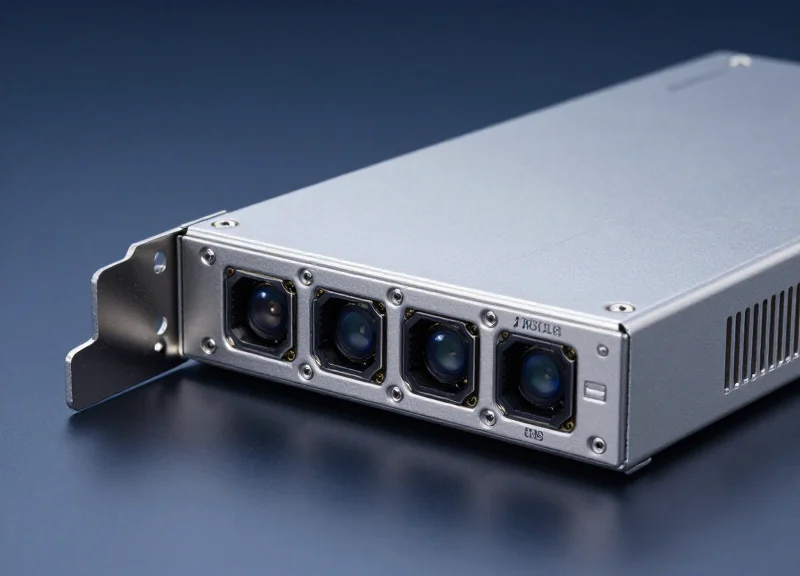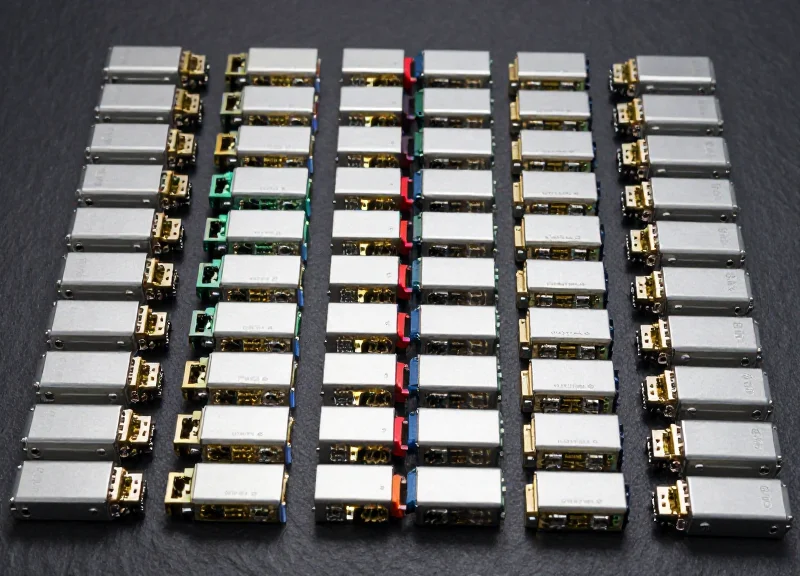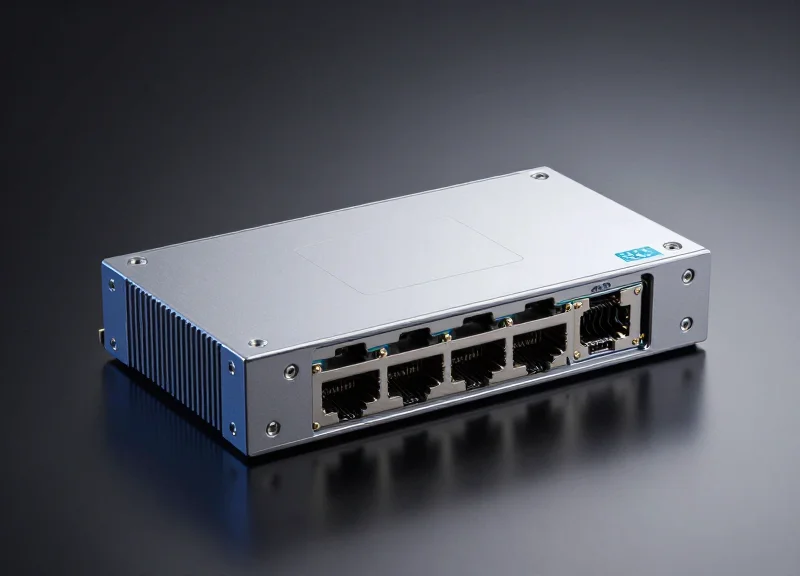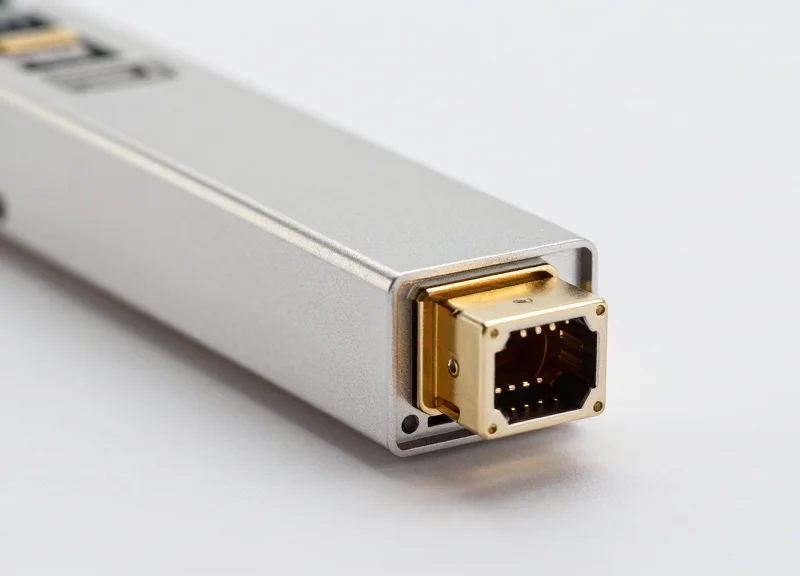
In the rapidly evolving world of high-speed data centers and telecommunications, the optical transceiver is the critical heartbeat of connectivity. However, not all manufacturers are created equal. This deep dive explores the technical criteria and strategic frameworks required to select a transceiver partner that ensures network uptime and scalability.
The Strategic Importance of Vendor Selection in Modern Networking
In the landscape of modern high-speed networking, the selection of a transceiver manufacturer has evolved from a routine procurement task into a critical architectural decision. As data centers and enterprise backbones transition from 100G to 400G and 800G, the transceiver is no longer just a passive pluggable; it is a sophisticated optoelectronic system. The strategic importance of this choice lies in its direct correlation with signal integrity, power efficiency, and long-term network stability. Choosing the right manufacturer ensures that your optical layer can support the increasing demands of AI-driven workloads and massive data throughput without becoming a bottleneck or a single point of failure.
The Shift from Commodity to Strategic Component
Historically, optical transceivers were often treated as commodities where price was the primary differentiator. However, the rise of 400G and 800G technology has introduced complexities that make the manufacturer's engineering capabilities paramount. Higher speeds require advanced Digital Signal Processing (DSP) and Silicon Photonics (SiPh) integration, where even minor deviations in laser wavelength or electrical-to-optical conversion can lead to unacceptable Bit Error Rates (BER). A manufacturer's ability to maintain strict tolerances determines whether a network operates at peak efficiency or suffers from frequent packet retransmissions.
Quantifying the Impact on Total Cost of Ownership (TCO)
The true cost of a transceiver is not its price tag, but its impact on the lifecycle of the network infrastructure. High-quality manufacturers invest in superior thermal management and low-power circuit designs, which directly reduce the cooling costs and power consumption of a data center. Furthermore, the reliability of these components reduces the operational overhead associated with troubleshooting and replacing failed units in a live environment.
| Strategic Factor | Tier 1 Manufacturer | Generic/Budget Manufacturer |
|---|---|---|
| Power Efficiency | Optimized DSPs for lower Watt-per-Gbps | Standard off-the-shelf components, higher heat |
| Interoperability | Tested across multiple switch/router OEMs | Limited compatibility, risk of link-flap |
| Failure Rates (AFR) | Typically < 0.1% due to rigorous burn-in | Higher variability, often exceeding 1-2% |
| Supply Chain | Transparent sourcing and traceability | Opaque sourcing, prone to component swaps |
Strategic Vendor Selection FAQ
- How does manufacturer selection impact network scalability?
A strategic manufacturer provides a roadmap for 800G and 1.6T, ensuring that current optics will interoperate with next-generation line cards and consistent firmware architectures. - Why is firmware customization important?
Reputable manufacturers can customize DOM (Digital Optical Monitoring) parameters and EEPROM coding to ensure seamless integration with proprietary Network Operating Systems (NOS). - What role does testing play in vendor selection?
The best manufacturers conduct 100% full-load testing at extreme temperatures, rather than batch sampling, to guarantee performance in real-world data center conditions.
Technical Compliance: Decoding MSA Standards and Interoperability

Technical Compliance: Decoding MSA Standards and Interoperability
Choosing a transceiver manufacturer hinges on their ability to strictly adhere to Multi-Source Agreements (MSA), which serve as the industry's blueprint for ensuring that modules from different vendors remain physically and electrically compatible across diverse switching and routing platforms. Without these standardized specifications, the modularity that defines modern fiber optics would collapse into a fragmented ecosystem of proprietary locked-in hardware, significantly increasing operational risk and capital expenditure.
The Role of Multi-Source Agreements in Vendor Neutrality
MSAs are not official standards bodies like the IEEE; rather, they are industry consortia that define the form factors, electrical interfaces, and management protocols for transceivers. By following these documents—such as those maintained by the SNIA SFF Committee—manufacturers guarantee that a module will fit into any compliant port, regardless of the host equipment's brand. Compliance ensures that key parameters like mechanical dimensions, pin assignments, and power dissipation are uniform across the supply chain.
| Form Factor | Primary MSA Reference | Max Data Rate | Key Technical Focus |
|---|---|---|---|
| SFP28 | SFF-8402 | 25G | Electrical interface and mechanical dimensions for 25G Ethernet. |
| QSFP28 | SFF-8665 | 100G | High-density 4-lane electrical interface and thermal management. |
| QSFP-DD | QSFP-DD Hardware Spec | 400G/800G | 8-lane electrical interface with backwards compatibility. |
| OSFP | OSFP MSA | 800G/1.6T | Integrated heat sinks for high-power thermal dissipation. |
EEPROM Coding and CMIS: The Software Layer
True interoperability extends beyond the physical connector to the I2C management interface. A reliable manufacturer must demonstrate expertise in programming the EEPROM and Microcontroller Unit (MCU) to comply with SFF-8636 or the newer CMIS (Common Management Interface Specification). This software layer dictates how the host system reads Digital Diagnostic Monitoring (DDM) data, such as laser temperature, bias current, and receive power. If a manufacturer's implementation of CMIS is flawed, the module may be rejected by the host operating system or suffer from intermittent link flaps, even if the optical signal is physically perfect.
- Can a module be MSA-compliant but still fail in a specific switch?
Yes. While MSA ensures physical and electrical fit, many Tier-1 networking vendors utilize proprietary 'vendor-locking' via encrypted EEPROM keys. A top-tier manufacturer must provide compatibility-tested firmware that emulates these specific signatures to ensure the module is recognized by the host software. - What is CMIS and why is it critical for 400G and 800G?
CMIS (Common Management Interface Specification) is the modern standard for managing complex modules like QSFP-DD and OSFP. It allows the host to manage sophisticated functions like DSP settings, gearboxing, and Forward Error Correction (FEC) across different vendors consistently. - Why should I verify SFF-8472 compliance?
SFF-8472 defines the DDM interface for SFP modules. Compliance is essential for real-time monitoring and proactive network troubleshooting, allowing engineers to identify failing links or signal degradation before they cause a full network outage.
Evaluating Component Quality: TOSA, ROSA, and the DSP
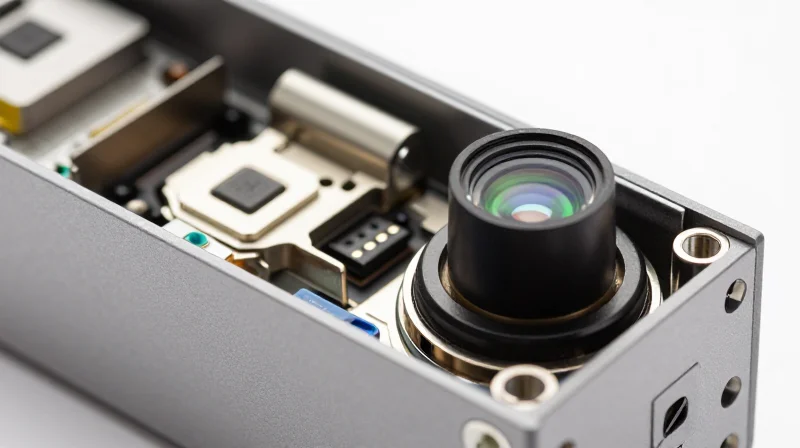
Evaluating component quality is the most critical step in hardware procurement because the internal sub-assemblies dictate the transceiver's performance envelope, longevity, and interoperability. A high-quality manufacturer does not simply assemble parts; they ensure that the Transmitter Optical Sub-Assembly (TOSA), Receiver Optical Sub-Assembly (ROSA), and the Digital Signal Processor (DSP) are matched and calibrated to minimize the Bit Error Rate (BER) and power consumption across varying environmental conditions.
Optical Sub-Assemblies: The TOSA and ROSA Foundation
The TOSA and ROSA are the 'optical engines' of the transceiver. In high-speed 400G and 800G modules, the choice of laser—such as Directly Modulated Lasers (DML) for cost-sensitive short reaches or Electro-absorption Modulated Lasers (EML) for high-performance long-haul links—is paramount. Premium manufacturers utilize hermetic sealing and high-binning processes to ensure that lasers maintain wavelength stability and power consistency over a five-to-ten-year lifecycle. Conversely, lower-tier vendors may use non-hermetic packaging that is susceptible to moisture and thermal drift, leading to premature failure in dense data center environments.
The DSP: Managing Power and Signal Integrity
In the era of PAM4 (Pulse Amplitude Modulation 4-level) signaling, the Digital Signal Processor (DSP) has become the brain of the module. It handles clock and data recovery (CDR), equalization, and Forward Error Correction (FEC). The quality of the DSP is often defined by its fabrication process; modern 7nm and 5nm DSPs are significantly more power-efficient than older 16nm architectures. A manufacturer's ability to integrate low-power DSPs directly impacts the thermal overhead of the switch, preventing the 'thermal runaway' scenarios common in high-density 800G deployments.
| Component Feature | Standard Grade Manufacturer | Tier-1 Technical Manufacturer |
|---|---|---|
| Laser Type (TOSA) | Generic DML / Uncooled | High-Bin EML or Silicon Photonics with TEC |
| Receiver Sensitivity | Standard PIN Photodiode | High-Sensitivity APD with Integrated TIA |
| DSP Node Architecture | 16nm or 12nm Process | Advanced 7nm or 5nm Low-Power Process |
| Thermal Control | Passive Heat Dissipation | Active Thermal Compensation & Monitoring |
Component Selection FAQ
- Why is the DSP process node critical for 800G?
Smaller nodes like 5nm reduce the power draw per gigabit, which is essential to keep module temperatures below 70°C in fully loaded switches. - How does TOSA quality impact network uptime?
A high-quality TOSA utilizes a Thermo-Electric Cooler (TEC) to stabilize the laser wavelength, preventing signal drops caused by temperature fluctuations. - Can I mix components from different manufacturers?
While MSA standards allow for interoperability, variations in ROSA sensitivity between manufacturers can lead to link flapping if the optical budget is tight.
Manufacturing Excellence: Cleanrooms and Automated Assembly

The caliber of a manufacturer’s facility is the ultimate predictor of transceiver longevity and performance stability. Because optical modules rely on the precise alignment of light waves, any deviation caused by environmental contaminants or manual assembly errors can lead to immediate signal degradation or latent field failures. Choosing a manufacturer that invests in ISO-certified cleanrooms and automated sub-assembly lines is the primary safeguard against the high failure rates often seen in lower-tier, manually assembled products.
Cleanroom Standards: Protecting Optical Integrity
At the heart of high-end manufacturing is the cleanroom, a controlled environment where the concentration of airborne particles is strictly limited. For high-speed transceivers (100G to 800G), even a single particle of dust on a laser facet or photodiode can cause catastrophic light scattering. Manufacturers must adhere to ISO 14644-1 standards to ensure the internal components of the TOSA and ROSA remain pristine before they are hermetically sealed.
| Cleanroom Class | ISO Equivalent | Critical Application |
|---|---|---|
| Class 100 | ISO 5 | Laser die bonding and active optical alignment. |
| Class 1,000 | ISO 6 | General optical sub-assembly (TOSA/ROSA) construction. |
| Class 10,000 | ISO 7 | Final PCBA mounting and outer housing assembly. |
The Transition to Automated Assembly
Manual labor is insufficient for the sub-micron tolerances required by modern silicon photonics and PAM4-modulated optics. Top-tier manufacturers utilize fully automated production lines that eliminate human error. Automated Die Bonding and Active Alignment systems use real-time feedback to position lenses and lasers at the point of peak optical power, a level of precision that manual tweezers and human eyesight cannot replicate.
- Active Optical Alignment
Uses live power monitoring to align components within 0.1-micron accuracy, ensuring maximum signal-to-noise ratio. - Automated Wire Bonding
Ensures uniform electrical connections between the DSP and the optical engine, reducing impedance mismatches. - In-Line Micro-Inspection
Automated optical inspection (AOI) identifies microscopic defects in the solder or alignment at every stage of the build.
Manufacturing Facility FAQ
- Why does ISO 9001 certification matter for transceivers?
It guarantees that the manufacturer follows a documented Quality Management System (QMS), ensuring that every batch of modules undergoes identical testing and validation protocols. - What is the risk of buying from 'Manual' assembly shops?
Manual assembly leads to high variance in optical reach and power consumption, which can cause intermittent link drops that are difficult to troubleshoot in a data center environment. - Does automation impact the cost of the transceiver?
While initial CAPEX is higher, automation reduces waste (yield loss) and long-term failure rates, resulting in a lower Total Cost of Ownership (TCO) for the end-user.
Rigorous Testing Protocols: Beyond the 'Plug and Play' Check
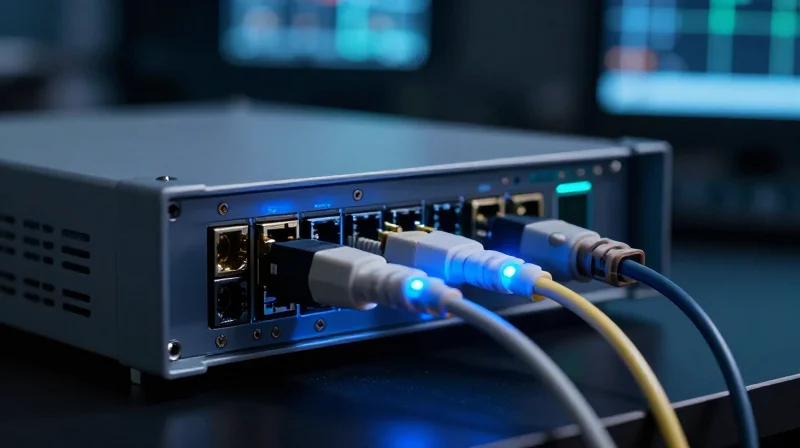
Rigorous Testing Protocols: Beyond the 'Plug and Play' Check
True reliability in optical transceivers is not determined by whether a module simply 'links up' in a switch, but by how it performs under extreme electrical and environmental stress over its 100,000-hour expected lifespan. Premium manufacturers employ a multi-layered testing framework that simulates real-world data center conditions and measures signal degradation at the physical layer. This rigorous approach identifies marginal units that would otherwise cause intermittent 'soft' errors or premature failures in production environments.
Signal Integrity and Eye Diagram Analysis
Signal integrity testing focuses on the quality of the optical waveform. The 'Eye Diagram' is the primary tool here; it overlays thousands of digital samples to visualize jitter, noise, and rise/fall times. A manufacturer of high standing ensures that their modules maintain a wide 'eye opening' with significant margins against the standard IEEE mask. This margin is crucial because as fiber ages or connectors accumulate dust, the signal-to-noise ratio drops; a module tested with tight margins will fail much sooner than one with a robust, clean eye pattern.
| Testing Phase | Key Metrics | Purpose |
|---|---|---|
| Eye Diagram Testing | Extinction Ratio, Jitter, Mask Margin | Ensures optical signal clarity and IEEE compliance. |
| Temperature Cycling | -40°C to +85°C transitions | Tests mechanical stability and laser diode endurance. |
| Bit Error Rate (BER) | 10^-12 or better | Quantifies the probability of data corruption at full load. |
| Compatibility Lab | DOM/DDM Accuracy, EEPROM handshaking | Guarantees 'plug and play' across diverse OEM hardware. |
Thermal Stress and Accelerated Aging
Optical components, particularly the laser diode, are highly sensitive to heat. Manufacturers must conduct 'Burn-in' testing, where modules are operated at elevated temperatures for 24 to 48 hours to weed out 'infant mortality' cases—units that have latent defects. Furthermore, temperature cycling tests the expansion and contraction of the TOSA/ROSA sub-assemblies. Without this, a transceiver might work perfectly at 25°C but lose optical alignment or suffer frequency drift when the data center aisle reaches 50°C during peak loads.
Real-World Compatibility Labs
The most common point of failure is not the hardware, but the firmware handshake between the transceiver and the host switch. Leading manufacturers invest millions in 'Compatibility Labs' stocked with actual chassis from Cisco, Arista, Juniper, and Mellanox. They don't just 'code' the EEPROM to mimic an OEM; they verify that the Digital Optical Monitoring (DOM) data is reported accurately in the host OS and that the module survives 'hot-swapping' cycles without locking up the port's I2C bus.
- What is the significance of a 'Mask Margin' in testing?
A mask margin indicates how far the optical signal stays away from the failure threshold. A higher margin (e.g., 20% or more) means the transceiver is more resilient to signal degradation caused by long fiber runs or patch panel loss. - Why is 100% testing better than batch testing?
Optical manufacturing involves significant variance. Batch testing (sampling) can miss individual units with slight misalignments or weak lasers, leading to unpredictable network outages. 100% testing ensures every serialized unit meets the datasheet specifications. - How does firmware affect compatibility?
Switches use specific algorithms to read a transceiver's memory. If the firmware is not precisely tuned to the switch's expectations, it may trigger 'unsupported transceiver' errors or provide incorrect diagnostic readings.
The OEM vs. Third-Party Debate: Quality vs. Cost-Efficiency
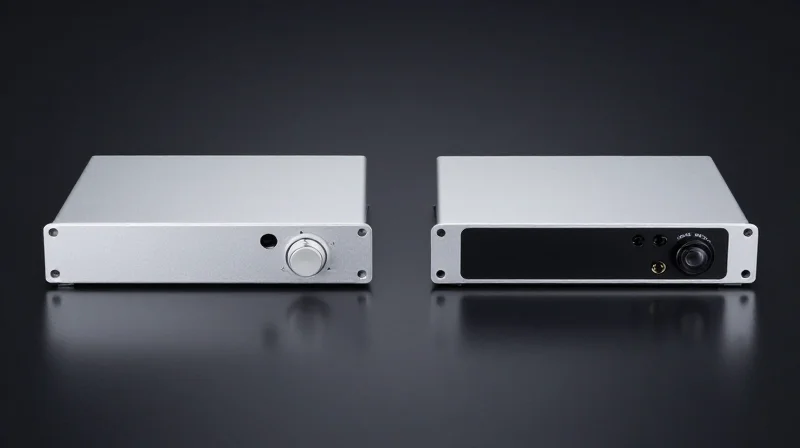
The choice between Original Equipment Manufacturers (OEMs) and third-party vendors is not merely a financial decision but a strategic evaluation of technical parity versus brand-specific assurance. While OEMs offer the security of single-source accountability, high-quality third-party manufacturers provide equivalent performance by adhering to the same Multi-Source Agreement (MSA) standards, often at a fraction of the cost.
Technical Parity and the Role of MSA Standards
The optical transceiver industry operates on Multi-Source Agreements (MSAs), which define the physical dimensions, electrical interfaces, and signaling protocols of modules. Because top-tier third-party manufacturers utilize the same Tier-1 components (such as lasers from Broadcom or Lumentum) as OEMs, the technical delta between a 'branded' module and a 'compatible' module is often non-existent. The true differentiator lies in the firmware coding—ensuring the module correctly identifies itself to the host switch's operating system to avoid 'unsupported transceiver' errors.
Direct Comparison: OEM vs. Professional Third-Party Vendors
| Feature | Original Equipment Manufacturer (OEM) | Premium Third-Party Manufacturer |
|---|---|---|
| Cost Basis | High premium (often 300-1000% markup) | Cost-effective (based on hardware + R&D) |
| Hardware Quality | Tier-1 components | Tier-1 components (identical in high-end vendors) |
| Compatibility | Locked to specific brand ecosystem | Cross-platform compatibility via custom firmware |
| Supply Chain | Often subject to long lead times | Typically more agile with higher stock levels |
| Support | Integrated into switch support contract | Independent support; requires vendor expertise |
Risk Mitigation: Distinguishing High-End Third-Party from Low-End
The 'Third-Party' label covers a broad spectrum. Network architects must distinguish between 'white-label' resellers who simply flip cheap modules and 'engineering-led' manufacturers. High-end manufacturers invest in their own compatibility labs, housing hundreds of switches (Cisco, Arista, Juniper) to test every firmware iteration. They provide detailed EEPROM programming and offer lifetime warranties, which significantly lowers the Total Cost of Ownership (TCO) compared to both OEMs and low-quality generic alternatives.
- Will using third-party transceivers void my switch warranty?
No. In the United States, the Magnuson-Moss Warranty Act prohibits manufacturers from voiding warranties solely because a consumer used a third-party component. Similar protections exist in many other jurisdictions. - How do third-party vendors handle software updates?
Reputable vendors maintain a 'Compatibility Lab' where they reverse-engineer and test new OS releases from major switch OEMs to ensure their firmware remains functional after a software update. - What is the primary risk of choosing an unknown third-party vendor?
The primary risk is inconsistent laser quality and poor heat dissipation, which can lead to intermittent signal loss or permanent damage to the host switch port over time.
Supply Chain Resilience and Global Logistics Capabilities
When choosing a transceiver manufacturer, supply chain resilience is the primary indicator of whether a vendor can support large-scale, multi-year infrastructure rollouts without catastrophic delays. A manufacturer's ability to withstand global component shortages—such as semiconductor wafer scarcity or laser diode bottlenecks—depends on their vertical integration, strategic buffer stock management, and the geographical diversity of their logistics hubs. An authoritative manufacturer does not simply assemble parts; they control the upstream procurement and downstream distribution to insulate the customer from macroeconomic shocks.
The Pillars of Supply Chain Resilience
The most reliable manufacturers utilize a multi-layered approach to risk mitigation. This involves moving beyond 'Just-in-Time' (JIT) manufacturing toward a 'Just-in-Case' (JIC) model for critical sub-components like EML (Electro-absorption Modulated Laser) and TOSA/ROSA assemblies. Vertical integration is the gold standard; manufacturers who produce their own optical sub-assemblies in-house are far less susceptible to the supply line interruptions that frequently paralyze third-party integrators who rely on open-market sourcing.
| Feature | Resilient Manufacturer | Broker/Limited Integrator |
|---|---|---|
| Sourcing Strategy | Vertical integration and direct foundry agreements | Spot market and third-party assembly |
| Inventory Management | Strategic buffer stock of raw materials (6-12 months) | Order-dependent sourcing (JIT) |
| Lead Time Stability | Consistent (4-8 weeks) even during shortages | Volatile (12-52 weeks) during shortages |
| Geographic Footprint | Multi-regional manufacturing and R&D centers | Single-point manufacturing or assembly |
Global Logistics and Localized Support
Global logistics capabilities are the final link in the reliability chain. A manufacturer may have the product ready, but without localized warehousing and customs expertise, the 'last mile' of delivery can become a bottleneck. Top-tier manufacturers maintain regional distribution centers in North America, Europe, and Asia to facilitate same-day shipping and simplify RMA (Return Merchandise Authorization) processes. This decentralized approach reduces transit risks and minimizes the carbon footprint of global shipping.
Key Supply Chain Questions for Manufacturers
- How do you manage raw material shortages?
A resilient manufacturer should provide evidence of long-term agreements with foundries and a strategic reserve of critical ICs and lasers. - What is your geographic manufacturing diversity?
Look for manufacturers with facilities in multiple countries to mitigate risks related to trade tariffs, geopolitical instability, or localized natural disasters. - Do you offer localized inventory staging?
Verify if the manufacturer can hold dedicated stock in a regional warehouse near your primary data centers to ensure 24-48 hour replacement cycles. - How do you handle 'EndOf Life' (EOL) components?
Ask about their proactive EOL policy, which should include advanced notice and a 'Last Time Buy' opportunity to prevent sudden infrastructure obsolescence.
Lifecycle Support: Firmware Customization and Technical Assistance
Choosing a transceiver manufacturer is a decision that extends far beyond the initial purchase price; it is an investment in the long-term stability of your network infrastructure. A manufacturer's true value is revealed through their lifecycle support, specifically their ability to navigate complex firmware requirements and provide deep-tier technical assistance when hardware interacts with evolving network operating systems (NOS). Without robust post-sale support, even the highest-quality hardware can become a liability during software updates or multi-vendor integrations.
Firmware Customization and Multi-Vendor Interoperability
The physical layer is increasingly software-defined. Modern switches and routers often utilize proprietary 'vendor locks' that require specific EEPROM coding to recognize and initialize optical modules. A leading manufacturer must maintain a comprehensive library of firmware profiles and have the engineering agility to create custom code for niche or legacy hardware. This level of customization ensures that third-party transceivers function with the same 'plug-and-play' reliability as original equipment (OEM) modules, while also allowing for tweaks in Digital Optical Monitoring (DOM) thresholds to suit specific environmental needs.
| Support Feature | Transactional Vendor | Strategic Manufacturer |
|---|---|---|
| Firmware Flexibility | Generic MSA only | Custom-coded for specific NOS versions |
| Compatibility Testing | Simulated software only | Physical lab testing on real-world switches |
| Field Updates | Not available | Cloud-based field coding tools provided |
| Technical Access | General support desk | Direct access to optical engineers |
Technical Assistance: Beyond the RMA
When a link fails, the transceiver is frequently the first component blamed. A sophisticated manufacturer provides more than just a Return Merchandise Authorization (RMA) process; they offer diagnostic expertise. This includes analyzing switch logs, interpreting eye-diagram data, and troubleshooting signal integrity issues that may stem from patch cables or patch panels rather than the module itself. This level of assistance is critical for reducing Mean Time To Repair (MTTR) in mission-critical environments like data centers and service provider cores.
- Why is firmware customization necessary after deployment?
Network equipment manufacturers frequently release software updates that can change how a switch interacts with a transceiver's EEPROM. Custom firmware allows the module to be updated to maintain compatibility without replacing the hardware. - What role do field-coding devices play?
Field-coding devices are portable tools that allow network engineers to re-program transceiver firmware on-site. This is vital for troubleshooting in the field and adapting to new hardware platforms instantly. - How does lab-based validation improve support?
Manufacturers with extensive in-house labs can replicate a customer's specific network environment to identify the root cause of a failure, ensuring that the provided technical solution is validated before implementation.
The Importance of Documentation and Telemetry
Advanced technical assistance also involves the granular interpretation of telemetry data. Manufacturers should provide detailed documentation on their modules' DOM/DDM (Digital Optical Monitoring) implementation, allowing network administrators to set precise alerts for power levels, temperature, and bias current. This proactive support model transforms the transceiver from a passive component into a diagnostic sensor, enabling predictive maintenance before a total link failure occurs.
Future-Proofing: R&D Investment and Roadmap Alignment

Future-Proofing: R&D Investment and Roadmap Alignment
Selecting a transceiver manufacturer is a strategic decision that extends far beyond the current purchase order; it requires an evaluation of the vendor's R&D velocity to ensure they can support your network's evolution toward 1.6T and beyond. A manufacturer with a robust roadmap demonstrates not only financial stability but also the technical foresight to solve the thermal and power density challenges inherent in next-generation high-speed interconnects.
The Shift Toward 1.6T and Co-Packaged Optics (CPO)
As data centers move toward 51.2T and 102.4T switching capacities, traditional pluggable optics face physical limitations regarding power consumption and faceplate density. Leading manufacturers are now pivoting toward Co-Packaged Optics (CPO), which integrates the optical engine directly with the ASIC. This transition is critical for reducing latency and power-per-bit. When vetting a manufacturer, it is essential to analyze their participation in industry consortia like the OIF (Optical Internetworking Forum) and their ability to transition from current 800G DSP-based modules to Linear Drive Pluggable Optics (LPO) or CPO architectures.
| Technology Generation | Target Bandwidth | Key Innovation | Primary Challenge |
|---|---|---|---|
| Current (800G) | 800 Gbps | 112G SerDes / PAM4 | Thermal dissipation in high-density racks |
| Next-Gen (1.6T) | 1.6 Tbps | 224G SerDes / 8-lane configuration | Signal integrity over electrical traces |
| Future (CPO) | 3.2T and above | ASIC-Optical integration | Manufacturing yield and serviceability |
KPIs for Assessing Manufacturer Innovation
To determine if a manufacturer is truly an innovator or merely a fast follower, technical buyers should look for specific indicators of R&D health. This includes the percentage of annual revenue reinvested into R&D, the number of patents held in silicon photonics, and their track record of delivering first-to-market samples of new form factors. A manufacturer that lacks a clear strategy for EML (Electro-absorption Modulated Laser) or TFLN (Thin-Film Lithium Niobate) technology may struggle to meet the performance requirements of the next three to five years.
- How does 1.6T impact current infrastructure planning?
1.6T modules will require 224G SerDes ecosystems. Choosing a manufacturer already testing 1.6T ensures your current 800G deployments are built with compatible pathing for future upgrades. - Why is Silicon Photonics (SiPh) critical for future-proofing?
SiPh allows for higher integration and lower costs at scale. Manufacturers investing in SiPh are better positioned to deliver the cost-per-bit reductions required for AI-scale networking. - What should I look for in a product roadmap?
A viable roadmap should show clear milestones for 1.6T OSFP/QSFP-DD samples, LPO solutions for power reduction, and a long-term vision for CPO implementation.
Selecting a transceiver manufacturer is a foundational decision for your network's future. By focusing on technical rigor, MSA compliance, and supply chain stability, you can mitigate risk and drive efficiency. Ready to audit your current hardware strategy? Contact our engineering team for a comprehensive vendor evaluation checklist today.