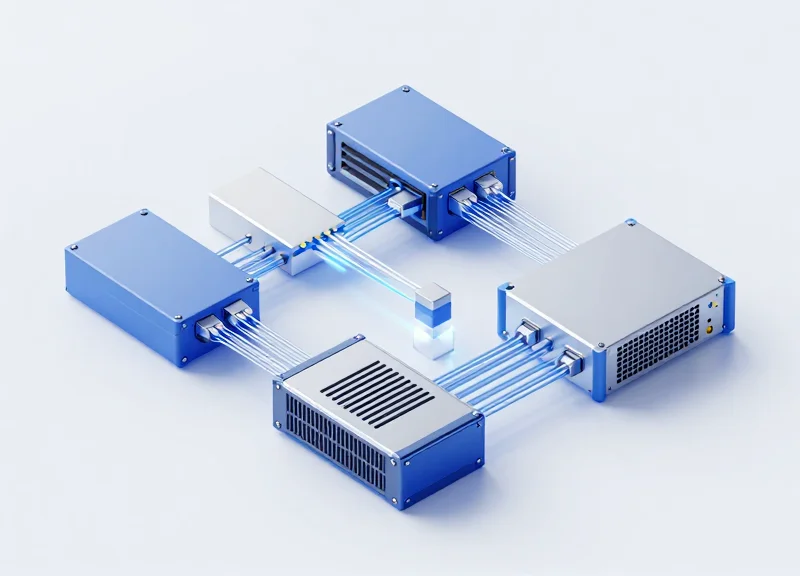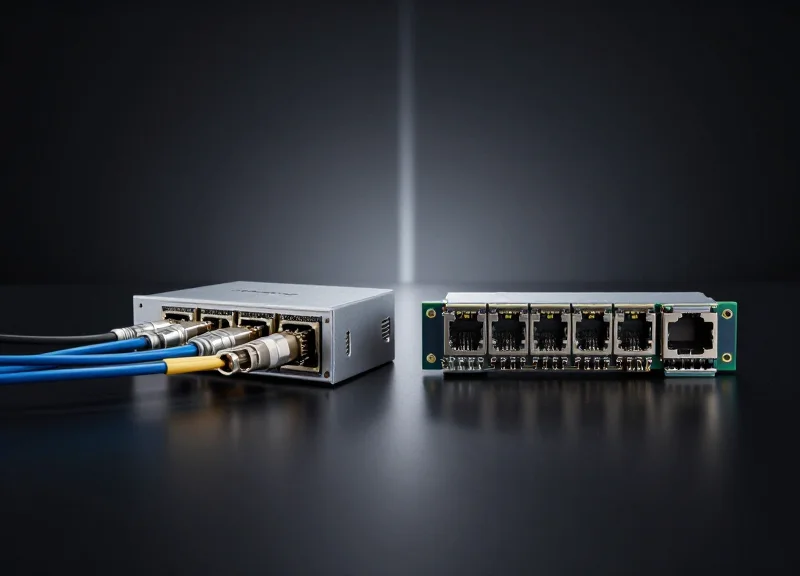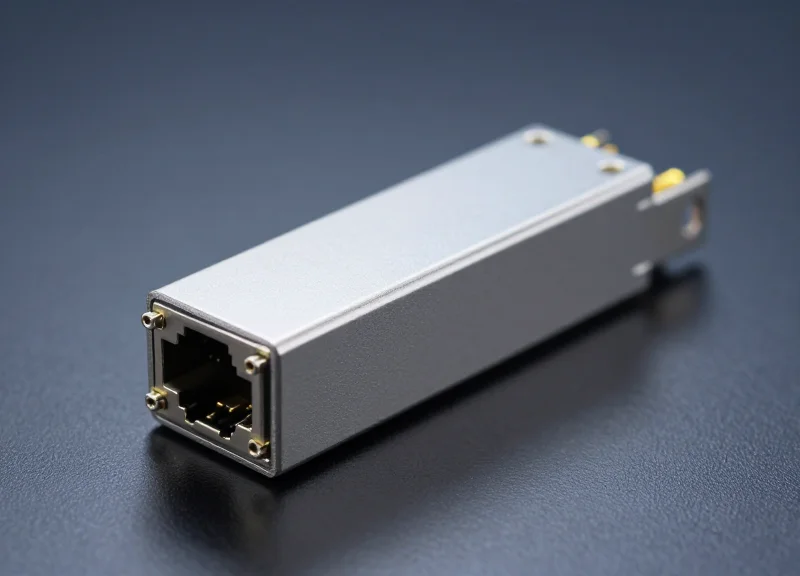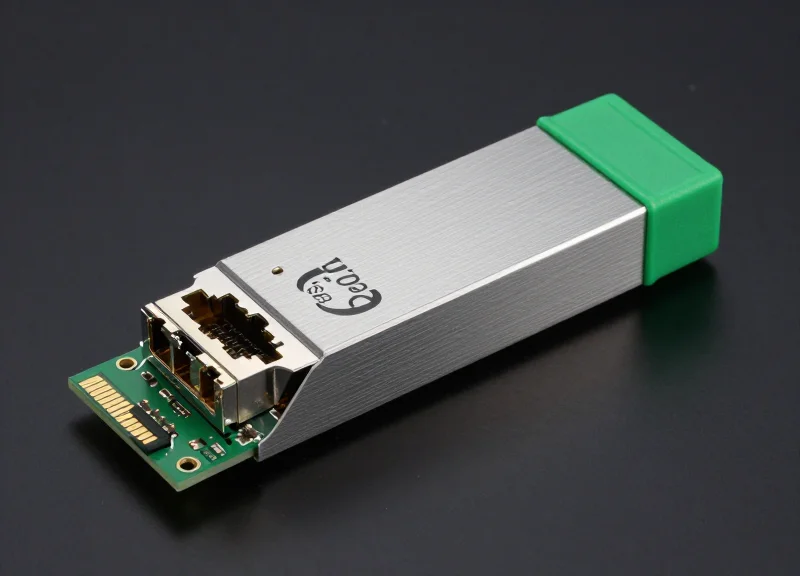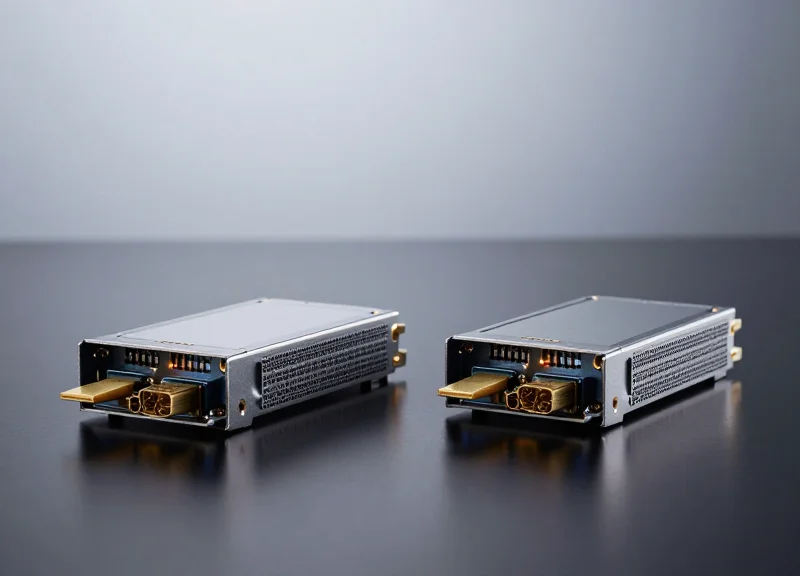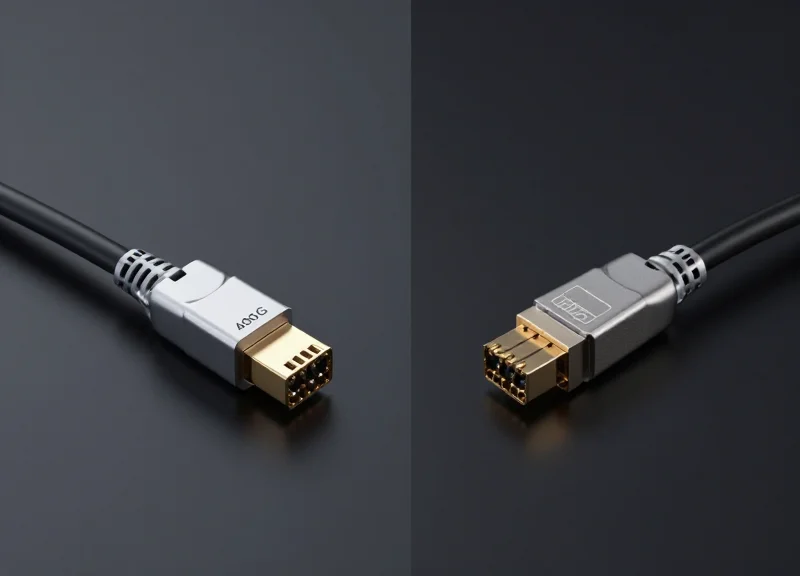
As modern data centers and enterprise networks migrate to 400G architectures, the choice between Active Optical Cables (AOC) and Direct Attach Copper (DAC) becomes a pivotal decision for both performance and budget. In 2026, navigating the nuances of these technologies while securing competitive wholesale pricing is essential for scalable growth. This guide provides the technical clarity and procurement strategies needed to optimize your high-speed interconnect fabric.
Understanding the 400G Landscape: The Shift to High-Density Interconnects

The Rapid Shift to 400G High-Density Interconnects
The global networking landscape is currently undergoing a transformative shift toward 400G Ethernet, necessitated by the massive data requirements of generative AI, high-performance computing (HPC), and 5G infrastructure. This transition is not merely an upgrade in speed but a fundamental redesign of high-density interconnectivity. Direct Attach Cables (DAC) and Active Optical Cables (AOC) provide the essential physical layer needed to bridge high-radix switches and high-speed servers, offering the ultra-low latency and power efficiency required for modern hyperscale environments.
400G Infrastructure vs. Legacy Generations
| Feature | 100G (Legacy) | 400G (Standard) |
|---|---|---|
| Form Factor | QSFP28 | QSFP-DD / OSFP |
| Modulation | NRZ | PAM4 |
| Throughput | 100 Gbps | 400 Gbps |
| Port Density | Standard | Ultra-High Density |
Drivers of High-Density Interconnect Demand
As data centers condense more computing power into smaller footprints, the physical cabling must evolve to support increased port density without compromising thermal management. The shift to 400G utilizes PAM4 signaling to double the data rate over previous NRZ methods, making the choice between copper-based DACs for short-reach (up to 3-5 meters) and fiber-based AOCs for longer spans (up to 100 meters) a critical architectural decision. Bulk procurement of these components has become a strategic necessity for operators looking to manage total cost of ownership (TCO) while maintaining 99.999% uptime.
- Why is 400G preferred over 100G for new builds?
400G offers four times the capacity in similar form factors, drastically reducing the physical space and power consumption required per Gigabit of data transferred. - How do DAC and AOC contribute to cost savings?
By eliminating the need for separate transceivers and expensive fiber patch cords for short-range links, these integrated solutions lower both CapEx and OpEx, especially when secured via custom wholesale quotes. - What role does PAM4 play in the 400G landscape?
PAM4 (Pulse Amplitude Modulation 4-level) is the modulation scheme that enables 400G to achieve higher bitrates within existing frequency constraints, though it requires higher-quality cabling to manage signal integrity.
400G DAC (Direct Attach Copper): The Low-Latency Leader for Short Reach
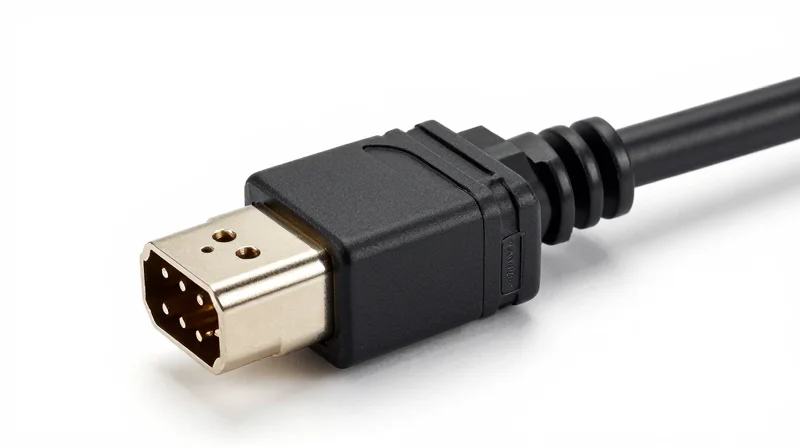
For data center architects prioritizing ultra-low latency and budget optimization, 400G DAC (Direct Attach Copper) cables are the definitive choice for short-span links. By utilizing a passive copper twinaxial design, these cables facilitate direct electrical signaling between ports, eliminating the need for power-hungry optical-to-electrical conversions and providing the fastest possible data transfer over distances typically limited to 3 meters or less.
The Passive Architecture of 400G DAC
Unlike active cables, a 400G passive DAC contains no active electronics or signal amplification components within its modules. It consists of high-speed twinaxial copper wire terminated with industry-standard QSFP-DD or OSFP modules. This simplicity ensures a high Mean Time Between Failures (MTBF) and significantly reduces the thermal footprint of the network rack, as the cables themselves dissipate no heat, allowing cooling resources to be focused on high-performance compute nodes.
Why DAC Reigns Supreme for ToR Connectivity
In a 400G Top-of-Rack (ToR) configuration, where servers are located in the same or adjacent racks as the switch, DACs offer the most robust Return on Investment (ROI). Their primary advantages include near-zero power consumption—typically less than 0.1W per end—and negligible latency. This sub-nanosecond delay is critical for high-frequency trading (HFT), real-time analytics, and AI training clusters where synchronization across distributed nodes is paramount.
| Feature | 400G Passive DAC Specification |
|---|---|
| Maximum Reach | 1.0m to 3.0m (Standard IEEE limits) |
| Power Consumption | Negligible (<0.1W) |
| Latency | Direct Electrical Path (Lowest possible) |
| Primary Use Case | ToR, Switch-to-Server, Storage Fabrics |
| Cost Profile | Lowest CAPEX for 400G Interconnects |
Wholesale Procurement and Bulk FAQ
- What is the maximum reliable length for 400G DAC?
While some vendors offer 5m variants, the IEEE 802.3ck standards generally recommend a maximum of 2.5m to 3m for passive copper to ensure signal integrity without the need for active retiming or amplification. - Are 400G DACs compatible with all switch brands?
Wholesale 400G DACs can be custom-coded to ensure seamless compatibility with major OEMs like Cisco, Arista, and NVIDIA/Mellanox, though the physical MSA standards for the form factors remain universal. - Why is DAC preferred over AOC for bulk purchases?
For deployments within 3 meters, DACs offer significantly lower unit costs and zero operational power expenses, maximizing the efficiency of wholesale procurement budgets for massive scale-out projects.
400G AOC (Active Optical Cable): Extending Reach and Reliability
400G AOC (Active Optical Cable): Extending Reach and Reliability
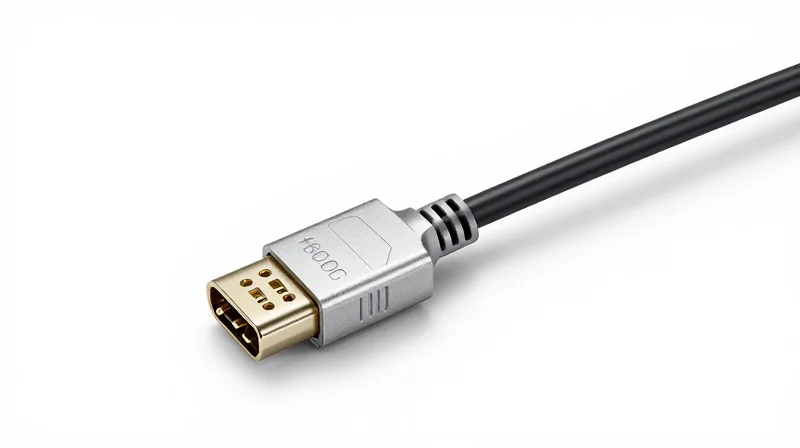
The 400G Active Optical Cable (AOC) serves as the critical bridge for data center interconnects that exceed the physical reach limitations of copper. While DACs are constrained to lengths under 3 meters at 400G speeds due to signal attenuation, AOCs utilize optical fiber and integrated silicon photonics to transmit data reliably up to 100 meters. By converting electrical signals to optical pulses within the connector housing, AOCs eliminate the crosstalk and electromagnetic interference (EMI) issues that plague high-speed copper, ensuring a stable, high-performance link for mission-critical infrastructure.
The Engineering Behind AOC: Optical Superiority
Unlike passive cables, the 400G AOC is an 'active' component containing vertical-cavity surface-emitting lasers (VCSELs) and photodetectors. This architecture allows for a significantly thinner and lighter cable profile compared to 400G DACs. In high-density environments, the reduced bulk of AOCs is a decisive factor, as it drastically improves airflow within server racks and simplifies cable management in congested pathways. Furthermore, because AOCs use dielectric fiber optic glass, they provide total galvanic isolation, making them immune to ground loops and external electrical noise.
| Parameter | 400G AOC Performance | Operational Benefit |
|---|---|---|
| Max Reach | Up to 100 Meters | Connects leaf-to-spine across data halls. |
| Weight/Volume | ~70% lighter than DAC | Reduces physical strain on rack ports. |
| EMI Immunity | Full Immunity | Ideal for environments with high electrical noise. |
| Bend Radius | Highly Flexible | Easier routing in tight chassis spaces. |
Deployment Considerations for 2026 Wholesale Procurement
When sourcing 400G AOCs for bulk projects, performance consistency is paramount. Enterprise-grade AOCs must undergo rigorous BER (Bit Error Rate) testing to ensure they meet IEEE 802.3bs standards. While AOCs have a higher power consumption (typically 10-12W per end) and a higher price point than DACs, their lower total cost of ownership (TCO) in long-distance scenarios—where they replace the need for separate transceivers and patch cords—makes them the standard choice for modern multi-tier data center topologies.
- Can 400G AOC be used for Top-of-Rack (ToR) connections?
Yes, though it is often more expensive than DAC. It is preferred for ToR only when the environment requires extreme flexibility or strict EMI compliance. - Is a separate transceiver required for 400G AOC?
No. The 400G AOC is a factory-terminated assembly with the transceivers permanently attached, reducing the risk of fiber end-face contamination. - What is the typical lifespan of a 400G AOC?
With proper handling and thermal management, high-quality AOCs are designed for a service life exceeding 10 years, matching the typical lifecycle of the switches they connect.
Head-to-Head Comparison: Power Consumption, Heat, and Latency
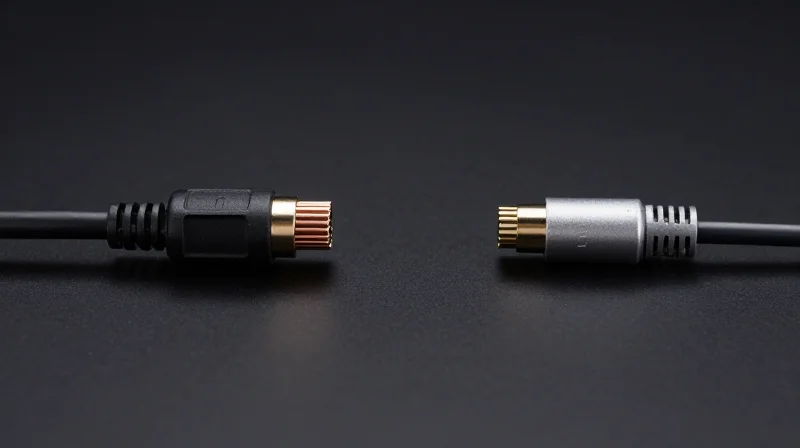
When comparing 400G DAC and AOC, the choice hinges on a critical trade-off between reach and operational efficiency: DACs offer near-zero power consumption and ultra-low latency for short distances, while AOCs provide the necessary reach and flexibility for larger spans at the expense of higher heat generation and energy draw.
Power Consumption and Operational Costs
In a 400G environment, power efficiency is paramount. Passive DACs consume virtually no power (under 0.1W per cable), as they lack active components. In contrast, 400G AOCs utilize optical transceivers at each end, typically consuming between 2W and 5W per end depending on the chipset and generation. For a fully populated 32-port 400G switch, utilizing AOCs instead of DACs can add over 300W to the power budget of a single rack, significantly impacting long-term OpEx.
Heat Dissipation and Cooling Requirements
Thermal management is directly correlated with power draw. Because 400G DACs are passive, they generate negligible heat, allowing for higher density in Top-of-Rack (ToR) configurations without straining the facility's cooling infrastructure. 400G AOCs, however, generate heat that must be managed. In hyperscale environments, the cumulative heat from thousands of active cables requires more aggressive airflow and lower ambient temperatures, which can lower a facility's Power Usage Effectiveness (PUE).
| Metric | 400G Passive DAC | 400G Active Optical Cable (AOC) |
|---|---|---|
| Power Consumption | ~0.1W (Negligible) | 4W - 10W (Total per cable) |
| Heat Generation | Very Low | Moderate to High |
| Signal Latency | Lowest (Nanoseconds) | Low (E/O Conversion delay) |
| Cooling Impact | None | Requires active airflow management |
Latency Performance in High-Speed Clusters
For High-Performance Computing (HPC) and High-Frequency Trading (HFT), every nanosecond counts. Passive DACs provide the lowest possible latency because the signal remains in its native electrical format from end to end. 400G AOCs introduce a small amount of latency—typically in the range of 100 to 300 nanoseconds—due to the internal electrical-to-optical (E/O) and optical-to-electrical (O/E) conversion processes within the cable heads. While negligible for standard enterprise apps, this is a deciding factor for low-latency fabric designs.
Operational Efficiency FAQ
- Does AOC heat affect port lifespan?
Continuous high-heat operation in densely packed switches can accelerate component aging; however, modern AOCs are designed with thermal safeguards to mitigate this within standard operating ranges. - Can DACs be used for all intra-rack connections?
Yes, provided the distance is within 3 meters. For 400G, signal integrity degrades rapidly over copper, making AOCs the default for any connection exceeding that distance. - How much can I save on cooling by using DACs wholesale?
Depending on the scale of your deployment, switching from AOCs to DACs for short-range patches can reduce cooling-related electricity costs by 15-20% at the rack level.
Total Cost of Ownership (TCO) in Wholesale Procurement

Total Cost of Ownership (TCO) in Wholesale Procurement
While 400G Direct Attach Copper (DAC) cables typically offer the lowest initial capital expenditure (CapEx) in wholesale quotes, a comprehensive Total Cost of Ownership (TCO) analysis often reveals that Active Optical Cables (AOC) provide better long-term value for specific data center architectures. TCO evaluates the sum of the purchase price, installation labor, energy consumption, cooling requirements, and the projected lifespan of the interconnects. For 2026 deployments, procurement teams must look past the 'per-unit' price to understand how physical characteristics like cable weight and bend radius impact operational efficiency and facility overhead.
CapEx vs. OpEx: The Wholesale Price Gap
In high-volume orders, the price delta between DAC and AOC is noticeable. However, the operational expenditure (OpEx) for DAC is nearly zero in terms of power, whereas AOCs require active power to drive the optical engines. Conversely, the weight and bulk of copper in 400G DACs can lead to 'cable congestion' in high-density racks, which obstructs airflow and increases cooling costs—a hidden OpEx factor that often offsets the initial savings of copper.
| Cost Factor | 400G DAC (Bulk) | 400G AOC (Bulk) |
|---|---|---|
| Upfront Purchase Price | Lowest (Ideal for tight budgets) | Moderate (Decreasing with volume) |
| Installation Labor | Higher (Heavy, difficult to route) | Lower (Lightweight, flexible) |
| Power Consumption | Zero (Passive) | ~1.5W to 2.5W per end |
| Cooling Efficiency | Low (Can block airflow) | High (Thin fiber preserves airflow) |
| Maintenance/Reliability | Excellent (Passive durability) | Good (Active components have MTBF) |
Scaling Considerations for 2026 Infrastructure
When requesting custom quotes for 400G interconnects, scalability is the primary TCO driver. DACs are restricted to roughly 3 meters at 400G speeds; using them for longer runs requires more intermediate Top-of-Rack (ToR) switches, which dramatically spikes the total hardware cost. AOCs, supporting reaches up to 100 meters, allow for more centralized switching architectures that can reduce the total number of managed ports in a facility, leading to significant long-term savings in software licensing and hardware maintenance.
- How does wholesale volume affect AOC vs DAC pricing?
Wholesale pricing for 400G AOCs often sees more aggressive scaling discounts compared to DACs because the manufacturing costs of optical engines drop more significantly with volume production than the raw material costs of high-gauge copper. - Is the power consumption of AOCs a dealbreaker for TCO?
Rarely for small deployments, but in a 10,000-port environment, the 2W-per-end draw of AOCs adds up. However, the improved airflow and reduced strain on the HVAC system often mitigate these electricity costs. - Should I mix DAC and AOC in the same bulk order?
Yes. Most efficient TCO strategies utilize DAC for internal rack connections (under 2m) and AOC for all inter-rack and row-level connections to maximize both cost savings and airflow efficiency.
The Power of OEM/ODM Customization for 400G Modules
The Strategic Advantage of OEM/ODM Customization for 400G Modules
Customization transforms 400G procurement from a commodity purchase into a strategic architectural decision, enabling network operators to eliminate cable congestion with precision lengths and guarantee hardware interoperability through bespoke firmware. By leveraging OEM (Original Equipment Manufacturer) and ODM (Original Design Manufacturer) services, wholesale buyers can align their high-speed interconnects precisely with the unique thermal, spatial, and software requirements of their specific facility.
Precision Physical Engineering: Lengths, Colors, and Labeling
In high-density 400G racks, standard cable lengths often result in excessive slack that obstructs airflow and complicates maintenance. OEM services allow for 0.5-meter increments in DAC production and specific fiber lengths for AOCs, ensuring a 'goldilocks' fit that improves thermal efficiency. Furthermore, custom color-coding and private labeling streamline troubleshooting for technicians, allowing for instant visual identification of different network tiers or departments.
| Customization Feature | Impact on 400G DAC | Impact on 400G AOC |
|---|---|---|
| Bespoke Lengths | Critical for intra-rack airflow optimization. | Essential for spanning multiple racks without excess slack. |
| Custom Labeling | Simplifies port mapping in top-of-rack deployments. | Eases identification across long-distance cable runs. |
| Color Coding | Differentiates storage vs. compute traffic. | Aids in identifying redundant paths in leaf-spine fabrics. |
| Pull-Tab Designs | Standard or extra-long for high-density switches. | Specialized ergonomic designs for tight optical ports. |
Firmware Optimization and Multi-Vendor Interoperability
One of the most significant hurdles in 400G wholesale procurement is ensuring that generic modules work across different switch brands like Arista, Cisco, and NVIDIA/Mellanox. ODM customization involves flashing specific EEPROM/MCU firmware that emulates original vendor signatures. This prevents the 'unsupported transceiver' errors that can paralyze a network rollout, allowing for a unified cable inventory that works across a heterogeneous hardware environment.
- Can I request multi-vendor compatibility on a single cable?
Yes, ODM services can provide 'dual-coded' or 'multi-coded' 400G modules where each end of a DAC or AOC is programmed for a different switch brand, perfect for bridging disparate hardware. - What is the impact of custom labeling on warranty?
Professional OEM labeling does not void performance warranties, as the internal components remain compliant with MSA (Multi-Source Agreement) standards while sporting your brand's identifiers. - Is there a minimum order quantity (MOQ) for custom 400G firmware?
Most wholesale providers require a minimum of 20 to 50 units for specialized firmware coding, though this varies depending on the complexity of the vendor emulation required. - How does custom length affect signal integrity?
For 400G DACs, custom lengths are strictly tested to ensure they stay within the 30AWG or 26AWG signal attenuation limits, ensuring no packet loss at the requested distance.
Quality Assurance: EEAT Standards in 400G Manufacturing
Establishing Trust through EEAT Standards in 400G Manufacturing
In the high-stakes environment of 400G networking, quality assurance (QA) is not merely a checkbox but a prerequisite for network uptime. Wholesale procurement of 400G AOCs and DACs demands adherence to strict Experience, Expertise, Authoritativeness, and Trustworthiness (EEAT) standards. This involves verifying that every component complies with Multi-Source Agreements (MSA) and undergoes exhaustive signal integrity validation to prevent packet loss, excessive latency, or hardware failures in mission-critical data centers. When purchasing in bulk, these standards serve as the primary safeguard against the high costs of field failures and network degradation.
The Role of MSA Compliance and Interoperability
Multi-Source Agreements (MSA) are the foundation of the 400G ecosystem, defining the mechanical and electrical specifications for transceivers and cables. For wholesale buyers, MSA compliance ensures that 400G modules from different manufacturers can work seamlessly within the same hardware ecosystem. This standardization mitigates the risk of vendor lock-in and ensures that customized 400G solutions—whether DAC or AOC—maintain physical and electrical compatibility with industry-standard ports from providers like Arista, Cisco, and NVIDIA/Mellanox.
| Quality Test Parameter | 400G DAC Target | 400G AOC Target |
|---|---|---|
| Bit Error Rate (BER) | Post-FEC < 1E-15 | Post-FEC < 1E-12 |
| Signal Analysis | Voltage Margin & Jitter | Optical Power & OMA |
| Reliability Standard | IEEE 802.3cd/ck | IEEE 802.3bs/cu |
| Physical Validation | Bending Radius Stress | VCSEL Life-Cycle Testing |
Signal Integrity and PAM4 Validation
Signal integrity in 400G manufacturing is validated through advanced oscilloscopes and bit error rate testers (BERT). Because 400G utilizes PAM4 (Pulse Amplitude Modulation 4-level) signaling, the complexity of signal validation triples compared to NRZ signaling. Manufacturers must ensure that the three 'eyes' in the PAM4 signal diagram are wide and clear. For Active Optical Cables, this includes testing the integrated VCSEL (Vertical-Cavity Surface-Emitting Laser) performance, while for Direct Attach Copper, the focus remains on minimizing crosstalk and electromagnetic interference (EMI) over high-speed copper pairs.
- Why is Pre-FEC BER testing critical for 400G bulk orders?
Pre-FEC (Forward Error Correction) Bit Error Rate identifies the raw quality of the signal before the switch fixes errors; if the raw signal is too noisy, the FEC engine may fail, leading to dropped links. - Does custom firmware affect QA standards?
Yes, custom firmware must undergo regression testing to ensure that specialized features for specific switch vendors do not compromise the overall signal integrity or thermal management of the cable. - How does environmental stress testing impact longevity?
Thermal cycling and humidity testing ensure that the 400G components can withstand the fluctuating heat loads of modern high-density racks without signal drift or material degradation.
Navigating the 2026 Supply Chain for 400G Interconnects
Navigating the 2026 Supply Chain for 400G Interconnects
In 2026, the supply chain for 400G DACs and AOCs is defined by a dichotomy of stabilizing manufacturing capacity and surging demand driven by AI cluster expansions. Successfully procuring these components at wholesale prices requires moving beyond transactional purchasing toward long-term vendor integration to insulate your operations from sudden shifts in material availability and logistical bottlenecks.
Current Market Availability and Lead Time Projections
The massive scale-out of Generative AI infrastructure has placed unprecedented pressure on the 400G market. While the raw materials for DACs (primarily copper) remain accessible, the optical engines and VCSEL lasers required for AOCs have seen periodic shortages. Procurement teams should expect differentiated lead times based on the technology and the depth of the wholesale partnership.
| Component Type | Standard Lead Time (2026) | Wholesale Partnership Lead Time | Primary Constraint |
|---|---|---|---|
| 400G DAC (Bulk) | 4-6 Weeks | 1-2 Weeks | Copper Cable Extrusion |
| 400G AOC (Bulk) | 10-14 Weeks | 4-6 Weeks | Optical Engine/Laser Supply |
| Custom Lengths | 12+ Weeks | 6-8 Weeks | Manufacturing Line Priority |
Leveraging Wholesale Partnerships to Mitigate Logistics Risks
To mitigate the risk of project delays, organizations are increasingly shifting toward 'buffer stock' models facilitated by their wholesale partners. Rather than relying on Just-in-Time (JIT) delivery, which is vulnerable to shipping lane disruptions, wholesale agreements now often include localized warehousing clauses. This ensures that a dedicated portion of inventory is held geographically close to the deployment site, providing a safety net against global transit delays.
Supply Chain FAQ: 2026 Strategies
- How does the rise of AI affect 400G DAC/AOC availability?
AI data centers require high-density, short-reach cabling. This has caused a massive 'pull-in' of inventory by hyperscalers, often leaving tier-2 and tier-3 providers with longer wait times unless they have locked-in wholesale contracts. - Is it possible to secure fixed pricing for the entire year?
Yes, many wholesale vendors offer annual price protection agreements in exchange for a committed purchase volume, shielding buyers from fluctuations in raw material costs or shipping surcharges. - What is the biggest logistical hurdle for 400G in 2026?
Air freight congestion remains the primary hurdle. Transitioning to sea-rail intermodal transport for non-urgent bulk orders through a logistics partner can reduce costs by 30-40% while ensuring a steady supply flow.
In conclusion, the 2026 landscape favors the prepared. By engaging in custom quotes early and securing bulk pricing through established wholesale channels, enterprises can transform their supply chain from a point of vulnerability into a competitive advantage for rapid network scaling.
Choosing between 400G AOC and DAC is a strategic balance of distance requirements and budget constraints. By leveraging Ubytelink's industry-leading expertise and wholesale pricing models, you can scale your network with confidence. Ready to optimize your infrastructure with custom-engineered solutions? Contact Ubytelink today for a personalized quote and expert consultation on your bulk 400G needs.