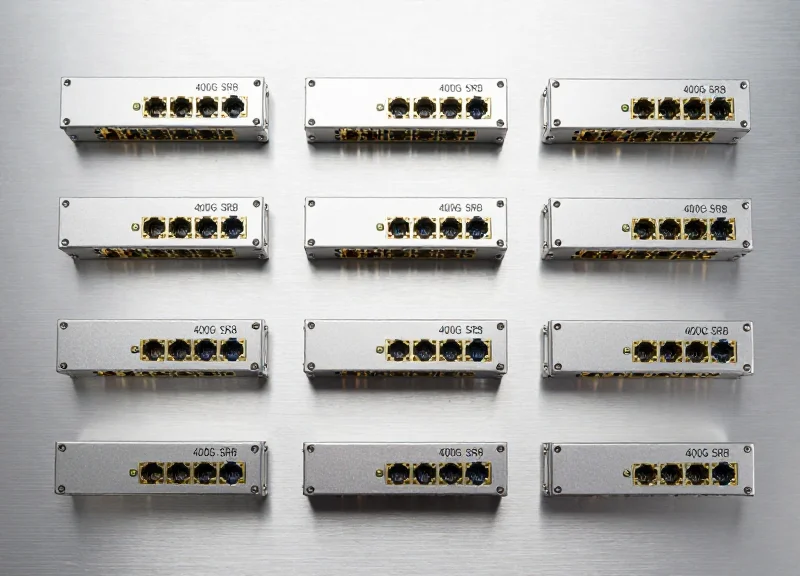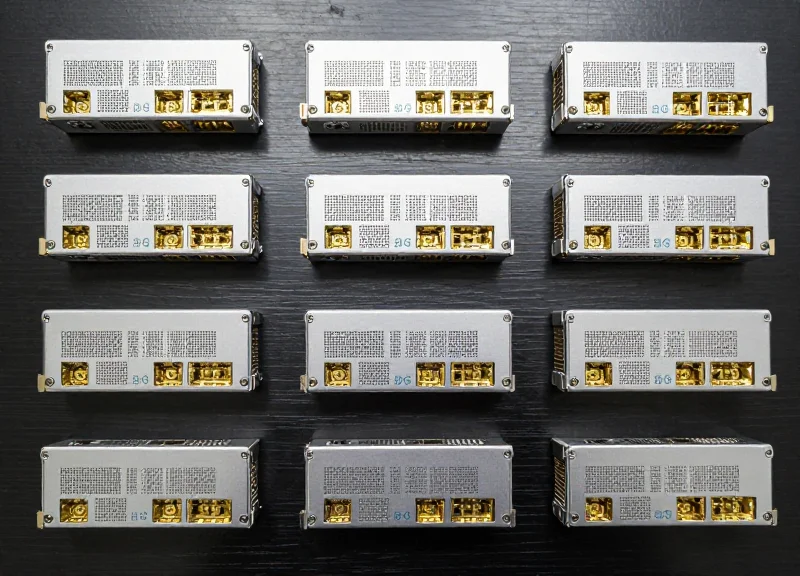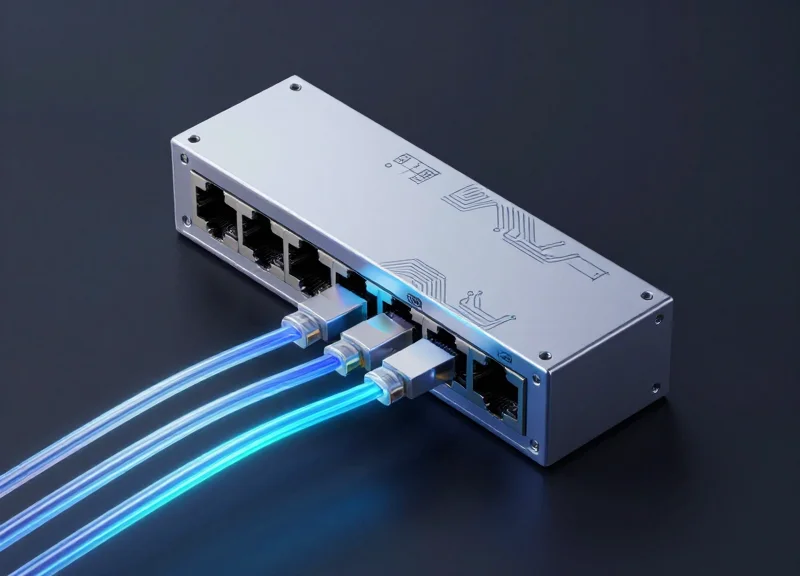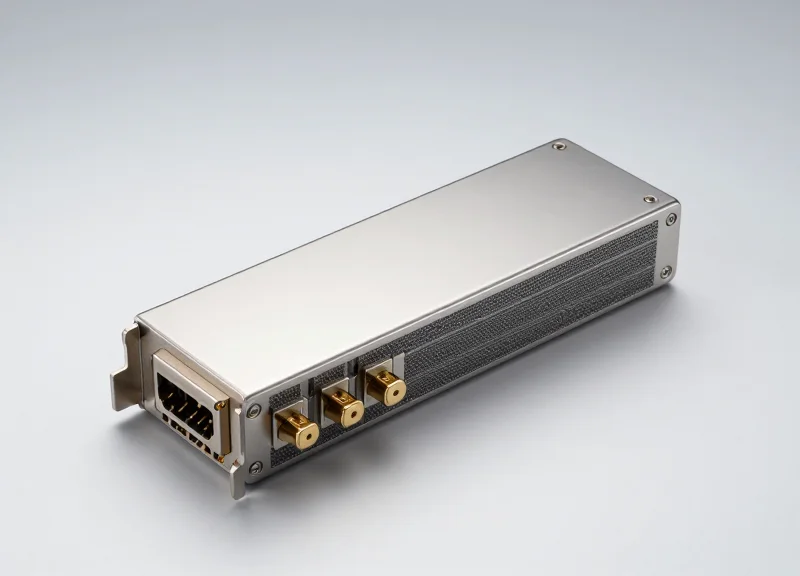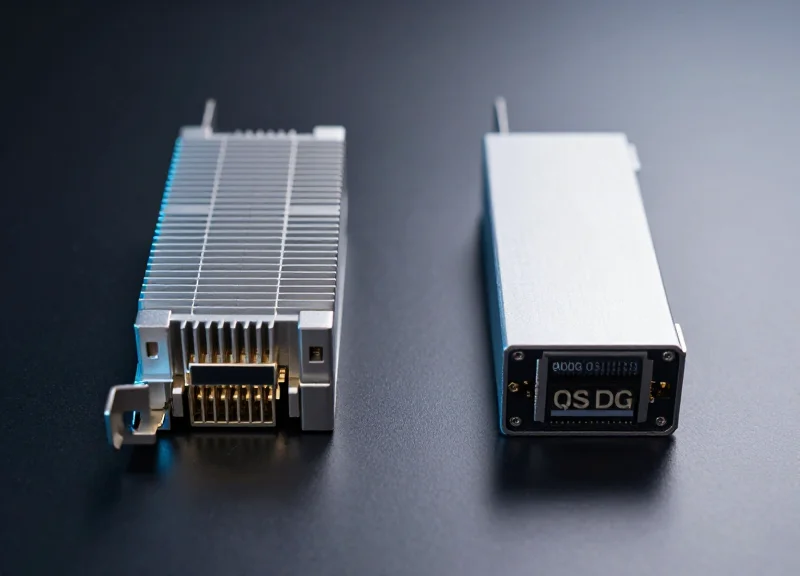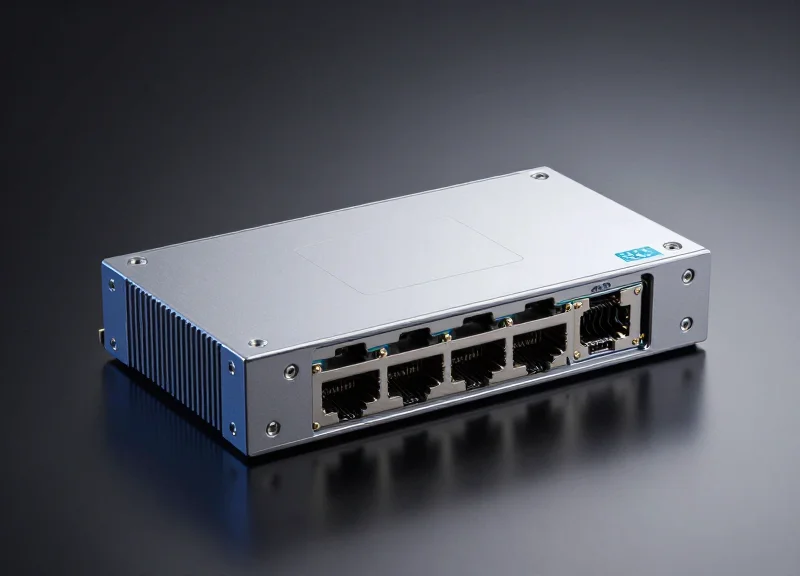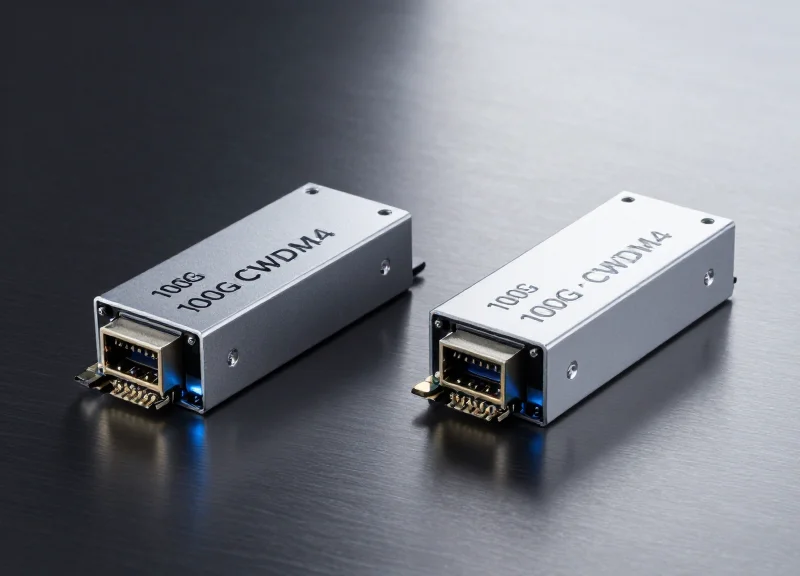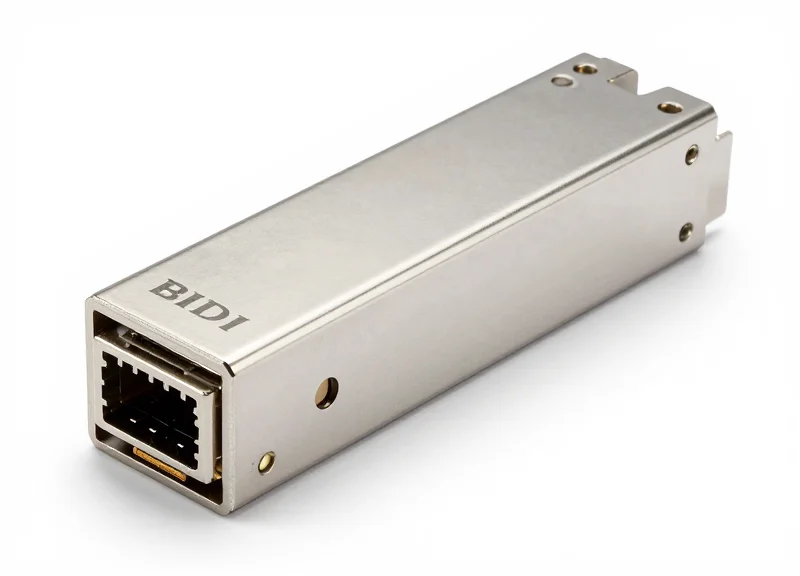
In an era where digital transformation defines educational and corporate success, campus networks are under unprecedented pressure to deliver high-speed, low-latency connectivity. Scaling these infrastructures requires a strategic approach to procurement. Ubytelink bridges the gap between premium performance and budget constraints by offering factory-direct wholesale pricing and tailored OEM/ODM options for fiber connectivity modules, ensuring your network is built for both today's demands and tomorrow's innovations.
The Growing Bandwidth Crisis in Modern Campus Environments

The bandwidth crisis in modern campus environments is no longer a future prediction but a current operational reality that threatens institutional efficiency. As academic and corporate campuses integrate high-density IoT networks, AI-driven research labs, and seamless hybrid conferencing, traditional 1G and 10G backbones are reaching their physical limits. To maintain competitive excellence and operational stability, institutions are increasingly turning to wholesale fiber procurement to secure the massive, low-latency throughput required for 400G-ready infrastructures.
Key Catalysts for Campus Network Exhaustion
Several factors have converged to create a 'perfect storm' for network administrators. Scientific research now involves petabyte-scale datasets that must be moved between local compute clusters and the cloud. Simultaneously, student and faculty expectations for 'always-on' high-definition video streaming and XR (Extended Reality) learning tools have transformed bandwidth from a luxury into a utility as vital as electricity. This demand is compounded by the densification of campus housing and the proliferation of mobile devices per user.
| Standard | Typical Use Case | Capacity Limit | Suitability for 2026 |
|---|---|---|---|
| Legacy 1G/10G | General Administration | Low to Moderate | Insufficient for Video/Research |
| Standard 100G | Core Aggregation | High | Minimum for Research Hubs |
| Next-Gen 400G | Data Center Interconnect (DCI) | Ultra-High | Future-Proof Campus Backbone |
Infrastructure Challenges & Solutions FAQ
- How does IoT impact campus bandwidth?
Every smart sensor, HVAC controller, and security camera adds a persistent stream of telemetry data, creating a massive cumulative load on the network edge that requires robust backhaul. - Why is 400G becoming the new standard?
400G provides the necessary headroom to handle peak traffic spikes during synchronous hybrid learning events and large-scale data migrations without latency or packet loss. - What is the benefit of wholesale fiber over retail?
Wholesale fiber allows institutions to lease dark fiber or high-capacity lit services at bulk pricing, significantly reducing the price-per-megabit compared to traditional enterprise contracts.
The shift toward 400G is not merely about speed; it is about infrastructure density. Modern fiber-optic cables used in wholesale deployments offer significantly higher core counts, allowing campuses to logically segment their networks for security, research, and general administration while maintaining a unified physical footprint. This architectural flexibility is essential for the 2026 landscape where data sovereignty and network slicing are becoming top priorities for CIOs.
Why Choose Wholesale Procurement for Fiber Modules?
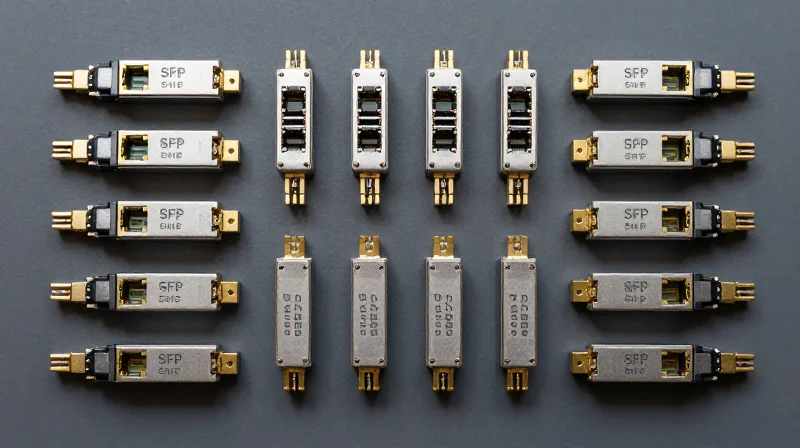
Transitioning to wholesale procurement for campus fiber connectivity is a strategic move that moves beyond simple unit-price reduction; it serves as a hedge against market volatility and a catalyst for infrastructure uniformity. By bypassing traditional retail channels, educational and corporate campuses can secure bulk pricing for critical components like 10G SFP+ or 400G QSFP-DD modules, ensuring that multi-phase rollouts remain within budget even as global supply chains fluctuate.
Economic Impact: Retail vs. Wholesale Procurement
The financial discrepancy between retail and wholesale sourcing becomes more pronounced as the scale of the deployment increases. Wholesale agreements often include tiered pricing structures and 'price lock' guarantees that are unavailable to ad-hoc purchasers.
| Feature | Retail Procurement | Wholesale Procurement |
|---|---|---|
| Unit Pricing | Standard Market Rate | Volume-Discounted (Up to 40-60% less) |
| Price Stability | Subject to Daily Fluctuations | Contractual Price Protection |
| Supply Priority | Lowest Priority (Stock-on-Hand) | Allocated Inventory & Buffer Stock |
| Technical Support | Generic Helpdesk | Dedicated Account Engineering |
Logistical Resilience and Supply Chain Stability
Large campus environments often face unique challenges regarding hardware compatibility and deployment timelines. Buying wholesale allows IT departments to receive large batches of the same hardware revision, which drastically simplifies firmware management and troubleshooting across thousands of nodes.
Reducing Lead Times with Scheduled Deliveries
Wholesale contracts often allow for 'blanket orders,' where a campus commits to a total quantity for the year but receives shipments on a staggered schedule. This ensures that hardware is available exactly when the installation teams need it, without the campus having to store the entire inventory on-site simultaneously.
- What is the minimum threshold for wholesale fiber pricing?
While thresholds vary by vendor, wholesale benefits typically begin at 50 to 100 units for standard transceivers, or a specific total contract value for high-end 400G optics. - Does bulk buying affect the warranty or return policy?
No. Professional wholesale agreements include comprehensive hardware warranties and often provide expedited Advanced Replacement Services (ARS) that exceed standard retail protections. - Can we mix different module types in a single wholesale quote?
Yes. Custom wholesale quotes are designed to be holistic, allowing campuses to bundle 1G, 10G, 100G, and 400G optics into a single procurement package to maximize total volume discounts.
Custom OEM/ODM Solutions: Tailoring Hardware to Your Network Architecture
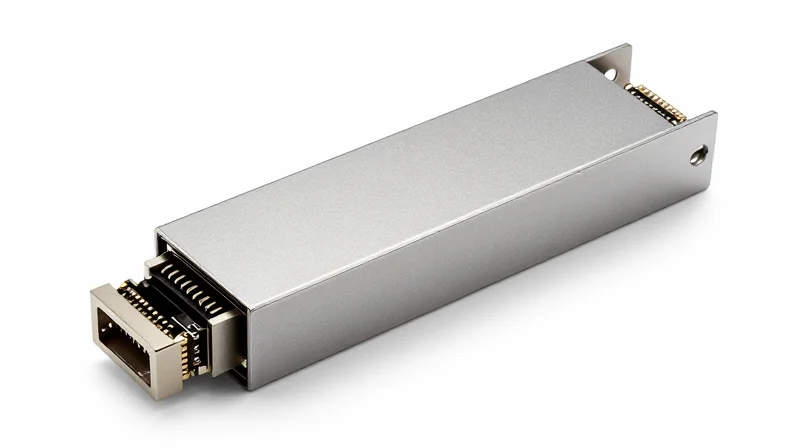
Ubytelink’s OEM/ODM solutions bridge the gap between high-volume wholesale pricing and the precise technical requirements of complex campus environments. By offering bespoke firmware coding, physical branding, and specialized hardware testing, we enable IT departments to integrate high-density fiber modules into legacy or multi-vendor architectures without the risk of software lock-outs or performance degradation.
The Engineering Advantage: Custom Firmware and EEPROM Coding
The primary challenge in modern campus networking is vendor lock-in. Many tier-one switch manufacturers program their hardware to reject third-party transceivers. Our ODM services involve deep-level EEPROM (Electrically Erasable Programmable Read-Only Memory) customization. We program each module with the specific vendor signatures required by your core switches and edge routers, ensuring 'plug-and-play' compatibility across brands like Cisco, Arista, and Juniper simultaneously.
| Feature | Generic Wholesale Modules | Ubytelink OEM/ODM Solution |
|---|---|---|
| Vendor Compatibility | Single-vendor or 'Generic' signatures | Multi-vendor universal coding (Simultaneous) |
| Asset Tracking | Standard manufacturer serials | Custom serialization & MAC address mapping |
| Physical Branding | Generic labeling | Custom laser engraving & private labeling |
| DOM/DDM Tuning | Standard thresholds | Application-specific diagnostic calibration |
Physical Customization for Scale and Identification
In a campus data center with thousands of fiber terminations, identification is a significant operational hurdle. Our OEM capabilities extend to the physical hardware, allowing for custom pull-tab colors to differentiate between service levels (e.g., Research Net vs. Admin Net) and private labeling for streamlined internal asset management. This physical tailoring, combined with custom-length cabling and specialized connector housings, ensures that the hardware fits the unique spatial constraints of your rack architecture.
Frequently Asked Questions About Custom Fiber Solutions
- What is the typical lead time for custom-coded modules?
While standard bulk orders ship immediately, custom firmware configurations typically add 3-5 business days to the processing time, depending on the complexity of the vendor environment. - Can we specify custom serial number sequences?
Yes. We can apply custom serialization that matches your university's internal procurement or asset-tracking database for easier lifecycle management. - Is there a Minimum Order Quantity (MOQ) for ODM branding?
Private labeling and physical casing changes generally require a minimum volume, whereas custom software coding is available for any wholesale-tier order. - Does custom firmware affect the hardware warranty?
No. Our custom-coded modules carry the same lifetime warranty as our standard units, and we guarantee they will not void your host switch's hardware warranty.
Critical Technical Standards for Campus Fiber Connectivity
Critical Technical Standards for Campus Fiber Connectivity
Technical standards for campus fiber connectivity serve as the blueprint for network reliability, ensuring that hardware from various vendors operates harmoniously across sprawling physical infrastructures. For 2026 deployments, adhering to IEEE 802.3 standards while balancing optical link budgets is essential for supporting 10G to 400G migrations within both the backbone and the network edge. Selecting the correct specifications prevents signal degradation and ensures that bulk-purchased hardware remains compatible with future-generation switches and routers.
Optical Reach and Wavelength Selection
Campus networks typically employ a mix of Multi-mode Fiber (MMF) for short-reach intra-building connections and Single-mode Fiber (SMF) for long-reach inter-building links. Standardizing on 1310nm for intermediate reaches up to 10km (LR) and 1550nm for extended distances beyond 40km (ER/ZR) ensures signal integrity across the entire campus perimeter. Wholesale procurement strategies must account for these variations to avoid over-spending on long-range modules where short-range optics would suffice.
| Module Type | Standard | Max Distance | Primary Application |
|---|---|---|---|
| SFP+ SR | 802.3ae | 300m (OM3) | Intra-building Access Layer |
| SFP+ LR | 802.3ae | 10km (SMF) | Inter-building Distribution |
| QSFP28 SR4 | 802.3bm | 100m (OM4) | Campus Data Center Core |
| QSFP28 LR4 | 802.3ba | 10km (SMF) | High-Speed Campus Backbone |
Power Efficiency and Thermal Design
In high-density campus distribution frames, power consumption per module is a critical metric. Wholesale buyers must prioritize transceivers with low power dissipation (typically <1.5W for 10G and <3.5W for 100G) to minimize heat buildup. This design choice extends the operational lifespan of the host switches and significantly reduces cooling costs in non-environmentally controlled wiring closets common in older academic buildings.
Technical Compliance FAQ
- What is the importance of DOM/DDM support in campus optics?
Digital Optical Monitoring (DOM) or Digital Diagnostic Monitoring (DDM) allows network administrators to monitor real-time parameters such as temperature, laser bias current, and optical power. This is essential for proactive maintenance across a large campus. - Should we use BiDi (Bidirectional) modules for campus networks?
BiDi modules are highly effective when fiber counts are limited, as they allow for transmitting and receiving on a single strand. They are often used in campus environments to double capacity without laying new fiber cables. - How does FEC affect transceiver compatibility?
Forward Error Correction (FEC) is often required for 25G and 100G links to maintain low bit-error rates. Ensure that bulk-ordered modules have firmware that matches the FEC settings of your campus's existing switch fabric.
Ensuring Interoperability in Multi-Vendor Environments
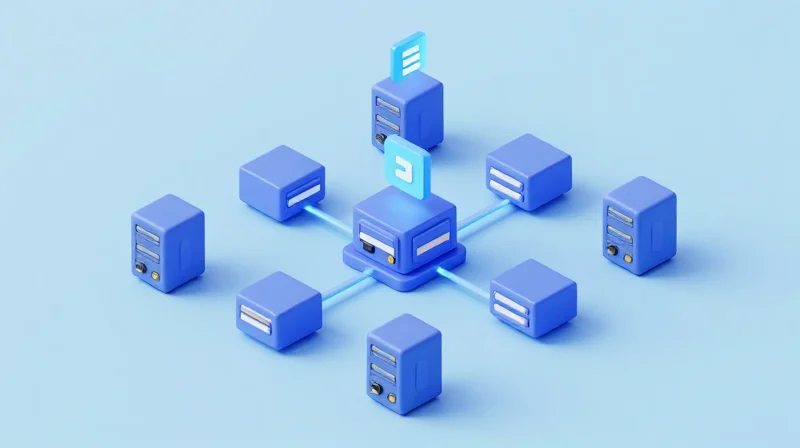
Achieving 100% interoperability in a modern campus fiber environment requires moving beyond generic hardware to precision-programmed optics that emulate the specific EEPROM signatures required by major switch and router manufacturers. Ubytelink addresses the challenge of vendor lock-in by providing wholesale modules that are flash-programmed with specific firmware to ensure they are recognized as 'native' by proprietary operating systems like Cisco IOS, Juniper Junos, and Arista EOS, thereby eliminating port lockout and performance throttling.
Overcoming Proprietary Vendor Lock-in
Many Tier-1 networking vendors implement a 'software-defined lockout' where the hardware checks for a specific vendor ID and checksum in the optical module's memory. If the data does not match, the port is disabled or limited in functionality. Ubytelink's programming lab utilizes advanced coding tools to match these signatures exactly, ensuring that when you buy campus fiber connectivity wholesale in 2026, your transceivers function as high-performance equivalents to much more expensive OEM-branded alternatives.
| Vendor Platform | Compatibility Status | Key Integration Feature |
|---|---|---|
| Cisco Catalyst/Nexus | 100% Native Recognition | Bypasses 'Service Unsupported-Transceiver' errors automatically. |
| Juniper EX/MX Series | Full DOM/DDS Support | Seamless integration with Junos OS diagnostic commands. |
| Arista 7000 Series | Transparent Connectivity | Identifies as native Arista optics for zero-latency monitoring. |
| Dell/HP/Aruba | Universal Compatibility | Dual-coded firmware for mixed-edge environments. |
Reliability and Real-Time Diagnostics
Interoperability is not just about the link being 'up'; it is about maintaining visibility. Ubytelink modules support Digital Optical Monitoring (DOM), allowing campus IT administrators to monitor temperature, voltage, and optical power levels directly through their existing network management software, regardless of whether the underlying hardware is Cisco, Juniper, or Arista. This ensures that wholesale deployments maintain the same telemetry standards as premium-priced OEM components.
Interoperability FAQ for Campus IT Directors
- Will using Ubytelink modules void my host switch warranty?
No. Under the Magnuson-Moss Warranty Act (and similar international protections), a manufacturer cannot void a hardware warranty simply for using third-party components unless those components directly cause damage to the device. - Can one module be programmed for two different vendors?
While standard modules are programmed for one specific vendor, Ubytelink offers multi-coded solutions and field-programmable tools that allow modules to be updated or switched between vendor platforms as network requirements change. - How does Ubytelink handle new firmware updates from Cisco or Arista?
We constantly monitor OS release notes and test our firmware against the latest software patches to ensure continued compatibility even after significant system upgrades.
Quality Assurance and EEAT Compliance in Manufacturing

Quality Assurance and EEAT Compliance in Manufacturing
Guaranteeing the longevity of campus fiber infrastructure begins with a manufacturing philosophy rooted in Experience, Expertise, Authoritativeness, and Trustworthiness (EEAT). For wholesale procurement, this translates to strict adherence to Tier-1 testing protocols and the employment of expert optical engineers who oversee the entire production lifecycle. This ensures that every transceiver, patch cable, and distribution frame exceeds the technical demands of high-bandwidth academic environments, where downtime is not an option.
Rigorous Testing for Mission-Critical Campus Backbones
Every batch of wholesale fiber optics undergoes a multi-stage battery of tests designed to simulate the high-density traffic and environmental variability of a sprawling campus. These protocols go beyond basic connectivity checks, focusing on the signal integrity and physical durability required for 2026 standards.
| Test Category | Standard Wholesale Grade | Ubytelink Premium Assurance |
|---|---|---|
| Optical Integrity | Statistical sample testing | 100% individual testing for insertion loss |
| Signal Quality | Standard BER testing | Advanced Bit Error Rate (BER) and Eye Pattern analysis |
| Compatibility | Generic coding | System-specific coding for Cisco, Juniper, Arista, etc. |
| Environmental | Basic thermal rating | Accelerated aging and high-humidity stress testing |
Global Certifications and Compliance Standards
Compliance with international standards is the benchmark of an authoritative manufacturer. These certifications provide institutional buyers with the confidence that their fiber investment meets safety, environmental, and technical benchmarks required for large-scale public and private deployments.
- ISO 9001:2015 Quality Management
Ensures a consistent quality management system is in place for manufacturing and assembly of optical components. - RoHS and REACH Compliance
Guarantees that fiber products are free from hazardous substances, aligning with the sustainability goals of modern educational institutions. - CE and FCC Certification
Validates that active components like transceivers meet electromagnetic interference standards for safe operation in dense IT environments.
Frequently Asked Questions on Fiber Quality Control
- Why is EEAT important when buying fiber wholesale?
EEAT ensures your provider has the technical expertise to provide accurate advice and the authority to stand behind their products with long-term warranties, reducing infrastructure risk. - How is the lifespan of a transceiver module predicted?
Manufacturers use Mean Time Between Failures (MTBF) data derived from long-term stress testing at varying temperatures to predict a reliable service life of 10-15 years. - Do you provide test reports with bulk orders?
Yes, high-tier wholesale providers include detailed test reports (often via cloud access) for every serialized module and cable in the batch to facilitate institutional audits.
Calculating Total Cost of Ownership (TCO) for Campus Upgrades
When assessing the cost of a campus-wide network overhaul, the initial purchase price of transceivers and fiber cabling represents only the visible tip of the iceberg. True Total Cost of Ownership (TCO) accounts for the capital expenditure (CapEx) of wholesale hardware combined with the long-term operational expenditure (OpEx) driven by power consumption, maintenance cycles, and the potential cost of network downtime. By leveraging wholesale custom quotes for carrier-grade components, institutions can lock in high-performance hardware that significantly reduces 'truck roll' expenses and premature failure rates over a five-to-ten-year lifecycle.
CapEx vs. OpEx: The 5-Year Campus Comparison
| Cost Metric | Budget/Generic Grade | Ubytelink Wholesale Grade |
|---|---|---|
| Initial Unit Price | Lower (Short-term gain) | Competitive (Wholesale Bulk) |
| Failure Rate (AFR) | 3% - 5% Annually | <0.1% Annually |
| Replacement Labor | $250+ per incident | Near Zero |
| Power Efficiency | Standard draw | Optimized/Low-Power Designs |
| 5-Year Projected TCO | Higher (Cumulative replacements) | Lower (Stable Infrastructure) |
How Reliability Drives Down Maintenance Costs
The primary driver of TCO in large-scale deployments like university or corporate campuses is the labor associated with troubleshooting and replacing failed optics. A single failed SFP+ or QSFP28 module in a remote distribution frame can cost hundreds of dollars in staff time and travel. Wholesale reliability, guaranteed by rigorous manufacturing standards and 100% compatibility testing across Cisco or Arista platforms, ensures that the Mean Time Between Failure (MTBF) aligns with the expected life of the network switch itself. This 'set and forget' reliability is where the real savings of wholesale bulk pricing are realized.
- How does wholesale bulk pricing impact the spare parts strategy?
Wholesale pricing allows IT departments to acquire a larger volume of 'cold spares' at the same budget as retail-priced units. This reduces the time-to-recovery for critical links, as replacements are available on-site rather than waiting for shipping. - Why is power consumption included in TCO calculations?
In high-density campus data centers, every watt matters. High-quality wholesale modules often utilize superior chipsets that consume less power and generate less heat, leading to significant secondary savings in cooling costs over thousands of ports. - Does interoperability affect long-term costs?
Absolutely. Using multi-coded, programmed modules that work across different hardware vendors prevents 'vendor lock-in.' This allows campus administrators to upgrade switches or routers without being forced to replace the entire fiber optic inventory.
Streamlining Global Logistics and Lead Times

Overcoming Supply Chain Volatility in Campus Deployments
For large-scale campus environments, delays in hardware arrival translate directly to increased labor costs and missed operational deadlines. Ubytelink mitigates these risks by managing a global supply chain that prioritizes real-time inventory visibility and strategic distribution hubs, ensuring that bulk fiber connectivity orders arrive precisely when your installation teams are ready to deploy. By synchronizing manufacturing cycles with logistical pipelines, we provide a predictable arrival window even for high-volume custom orders.
Strategic Inventory and Buffer Stocking
To support the 2026 demand for higher bandwidth, Ubytelink maintains extensive buffer stocks of high-demand modules, such as 100G and 400G transceivers and high-density MTP/MPO cabling. This localized inventory strategy allows us to bypass the standard 8-12 week lead times common in the industry, often reducing delivery windows to mere days for domestic projects.
| Logistics Tier | Order Volume | Typical Lead Time | Best For |
|---|---|---|---|
| Express In-Stock | Small to Medium | 1-3 Business Days | Emergency replacements and pilot testing. |
| Standard Bulk | Campus Core Upgrades | 2-4 Weeks | Scheduled infrastructure refreshes. |
| Custom Manufacturing | Enterprise/Hyperscale | 6-10 Weeks | Specialized cable lengths and proprietary modules. |
Global Compliance and Customs Expertise
International campus expansions face the added complexity of varied import regulations. Our logistics team handles all Delivered Duty Paid (DDP) arrangements, navigating the nuances of VAT, import tariffs, and compliance certifications (such as CE, RoHS, and FCC). This end-to-end management ensures that your wholesale connectivity shipment doesn't get stalled at a port of entry, maintaining the momentum of your network rollout.
Logistics FAQ for Wholesale Buyers
- Can Ubytelink manage staggered deliveries for multi-phase projects?
Yes. We offer 'Just-in-Time' delivery schedules where bulk orders are warehoused by us and released in phases to match your specific construction or upgrade timeline. - Do you offer tracking and real-time updates for bulk shipments?
Every wholesale order includes comprehensive tracking from the point of dispatch to the final campus loading dock, with dedicated account managers providing weekly status reports for large-scale projects. - What measures are taken to protect fiber optics during transit?
We utilize specialized high-impact packaging and climate-monitored shipping for sensitive optical components to ensure signal integrity remains intact upon arrival.
Navigating the complexities of campus-wide network upgrades requires more than just high-quality hardware; it requires a manufacturing partner committed to your growth. Ubytelink provides the industry-leading optical solutions and flexible wholesale terms necessary to future-proof your connectivity. Ready to optimize your infrastructure? Contact Ubytelink today for a custom quote and discover the advantages of our OEM/ODM expertise.