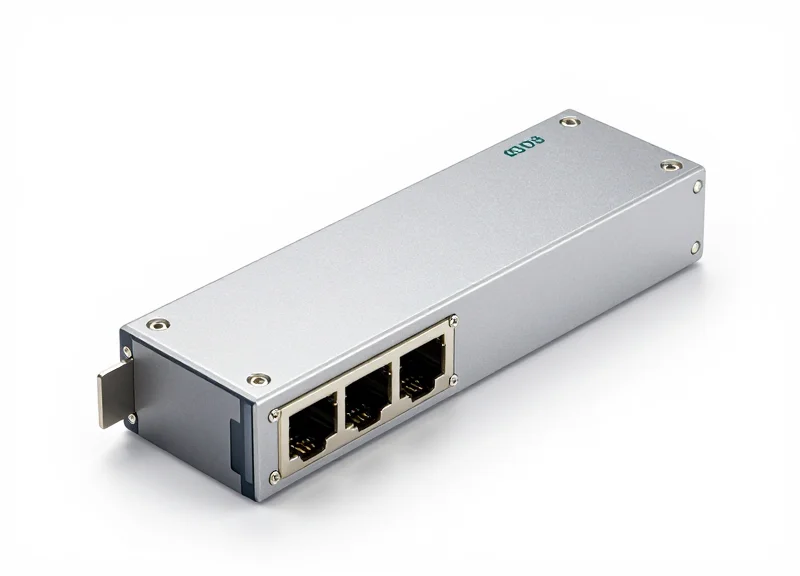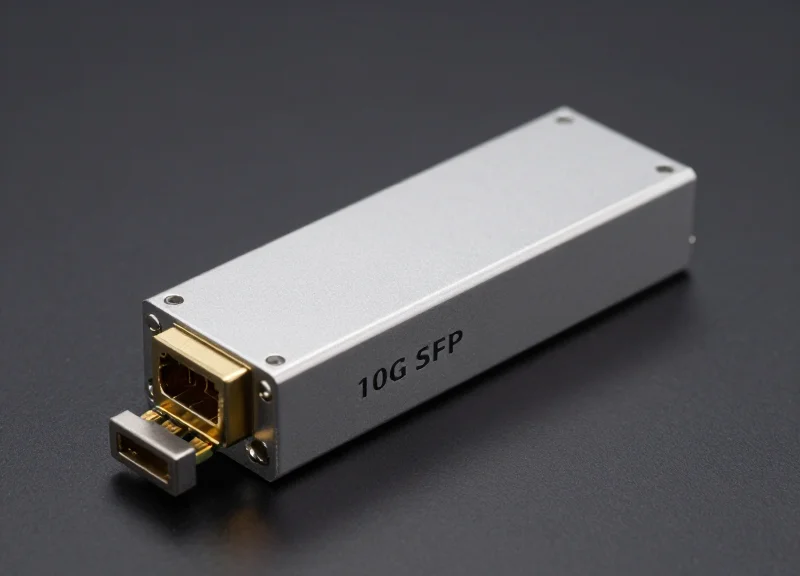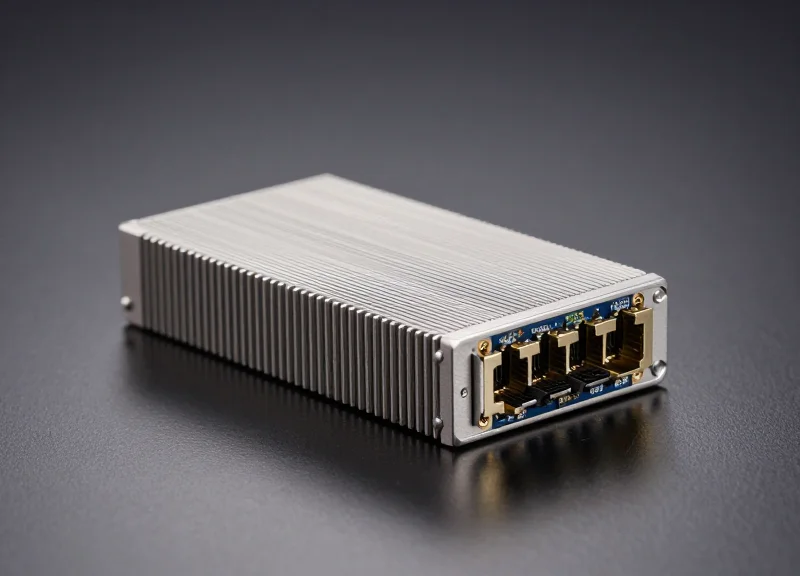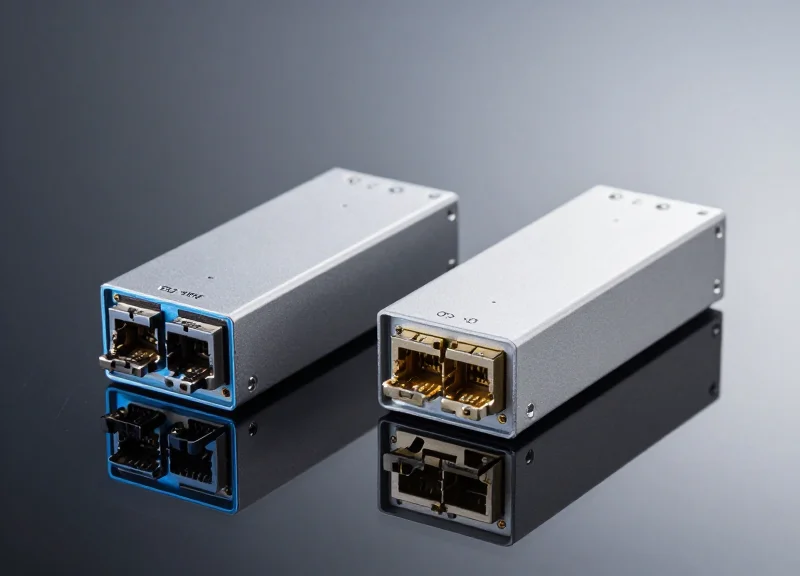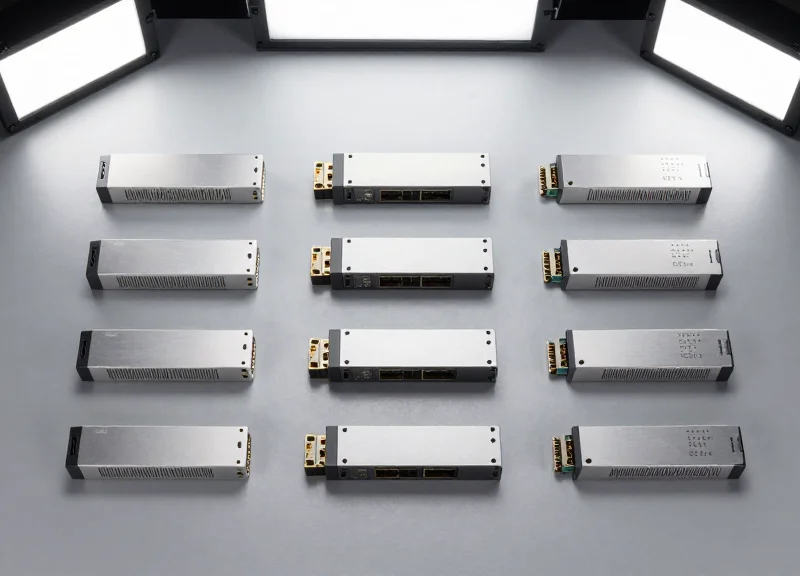
In the rapidly evolving landscape of data centers and enterprise networking, the demand for reliable, high-performance optical transceivers has never been higher. However, the high cost of original equipment manufacturer (OEM) modules often limits scalability. Ubytelink bridges this gap by offering enterprise-grade transceivers with an industry-leading lifetime warranty and wholesale pricing, ensuring your network scales without compromising on quality or budget.
Understanding the Strategic Importance of Wholesale Optics in 2026

Understanding the Strategic Importance of Wholesale Optics in 2026
In 2026, the strategic importance of wholesale optics is defined by the unprecedented surge in bandwidth requirements driven by Generative AI, 5G expansion, and edge computing. Procuring transceivers in bulk—specifically with lifetime warranties—allows organizations to stabilize their supply chains against geopolitical volatility while ensuring that their long-term OpEx remains predictable. By securing custom quotes for high-density optics like 400G and 800G modules, enterprises move beyond simple hardware acquisition to building a resilient foundation for future-proofed digital infrastructure.
2026 Market Shifts: Retail vs. Wholesale Strategic Sourcing
The transition to high-speed 400G and 800G architectures has fundamentally changed the financial math for network engineers. Where 10G optics were once considered disposable commodities, the high unit cost of modern coherent optics makes failure a significant budgetary risk. Wholesale sourcing mitigates this by locking in volume discounts early in the project lifecycle.
| Feature | 2023 Procurement Standard | 2026 Wholesale Strategic Shift |
|---|---|---|
| Typical Bandwidth | 10G / 100G | 400G / 800G Dominance |
| Warranty Terms | Standard 1-3 Years | Comprehensive Lifetime Coverage |
| Inventory Strategy | Just-in-Time (JIT) | Strategic Stockpiling & Buffer |
| Pricing Model | Fixed MSRP | Dynamic Custom Quoting |
Wholesale Optics FAQ: Maximizing Value in 2026
- How does bulk pricing impact the total cost of ownership (TCO)?
Bulk pricing significantly reduces the per-unit cost, often by 25-45% compared to retail. When paired with a lifetime warranty, it virtually eliminates future replacement costs, which is essential for maintaining 99.999% uptime in hyperscale environments. - Why is a lifetime warranty critical for 400G+ deployments?
Next-generation high-speed optics operate under extreme thermal conditions and tighter tolerances. A lifetime warranty acts as a long-term hedge against the higher failure rates occasionally associated with early-stage high-density hardware. - Can custom quotes accommodate multi-vendor environments?
Yes. Modern wholesale providers offer custom-coded transceivers within a single bulk order to ensure seamless compatibility across Cisco, Arista, Juniper, and Dell platforms, reducing the need for multiple disparate vendors.
Ultimately, the shift toward wholesale optics in 2026 is about more than just lowering the price per port. It is about securing a partnership with a supplier that can provide the technical validation and long-term hardware guarantees required for the next decade of connectivity.
The Lifetime Warranty Advantage: Reducing Total Cost of Ownership (TCO)
The Lifetime Warranty Advantage: Reducing Total Cost of Ownership (TCO)
Choosing to buy lifetime warranty for transceivers wholesale is a strategic financial decision that transforms a volatile operational expense into a predictable, one-time capital investment by mitigating the risks of hardware failure over the network's entire lifecycle. While initial bulk pricing may carry a modest premium compared to limited-warranty alternatives, the Total Cost of Ownership (TCO) is drastically reduced because network administrators are shielded from the high costs of out-of-warranty replacements, shipping logistics for failed units, and the administrative overhead associated with managing short-term support contracts.
Comparing Financial Impacts: Standard vs. Lifetime Warranty
| Cost Factor | Standard 1-3 Year Warranty | Lifetime Wholesale Warranty |
|---|---|---|
| Replacement Costs | Market price at time of failure | $0 (Fully Covered) |
| Budget Predictability | Low (Subject to hardware aging) | High (Fixed CAPEX) |
| Maintenance Overhead | High (Frequent contract renewals) | Low (Single point of support) |
| Hardware Lifecycle | 3-5 years average coverage | Indefinite/Network Life |
| Risk of Obsolescence | High cost to replace legacy units | Seamless swap for compatible parts |
Beyond direct hardware savings, the 'lifetime' aspect of wholesale optics ensures that as your network scales or migrates, the underlying assets remain protected. In high-density environments like Tier-2 data centers or enterprise campuses, a 1-2% failure rate across thousands of units can result in tens of thousands of dollars in unplanned expenditures. A wholesale lifetime warranty absorbs this risk, allowing IT departments to reallocate their maintenance budgets toward innovation and infrastructure expansion rather than simple hardware upkeep.
Operational Benefits and FAQs
- Does a lifetime warranty cover compatibility issues with future hardware?
Most premium wholesale lifetime warranties include firmware support, ensuring that transceivers can be updated or replaced to maintain compatibility as you upgrade your switches or routers. - How does bulk pricing affect the value of the warranty?
When purchasing at scale, the per-unit cost of the warranty is significantly diluted, making the 'insurance' cost per transceiver negligible while the cumulative savings on replacements remain high. - What happens if a specific transceiver model is discontinued?
Reputable wholesale vendors typically provide a functionally equivalent or superior replacement if the original part number is no longer in production, effectively future-proofing the network.
Ultimately, the lifetime warranty advantage is about peace of mind and financial discipline. By securing custom quotes for bulk pricing in 2026 that include comprehensive coverage, organizations can ensure that their 40G, 100G, or 400G deployments remain cost-effective for the next decade of service.
Wholesale Pricing vs. Retail: Maximizing Your Infrastructure Budget
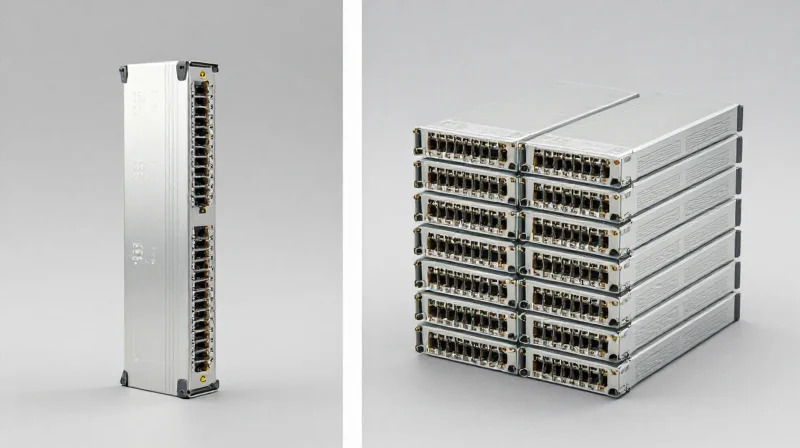
Transitioning from retail to wholesale procurement represents more than just a volume discount; it is a fundamental shift in infrastructure economics. By leveraging bulk pricing, organizations can effectively bypass the high margins associated with single-unit retail sales, often achieving cost savings of 40% to 60%. This budget optimization allows network architects to deploy higher-density hardware or establish comprehensive redundancy protocols that would otherwise be cost-prohibitive under standard retail pricing models.
Comparative Analysis: Retail Procurement vs. Wholesale Strategy
| Feature | Retail / Single-Unit | Wholesale / Bulk (2026) |
|---|---|---|
| Price Per Unit | MSRP (Highest) | Tiered Discounts (Lowest) |
| Budget Elasticity | Fixed / Limited | High (More hardware per $) |
| Lead Times | Varies by Stock | Prioritized Shipping |
| Customization | Standard Specs Only | Custom Coding / Labeling |
| Warranty Scope | Standard 1-3 Years | Enhanced Lifetime Warranty |
Maximizing ROI through Strategic Bulk Quotes
In the 2026 networking landscape, the ROI of a project is heavily influenced by initial Capital Expenditure (CapEx). When you buy lifetime warranty for transceivers wholesale, the 'custom quote' process becomes a tool for financial planning. Wholesale vendors provide tiered pricing that scales with project size, meaning as your network grows, your cost-per-port decreases. This allows for a faster break-even point on new 100G or 400G infrastructure upgrades.
The Hidden Value of Custom Quotes
A custom wholesale quote is not merely a price list. It often includes value-added services such as specialized compatibility testing for multi-vendor environments and pre-staged logistics. These services reduce the operational overhead of the deployment phase, further contributing to the total cost of ownership (TCO) reduction beyond the initial purchase price.
Frequently Asked Questions Regarding Wholesale Procurement
- What is the minimum quantity for wholesale pricing?
While it varies by vendor, wholesale tiers typically begin at 50 to 100 units, with deeper discounts unlocked at the 500+ and 1,000+ unit thresholds. - Does bulk pricing affect the quality of the lifetime warranty?
No. In fact, wholesale partners often provide more robust warranty support because the high-volume relationship justifies dedicated account management and faster RMA processing. - Can I mix different transceiver types in a single wholesale quote?
Yes. Most custom quotes allow for a mix of SFP+, QSFP28, and DAC cables to reach the volume threshold required for wholesale discounts.
OEM/ODM Customization: Tailoring Transceivers to Your Unique Specs
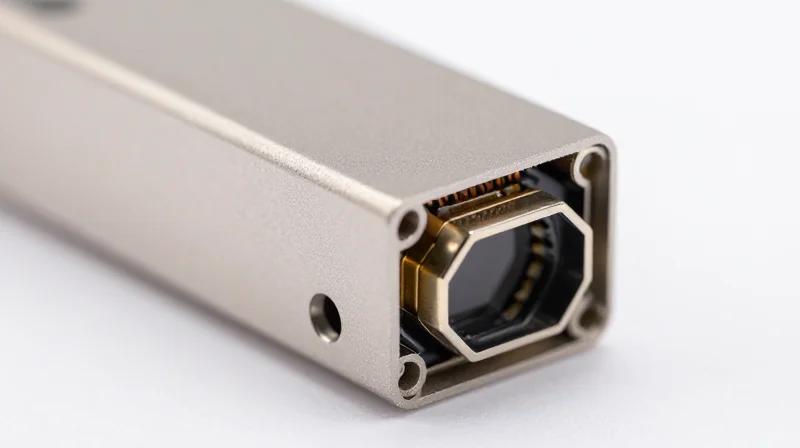
Original Equipment Manufacturer (OEM) and Original Design Manufacturer (ODM) services transform generic fiber optic components into specialized assets tailored to specific network architectures. By leveraging these services, wholesale buyers can dictate everything from internal firmware coding for vendor-specific compatibility to external physical branding, ensuring that every transceiver meets the precise operational demands of high-bandwidth infrastructure projects in 2026. This bespoke approach allows enterprises to bypass the limitations of 'one-size-fits-all' hardware while retaining the cost advantages of bulk procurement.
Technical Flexibility: Beyond Off-the-Shelf Limitations
Standard transceivers often fall short when dealing with non-standard fiber runs or proprietary hardware locks. Customization allows for the adjustment of optical parameters such as transmit power, receiver sensitivity, and specific wavelength tuning (DWDM/CWDM) to optimize performance over unique distances. Whether you require an SFP28 module optimized for a specific data center cooling profile or a QSFP-DD module with custom forward error correction (FEC) settings, OEM services provide the engineering precision necessary for specialized environments.
| Feature | Standard Wholesale | OEM/ODM Customization |
|---|---|---|
| Compatibility | Generic or Single-Brand | Multi-coded / Multi-vendor Support |
| Labeling | Manufacturer Default | Private Label / Custom Branding |
| Optical Specs | Fixed (e.g., 10km, 1310nm) | Variable / Bespoke Distance & Wavelength |
| Firmware | Static | Customizable for specific Network OS versions |
Branding and Private Labeling for Scalable Resale
For Managed Service Providers (MSPs) and large-scale distributors, private labeling is a critical component of brand identity. Ubytelink’s ODM services provide the ability to print custom logos, unique part numbers, and serialized tracking directly onto the transceiver casing and pull-tab. This not only streamlines internal inventory management but also enhances professional presentation for client-facing deployments, all while being backed by our comprehensive lifetime replacement guarantee.
Common Questions on Custom Transceiver Orders
- What is the typical lead time for custom OEM orders?
Depending on the complexity of the firmware and physical modifications, custom orders typically ship within 2 to 4 weeks after the prototype and specification sheet are approved. - Can custom-coded transceivers still carry a lifetime warranty?
Absolutely. Every custom-built transceiver under our OEM/ODM program is subjected to the same rigorous testing standards and is backed by our full lifetime warranty to ensure long-term ROI. - Is there a Minimum Order Quantity (MOQ) for customization?
While MOQs apply to custom physical molding or specialized hardware designs, firmware customization and private labeling are available for most bulk wholesale orders starting at 50 units.
By integrating OEM/ODM services into your 2026 procurement strategy, you ensure that your network hardware is not just a commodity, but a perfectly tuned instrument designed for your specific technical and branding requirements. Contact our engineering team for a custom quote to align your bulk purchase with your unique infrastructure goals.
Quality Assurance and Rigorous Testing Protocols
The Foundation of Reliability: Why Rigorous Testing is Non-Negotiable
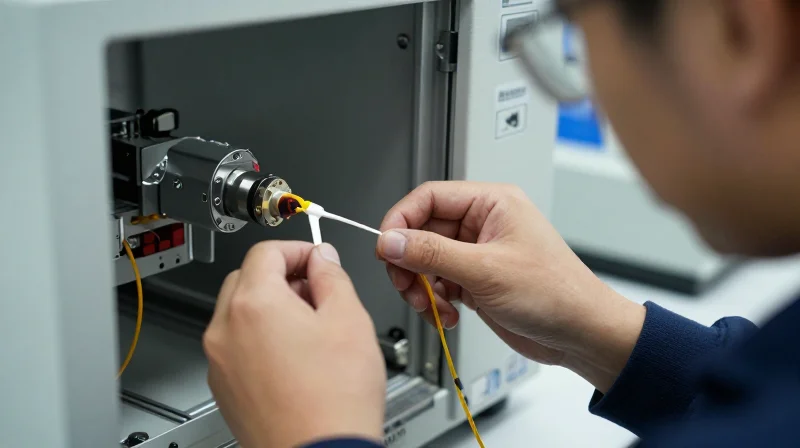
To offer a lifetime warranty on wholesale transceivers, manufacturers must implement a zero-failure quality control philosophy that extends far beyond basic assembly. Rigorous testing protocols ensure that every module—whether it is a 10G SFP+ or a 400G QSFP-DD—maintains peak signal integrity and hardware durability over decades of continuous operation. By simulating years of thermal stress and high-traffic load before shipping, suppliers can guarantee the long-term ROI and network uptime that enterprise and data center clients demand when purchasing in bulk.
Core Testing Categories for Wholesale Transceivers
| Test Category | Protocol Objective | Key Measurement Metric |
|---|---|---|
| Signal Integrity | Ensuring clean data transmission with minimal noise | Eye Diagram & Bit Error Rate (BER) |
| Compatibility | Verifying host switch recognition and DOM support | EEPROM Coding Verification |
| Environmental Stress | Accelerated aging through thermal cycling | -40°C to +85°C Operational Stability |
| Mechanical Testing | Ensuring physical connector longevity | Insertion/Extraction Cycle Counts |
Advanced signal integrity testing involves the use of high-performance oscilloscopes and Bit Error Rate Testers (BERT) to perform detailed Eye Diagram analysis. This visual representation of digital signals allows technicians to identify jitter, noise, and cross-talk that could cause packet loss in a live network. For wholesale orders, top-tier suppliers perform 100% testing on every unit rather than batch sampling, effectively eliminating 'dead on arrival' (DOA) units and preventing the early-life failures that typically plague low-cost, unverified hardware.
Quality Assurance FAQ: Performance and Compliance
- What certifications should I look for in wholesale transceivers?
Ensure the products meet CE, FCC, and RoHS standards. These certifications indicate the hardware complies with international safety, electromagnetic interference, and environmental hazard regulations. - How is compatibility tested for multi-vendor environments?
Testing labs utilize an extensive 'Compatibility Matrix' featuring actual host hardware from major brands like Cisco, Arista, and Juniper. This ensures the firmware correctly identifies and provides full Digital Optical Monitoring (DOM) data. - What is 'Burn-in' testing and why is it critical?
Burn-in testing involves running transceivers at high temperatures for 24 to 48 hours. This process forces 'infant mortality' failures to happen in the lab rather than in your production environment, ensuring only the most stable units are shipped.
By adhering to these stringent standards, wholesale providers like Ubytelink can confidently back their hardware with lifetime warranties. This level of quality assurance is the critical differentiator between a low-cost commodity and a high-reliability infrastructure component, providing peace of mind for network engineers managing mission-critical data paths.
Seamless Compatibility Across Multi-Vendor Environments
Ubytelink achieves seamless compatibility across multi-vendor environments by utilizing advanced EEPROM coding techniques that replicate the specific software signatures required by major hardware manufacturers. By bypassing proprietary vendor locks, our wholesale transceivers provide identical performance to OEM modules at a fraction of the cost, ensuring that your Cisco, Arista, or Juniper hardware recognizes the optics instantly as native components.
Eliminating Interoperability Barriers in Modern Data Centers
In the current networking landscape, most enterprises operate heterogeneous environments comprising hardware from several different manufacturers. The primary challenge in wholesale procurement is ensuring that a single batch of transceivers can function reliably across these different platforms without triggering 'unsupported transceiver' errors or system instability. Ubytelink addresses this by maintaining an extensive library of vendor-specific firmware, allowing us to code modules for virtually any network OS, including Cisco IOS, Arista EOS, and Juniper Junos.
| Network Vendor | Compatibility Status | System Recognition | Diagnostic Support (DOM) |
|---|---|---|---|
| Cisco Systems | 100% Guaranteed | Identified as Native | Full Support |
| Arista Networks | 100% Guaranteed | Identified as Native | Full Support |
| Juniper Networks | 100% Guaranteed | Identified as Native | Full Support |
| Mellanox/NVIDIA | 100% Guaranteed | Identified as Native | Full Support |
| Aruba/HP Enterprise | 100% Guaranteed | Identified as Native | Full Support |
Custom Coding for Multi-Vendor Wholesale Orders
When placing a custom wholesale quote for 2026, clients can specify the exact composition of their network. Our engineering team can segment a bulk order, providing 500 units coded for Cisco Nexus switches and 500 units for Arista leaf switches within the same shipment. This level of customization ensures that your procurement process remains streamlined while meeting the diverse technical requirements of your global infrastructure.
Frequently Asked Questions Regarding Compatibility
- Will using compatible transceivers void my original hardware warranty?
No. In the United States, the Magnuson-Moss Warranty Act protects consumers by making it illegal for manufacturers to void a hardware warranty simply because a third-party component was used, unless they can prove the component caused the specific failure. - How does Ubytelink verify compatibility for older legacy systems?
Our testing lab maintains a physical inventory of both current and legacy switches and routers. We physically plug and test modules into the actual hardware to verify link up, traffic integrity, and Digital Optical Monitoring (DOM) accuracy. - Can the modules be recoded if we change our hardware vendor later?
Yes, many of our modules support field-reprogramming via specific coding boxes, or they can be returned to our facility for firmware updates to match your new hardware environment.
How to Request a Custom Quote for Bulk Orders
How to Request a Custom Quote for Bulk Orders
Requesting a custom quote for bulk transceiver orders is a streamlined process designed to bridge the gap between technical requirements and procurement budgets. By engaging directly with dedicated account managers, organizations can leverage tiered pricing models that reflect the scale of their infrastructure projects. This approach ensures that every module—from 10G SFP+ to 800G QSFP-DD—is optimized for both cost-efficiency and the rigorous performance standards required by modern data centers. The goal is to provide a transparent, rapid-response mechanism that allows network engineers and purchasing officers to secure high-quality hardware with a guaranteed lifetime warranty.
The Step-by-Step Bulk Inquiry Process
- 1. Technical Specification Submission
Provide a detailed list of required form factors, data rates, transmission distances, and specific host-device compatibility (e.g., Cisco, Arista, or Juniper). - 2. Volume Tier Analysis
Specify the total unit volume. Ubytelink specialists analyze these figures to apply bulk discounts that are not available through standard retail channels. - 3. Quote Generation and Review
Receive a comprehensive proposal within 24-48 hours, detailing unit costs, lead times, and inclusive lifetime warranty terms. - 4. Sample Testing and Validation
For large-scale deployments, request sample units to verify 100% compatibility within your unique multi-vendor environment before final commitment. - 5. Order Finalization
Once validated, the quote is converted into a formal Purchase Order (PO) with locked-in pricing and prioritized logistics scheduling.
Required Information for a Competitive Quote
| Data Category | Required Details | Impact on Pricing |
|---|---|---|
| Form Factor | SFP, QSFP28, QSFP-DD, etc. | Determines base hardware cost. |
| Total Quantity | Units per SKU (e.g., 500+ units) | Triggers higher discount tiers. |
| Compatibility | Specific OEM Brand/Model | Affects coding and testing labor. |
| Delivery Timeline | Standard vs. Expedited shipping | Influences logistics and stock allocation. |
Bulk Procurement Frequently Asked Questions
- What is the Minimum Order Quantity (MOQ) for a custom quote?
While standard products have low MOQs, custom quotes and volume pricing typically begin at 50 to 100 units per SKU, depending on the transceiver complexity. - How long does it take to process a bulk order?
Standard bulk orders are usually processed and shipped within 3-7 business days, while custom OEM/ODM orders may require 2-4 weeks for specialized production and testing. - Is the lifetime warranty included in wholesale pricing?
Yes, Ubytelink’s lifetime warranty is a standard inclusion for all wholesale and bulk orders, providing long-term protection against manufacturing defects and compatibility issues.
Future-Proofing Your Network: Preparing for 400G and Beyond

Future-Proofing Your Network: Preparing for 400G and Beyond
Future-proofing a modern network requires a shift from reactive purchasing to a proactive, long-term strategy involving high-density optical modules like 400G QSFP-DD. By choosing to Buy Lifetime Warranty for Transceivers Wholesale, organizations secure a reliable migration path that protects their investment against the early hardware failures often associated with the increased power and thermal demands of next-generation optics. Wholesale partners who offer Custom Quotes & Bulk Pricing 2026 provide the necessary financial predictability to scale from 100G to 400G and eventually 800G without compromising on signal integrity or vendor interoperability.
The Shift to High-Density Optics: 400G vs. 800G
As data consumption spikes due to AI and cloud computing, 400G has become the new baseline for core networking. The transition involves moving from NRZ (Non-Return to Zero) to PAM4 (Pulse Amplitude Modulation) signaling, which increases complexity and requires more robust hardware testing. A wholesale partner ensures that every module—regardless of speed—is pre-validated for these high-performance environments.
| Technology Standard | Typical Form Factor | Max Data Rate | Ideal Application |
|---|---|---|---|
| 100G Ethernet | QSFP28 | 100 Gbps | Enterprise Core / Data Center Leaf |
| 400G Ethernet | QSFP-DD / OSFP | 400 Gbps | Hyperscale Data Centers / AI Fabrics |
| 800G Ethernet | OSFP / QSFP112 | 800 Gbps | Next-Gen AI Clusters / Terabit Routing |
Leveraging Wholesale Support for Seamless Migration
Migration is rarely a 'forklift upgrade'; it is an incremental process. Wholesale providers facilitate this by offering multi-rate transceivers and breakout configurations (e.g., 400G to 4x100G). This flexibility allows network engineers to upgrade switches in phases while maintaining connectivity with legacy 100G hardware. Securing these components through a bulk purchase agreement ensures that as you scale, your hardware costs remain flat even as performance requirements skyrocket.
- How does a lifetime warranty benefit 400G deployments?
400G modules operate at higher temperatures and power levels. A lifetime warranty provides a permanent safety net against the increased risk of thermal fatigue and component degradation over years of operation. - Why should I request a custom quote for 400G transceivers now?
Optical market prices fluctuate based on component availability. A custom quote for 2026 allows you to lock in bulk pricing, ensuring project budgets remain stable during long-term rollout phases. - Will 400G transceivers be compatible with future 800G ports?
Many 800G ports are designed to be backwards compatible with 400G QSFP-DD modules, making current 400G investments a viable long-term bridge to future speeds.
Choosing the right partner for your optical networking needs is a critical decision for any growing enterprise. By combining wholesale affordability with the peace of mind of a lifetime warranty, Ubytelink provides the perfect foundation for your network expansion. Ready to scale? Contact Ubytelink today for a custom quote and experience the best in OEM/ODM transceiver solutions.