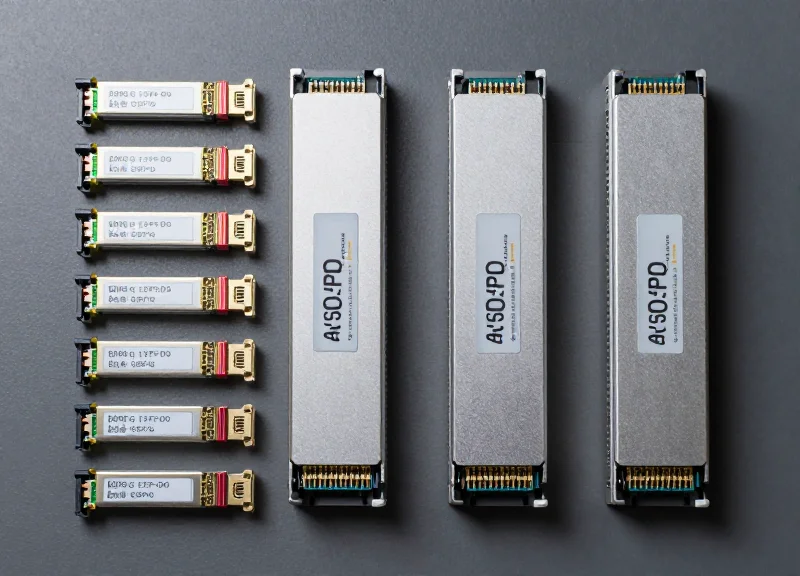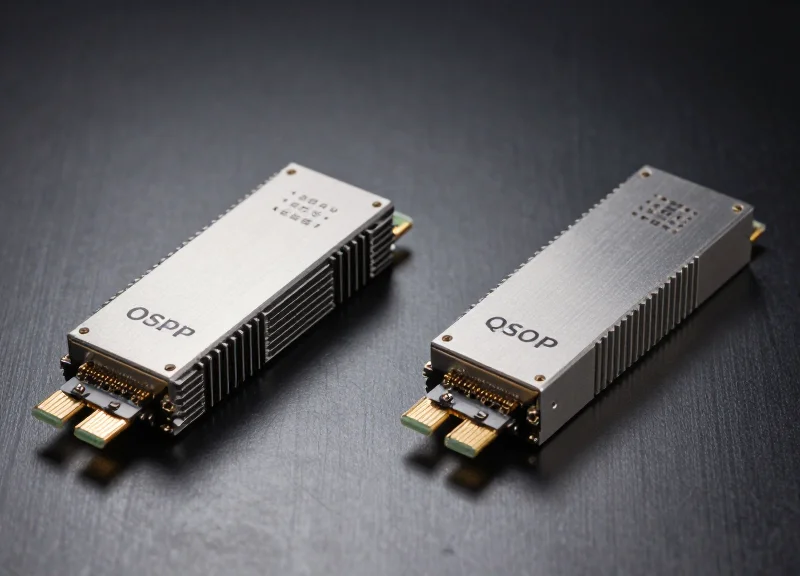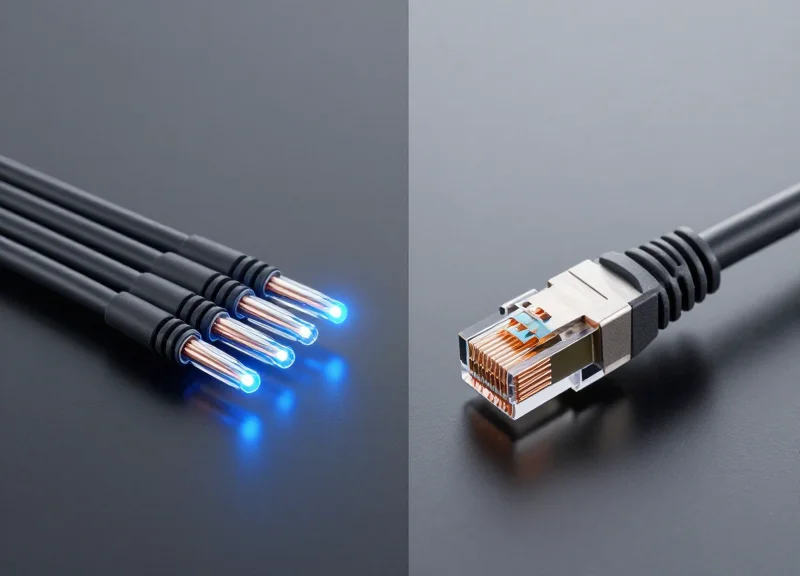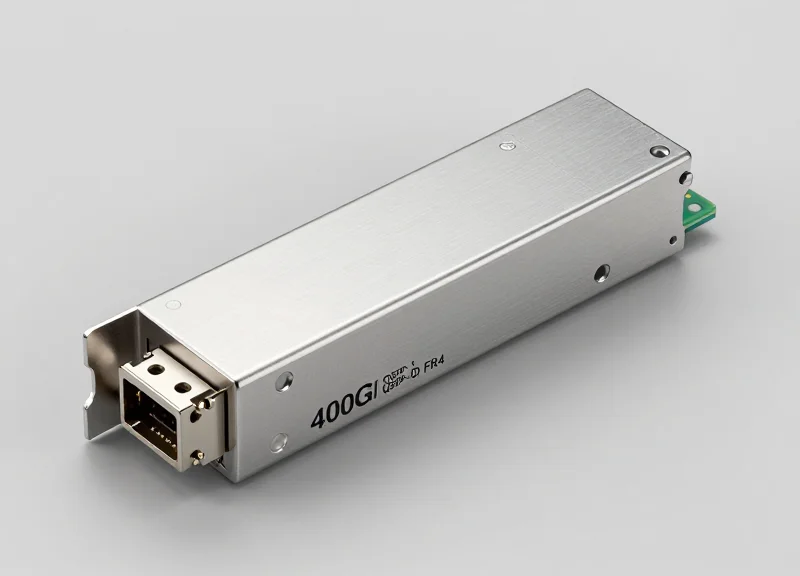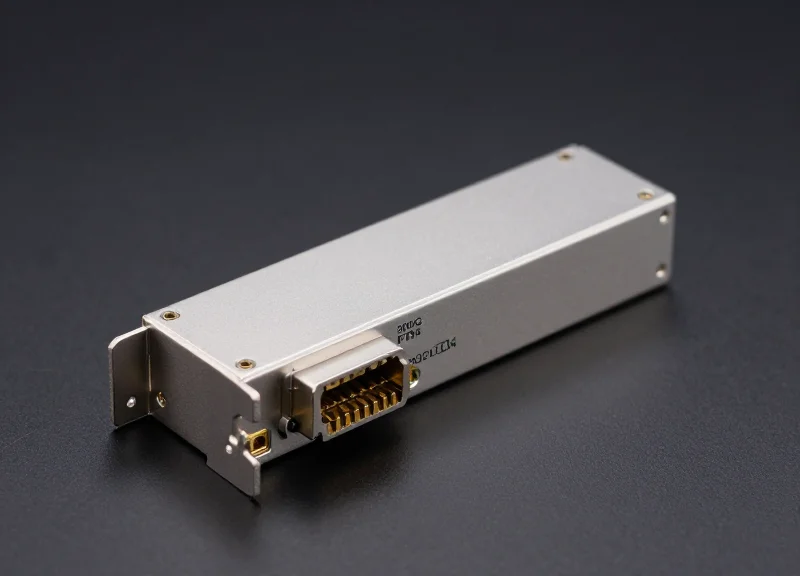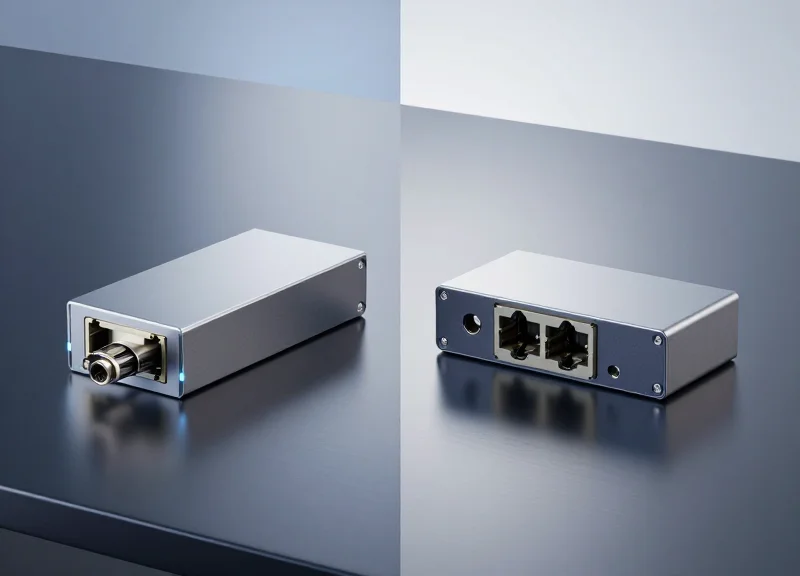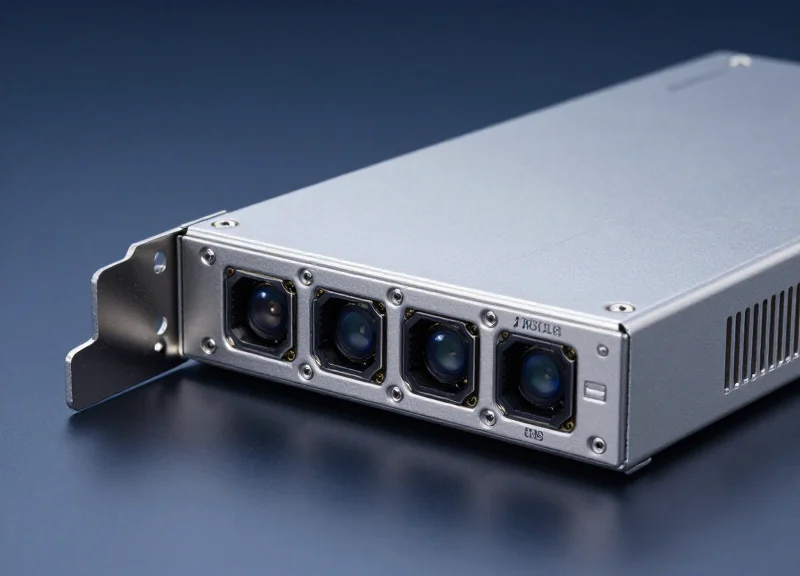
Connectivity is the lifeblood of the modern enterprise, yet the components that power it are often overlooked. As network architectures shift toward 400G and 800G speeds, the margin for error in optical transceivers has vanished. Choosing a manufacturer is no longer about finding the lowest price—it is about finding a partner who understands that every millisecond of uptime is vital for global infrastructure stability.
The Strategic Importance of Transceiver Manufacturer Selection

The Strategic Importance of Transceiver Manufacturer Selection
In the era of hyperscale data centers and 5G expansion, the selection of a transceiver manufacturer is a strategic imperative that directly influences the integrity of the entire data path. High-quality transceivers, such as those provided by Ubytelink, serve as the foundational interfaces for data transmission; any deficiency in their design or manufacturing can lead to catastrophic signal degradation, increased latency, and unforeseen network outages. By prioritizing premium manufacturing, network architects ensure that their infrastructure can handle the rigorous demands of high-bandwidth traffic while maintaining long-term stability and performance.
Optimizing Latency and Signal Integrity
Network latency is often the primary bottleneck in high-frequency trading, real-time cloud computing, and AI training clusters. Premium manufacturers utilize high-precision optical engines and advanced Digital Signal Processing (DSP) to maintain minimal Bit Error Rates (BER). Unlike generic alternatives, which may suffer from jitter and signal dispersion, premium-grade solutions ensure consistent packet delivery, reducing the need for retransmissions and effectively lowering the overall network latency footprint.
| Performance Metric | Premium Manufacturer (e.g., Ubytelink) | Generic Manufacturer |
|---|---|---|
| Signal Integrity | High (Low Bit Error Rate) | Variable (Prone to Jitter) |
| Power Consumption | Optimized (<3.5W for 400G DR4) | Higher (Standard Design) |
| MTBF (Mean Time Between Failure) | 1,000,000+ Hours | <100,000 Hours |
| Compatibility | Multi-Vendor Verified | Limited/Software Locked |
Impact on Power Consumption and Thermal Management
Power efficiency has become a cornerstone of data center sustainability. Transceivers contribute significantly to the thermal load of network switches. A manufacturer that invests in low-power silicon and efficient heat dissipation designs helps operators lower their Power Usage Effectiveness (PUE) ratio. Reduced heat generation not only lowers electricity costs but also extends the lifespan of adjacent hardware by maintaining a stable thermal environment within the rack.
Long-Term Operational Expenditures (OpEx)
The Total Cost of Ownership (TCO) of a transceiver extends far beyond the initial purchase price. Choosing a manufacturer with rigorous quality control reduces the Annual Failure Rate (AFR), which in turn minimizes the labor costs associated with manual troubleshooting and hardware replacement. Furthermore, manufacturers that provide robust firmware support ensure that modules remain compatible with future OS updates on switches and routers, preventing premature obsolescence.
- How does manufacturer choice affect network OpEx?
Reliable manufacturers reduce the frequency of hardware failures and the associated costs of technician dispatch, emergency shipping, and network downtime. - Why is power efficiency critical for transceiver selection?
Lower power consumption reduces the energy required for both the device operation and the cooling systems, significantly impacting the data center's carbon footprint and utility bills. - Does transceiver quality impact latency in AI networks?
Yes, high-quality manufacturing ensures clean signal paths and minimal error correction overhead, which is essential for the low-latency requirements of distributed AI training.
Manufacturing Excellence: Beyond the Basic Specifications

Manufacturing Excellence: Beyond the Basic Specifications
While many transceivers appear identical on a datasheet, the true differentiator lies in the invisible precision of the manufacturing process. Premium quality for global networks is not achieved by simply following a blueprint, but through a commitment to high-precision engineering and controlled environments that eliminate the minute variances responsible for signal degradation and premature hardware failure.
Controlled Environments: The Class 100 Cleanroom Advantage
Optical networking components are incredibly sensitive to microscopic contamination. A single dust particle on a laser diode or a photodetector can cause significant signal attenuation or catastrophic failure over time. Leading manufacturers utilize ISO 5 (Class 100) cleanroom environments for the critical TO-can and COB (Chip-on-Board) assembly phases. By maintaining strict control over air particulate counts, temperature, and humidity, these manufacturers ensure that every optical path remains pristine, directly contributing to the long-term reliability required by carrier-grade infrastructure.
Automated Assembly vs. Manual Variance
The transition from manual assembly to fully automated production lines is a hallmark of premium manufacturing. Automation removes the 'human element'—the subtle inconsistencies in epoxy application, wire bonding, and component alignment that can plague manual builds. High-speed automated pick-and-place machines and robotic active alignment systems ensure that optical components are positioned with sub-micron accuracy. This level of precision is essential for high-bandwidth modules like 400G and 800G, where even the slightest misalignment results in unacceptable bit error rates (BER).
| Manufacturing Factor | Standard Production | Premium Excellence (Ubytelink Standards) |
|---|---|---|
| Cleanroom Standard | ISO 7 or ISO 8 (Basic) | ISO 5 (Class 100) for Core Assembly |
| Component Alignment | Manual or Semi-Automated | Fully Automated Active Alignment |
| Testing Coverage | Batch-based Sampling | 100% End-of-Line Interoperability Testing |
| Burn-in Process | Minimal or Optional | Extended Thermal Cycling & Stress Testing |
Frequently Asked Questions: Manufacturing Standards
- Why is active alignment better than passive alignment?
Active alignment powers the laser during the assembly process to find the point of maximum light output, ensuring the highest possible coupling efficiency, whereas passive alignment relies solely on physical positioning. - Does the manufacturing process affect power consumption?
Yes. Higher precision in component placement and better-quality semiconductor bonding reduce internal resistance and heat generation, leading to more efficient power usage across the network. - What role does thermal cycling play in manufacturing?
Premium manufacturers subject modules to extreme temperature swings during the burn-in phase to identify and weed out 'infant mortality' failures before the product ever reaches a customer's data center.
Compatibility and the Multi-Vendor Ecosystem

The modern data center and carrier environment is rarely a mono-vendor ecosystem; success depends on the ability to integrate diverse hardware components without sacrificing link stability or triggering system alerts. Ubytelink's transceiver solutions solve the challenge of fragmentation by delivering 100% compatibility with over 200 major networking vendors, ensuring that 'Plug-and-Play' functionality is a reality across Cisco, Juniper, Arista, and Dell platforms alike.
The Mechanics of Digital Handshakes: EEPROM Customization
Compatibility in high-speed optical modules is governed by the EEPROM (Electrically Erasable Programmable Read-Only Memory). This internal memory chip stores the 'identity' of the transceiver, including its serial number, manufacturer ID, and security keys. Ubytelink employs a sophisticated coding laboratory where engineers write bespoke firmware to mimic the specific signatures required by OEM host systems. This meticulous process ensures that the host switch recognizes the module as an authorized component, enabling full access to advanced features like Digital Diagnostic Monitoring (DDM).
Comparative Analysis: Standard vs. Ubytelink High-Compatibility Solutions
| Feature | Generic Transceivers | Ubytelink Solutions |
|---|---|---|
| Vendor-Specific Coding | Static or Generic Codes | Custom-Tailored OEM Firmware |
| Host Recognition | High risk of 'Unsupported' errors | Seamless recognition; 0% error rate |
| Diagnostic Support (DDM) | Often limited or inaccurate | Full real-time monitoring of power/temp |
| Firmware Scalability | Fixed; rarely upgradable | Field-upgradable for new system OS |
| Hardware Interoperability | Limited to specific OS versions | Validated across legacy and modern OS |
Rigorous Cross-Platform Validation Protocols
Beyond coding, Ubytelink invests heavily in a massive 'Compatibility Lab' containing actual racks of OEM hardware. Every transceiver batch undergoes rigorous testing where it is cycled through various port speeds and system reboots within real-world environments. This validation ensures that voltage levels, power consumption, and optical thresholds remain within the strict tolerances defined by Multi-Source Agreements (MSAs) and specific vendor requirements.
Frequently Asked Questions on Compatibility
- Will using Ubytelink modules void my OEM hardware warranty?
No. Under international trade laws and specific regulations like the Magnuson-Moss Warranty Act, hardware manufacturers cannot legally void a switch or router warranty simply for using compatible third-party optics unless they can prove the optic caused direct physical damage. - How does Ubytelink handle proprietary lockout mechanisms?
Our engineering team reverse-engineers the handshake protocols of vendors who use 'vendor-lock' software. We implement the necessary security keys and checksums in our EEPROM coding to bypass these restrictions effectively. - Can I use one Ubytelink module for different brands of switches?
While we offer 'multi-coded' options, we generally recommend modules specifically coded for the intended host brand to ensure 100% feature parity, including accurate DDM/DOM reporting.
The Ubytelink Testing Protocol: A Benchmark for Reliability
The Ubytelink Testing Protocol: A Benchmark for Reliability
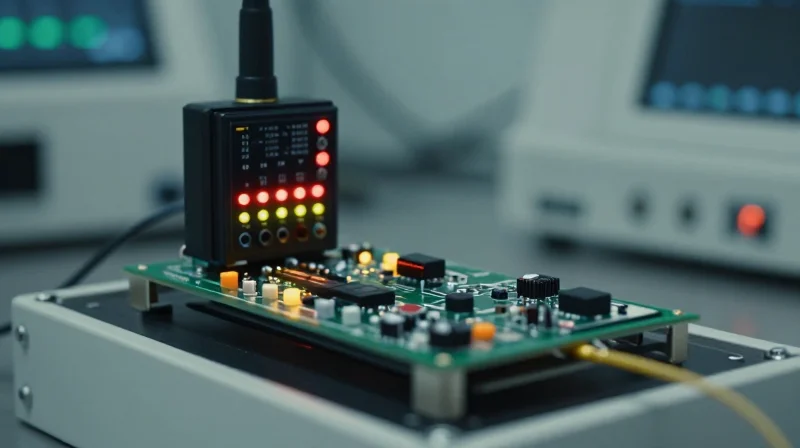
The Ubytelink testing protocol represents an uncompromising approach to quality assurance, moving beyond standard compliance to ensure that every transceiver can withstand the extreme fluctuations of high-capacity global networks. By integrating advanced environmental simulation with real-time data traffic analysis, Ubytelink mitigates the risk of field failures, providing a foundation of trust for data center operators and telecommunications providers who cannot afford downtime.
The Four Pillars of Quality Assurance
Ubytelink’s reliability framework is built upon four distinct analytical pillars. Each stage is designed to identify potential weaknesses before a product reaches the deployment phase, ensuring long-term stability and signal integrity.
| Testing Pillar | Primary Objective | Critical Metric |
|---|---|---|
| Thermal Cycling | Simulate extreme temperature swings and hardware expansion | Operating Temp Range (-40°C to 85°C) |
| Traffic Stress Testing | Validate full-load performance and data throughput stability | Packet Loss & Latency Jitter |
| BER Analysis | Verify the precision of the optical signal and error correction | Bit-Error Rate < 10^-12 |
| Physical Integrity | Ensure structural durability and connector precision | Mating Cycles & Laser Alignment |
Advanced Stress Testing: Thermal and Traffic Performance
Thermal cycling is the cornerstone of hardware longevity. Ubytelink subjects modules to rapid temperature shifts to ensure that materials—such as the TOSA (Transmitter Optical Sub-Assembly) and ROSA (Receiver Optical Sub-Assembly)—do not suffer from expansion-related misalignment. This is paired with traffic stress testing, where modules are pushed to 100% capacity under full load for extended durations. This process identifies potential thermal throttling or electronic instability that standard, short-duration tests might overlook.
Signal Precision: BER Analysis and Physical Inspection
Bit-Error Rate (BER) analysis is critical for ensuring that high-speed data transmission remains clean over long distances. Ubytelink utilizes high-end Bit Error Rate Testers (BERT) to confirm that signal noise remains well below industry thresholds. Furthermore, physical integrity inspections involve high-magnification microscopy of fiber end-faces and automated checkups of the transceiver housing. This ensures that every unit is free from micro-contaminants and structural defects that could degrade performance after thousands of mating cycles in a dense patch panel environment.
Frequently Asked Questions
- Why is BER analysis more important at 400G and 800G speeds?
As data rates increase, the signal-to-noise ratio margin shrinks. BER analysis ensures that Forward Error Correction (FEC) can manage the data stream without excessive retransmissions. - How does Ubytelink handle 'infant mortality' in hardware?
Through a rigorous 'burn-in' process during traffic stress testing, we identify and cull components that might fail during their first few weeks of operation, ensuring only matured, stable units are shipped. - Does environmental testing include humidity and vibration?
Yes, our comprehensive protocol includes damp heat testing and mechanical vibration analysis to simulate the harsh conditions often found in industrial edge locations and outdoor cabinets.
Compliance and Standards: Navigating MSA and Regulatory Requirements
When evaluating how to choose a transceiver manufacturer, adherence to industry-standard protocols is the primary safeguard against hardware obsolescence and operational failure. Premium quality for global networks is not merely defined by performance metrics, but by a manufacturer's commitment to the Multi-Source Agreement (MSA) and international regulatory frameworks. These standards act as the universal language of networking, allowing hardware from diverse origins to communicate seamlessly within a single ecosystem while maintaining rigorous safety and environmental benchmarks.
The Multi-Source Agreement (MSA): Bridging the Vendor Gap
An MSA is an agreement between multiple manufacturers to produce optical transceivers that are compatible across different vendor platforms. By defining the physical dimensions, signaling, and electrical interfaces (such as I2C), MSAs ensure that an SFP, QSFP28, or QSFP-DD module will physically fit and electrically function in any compliant switch or router. For network architects, choosing an MSA-compliant manufacturer like Ubytelink eliminates the risk of vendor lock-in, providing the flexibility to scale infrastructure using the most cost-effective, high-performance components available without sacrificing reliability.
Global Standards for Quality and Safety
| Standard Category | Specific Certification | Strategic Importance |
|---|---|---|
| Physical/Electrical | MSA Compliance | Ensures form factor and electrical interface interoperability across all OEM brands. |
| Electromagnetic | FCC Part 15 / CE | Guarantees the device does not cause harmful interference and is safe for deployment. |
| Environmental | RoHS / REACH | Strictly limits hazardous substances, ensuring environmental safety and international trade legality. |
| Laser Safety | FDA / IEC 60825-1 | Class 1 laser certification ensures the module is safe for human eyes during operation. |
| Protocol | IEEE 802.3 | Validates that the transceiver meets Ethernet protocol requirements for data integrity. |
Future-Proofing Through Standardized Innovation
As data demands push toward 800G and 1.6T, compliance becomes more complex. Newer standards address high-speed signaling technologies like PAM4 and specify thermal management requirements for high-density environments. A top-tier manufacturer stays ahead of the curve by integrating these evolving standards into their R&D process. This proactive approach ensures that the transceiver solutions you deploy today will remain compatible with the next generation of networking hardware, protecting your capital investment over the long term.
- Does MSA compliance guarantee 100% compatibility?
MSA ensures physical and electrical compatibility, but software-level recognition often requires specific EEPROM coding to bypass vendor 'white-listing' in certain OEM switches. - Why is RoHS compliance mandatory for global networks?
RoHS (Restriction of Hazardous Substances) is a legal requirement in many regions, including the EU; using non-compliant hardware can lead to legal penalties and environmental liability. - How do standards impact signal integrity?
Standards like IEEE 802.3 define the precise limits for Jitter, Bit Error Rate (BER), and Optical Modulation Amplitude (OMA) to ensure error-free transmission.
Supply Chain Resilience and Global Logistics Capability

Supply Chain Resilience and Global Logistics Capability
Evaluating a transceiver manufacturer requires looking beyond technical specifications to their operational backbone, as a resilient supply chain ensures that premium quality is matched by consistent availability and rapid delivery in any economic climate.
Strategic Sourcing and Risk Mitigation
A manufacturer's ability to navigate global component shortages—particularly in silicon photonics and EML lasers—defines their reliability. Leading vendors employ a multi-vendor sourcing strategy and maintain long-term agreements with Tier-1 foundries. This diversification prevents single-point-of-failure scenarios that could otherwise stall massive data center build-outs or telecommunications upgrades.
| Metric | Traditional Supply Chain | Resilient Logistics Strategy |
|---|---|---|
| Sourcing Style | Single-vendor dependent | Multi-vendor and Geographically Diverse |
| Inventory Model | Just-in-Time (JIT) | Strategic Buffer Stocking |
| Disruption Impact | High risk of total project delays | Minimized through proactive re-routing |
| Average Lead Times | Variable (12-24 weeks) | Stable (2-6 weeks) |
Global Distribution and Localized Fulfillment
To meet the demands of global networks, manufacturers must operate a sophisticated hub-and-spoke logistics model. By maintaining regional distribution centers in key markets such as North America, Europe, and Asia-Pacific, manufacturers can provide expedited shipping for critical replacements and reduce the complexities of international customs and duties for their clients. This localized presence is not just about speed; it is about providing a buffer against the unpredictability of global freight lanes.
- How does supply chain visibility benefit the end-user?
Real-time tracking and transparent lead-time forecasting allow network engineers to plan maintenance windows and hardware refreshes with high precision, reducing idle time. - What is the significance of a manufacturer's Tier-1 status?
Tier-1 status typically implies priority access to raw materials and semiconductor wafers during global shortages, ensuring their customers' orders are prioritized over smaller market players. - Can localized logistics improve RMA processes?
Yes, regional hubs significantly accelerate Return Merchandise Authorization (RMA) by providing local testing and immediate swap-outs, which minimizes overall network downtime during hardware failures.
Technical Support and Life Cycle Management
The Essential Role of Engineering Support in Network Excellence
The true value of a transceiver manufacturer is often revealed after the purchase order is signed. For global networks, technical support is not merely a help desk service; it is a critical engineering resource that minimizes downtime and optimizes performance across the design, deployment, and maintenance phases. Manufacturers like Ubytelink provide deep technical expertise to help architects select the correct form factors—such as SFP+, QSFP28, or OSFP—ensuring that every link is optimized for the specific fiber plant and hardware environment.
Design and Deployment Consultation
Expert engineering support during the design phase prevents costly compatibility errors. High-tier manufacturers offer simulation data, interoperability reports, and customized firmware solutions to ensure that optics integrate seamlessly with diverse OEM hardware. This proactive approach reduces the risk of 'day zero' failures and accelerates project timelines by providing ready-to-deploy solutions that have been pre-validated for the target environment.
| Support Aspect | Standard Manufacturer | Premium Lifecycle Partner |
|---|---|---|
| Technical Access | Email tickets with 48h delay | Direct access to senior field engineers |
| Compatibility | Generic MSA compliance only | Rigorous OEM-specific interoperability testing |
| Product Longevity | 1-2 year warranty | Extended lifecycles and EOL transition planning |
| Troubleshooting | Basic RMA processing | Remote diagnostics and physical layer analysis |
Sustaining Performance: Life Cycle Management
Life cycle management involves monitoring the health of the network and planning for future transitions. As data rates climb from 100G to 400G and 800G, a manufacturer must provide a roadmap for migration. This includes managing End-of-Life (EOL) notifications and ensuring that replacement parts are available for legacy systems while simultaneously supporting the adoption of next-generation technologies. Reliable support ensures that as network demands grow, the physical layer remains robust and scalable.
Technical Support and Management FAQ
- How does technical support impact ROI?
Rapid troubleshooting and expert design reduce the Mean Time To Repair (MTTR) and prevent expensive over-provisioning, directly improving the total cost of ownership (TCO). - What is proactive life cycle management?
It is the process of predicting when hardware might reach its limits or fail, allowing for scheduled upgrades and maintenance rather than reactive emergency repairs. - Does Ubytelink assist with firmware updates?
Yes, premium manufacturers provide firmware tuning to ensure transceivers remain compatible with updated network operating systems from major switch vendors.
Total Cost of Ownership (TCO) vs. Initial Purchase Price

When implementing 'Ubytelink How to Choose a Transceiver Manufacturer Solutions: Premium Quality for Global Networks,' operators must look beyond the initial invoice. While budget-grade transceivers may offer immediate CAPEX savings, the Total Cost of Ownership (TCO) is often significantly higher due to early failure rates, power consumption inefficiencies, and the intensive labor required for troubleshooting and hardware replacement in mission-critical environments.
Understanding the TCO Equation in High-Density Networks
| Cost Factor | Low-Cost Generic Transceivers | Ubytelink Premium Solutions |
|---|---|---|
| Initial Unit Price | Low | Competitive/Mid-Range |
| Annual Failure Rate (AFR) | 1.5% - 5% | <0.1% |
| Labor Cost (Replacement) | High (Frequent Truck Rolls) | Minimal |
| Downtime Impact | Significant Financial Risk | High Availability |
| Warranty/Support | Limited or Difficult to Claim | Full Lifecycle Support |
The Economic Impact of Unplanned Outages
The true cost of a transceiver failure is rarely the price of the module itself; it is the cost of the field technician, the logistics of dispatching hardware to a remote site, and the potential SLA penalties incurred by network downtime. For global networks, a single hour of outage can cost thousands of dollars, making the reliability of Ubytelink solutions an essential insurance policy against operational volatility. Furthermore, premium optics often feature better thermal management, extending the life of the host switch and reducing long-term hardware replacement cycles.
- Why is TCO more important than purchase price?
TCO accounts for the full lifespan of the product, including energy efficiency, failure-related downtime, and the administrative burden of managing hardware replacements. - How does Ubytelink reduce labor costs?
By utilizing high-grade components and rigorous pre-shipment testing, Ubytelink reduces the frequency of hardware swaps, allowing engineering teams to focus on scaling rather than troubleshooting. - Can premium transceivers lower energy bills?
Yes, high-quality manufacturers optimize the power consumption and heat dissipation of their optics, which significantly reduces cooling and electricity costs in large-scale data center deployments.
Choosing a transceiver manufacturer is a critical decision that defines the future of your network's performance. By prioritizing reliability, compatibility, and rigorous testing, Ubytelink ensures that your mission-critical infrastructure remains robust and scalable. Ready to elevate your network? Contact the Ubytelink engineering team today for a comprehensive consultation.