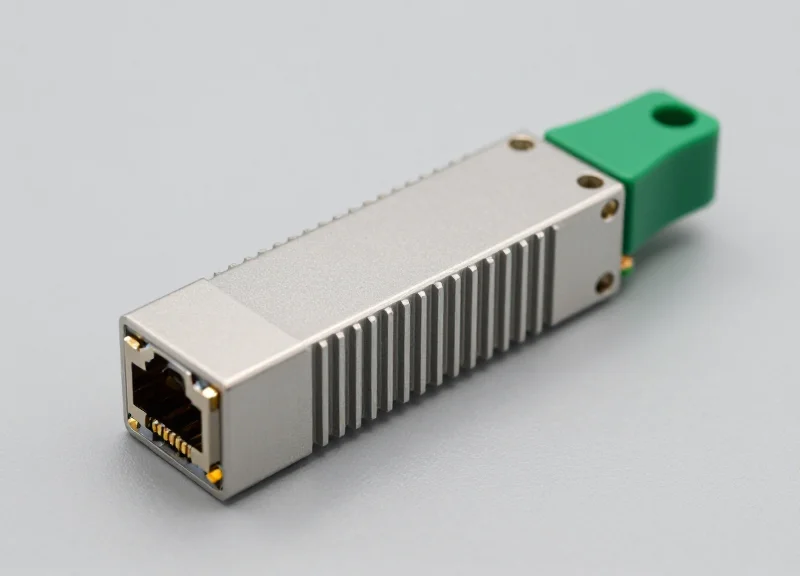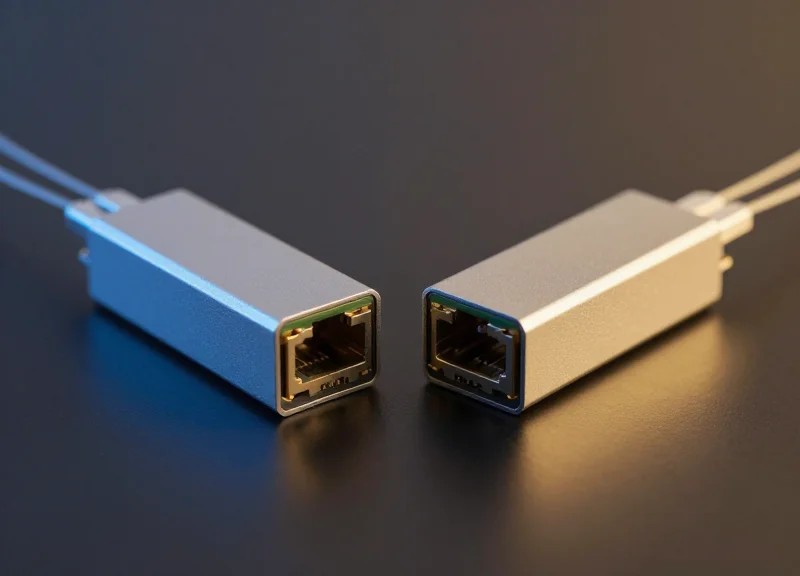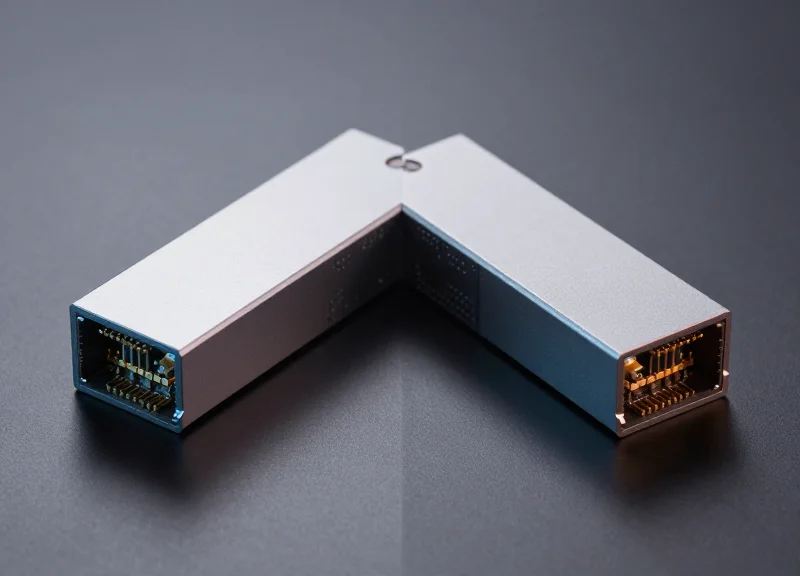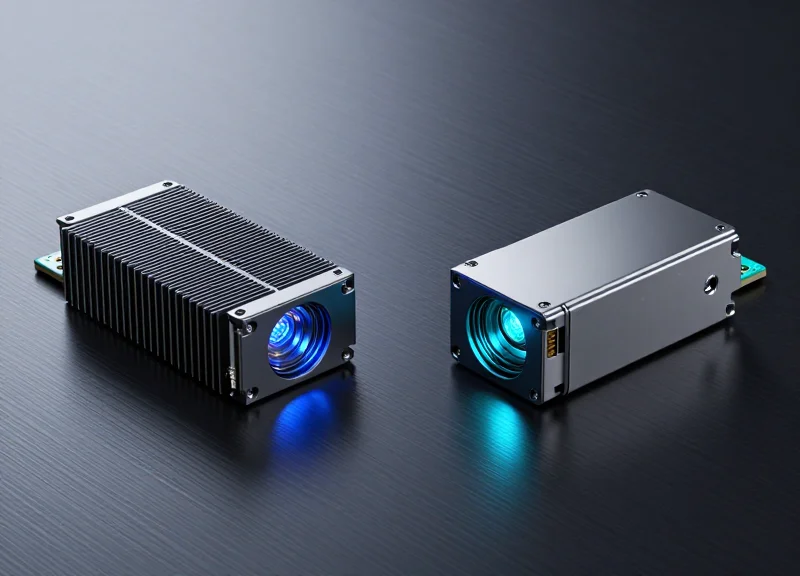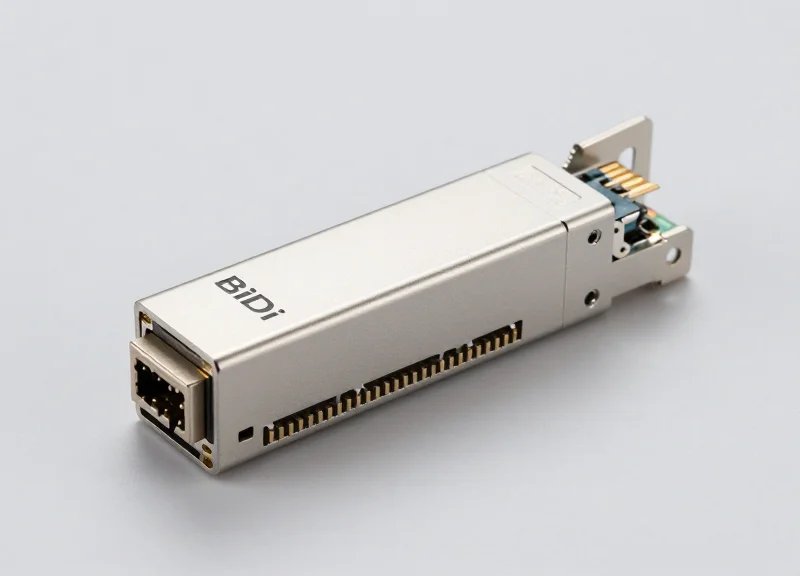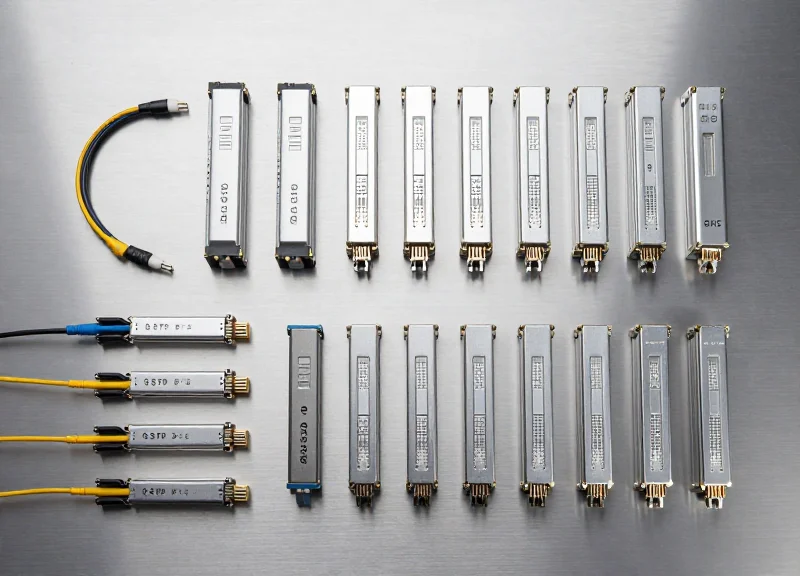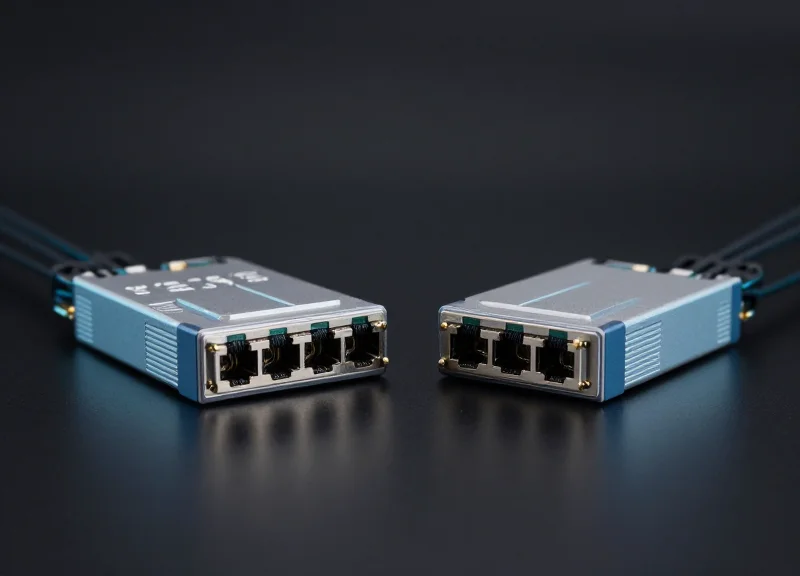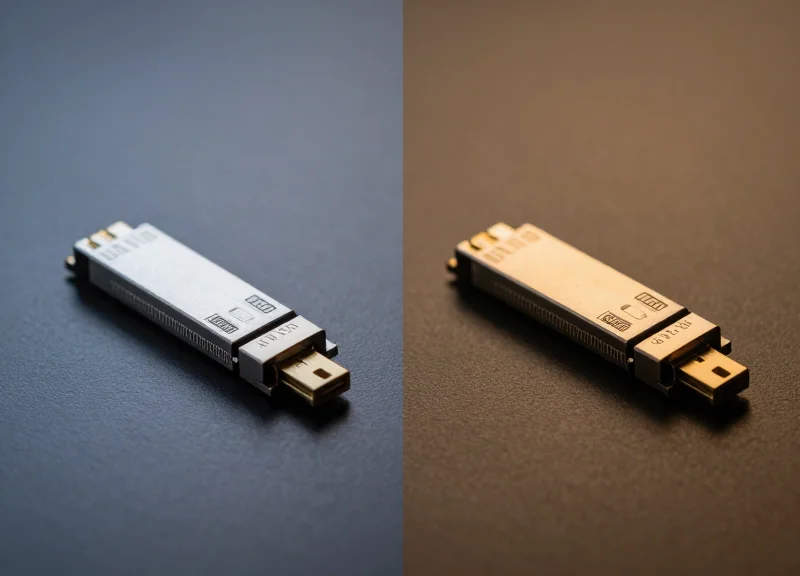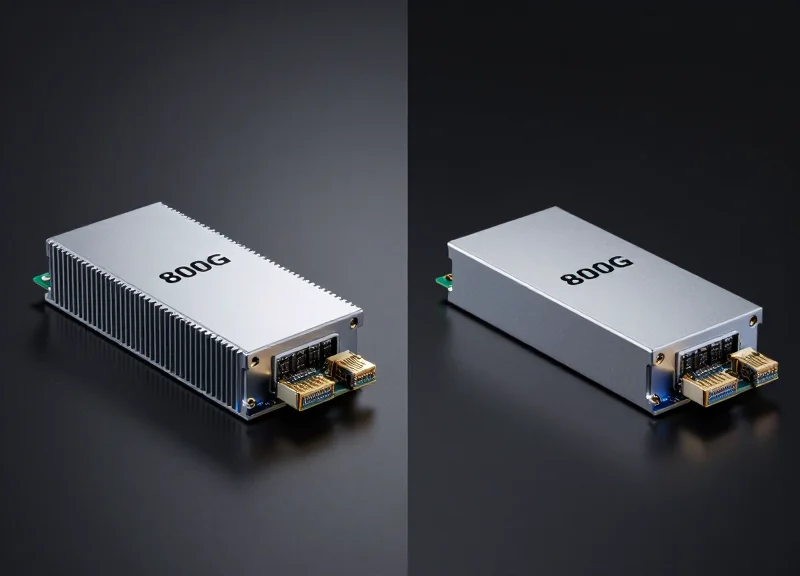
As the demand for AI-driven bandwidth surges, 800G optical modules face unprecedented thermal challenges. Traditional air cooling is no longer sufficient to maintain the performance and longevity required by global networks. Ubytelink addresses this critical bottleneck with industry-leading immersion cooling solutions, delivering premium quality and thermal stability for mission-critical infrastructure.
The Evolution of 800G Networking and Thermal Limits

The 800G Breakthrough and the Thermal Wall
The arrival of 800G Ethernet represents a pivotal moment in global networking, offering the massive bandwidth required for AI workloads and hyperscale data centers, yet it simultaneously introduces a thermal wall where traditional air-cooling methods become physically incapable of dissipating the heat generated by high-density silicon. As power consumption per rack climbs toward 100kW and beyond, the industry is forced to move past fans and heat sinks toward liquid-based cooling architectures that can manage the intense localized heat of 800G transceivers and high-radix switch ASICs. Ubytelink immersion cooling solves this by providing a high-thermal-conductivity environment that stabilizes temperatures across the entire signal path.
Comparing Thermal Demands: 400G vs. 800G
| Metric | 400G Standards | 800G Standards |
|---|---|---|
| Typical Module Power | 12W - 14W | 25W - 30W+ |
| Heat Flux Density | Moderate | Extreme |
| Cooling Requirement | Air/Liquid Hybrid | Advanced Immersion/Direct-to-Chip |
| Fan Power Consumption | 15-20% of system | 30-45% (Inefficient) |
At 800G, the power density of optical modules has nearly doubled, leading to localized hotspots that air cooling cannot reach efficiently. In a standard 1U switch configuration with 32 or 64 ports, the cumulative heat creates a micro-climate that causes frequent thermal throttling. Ubytelink immersion cooling addresses this by surrounding components in a dielectric fluid, providing over 1000x the heat capacity of air, ensuring that even under peak load, the 800G infrastructure remains within optimal operating temperatures to prevent packet loss and hardware degradation.
Thermal Management FAQs for 800G Networks
- What is the primary cause of failure in 800G optical modules?
The primary cause is junction temperature exceedance, where the laser diode and internal DSP overheat due to insufficient airflow in high-density port configurations, leading to premature component aging. - How does 800G heat affect network latency?
When components overheat, thermal management systems downclock the hardware (throttling), which directly increases latency and reduces overall packet throughput during critical AI training or data processing cycles. - Why is PUE (Power Usage Effectiveness) harder to maintain at 800G?
As speeds increase, the energy required to spin fans at high RPMs to cool 800G hardware grows exponentially, often leading to a poor PUE even if the IT equipment itself is highly efficient.
Why Air Cooling Falls Short for High-Density 800G Modules
As networking speeds pivot to 800G, the thermal power dissipation of individual pluggable modules has surged to between 25W and 30W per port. Traditional air cooling, which relies on the convection of gas over metal heatsinks, is reaching a 'thermal ceiling' where the physical properties of air can no longer carry away heat fast enough to prevent junction temperatures from exceeding safe operating limits.
The Physical Limits of Convection and Airflow
The primary challenge lies in the heat transfer coefficient of air, which is significantly lower than that of dielectric liquids. To maintain stable temperatures in a high-density 800G switch, air-cooled systems require massive heatsinks and extremely high-velocity airflow. However, the limited physical space within standard 1U or 2U chassis restricts the size of these heatsinks, forcing a reliance on higher fan speeds that yield diminishing returns.
| Parameter | Standard 100G/400G (Air) | 800G High-Density (Air Required) |
|---|---|---|
| Power Dissipation per Module | 3.5W - 12W | 25W - 30W+ |
| Airflow Velocity Needed | Moderate | Ultra-High / Turbulent |
| Thermal Resistance | Manageable | Critical Bottleneck |
| Acoustic Noise | 70-80 dB | 90+ dB (Hazardous) |
The 'Fan Power Spiral' and Energy Waste
In an attempt to keep 800G modules cool, data centers are forced into a cycle of increasing fan power. Because fan power consumption increases according to the cube law relative to speed, doubling the airflow to handle 800G heat loads can result in an eight-fold increase in energy consumption. This creates a scenario where a significant percentage of total facility power is spent simply moving air, rather than processing data, severely impacting Power Usage Effectiveness (PUE) scores.
Acoustic and Mechanical Challenges
- How does acoustic noise affect 800G hardware?
High-velocity fans generate intense vibrations and acoustic energy that can cause mechanical stress on delicate fiber alignments and electronic components, potentially increasing bit error rates (BER). - Why is localized hotspotting a risk?
Air naturally follows the path of least resistance, often bypassing the cramped spaces between 800G modules, leading to 'hotspots' where individual modules overheat even if the ambient room temperature is low. - What is the impact on component longevity?
Continuous operation at the edge of thermal limits accelerates the degradation of lasers and integrated circuits, leading to premature hardware failure and increased OpEx through frequent replacements.
The Failure of Traditional Heatsinks
Advanced air-cooling techniques, such as vapor chambers and heat pipes, provide temporary relief but do not solve the underlying issue: the low thermal mass of air. As 800G solutions become the global standard for high-capacity networks, the industry is recognizing that air cooling is no longer a sustainable or premium quality solution. The transition to immersion cooling represents a necessary move from an inefficient gaseous medium to a high-efficiency liquid medium.
The Science of Immersion Cooling for Optical Transceivers
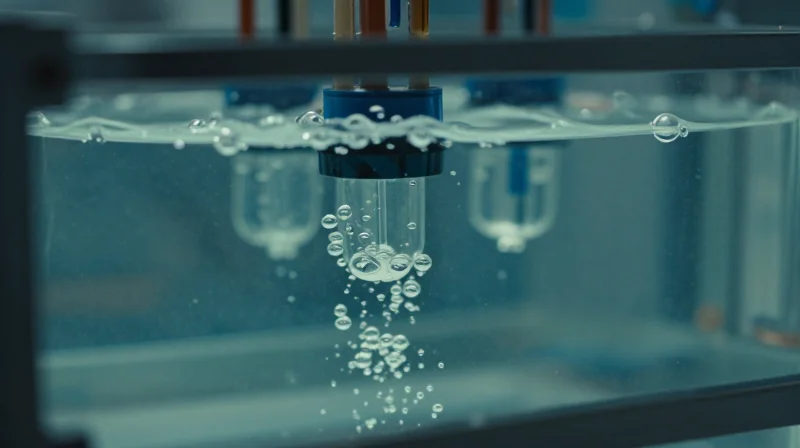
The Science of Immersion Cooling for Optical Transceivers
Immersion cooling for 800G optical transceivers works by removing the primary bottleneck of thermal resistance—air—and replacing it with high-density dielectric fluids that possess significantly higher heat-carrying capacities. By submerging the entire module, heat is transferred directly from the high-power Digital Signal Processors (DSPs) and laser engines into the liquid via conduction and convection, maintaining a nearly isothermal environment that air-based systems cannot replicate.
Comparing Thermal Properties: Liquid vs. Air
| Physical Property | Air (Standard) | Dielectric Fluid |
|---|---|---|
| Thermal Conductivity | ~0.026 W/m·K | ~0.06 - 0.15 W/m·K |
| Specific Heat Capacity | ~1.006 kJ/kg·K | ~1.1 - 2.5 kJ/kg·K |
| Density | ~1.225 kg/m³ | ~1,200 - 1,800 kg/m³ |
| Heat Transfer Efficiency | Baseline (1x) | 50x to 1,000x Higher |
Direct-to-Component Thermal Management
In 800G solutions, the heat density within the transceiver housing is extreme. Traditional heat sinks rely on a 'heat path' that travels through the module case to the air. Immersion cooling allows the dielectric fluid to penetrate the module housing, coming into direct contact with the PCB and internal components. This 'direct-to-silicon' approach prevents the formation of localized hotspots, which are the leading cause of laser frequency shifting and bit-error rate (BER) increases in high-speed optical networks.
Immersion Cooling Mechanism FAQs
- Does the fluid interfere with the optical signal?
No. Ubytelink utilizes chemically inert fluids that do not react with optical fibers or lens assemblies. When implemented correctly, the fluid remains external to the sealed optical path or is selected for compatible refractive indices. - How does the fluid movement enhance cooling?
Immersion systems utilize either passive natural convection or pumped forced convection. The higher density of the liquid means that even slow fluid movement carries away significantly more Joules of heat than high-velocity air. - Does immersion cooling prevent component oxidation?
Yes. By submerging the electronics in a dielectric fluid, oxygen and moisture are completely excluded, which prevents oxidation and corrosion of the 800G module's delicate circuitry, further extending its operational lifespan.
Ubytelink Engineering: Purpose-Built for Immersion Environments
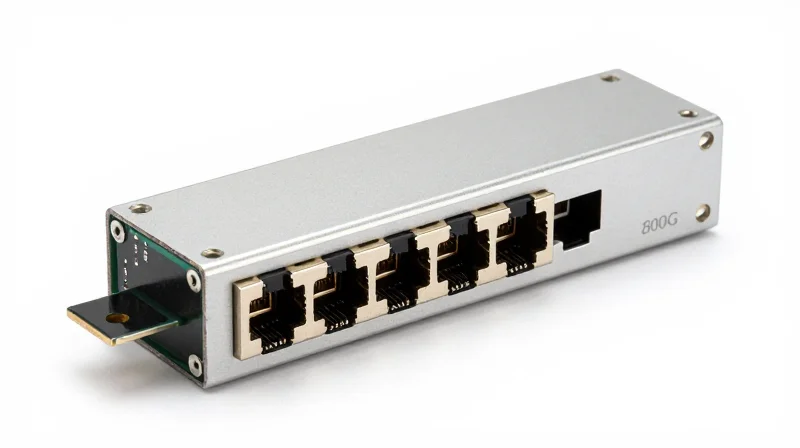
Ubytelink Engineering solves the critical challenge of high-density heat by redesigning the physical architecture of 800G transceivers specifically for liquid contact, ensuring that every component from the laser diode to the electrical interface is protected against the unique chemical and physical stresses of dielectric fluids. Unlike repurposed air-cooled designs, Ubytelink modules are built from the ground up to eliminate fluid ingress and material degradation, providing a robust hardware foundation for global AI and hyperscale networks.
Chemical Compatibility and Material Science
A primary risk in immersion cooling is the leaching of plasticizers or the swelling of standard gaskets when exposed to synthetic oils or fluorinated liquids. Ubytelink utilizes proprietary, fluid-inert polymers and specialized metal alloys that maintain structural integrity and electrical insulation properties over 100,000+ hours of operation. This meticulous selection process prevents 'outgassing' and fluid contamination, which can otherwise lead to signal attenuation in high-speed 800G links.
| Feature | Standard 800G Air-Cooled | Ubytelink Immersion-Optimized |
|---|---|---|
| Housing Seal | Ventilated / Non-hermetic | Leak-proof IP68-rated Hermeticity |
| Thermal Interface (TIM) | Standard Silicone Grease | Fluid-Stable Non-Silicone Polymer |
| PCB Coating | Standard Solder Mask | Enhanced Dielectric-Resistant Conformal Coating |
| Optical Interface | Open Port | Liquid-Isolated Lens Protection |
Advanced Sealing and Thermal Interface Materials (TIMs)
Standard thermal pastes often dissolve or migrate when submerged in dielectric fluids, leading to 'thermal runaway' as the chip loses contact with its cooling medium. Ubytelink employs advanced Thermal Interface Materials (TIMs) that are chemically bonded to the heatsink and internal silicon, ensuring zero migration. Furthermore, our 800G modules feature precision-engineered gaskets and epoxy seals that create a permanent barrier against fluid ingress, protecting the sensitive DSP and TOSA/ROSA components from any potential interference with the optical signal path.
- How does Ubytelink ensure signal integrity in fluid environments?
We utilize high-frequency PCB substrates with specific dielectric constants designed to remain stable even if trace amounts of fluid are present, combined with hermetically sealed optical paths to prevent refraction changes. - Are these modules compatible with all dielectric fluids?
Our engineering team tests compatibility with major synthetic oils and fluorinated fluids (such as 3M Novec or BitCool), ensuring our 800G solutions are versatile across different immersion cooling platforms. - What is the impact on the lifecycle of the transceiver?
By eliminating thermal cycling fatigue and preventing oxidation through liquid immersion, Ubytelink modules typically exhibit a lower Failure-In-Time (FIT) rate compared to their air-cooled counterparts.
Maximizing Reliability and Lifespan of Mission-Critical Assets
The primary catalyst for hardware failure in high-speed networking is thermal instability; Ubytelink immersion cooling maximizes reliability by maintaining a constant, low-gradient operating temperature for 800G modules. By replacing unpredictable air-flow patterns with high-heat-capacity dielectric fluids, Ubytelink ensures that critical components like lasers and DSPs operate within their optimal thermal windows. This stability effectively eliminates the mechanical fatigue caused by thermal expansion and contraction, leading to a measurable increase in Mean Time Between Failures (MTBF) and ensuring global networks remain operational without frequent, costly maintenance cycles.
Reducing Thermal Stress on 800G Lasers and DSPs
In 800G transceivers, the laser diodes (TOSA) and Digital Signal Processors (DSPs) generate intense heat within a very small footprint. In traditional air-cooled environments, these components are prone to 'thermal runaway' or localized hotspots that degrade the crystalline structure of the laser and wear down the gate dielectrics in high-performance silicon. Ubytelink's immersion approach provides immediate heat transfer at the source. This prevents the lasers from requiring excessive current to maintain output power—a common problem in air-cooled systems that further accelerates component aging.
| Reliability Metric | Standard Air Cooling | Ubytelink Immersion Cooling |
|---|---|---|
| Component Temperature Delta | 15°C - 25°C (Fluctuating) | < 5°C (Constant) |
| Laser Aging Rate | Accelerated by thermal cycles | Linear and predictable |
| MTBF Enhancement | Baseline | Up to 25-30% Improvement |
| Contaminant Risk | High (Dust/Humidity) | Zero (Hermetic Fluid Barrier) |
Protection from Environmental and Chemical Degradation
Beyond thermal advantages, Ubytelink’s 800G solutions benefit from the physical isolation provided by dielectric immersion. The fluid acts as a protective barrier against atmospheric humidity, sulfur, and particulate matter that typically cause oxidation or 'tin whiskers' on PCBs. Because the modules are submerged, they are not subject to the vibration and acoustic noise generated by high-RPM fans, which can cause micro-fractures in solder joints over time. This holistic protection ensures that signal integrity remains pristine throughout the asset's decade-long service life.
- How does immersion cooling specifically improve 800G MTBF?
It reduces the junction temperature of the DSP and keeps the laser operating at a lower, consistent current, which significantly slows down the physical degradation processes of the semiconductors. - Does the dielectric fluid affect the integrity of the module connectors?
No. Ubytelink uses chemically inert dielectric fluids and specialized material seals that prevent any interaction with gold-plated connectors or PCB substrates, maintaining perfect electrical contact. - Can immersion cooling prevent hardware failure during peak traffic spikes?
Yes. Because liquid has a much higher thermal mass than air, it can absorb sudden heat spikes from 800G traffic bursts without a corresponding spike in component temperature, preventing thermal shock.
Sustainability and Power Usage Effectiveness (PUE) Gains
Ubytelink immersion cooling for 800G solutions serves as a cornerstone for modern data center sustainability, offering an immediate path to drastic reductions in Power Usage Effectiveness (PUE) by eliminating the massive energy overhead required by traditional air-cooling infrastructures. By placing 800G optics directly into dielectric fluids, heat is transferred more efficiently than in air, allowing the entire facility to operate with significantly less mechanical refrigeration.
Achieving Near-Unity PUE in High-Density Environments
Traditional air cooling often accounts for up to 40% of a data center's total energy consumption. With 800G transceivers generating intense heat within compact form factors, air-based systems must work at peak capacity, driving PUE values higher and increasing operational costs. Ubytelink’s immersion-ready 800G modules operate within fluids that possess thermal conductivity levels far exceeding air. This fundamental shift allows operators to remove energy-intensive chillers and high-RPM server fans, pushing PUE ratings toward a theoretical minimum of 1.02 to 1.05.
| Efficiency Metric | Traditional Air Cooling | Ubytelink Immersion Cooling |
|---|---|---|
| Typical PUE Range | 1.4 - 1.7 | 1.02 - 1.05 |
| Cooling Energy Overhead | 30% - 45% | 3% - 5% |
| Fan Power Consumption | Significant | Negligible to Zero |
| Water Usage Effectiveness (WUE) | High (due to evaporation) | Minimal to Zero |
Supporting Corporate ESG and Net-Zero Strategies
Global network operators are increasingly under pressure to meet stringent Environmental, Social, and Governance (ESG) mandates. Transitioning to Ubytelink immersion-cooled 800G solutions allows enterprises to demonstrate measurable progress toward Net-Zero carbon goals. Beyond direct energy savings, the heat captured by the dielectric fluid is of higher quality—meaning it is more concentrated and at a higher temperature than air-exhaust heat—making it ideal for district heating or industrial heat reuse applications.
Sustainability and Efficiency FAQ
- How does Ubytelink help reduce the carbon footprint of 800G networks?
By removing the need for mechanical refrigeration and internal hardware fans, it drastically lowers the total kilowatts required per gigabit of data transferred, leading to lower Scope 2 emissions. - Is the dielectric fluid used in Ubytelink systems environmentally friendly?
Ubytelink designs its modules for compatibility with advanced dielectric fluids that are typically non-toxic, biodegradable, and have zero ozone depletion potential (ODP). - Can immersion cooling extend hardware lifecycle to reduce e-waste?
Yes. By maintaining stable, lower operating temperatures and eliminating vibration from fans, Ubytelink 800G modules experience less thermal and mechanical stress, extending their Mean Time Between Failures (MTBF).
Technical Specifications: OSFP and QSFP-DD Support
Technical Specifications: OSFP and QSFP-DD Support
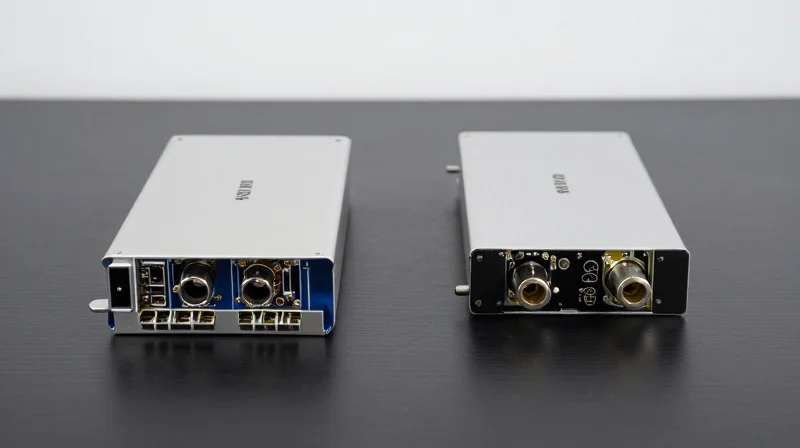
Ubytelink's 800G portfolio provides comprehensive support for both OSFP (Octal Small Form-factor Pluggable) and QSFP-DD (Quad Small Form-factor Pluggable Double Density) standards, ensuring that data center operators can leverage immersion cooling regardless of their existing hardware architecture. Our modules are engineered with immersion-optimized thermal paths and specialized casing materials that facilitate efficient dielectric fluid circulation around critical internal components like the DSP and EML lasers.
Comparative Analysis: Form Factors in Immersion Cooling
| Feature | OSFP 800G (Immersion-Ready) | QSFP-DD 800G (Immersion-Ready) |
|---|---|---|
| Thermal Dissipation | Higher surface area; ideal for 15W+ high-power modules. | Compact design; requires precise fluid flow management. |
| Mechanical Design | Integrated heat sink or 'finned' options for liquid flow. | Flat top or 'riding' heat sink versions available. |
| Backward Compatibility | Requires adapters for legacy QSFP ports. | Native backward compatibility with QSFP28/QSFP56. |
| Fluid Displacement | Higher displacement due to larger physical volume. | Minimal displacement; allows for higher port density. |
Design Optimizations for Fluid Dynamics
To maximize the benefits of single-phase or two-phase immersion, Ubytelink has refined the mechanical shells of our 800G modules. Unlike traditional air-cooled modules that rely on dense fin arrays to catch airflow, our immersion-ready OSFP and QSFP-DD housings feature 'vented' or 'skeletonized' paths. These modifications allow dielectric fluids to penetrate closer to the optical engine, reducing the thermal resistance between the silicon and the coolant. This design choice ensures that even at 800G speeds, where power consumption can reach 14W to 18W per module, the junction temperature remains significantly lower than in traditional air-cooled configurations.
FAQ: Integration and Compatibility
- Can Ubytelink OSFP modules be used in standard air-cooled switches?
While our immersion-ready modules share the same electrical interfaces, their casing is optimized for liquid. Standard air-cooled versions are available for hybrid environments. - Does the dielectric fluid interfere with the high-speed 112G SerDes signals?
No. Our modules feature hermetically sealed optical paths and signal integrity shielding that account for the dielectric constant of common cooling fluids, ensuring no performance degradation. - Are these modules compatible with both single-phase and two-phase immersion?
Yes, the material selection for our 800G OSFP and QSFP-DD lineups is tested for long-term stability in both single-phase mineral oils/synthetic fluids and two-phase fluorinated liquids.
Total Cost of Ownership (TCO) Benefits for Global Enterprises
The Economic Case for 800G Immersion Cooling
For global enterprises, the adoption of 800G networking introduces significant thermal challenges that traditional air cooling can only meet through expensive, energy-intensive HVAC systems. Ubytelink’s immersion-ready solutions solve this by removing the need for internal fans, reducing the data center’s cooling energy overhead by up to 95%, and allowing for a much more compact physical footprint that maximizes existing real estate.
Comparative TCO Analysis: Air vs. Immersion
| Metric | Traditional Air-Cooled 800G | Ubytelink Immersion-Cooled 800G |
|---|---|---|
| Cooling Energy Use | 30-50% of total facility power | <5% of total facility power |
| Rack Power Density | 15-20 kW per rack (Average) | 100+ kW per rack (Supported) |
| Component Failure Rate | Baseline (Prone to thermal cycling) | Estimated 50% reduction in MTBF |
| Maintenance Overhead | High (Dust, humidity, fan repairs) | Low (Sealant protection, no moving parts) |
Longevity and Maintenance Savings
Beyond immediate energy savings, the TCO benefits extend to the lifecycle of the optical transceivers themselves. By maintaining a constant, stable thermal environment, Ubytelink’s immersion technology eliminates the 'thermal shock' common in air-cooled systems during peak loads. This stability drastically reduces Mean Time Between Failures (MTBF), ensuring that expensive 800G OSFP and QSFP-DD modules last significantly longer and require fewer costly onsite replacements.
Enterprise Investment FAQ
- What is the typical ROI period for switching to immersion-cooled 800G solutions?
Most enterprises see a full Return on Investment within 18 to 24 months, driven primarily by energy savings and the avoidance of expensive CRAC/CRAH infrastructure expansions. - Does immersion cooling require specialized 800G hardware maintenance?
No, Ubytelink designs its 800G modules to be 'immersion-ready,' meaning they use materials that prevent fluid degradation and do not require specialized cleaning or frequent intervention. - How does it impact data center real estate costs?
By enabling higher rack density, enterprises can achieve the same compute capacity in 25% of the floor space compared to air cooling, effectively deferring the need for new facility construction.
The Future of Scalable Infrastructure with Ubytelink

The Future of Scalable Infrastructure with Ubytelink
As the industry moves toward 1.6T ethernet and high-performance computing (HPC) demands skyrocket, traditional air cooling reaches its physical limits; Ubytelink’s immersion cooling for 800G solutions establishes a scalable infrastructure that manages extreme heat densities today while providing the thermal headroom necessary for the 1.6T transition. By eliminating air-moving components and leveraging superior dielectric thermal conductivity, Ubytelink ensures that global networks can scale vertically—increasing compute density per rack—without expanding their physical or environmental footprint.
Evolution Toward 1.6T and Beyond
The roadmap for global networking suggests a doubling of bandwidth every few years. While 800G is currently the premium standard for high-bandwidth applications, the engineering challenges of 1.6T are already appearing in the form of massive power draws from optical engines and DSPs. Ubytelink's immersion-ready hardware is designed with this trajectory in mind, ensuring that the same chassis and fluid environments can support the next generation of modules without requiring a total infrastructure overhaul.
| Metric | 800G Current Standard | 1.6T Future Projection | Ubytelink Capacity |
|---|---|---|---|
| Average Module Power | 15W - 25W | 30W - 50W+ | Up to 100W per port |
| Cooling Medium | Air/Hybrid | Liquid/Immersion Required | Full Immersion Optimized |
| Rack Density | 20kW - 40kW | 100kW - 200kW+ | 250kW+ per Tank |
Strategic Longevity for Global Networks
Investing in Ubytelink’s immersion infrastructure is not merely a solution for current 800G deployments but a strategic long-term asset. Because immersion cooling protects components from dust, vibrations, and thermal cycling stress, the hardware lifecycle is significantly extended, reducing the frequency of costly 'rip-and-replace' upgrades. This stability allows enterprises to focus capital on bandwidth expansion rather than constant cooling remediation as chip TSPs (Thermal Design Power) continue to climb.
Future-Proofing FAQ
- Will Ubytelink 800G systems support 1.6T optics?
Yes, our immersion-ready chassis are designed with the thermal overhead and physical dimensions to accommodate future 1.6T form factors, provided they adhere to OSFP or QSFP-DD evolution standards. - How does immersion cooling impact long-term hardware reliability?
By maintaining a constant operating temperature and eliminating fans, immersion cooling reduces mechanical failure points and prevents micro-fissures in solder joints, extending equipment life by up to 30%. - Can I scale my data center capacity without adding new HVAC units?
Absolutely. Ubytelink's immersion systems use closed-loop heat exchangers, allowing you to increase compute density by 5-10x within the same footprint without needing to upgrade building air conditioning.
Ubytelink's immersion cooling technology represents the gold standard for 800G network reliability and efficiency. By choosing a solution designed for the most demanding thermal environments, you ensure your global network is ready for the future of AI and high-speed data. Contact Ubytelink today to learn how our 800G solutions can optimize your infrastructure.