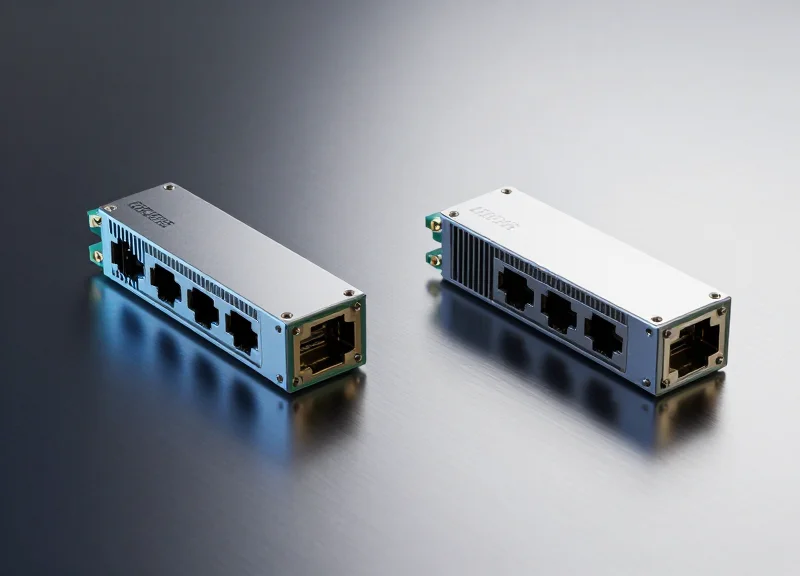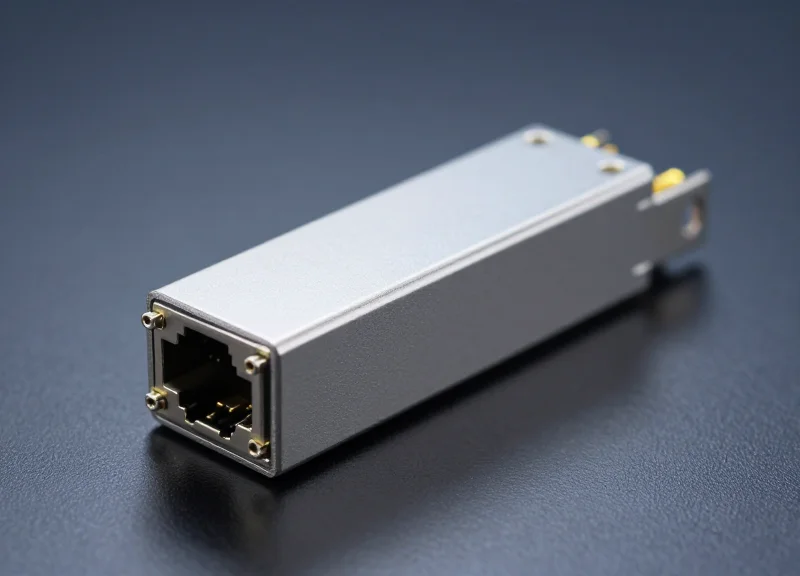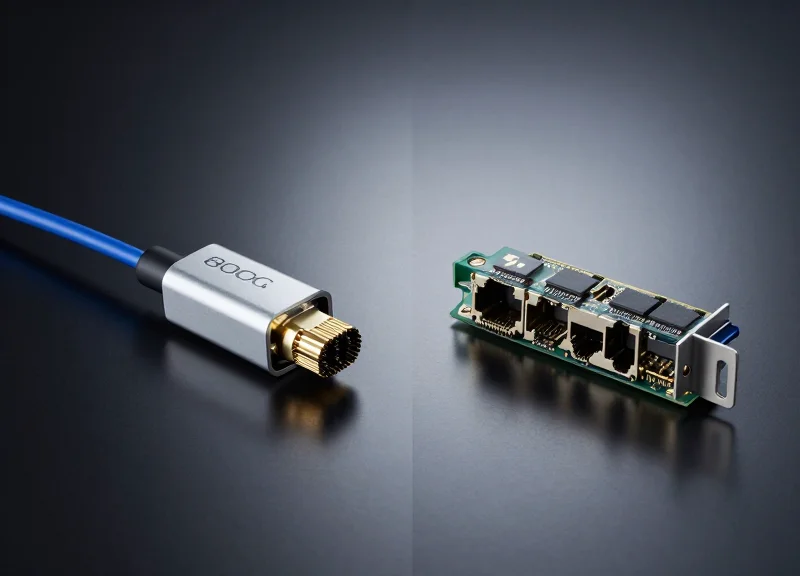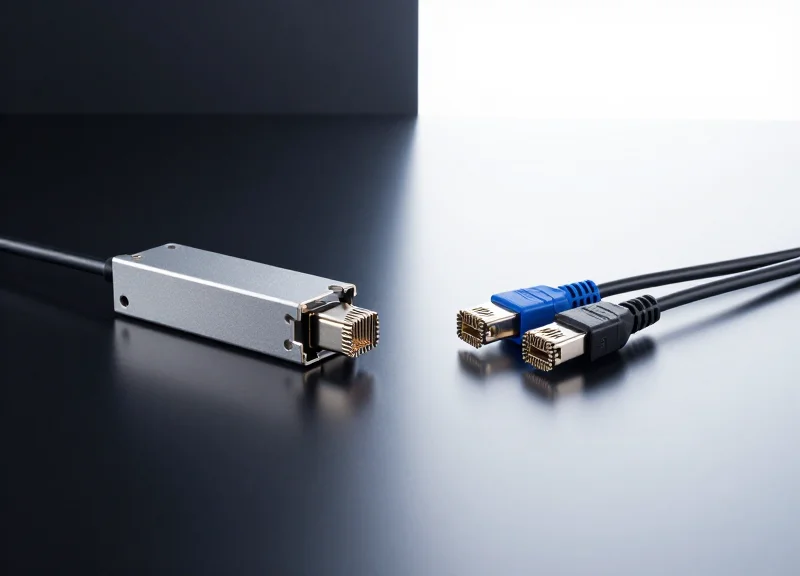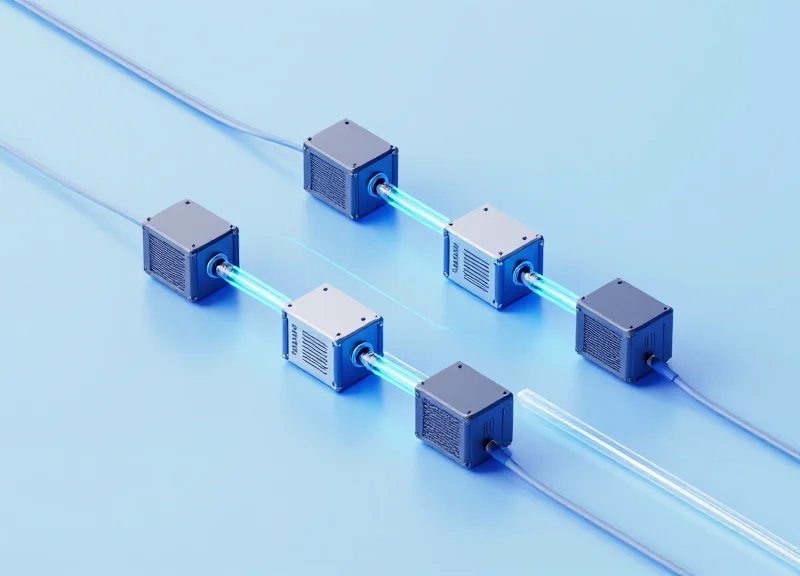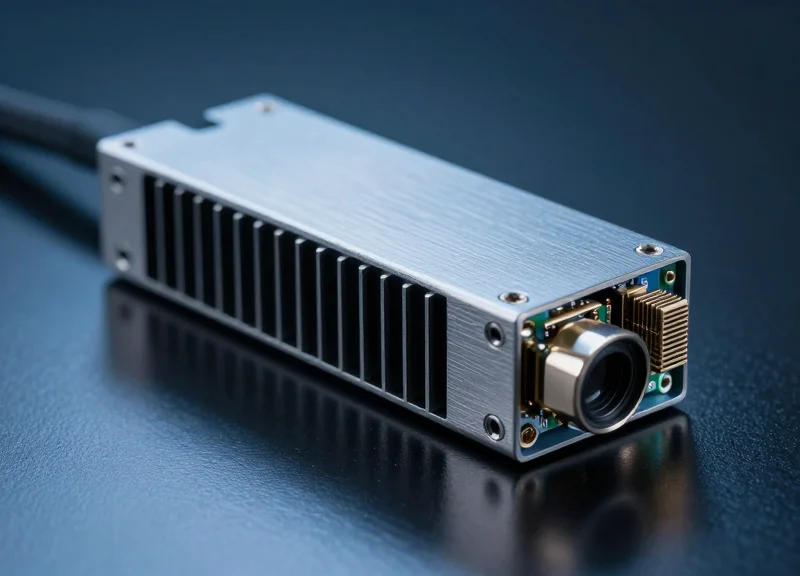
As global data consumption reaches unprecedented heights, the transition to 800G is no longer optional—it is a necessity. Ubytelink provides the architectural foundation for this shift, offering low-latency modules designed to withstand the rigors of mission-critical environments.
The Strategic Shift to 800G Connectivity

The Strategic Shift to 800G Connectivity
The global networking landscape is undergoing a fundamental transformation, moving beyond the limitations of 400G infrastructure to embrace 800G connectivity as the new industry baseline. This strategic shift is primarily catalyzed by the surge in generative AI, large language models (LLMs), and the intensifying demands of hyperscale cloud environments. As data throughput requirements double, organizations are pivoting to 800G to ensure their backbones can handle the massive I/O operations required for real-time data processing and global distribution. Ubytelink stands at the forefront of this evolution, providing low-latency modules that bridge the gap between legacy capacity and future-proof performance.
Drivers of 800G Adoption
Three core factors are accelerating the migration to 800G. First, the proliferation of AI and Machine Learning (ML) clusters requires unprecedented interconnect density and reduced serialization delay. Second, the consolidation of data centers into larger, more centralized hubs necessitates higher per-port density to maximize rack space. Finally, the total cost of ownership (TCO) at 800G has become increasingly favorable compared to multiple 400G links when considering power consumption and cooling efficiency per gigabit.
| Metric | 400G Infrastructure | 800G Infrastructure |
|---|---|---|
| Aggregate Bandwidth | 400 Gbps | 800 Gbps |
| Typical Form Factor | QSFP-DD / OSFP | OSFP / QSFP-DD800 |
| Relative Power per Gbps | Standard | Lower (Optimized) |
| Primary Use Case | Standard Cloud / Enterprise | AI Training / Hyperscale Core |
Common Strategic Considerations
- Is 800G backward compatible with existing 400G networks?
Yes, most 800G modules and switches support breakout modes, allowing them to interface with 2x400G or 8x100G configurations, ensuring a phased migration path. - Why is low latency critical at the 800G level?
In high-frequency trading and AI cluster synchronization, even microsecond delays can lead to computational bottlenecks. Low-latency 800G modules ensure that the physical layer does not impede high-speed processing. - How does 800G affect data center power density?
By doubling the bandwidth per port, 800G reduces the physical footprint and cable complexity, though it requires advanced thermal management solutions provided by premium vendors like Ubytelink.
Why Low Latency is Vital for AI and High-Frequency Trading

The Microsecond Competitive Edge
In the realms of AI model training and High-Frequency Trading (HFT), latency is no longer a performance metric—it is the primary determinant of system viability. For AI, latency determines the speed of gradient synchronization across massive GPU clusters; for HFT, it defines the winning trade in a landscape where speed is measured in microseconds. Ubytelink Low Latency 800G Modules are engineered to minimize the Time-to-Signal, ensuring that high-bandwidth data streams are processed with near-zero overhead, which is essential for maintaining the integrity of synchronized computations and the timing of financial executions.
Comparative Latency Benchmarks for Modern Workloads
| Industry Application | Critical Latency Metric | Business Impact of Delay |
|---|---|---|
| AI/ML Training | Collective Communication Latency | Extended training times and increased power consumption due to GPU stalling. |
| High-Frequency Trading | Tick-to-Trade Execution | Direct loss of arbitrage opportunities and increased exposure to market volatility. |
| Global Cloud Backbone | End-to-End Jitter | Degraded user experience and instability in distributed database synchronization. |
Architecting for Speed: The Ubytelink Advantage
Ubytelink's approach to 800G connectivity focuses on streamlining the internal signal path. Conventional modules often suffer from excessive latency caused by complex Digital Signal Processing (DSP) steps and heavy Forward Error Correction (FEC) overhead. Ubytelink addresses this by employing low-power, high-efficiency silicon engines that prioritize fast signal recovery and minimal serialization delay. This architectural refinement allows for a measurable reduction in nanoseconds per hop, which, when scaled across a global data center fabric, translates into a significant reduction in microsecond-level bottlenecks.
- Why is 800G essential for low-latency AI clusters?
800G provides the necessary bandwidth to prevent data congestion during All-Reduce operations in AI training, ensuring that high-speed GPUs are not left waiting for data synchronization. - How does Ubytelink minimize signal processing time?
Through the use of optimized DSP architectures and high-quality optical components, Ubytelink reduces the time required for electronic-to-optical conversion and error correction, maintaining signal integrity at maximum speeds. - What role does low latency play in HFT?
In HFT, even a 1-microsecond advantage can be the difference between a profitable trade and a loss, making high-quality, low-latency 800G modules the backbone of modern financial infrastructure.
Technical Deep Dive: Inside Ubytelink’s 800G Architecture
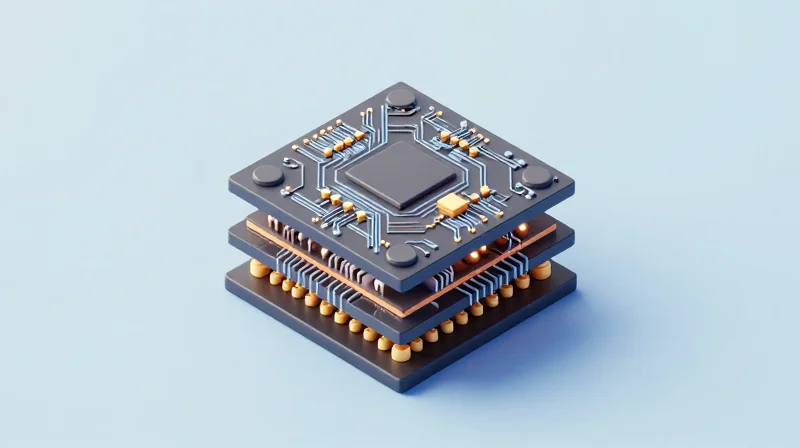
Ubytelink's 800G architecture is built upon a foundation of Silicon Photonics (SiPh) and high-performance Digital Signal Processing (DSP), specifically engineered to bypass the thermal and density limitations of traditional discrete optical components. By integrating complex optical functions onto a single silicon substrate, Ubytelink achieves a streamlined data path that reduces electron-to-photon conversion overhead, effectively lowering both latency and power consumption for high-density global networks.
Silicon Photonics: The Core of High-Density Optics
The shift from traditional TOSA/ROSA assemblies to integrated Silicon Photonics represents a paradigm change in module reliability. Ubytelink utilizes SiPh to consolidate modulators and detectors, which minimizes signal loss at high frequencies. This integration ensures that the 800G signal remains stable over longer fiber spans without the jitter typical of multi-component legacy designs. Furthermore, the use of silicon-based manufacturing allows for better thermal management, preventing the wavelength drifting that can occur in high-heat data center environments.
Next-Generation DSP and FEC Optimization
At the heart of the Ubytelink 800G module is a 7nm/5nm CMOS DSP engine. This processor is tasked with managing PAM4 modulation and complex Forward Error Correction (FEC). Unlike standard modules that prioritize error correction at the expense of speed, Ubytelink utilizes a 'low-latency FEC' algorithm. This selectively corrects errors in real-time, maintaining a Bit Error Rate (BER) that exceeds IEEE standards while shaving critical nanoseconds off the processing time.
| Feature | Legacy 800G Modules | Ubytelink 800G Architecture |
|---|---|---|
| Optical Platform | Discrete Components | Integrated Silicon Photonics |
| DSP Node | 12nm - 10nm | 7nm - 5nm Low Power |
| Power Consumption | 16W - 18W | 12W - 14W |
| Signal Integrity | Standard PAM4 | Optimized PAM4 with Low-Latency FEC |
Frequently Asked Questions
- How does Silicon Photonics improve reliability?
By reducing the number of discrete parts and laser alignments, Silicon Photonics minimizes potential points of failure and improves overall Mean Time Between Failures (MTBF). - What is the benefit of the 5nm DSP node?
The smaller process node allows for higher transistor density, which enables more complex signal processing with significantly lower power draw and less heat generation. - Can these modules work with legacy switches?
Yes, Ubytelink 800G modules are designed for backwards compatibility and follow MSA standards, ensuring they integrate seamlessly into existing OSFP and QSFP-DD infrastructure.
Reliability for Mission-Critical Infrastructure

Engineering Zero-Fail Performance for High-Stakes Networks
Ubytelink 800G modules achieve mission-critical reliability by integrating high-grade optoelectronic components with a multi-stage Quality Assurance (QA) protocol that simulates extreme real-world stressors before any unit leaves the facility. In sectors where a single millisecond of downtime can result in millions of dollars in losses or compromise national security, our modules serve as the resilient backbone of the physical layer, ensuring continuous data flow without degradation.
Comprehensive Testing and Validation Standards
To guarantee 99.999% availability, Ubytelink employs a 'Total Quality Management' approach. This includes High-Temperature Operating Life (HTOL) testing and Temperature Cycling (TC) to verify the thermal stability of the 800G DSP and laser drivers. Every module undergoes a rigorous 72-hour burn-in process at peak traffic loads to identify and eliminate early-life failures (infant mortality), ensuring that only the most robust hardware enters the global supply chain.
| Reliability Metric | Ubytelink 800G Series | Industry Standard |
|---|---|---|
| Mean Time Between Failures (MTBF) | >2,500,000 Hours | ~1,000,000 Hours |
| Operating Temperature Range | -5°C to 85°C (Extended) | 0°C to 70°C (Commercial) |
| Pre-Shipment Burn-In | 100% Units (72-Hour Stress) | Batch Sampling |
| Bit Error Rate (BER) | <1E-15 (Post-FEC) | <1E-12 (Post-FEC) |
Mission-Critical Sector Deployment FAQ
- How does Ubytelink support Banking and Financial Services?
We provide low-latency consistency and hardware-level encryption compatibility required for high-frequency trading and secure inter-bank clearing systems, minimizing the risk of packet retransmissions. - Can these modules withstand the demands of Government and Defense?
Yes. Our modules meet strict EMI/EMC standards to prevent signal leakage and interference, making them ideal for secure government data centers and tactical communication backbones. - How is reliability maintained in Healthcare environments?
In medical imaging and remote surgery applications, Ubytelink 800G modules ensure ultra-stable throughput for high-resolution data streams, where signal integrity is non-negotiable for patient safety.
Ultimately, the reliability of Ubytelink 800G modules is not just about avoiding failure; it is about providing the predictable performance required for the next generation of global infrastructure. By reducing the Total Cost of Ownership (TCO) through lower replacement rates and decreased maintenance windows, Ubytelink empowers enterprises to scale their networks with absolute confidence.
Optimizing Power Consumption and Thermal Management

Efficiency at Scale: Navigating the Thermal Challenges of 800G Connectivity
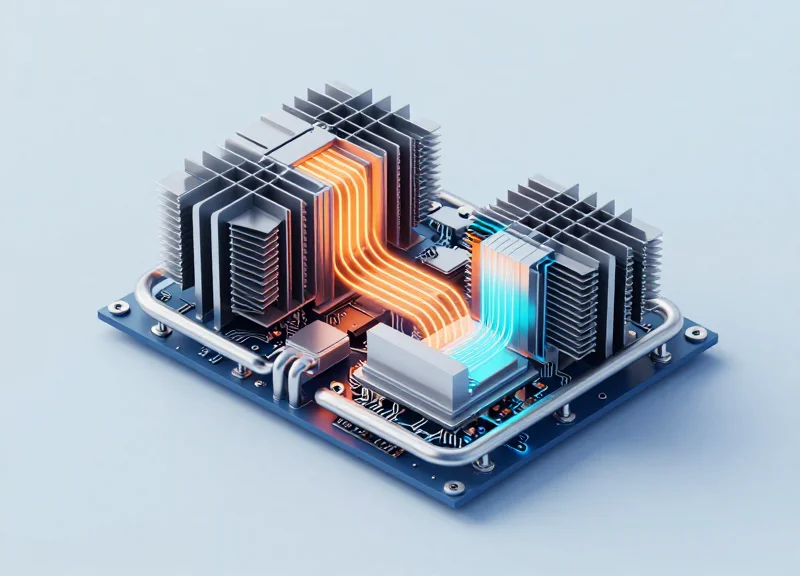
The transition to 800G throughput introduces a critical engineering hurdle: managing the significant heat generated within the compact form factors of QSFP-DD and OSFP modules. Ubytelink addresses this by utilizing a multi-faceted approach that combines low-power Digital Signal Processing (DSP) with high-efficiency Silicon Photonics (SiPh). By reducing the internal power consumption of each module, Ubytelink not only lowers the overall energy footprint of the data center but also mitigates the risk of thermal throttling, ensuring that high-speed links remain stable under maximum load.
Comparative Power Efficiency Metrics
| Parameter | Industry Standard (Average) | Ubytelink 800G Series |
|---|---|---|
| Typical Power Consumption | 16W - 18W per module | 14W - 15.5W per module |
| Max Operating Temperature | 70°C (Commercial) | 75°C (Enhanced Thermal Range) |
| Thermal Dissipation Material | Standard Heat Spreaders | Proprietary High-K Thermal Pads |
| Cooling Requirement | High Airflow Required | Optimized for Low-Airflow Environments |
Innovation in Heat Dissipation and Material Science
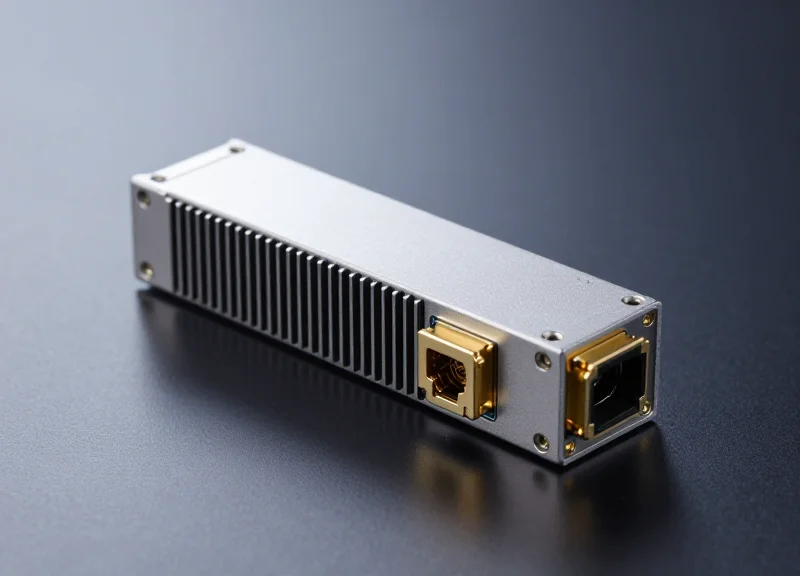
Beyond electronic optimization, Ubytelink has engineered the physical housing of its modules to maximize passive cooling. The integration of high-conductivity thermal interface materials and precision-machined heat sinks allows for faster heat transfer from the internal chipsets to the module casing. This design philosophy is critical for high-density switches where 32 or more 800G ports are situated in a single rack unit, preventing localized 'hot spots' that could compromise the reliability of the entire network fabric.
Thermal Management & Energy FAQ
- How does Ubytelink maintain low latency while reducing power?
Ubytelink utilizes custom-tuned DSP algorithms that strip away unnecessary processing overhead, focusing on rapid signal recovery and equalization without the power-intensive features typical of generic silicon. - What is the impact of lower power consumption on long-term OpEx?
A reduction of 2W per module may seem small, but across a 512-port deployment, it translates to significant savings in both electricity and the secondary costs of cooling infrastructure. - Are these modules rated for industrial temperature ranges?
While standard modules are rated for commercial environments, Ubytelink offers specialized versions with reinforced thermal management for edge deployments where ambient temperature control is less consistent.
Seamless Integration and Global Standards Compliance
Seamless Integration and Global Standards Compliance
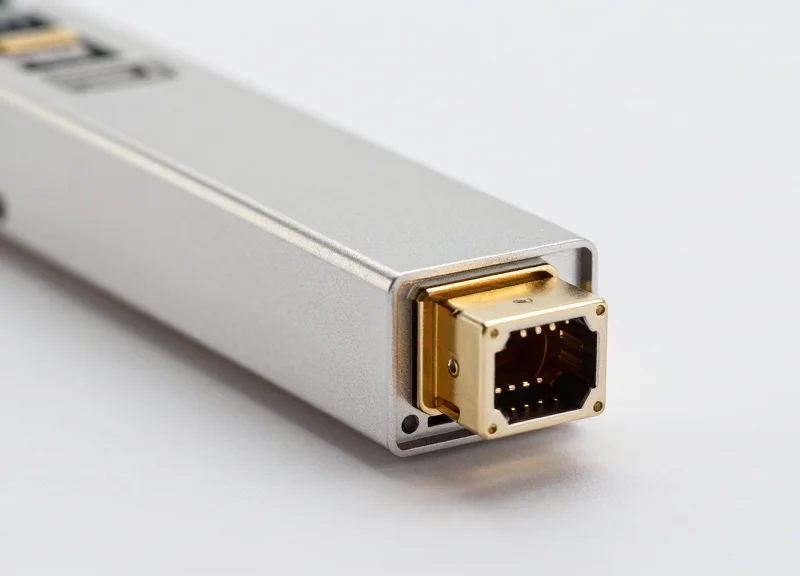
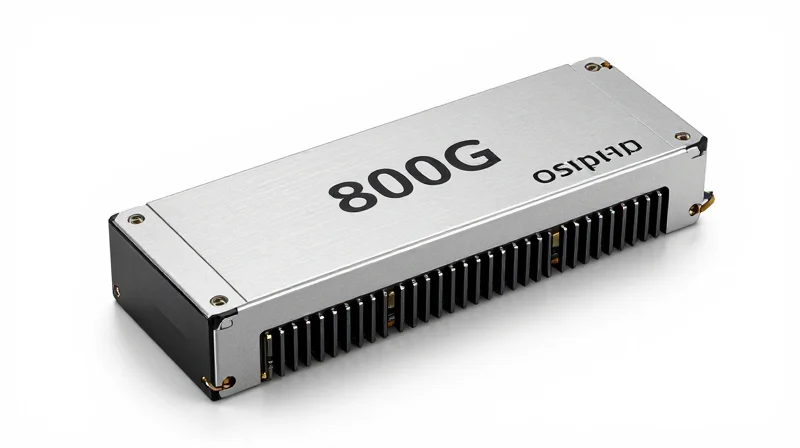
Ubytelink Low Latency 800G Modules Solutions provide a friction-free path to high-speed networking by maintaining strict adherence to the OSFP and QSFP-DD form factors, allowing network operators to leverage existing hardware footprints while doubling bandwidth capacity without a complete architectural overhaul. By prioritizing standards-based engineering, Ubytelink ensures that the leap to 800G is a matter of plug-and-play logic rather than a complex re-engineering of the data center floor.
Universal Form Factor Compatibility
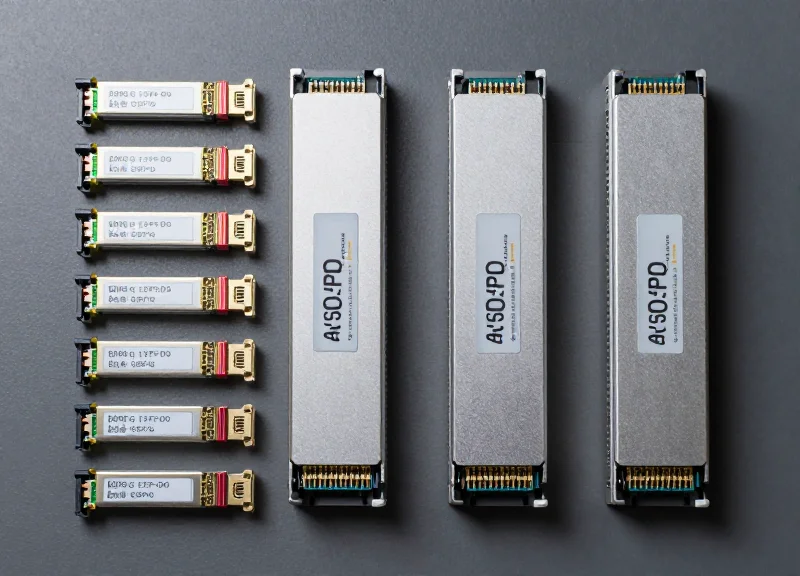
The industry is currently divided between two primary 800G form factors: OSFP (Octal Small Form-factor Pluggable) and QSFP-DD (Quad Small Form-factor Pluggable Double Density). Ubytelink addresses this market duality by providing premium modules in both configurations. This dual-track approach allows enterprises to choose the physical interface that best suits their thermal requirements and density goals, ensuring that Ubytelink modules fit into the world's most advanced switches and routers from leading global manufacturers.
| Feature | QSFP-DD 800 | OSFP 800 |
|---|---|---|
| Backwards Compatibility | Native support for QSFP28/QSFP56 | Requires OSFP-to-QSFP adapters |
| Thermal Performance | Optimized for 15W-25W | Enhanced with integrated heat sinks |
| Interface Density | High density (up to 14.4T in 1U) | Superior cooling for 800G+ scaling |
| Connector Type | Dual LC, MPO-12/16 | Dual LC, MPO-12/16 |
Adherence to IEEE and MSA Standards
Compliance is the cornerstone of reliability in global networks. Ubytelink 800G modules are engineered to exceed the specifications set by the IEEE 802.3ck task force, which defines the 100 Gb/s electrical lanes necessary for 800G throughput. Furthermore, these modules are fully compliant with the Multi-Source Agreement (MSA) standards, guaranteeing that they are electrically and mechanically interchangeable with other MSA-compliant hardware. This adherence to global benchmarks eliminates vendor lock-in and provides a stable foundation for multi-vendor environments.
- How does Ubytelink ensure multi-vendor interoperability?
By strictly following OIF CEI-112G and IEEE 802.3ck standards, Ubytelink ensures that its modules communicate flawlessly with ASICs and switches from all major networking vendors. - Are Ubytelink 800G modules hot-swappable?
Yes, both OSFP and QSFP-DD designs are fully hot-pluggable, allowing for maintenance and upgrades without disrupting the overall network uptime. - What testing ensures compatibility with legacy systems?
Ubytelink conducts extensive interoperability testing in heterogeneous environments to verify that 800G modules can negotiate speeds correctly with legacy 400G and 100G interfaces where supported.
Ultimately, the integration of Ubytelink's 800G solutions into existing global networks is defined by its transparency. By matching the mechanical, electrical, and thermal expectations of the industry's leading standards, Ubytelink enables a seamless transition to the era of terabit networking.
Future-Proofing Your Network with Ubytelink
Strategic Infrastructure: Future-Proofing with Ubytelink
Future-proofing a global network with Ubytelink's 800G modules involves more than just raw bandwidth; it requires a strategic alignment of hardware reliability, energy efficiency, and standard-compliant interoperability that mitigates the risk of technical debt. By deploying high-density, low-latency interconnects today, enterprises can accommodate the exponential surge in AI-driven traffic and 5G expansion without requiring frequent and costly hardware overhauls.
Optimizing Total Cost of Ownership (TCO)
The primary barrier to scaling global networks is often the escalating operational expenditure (OPEX) associated with power and cooling. Ubytelink addresses this by utilizing state-of-the-art silicon photonics and low-power DSPs, ensuring that each 800G port delivers maximum throughput per watt. This efficiency, combined with high Mean Time Between Failures (MTBF), significantly lowers the long-term TCO by reducing both electricity consumption and the frequency of manual maintenance cycles in remote data centers.
| Economic Factor | Standard 800G Modules | Ubytelink Optimized Modules |
|---|---|---|
| Power Consumption | 16W - 18W per module | 13W - 14.5W per module |
| Failure Rate (Annualized) | ~1.5% - 2.0% | <0.5% (Carrier Grade) |
| Heat Dissipation Requirements | High / Specialized Cooling | Standard High-Density Airflow |
| Long-term Compatibility | Variable MSA Compliance | Rigid IEEE/MSA Standards Alignment |
Seamless Transitions and Interoperability
As networks evolve from 400G to 800G and eventually 1.6T, maintaining backward compatibility and adhering to industry-wide standards is critical. Ubytelink modules are designed to integrate into existing OSFP and QSFP-DD ecosystems, allowing for a phased migration. This ensures that current investments in switching fabric remain viable, preventing the 'locked-in' scenario often found with proprietary vendor solutions.
- How does Ubytelink ensure compatibility with next-gen switches?
Ubytelink strictly adheres to the latest MSAs (Multi-Source Agreements) and IEEE 802.3ck standards, ensuring that our 800G modules are plug-and-play compatible with leading hardware from Cisco, Arista, and Juniper. - Can these modules handle the specific demands of AI and ML clusters?
Yes, our low-latency design is specifically optimized for RDMA over Converged Ethernet (RoCE) and InfiniBand-like performance, which are essential for high-frequency trading and AI model training. - What is the expected lifespan of an 800G deployment?
With Ubytelink's premium quality control, these modules are designed for a 7-10 year operational lifecycle, spanning multiple technology refresh cycles.
In conclusion, partnering with Ubytelink allows network architects to build with confidence. By prioritizing low-latency performance and industry-leading energy efficiency, Ubytelink ensures that your global network remains a competitive asset rather than a cost center for years to come.
Ubytelink’s 800G modules offer the perfect balance of speed, stability, and efficiency for the modern digital era. Ready to upgrade your infrastructure? Contact our engineering team today for a consultation and secure your network's future.