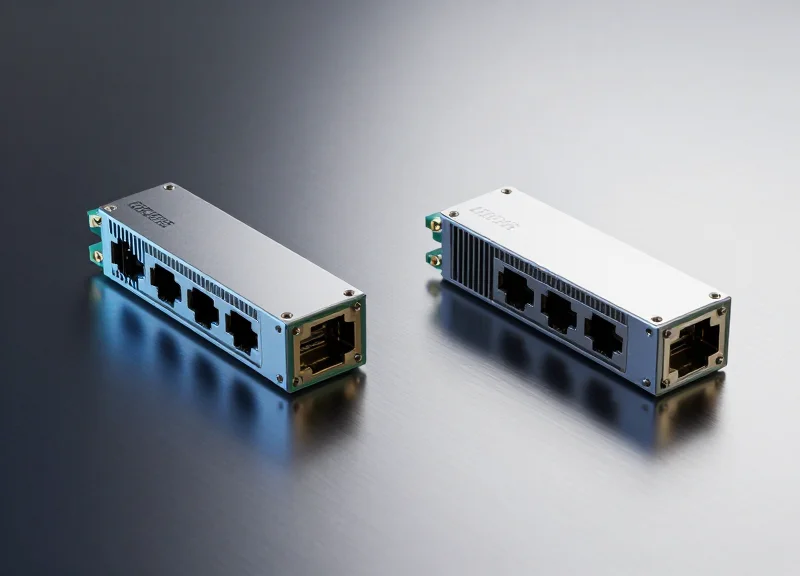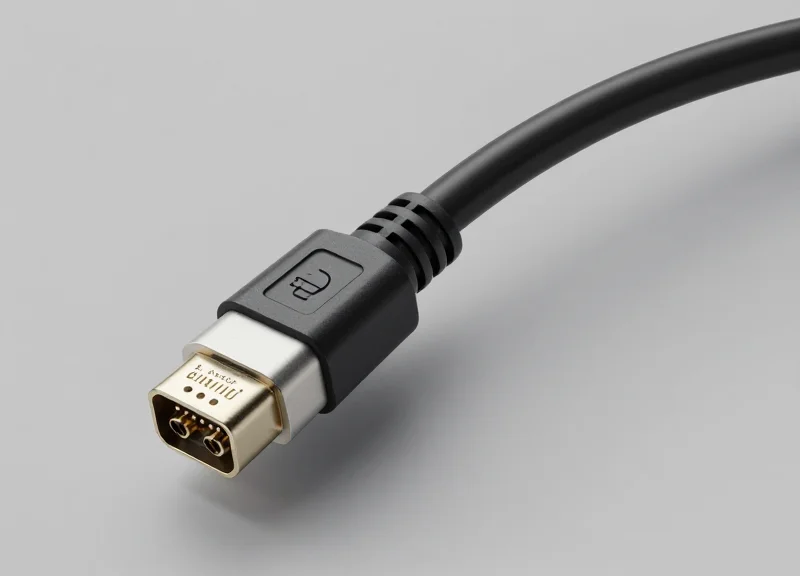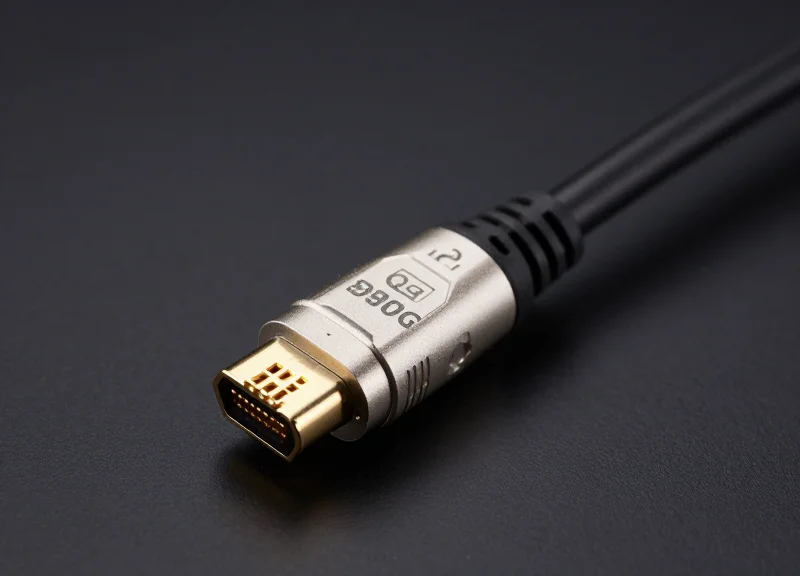
In an era where data connectivity is the backbone of global commerce, the Multi-Source Agreement (MSA) stands as the silent guardian of network integrity. Ubytelink bridges the gap between high-cost proprietary hardware and the need for universal, high-performance connectivity, providing a stable foundation for global network growth.
Understanding the Multi-Source Agreement (MSA) Framework

Understanding the Multi-Source Agreement (MSA) Framework
The Multi-Source Agreement (MSA) is a de facto industry standard established through cooperation between hardware manufacturers to define the mechanical, electrical, and optical characteristics of networking components. By providing a uniform set of specifications, the MSA framework ensures that optical transceivers, cables, and other hardware from different vendors are physically and functionally interchangeable. This standardization is the backbone of modern telecommunications, allowing network operators to build diverse, vendor-neutral infrastructures without the risk of proprietary lock-in.
The Role of MSA in Optical Networking
MSA standards cover a wide range of parameters, including physical dimensions, connector types, signaling rates, and power consumption. For instance, the form factors we rely on today—such as SFP, QSFP28, and OSFP—are all governed by specific MSA documents. Without these agreements, a transceiver from Vendor A might not fit into a switch from Vendor B, or worse, might fail to communicate due to incompatible electrical signals. Ubytelink MSA Standard Compliance Solutions leverage these rigorous guidelines to provide premium quality modules that function seamlessly across global network environments.
| Specification Category | Description | Standardized Elements |
|---|---|---|
| Mechanical | Physical housing and dimensions | Form factor (SFP/QSFP), latching mechanisms, pin layouts |
| Electrical | Electrical signal levels and power | Voltage requirements, signal integrity, data rate thresholds |
| Management Interface | Software and diagnostics | I2C register maps, Digital Optical Monitoring (DOM) protocols |
Key Benefits of MSA Compliance
- Cost Efficiency
Standardization promotes competition among manufacturers, driving down costs for end-users while maintaining high quality. - Interoperability
Guarantees that components from different sources can work together within the same network ecosystem. - Innovation
Allows manufacturers to focus on improving internal performance and reliability within a stable, standardized physical framework.
Frequently Asked Questions
- Is an MSA a formal standards body like the IEEE?
No, MSAs are agreements between private companies rather than official regulatory bodies, though they often reference IEEE standards for signal integrity. - What happens if a module is not MSA compliant?
Non-compliant modules may suffer from physical fitment issues, electrical failures, or communication errors with the host switch.
The Critical Role of MSA Compliance in Modern Data Centers

In the landscape of modern data centers, Multi-Source Agreement (MSA) compliance is the fundamental enabler of a 'best-of-breed' infrastructure strategy. By adhering to these rigorous standards, operators can integrate optical transceivers, cables, and active components from diverse manufacturers into a single, cohesive fabric. This standardization ensures that electrical interfaces, mechanical dimensions, and signaling protocols are identical across brands, allowing for seamless communication between switches, routers, and servers regardless of the logo on the chassis.
Eliminating Vendor Lock-In and Enhancing Flexibility
Historically, networking was dominated by proprietary ecosystems where hardware from one vendor would only function with peripherals from the same brand. MSA compliance dismantles these silos. It empowers network architects to select components based on performance metrics and cost-efficiency rather than brand loyalty. This flexibility is critical during supply chain disruptions, as it allows organizations to source compliant alternatives without needing to overhaul their entire network architecture.
| Feature | Proprietary Ecosystems | MSA-Compliant Ecosystems |
|---|---|---|
| Hardware Choice | Limited to a single manufacturer | Diverse, multi-vendor availability |
| Cost Structure | High premium on 'branded' optics | Competitive market pricing |
| Procurement Speed | Dependent on single vendor lead times | Multiple sourcing options mitigate delays |
| Interoperability | Strictly controlled and restricted | Standardized across all compliant devices |
Scalability and Economic Efficiency
As data centers scale from 100G to 400G and beyond, the cost of optical interconnects becomes a significant portion of the total capital expenditure (CAPEX). Ubytelink MSA Standard Compliance Solutions provide a pathway to manage these costs by fostering a competitive marketplace. Standardized specifications drive innovation among manufacturers, leading to higher-density components and lower power consumption, which directly impacts operational expenditure (OPEX) in large-scale deployments.
Common Questions on MSA Utility
- Does using MSA-compliant third-party optics void switch warranties?
No. In most jurisdictions, including the US under the Sherman Antitrust Act and the Magnuson-Moss Warranty Act, vendors cannot legally void a hardware warranty simply for using compliant third-party components. - How does MSA compliance impact network reliability?
MSA standards define the electrical and thermal boundaries of a component. Compliant optics from reputable providers like Ubytelink often meet or exceed the performance specifications of original equipment manufacturer (OEM) equivalents. - Is MSA compliance relevant for 800G and future technologies?
Absolutely. MSA groups are already establishing the frameworks for 800G and 1.6T speeds, ensuring that the next generation of data centers remains open and interoperable.
Ubytelink’s Engineering Excellence: Beyond Basic Compatibility
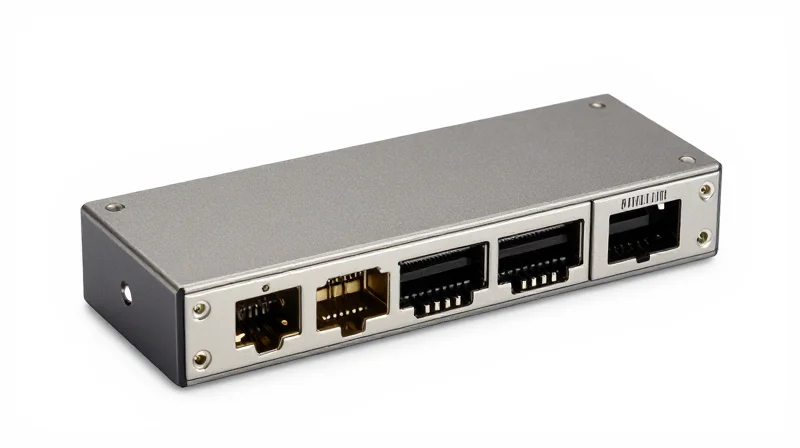
Ubytelink’s Engineering Excellence: Beyond Basic Compatibility
While many manufacturers treat Multi-Source Agreement (MSA) standards as a ceiling, Ubytelink views them as a foundational floor. Our engineering philosophy focuses on 'Performance Overhead'—ensuring that every transceiver operates well within safety margins for power consumption, thermal dissipation, and jitter, providing a level of reliability that generic alternatives cannot match. By exceeding the baseline requirements of the MSA framework, Ubytelink provides global networks with the resilience needed for 24/7 high-bandwidth operations.
The Anatomy of a Premium Transceiver
The longevity of a network link depends heavily on the quality of internal components like the laser driver, the TOSA/ROSA (Transmitter/Receiver Optical Sub-Assembly), and the PCB design. Ubytelink utilizes high-grade chipsets from industry leaders and thick gold-plated connectors to minimize insertion loss and maximize signal integrity across variable distances. This attention to detail reduces the Bit Error Rate (BER) significantly compared to low-cost MSA-compliant modules.
| Feature | Basic MSA Compliance | Ubytelink Engineering Excellence |
|---|---|---|
| Component Selection | Generic or unbranded chipsets | Tier-1 Industry Leading (e.g., Broadcom, Macom) |
| Signal Integrity | Meets standard BER limits | Enhanced BER for ultra-clean data transmission |
| Thermal Management | Standard heat dissipation | Advanced thermal pads and heat-sink housing |
| Physical Durability | Standard insertion cycle rating | High-durability gold plating for 500+ insertions |
Rigorous Validation and Real-World Simulation
Ubytelink’s commitment to excellence is validated through a multi-stage testing process. Beyond basic electrical checks, every module undergoes high-temperature soak tests and humidity cycling to simulate extreme data center environments. Furthermore, we test our modules on actual OEM hardware from brands like Cisco, Arista, and Juniper to ensure that our MSA-compliant firmware interacts perfectly with vendor-specific diagnostic systems (DOM/DDM).
- Why does component selection matter if it already meets the MSA standard?
Standard-compliant modules can vary significantly in power consumption and heat output. Premium components ensure lower energy costs and higher stability over a 5-to-10-year lifecycle. - How does Ubytelink handle signal degradation in long-reach applications?
We utilize advanced Clock and Data Recovery (CDR) chips and superior optical sub-assemblies to maintain signal clarity even at the edge of maximum distance specifications. - Is 'Engineering Excellence' relevant for short-reach DAC cables?
Absolutely. Superior shielding and precision-wound copper in Ubytelink DACs prevent EMI interference that often plagues cheaper MSA-compliant cables.
Ensuring Seamless Interoperability Across Major Switch Brands
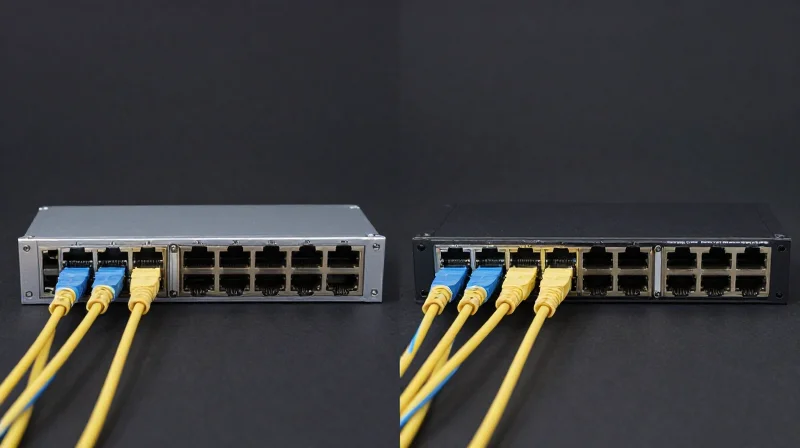
Ubytelink's interoperability strategy centers on the precise synchronization of hardware architecture and software firmware to eliminate the common handshake issues found in multi-vendor data centers. By combining strict adherence to Multi-Source Agreement (MSA) electrical and mechanical specifications with a proprietary brand-specific EEPROM coding process, Ubytelink ensures its modules are instantly recognized and fully functional within the proprietary ecosystems of major switch manufacturers.
Eliminating Vendor Lock-in Through Technical Precision
The primary barrier to multi-vendor integration is not the physical connection, but the software handshake. Major manufacturers often use unique ID checks to restrict the use of third-party optics. Ubytelink overcomes this by reverse-engineering the specific coding requirements of each brand, ensuring that when an SFP+ or QSFP28 module is plugged into a Cisco Nexus or an Arista 7000 series switch, it identifies itself with the correct vendor-specific metadata. This allows network administrators to bypass restrictive 'allow-unsupported-transceiver' commands while maintaining full access to Digital Optical Monitoring (DOM) features.
| Brand | Compatibility Method | Operational Benefit |
|---|---|---|
| Cisco Systems | IOS/IOS-XE Integrated Coding | Native recognition and full diagnostic support |
| Arista Networks | EOS Optimized Firmware | Plug-and-play performance without configuration overrides |
| Juniper Networks | Junos OS Signature Matching | Stable link synchronization and low-latency throughput |
| Dell Networking | OS9/OS10 Specific EEPROM | Reliable hardware-to-software handshake |
Rigorous Brand-Specific Validation
Unlike generic compatible modules, Ubytelink's premium solutions undergo testing on the actual target hardware. Our engineering lab maintains an extensive inventory of switches and routers from industry leaders. Each batch of transceivers is validated for real-world scenarios, including link-up speed, error-free data transmission under high load, and thermal stability. This ensures that the hardware performs exactly like an OEM original, but with the added flexibility and cost-efficiency provided by Ubytelink's engineering standards.
Common Interoperability Questions
- Will Ubytelink modules void my OEM switch warranty?
No. Using MSA-compliant third-party transceivers does not void your hardware warranty. In the United States, the Magnuson-Moss Warranty Act protects consumers, and similar regulations exist globally to ensure that manufacturers cannot force the use of their own branded peripherals. - Do Ubytelink modules support Digital Optical Monitoring (DOM)?
Yes. Ubytelink modules are fully equipped with DOM/DDM capabilities, allowing network administrators to monitor real-time parameters such as optical output power, input power, temperature, and laser bias current directly from the switch console. - Can Ubytelink provide custom-coded modules for niche hardware?
Absolutely. While we specialize in major brands like Cisco and Juniper, our engineering team can provide custom EEPROM programming for a wide range of specialized or legacy networking equipment to ensure total network cohesion.
Rigorous Testing Protocols: The Ubytelink Reliability Guarantee
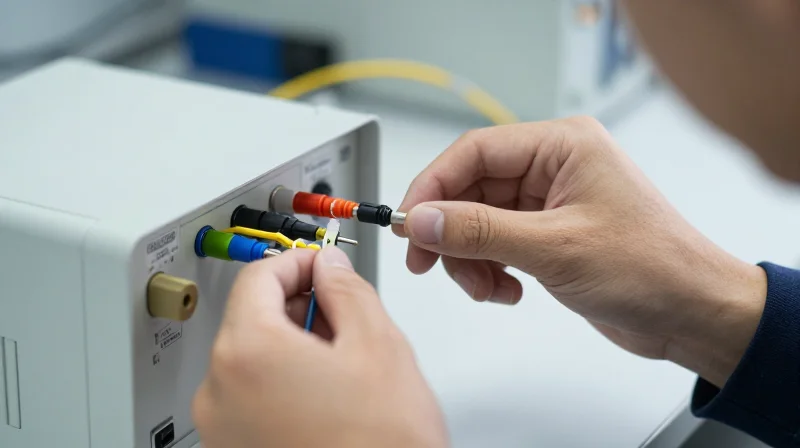
The Ubytelink reliability guarantee is built upon a 'zero-failure' engineering philosophy that treats industry-standard MSA requirements as a baseline rather than a ceiling. To achieve the 99.999% uptime required by global enterprises and hyperscale data centers, every Ubytelink transceiver undergoes a comprehensive battery of tests including high-speed signal characterization, 48-hour thermal burn-in, and real-world traffic simulation on actual OEM hardware. This end-to-end validation ensures that each module maintains peak performance regardless of network density or environmental volatility.
Signal Integrity and Optical Performance Analysis
At the core of Ubytelink’s testing protocol is advanced signal integrity analysis. Using state-of-the-art digital sampling oscilloscopes and Bit Error Rate Testers (BERT), our engineers verify the 'eye diagram' of every module. A wide, clean eye opening indicates low jitter and superior signal-to-noise ratios, which are critical for preventing data packet loss at speeds of 400G and beyond. We strictly enforce a Bit Error Rate (BER) that is significantly lower than the IEEE standard, providing an extra margin of safety for long-haul and high-density deployments.
Environmental Stress and Durability Benchmarking
Data centers often face fluctuating thermal loads and humidity levels. Ubytelink modules are subjected to accelerated aging tests and thermal cycling to identify potential weaknesses in the internal laser diodes or PCB components. By simulating years of operation in just a few days of intense environmental stress, we ensure that our hardware can withstand the rigors of real-world use without degradation.
| Testing Parameter | Industry Standard Compliance | Ubytelink Reliability Protocol |
|---|---|---|
| Thermal Testing | Random batch sampling at room temp | 100% individual burn-in (-40°C to +85°C) |
| Signal Validation | Basic connectivity check | Full Eye-Mask and Jitter Margin analysis |
| Switch Interoperability | Generic software simulation | Validation on 50+ major OEM hardware platforms |
| Failure Rate Target | < 1% | < 0.001% (Five Nines Reliability) |
Interoperability and Live Traffic Verification
While many vendors rely on theoretical software simulations, Ubytelink maintains an extensive laboratory of physical switches from Cisco, Arista, Juniper, and Dell. Every module is tested for domestic and international compatibility, ensuring that the Digital Optical Monitoring (DOM) data accurately reports power levels, temperature, and voltage to the host system. This prevents the 'false alarms' or link drops that frequently plague lower-quality generic transceivers.
- How does Ubytelink achieve 99.999% uptime?
We achieve this through a combination of 100% serialization for tracking, 48-hour continuous traffic burn-in, and strict adherence to signal integrity thresholds that exceed IEEE and MSA standards. - What is the significance of the Eye Diagram test?
The Eye Diagram is a visual representation of the digital signal quality. A clean 'eye' ensures that the receiver can clearly distinguish between 0s and 1s, even in the presence of noise and dispersion, which is vital for high-speed fiber optics. - Are environmental tests conducted on every module?
Yes, unlike vendors who only test prototypes, Ubytelink subjects every production unit to thermal stress testing to guarantee long-term stability in diverse data center environments.
Scaling Infrastructure with Cost-Effective MSA-Compliant Solutions
The Economic Logic of MSA Compliance in Large-Scale Deployments
Scaling global networks requires a delicate balance between rigorous performance demands and tightening budget constraints. Ubytelink MSA Standard Compliance Solutions offer a direct answer to this challenge by providing identical technical specifications to OEM optics at a fraction of the investment, effectively allowing data centers to expand port density and bandwidth capacity without linear increases in capital expenditure. By adhering to Multi-Source Agreements, Ubytelink ensures that cost-effectiveness does not come at the expense of quality, providing a standardized hardware foundation that supports aggressive growth strategies.
Analyzing the Total Cost of Ownership (TCO)
A true assessment of value extends beyond the initial invoice. Ubytelink focuses on reducing the Total Cost of Ownership (TCO) through superior energy efficiency, lower heat dissipation, and high Mean Time Between Failures (MTBF). By minimizing operational expenses (OpEx) alongside capital savings, these modules ensure that infrastructure scaling remains financially sustainable over the entire lifecycle of the hardware. This includes reduced cooling costs and fewer maintenance cycles, which are critical factors when managing thousands of optical links across multiple geographical sites.
| Metric | Proprietary OEM Optics | Ubytelink MSA Solutions |
|---|---|---|
| Unit Acquisition Cost | Premium Pricing (3x - 10x) | Market-Competitive Pricing |
| Vendor Flexibility | Vendor Locked-in | Multi-Vendor Interoperability |
| Power Consumption | Standard OEM Profiles | Optimized Low-Power Design |
| Warranty & Support | Manufacturer Specific | MSA-Compliant Lifetime Reliability |
| Scaling Speed | Budget-Restricted | Rapid, Cost-Effective Expansion |
Avoiding Vendor Lock-in and Enhancing Agility
Proprietary optics often serve as a mechanism for vendor lock-in, forcing organizations to adhere to a specific manufacturer's pricing and roadmap. Ubytelink’s adherence to MSA standards empowers network architects to mix and match hardware, fostering a competitive environment that drives innovation and allows for rapid, agile deployment of new technologies like 400G and 800G across heterogeneous environments. This flexibility is the cornerstone of modern, scalable cloud and enterprise architectures.
- Does using Ubytelink modules void my switch warranty?
No. Major hardware manufacturers cannot legally void a warranty for using third-party, MSA-compliant components unless the component itself is proven to have caused damage. Ubytelink modules are designed to meet or exceed OEM specifications to ensure safe operation. - What is the expected ROI when switching to Ubytelink?
Most organizations realize an immediate 60-80% reduction in CapEx for optical networking. Combined with lower power draws, the Return on Investment (ROI) is typically achieved within months rather than years. - How does Ubytelink maintain performance during high-density scaling?
Every module undergoes rigorous environmental and signal integrity testing to ensure it can handle the thermal and electrical demands of high-density chassis and top-of-rack switches without packet loss.
Future-Proofing Your Network with Advanced Optical Technologies

To future-proof a modern network, one must look beyond immediate capacity needs and adopt a hardware-agnostic strategy rooted in the latest Multi-Source Agreement (MSA) standards. Ubytelink’s premium quality solutions provide the necessary bandwidth headroom for AI-driven data centers and high-performance computing (HPC) by strictly adhering to emerging specifications for 400G and 800G modules, ensuring that current infrastructure can seamlessly integrate with the next generation of switching fabric without requiring costly forklift upgrades.
The Evolution of Form Factors: From 400G to 800G and Beyond
The transition from 400G to 800G represents more than just a speed increase; it involves fundamental changes in modulation techniques, such as the shift to higher-baud rate PAM4, and advancements in form factor density. Ubytelink’s commitment to MSA compliance means supporting both QSFP-DD and OSFP architectures, allowing network architects to select the optimal thermal and physical profile for their specific environment while maintaining full interoperability across diverse hardware ecosystems.
| Standard | Max Speed | Form Factor | Primary Advantage |
|---|---|---|---|
| QSFP56-DD | 400G | Double Density | Backward compatibility with legacy QSFP |
| OSFP | 800G+ | Octal Small Form Factor | Superior thermal management for high power |
| QSFP-DD800 | 800G | Dense Pluggable | Maximizes port density in 1RU switches |
| Coherent MSA | 400G/800G ZR | CFP2 / QSFP-DD | Ultra-long-haul transmission over 100km+ |
Sustainability and Power Efficiency in Next-Gen Optics
As speeds surpass 800G, traditional pluggable optics face significant challenges in power consumption and signal integrity. Ubytelink is actively implementing advancements in Coherent MSA standards and exploring the requirements for Co-Packaged Optics (CPO) and Linear Drive Pluggable Optics (LPO). These technologies are designed to reduce the power-per-bit ratio, which is a critical metric for global networks striving for sustainability alongside exponential performance growth.
- How does Ubytelink ensure compatibility with 800G systems?
We achieve compatibility through rigorous adherence to the latest QSFP-DD800 and OSFP MSA revisions, combined with custom firmware tuning that addresses specific Digital Signal Processor (DSP) requirements of various switch silicon manufacturers. - Can MSA-compliant modules support long-haul distances at high speeds?
Yes, Ubytelink’s ZR and ZR+ solutions utilize MSA-defined coherent standards to enable 400G and 800G transmission over hundreds of kilometers, eliminating the need for expensive standalone transponder equipment. - What role does MSA compliance play in AI-driven networks?
AI workloads demand massive, low-latency bandwidth; Ubytelink's MSA-compliant solutions provide the high-radix connectivity required for these GPU-heavy training clusters, ensuring stable 800G lanes for massive data throughput.
Mitigating Risk: Why Quality Control Matters in Transceiver Modules
Mitigating Risk: Why Quality Control Matters in Transceiver Modules
In modern high-speed networking, the transceiver is often the most vulnerable link in the chain; rigorous quality control is the only reliable safeguard against catastrophic system failures and the cascading costs of unplanned downtime. Ubytelink's commitment to MSA standards ensures that every module operates within tight electrical and optical tolerances, protecting the multi-million dollar core infrastructure it inhabits.
The Hidden Costs of Non-Compliant Hardware
Opting for low-cost, non-compliant modules introduces several 'silent' risks that traditional monitoring might miss until it is too late. These include excessive heat generation due to inefficient power consumption and high Bit Error Rates (BER) that force re-transmissions, effectively throttling the available bandwidth of the entire network fabric.
| Risk Factor | Ubytelink MSA Solutions | Generic/Low-Grade Modules |
|---|---|---|
| Failure Rate (AFR) | Less than 0.03% through rigorous burn-in | Can exceed 3-5% in first year |
| Signal Integrity | Verified via Eye Diagram & Jitter analysis | Minimal or inconsistent testing |
| Heat Dissipation | Optimized for standard-compliant cooling | Often exceeds thermal thresholds |
| EEPROM Accuracy | Precision coded for seamless host ID | Generic coding leads to 'Unrecognized' errors |
Ubytelink’s Multi-Tiered Validation Strategy
To eliminate the risk of 'Infant Mortality' in electronic components, Ubytelink employs a three-tier validation process. First, component screening ensures only Grade-A lasers and chipsets are used. Second, system-level testing verifies interoperability across major vendor platforms like Cisco, Arista, and Juniper. Finally, environmental stress testing in high-temperature chambers ensures long-term reliability in dense data center environments.
Reliability and Risk Mitigation FAQ
- Can non-compliant modules physically damage network switches?
Yes. Substandard modules can suffer from poor voltage regulation or physical misalignment, which can cause electrical shorts or damage the delicate pins within a switch's expensive SFP/QSFP ports. - How does Ubytelink ensure signal stability over long distances?
We utilize advanced Digital Optical Monitoring (DOM) and perform rigorous dispersion testing to ensure that the optical budget is maintained even at the edge of the module's rated distance. - What is the impact of MSA compliance on troubleshooting?
MSA compliance ensures that diagnostic data provided by the module is standardized, allowing network engineers to use standard SNMP tools to accurately identify issues without proprietary software.
By adhering to the strictest MSA standards, Ubytelink provides the reliability and performance required for today’s most demanding network environments. Empower your infrastructure with solutions that offer true interoperability and long-term value. Contact Ubytelink today to learn more about our premium module offerings.