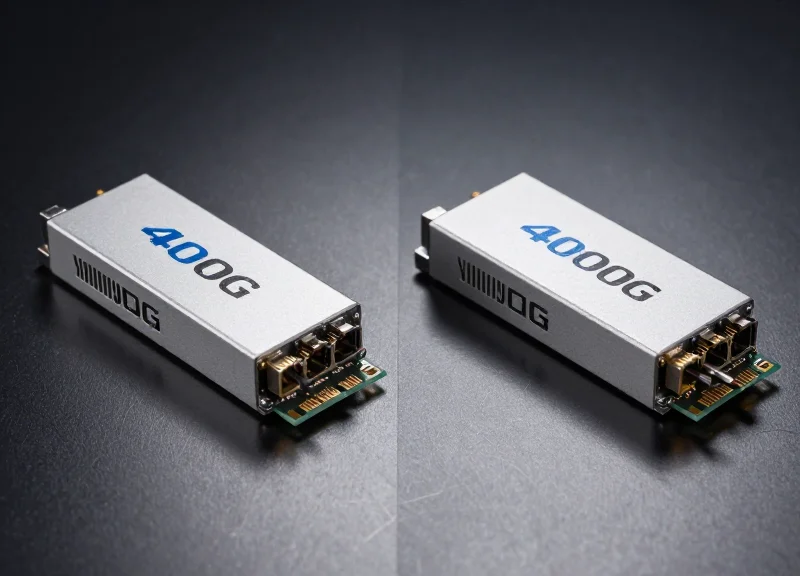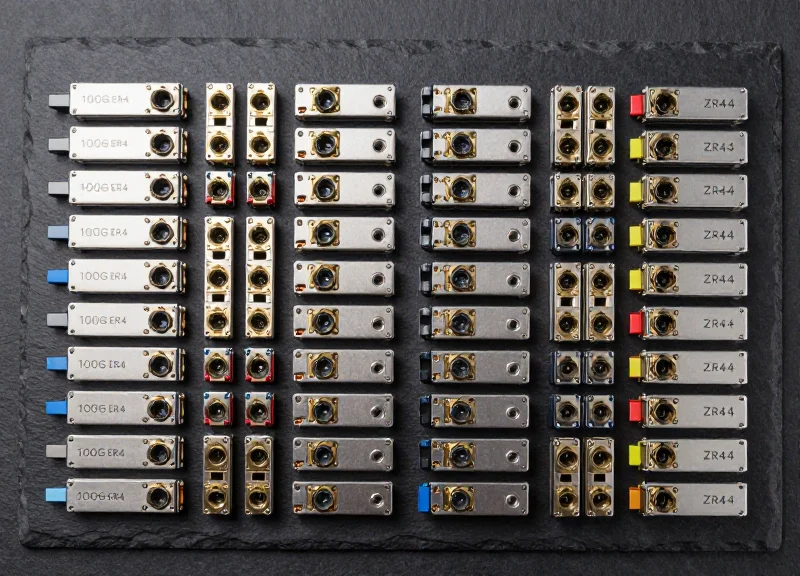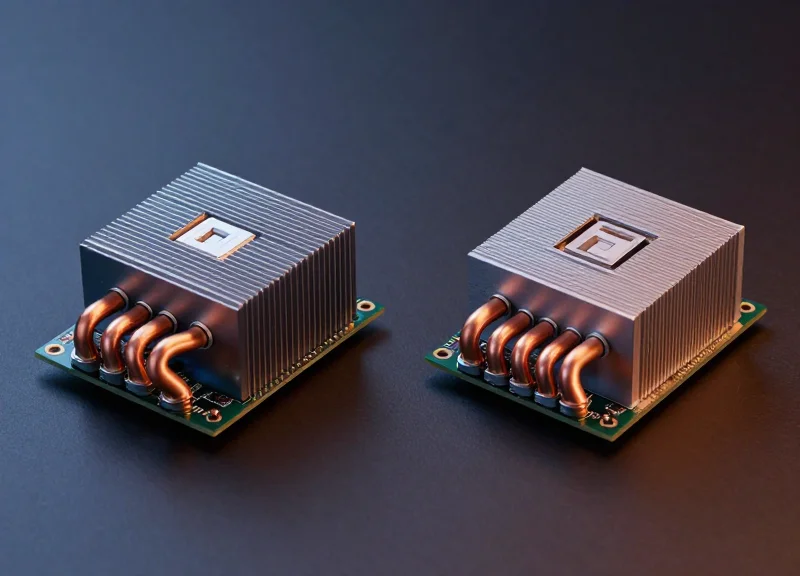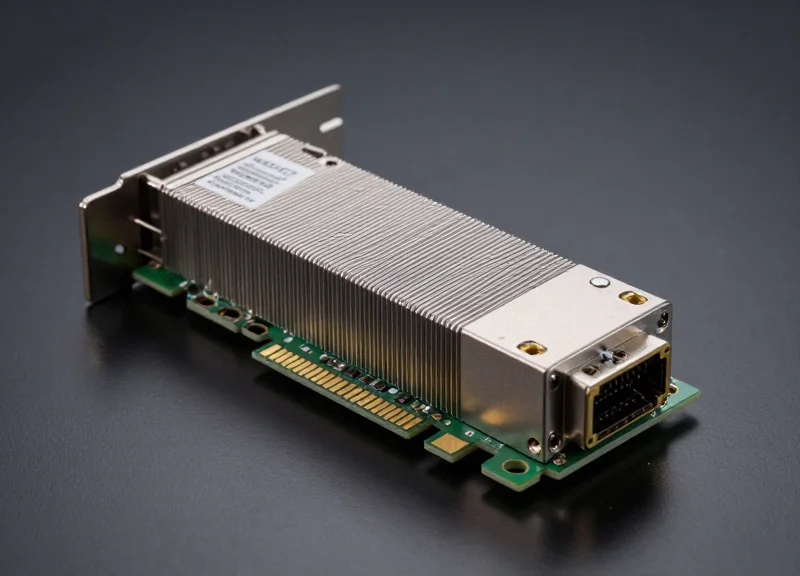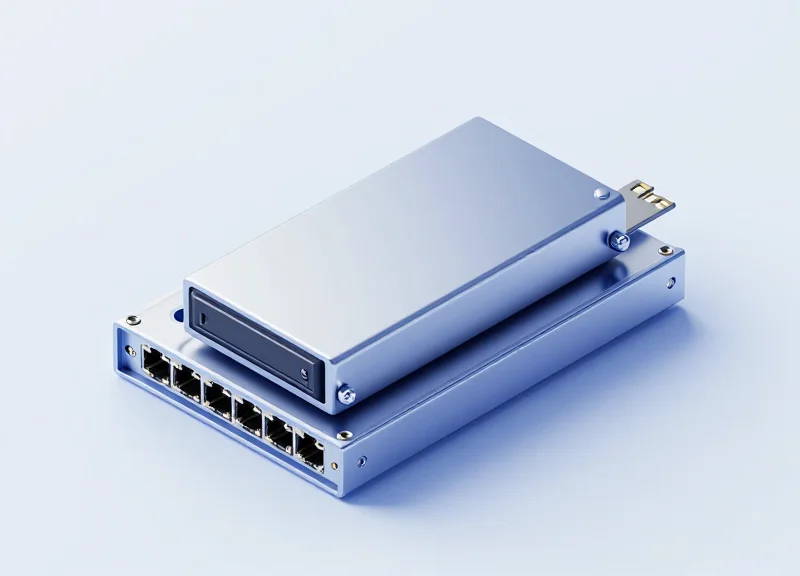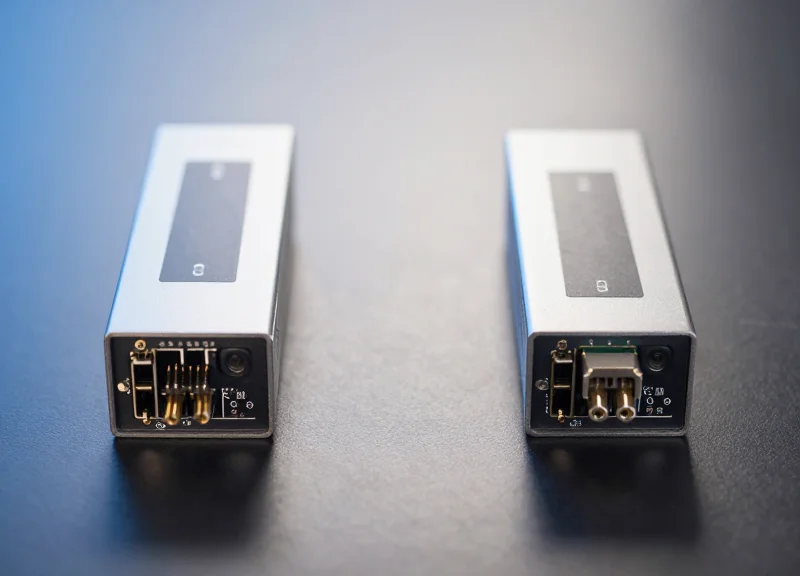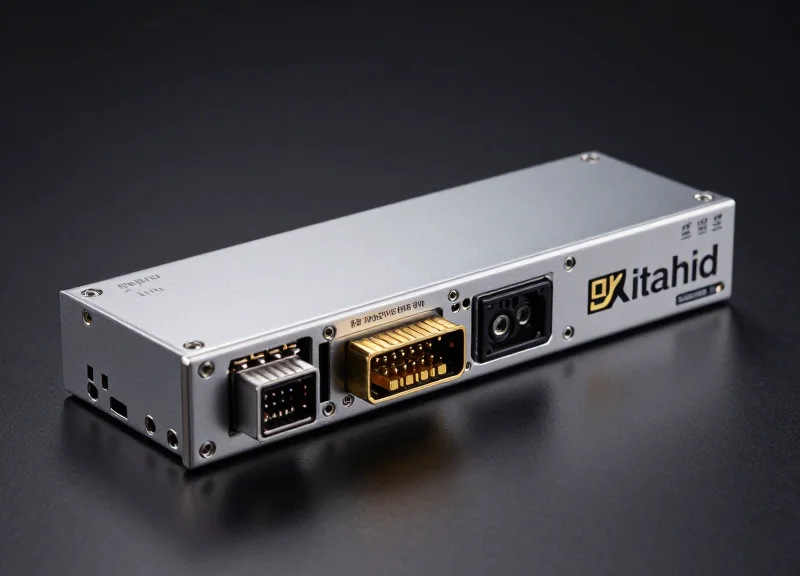
In an era where network downtime can cost millions, the shift toward third-party optics requires more than just cost-savings; it demands uncompromising reliability. This article explores how Ubytelink bridges the gap between affordability and elite performance, providing a technical deep dive into the engineering and testing processes that make our modules a trusted choice for the world's most demanding infrastructures.
The Strategic Importance of Third-Party Optics in Modern Data Centers

The modern data center landscape is undergoing a fundamental shift, moving away from the rigid architectures of the past toward open, disaggregated networks. In this environment, the strategic importance of third-party optics has evolved from a simple cost-saving measure into a cornerstone of infrastructure agility. By decoupling the physical layer of connectivity from the underlying networking hardware, organizations can bypass the artificial constraints and premium pricing of Original Equipment Manufacturers (OEMs), enabling a more responsive and scalable global network.
Deconstructing the OEM Lock-In Model
For decades, network operators were tied to the proprietary ecosystems of major hardware vendors, forced to purchase branded optics to ensure compatibility and support. This 'lock-in' model often results in inflated capital expenditures and significant lead times, especially during supply chain disruptions. Ubytelink Third-Party Optics Reliability Solutions break this cycle by providing premium, multi-vendor compatible transceivers that meet or exceed the technical specifications of branded equivalents, allowing engineers to build diverse, high-density environments without proprietary friction.
| Feature | OEM Optics | Third-Party (Ubytelink) |
|---|---|---|
| Cost Efficiency | High premium (often 300% markup) | Optimal value, lower OpEx/CapEx |
| Lead Times | Dependent on single-source supply | Rapid deployment from local stock |
| Compatibility | Single-vendor lock-in | Multi-platform interoperability |
| Innovation Speed | Tied to vendor hardware cycles | Agile adoption of latest tech |
Scalability and Supply Chain Resilience
Scalability in the era of AI and hyperscale computing requires the ability to provision thousands of links at a moment's notice. Third-party optics offer a layer of supply chain resilience that is impossible to achieve through a single-vendor strategy. By leveraging a broader manufacturing base and rigorous internal testing protocols, high-quality third-party providers ensure that network expansion is never throttled by the logistical constraints of a single equipment manufacturer. This flexibility is essential for maintaining the uptime and throughput demanded by modern global networks.
- Does using third-party optics void my switch warranty?
No. Under laws like the Magnuson-Moss Warranty Act, manufacturers cannot void a hardware warranty simply because third-party components are used, provided those components do not cause damage. - How is reliability ensured compared to OEM modules?
Premium third-party solutions undergo 100% application testing on the target hardware platforms (e.g., Cisco, Arista, Juniper) to ensure bit-error-rate (BER) performance and EEPROM coding accuracy. - Can third-party optics support the latest 400G and 800G standards?
Yes, leading third-party providers are often the first to market with MSA-compliant high-speed modules, enabling faster adoption of next-generation bandwidth standards.
Ubytelink’s Reliability-First Engineering Philosophy
Reliability as a Core Design Metric
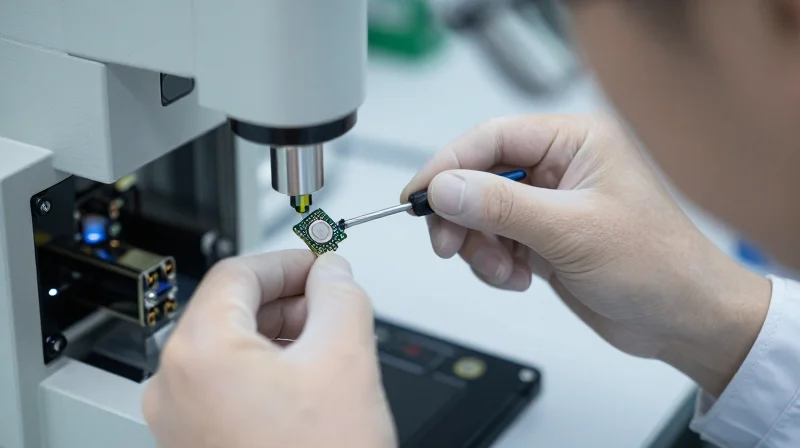
Ubytelink’s reliability-first engineering is not merely an inspection process but a foundational design philosophy where every optical transceiver is built to survive the harshest data center environments while maintaining signal integrity at scale. By integrating high-grade silicon, superior lasers, and advanced thermal dissipation architectures, we eliminate the common failure points often associated with generic third-party alternatives, ensuring a 99.999% uptime for global network infrastructures. This commitment to 'Zero-Defect' engineering means that performance is treated as a non-negotiable baseline, rather than an aspirational goal.
The Architecture of Quality: Tier-1 Component Selection
The reliability of an optical module is fundamentally defined by its weakest link. To mitigate risk, Ubytelink sources internal components exclusively from market leaders, ensuring that every internal part—from the Digital Signal Processor (DSP) to the laser diode—meets stringent durability ratings.
| Component | Standard Market Optics | Ubytelink Premium Selection |
|---|---|---|
| Optical Lasers | Generic VCSEL/EML | Tier-1 (Lumentum, Coherent) for lower jitter |
| DSP / Chipsets | Second-tier silicon | Broadcom or Marvell for maximum throughput |
| PCB Design | Standard 4-layer boards | High-frequency multi-layer boards with gold-plating |
| Thermal Pads | Basic adhesive | High-conductivity TIM (Thermal Interface Material) |
Signal Integrity and Thermal Engineering
Heat is the primary catalyst for component degradation in high-speed networking. Ubytelink’s engineering team focuses on optimizing the Power Conversion Efficiency (PCE) within the module. By reducing the power consumption of the internal circuitry through custom firmware and high-efficiency voltage regulators, our modules generate less heat. This proactive thermal management preserves the lifespan of the laser diode and maintains stable wavelength accuracy, preventing the bit errors that typically occur as temperatures rise in dense 400G and 800G environments.
Engineering Reliability FAQ
- What is the Mean Time Between Failures (MTBF) for Ubytelink optics?
Our modules are engineered for an MTBF exceeding 500,000 hours, significantly higher than industry averages, due to our conservative component derating and superior material sourcing. - How does Ubytelink handle power consumption variances?
We utilize low-power DSPs and optimized firmware to ensure our modules operate well within the specific power envelopes defined by MSA standards, preventing port overheating and switch damage. - Does the use of premium components impact latency?
Yes, by using high-performance clock data recovery (CDR) and DSP chips, we minimize digital processing overhead, resulting in lower deterministic latency for high-frequency trading and AI training workloads.
The Multi-Stage Testing Protocol: Beyond Industry Standards

Ubytelink transcends industry-standard MSA (Multi-Source Agreement) requirements by implementing a proprietary validation framework that subjects every module to extreme operational scenarios. While standard vendors may rely on batch sampling, Ubytelink utilizes 100% serialization and individual unit testing to eliminate latent defects before they reach the data center floor.
Advanced Environmental Stress and Thermal Cycling
Thermal management is the primary factor in optical longevity. Ubytelink modules undergo accelerated life testing (ALT) and temperature cycling within high-precision chambers. This process simulates years of thermal expansion and contraction to identify potential solder joint failures or laser misalignment issues.
| Testing Parameter | Industry Standard | Ubytelink Protocol |
|---|---|---|
| Temperature Range | Commercial (0 to 70°C) | Extended Thermal Stress (-40 to 85°C Verification) |
| Burn-In Duration | None or 1-2 Hours | 24 to 72-Hour Continuous Full-Load Burn-In |
| Inspection | Automated Optical Inspection | 3D AOI plus Multi-Point Manual Fiber-End Inspection |
| Unit Verification | Statistical Batch Sampling | 100% Serialization and Individual Unit Profiling |
Signal Integrity and Bit Error Rate (BER) Analysis
To ensure reliable data transmission across diverse distances, Ubytelink employs advanced oscilloscopes and Bit Error Rate Testers (BERT). We focus on eye-pattern analysis to evaluate the clarity of the optical signal, ensuring that noise levels and jitter remain well below acceptable thresholds even at 400G and 800G speeds.
The 10^-12 Reliability Target
Our optics are tuned to exceed the standard BER of 10^-12. By optimizing the Digital Diagnostics Monitoring (DDM) interface, network administrators receive real-time, accurate feedback on optical power, voltage, and temperature, allowing for proactive maintenance before a hardware failure impacts traffic.
Cross-Platform Interoperability Validation
Compatibility issues often stem from poorly written EEPROM code or slight variations in vendor-specific protocol implementations. Ubytelink maintains a massive 'Compatibility Lab' featuring current and legacy hardware from Cisco, Arista, Juniper, and Dell.
- How does Ubytelink handle firmware updates from major OEMs?
We continuously update our firmware library. If an OEM releases a software update that affects third-party transceiver recognition, our engineering team replicates the environment and updates our module coding to ensure seamless recognition. - What is the primary benefit of the 72-hour burn-in?
This process identifies 'infant mortality' in electronic components. By running the modules at high temperatures and full load, we force failures in the lab rather than in your production environment. - Are Ubytelink modules hot-swappable across different brands?
Yes, our modules are engineered with platform-specific coding that enables hot-swappable functionality without triggering 'unsupported transceiver' warnings in major OS environments.
Achieving Seamless Compatibility Across Multi-Vendor Environments
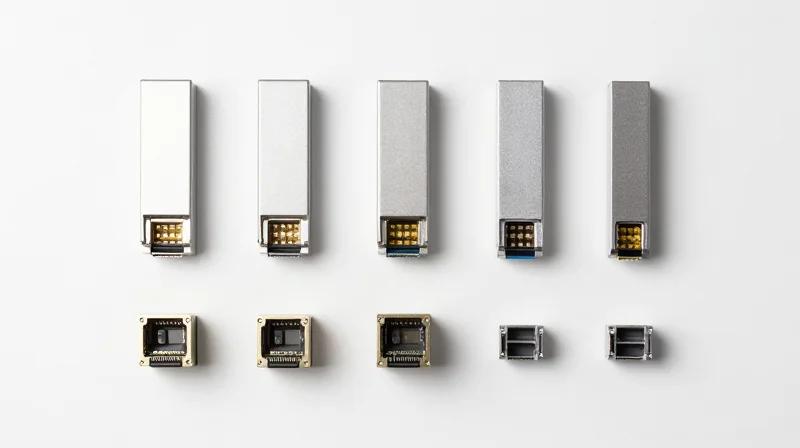
Ubytelink bridges the 'Compatibility Gap' by moving beyond theoretical compliance with MSA (Multi-Source Agreement) standards to perform rigorous, hands-on validation within actual host environments. By maintaining a comprehensive laboratory of industry-leading switches and routers, Ubytelink ensures that every module is not only electrically compatible but also fully recognized by the host operating system, eliminating the common 'unsupported transceiver' errors that plague inferior third-party solutions.
The Ubytelink Compatibility Lab: Validation Beyond Documentation
The primary challenge in multi-vendor environments is the proprietary nature of vendor software. Operating systems like Cisco IOS-XE, Juniper Junos, and Arista EOS often employ specific algorithms to handshake with inserted optics. Ubytelink’s engineering team maintains a physical library of these platforms to replicate real-world data center and enterprise network conditions.
| Compatibility Metric | Standard OEM Optics | Generic Third-Party | Ubytelink Solutions |
|---|---|---|---|
| EEPROM Coding | Proprietary/Locked | Generic/Basic | Vendor-Specific Emulation |
| Software Recognition | Native | Frequent Errors | Seamless (No 'service unsupported') |
| DOM/DDM Support | Full | Inconsistent | Full Real-Time Monitoring |
| Cost Efficiency | Low (Premium Price) | High (Risk of Failure) | Optimal (Performance/Price) |
Advanced EEPROM and Firmware Adaptation
A critical component of Ubytelink's reliability is its proprietary EEPROM coding process. Unlike generic modules that use a 'one-size-fits-all' firmware, Ubytelink optics are flashed with hardware-specific code that matches the precise expectations of the target switch. This includes correct Part Number (PN) strings, Serial Numbers, and Vendor OUI, ensuring that Network Management Systems (NMS) can accurately track inventory without discrepancies.
- Will Ubytelink optics void my network hardware warranty?
No. Under the Magnuson-Moss Warranty Act and similar international consumer protection laws, a manufacturer cannot void a hardware warranty simply because a third-party component was used, unless they can prove the component caused the specific damage. - How does Ubytelink handle software updates from OEMs like Cisco or Arista?
Ubytelink continuously monitors new OS releases. Our engineering team updates our firmware library to ensure that even after a switch software upgrade, the optics remain fully compatible and functional. - Can Ubytelink modules work in a mixed-vendor link (e.g., Cisco to Juniper)?
Yes. Our optics are designed for high interoperability, allowing a link to be established between different vendor platforms by providing the specific coding required for each respective end-point device.
By combining precise firmware engineering with exhaustive physical testing, Ubytelink provides a reliable pathway for organizations to escape vendor lock-in. This enables network architects to scale their infrastructure using the best available hardware across different vendors without compromising on link stability or management visibility.
Mission-Critical Performance: Reliability in High-Pressure Scenarios

Mission-Critical Performance: Reliability in High-Pressure Scenarios
In the context of global enterprise networks, reliability is a dynamic capability tested most severely during burst traffic events and continuous high-utilization cycles. Ubytelink Third-Party Optics Reliability Solutions are specifically engineered to eliminate the performance degradation often seen in generic modules when pushed to their operational limits. By utilizing high-grade digital signal processors (DSPs) and superior laser components, Ubytelink ensures that signal integrity remains uncompromised even as bandwidth demands reach peak capacity, providing the stability required for mission-critical infrastructure.
Sustaining Signal Integrity During Peak Traffic
When network traffic spikes, the internal components of an optical module generate significant heat, which can lead to signal jitter and increased Bit Error Rates (BER). Ubytelink addresses this through optimized power consumption designs and advanced thermal dissipation materials. Unlike standard third-party alternatives that may throttle performance or experience 'soft failures' under load, Ubytelink modules maintain a flat performance curve, ensuring that low-latency applications like high-frequency trading and real-time AI processing remain uninterrupted.
| Performance Metric | Ubytelink Premium Optics | Standard Generic Optics |
|---|---|---|
| Bit Error Rate (BER) @ 95% Load | < 1E-15 (Post-FEC) | < 1E-12 (Post-FEC) |
| Power Consumption (400G QSFP-DD) | 10W - 12W (Optimized) | 14W+ (Standard MSA Max) |
| Thermal Management | Advanced Heat-Sink Integration | Basic Passive Cooling |
| Signal Jitter Tolerance | High (Precision DSP) | Moderate (Standard ICs) |
Resilience in Extreme Data Center Environments
Data centers are not always the pristine, climate-controlled environments they are imagined to be; hot spots, airflow obstructions, and varying humidity can create localized 'micro-harsh' conditions. Ubytelink's commitment to premium quality involves using industrial-grade components that exceed standard commercial ratings. This allows our optics to operate reliably in extended temperature ranges, preventing the 'packet drops' that occur when lower-quality lasers drift off-wavelength due to heat stress.
- How does Ubytelink prevent thermal-induced downtime?
We utilize internal micro-controllers for real-time Digital Optical Monitoring (DOM), which allows the network OS to monitor temperature and voltage levels proactively, preventing hardware damage before it occurs. - Can these modules handle the high-density requirements of AI clusters?
Yes. Ubytelink modules are designed with low-power architectures to minimize the total heat load in high-density 400G and 800G switch fabrics, ensuring long-term reliability in AI and ML environments. - What is the impact of Ubytelink's lower power consumption on reliability?
Lower power consumption reduces the 'mean time between failures' (MTBF) by lowering the thermal stress on the laser diode and internal circuitry, which are the most common points of failure in optical networking.
Compliance and Quality Certifications
Compliance and Quality Certifications
Reliability in global telecommunications is built on a foundation of strict adherence to international regulatory frameworks and industry-standard protocols. Ubytelink Third-Party Optics Reliability Solutions are engineered to meet and exceed these benchmarks, ensuring that every module delivered provides the same safety, electrical, and environmental protections as original equipment manufacturer (OEM) parts. By prioritizing compliance, Ubytelink guarantees that its optics are not only high-performing but also fully authorized for use in mission-critical infrastructures worldwide.
The Bedrock of Interoperability: MSA Adherence
The Multi-Source Agreement (MSA) is the industry standard that defines the physical dimensions, electrical interfaces, and signaling requirements for optical transceivers. Ubytelink’s commitment to MSA standards ensures that modules fit perfectly into any standardized cage and communicate effectively with the host system's hardware. This adherence eliminates the risk of physical mismatch or electrical instability, providing a seamless 'plug-and-play' experience across diverse vendor platforms such as Cisco, Juniper, and Arista.
| Certification | Regulatory Scope | Impact on Global Networks |
|---|---|---|
| MSA | Form factor and electrical interface specs | Guarantees physical fit and cross-platform interoperability. |
| CE Marking | European health, safety, and environmental protection | Ensures legal compliance for deployment within the EEA. |
| FCC Part 15 | Electromagnetic interference (EMI) limits | Prevents signal degradation and interference with nearby electronics. |
| RoHS | Restriction of Hazardous Substances | Validates environmental safety and sustainable material usage. |
| UL/TUV | Product safety and laser eye safety | Certifies that modules meet rigorous operational safety standards. |
Environmental and Safety Governance
Beyond electrical performance, Ubytelink optics undergo stringent testing to meet global environmental and safety mandates. RoHS compliance ensures that our products are free from lead, mercury, and other hazardous materials, supporting green data center initiatives. Furthermore, FCC and CE certifications verify that our transceivers operate within strict electromagnetic interference limits, which is vital for maintaining signal integrity in high-density environments where hundreds of modules operate in close proximity.
- Does using certified third-party optics void my system warranty?
No. Under the Magnuson-Moss Warranty Act in the US and similar fair-competition laws globally, OEMs cannot void a hardware warranty simply for using third-party components that meet industry standards. - Why is MSA compliance critical for 400G and 800G deployments?
As speeds increase, tolerances for signal timing and heat dissipation become tighter. MSA compliance ensures that high-speed modules maintain the precise electrical characteristics required to prevent bit errors. - How does Ubytelink verify laser safety?
All Ubytelink transceivers are tested for Class 1 Laser Safety compliance, ensuring that the light output remains at safe levels for human eyes under all normal operating conditions.
Cost-Efficiency vs. Total Cost of Ownership (TCO)

Cost-Efficiency vs. Total Cost of Ownership (TCO)
While initial procurement costs are a major factor in hardware selection, Ubytelink’s Third-Party Optics Reliability Solutions demonstrate that the real economic value lies in the Total Cost of Ownership (TCO). By engineering modules that match OEM performance levels, Ubytelink eliminates the 'failure tax' associated with inferior generics—such as emergency troubleshooting, unscheduled site visits, and premature hardware replacement—thereby protecting the network’s long-term profitability and operational stability.
Beyond the Purchase Price: The TCO Formula
A comprehensive TCO analysis includes initial capital expenditure (Capex), power consumption, failure rates, and the labor required for ongoing maintenance. Ubytelink focuses on reducing operational expenditure (Opex) through rigorous multi-platform testing and strict MSA compliance. This ensures that once a module is deployed, it remains operational for its entire intended lifecycle, avoiding the high cost of 'truck rolls' and manual intervention.
| Financial & Operational Metrics | OEM Optics | Generic Third-Party | Ubytelink Reliability Solutions |
|---|---|---|---|
| Acquisition Cost (Capex) | Premium (High) | Minimal (Low) | Competitive (Mid-Range) |
| Annualized Failure Rate (AFR) | Very Low (<0.1%) | Variable (1-3%) | Very Low (<0.1%) |
| Compatibility Ecosystem | Single-Vendor Locked | Unpredictable | Multi-Vendor Seamless |
| Long-term Maintenance (Opex) | High (Support Contracts) | High (Frequent Replacement) | Low (Stable Performance) |
Mitigating the Risks of Network Outages
In enterprise and carrier-grade environments, a single hour of downtime can result in thousands of dollars in lost revenue and damaged reputation. Ubytelink optics are designed to withstand high-pressure scenarios, significantly increasing the Mean Time Between Failures (MTBF). By investing in reliability at the component level, network architects ensure that the 'savings' gained during the procurement phase are not liquidated by the catastrophic costs of a preventable network outage.
- Why is TCO more important than the initial price tag?
TCO accounts for the full lifespan costs, including energy efficiency, replacement labor, and the potential revenue loss from network failures, whereas purchase price only covers the hardware. - How does Ubytelink reduce maintenance overhead?
By ensuring 100% compatibility and high thermal stability, Ubytelink reduces the need for network engineers to troubleshoot link flapping, port errors, or heat-related degradation. - Can Ubytelink optics help in extending the life of legacy hardware?
Yes, by providing reliable, high-quality modules for older platforms where OEM support may be prohibitively expensive or officially discontinued (End-of-Life).
Support and Warranty: Building Long-Term Trust
Support and Warranty: Building Long-Term Trust
Ubytelink’s commitment to network reliability is underscored by a service framework designed to eliminate the risks often associated with third-party transceivers. By offering a lifetime warranty and 24/7 technical assistance, Ubytelink ensures that global enterprises can deploy cost-effective optical solutions without sacrificing the security or support typical of original equipment manufacturers (OEMs). This post-sale ecosystem is a critical component of their reliability solutions, focusing on minimizing Mean Time to Repair (MTTR) and protecting the customer's capital investment over the entire lifecycle of the network hardware.
The Security of a Lifetime Warranty
While many vendors offer limited one-year or three-year coverage, Ubytelink provides a lifetime replacement warranty for its optical transceivers. This policy reflects absolute confidence in the rigorous testing protocols—including bit error rate (BER) tests and environmental stress screening—that every module undergoes before shipping. This long-term guarantee effectively shifts the risk of hardware failure from the end-user to the manufacturer, ensuring that any component that fails to meet performance standards is replaced at no additional cost.
| Service Feature | Ubytelink Solutions | Typical OEM Support | Generic Third-Party |
|---|---|---|---|
| Warranty Duration | Lifetime Replacement | 1-3 Years Limited | 90 Days to 1 Year |
| Technical Access | 24/7 Expert Engineering | Tiered/Paid Contracts | Email Only / Limited |
| RMA Turnaround | Next-Business-Day Options | Standard 5-10 Days | Varies / Often Slow |
| Compatibility Updates | Included for Life | Restricted Access | Rarely Provided |
Global Logistics and Rapid Replacement
To support global networks, Ubytelink leverages a distributed logistics network that facilitates rapid hardware replacement across multiple continents. This capability is essential for data centers and service providers where even an hour of downtime can result in significant financial loss. By maintaining regional stocks of critical components, Ubytelink can offer expedited shipping services, ensuring that replacement optics arrive exactly when and where they are needed.
- Does using Ubytelink optics void my existing switch warranty?
No. Under the Magnuson-Moss Warranty Act and similar international regulations, OEMs cannot legally void a hardware warranty for using third-party components unless they can prove the component caused the damage. - How does Ubytelink handle firmware updates for new OS versions?
Ubytelink proactively monitors vendor OS updates and provides remote or hardware-level firmware adjustments to maintain seamless compatibility across software iterations. - What is the process for an emergency RMA?
Ubytelink provides a streamlined digital portal for RMA initiation, allowing for rapid verification and dispatch of replacement units from the nearest regional distribution center.
Ultimately, Ubytelink’s support structure is designed to foster a partnership rather than a mere transaction. By providing direct access to specialized engineers and maintaining a robust global supply chain, they provide the necessary infrastructure for long-term network stability and trust.
Ubytelink's third-party optics represent the pinnacle of reliability, providing a high-performance alternative to OEM modules without the proprietary price tag. By focusing on rigorous testing and multi-vendor compatibility, we empower network engineers to build resilient, scalable infrastructures. Contact our technical team today to find the perfect reliable optics solution for your mission-critical network.