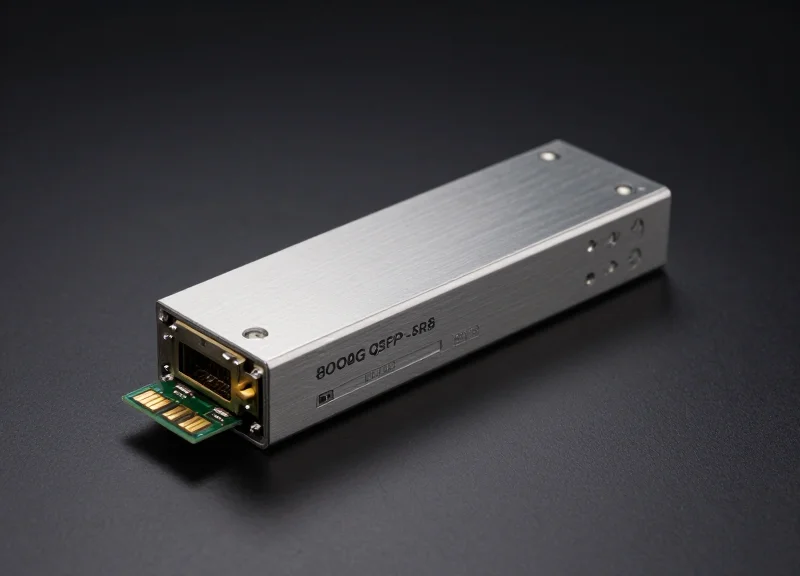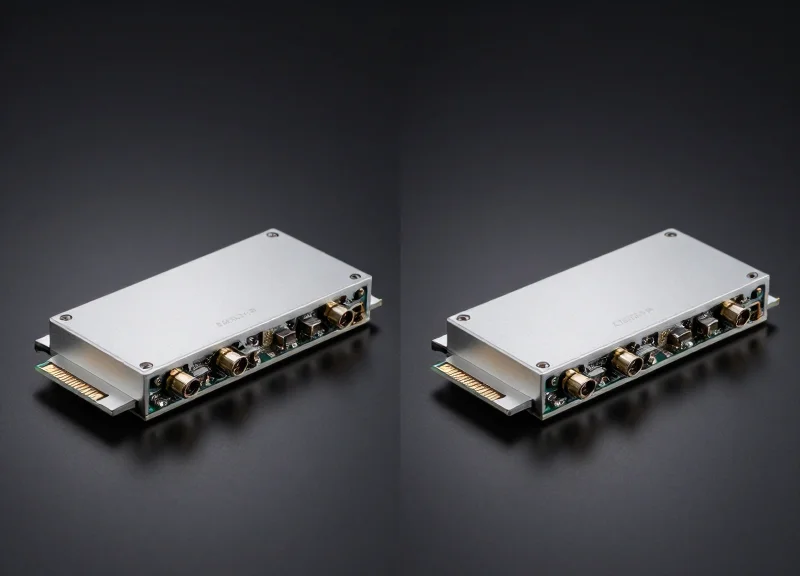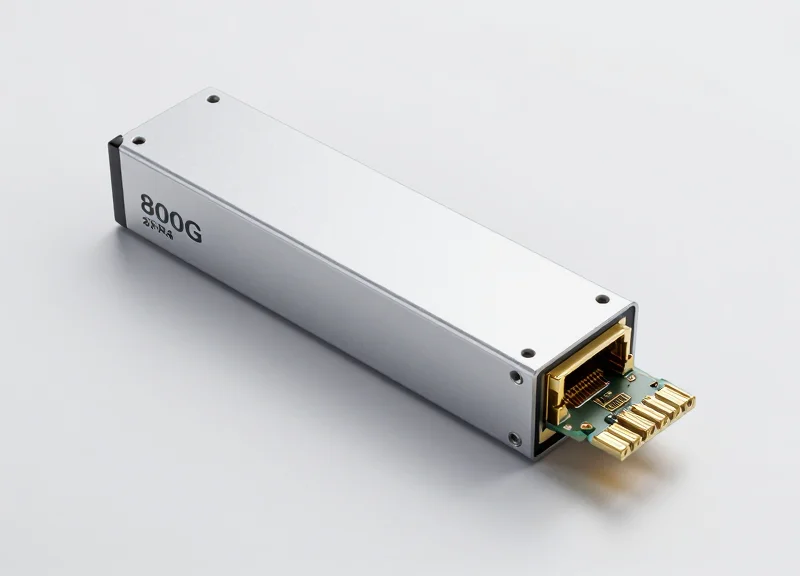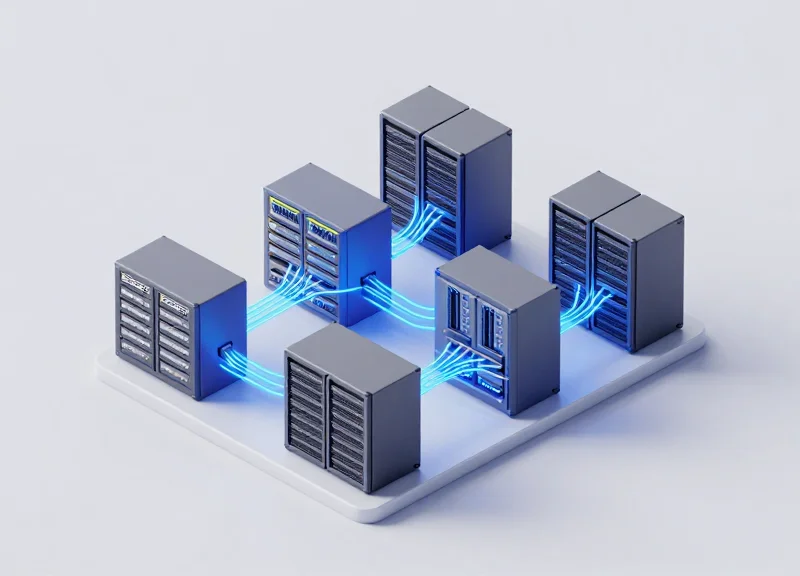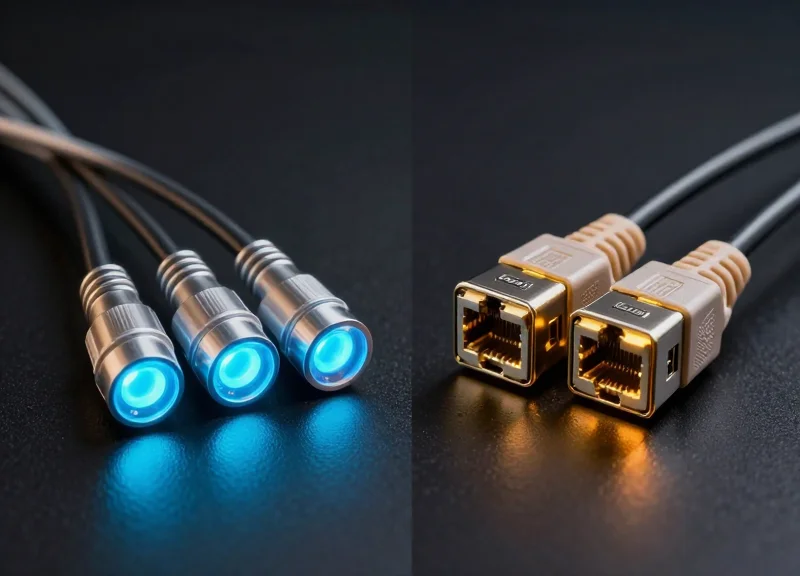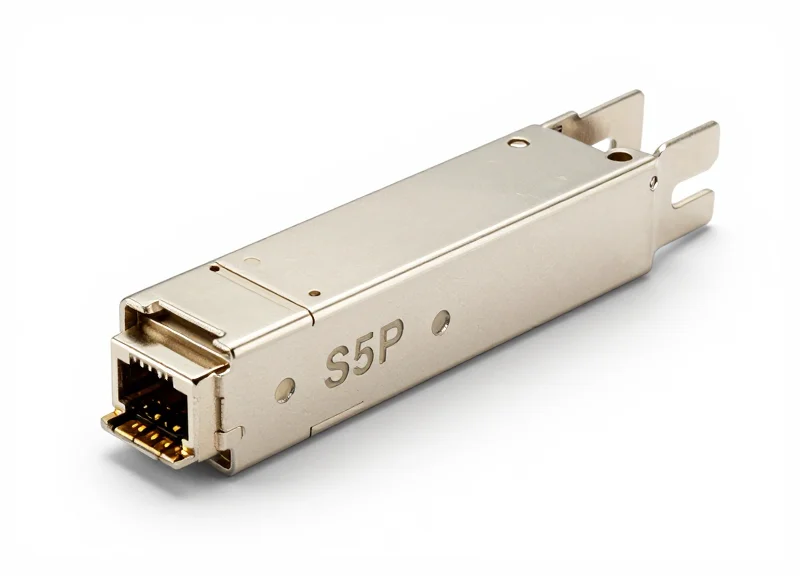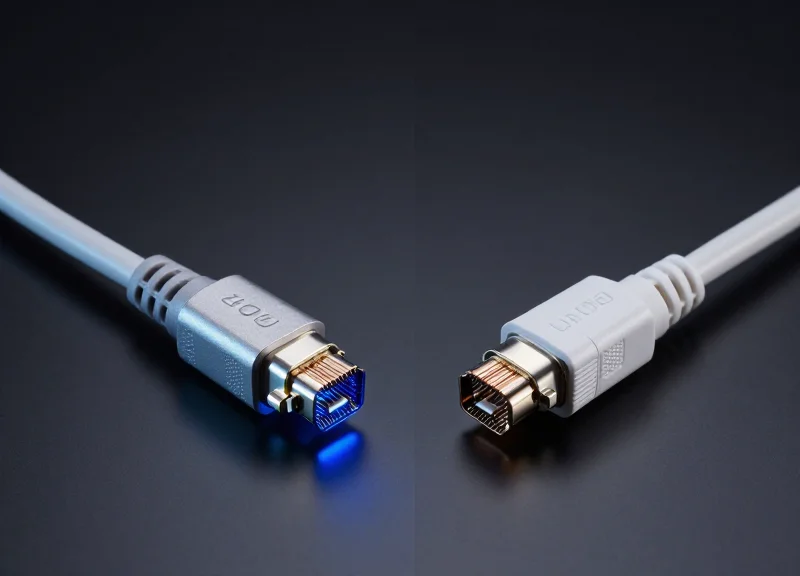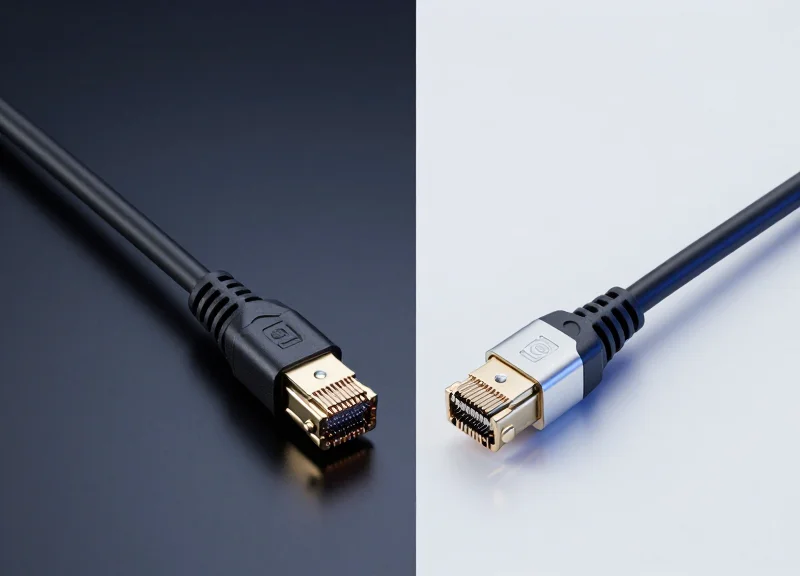
The shift to 400G Ethernet represents a quantum leap in data center throughput, necessitated by AI, machine learning, and hyperscale cloud demands. However, at these speeds, physical layer connectivity faces unprecedented challenges in signal integrity and power efficiency. This deep dive explores the critical trade-offs between 400G DAC and AOC to ensure your infrastructure is built for performance and scalability.
The Evolution of 400G Interconnects: DAC and AOC Basics
The Shift to 400G Interconnect Technologies
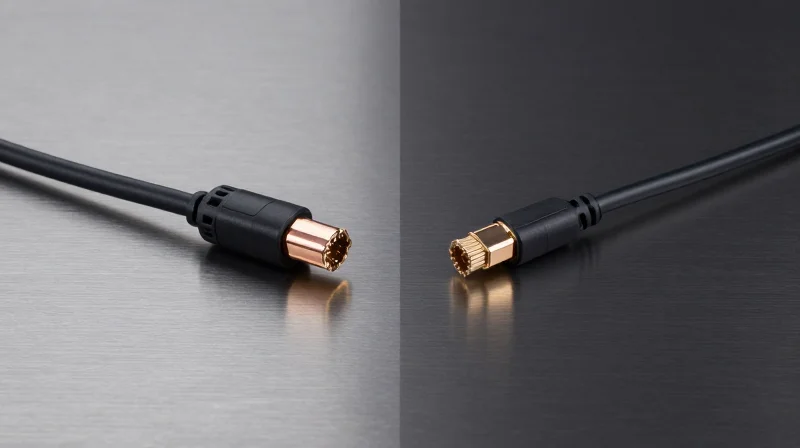
400G Direct Attach Cables (DAC) and Active Optical Cables (AOC) represent the essential physical layer solutions for high-density networking, enabling massive data throughput between switches, servers, and storage arrays by utilizing PAM4 signaling and advanced form factors like QSFP-DD and OSFP.
400G Direct Attach Cables (DAC): The Copper Standard
A 400G DAC is a passive copper assembly consisting of twinaxial cable terminated with transceiver-style connectors at both ends. Because 400G utilizes PAM4 (Pulse Amplitude Modulation 4-level) encoding, the signal is significantly more susceptible to attenuation than previous 100G NRZ signals. As a result, 400G DACs are typically restricted to lengths between 1 and 3 meters. They remain the preferred choice for top-of-rack (ToR) connections due to their near-zero power consumption and cost-effective design.
400G Active Optical Cables (AOC): Bridging the Distance
Active Optical Cables (AOC) integrate optical transceivers and multimode fiber into a single, permanent assembly. By converting electrical signals to optical pulses within the connector head, AOCs overcome the physical limitations of copper, supporting reaches up to 100 meters. These cables are thinner, lighter, and more flexible than DACs, which improves airflow and cable management in high-density racks. They are primarily deployed for leaf-to-spine architectures and cross-aisle connections.
The Role of QSFP-DD and OSFP Form Factors
The 400G ecosystem is built around two primary form factors: QSFP-DD (Quad Small Form-factor Pluggable Double Density) and OSFP (Octal Small Form-factor Pluggable). QSFP-DD is favored for its backward compatibility with legacy QSFP modules, whereas OSFP is designed with a larger physical footprint and integrated heat sinks to support the superior thermal management required for high-wattage 400G and future 800G applications.
| Feature | 400G DAC (Passive) | 400G AOC (Active) |
|---|---|---|
| Transmission Media | Twinax Copper | Multimode Fiber |
| Maximum Distance | 1m - 3m | Up to 100m |
| Power Consumption | < 0.1 Watts | 2.5W - 4.5W per end |
| Bending Radius | Large (Stiffer) | Small (Flexible) |
| Primary Use Case | Intra-rack (ToR) | Inter-rack / End-of-Row |
- Why is 400G DAC reach shorter than 100G?
The transition from NRZ to PAM4 signaling at 400G increases the bit rate but reduces the signal-to-noise ratio. This causes higher signal loss over copper, limiting passive DACs to shorter distances than their predecessors. - Do 400G AOCs require separate transceivers?
No, AOCs are factory-terminated. The optical engines are built directly into the connector shells, meaning you do not need to purchase or install separate transceivers or fiber patch cables. - Which form factor is better for thermal management?
The OSFP form factor generally offers better thermal performance because it is slightly larger and includes integrated cooling fins, making it well-suited for high-power data center environments.
Physical Architecture: Copper vs. Fiber Optics
Physical Architecture: Copper vs. Fiber Optics
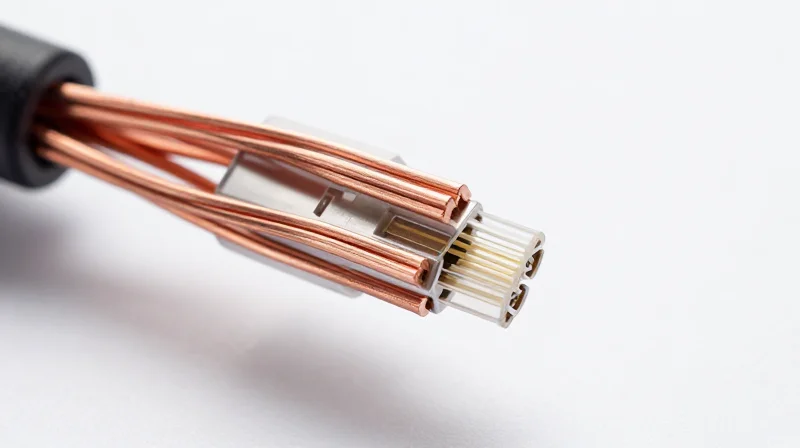
The fundamental architectural distinction between 400G DAC and AOC lies in their transmission media: 400G Direct Attach Cables (DAC) rely on high-speed twinaxial copper cabling to maintain electrical signals over short distances, while 400G Active Optical Cables (AOC) integrate optical engines at the transceiver ends to convert electrical data into light pulses for transmission over multimode fiber.
Inside the 400G DAC: Twinaxial Copper Construction
A 400G DAC, typically in the QSFP-DD or OSFP form factor, utilizes a passive physical architecture. The core consists of eight pairs of shielded twinaxial (twinax) copper wires. Each pair is wrapped in a specialized dielectric material and foil shielding to minimize electromagnetic interference (EMI) and crosstalk. Because there is no optical conversion involved, the internal structure of the connector head is relatively simple, consisting primarily of a printed circuit board (PCB) that manages the EEPROM for cable identification and basic signal integrity. However, to support 400G speeds (specifically 56G or 112G PAM4 per lane), the copper gauge is significantly thicker—often 26AWG to 30AWG—making the cable rigid and heavy.
Inside the 400G AOC: VCSEL and Fiber Integration
In contrast, the 400G AOC architecture is 'active' and significantly more complex. Each connector end houses a miniature optical engine comprising a Vertical-Cavity Surface-Emitting Laser (VCSEL) array and a photodiode array. The electrical signal from the switch is processed by a Digital Signal Processor (DSP) or Clock and Data Recovery (CDR) chip within the connector, which then drives the VCSELs to emit light at an 850nm wavelength. This light travels through high-performance Multimode Fiber (MMF), usually OM3 or OM4 grade. Because the medium is glass rather than copper, the cable is much thinner, lighter, and immune to electromagnetic interference.
| Feature | 400G DAC (Copper) | 400G AOC (Fiber) |
|---|---|---|
| Transmission Medium | Shielded Twinax Copper | Multimode Fiber (MMF) |
| Signal Processing | Passive (No O/E conversion) | Active (Optical/Electrical conversion) |
| Cable Diameter | Thick (e.g., 7mm - 9mm) | Thin (e.g., 3mm) |
| Weight | High (Heavy copper core) | Low (Lightweight fiber) |
| Bending Radius | Large (Rigid) | Small (Flexible) |
| EMI Resistance | Susceptible | Inherently Immune |
- Why is the physical weight of DAC a concern in 400G deployments?
Due to the 400G requirement for 8-lane parallel transmission, the copper gauge needed to prevent signal degradation makes the cables extremely heavy, potentially straining switch ports and complicating cable management in high-density racks. - Does the architecture of AOCs impact their lifespan compared to DACs?
Yes, AOCs have a shorter MTBF (Mean Time Between Failures) than DACs because they contain active electronic and optical components like VCSELs and DSPs, which are sensitive to heat and wear, whereas passive DACs have no active parts to fail. - How does the physical medium affect latency?
DACs offer the lowest possible latency because they transmit signals at the speed of electricity through copper without the nanosecond-level delays introduced by the O/E (Optical-to-Electrical) conversion process required in AOC architectures.
Distance and Reach: Defining the Connectivity Boundaries
The fundamental boundary between 400G DAC and AOC is defined by signal integrity; Direct Attach Cables (DAC) are strictly limited to ultra-short distances of 0.5 to 3 meters due to copper's physical resistance, while Active Optical Cables (AOC) extend this reach up to 100 meters by converting electrical signals into light pulses that travel over multimode fiber.
The Copper Wall: Why 400G DAC is Limited to 3 Meters
In the transition from 100G to 400G, the industry moved from NRZ (Non-Return to Zero) to PAM4 (Pulse Amplitude Modulation 4-level) signaling. While PAM4 doubles the data rate, it is significantly more sensitive to signal-to-noise ratio (SNR) issues and insertion loss. At 400G frequencies, copper cables act like low-pass filters, aggressively attenuating the signal as distance increases. Beyond 3 meters, the signal degradation becomes so severe that the Forward Error Correction (FEC) algorithms cannot recover the data, making passive copper unsuitable for longer spans.
| Interconnect Type | Typical Reach | Transmission Medium | Signal Integrity Mechanism |
|---|---|---|---|
| Passive DAC | 0.5m - 2.5m | Twinaxial Copper | Direct Electrical (Passive) |
| Active DAC (ACC/AEC) | 3m - 7m | Twinaxial Copper | Redriver/Retimer (Active) |
| 400G AOC | 2m - 100m | Multimode Fiber (OM3/OM4) | E-O Conversion (VCSEL/TIA) |
Extending the Reach: The Optical Advantage of 400G AOC
Active Optical Cables overcome the 'copper wall' by utilizing Vertical-Cavity Surface-Emitting Lasers (VCSELs) to transmit data via light. Fiber optics have a much higher bandwidth-distance product compared to copper. For 400G applications, AOCs typically use OM3 or OM4 multimode fiber, allowing for reliable data transmission across large data center halls. Because the light pulses suffer minimal attenuation over these distances compared to electrical signals in copper, AOCs are the standard choice for reaching from one end of a row to another.
Distance-Related Technical Constraints
- Why can't DAC reach 5 meters at 400G?
The insertion loss at 56GHz/112GHz PAM4 frequencies is too high for passive copper. A 5-meter copper cable would require such thick gauges (e.g., 24AWG) that the cable would be too heavy and rigid to manage in a rack. - What limits AOC to 100 meters?
While fiber can technically go further, 400G AOCs are optimized for cost and power using VCSEL technology and multimode fiber. Beyond 100 meters, chromatic and modal dispersion begin to degrade the PAM4 signal, requiring single-mode transceivers instead of AOCs. - Is there a 'dead zone' for distance?
The 3m to 7m range is often considered a transition zone. Here, Active Copper Cables (ACC) or Active Electrical Cables (AEC) are sometimes used as a middle ground before switching to the more expensive AOC solutions.
Signal Integrity and PAM4 Modulation

Signal Integrity and the Shift to PAM4 Modulation
The primary differentiator in 400G signal integrity is the transition from Non-Return to Zero (NRZ) to 4-level Pulse Amplitude Modulation (PAM4), a shift necessitated by the need to double data throughput within limited spectral bandwidth. While PAM4 enables 400G speeds by transmitting two bits per symbol, it significantly reduces the signal-to-noise ratio (SNR) margin, making the choice between Active Optical Cables (AOC) and Direct Attach Cables (DAC) critical for maintaining link stability and minimizing bit error rates.
The Complexity of PAM4 Signal Transmission
In a PAM4 encoding scheme, the signal is divided into four distinct voltage levels (00, 01, 10, 11) instead of the traditional high/low levels of NRZ. This effectively cuts the eye height of the signal by two-thirds. This compression introduces a ~9.5 dB SNR penalty, which means the underlying hardware must be far more sensitive to noise. For 400G DACs, this means that even minor copper imperfections or external electromagnetic interference (EMI) can lead to signal degradation that exceeds the capabilities of the receiver's equalizer.
EMI Immunity and Crosstalk: AOC vs. DAC
AOCs leverage dielectric fiber optic media, which is inherently immune to electromagnetic interference and radio-frequency interference (RFI). This is a distinct advantage in high-density 400G data center environments where cables are bundled closely. Conversely, 400G DACs use twinaxial copper, which acts as a waveguide for electrical noise and is susceptible to crosstalk. At 56Gbps per lane (the baud rate for 400G), the skin effect and dielectric loss in copper become so pronounced that maintaining signal integrity beyond 3 meters requires massive, rigid shielding that can impede airflow and increase mechanical stress on ports.
| Parameter | 400G DAC (Direct Attach) | 400G AOC (Active Optical) |
|---|---|---|
| Modulation | PAM4 (Electrical) | PAM4 (Optical) |
| EMI Sensitivity | High (Requires heavy shielding) | Negligible (Optical immunity) |
| Signal Loss | High (Frequency dependent) | Very Low (VCSEL/Fiber) |
| Crosstalk Risk | Significant at high densities | Non-existent in fiber core |
| Power Consumption | Lower (Passive/Simple Linear) | Higher (Requires E/O conversion) |
Managing Bit Error Rates (BER) and FEC
Due to the lower signal margins of PAM4, 400G standards (IEEE 802.3bs/cd) mandate the use of Forward Error Correction (FEC). The Pre-FEC Bit Error Rate must typically be better than 2.4E-4 to allow the system to reach a Post-FEC BER of 1E-12 or 1E-15. AOCs provide a much cleaner signal profile over distance, meaning the Host FEC has to work less hard. In contrast, as a DAC approaches its maximum length (2.5m-3m), the Pre-FEC BER often nears the threshold, increasing the risk of link flaps or total data loss if environmental noise spikes.
- Why is PAM4 more sensitive to noise than NRZ?
PAM4 uses four voltage levels to represent data. The spacing between these levels is much smaller than in NRZ, meaning a smaller amount of noise can cause the receiver to misinterpret a signal level, resulting in a bit error. - How does AOC improve signal integrity in high-density racks?
AOCs use optical signals that do not emit or absorb electromagnetic interference. This allows them to maintain high-speed data integrity even when routed alongside high-power components and other cables. - Does 400G always require FEC?
Yes, for both DAC and AOC. The PAM4 modulation format used in 400G Ethernet requires FEC to achieve the industry-standard error-free performance required by data center operators.
Power Consumption and Thermal Management

In the 400G ecosystem, passive DACs represent the most energy-efficient interconnect solution with near-zero power consumption, whereas AOCs typically consume between 2W and 12W per cable depending on the integrated circuitry, necessitating more robust thermal management and contributing significantly to the data center's total heat load.
The Zero-Power Advantage of Passive DACs
Passive Direct Attach Copper (DAC) cables are constructed without active electronic components like amplifiers or signal conditioners. At 400G speeds, while the copper medium is subject to high attenuation, the cable itself does not draw power from the host port to transmit data. This 'zero-power' profile is a critical advantage in high-density Top-of-Rack (ToR) deployments. Because they do not generate heat, DACs do not contribute to the thermal pressure within a chassis, allowing for tighter port packing and simplified airflow management.
Active Optical Cables: The Energy Cost of Reach
AOCs must convert high-speed electrical signals into optical pulses via VCSEL (Vertical-Cavity Surface-Emitting Laser) technology and then back to electrical signals at the receiving end. This process requires active components, including laser drivers and Transimpedance Amplifiers (TIAs). Furthermore, most 400G AOCs utilize Digital Signal Processors (DSPs) to manage the complexities of PAM4 modulation and maintain acceptable Bit Error Rates (BER). These components consume significant electricity, often reaching 10 Watts or more per link, which must be dissipated as heat.
| Interconnect Type | Power Consumption (Per End) | Heat Dissipation | Cooling Requirement |
|---|---|---|---|
| 400G Passive DAC | <0.1W | Negligible | None |
| 400G AOC (Analog/LPO) | 2W - 5W | Moderate | Standard Airflow |
| 400G AOC (DSP-based) | 7W - 12W | High | Enhanced Airflow/Cooling |
Thermal Management and OpEx Implications
The choice between DAC and AOC has a direct impact on Power Usage Effectiveness (PUE) and Operational Expenditure (OpEx). Deploying AOCs across an entire leaf-spine architecture can increase the total power draw by several kilowatts per rack compared to a DAC-based setup. This extra heat requires the data center's HVAC systems to work harder, leading to higher fan speeds and increased noise levels. Engineers must carefully calculate the thermal envelope of their switches to ensure that the heat generated by a full panel of AOCs does not exceed the cooling capacity of the equipment's internal fans.
Operational FAQs
- Do 400G passive DACs require any power from the switch?
No, passive DACs use the host's signal power directly. They only use a tiny amount of power to read the EEPROM for identification, which is negligible. - Why is thermal management more difficult with 400G AOCs than 100G?
400G uses PAM4 modulation, which is more sensitive to noise. This requires more complex DSPs and higher laser power, which generates significantly more heat than the older NRZ-based 100G technology. - Can cooling issues lead to signal degradation?
Yes. Excessive heat in AOCs can cause laser wavelength shifts or increased thermal noise in the receivers, potentially leading to higher Bit Error Rates and link instability.
Cable Management: Weight, Bend Radius, and Airflow
Cable Management: Weight, Bend Radius, and Airflow
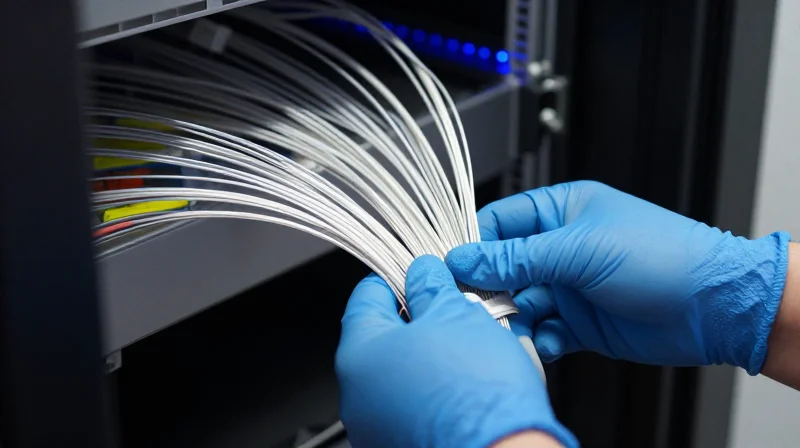
The physical deployment of 400G infrastructure necessitates a shift in how engineers approach cable management, as the sheer volume and weight of high-speed copper interconnecting cables can compromise rack integrity and thermal performance compared to their optical counterparts. While 400G DACs offer cost-effective short-reach connectivity, their physical density poses significant challenges in high-density leaf-spine architectures where cable pathways are already saturated.
The Bulk Factor: Weight and Mechanical Stress
400G DACs utilize thick copper conductors—often 26AWG to 30AWG—to mitigate signal attenuation over their limited range. This results in a heavy, rigid cable. In a fully populated 48-port switch, the cumulative weight of DACs can reach several dozen kilograms, exerting significant mechanical stress on the switch ports and the rack's cable management arms. Conversely, AOCs use thin optical fibers, which are roughly 75% lighter than DACs. This weight reduction simplifies installation and reduces the risk of long-term structural strain on the networking hardware.
Bend Radius and Routing Flexibility
Bend radius is a critical metric for cable routing within tight enclosures. 400G DAC cables are notoriously stiff, with a minimum bend radius that can be as large as 50mm or more depending on the gauge. This makes it difficult to route them through narrow side panels or around tight corners without risking damage to the internal shielding or the port connector. 400G AOCs feature a much smaller bend radius, typically around 20mm to 30mm, allowing for much cleaner cable dressing and more efficient use of space within the rack environment.
Airflow Obstruction and Thermal Efficiency
Effective cooling is essential for 400G optics and switches, which generate considerable heat. The thick diameter of 400G DAC cables can create a 'wall' of copper at the back of the server rack, significantly obstructing exhaust airflow. This leads to hotspots and forces cooling fans to run at higher speeds, increasing energy costs. AOCs have a much smaller cross-sectional profile, allowing for superior airflow and more efficient thermal management, which is often a decisive factor in selecting AOCs for top-of-rack (ToR) deployments.
| Feature | 400G DAC (Copper) | 400G AOC (Optical) | |||
|---|---|---|---|---|---|
| Typical Diameter | ~7.0mm - 9.0mm (30AWG-26AWG) | ~3.0mm - 4.5mm | |||
| Weight | Heavy (Significant rack load) | Ultra-lightweight | |||
| Bend Radius | Large/Stiff (Restricts routing) | Small/Flexible (Easy routing) | Airflow Impact | High (Blocks exhaust paths) | Minimal (Optimizes cooling) |
- Does cable weight affect 400G port longevity?
Yes, excessive weight from heavy DACs can cause 'port sag' over time, leading to intermittent connection issues or physical damage to the switch's PCB. - Is there a specific AWG recommended for 400G DACs?
Most 400G DACs use 26AWG to 30AWG copper. Thinner 30AWG is easier to manage but has a shorter reach, while 26AWG is thicker and reaches further but is significantly more difficult to route. - Why is AOC better for high-density switches?
AOCs provide a much smaller footprint and weight, allowing for maximum port density without exceeding the rack's weight capacity or blocking critical cooling pathways.
Total Cost of Ownership (TCO): CAPEX and OPEX Analysis
Total Cost of Ownership (TCO): CAPEX and OPEX Analysis
Calculating the Total Cost of Ownership (TCO) for 400G interconnects requires a balanced assessment of upfront procurement costs (CAPEX) against the cumulative operational expenses (OPEX) incurred over the hardware's lifecycle. While 400G DACs represent the most cost-effective solution for short-reach applications due to their passive nature, AOCs offer performance advantages that may justify their higher price point in specific high-density environments where airflow and cable weight are critical factors.
CAPEX: The Procurement Advantage of Copper
From a CAPEX perspective, 400G DACs are significantly less expensive than AOCs. Because DACs utilize copper wiring and do not require expensive optical-to-electrical conversion components like lasers or photodetectors, their manufacturing cost is inherently lower. In contrast, every 400G AOC essentially includes two integrated optical transceivers, making the unit price typically three to five times higher than a DAC of equivalent length. For massive top-of-rack deployments, choosing DACs can save organizations thousands of dollars in initial hardware investment.
| Cost Factor | 400G DAC | 400G AOC |
|---|---|---|
| Unit Price (CAPEX) | Lowest | Medium to High |
| Power Utility (OPEX) | Zero | Significant (~2.5W - 4.5W per end) |
| Cooling Requirement | Minimal | Moderate (Active Heat Dissipation) |
| Installation Effort | High (Bulk/Weight) | Low (Lightweight/Flexible) |
| Reach Capacity | Limited (<3m for 400G) | Extensive (Up to 100m) |
OPEX: Power Consumption and Cooling
Operational Expenditure is where the distinction between DAC and AOC becomes most pronounced. Passive 400G DACs consume virtually zero power, making them the ultimate 'green' solution for short-range links. Conversely, 400G AOCs require power to drive the internal Signal Conditioning (DSP/CDR) and optical engines. In a large-scale data center with thousands of active links, the electricity required to power AOCs—and the subsequent energy needed to remove the heat they generate—can represent a massive ongoing expense that offsets the AOC's performance benefits.
Evaluating Indirect Costs
TCO also includes indirect costs such as maintenance and infrastructure management. The physical bulk and weight of 400G DAC cables can lead to increased stress on switch ports and may require specialized cable management systems to maintain proper bend radiuses. AOCs, being thinner and lighter, reduce the physical burden on the rack and improve airflow. In environments where thermal management is a primary constraint, the 'airflow tax' associated with bulky copper cables might lead to higher server fan speeds and increased power draw elsewhere in the system, complicating the final TCO calculation.
- Is 400G DAC always the most economical choice?
For distances under 2 meters, DAC is almost always the winner due to zero power draw and low CAPEX. Beyond 3 meters, signal integrity issues in copper often make AOC the only viable, and thus most economical, choice. - How does reliability affect the TCO?
Passive DACs generally have a higher Mean Time Between Failures (MTBF) because they lack active electronics. Fewer failures mean lower replacement costs and less downtime, further reducing long-term TCO compared to AOCs. - Can AOCs reduce the cost of rack infrastructure?
Yes. Because AOCs are significantly lighter and have a smaller bend radius, they allow for higher density within the same rack footprint without necessitating the oversized cable trays or heavy-duty mounting hardware often required for thick 400G copper cabling.
Strategic Use Cases: Where to Deploy DAC vs. AOC

Strategic Use Cases: Where to Deploy DAC vs. AOC
The choice between 400G DAC and AOC is dictated by the physical architecture of the data center, where distance and cable density serve as the primary decision drivers. While DACs are the undisputed leaders for ultra-short-range, cost-sensitive server-to-switch connections within a single rack, AOCs provide the necessary reach and signal integrity for high-bandwidth interconnects across the larger Leaf-Spine fabric.
Top-of-Rack (ToR): The Stronghold of 400G DAC
In a standard Top-of-Rack (ToR) configuration, the distance between the server's Network Interface Card (NIC) and the access switch is typically less than 2.5 meters. At 400G speeds, passive DACs are the most efficient solution for these short spans. Because DACs operate without active power components, they introduce zero latency and significantly lower the heat signature of the rack. For operators managing thousands of server nodes, the lower CAPEX of copper cables makes DAC the only viable choice for high-density 'in-rack' cabling.
Leaf-to-Spine Interconnects: The Domain of 400G AOC
As the network hierarchy moves upward from the Leaf switches to the Spine switches, the physical distance between ports increases, often exceeding the 3-meter limit of 400G copper. In these scenarios, Active Optical Cables (AOCs) become essential. AOCs are utilized for End-of-Row (EoR) or Middle-of-Row (MoR) architectures where cables must traverse overhead trays or underfloor paths. Their lightweight nature and thin diameter are critical here; replacing a bundle of bulky 400G DACs with AOCs can improve airflow by up to 30%, preventing thermal throttling in high-performance computing clusters.
| Deployment Scenario | Distance Range | Recommended Cable | Primary Advantage |
|---|---|---|---|
| Server to ToR Switch | 0.5m - 2.5m | 400G DAC | Lowest Cost & Zero Power |
| Adjacent Rack Link | 3m - 7m | 400G AOC / ACC | Flexibility & Signal Integrity |
| Leaf to Spine Switch | 10m - 100m | 400G AOC | Extended Reach & Airflow |
| Data Center Interconnect | > 100m | Discrete Transceivers | Long-Haul Capability |
Deployment Strategy FAQ
- Why can't I use 400G DAC for links longer than 3 meters?
At 400G, signal attenuation in copper is severe. To maintain signal integrity beyond 3 meters, the copper wire would need to be so thick (lower AWG) that it would be too heavy to manage and would put excessive physical strain on the switch ports. - Is it worth using AOC for short 1-meter links?
Generally, no. AOCs are more expensive and consume power. Unless your environment has extreme EMI (Electromagnetic Interference) issues where copper fails, DAC is the preferred choice for 1-meter spans. - When should I transition from AOC to dedicated Transceivers?
If you require links longer than 100 meters, or if you need the flexibility to use structured cabling (patch panels), you should move from AOCs to discrete transceivers with separate fiber optic cables.
Navigating the complexities of 400G networking requires a balanced approach to performance, power, and cost. While 400G DAC provides an economical solution for short-reach intra-rack connections, 400G AOC is indispensable for the flexibility and distance required in modern spine-leaf architectures. Ready to upgrade your high-speed interconnects? Contact our engineering team for a customized 400G connectivity audit today.