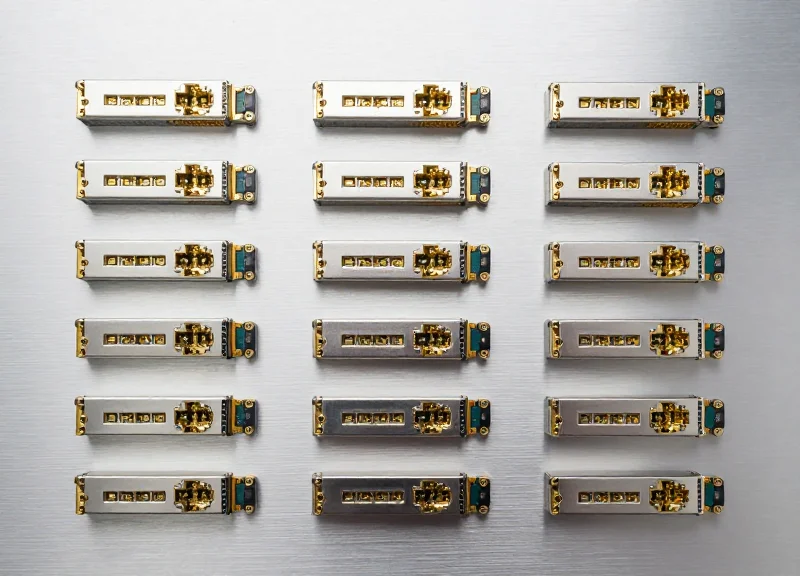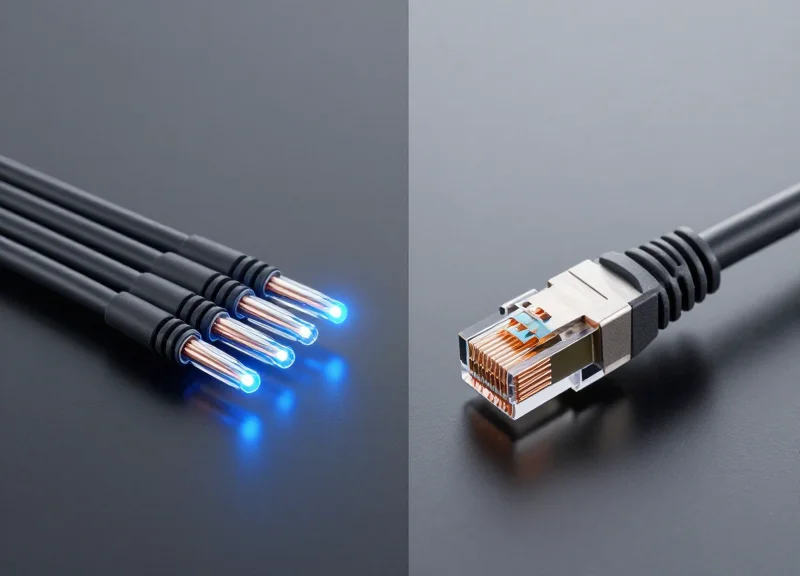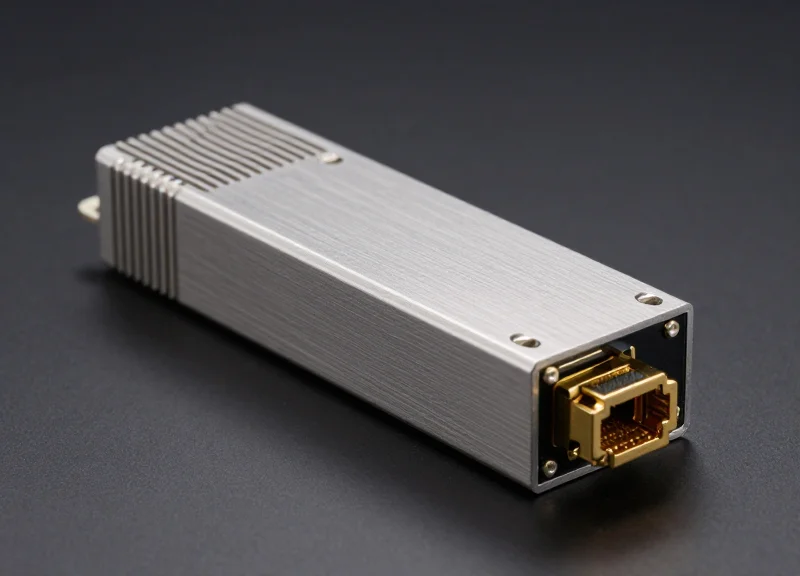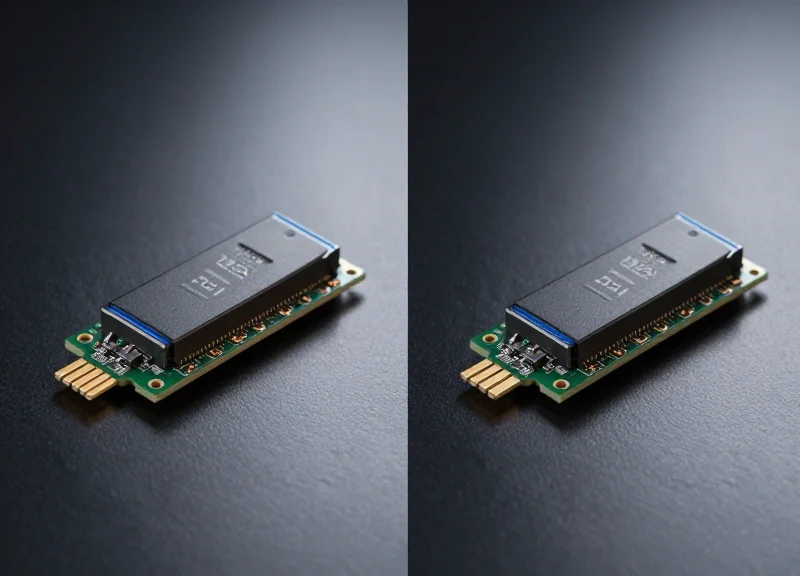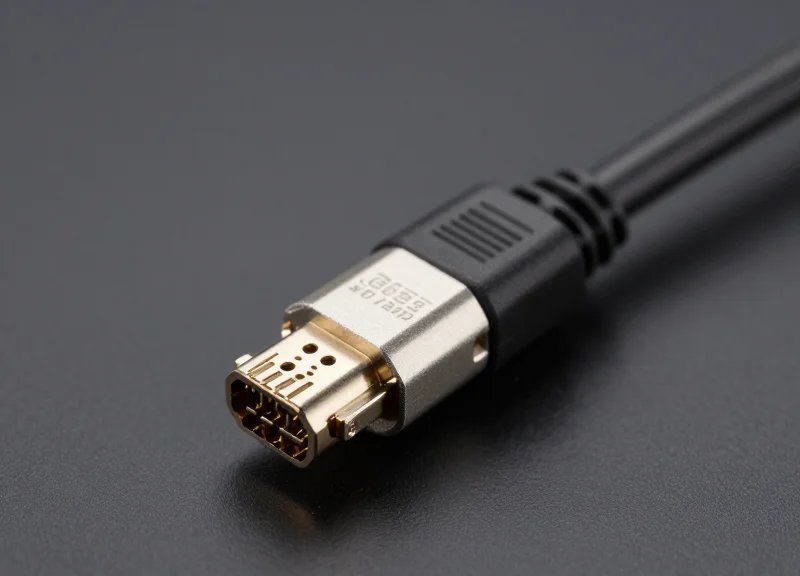
As the demand for bandwidth explodes driven by AI and cloud computing, 400G networking has moved from the cutting edge to the industry standard. At the heart of this transition is the 400G Direct Attach Copper (DAC) cable, offering a unique blend of high performance and cost-efficiency. This guide dives into the technical nuances that make DACs essential for short-reach high-speed interconnects.
The Evolution of High-Speed Interconnects: Why 400G DAC Matters
400G DAC cables are pivotal in modern data center architecture because they bridge the gap between exponential data growth and the need for energy-efficient, cost-effective connectivity. As networks migrate from 100G to 400G, DAC technology remains the preferred choice for short-distance, intra-rack links due to its near-zero power consumption and exceptional signal integrity. By eliminating the need for optical transceivers for short reaches, 400G DACs significantly reduce both Capital Expenditure (CAPEX) and Operational Expenditure (OPEX) for hyperscale facilities.
The Bandwidth Leap: Transitioning from 100G to 400G
The shift from 100G to 400G is not merely a fourfold increase in speed; it represents a fundamental change in signal modulation and density. While 100G primarily utilized NRZ (Non-Return-to-Zero) signaling, 400G leverages PAM4 (Pulse Amplitude Modulation 4-level) to pack more data into the same time interval. This evolution is driven by the massive throughput requirements of AI workloads, 5G backhaul, and high-density cloud computing environment.
| Feature | 100G Interconnect | 400G Interconnect |
|---|---|---|
| Form Factor | QSFP28 | QSFP-DD / OSFP |
| Signal Modulation | NRZ | PAM4 |
| Data Rate per Lane | 25 Gbps | 50 Gbps or 100 Gbps |
| Typical DAC Reach | Up to 5m | Up to 3m |
The Strategic Value of Copper in a Fiber-Dominant World
Despite the expansion of optical networking, passive copper interconnects remain the backbone of the 'Top-of-Rack' (ToR) switch-to-server connection. At the 400G scale, the latency introduced by signal conversion in optical transceivers—though measured in nanoseconds—can accumulate in high-frequency trading or real-time AI training clusters. Passive 400G DACs offer the 'cleanest' path for data, with essentially zero latency and zero power consumption at the cable level, making them an environmentally and technically superior choice for short-reach deployments.
- Why is 400G DAC preferred over AOC for short distances?
DAC cables are passive and require no electrical power to operate, whereas Active Optical Cables (AOC) use power-hungry lasers and photo-detectors to convert signals. This makes DACs more reliable and significantly cheaper for links under 3 meters. - Does 400G DAC support backward compatibility?
Most 400G ports using the QSFP-DD form factor are designed to be backward compatible with previous QSFP generations, allowing legacy 100G DACs to function in 400G slots, though 400G DACs themselves require 400G-capable hardware. - What is the primary challenge for 400G copper cables?
The primary challenge is signal attenuation. Because PAM4 signaling is more sensitive to noise than NRZ, the physical length of passive copper is generally limited to 2.5 or 3 meters to maintain signal integrity without active boosting.
Technical Architecture of 400G DAC Cables
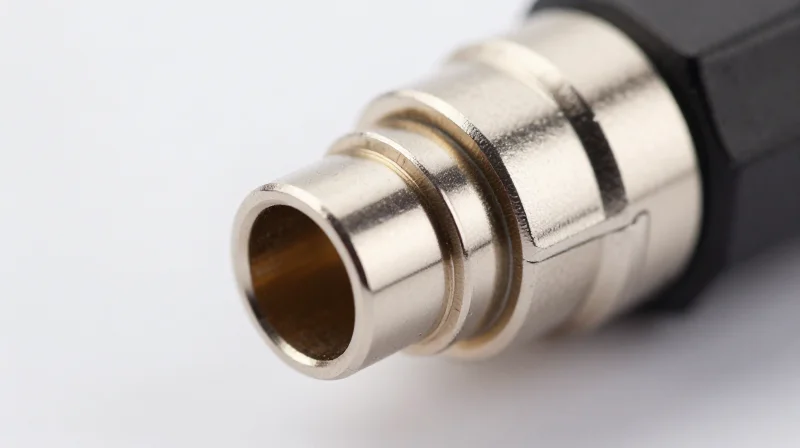
The Engineering Backbone of 400G DAC Architecture
The technical architecture of a 400G Direct Attach Copper (DAC) cable is defined by its ability to maintain signal integrity across high-density copper lanes without the need for active optical components. At its core, the 400G DAC utilizes a passive twinaxial cable assembly, typically leveraging the QSFP-DD or OSFP form factors. These cables are engineered with eight differential pairs (lanes) in each direction, where each lane operates at a 50Gbps data rate. By using passive copper, the architecture minimizes power consumption and latency, making it the most efficient interconnect for short-reach high-bandwidth requirements in the data center.
PAM4 Signaling: Enabling Higher Spectral Efficiency
The primary architectural shift from 100G to 400G is the transition from Non-Return-to-Zero (NRZ) to Pulse Amplitude Modulation 4-level (PAM4) signaling. While NRZ uses two signal levels to represent a bit (0 or 1), PAM4 employs four distinct voltage levels, allowing it to transmit two bits of information per symbol. This effectively doubles the bandwidth within the same physical frequency, though it introduces a lower signal-to-noise ratio (SNR), requiring more robust error correction and precise physical engineering of the cable's copper conductors.
| Specification | NRZ (Traditional) | PAM4 (400G Standard) |
|---|---|---|
| Bits per Symbol | 1 Bit | 2 Bits |
| Voltage Levels | 2 Levels | 4 Levels |
| Signal-to-Noise Ratio | High | Lower (requires FEC) |
| Ideal Application | 10G/25G/100G | 200G/400G/800G |
Signal Integrity and Physical Shielding
Maintaining signal integrity at 400Gbps requires exceptional control over electromagnetic interference (EMI) and crosstalk. 400G DACs employ a high-purity silver-plated copper conductor and a multi-layered shielding approach. Each differential pair is individually wrapped in high-performance foil, and the entire bundle is encased in a braided shield. This architecture reduces the 'suck-out' effect—a phenomenon where signal loss occurs at specific frequencies—and ensures that the 50G-per-lane PAM4 signals remain distinct and decodable by the switch's SerDes (Serializer/Deserializer) over distances up to 3 meters.
- Why is AWG important in 400G DAC architecture?
The American Wire Gauge (AWG) determines the thickness of the copper. For 400G, 26AWG to 30AWG is common; thicker wires (lower AWG) offer lower attenuation but less flexibility, whereas thinner wires are easier to route but limited in distance. - How does the EEPROM contribute to the cable's architecture?
Each 400G DAC contains an EEPROM in the connector head that stores cable length, manufacturer data, and supported protocols, allowing the switch to automatically configure the port for optimal PAM4 signaling parameters. - What role does Forward Error Correction (FEC) play?
Due to the complexity of PAM4 levels, the architecture relies on the host system's FEC to identify and correct bit errors caused by the reduced noise margin inherent in copper at these speeds.
Standard Form Factors: QSFP-DD vs. OSFP
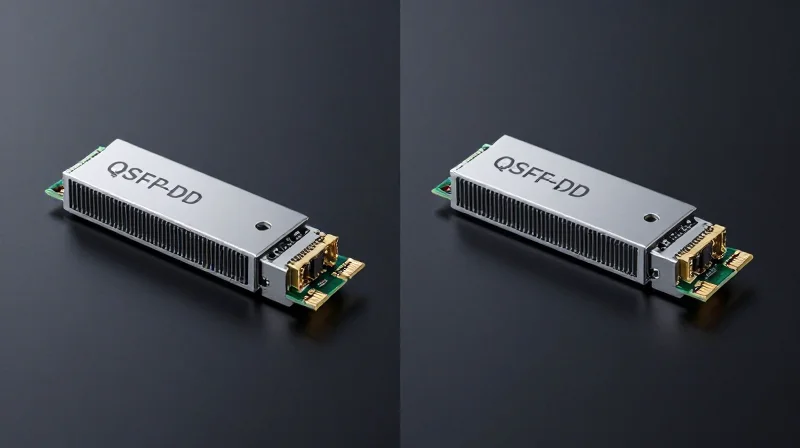
Standard Form Factors: QSFP-DD vs. OSFP
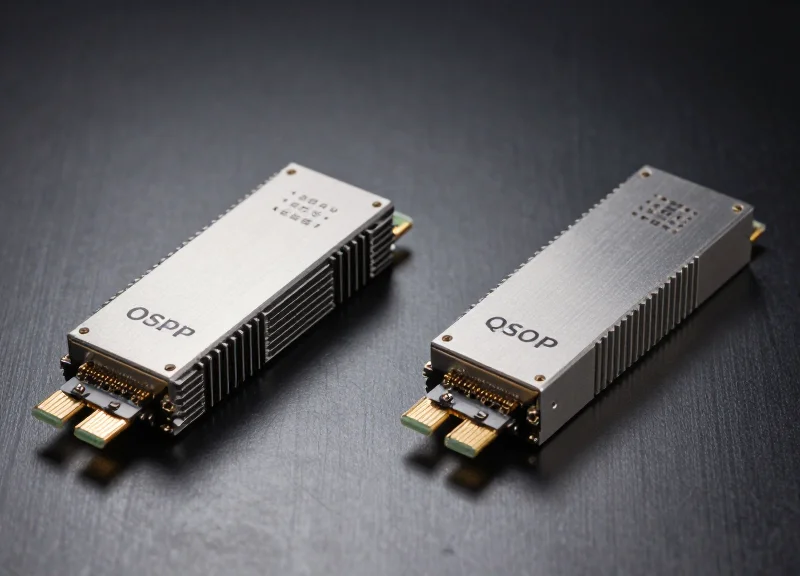
The 400G DAC market is dominated by two primary physical interfaces: QSFP-DD (Quad Small Form-factor Pluggable Double Density) and OSFP (Octal Small Form-factor Pluggable), both of which utilize eight electrical lanes to achieve an aggregate throughput of 400Gbps.
QSFP-DD: The Industry Mainstream
QSFP-DD has gained significant traction due to its backward compatibility with legacy QSFP28 and QSFP56 modules. By adding a second row of electrical contacts to the interface, it doubles the lane count while maintaining the same physical width as its predecessors. This allows data center operators to support existing 100G/200G hardware alongside new 400G infrastructure using the same cage design. However, the compact size presents challenges for thermal dissipation compared to larger alternatives.
OSFP: Designed for Maximum Heat Dissipation
OSFP is a slightly larger form factor designed with high-performance cooling in mind. It includes integrated heat sinks directly on the module, allowing it to handle power envelopes of 15W or higher. While its larger dimensions mean it is not natively backward compatible with QSFP ports (requiring a mechanical adapter), the OSFP design is inherently more future-proof for the upcoming transition to 800G and 1.6T where power consumption and heat will be even more critical.
| Feature | QSFP-DD | OSFP |
|---|---|---|
| Number of Lanes | 8 Lanes (PAM4) | 8 Lanes (PAM4) |
| Size (Width) | 18.35 mm | 22.58 mm |
| Thermal Management | Heatsink on Cage | Integrated Heatsink |
| Backward Compatibility | Native (QSFP28/56) | Via Adapter Only |
| Power Limit | Approx. 12W | Approx. 15W+ |
Implementation Considerations
- Which form factor offers higher density?
QSFP-DD offers higher port density on standard 1U switch faceplates because its narrower profile allows for more ports to be aligned horizontally. - Why does thermal management matter for DACs?
While passive DACs themselves do not generate significant heat, the form factor dictates how much heat can be drawn away from the switch's internal ASIC and optics, affecting overall system stability. - Can I use a QSFP-DD DAC in an OSFP port?
No, they are physically incompatible. You must match the DAC cable's connector type to the specific cage provided on your network equipment.
Passive vs. Active Copper Solutions
Passive vs. Active Copper Solutions
The fundamental difference between passive and active copper solutions in 400G environments is the presence of electronic signal conditioning components within the cable's connector housing. Passive DACs serve as a direct electrical conduit between two ports with no active processing, while Active Copper Cables (ACC) utilize internal redrivers to compensate for signal loss, enabling longer reach without the high cost of optical transceivers.
Passive DAC: The Zero-Power Baseline
Passive DACs are preferred for short-reach applications because they consume zero power and generate no additional heat within the rack. At 400G speeds, however, the PAM4 signaling is highly sensitive to attenuation. This physical limitation typically restricts passive copper to a maximum length of 2.5 to 3 meters (using 26AWG or 30AWG wire). Beyond this point, the bit error rate (BER) becomes too high for the host's Forward Error Correction (FEC) to manage efficiently.
Active Copper Cables (ACC): Extending the Copper Reach
ACCs, often referred to as 'Active DACs,' incorporate linear redrivers or equalizers. These components boost the signal-to-noise ratio (SNR) and mitigate the inter-symbol interference (ISI) caused by the copper medium. While they do require power—typically around 0.5W to 1.5W per end—they allow for significantly thinner cables and a reach extension of up to 5 or 7 meters, making them ideal for across-the-aisle or middle-of-row (MoR) cabling.
| Feature | Passive DAC | Active Copper (ACC) |
|---|---|---|
| Signal Processing | None (Passive) | Linear Redriver / EQ |
| Max Distance | Up to 3 Meters | Up to 7 Meters |
| Power Consumption | ~0 Watts | 0.5W - 1.5W per end |
| Cable Thickness | Thicker (higher AWG) | Thinner (lower AWG) |
| Latency | Lowest (Near zero) | Very Low (Micro-delays) |
Implementation FAQ
- Can I use Passive DACs for 400G inter-rack connections?
Generally no. Due to the high insertion loss of 56G/112G SerDes signals, passive copper is usually insufficient for distances exceeding 3 meters, which is the standard inter-rack requirement. - Is ACC the same as AOC?
No. ACC uses copper wire and redrivers to boost electrical signals, while Active Optical Cables (AOC) convert electrical signals into light for transmission over fiber, offering much longer reach (up to 100m). - Does 400G ACC support auto-negotiation?
Yes, most 400G ACCs are designed to support auto-negotiation and training, provided the host firmware is compatible with the active components inside the cable.
Performance Benchmarks: Latency, Power, and EMI
In 400G networking, performance is measured not just by bandwidth, but by the efficiency of data delivery. 400G Direct Attach Cables (DACs) represent the industry's highest performance standard for latency and power consumption, as they transmit electrical signals directly across copper media without the need for the energy-intensive Optical-to-Electrical (O-E-O) conversions required by fiber optic alternatives.
Latency: The Speed of Copper vs. Silicon Processing
The primary advantage of a passive 400G DAC is its 'near-zero' latency. Because there are no active components or digital signal processors (DSPs) to manipulate the data stream, the signal travels at the speed of electricity through copper. In contrast, optical transceivers and Active Optical Cables (AOCs) introduce delay through laser modulation and internal signal processing. For high-frequency trading and AI training clusters, where every nanosecond counts, DACs remain the preferred interconnect.
Power Consumption and Thermal Efficiency
Power consumption is a critical factor in 400G deployments due to the massive heat generated by high-density switching. Passive DACs consume virtually zero power (less than 0.1W per end), which significantly reduces the thermal load on the switch. This allows data center operators to allocate more power to compute resources rather than cooling infrastructure.
| Metric | Passive DAC | Active Copper (ACC) | Active Optical (AOC) |
|---|---|---|---|
| Typical Latency | < 5 nanoseconds | < 20 nanoseconds | > 100 nanoseconds |
| Power Consumption | ~0.1 Watts | 1.5 - 2.5 Watts | 10 - 12 Watts |
| Heat Generation | Negligible | Low | Significant |
| Max Distance | 3 Meters | 5-7 Meters | Up to 100 Meters |
EMI Challenges and Signal Integrity
As signaling speeds increase to 112G per lane (PAM4), electromagnetic interference (EMI) becomes a major challenge. 400G DACs utilize advanced twinaxial cable construction with multiple layers of shielding to prevent 'crosstalk'—interference between adjacent signal pairs. The physical design of the QSFP-DD or OSFP connector shell also acts as a Faraday cage, ensuring that the high-frequency emissions do not disrupt neighboring ports in a high-density switch.
- Does 400G DAC latency increase with cable length?
No, the latency increase is negligible (roughly 5ns per meter), far lower than the latency introduced by the DSPs in optical modules. - Why is EMI more of a concern for 400G than 100G?
Higher frequency signals used in 400G (PAM4) have shorter wavelengths, making them more susceptible to noise and signal degradation from external electromagnetic sources. - Can passive DACs be used in all 400G ports?
While compatible with the form factor, passive DACs are limited to short distances (under 3m). Beyond that, the signal loss is too high, requiring ACCs or optical solutions.
Comparative Analysis: 400G DAC vs. 400G AOC
Comparative Analysis: 400G DAC vs. 400G AOC
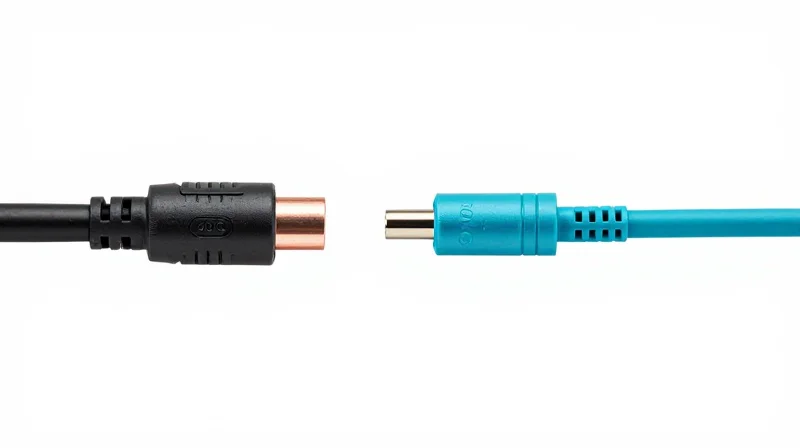
Choosing between 400G DAC and AOC is primarily a decision between the cost-effectiveness of short-range copper and the extended reach and flexibility of optical fiber. While DACs are the gold standard for intra-rack connections due to near-zero power consumption and significantly lower price points, AOCs are indispensable for inter-rack cabling where distances exceed 7 meters and cable density or weight becomes a primary management concern.
| Feature | 400G DAC (Passive) | 400G AOC |
|---|---|---|
| Maximum Reach | Up to 7 meters | Up to 100 meters (OM4) |
| Power Consumption | Near Zero (~0.1W) | Approx. 2.5W - 5W per end |
| Latency | Ultra-low (no conversion) | Low (optical conversion delay) |
| EMI Immunity | Susceptible to interference | Complete Immunity |
| Cost | Economical / Lowest | Moderate to High |
| Weight & Bulk | Heavy and thick | Lightweight and thin |
The Efficiency Advantage of 400G DAC
For data centers focused on minimizing OpEx, the 400G DAC offers a clear advantage in power efficiency. Because passive DACs do not require electrical-to-optical conversion, they generate virtually no heat. In a high-density 400G switch environment, using DACs for Top-of-Rack (ToR) to server connections can reduce the overall cooling load and power budget of the rack significantly compared to AOCs. Furthermore, the simplicity of the copper medium provides a higher Mean Time Between Failures (MTBF) as there are no laser components to degrade over time.
The Flexibility Advantage of 400G AOC
While DACs dominate the short-range space, AOCs are preferred when physical cable management is a priority. 400G copper cables are notoriously thick and stiff due to the gauge required to maintain signal integrity at 400Gbps. In contrast, AOCs use thin optical fibers that allow for a tighter bend radius and better airflow within the cabinetry. For connections between racks (End-of-Row or Middle-of-Row architectures), the lightweight nature of AOCs prevents excessive strain on the switch ports and simplifies the installation process in overhead cable trays.
- Can I use 400G DAC for inter-rack connections?
Generally no; 400G DAC is physically limited to a maximum of 7 meters, which is usually insufficient for reaching across multiple racks in a standard data center layout. - Is the latency difference between DAC and AOC noticeable?
In most enterprise applications, the difference is negligible. However, for High-Frequency Trading (HFT) or specialized AI training clusters, the nanosecond-level advantage of DACs can be a deciding factor. - Why is AOC more expensive than DAC?
AOCs include active electrical-to-optical conversion components (lasers and photodetectors) integrated into the connector heads, making the manufacturing process significantly more complex than simple copper termination.
Primary Application Scenarios in Modern Data Centers

The Strategic Role of 400G DAC in Data Center Fabrics
In the hierarchy of modern data center networking, 400G DACs function as the essential nervous system for intra-rack communication. Because these cables operate passively without the need for optical transceivers, they offer the lowest possible latency and power consumption profile. This makes them indispensable in environments where every microsecond and milliwatt counts, particularly within the leaf-spine architectures common in hyperscale facilities. Their application is typically constrained by physical reach, focusing on distances under 3 meters where copper's signal integrity remains superior to optical alternatives in terms of cost-to-performance ratio.
Top-of-Rack (ToR) and Leaf-Spine Interconnects
The most prevalent application for 400G DACs is connecting high-density servers to Top-of-Rack (ToR) switches. As data centers migrate from 100G to 400G, the physical layout of the rack remains largely the same, requiring short-run cables that can handle the increased bandwidth without generating excessive heat. 400G DACs facilitate these vertical connections efficiently, often utilized in 'breakout' configurations (such as 400G to 4x100G or 2x200G) to link a single high-capacity switch port to multiple legacy or standard server interfaces.
High-Performance Computing (HPC) and AI Clusters
Artificial Intelligence (AI) and Machine Learning (ML) workloads require massive parallel processing across thousands of GPUs. 400G DACs are the gold standard for connecting GPU-heavy nodes within AI 'pods' or clusters. In these scenarios, the sub-nanosecond latency of passive copper is a critical technical advantage, ensuring that data synchronization between processors does not become a bottleneck during large-scale model training.
| Application Scenario | Typical Distance | Primary Technical Driver | Hardware Involved |
|---|---|---|---|
| Intra-Rack Server Links | 0.5m - 2.0m | Cost and Thermal Efficiency | NICs to ToR Switches |
| Switch-to-Switch (Stacking) | 1.0m - 3.0m | Low Latency / High Throughput | Leaf Switch to Leaf Switch |
| AI/HPC Training Pods | 0.5m - 1.5m | Ultra-Low Latency | GPU Servers / InfiniBand Switches |
| Storage Area Networks (SAN) | 1.0m - 2.5m | Reliability and EMI Shielding | NVMe-oF Storage Arrays |
Deployment Considerations and FAQs
- Can 400G DAC be used for Inter-Rack connections?
Generally no. Due to the 3-meter limit of passive copper at 400G speeds, these cables are unsuitable for connecting equipment across different rows or even distant racks. Active Optical Cables (AOC) or fiber optics are required for those distances. - Why is 400G DAC preferred over AOC for short distances?
The primary reasons are cost and power. DACs are significantly cheaper to manufacture and consume zero power themselves, which reduces the cooling load on the data center's HVAC systems. - Does 400G DAC support backward compatibility?
Yes, most 400G QSFP-DD or OSFP DACs are designed to be backward compatible with lower speeds, though the primary use case remains maximizing the 400Gbps throughput.
Deployment Challenges: Bend Radius and Cable Management
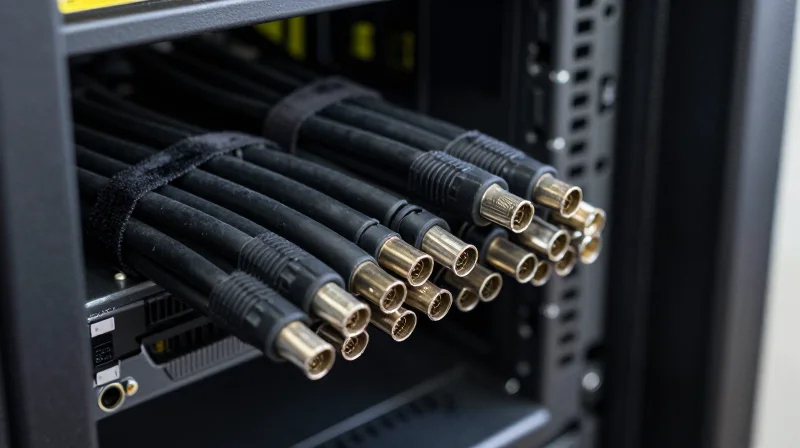
Deploying 400G Direct Attach Copper (DAC) cables presents unique physical challenges primarily due to the increased thickness and weight of the copper conductors required to support higher bandwidths. As data centers transition from 100G to 400G, the physical rigidity of DAC cables—often utilizing 26AWG to 30AWG wire—demands meticulous planning regarding bend radius and rack space to prevent mechanical failure and signal degradation.
The Critical Role of Minimum Bend Radius
The minimum bend radius is the smallest radius a cable can be bent without damaging the internal structure or compromising the electrical characteristics. For 400G DACs, exceeding this limit can lead to impedance mismatches and increased return loss, which are catastrophic for high-speed PAM4 signaling. Generally, the industry standard for the minimum bend radius is 5 to 10 times the outer diameter (OD) of the cable, depending on whether it is a static or dynamic installation.
| Wire Gauge (AWG) | Approx. Outer Diameter (mm) | Minimum Bend Radius (Static) | Flexibility Level |
|---|---|---|---|
| 26 AWG | 9.2 mm | 46 mm | Low (Stiff) |
| 28 AWG | 7.9 mm | 40 mm | Moderate |
| 30 AWG | 6.7 mm | 34 mm | High (Flexible) |
Strategies for Effective Cable Routing
To mitigate the risk of cable strain and airflow blockage, engineers must implement structured cable management solutions. Because 400G DACs are significantly heavier than their predecessors, passive support systems are no longer optional; they are a requirement for long-term reliability.
- Horizontal and Vertical Managers
Use dedicated cable managers to distribute the weight of the cable bundles, preventing downward pressure on the switch ports and transceiver cages. - Avoid 'Cable Spaghetti'
Excessive lengths should be avoided. Use precise 'Top-of-Rack' (ToR) lengths (typically 0.5m to 2.5m) to reduce bulk and improve airflow for cooling. - Color Coding and Labeling
Implement a rigorous labeling system at both ends of the DAC to ensure rapid troubleshooting, as the stiffness of 400G cables makes manual tracing difficult. - Strain Relief Boots
Ensure cables are equipped with robust strain relief boots to maintain the connector-to-cable interface integrity during installation.
Deployment FAQ
- Can I use 400G DACs for inter-rack connections?
It is generally not recommended. Due to the weight and stiffness of the required 26AWG wire for longer lengths, DACs are best suited for intra-rack (ToR) connections within 3 meters. - Does bending a DAC cable affect its lifespan?
Yes. Repeated bending or exceeding the minimum bend radius causes micro-fractures in the copper shielding and dielectric, leading to permanent signal degradation over time. - How does cable thickness impact airflow?
Thicker cables (lower AWG) can create significant physical barriers in the back of the rack, causing hot spots. Proper bundling and routing along the rack frame are essential to maintain thermal efficiency.
Selecting the Right 400G DAC for Your Infrastructure
Selecting the Right 400G DAC for Your Infrastructure
Successful 400G DAC deployment hinges on a multi-faceted evaluation strategy that prioritizes signal integrity over the shortest possible distance while accounting for the physical rigidity of high-gauge copper. For data center architects, the decision is not merely about connectivity but about optimizing the balance between hardware compatibility and the total cost of ownership (TCO) across the infrastructure lifecycle. Choosing the wrong cable can lead to intermittent link flaps, high bit error rates (BER), or physical port damage due to excessive strain.
The 400G DAC Procurement Checklist
- AWG and Cable Thickness
Evaluate whether 26AWG, 28AWG, or 30AWG is required. Thicker cables (26AWG) are necessary for 2.5m to 3m reaches to maintain signal integrity but require more space for bend radius. - Form Factor Consistency
Ensure the DAC matches the specific equipment ports, such as QSFP-DD, OSFP, or QSFP112, particularly in breakout configurations (e.g., 400G to 4x100G). - EEPROM Coding and Compatibility
Confirm that the cable's EEPROM is coded correctly for your switch vendor (Cisco, Arista, NVIDIA/Mellanox) to avoid 'unrecognized transceiver' errors and locked ports. - Operating Temperature Range
For high-density HPC environments, verify that the DAC is rated for the expected ambient temperature within the rack to prevent thermal degradation of the insulation.
Vendor Comparison: OEM vs. Third-Party
| Selection Criteria | OEM-Branded DACs | Third-Party Certified DACs |
|---|---|---|
| Initial Procurement Cost | High (Premium pricing) | Low to Moderate (Significant savings) |
| Vendor Support | Single-point of accountability | Dependent on third-party reliability |
| Compatibility Guarantee | Native support guaranteed | Verified through rigorous lab testing |
| Lead Times | Often longer due to supply chain | Typically shorter and more flexible |
Total Cost of Ownership (TCO) Analysis
When calculating TCO for 400G DACs, the 'zero-power' advantage is the primary driver. Unlike AOCs or optical transceivers, DACs consume virtually no power (less than 0.1W), which translates to massive savings in electricity and cooling over a three-to-five-year cycle. However, procurement teams must also factor in the 'cost of failure.' Choosing a low-quality vendor may result in higher replacement rates and downtime, which can quickly negate the initial savings of a cheaper cable.
FAQ: Critical Procurement Questions
- How do I verify 400G DAC compatibility before a bulk purchase?
Request a sample for 'Golden Link' testing in your specific hardware environment. Check the switch OS logs for any I2C communication errors or high BER during a 24-hour stress test. - Can I use an OSFP DAC in a QSFP-DD port with an adapter?
While adapters exist, they introduce additional signal loss and mechanical complexity. It is always recommended to use native DACs that match the physical port type of your switch and NIC. - Is there a significant difference in failure rates between 100G and 400G DACs?
Yes, 400G DACs are more sensitive to physical handling and bend radius violations because PAM4 signaling is less tolerant of impedance mismatches than the NRZ signaling used in older 100G cables.
In the race for faster networking, 400G DAC cables remain the undisputed leader for short-reach efficiency, providing a low-power, high-reliability solution for the modern data center. Whether you are upgrading an existing rack or designing a greenfield AI facility, understanding these cables is key to optimizing your network. Contact our expert team today to find the perfect 400G connectivity solutions for your business.